











Category: Facebook
ContentRally is a leading source of reliable news and trending topics on FaceBook. Get hard-to-find insights and advice on FaceBook from industry-specific leaders.
Want to Know Who Isn’t Following You On Facebook? Here Is How
When you become friends on Facebook, the person in question follows you automatically. This holds true for you as well. On Facebook, if you receive a friend request and decide not to accept, reject, or unfriend the sender, the request will turn into follow automatically. You can block them on Facebook if you don't want them to follow you. People who aren't your friends or potential friends can also follow you. Let's learn about how to change your settings so that you can get followed by the general public and view who is following you at the moment. This article will answer your question on how can you see if someone is not following you on Facebook. Keeping an eye on your Facebook fans is crucial, especially if you use the social media site to market your company or brand. You can improve your company's online visibility by encouraging your followers to see interesting Facebook posts about your brand. For example, how can I see who exactly I follow on Facebook? These are the most common questions asked by the vast majority of Facebook users worldwide. Facebook has made it simple to see who follows you. However, because of the confusing site's interface, most users have trouble finding the "Following" feature. However, we are here to respond to your following woes and offer you our utmost tech support. Here is everything you need to know about finding out who is following you on Facebook, both on the web and on mobile devices. By following this step-by-step guide, you can successfully modify your settings and look over the specifics to make the most of Facebook. Are you ready to learn all about it? What Is Following On Facebook? Before we learn about how can you see if someone is not following you on Facebook, let's address the question, what is following on Facebook. It's not necessary to be friends with someone in order to view their posts in your Facebook News Feed. This is why when you follow someone who isn't a friend, you'll also see their public updates appear in your Feed as though they are. Furthermore, your public posts will show up in the News Feeds of people who follow you on Facebook, even if you are not friends with them on the social media network. It consists of the comments you leave on other people's open posts as well as the pictures and posts you upload on your own. You might not even be aware of it if you don't learn how to view your Facebook followers. Friend, Follower, Unfollowed, Or Blocked: What Is The Difference? Facebook uses several controls that can look similar but behave differently. A friend connection normally creates a two-way follow. You can still remain friends with someone while choosing not to see that person’s posts in your Feed. Meta confirms that unfollowing someone does not remove the friendship. You can read its explanation of following and unfollowing on Facebook. A follower is different from a friend. A follower may see your public posts without being connected to you as a friend. Pages also collect followers, and a person may follow a Page without interacting with every post. Unfollowing is quiet. Facebook does not send the other person a notification when you unfollow them. Blocking is stronger: it limits the person’s ability to find, contact, or interact with your profile. This means a lower friend count, a lower follower count, and fewer reactions do not prove the same thing. Someone may have unfollowed you, unfriended you, deactivated their account, or changed their privacy settings. How To See Your Current Facebook Followers The steps depend on whether you want to check a personal profile or a Facebook Page. Check Followers On A Personal Profile Open Facebook and go to your profile. Select More below your profile details. Choose Followers, if the option appears. Review the list of people who follow you but are not already your friends. Facebook may not show a Followers tab on every profile. Public follower settings, professional mode, age restrictions, and account privacy controls can affect what appears. Meta explains that people who are not your friends can follow a profile when the relevant public-following option is available. See the current Facebook follower guidance. Check Followers On A Facebook Page Switch into the Page you manage. Open the Page’s settings. Look for the followers or audience section. Review the available follower list. Meta states that Page owners can view followers from the Page’s settings. The exact label may differ between the Facebook app, desktop site, and Meta Business Suite. If you only see follower totals or insights, Facebook may not be displaying a complete name-by-name list for that account. Can Facebook Show You Who Unfollowed You? Facebook does not provide a reliable list of everyone who unfollowed your profile or Page. It may show your current followers, but it does not normally show a dated record of who left. A falling follower number can have several causes: Someone unfollowed you. A person deleted or deactivated their account. Facebook removed fake, spam, or inactive accounts. A Page follower changed their privacy settings. The follower count has not finished updating across Facebook’s systems. You can compare follower totals over time, but that will not identify one specific unfollower. For a Page, use the professional dashboard or Page insights to watch broader audience changes. Treat those figures as trends, not as a personal attendance list. Avoid browser extensions and mobile apps that promise to reveal every unfollower. Many ask for your Facebook password, access token, or permission to manage your account. Meta advises users to avoid suspicious links and protect their login details. If you already used such a tool, remove its access, change your password, and review recent login activity. How To Check One Person’s Follow Status Without An Unfollower App Facebook cannot always confirm whether one particular person still follows you. You can, however, check the visible signs without giving your account details to an outside service. Open the person’s profile and look at the relationship shown near their name. If Facebook shows Friends, you are still connected as friends. That does not prove they follow every post because a friend can unfollow your updates while keeping the friendship. If you manage a Page, search for the person in the Page’s follower list. If the name is not shown, Facebook may have removed the follow, hidden the account, or not finished updating the list. Do not treat one missing result as final proof. The safest answer often comes from the person’s recent interaction with your public content. A lack of likes, comments, or views is not proof of an unfollow. Feed ranking, notification settings, and a person’s time on Facebook can all change what they see. Who Can Follow You On Facebook In 2026? A Facebook Page is designed to have followers. A personal profile follows a different set of rules. People who are not your friends may be able to follow your profile when your public follower setting or professional mode allows it. To review the setting: Open Facebook and select Settings & privacy. Tap or click Settings. Open Followers and public content under Audience and visibility. Check who can follow you. Review who can comment on, like, or share your public posts. Some profiles now need professional mode before non-friends can follow them. Meta says that a profile’s type determines who can follow it, and professional mode can allow non-friends to follow. Read Meta’s current guidance on who can follow you. Changing this setting affects future followers. It does not reveal a complete history of people who previously followed or unfollowed you. How To Get Notified When Someone Unfollows Automatically? Manually going through your "Friends" and "Followers" lists can be very time-consuming. You have no way of knowing when someone clicks the "Unfriend" button unless you keep a close eye on the number of friends listed on your profile. Fortunately, there's a much simpler way to figure out who unfollowed you on Facebook. Presenting Who Deleted Me, an extension for Google Chrome and Firefox that performs profile checks for you. The application saves your current friends list when you log in with your Facebook credentials. It then periodically rechecks the list whenever you click on the app and notifies you of any changes, such as when someone unfriends you. It also distinguishes between friends and other individuals who have recently deactivated their accounts, which is an extra bonus. How Do I Follow Someone Without Adding Them As A Friend? To do this, go to their Timeline page and click the "Follow" button. If there isn't a "Follow" button, a user's privacy settings prevent people who aren't friends from following them. It follows that you have to friend them first. If they grant your request, you will have the ability to follow them. Why Your Facebook Follower Count May Change Follower numbers are not fixed. Facebook regularly removes accounts that are fake, abusive, or no longer active. A person may also stop following you without unfriending you. For that reason, focus on the pattern rather than one daily change. A small drop does not automatically mean that your content failed. Check whether the change happened after: a long gap between posts; a change from public to friends-only content; a Page name, category, or branding update; removal of old or inactive accounts; a change in professional mode or follower privacy settings. If you manage a business Page, compare follower changes with reach, profile visits, messages, and link clicks. These measures show whether the audience is still finding and using the Page. A follower total alone cannot explain why people stopped seeing or engaging with your content. Facebook Users In 2026 Should Remmember These! Now you can tell how can you see if someone is not following you on facebook. Warm leads on Facebook are more likely to visit your page or make a purchase. By helping you reach more people, they can also help you grow your website audience. Your following on Facebook is a crucial sign of how successful your company page is on the social media network. How can I check who is following my desktop and mobile Facebook pages and profile? This guide will help you answer that question. Now that you know how to make your Facebook profile public, you can also follow more people and grow your social media following. If you want to stop people from following you, you can also go in the opposite direction. However, ensure that the configuration best meets your needs and privacy preferences. You can change the setting if you are not satisfied with it as is. Additional Reading: What Is Facebook Touch? Everything You Need To Know About It How To Recover Deleted Facebook Messages Using Com.Facebook.orca? Facebook Blueprint: Building A Strong Foundation For Social Media Advertising
READ MOREDetails
Here Is How To Delete A Facebook Page Easily
Do you wish to know how to delete a Facebook page? This article is going to be your ultimate guide. We will walk you through the process of deleting your Facebook business page on both desktop and mobile devices with clear, detailed instructions. If you're still not entirely sure that you want to permanently delete your Facebook business page, we'll also offer you other options. But first, let's confirm that we are discussing the same topics. Your personal Facebook account, or profile on Facebook, is the one you use to interact with loved ones and watch wacky cat videos. You can share updates about your life with your Facebook friends and keep up with their activities. Depending on the pages you follow, you can even obtain your news from your news feed. On the other hand, a company typically creates a Facebook page to engage with clients, advertise goods and services, and broaden its online presence. This account is not private; rather, it is a component of a larger marketing plan. We'll go over everything you need to know about removing your Facebook business page in the section that follows. Go to the bottom of the post to find out how to remove your personal Facebook account. What You Need Before You Delete A Facebook Page Facebook no longer relies on the old “Page administrator” label alone. To delete a Page, your profile must have Facebook access with full control. Task access may let you publish posts, answer messages, view insights, or work inside Meta Business Suite. It does not give you permission to delete the Page. You can check your access before starting: Switch from your personal profile to the Page. Open Settings & privacy and select Settings. Go to Page setup and choose Page access. Find your name under People with Facebook access. Confirm that your access includes full control. If you do not have full control, ask someone who does to change your access. Meta explains the current permission levels in its Facebook Page access guide. Facebook deactivates a Page as soon as someone requests deletion. The Page then enters a 14-day recovery period. If nobody cancels the request within that time, Facebook permanently deletes it. Therefore, save any information you may need before confirming the request. Should You Delete, Deactivate, Merge, Or Remove The Page? People often delete a Page when they only want to hide it or remove it from a business account. Facebook provides several actions, and each one produces a different result. Your goalCorrect actionWhat happensHide the Page for nowDeactivate the PagePeople cannot find the Page, but you can reactivate it later.Close the Page permanentlyDelete the PageFacebook deactivates it immediately and permanently deletes it after 14 days.Combine two similar PagesMerge the PagesMeta combines eligible Pages and removes the Page being merged.Detach it from Meta Business SuiteRemove it from the business portfolioThe Page remains on Facebook but is no longer part of that portfolio.Stop one person from managing itRemove their Page accessThe Page stays active, but that person loses access. Deactivation is the safer option when a business is taking a break, changing its name, or rebuilding its content. Meta confirms that deactivating a Page does not delete it. Merging works only when Meta considers the Pages eligible, usually because they represent the same business or subject. You can review the current Facebook Page-merging requirements before choosing this option. Removing a Page from a Meta business portfolio is also different from deleting it. Use that option when your problem concerns business ownership or Meta Business Suite access rather than the public Page. How To Delete A Facebook Page In 2026 Facebook uses nearly the same deletion menu on desktop and mobile. You must switch into the Page before opening its settings. Delete A Facebook Page On Desktop Sign in to Facebook. Click your profile picture in the upper-right corner. Select See all profiles and switch to the Page you want to delete. Click the Page’s profile picture. Open Settings & privacy, followed by Settings. Select Access and control from the menu. Choose Delete Page and click Continue. Review the information shown on the screen. Facebook may offer options to download or transfer your Page information. Enter your password if Facebook asks for it. Confirm that you want to delete the Page. Delete A Facebook Page On Android Or iPhone Open the Facebook app. Tap your profile picture or the Menu button. Use the profile switcher to select the Page. Open Settings & privacy and tap Settings. Tap Access and control. Select Delete Page. Tap Continue and follow the confirmation prompts. Meta occasionally changes the position of individual menu items. However, Access and control currently contains the deletion option. You can compare your screen with Meta’s latest Page deletion instructions. Once confirmed, Facebook deactivates the Page immediately. Permanent deletion takes place after 14 days unless you reactivate it. Complete This Page Exit Audit First Deleting a Page can remove years of useful business history. A quick Page exit audit protects the information that may still have legal, marketing, or customer-service value. Before deleting the Page: Download a copy of the Page, and open the downloaded file to confirm that it contains what you need. Save important photographs, videos, posts, customer conversations, leads, reviews, and performance reports separately when necessary. Record the Page username, URL, Page ID, final follower count, and important campaign results. These details can help with old invoices, brand records, ownership questions, and future marketing reports. Review scheduled posts, active advertising campaigns, connected business tools, and any linked Instagram account. Handle each connected asset separately instead of assuming that Page deletion will remove or preserve everything. If the business has moved or changed its name, publish a final notice that points customers to the new Page, website, email address, or support channel. Tell other people with full control about the decision. This reduces the chance of someone cancelling the request or recreating a duplicate Page without knowing the original plan. Treat the Page as a business record, not simply as a social profile. Once the 14-day recovery period ends, access to its old content may not return. Deleting A Facebook Page Is Not The Same As Deleting Your Account A Page represents a business, organization, brand, or public figure. Your Facebook account contains your personal profile and provides the access used to manage Pages. Facebook gives a Page a 14-day deletion window. A personal account has a 30-day cancellation period. Combining these two time limits can cause someone to miss the Page recovery deadline. To delete a personal Facebook account in the current interface: Open Settings & privacy and select Settings. Go to Accounts Center. Select Personal details. Open Account ownership and control. Choose Deactivation or deletion. Select the account or profile. Choose Delete account and tap Continue. Meta provides the complete process in its personal Facebook account deletion guide. Check every Page you manage before deleting your account. If your profile is the only one with full control, the connected Pages may also lose their active manager. Give another trusted person full control first if any Page needs to remain online. Why Can’t I Delete My Facebook Page? A missing Delete Page button usually points to an access or profile problem. It does not always mean that Facebook has removed the feature. What you seeLikely reasonWhat to doYou cannot find “Access and control”You are using your personal profileSwitch into the Page and open its settings again.You can post but cannot delete the PageYou have task access or partial controlAsk someone with full control to upgrade your Page access.The Page appears in Business Suite onlyBusiness portfolio access and Page access are differentCheck both the portfolio permissions and the Page access list.Your access changed without your approvalAnother person with full control may have edited itContact the remaining full-control user or submit a Page access request.The app shows an older menuYour app or interface has not received the same layoutUpdate the app or complete the process through a desktop browser. Only someone with Facebook access with full control can delete a Page. Being able to create content, answer messages, run advertisements, or view reports does not prove that you have that level of access. If the Page belongs to another business or person, you cannot ask Facebook to delete it simply because you no longer want it online. The owner must give you the required access or handle the deletion. If you lost legitimate access to a Page you manage, follow Meta’s Page access recovery guidance. How To Stop Facebook From Getting Deleted? As previously mentioned, you can stop a page from being deleted for thirty days after you decide to delete it. If you decide to change your mind, simply take these actions: Click on your picture in the upper right corner of Facebook when it's open. From the dropdown menu, select Settings & privacy and then click Settings. Click "Your Facebook information." Lastly, select "View" from the menu, then click to bring up the reactivation page. Did You Receive A “Your Page Will Be Deleted” Message? A message that threatens to delete your Page is not the same as a deletion request you submitted through Facebook settings. Scammers often create urgent messages that ask Page owners to open a link, appeal immediately, enter a password, or pay a fee. Do not use the link inside an unexpected message. Open Facebook yourself and check the Support Inbox: Open the Facebook menu. Select Help & support. Open Support Inbox. Look for a matching notice from Facebook. Meta uses the Support Inbox for account alerts, reports, and platform messages. If no matching notice appears, treat the original message with caution. If you entered your password on a suspicious website, change it immediately. Review recent logins, remove unknown access, and turn on two-factor authentication. Meta also provides recovery steps for people who believe they have been phished on Facebook. Before You Delete You should download the data from your Facebook page before deleting it. To obtain your data: Navigate to that page and choose "Settings." Locate the "Download Page" option by navigating to the "General" section. Click "Download Page" after selecting "Edit." One wise move to make the most of your social media assets is to delete any outdated or irrelevant business pages. You can also collect data, automate content creation, and analyze trends with the right software. To locate the best social media software for your company, start here. A Final Check A Facebook page is different from a profile. Your user profile represents you as an individual. It's where you interact with friends and maintain control over the privacy of the information you share. A page is a public representation of a person, place, business, organization, or group that other people on Facebook can like and follow. Once you have initiated your account's deletion, Facebook gives you a 14-day window to rescind your decision. Within that timeframe, you can reinstate your account to its previous glory without losing any of your data. To do so, simply log into your account as you normally would, using any browser of your choice or via the Facebook app. After 14 days, you lose your account permanently. So before you get too curious about how to delete a Facebook page, make sure you are ready to let go permanently. With the information we just provided, you can delete any type of Facebook page that you may have created in just a few moments. Have you had any challenges deleting your Facebook page? How did you overcome it? Let us know in the comments. Additional Reading: How To Stop Scammers On Facebook Marketplace? Facebook Settlement: When It Will Pay Out and How to Verify It What Is Facebook Touch? Everything You Need To Know About It
READ MOREDetails
What Is Facebook Touch? Everything You Need To Know About It
Facebook did not always fit neatly on a phone screen. Early smartphone users often had to zoom in, scroll sideways, or wait for a crowded page to load. Facebook Touch appeared in 2009 during this awkward stage of mobile browsing. It gave people a touch-friendly way to use one of the world’s busiest social media networks. Instead of squeezing the desktop site onto a small display, it used larger buttons, cleaner menus, and a layout that was easier to tap. Facebook Touch is often linked to H5 Apps rather than Facebook’s official app team. However, it is better described as a browser-based interface than a separate mobile app. Users opened it through a web browser, much like the regular mobile version of Facebook. Its features were fairly basic. People could check their feeds, visit profiles, view photos, and keep up with friends. The simpler layout could also feel quicker on an older phone or a weak internet connection. It did not, however, offer every tool found in the full Facebook app. The 2026 Reality Check: Is Facebook Touch Still Relevant Today? Understanding what Facebook Touch actually is requires separating myth from reality. Facebook introduced Touch in 2009 as an early HTML5 mobile web interface (touch.facebook.com). It was engineered specifically for the first generation of touchscreen smartphones (like early iPhone and Android devices), when native mobile apps were slow, resource-heavy, and unoptimized. [ 2009: Facebook Touch Launched ] │ ▼ (Designed as a lightweight HTML5 web interface for early touchscreen devices) │ ▼ [ Modern Era: Integrated Mobile Web ] │ ▼ (Redirects to m.facebook.com / Native App Ecosystem) Key Clarifications For Modern Users: It is not an app from an app store: Facebook Touch was never a standalone downloadable application created by third-party developers. It was an official mobile web domain hosted by Facebook. Redirection & Legacy Access: Modern mobile browsers accessing touch.facebook.com automatically redirect to the unified mobile web experience (m.facebook.com) or prompt users to open the native Facebook mobile app. The "APK" Security Warning: Many third-party websites promote downloadable "Facebook Touch APKs." Users should avoid downloading third-party APK files claiming to be "Facebook Touch." Installing unverified APKs from external sources exposes your device to malware, keyloggers, and potential account compromise. What Is Facebook Touch? Facebook Touch is a sophisticated Facebook application with a wide range of unique features. It was developed by H5 Apps as a touchscreen-specific app. Facebook Touch is a fine user interface that is available and applicable on all smartphones. It is a substitute for the standard Facebook App. Facebook Touch and the Facebook App differ primarily in that Facebook Touch has an easier-to-use interface and better graphics. Additionally, it operates more quickly than the previous one. Technical Comparison: Facebook Touch VS Modern Facebook Mobile App VS Facebook Lite Comparing how legacy web interfaces stack up against modern mobile options helps clarify resource management for different hardware setups: Feature / MetricFacebook Touch (touch.facebook.com)Facebook Lite AppStandard FacebookAppPrimary PlatformLegacy Mobile Web BrowserAndroid App (Official)iOS & Android AppsInstallation RequiredNo (Browser-based)Yes (Official Store)Yes (Official Store)Data UsageLow (Basic HTML5)Very Low (Compressed)High (Pre-loads media)Storage Footprint0 MB (Uses browser cache)~2 MB – 10 MB250 MB – 1 GB+Device CompatibilityAny browserLow-spec / Older AndroidsModern SmartphonesSecurity RiskLow (via official URL)None (Official Meta app)None (Official Meta app) How To Download Facebook Touch On Smartphone? Safe Alternatives: How To Get A Lightweight Facebook Experience Trying to trim down data usage, free up precious phone storage, or save your battery without packing your phone with bulky apps? You actually have a couple of solid, official routes to take instead. 1. Set up a Progressive Web App (PWA) shortcut. Instead of installing an actual application, you can easily transform the lightweight web page into a quick-launch home screen icon using your phone's browser: Launch Safari or Chrome on your mobile device and head over to m.facebook.com. Open up your browser's menu. That's the three-dot icon in Chrome, or the Share symbol in Safari. Pick the option labelled Add to Home Screen. Once you confirm, a fresh icon drops right onto your grid. Tapping it opens a speedy, low-data version of Facebook inside its own sleek browser window. 2. Grab Facebook Lite (Android Only) If you use Android and often deal with spotty connections or limited storage, Meta offers a stripped-down client called Facebook Lite. You can grab it directly from Google Play without worrying about external APK risks. It takes up less than 10 MB and runs smoothly even on older phones or sluggish 2G and 3G networks. Pros Of Facebook Touch Facebook created Facebook Touch with user feedback in mind, ensuring a seamless user experience. Let's examine a few of its noteworthy characteristics: It provides a faultless Facebook user experience. There's not any latency because of a bad internet connection. You can view high-resolution images more quickly when they load. In terms of page accessibility and group accessibility, the version is more inclusive. Facebook Touch is available as a web version and an app. The UI is easy enough for beginners to use. Post width has no limit in any way. The post's display is in an incredibly large size. Facebook's chat window is a good one. Cons Of Facebook Touch Facebook Touch still has its limitations even though it is unquestionably an improvement over the standard Facebook. Let's examine these in more detail: Not everyone will be able to distinguish between Facebook Touch and standard Facebook. It might be challenging for those used to Facebook's standard version to make the transition. Facebook has already released other touch device versions since the release of Facebook Touch, which is most likely superior to Facebook Touch. Facebook Touch's desktop version might not be accurate in comparison to the standard version. The advantages outweigh the limitations, so ultimately, it's up to you whether or not to use this. Messaging On Facebook Touch Looking to send a direct message on Facebook Touch? You won't find the feature built right into the browser version anymore. Back in 2011, Facebook split off its main chat tool and turned it into the standalone Messenger app. Today, you have to download Messenger separately to chat with anyone. Interestingly, you don't even need an active Facebook profile to use it. The app is available on the App Store and Google Play, working across iPhones, Android phones, Apple Watches, and similar devices. Prefer a desktop browser? You can pair it with quick browser add-ons to open your inbox faster. Because the software concentrates strictly on messaging, firing off a quick text to a friend or building a massive group thread is pretty effortless. It handles media just as easily. You can add photos, video clips, and animated GIFs to any chat, along with standard emojis and sticker packs. During a conversation, live indicators show up inside the window the second someone starts typing back. You get clear delivery and read status icons, plus exact timestamps for every single sent and received message. Finding old conversations doesn't take much digging, either. Just punch a keyword into the search bar to surface specific texts, past chats, or group logs. A Compartmentalized Messenger Your inbox also holds a few extra folders. FB Messenger separates messages from people not on your Friends list into a separate Requests section. This section shows who is trying to message you. After that, if you give consent, you will be able to see the message. Once accepted, the person can send messages freely in the future. In this case, it won’t matter if that person is on your friends’ list or not! Messenger also has a specific section for archived chat threads. Similarly, it separates spam messages and other filtered messages under a different tab. Frequently Asked Questions (FAQs) Who originally created Facebook Touch? Facebook Touch was built directly by Facebook (now Meta) in 2009. Claims that third-party companies like "H5" developed it or that "Lighthouse" acquired it are inaccurate misconceptions circulating online. Can I Still Download a Facebook Touch App From the Play Store or App Store? No. Facebook Touch was never distributed as a standalone app on the App Store or Play Store. It was strictly a browser-based URL interface (touch.facebook.com). Is it safe to download a "Facebook Touch APK" from third-party sites? No. Meta does not distribute or support a "Facebook Touch APK." Downloading modified APK files from unauthorized third-party websites poses serious security risks, including identity theft, account hijacking, and device infection. Why does touch.facebook.com redirect to m.facebook.com? As mobile web technologies evolved, Meta consolidated its mobile web interfaces. Instead of maintaining separate legacy sites, Meta automatically serves mobile browser requests through its responsive mobile web infrastructure. Additional Reading: How To Stop Scammers On Facebook Marketplace? Strategies To Generate Quality Leads On Social Networks Facebook Blueprint: Building A Strong Foundation For Social Media Advertising
READ MOREDetails
Facebook Settlement: What Went Down And What Was The Final Result?
The Facebook settlement is still major news in 2026. However, if you are facing some odds from Facebook, you cannot randomly claim a settlement this year. The latest by which you could have done that was 20123. However, a series of events has created new developments around the settlement. In 2026, a number of people received small amounts. Meanwhile, they received this second lot of payments! So let’s explore the payment pattern that deserves mention here. Firstly, someone sent them an amount in 2025. The organization disbursed the next lot of payments in 2026. And now, no one has provided discreet confirmation about the next set of payments due in 2027. In fact facebook has not yet given any clear confirmation on that! Where Does The $725 Million Facebook Settlement Stand Now? The case took longer than many claimants expected. A judge approved the deal in October 2023, but appeals held up the money. Those appeals eventually ended, and the settlement took effect on May 22, 2025. Payments began arriving that September. They did not all land on the same day. The administrator sent them in batches over several weeks. Some people saw money in PayPal or Venmo. Others received a bank deposit, prepaid card, or paper check. It depended on the choice made on the original form. The average first payment was $29.43. Someone who had used Facebook throughout the full settlement period could receive as much as $38.36. Then came a surprise. Quite a few checks were never cashed. Some digital payments expired as well. That left money in the fund, so the court allowed another distribution. The second round started on June 9, 2026, and organizers scheduled it to continue for about four weeks. This was a payment update, not a new settlement application. Who Was Eligible For The Facebook Settlement Payout? The settlement class included anyone who used Facebook in the United States between May 24, 2007, and December 22, 2022. Users did not have to prove that Cambridge Analytica or another third party had obtained their personal information. However, inclusion in the settlement class did not guarantee a payment. Users had to submit a valid claim before the deadline. The settlement administrator then reviewed the claims for errors, fraud, and duplicate submissions. Can You Submit A Facebook Settlement Claim In 2026? No. The deadline was August 25, 2023. Nothing on the official settlement website suggests that late claims are being accepted. This point matters because posts about the second payout have caused some confusion. The organization did not offer that money to new applicants. It went only to people whose claims officials had already approved and who had completed their first payments. In other words, receiving approval in 2023 was only part of the test. A person also needed to have collected the first payment. Someone who ignored a paper check or allowed a digital payment to expire was not due a share of the second round. Those who qualified did not have to fill out another form. The administrator contacted them by email. The notice used the subject line “Facebook User Privacy Settlement – Settlement and Second Distribution Status Update.” Why Did Facebook Have To Pay A Settlement? The lawsuit followed concerns about how Facebook handled user data. These concerns received global attention after the Cambridge Analytica scandal became public in 2018. Cambridge Analytica obtained information connected to millions of Facebook users through an app created by researcher Aleksandr Kogan. Only a limited number of people used the app directly. However, Facebook’s rules at the time allowed the app to collect certain information about those users’ Facebook friends as well. The data was later used for political profiling and advertising. The incident raised serious questions about consent, third-party access, and Facebook’s ability to protect personal information. Several Facebook users filed lawsuits against the company. These cases were later combined into one class-action lawsuit. The plaintiffs alleged that Facebook had allowed third parties, including app developers, advertisers, data brokers, and business partners, to access user information without proper consent. Facebook’s parent company, Meta, denied wrongdoing. However, it agreed in December 2022 to create a $725 million settlement fund. A federal judge gave the settlement final approval on October 10, 2023. The decision faced appeals, which delayed the payments. The US Court of Appeals for the Ninth Circuit upheld the approval in February 2025. The settlement then became effective on May 22, 2025. How Was The First Payment Worked Out? The fund was not divided into equal shares. Instead, the administrator looked at how long each claimant had an active Facebook account during the period covered by the case. One month of use counted as one allocation point. A person who had been on Facebook since May 2007 could collect more points than someone who joined years later. The value of those points was set after legal fees, administration costs, and other approved expenses were deducted from the fund. That explains why one claimant may have received $20 while another received more than $30. It was not a random choice, nor was it based on how much personal information a person believed had been shared. How Much Was The Second Facebook Settlement Payment? For most recipients, it was enough for lunch, not a windfall. Reports based on court records placed the average at roughly $6.04. The expected payments ranged from around $4.67 to $7.32. That may look tiny beside a $725 million headline. Yet the second round did not start with the full settlement sum. It used what remained after the first distribution. The same point system still mattered. People with more eligible months could receive a little more, while those with fewer months could receive less. It is also worth separating an estimate from a guarantee. The exact amount depended on the final calculation attached to each claim. What If Your Payment Never Arrived? First, go back to the account you used when you filed the claim. If you selected PayPal or Venmo, search its payment history. If you chose direct deposit, check the bank account listed at the time. Next, search your email. Try “Facebook User Privacy Settlement” as well as your claim ID. Check the spam and junk folders before assuming that no notice was sent. Still nothing? Write to the administrator at info@facebookuserprivacysettlement.com. Add your claim ID to the message. That gives the team a way to find your record. Do not include your Facebook password or online banking password. There is no good reason for a settlement administrator to ask for either one. A Quick Warning About Settlement Scams Whenever an old class action returns to the headlines, fake claim pages tend to follow. The second Facebook payment gives scammers an easy story to copy. A message should raise concern if it asks you to pay before receiving your money. The same applies if someone wants a gift card, a “processing charge,” or your Facebook login details. There is no new application for the $725 million fund. No agent, lawyer, or claims service can squeeze a late form into the closed process. If an email makes you unsure, do not use the button inside it. Type FacebookUserPrivacySettlement.com into your browser and check the notice there. It takes an extra minute, but it avoids a great deal of trouble. What About The New Meta Settlement Announced In 2026? This is where the story gets muddled. In August 2026, Meta reached a separate agreement with US states over allegations linked to children, teen safety, and how engineers designed Facebook and Instagram. Reports placed its value at up to $18 billion. Although the Facebook name appears in both stories, this is not a third round of the $725 million case. The newer agreement involves different allegations and different parties. It did not revive the old consumer claim form. More importantly, that agreement did not announce a general cash-claim process for everyday Facebook users. A headline saying Meta will pay billions does not automatically mean every user can ask for a check. Is Another Facebook Settlement Payment Coming In 2027? There is no confirmed 2027 payment yet. The official website has not announced a third distribution, and the deadline for old claims remains closed. Could money be left after the second round? Possibly. A person might fail to cash a check, move home, or overlook an email. Even then, another payout would not happen automatically. The court and the administrator would first need to decide what to do with the remaining money. For past claimants, the sensible step is simple: keep the claim ID and check the official site from time to time. For everyone else, be wary of posts promising a “new Facebook settlement claim” in 2027. Unless that news appears through the court or the official administrator, don't treat it as real. Additional Reading: How To Remove Pname Com Facebook Orca? Facebook Blueprint: Building A Strong Foundation For Social Media Advertising How To Fix “Facebook Message Sent But Not Delivered” Error?: A Complete Guide
READ MOREDetails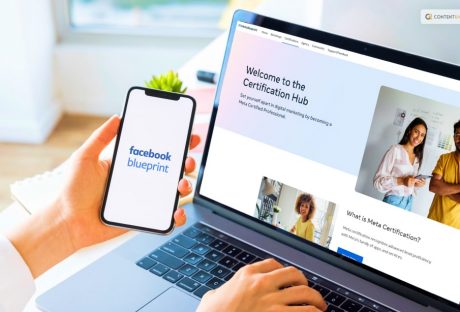
Facebook Blueprint: Building A Strong Foundation For Social Media Advertising
In the world of social media, Facebook is nothing short of a juggernaut. With billions of users worldwide, it's not just a platform for connecting with friends and sharing cat videos; it's a thriving hub for businesses to reach their target audience. But how can businesses make the most of this vast digital landscape? The answer lies in a little-known gem called Facebook Blueprint. If you are eager to know about the Facebook Blue Print Certification and other details about the same, you will find this blog to be of help. Keep reading this article until the end to learn more… What Is Facebook Blueprint? So, what exactly is Facebook Blueprint? Imagine it as the secret sauce that transforms your online presence from mundane to magical. In essence, it's an e-learning platform designed by Facebook to help individuals and businesses master the art of advertising and marketing on the platform. The beauty of Facebook Blueprint is that it's accessible to anyone with an internet connection and an ambition to excel in the digital world. It offers a treasure trove of courses, tutorials, and resources that cover a wide array of topics. Whether you're a rookie trying to understand the basics or a seasoned pro aiming to fine-tune your strategies, there's something for everyone. Picture this: you're a small business owner eager to expand your reach. With Facebook Blueprint (also known as Meta Blueprint), you can dive into courses that teach you how to create compelling ads, target the right audience, and measure your success. It's like having a personal mentor guiding you through the intricate maze of social media marketing. The user-friendly interface of Facebook Blueprint makes learning a breeze. You can go at your own pace, pause and rewind as needed, and even earn certifications that showcase your newfound expertise to the world. It's like attending a top-notch university for the digital age, without the hefty tuition fees. So, next time you find yourself scrolling through your Facebook feed, take a moment to ponder the magic happening behind the scenes. Facebook Blueprint is the wizardry that empowers businesses to thrive in the ever-evolving digital landscape. Whether you're a startup or an established brand, this hidden gem might just be the key to unlocking your online potential. Dive in, and let the world of Facebook Blueprint transform your digital dreams into reality. Why Do You Need A Facebook Blueprint Certification? Are you a social media enthusiast, a digital marketing maven, or just someone who loves spending hours scrolling through your Facebook feed? If any of these descriptions sound like you, then you might want to consider getting yourself Facebook Blueprint certified. Now, you might be wondering, "Why on earth would I need a certification for using Facebook?" Well, let's dive into the world of Facebook Blueprint and find out why it's not just another piece of paper to hang on your wall. Facebook, More Than Just Cat Videos First things first, Facebook is not just a platform for sharing adorable cat videos and catching up with friends. It's a massive global network with over 2.8 billion monthly active users. For businesses and marketers, Facebook is a goldmine for reaching their target audience. But here's the catch – with great power comes great responsibility (and competition). Stand Out In The Digital Crowd In today's digital age, anyone can create a Facebook page and start posting content. However, standing out in the crowded digital landscape is a different story. Facebook Blueprint certification can give you the knowledge and skills to rise above the noise. It's like having a secret weapon in your digital marketing arsenal. Unlock The Mysteries Of Advertising Facebook advertising is a beast of its own. From understanding ad formats and placements to mastering the art of targeting, there's a lot to learn. Blueprint certification courses break down the complexities of Facebook advertising into manageable, digestible pieces. After completing the program, you'll not only know how to create compelling ads but also how to measure their success. Stay Updated In The Ever-Evolving World Of Social Media Facebook is constantly changing its algorithms and features. What worked yesterday might not work today. Being Blueprint certified means you're up to date with the latest trends and best practices. You won't be left scratching your head when Facebook rolls out a new update because you'll already have the knowledge to adapt and thrive. Boost Your Career Whether you're a seasoned marketer or just starting out, having Facebook Blueprint certification on your resume can be a game-changer. It shows potential employers that you're committed to your craft and have the skills to deliver results. It's a foot in the door to exciting career opportunities in the ever-expanding field of digital marketing. A Community Of Like-Minded Learners When you join the Blueprint community, you're not alone on your learning journey. You'll have access to a network of like-minded individuals, including fellow learners and Facebook experts. It's a place to share insights, ask questions, and grow together. Learning doesn't have to be a solo adventure. Who Should Get A Facebook Blueprint Certification Course? If you're in the digital advertising game and your sights are set on Meta platforms like Instagram, Facebook, and WhatsApp, then the Facebook Blueprint certification is your golden ticket. It's your gateway to mastering the art of advertising in the Meta universe. Now, let's break it down into two main groups: those who want to learn and those who want to get certified. For The Eager Learners If your aim is to understand the ins and outs of marketing on Meta platforms, the free Meta Blueprint courses are your go-to resource. They're perfect for a wide range of folks – whether you're a rookie marketer, a seasoned pro looking to sharpen your skills, or a business owner eager to boost your brand's presence on Meta platforms. No matter your specialty – be it marketing science, creative strategy, media buying, marketing development, or API development – these courses have got you covered. It's like a digital playground where you can learn the ropes of meta-advertising at your own pace. For The Certification Enthusiasts Now, if you're gunning for that coveted Blueprint certification, you're still in the right place. The Meta Blueprint courses are an essential pit stop on your journey to becoming certified. They'll arm you with the knowledge and skills you need to tackle the Blueprint certification exams. Speaking of those exams, be prepared – they can be pretty intense. So, it's crucial to study the relevant Blueprint certification course thoroughly before diving in. But why go through all this trouble, you ask? Well, a Blueprint certification badge can work wonders for your career. It's like a shiny medal on your resume that makes you stand out in a sea of job applicants. It also adds a layer of trust to your freelance work, showing clients you mean business. Plus, let's not forget the bragging rights – who doesn't want to flaunt their marketing prowess with a fancy badge? How To Get A Facebook Blueprint Certificate? Getting a Facebook Blueprint Certificate might sound fancy, but it's totally doable. Here's the lowdown in simple terms: 1. Hit The Books (or Online Courses): Facebook offers a bunch of free online courses covering advertising, marketing, and more. Start there. They're like the study material for your Blueprint journey. 2. Sign Up For Blueprint: Go to the Facebook Blueprint website and create an account. It's free, with no hidden fees or tricks. 3. Choose Your Path: Blueprint offers different certifications, like Facebook Certified Digital Marketing Associate or Facebook Certified Marketing Science Professional. Pick the one that suits your goals. 4. Learn And Practice: Dive into the courses. They're interactive and easy to understand. Plus, you can do them at your own pace. 5. Mock Exams: Blueprint provides practice exams. Take them seriously. They give you a feel for the real deal. 6. The Real Deal: When you feel confident, go ahead and schedule your certification exam. It's done online, so you can take it from the comfort of your own space. 7. Nail It: During the exam, give it your best shot. Remember what you learned from the courses and practice exams. 8. Results: You'll know how you did right away. If you passed, congrats! You can download your certificate and show off your skills. 9. Stay Updated: Facebook is always changing, so stay on top of updates to maintain your certification. 10. Use It: Having a Blueprint Certificate shows you're serious about Facebook advertising and marketing. Use it to boost your career or business. So, that's the scoop on getting a Facebook Blueprint Certificate. It's all about learning, practicing, and proving your Facebook skills. What Are the Best Facebook Blueprint Certificates To Get? If you're thinking about diving into the world of Facebook advertising and want to level up your skills, Facebook Blueprint certificates are like golden tickets to Willy Wonka's marketing factory. They're your passport to understanding the ins and outs of Facebook's advertising ecosystem. Which certificate is the "best" depends on your goals and expertise. Start with the one that matches your current knowledge level and work your way up. It's like climbing a digital marketing ladder - each step gets you closer to the summit of advertising success. Happy learning! But, which ones are the crème de la creme, the best of the best? Well, grab your reading glasses, and let's explore the top Facebook Blueprint certificates that are worth their weight in digital gold. 1. Facebook Certified Digital Marketing Associate: Think of this as your Facebook 101. It covers the basics, making it ideal for beginners. You'll learn about Facebook ads, targeting, and how to measure your campaign's success. It's like getting the keys to the marketing kingdom. 2. Facebook Certified Planning Professional: Ready to take your strategy to the next level? This one's for the planners. You'll delve into audience insights, ad objectives, and campaign planning. It's like creating a marketing masterpiece with a well-tuned orchestra. 3. Facebook Certified Buying Professional: If you want to become the ultimate ad-buying maestro, this certificate is your ticket. You'll learn about ad buying options, bidding strategies, and optimization techniques. It's like becoming a stock trader but with Facebook ads. 4. Facebook Certified Marketing Science Professional: Fancy yourself a data wizard? This certificate is all about analytics and measurement. Dive deep into the world of data-driven decision-making and ROI analysis. It's like being a detective in the digital marketing world. 5. Facebook Certified Creative Strategy Professional: Creative minds, this one's for you. Unleash your inner artist while learning how to craft compelling ad content and creative strategies that make thumb-stopping content. It's like Picasso meets Zuckerberg. 6. Facebook Certified Advanced Marketing Developer: For the tech-savvy folks, this certificate focuses on developing apps and solutions for the Facebook platform. You'll be the guru behind the scenes, making magic happen with code. 7. Facebook Certified Community Manager: Are you a social butterfly? This one is tailored for community managers who want to master the art of engagement, customer support, and building brand loyalty on Facebook. Wrapping It Up! Facebook Blueprint is your ticket to mastering Facebook's vast potential for marketing and advertising. It's your key to staying relevant in an ever-changing digital landscape. And it's your opportunity to stand out in a crowded job market. It's your chance to connect with a community of fellow learners. In a world where social media is king, don't just be a casual Facebook user – be a certified Facebook expert. Dive into the world of Facebook Blueprint, and watch your digital marketing skills soar to new heights. Your future self will thank you for it. In case you want to know about what Facebook Blueprint is and how it can help you, I hope that this blog has been of help to you. If there are any other queries related to the same, feel free to let me know. All that you need to do is scroll down till you reach the bottom of the page. Then leave your comments and queries in the box below. And I will be there to answer them all for you! Learn More About: How To Remove Pname Com Facebook Orca? Why A Business Should Use Facebook Remarketing? The Definitive Guide to Market Your Business on Facebook
READ MOREDetails
How To Fix “Facebook Message Sent But Not Delivered” Error?: A Complete Guide
Billions of people use social media on a daily basis. Among all the social media platforms that are used by people on the internet, Facebook is the most popular one. However, despite being highly popular and efficient, Facebook still has many issues. One of the most common messages that people face in Facebook Messenger is the error of Facebook message sent but not delivered. In this article, we will discuss what it means when a Facebook message is sent but not delivered, as well as the best ways to fix this error through the Facebook website and the Facebook Messenger app. Furthermore, we will also discuss why the error is happening as well as different ways of fixing the error so that you can deal with the problem quickly. Facebook Messenger Message Sent But Not Delivered – A Few Reasons Since millions of people use the Facebook social media platform, as well as the Messenger app of Facebook, it is bound to get some glitches. Hence, it happens that many messages do not get delivered. This can get annoying sometimes when you are in a hurry and want to send an urgent message to a friend or a family member through Messenger. Facebook Messenger Message Status When you hit the send button on Messenger, the app shows different symbols at the end of your message to indicate its status at the moment. Make sure that you are aware of the message status on Messenger: As you are now aware of the different statuses of your message, it is time now for you to get an idea of the reasons why you are facing the problem of a Facebook message sent but not delivered: 1. The Recipient Might Be Ignoring You It might be that the person to whom you are sending the message is not in the mood to chat with you. The recipient might have seen the message in the phone notification and decided not to open Messenger. However, your message status will show delivered. 2. The Recipient Deleted Your Message The recipient also has the option to delete the message without opening it through Messenger. After looking at the message through notification, the recipient might have opted to delete it so as to ignore chatting with you. 3. Your Message Got Marked As Spam Image Source: wikihow.com Your friend might have accidentally marked your message as spam. Hence, the message got stored in the Spam folder of Messenger. Your message got deleted from the inbox of the recipient as a result. 4. The Recipient Is Logged Out Of Facebook Messenger If the recipient is not logged in to the Messenger app or might have uninstalled the app from his/her phone, your message will not get delivered as a result. Once the person logs in to the Facebook account, your message will indeed get delivered. 5. The Message Is Stored In The Message Request Folder If the person to whom you are trying to send your message is not on your Facebook friends list, your message will not get delivered. This will, in turn, get stored in the person’s Message Request folder. Facebook Message Sent But Not Delivered – The Best Solutions Image Source: cdn.windowsreport.com One of the most common reasons for the case of a Facebook message being sent but not delivered is that a glitch is happening due to many people using the app at the same time. There might also be some delay in the network, as the message is not getting sent at the right time. Apart from that, there might be a problem with the Messenger server at the moment. 1. Try Messaging Using The Facebook Website Image Source: icebergwebdesign.com If your message is not getting sent through the Messenger app, you will need to log in to your Facebook account using your web browser, either through your phone or a computer. Check whether you can send a message through Facebook chat or not. 2. Your Phone Needs A Restart Image Source: gotechtor.com Smartphones also experience glitches sometimes. If you restart or reboot your device, all the network issues get solved. See whether the problem is still there or not. 3. Try Messaging Others Image Source: resources.stuff.co.nz You can check your Messenger app by messaging other friends on your friend list. If you can send messages to other friends, and your message shows delivered, then you are probably blocked by that friend. If other friends do not receive your message, there might be other problems. 4. Facebook Message Sent But Not Delivered – Restart Your Messenger You can switch off the Messenger app by going to app management on your phone settings and restarting the app. This way, the data flow through the app becomes better, and it will probably fix the problem. 5. Try Reinstalling The App If restarting the app is not working for you, try uninstalling the Messenger app. Go to the App Store or Play Store and install Messenger again to see whether the problem is solved or not. 6. Reach Out To Facebook Support If none of the solutions mentioned above worked for you, try going to the "Help & Support" section on your Facebook app and clicking the "Report a problem" option. There, you must select the option named "Something went wrong.” In this way, you can share your problem with Facebook’s support. Troubleshooting Tips From Facebook Facebook has three possible reasons to account for why your messages are not getting delivered: "You sent a lot of messages recently. Your messages went against our Community Standards. This may cause your account to be temporarily restricted and prevent you from replying. There may be problems with your app, device or internet." Facebook's own website has apt solutions in cases where your message does not get delivered. Here is what it says: "Update your Messenger app to the latest version. Connect to a reliable Wi-Fi network. Make sure your device has enough storage. Close your Messenger app and restart your device. Make sure the person you’re replying to hasn’t deactivated or deleted their account. Make sure you haven’t blocked the person you’re replying to and they haven’t blocked you. If you’re replying to a group chat, make sure the other members haven’t left the conversation." In cases where you may be blocked by Facebook from sending messages, here is what Facebook says: "This block is temporary. You can still connect with your confirmed friends through the Facebook app or www.facebook.com while you're in this block by leaving comments on posts, posting on your profile, or using other Facebook features. If you can't send messages, you may also be temporarily blocked from sending friend requests. If one of your messages was removed and you think it follows our Community Standards, tap on the notification about the message removal. You may be able to let us know that you disagree with the decision. Learn more about requesting a review." To be able to send messages in the future, Facebook has the following tips: Use the name you go by in everyday life to help the people you're messaging recognize you. "Once your block is over, please send messages and friend requests only to people you know. Learn more about our policies from our Community Standards." Summing Up These aforementioned solutions are enough to get your problem solved in a few minutes. However, if you still face the problem, just wait for a few days, and try these solutions again. The reasons for these problems can be anything. All you need here is to find out what problems you have and use these solutions to solve the problems you have in your Messenger app. In addition, you can also resend the message to the recipient again to see if this time the message is received by the person or not. Thereby, you can find out whether the problem is still there or not. Read Also: Why A Business Should Use Facebook Remarketing? Bored So Much: Learn How To Play Games On Messenger How To Recover Deleted Facebook Messages Using Com.Facebook.orca?
READ MOREDetails
How To Recover Deleted Facebook Messages Using Com.Facebook.orca? – With Pictures
Have you deleted your Facebook messages recently and want them back at any cost? If yes, then this article is for you! Missing important messages can be annoying, especially if you know that it is going to be a tough task to recover them. In this world, it is very difficult to undo most of your actions. But there is a chance to recover your deleted messages on Facebook on both android and PC by using Com.Facebook.orca. I understand that many important chats and conversations take place on Facebook Messenger. Facebook is one of the most used social media platforms, with more than 2.7 billion individuals using it all over the world. What Is Com.Facebook.Orca? Com.Facebook.orca is basically a folder that belongs to the Facebook traveler app. In Com.Facebook.orca folder, all plug-ins, cache, videos, audio files, photos, and other varieties of information are stored. However, you don’t have to create or download this folder. If you have Facebook or Messenger, this folder is created automatically. You must view the size of the folder from time to time because it takes a huge space on your phone’s storage. Thus, if you wish, you can delete this folder by uninstalling the Facebook Messenger app from your Android device. But keep in mind, after deleting this folder, if you wish to recover your deleted messages, you may have to delete your Facebook or Messenger app and reinstall it. This is done to create Com.Facebook.orca folder automatically. Will Com.Facebook.Orca Harm Your Device? As already discussed above that Com.Facebook.orca is a folder that is already installed by default on your device. This folder is created by Facebook Messenger. However, if you have deleted this folder and wish to reactivate it, then you have to reinstall your Messenger. Now, the main question that arises here is ‘Will Com.Facebook.orca harm your device?” and the answer is absolutely not. It’s just a folder to recover your deleted messages and not a virus that can harm your device. How To Recover Deleted Facebook Messages On Computer? The steps to recover deleted Facebook messages on a computer will differ slightly from recovering deleted messages on a laptop. Thus, the steps listed below are some of the steps that you need to follow for the same. i). Use a USB cable, and connect your mobile or tablet with the same. Now, go to MyComputer, File Explorer, or ThisPC, depending on your Windows version. ii). You need to double-click the device to access the file. Again, double click on the internal storage. iii). Click on a folder named Android and then click Data folder. iv). Go to the Application folder. v). Search Com.Facebook.orca, and double click on this. vi). Then, you will find fb_temp in it. Copy it. vii). First, uninstall Messenger and then again reinstall it. viii). Don’t log in to your Facebook Messenger at the moment. First, you need to paste the fb_temp in the cache folder. ix). Now, it’s time to login using your Facebook account. At the same time, if you get the cache, open the fb_temp file and then select the messages that you would like to be recovered and paste. That’s all set! All deleted messages will now be displayed on your Messenger app, and you can view this at any time you want to. How To Recover Deleted Facebook Messages On Mobile? If you want to recover messages on mobile, then the steps will differ from the above-listed ones. Recovering deleted messages on mobile is far easier and simpler, and you will love the steps below for sure. i). Go to the File Explorer of your device. Don’t use the default file messenger. It is preferred to take the help of a third-party app, such as ES File Explorer. ii). Go to SD Card or Storge in the file explorer, depending on your device’s storage location, to recover deleted messages using Com.Facebook.orca. iii). Click on the Android folder and then tap on Data. Again, click on the Application folder and then on Com.Facebook.orca. iv). Then, you will be able to view the cache, and then you can proceed to open that specific folder. v). Copy fb_temp that you are able to view right now. Create a folder and paste it over there. vi). Uninstall Facebook Messenger after completing the above steps. vii). You can go to the Cache folder after installing the app—paste fb_temp in the cache folder. viii). Then, again reinstall it using your Facebook account. Soon, you will be able to see and access all your erased messages. Steps To Fix Com.Facebook.orca Error Sometimes, you may face Process Com.Facebook.orca errors as this may have stopped working. The process could end abruptly or shatter whenever there is an issue. This error generally occurs when an app or any technical issue affects the smooth running of the Facebook or Messenger apps. Now, to fix Com.Facebook.orca error, you need to follow the below steps. Have a look! Open Settings on your android device. Find Applications on Setting and click on it. Use the Search bar to find this folder. In the Application folder, you will get an option of All Apps. Then, search for the Messenger app on the listed apps and then select ‘Clear All Data.’ You may be required to restart your Android device and open your Facebook or Messenger app and use them like before without any difficulties. Thus, this indicates that Com.Facebook.orca error has been solved. Another way to solve this error is to install the app and reinstall it from your Google Play Store. Can You Recover Deleted Facebook Profile? You can, of course! The company has increased the grace period for deletions from two weeks to thirty days. This implies that you have approximately a month from the time you delete your Facebook account to change your mind. Facebook later extended the grace period because, according to the company, they saw many users attempting to recover their deleted accounts even after two weeks had passed. As a result, users must now wait up to a month for the account and all of its contents to vanish forever. Frequently Asked Question Q1: Is There Any Difference Between Facebook Katana And Facebook orca? Facebook Katana is a codename for the Facebook applications on Android devices. Orca is for messenger applications. And Facebook. Katana is the code name for a Facebook application. This is the difference between the Facebook Katana and the Facebook Orca. Q2: Can Anyone Retrieve The Facebook Secret Conversations? Any type of secret conversation has the keys for encryptions. It can disappear after a certain time. But Facebook can still have access to the decryptions. The secret conversions of Facebook can be retrieved. Q3: How To Know That Someone Has A Hidden Message On Messenger? If someone has hidden messages, you can easily tell by seeing their message bubbles. Usually, the message bubble's colors are blue. But when you have the secret chats, the colors turn black. By seeing the colors, you can tell if the messages are hidden or not. The Final Thoughts Facebook accounts are reflections of our lives, memories, and relationships in the wide world of digital interactions. Even though it might seem difficult to recover an account or even a message that has been permanently deleted after 30 days, it's important to keep in mind that there are procedures and safeguards in place to help. Make sure you are always aware of the consequences of the decisions you make online. In the event that you encounter a comparable circumstance once more, consult this guide and act quickly. Always remember to stay informed, stay connected, and protect your digital memories. Now, you know pretty well how to use Com.Facebook.orca to recover your deleted Facebook messages on both your computer and PC. So, now you know that there is a secret folder (Com.Facebook.orca folder) lying on your Android device. Hence, the above steps will help you to get your lost messages on Facebook easily. Read Also: How to Plant Grass Seed on Hard Dirt? YouTubNow: An Honest Review Top Easy Way To Fix Avast UI Failed To Load Error 2 Easy Steps to Change the YouTube Channel Name
READ MOREDetails
What Is Facebook Jail – Overview And Explained In 2021
Before we move on to Facebook Jail, first, we must know about the basics. Facebook is one of the most widely used social media sites for connecting with people all around the world and advertising your company. It's one of the most effective ways to spread your message, get your product and brand in front of your target audience, and more. However, the platform's massive marketing prospects come with some equally massive drawbacks. Facebook's algorithm has cracked down on political problems, and the famed "Facebook prison" appears to have become even larger, hurting many more individuals than before. For anybody who uses Facebook to sell or advertise their company on a daily basis, Facebook Jail is a well-known issue. It's critical to understand what it is as a social seller so that you can prevent any issues or disruptions in your usage of the platform. What Is Facebook Jail? When Facebook suspends accounts (profiles or business pages) for violating the Facebook Community Standards, whether intentionally or mistakenly, the phrase "Facebook Jail" is used. Users have created the phrase "Facebook jail" to describe when someone is barred from accessing their account or publishing on Facebook due to spam or a failure to obey the platform's standards. For a period of time, Facebook will suspend an account's ability to publish or access particular features due to infractions, suspect logins, or spammy conduct. Why Were You Thrown Into Facebook Jail? There are a variety of reasons why you may be placed in Facebook jail and granted a brief suspension. Unfortunately, you may find yourself accidentally infringing Facebook regulations. Here are a few of the most typical reasons why people find themselves in Facebook jail: 1. Posting To Quickly One of the most prevalent causes for people being placed in Facebook jail is posting too rapidly on their profile. You may also be reported if you repeatedly publish the same information. The easiest answer to avoiding being blocked for this reason is to keep a constant posting schedule and to always leave some time between postings. 2. Sending Too Many Friend Requests In One Day Facebook considers it a negative thing if you send too many friend requests from a personal profile, especially if you don't know the individuals. If this type of conduct is found, your account will most likely be blocked. It's the same with joining Facebook groups too quickly. 3. Posting Inappropriate Content Posting sexually provocative content or nudity on Facebook is against their community standards and is forbidden. Even while it may prevent you from posting some really entertaining memes, doing so may result in your account being temporarily or permanently deleted. You should also avoid publishing information that promotes self-harm, hate speech, or credible threats to people or organizations. 4. Too Much Tagging Another reason your account can be disabled is if you regularly react with tags. 5. Using Spam Images Or Videos If particular photos or videos have been flagged as spam by Facebook (or Google), and you include them in your postings and are accused of spamming others, you might end up in Facebook prison. Fortunately, you can avoid this by writing unique content for your blogs. What To Expect When You’re Facebook Jail? Users are unaware that they have imposed limits on their accounts since Facebook does not notify them. Most individuals first find out they're in Facebook jail when they get an email or when they try to post or send private messages on their account and get the dreadful message: You can’t post right now! Even if you do receive information from Facebook that your account has been restricted, it will be too late to take anything. This is how you can tell whether you've been sentenced to Facebook prison: Your account's ability to post on your timeline, as well as any pages or groups, has been disabled. You can't like or comment on other people's posts or photographs. You are unable to make any comments on the social media network. You are unable to access your account or page. The consequences on Facebook vary from being unable to post to being entirely barred from getting into your account. These punishments can range in length from a few hours to up to 21 days. How To Avoid Facebook Jail In The Future? Reading and adhering to the community rules, as well as the platform's Terms and Conditions, is the simplest method to avoid Facebook imprisonment. You'll find yourself in the sights of the Facebook cops if you're found using your account in violation of the platform's rules. However, the recommendations are lengthy and difficult to read, so I've compiled a list of things to do (or not do) to keep your account safe. The following are some of them: Separate your postings by a certain amount of time. Don't publish anything that might get you in trouble, such as photos or memes. Per day, send no more than 50 friend requests. Each day, join no more than ten Facebook groups. When adding or tagging someone, be cautious. Use photos and movies that don't spam. On each device, log into a single account. Posting material with scripts or automatic tools is not a good idea. Posting comparable stuff in many groups at the same time is not a good idea. Use your genuine identity and act like a real person instead of an impostor or false accounts. The bottom line is that you must adhere to the platform's requirements to the letter at all times. How To Escape Facebook Jail? 1. Serve Your Sentence The first and foremost obvious option is to just wait until your "Facebook jail sentence" is completed. Facebook alerts you on when you can access the prohibited features or account again. 2. File An Appeal If you don't want to wait, you can simply request a review. Facebook will notify you through email of the outcome of your appeal. Just keep in mind that your appeal could be denied, and your account could be permanently blocked. 3. Create A New Account If all else fails and your account is blocked, the only other thing you can do is to forget about your current account and create a new one. Although this may not be perfect for online marketers and business owners, sometimes it is considered the only way to keep going ahead. Final Thoughts This article lists all the different things that can land you in Facebook jail. Use this knowledge to avoid consequences from the social media stage for continued guideline infringements. In other words, you must follow these rules to stay out of Facebook jail. More Resources: Key Components for Your Marketing Stack Best Ways to Get More From Your Outreach Campaign Get an idea about infections during the tenure of pregnancy
READ MOREDetails
What Is Facebook Katana And How Can You Fix It In 2024
Many Android users are becoming puzzled while seeing the Facebook Katana files, and many of them want to know how to delete these files permanently. Some of the users are not aware of the function of the Facebook katana files. They have a misconception about the working process of the Facebook katana files. Katana files are like the orca. This file is not harmful, and this is not a virus or URL. But if you do not clear your Facebook application cache memory, then Facebook katana files can give you a big headache. What Is Facebook Katana? When you want to know about Facebook katana, you must first know about Com. Facebook. This is the file name of the Facebook katana. Then what is com facebook katana? Com.facebook.katana is the code name for the Facebook apps on android devices. Just like the Facebook orca. Orca is the code name of the messenger in android devices. Katana is the name of the Facebook apps, and you can not delete the file without uninstalling the Facebook apps. Katana files are not malware, but when you start receiving popups about slowing down the other applications' processes, uninstalling Facebook Messenger and deleting the Katana files solves the popup issues. The Katana files issue is causing a certain amount of battery running problems, and other apps are starting to run slowly. Fixing the Katana files solves almost all the issues that are related to battery drainage and slow app processing. But if you do not receive these types of messages, then do not delete the Katana files as they are not malware or any harmful URLs. Related: How to remove pname com Facebook orca How To Fix Facebook Katana In 2024? If you are repeatedly receiving messages about the slow performance of your devices. Katana files are responsible for slowing down your device performance, so fixing the Facebook Katana files is the only way to get rid of the problem. A. First Process To Fix The Facebook Katana Issues You can fix the issue from your Android device and your Facebook profile; both of the processes are fast and effective. Then, start making some changes to the Facebook account settings. Here is the step-by-step process to fix the Facebook Katana problem by using your Facebook account. Step 1: Start by opening up the Facebook application from your device. Step 2: After opening the Facebook application, you have to choose the “see more” option. Step 3: Then open the setting options. Step 4: Then click on the account setting options. Step 5: Select the option of account setup, privacy, and security. Step 6: Then open the browser and clear all the browsing history, data, and cookies. Step 7: Now clear all the data and the cookies by clicking the clear data option Step 8: When you are clearing the data files, you delete all cookies and cache files that are generated during the FB usage. B. Second Way To Fix The Facebook Katana Issue Another way to fix this problem is by uninstalling the Facebook applications. When you uninstall the Facebook application, then your katana problems are automatically fixed. Step 1: Go to your device settings. Step 2: Then click on the Facebook application option. Step 3: And then uninstall the app from the "app details in-store". Step 4: Then click the uninstall options. Step 5: You can reinstall the Facebook application from the google play store. Related: 9apps – An Alternative Other Than Google Playstore. C. Third way To Fix The Facebook Katana Issue Facebook katana is showing the popups mainly at the time of new updates. If you want to fix the Facebook katana files, then you should try a way by stopping all the Facebook updates. To apply this method, you have to follow the simple steps below. Step 1: First, start with opening the Facebook application. Step 2: Then go to the Facebook settings option. Step 3: Click on the rough corner of the page where you can notice three dots. Step 4: Then click on the option to stop all the running updates. Step 5: Or you can simply force stop the Facebook application to solve the Facebook katana file issues. D. Fourth way To Fix The Problem The fourth way is the ultimate step. If you are not getting success with these three steps, then you can apply the fourth method. The fourth method is nothing but to apply the factory reset mechanism. But factory reset is resulting in a huge data loss. All the records are detected when you are applying the factory reset method. But if you are facing continuous trouble due to the facebook katana files, then factory reset is the ultimate step to solve the issue. Access Geo-Restricted Apps With VPN With the help of a virtual private network, or VPN, known as Private Internet Access, you can remain totally anonymous online and stop your ISP, the government, and other parties from tracking you. The program offers dedicated servers for streaming and torrenting, guaranteeing top speed and preventing lag. Additionally, you can view popular streaming services like Netflix, BBC, Disney+, and others without any restrictions no matter where you are by avoiding geo-restrictions. Do Not Pay Ransomware Authors The biggest threat to your photos, videos, work, or school files is definitely malware attacks, especially ransomware. Data that has been locked by cybercriminals using a strong encryption algorithm is unusable until a Bitcoin ransom is paid. Try using alternate recovery techniques first, as they may be able to help you recover at least some of the lost data, before paying hackers. If not, you risk losing your money in addition to the files. Bottom Line Now you know what Facebook Katana is. And you are also aware of the fact that this is not a URL or malware. This is a file where Facebook is storing all the cache data. If you are not receiving any alarming messages about the Facebook katana files, then avoid deleting the file or the Facebook application. These four are the most effective ways to solve the issue. If our article helps you solve your katana issues, do not forget to comment back to us. More Resources: 10 of the Best Facebook Pages to Follow Now How to Download Facebook Videos on Android? All That You Need To Keep In Mind Before Selling On Facebook.
READ MOREDetailsPopular

Technologies For Creating A Startup Idea
20 Feb 2023

How to Download Facebook Videos on Android?
07 Feb 2019

7 Rules of Effective Ecommerce Web Design
28 Jan 2021

Why Are Online Transactions Convenient?
07 Dec 2023

Recent