











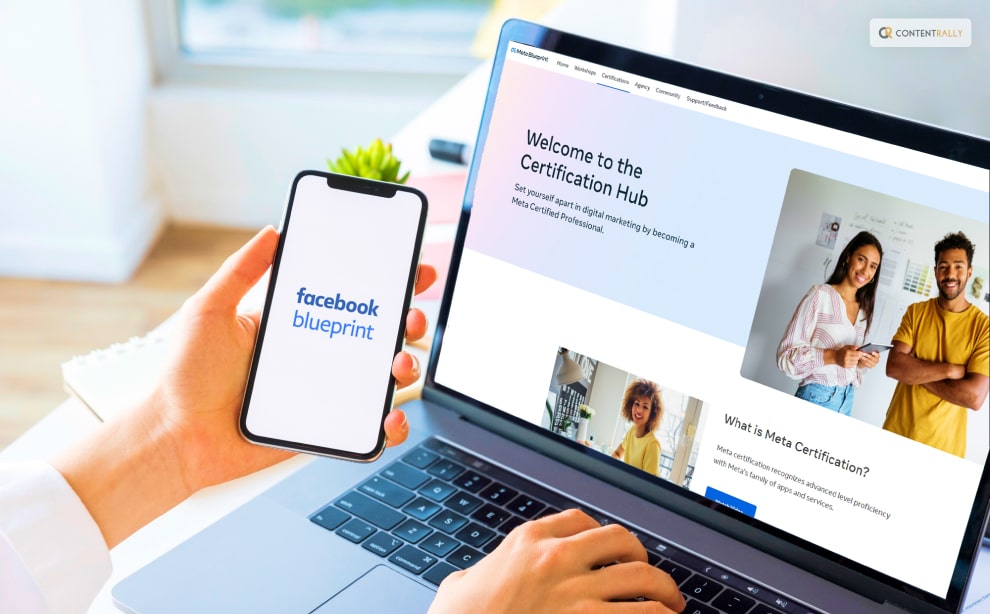
Facebook Blueprint: Building A Strong Foundation For Social Media Advertising  

Published on: 28 September 2023 Last Updated on: 29 January 2026
Facebook Blueprint

In the world of social media, Facebook is nothing short of a juggernaut. With billions of users worldwide, it's not just a platform for connecting with friends and sharing cat videos; it's a thriving hub for businesses to reach their target audience. But how can businesses make the most of this vast digital landscape? The answer lies in a little-known gem called Facebook Blueprint.

If you are eager to know about the Facebook Blue Print Certification and other details about the same, you will find this blog to be of help. Keep reading this article until the end to learn more…

What Is Facebook Blueprint?  
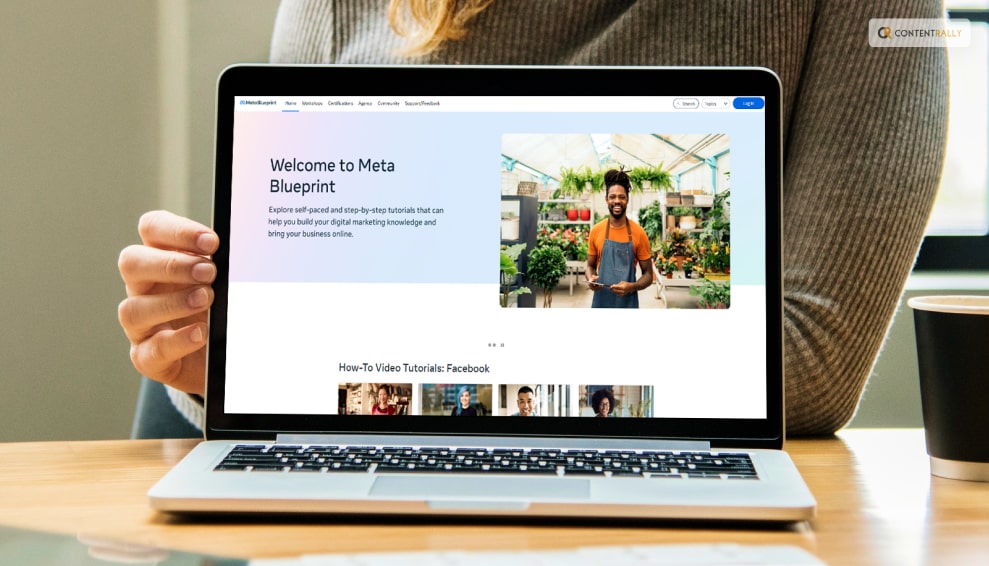
What Is Facebook Blueprint?

So, what exactly is Facebook Blueprint? Imagine it as the secret sauce that transforms your online presence from mundane to magical. In essence, it's an e-learning platform designed by Facebook to help individuals and businesses master the art of advertising and marketing on the platform.

The beauty of Facebook Blueprint is that it's accessible to anyone with an internet connection and an ambition to excel in the digital world. It offers a treasure trove of courses, tutorials, and resources that cover a wide array of topics. Whether you're a rookie trying to understand the basics or a seasoned pro aiming to fine-tune your strategies, there's something for everyone.

Picture this: you're a small business owner eager to expand your reach. With Facebook Blueprint (also known as Meta Blueprint), you can dive into courses that teach you how to create compelling ads, target the right audience, and measure your success. It's like having a personal mentor guiding you through the intricate maze of social media marketing.

The user-friendly interface of Facebook Blueprint makes learning a breeze. You can go at your own pace, pause and rewind as needed, and even earn certifications that showcase your newfound expertise to the world. It's like attending a top-notch university for the digital age, without the hefty tuition fees.

So, next time you find yourself scrolling through your Facebook feed, take a moment to ponder the magic happening behind the scenes. Facebook Blueprint is the wizardry that empowers businesses to thrive in the ever-evolving digital landscape. Whether you're a startup or an established brand, this hidden gem might just be the key to unlocking your online potential. Dive in, and let the world of Facebook Blueprint transform your digital dreams into reality.

Why Do You Need A Facebook Blueprint Certification?  

Why Do You Need A Facebook Blueprint Certification?

Are you a social media enthusiast, a digital marketing maven, or just someone who loves spending hours scrolling through your Facebook feed? If any of these descriptions sound like you, then you might want to consider getting yourself Facebook Blueprint certified. Now, you might be wondering, "Why on earth would I need a certification for using Facebook?" Well, let's dive into the world of Facebook Blueprint and find out why it's not just another piece of paper to hang on your wall.

Facebook, More Than Just Cat Videos  

First things first, Facebook is not just a platform for sharing adorable cat videos and catching up with friends. It's a massive global network with over 2.8 billion monthly active users. For businesses and marketers, Facebook is a goldmine for reaching their target audience. But here's the catch – with great power comes great responsibility (and competition).

Stand Out In The Digital Crowd  

In today's digital age, anyone can create a Facebook page and start posting content. However, standing out in the crowded digital landscape is a different story. Facebook Blueprint certification can give you the knowledge and skills to rise above the noise. It's like having a secret weapon in your digital marketing arsenal.

Unlock The Mysteries Of Advertising  

Facebook advertising is a beast of its own. From understanding ad formats and placements to mastering the art of targeting, there's a lot to learn. Blueprint certification courses break down the complexities of Facebook advertising into manageable, digestible pieces. After completing the program, you'll not only know how to create compelling ads but also how to measure their success.

Stay Updated In The Ever-Evolving World Of Social Media  

Facebook is constantly changing its algorithms and features. What worked yesterday might not work today. Being Blueprint certified means you're up to date with the latest trends and best practices. You won't be left scratching your head when Facebook rolls out a new update because you'll already have the knowledge to adapt and thrive.

Boost Your Career  

Whether you're a seasoned marketer or just starting out, having Facebook Blueprint certification on your resume can be a game-changer. It shows potential employers that you're committed to your craft and have the skills to deliver results. It's a foot in the door to exciting career opportunities in the ever-expanding field of digital marketing.

A Community Of Like-Minded Learners  

When you join the Blueprint community, you're not alone on your learning journey. You'll have access to a network of like-minded individuals, including fellow learners and Facebook experts. It's a place to share insights, ask questions, and grow together. Learning doesn't have to be a solo adventure.

Who Should Get A Facebook Blueprint Certification Course?  

Who Should Get A Facebook Blueprint Certification Course?

If you're in the digital advertising game and your sights are set on Meta platforms like Instagram, Facebook, and WhatsApp, then the Facebook Blueprint certification is your golden ticket. It's your gateway to mastering the art of advertising in the Meta universe.

Now, let's break it down into two main groups: those who want to learn and those who want to get certified.

For The Eager Learners  

If your aim is to understand the ins and outs of marketing on Meta platforms, the free Meta Blueprint courses are your go-to resource. They're perfect for a wide range of folks – whether you're a rookie marketer, a seasoned pro looking to sharpen your skills, or a business owner eager to boost your brand's presence on Meta platforms.

No matter your specialty – be it marketing science, creative strategy, media buying, marketing development, or API development – these courses have got you covered. It's like a digital playground where you can learn the ropes of meta-advertising at your own pace.

For The Certification Enthusiasts  

Now, if you're gunning for that coveted Blueprint certification, you're still in the right place. The Meta Blueprint courses are an essential pit stop on your journey to becoming certified. They'll arm you with the knowledge and skills you need to tackle the Blueprint certification exams.

Speaking of those exams, be prepared – they can be pretty intense. So, it's crucial to study the relevant Blueprint certification course thoroughly before diving in. But why go through all this trouble, you ask?

Well, a Blueprint certification badge can work wonders for your career. It's like a shiny medal on your resume that makes you stand out in a sea of job applicants. It also adds a layer of trust to your freelance work, showing clients you mean business. Plus, let's not forget the bragging rights – who doesn't want to flaunt their marketing prowess with a fancy badge?

How To Get A Facebook Blueprint Certificate?  

How To Get A Facebook Blueprint Certificate?  

Getting a Facebook Blueprint Certificate might sound fancy, but it's totally doable. Here's the lowdown in simple terms:

1. Hit The Books (or Online Courses): Facebook offers a bunch of free online courses covering advertising, marketing, and more. Start there. They're like the study material for your Blueprint journey.

2. Sign Up For Blueprint: Go to the Facebook Blueprint website and create an account. It's free, with no hidden fees or tricks.

3. Choose Your Path: Blueprint offers different certifications, like Facebook Certified Digital Marketing Associate or Facebook Certified Marketing Science Professional. Pick the one that suits your goals.

4. Learn And Practice: Dive into the courses. They're interactive and easy to understand. Plus, you can do them at your own pace.

5. Mock Exams: Blueprint provides practice exams. Take them seriously. They give you a feel for the real deal.

6. The Real Deal: When you feel confident, go ahead and schedule your certification exam. It's done online, so you can take it from the comfort of your own space.

7. Nail It: During the exam, give it your best shot. Remember what you learned from the courses and practice exams.

8. Results: You'll know how you did right away. If you passed, congrats! You can download your certificate and show off your skills.

9. Stay Updated: Facebook is always changing, so stay on top of updates to maintain your certification.

10. Use It: Having a Blueprint Certificate shows you're serious about Facebook advertising and marketing. Use it to boost your career or business.

So, that's the scoop on getting a Facebook Blueprint Certificate. It's all about learning, practicing, and proving your Facebook skills.

What Are the Best Facebook Blueprint Certificates To Get?  
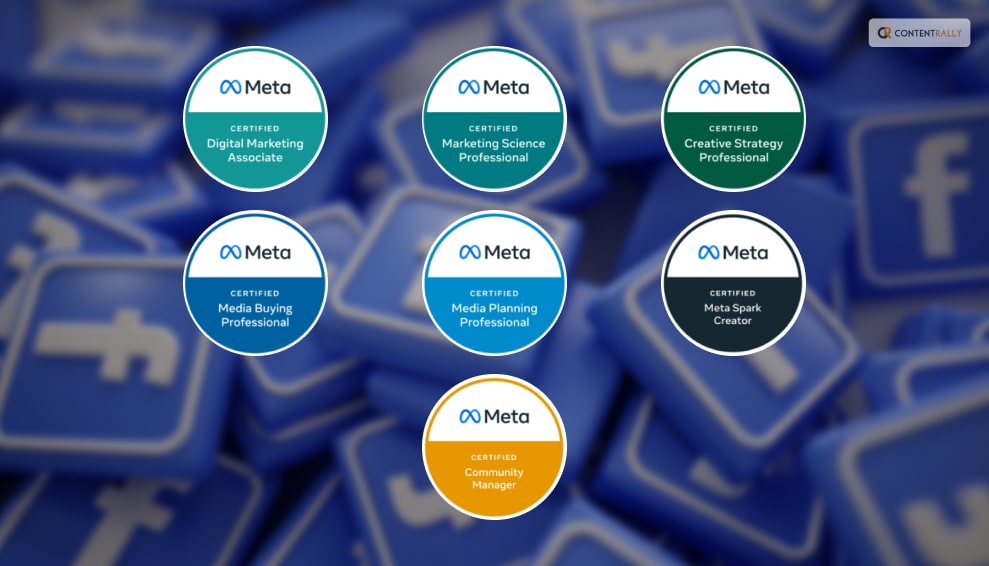
What Are the Best Facebook Blueprint Certificates To Get? 

If you're thinking about diving into the world of Facebook advertising and want to level up your skills, Facebook Blueprint certificates are like golden tickets to Willy Wonka's marketing factory. They're your passport to understanding the ins and outs of Facebook's advertising ecosystem.

Which certificate is the "best" depends on your goals and expertise. Start with the one that matches your current knowledge level and work your way up. It's like climbing a digital marketing ladder - each step gets you closer to the summit of advertising success. Happy learning!

But, which ones are the crème de la creme, the best of the best? Well, grab your reading glasses, and let's explore the top Facebook Blueprint certificates that are worth their weight in digital gold.

1. Facebook Certified Digital Marketing Associate:

Think of this as your Facebook 101. It covers the basics, making it ideal for beginners. You'll learn about Facebook ads, targeting, and how to measure your campaign's success. It's like getting the keys to the marketing kingdom.

2. Facebook Certified Planning Professional: 

Ready to take your strategy to the next level? This one's for the planners. You'll delve into audience insights, ad objectives, and campaign planning. It's like creating a marketing masterpiece with a well-tuned orchestra.

3. Facebook Certified Buying Professional:

If you want to become the ultimate ad-buying maestro, this certificate is your ticket. You'll learn about ad buying options, bidding strategies, and optimization techniques. It's like becoming a stock trader but with Facebook ads.

4. Facebook Certified Marketing Science Professional:

Fancy yourself a data wizard? This certificate is all about analytics and measurement. Dive deep into the world of data-driven decision-making and ROI analysis. It's like being a detective in the digital marketing world.

5. Facebook Certified Creative Strategy Professional:

Creative minds, this one's for you. Unleash your inner artist while learning how to craft compelling ad content and creative strategies that make thumb-stopping content. It's like Picasso meets Zuckerberg.

6. Facebook Certified Advanced Marketing Developer: 

For the tech-savvy folks, this certificate focuses on developing apps and solutions for the Facebook platform. You'll be the guru behind the scenes, making magic happen with code.

7. Facebook Certified Community Manager:

Are you a social butterfly? This one is tailored for community managers who want to master the art of engagement, customer support, and building brand loyalty on Facebook.

Wrapping It Up!  

Facebook Blueprint is your ticket to mastering Facebook's vast potential for marketing and advertising. It's your key to staying relevant in an ever-changing digital landscape. And it's your opportunity to stand out in a crowded job market. It's your chance to connect with a community of fellow learners.

In a world where social media is king, don't just be a casual Facebook user – be a certified Facebook expert. Dive into the world of Facebook Blueprint, and watch your digital marketing skills soar to new heights. Your future self will thank you for it.

In case you want to know about what Facebook Blueprint is and how it can help you, I hope that this blog has been of help to you. If there are any other queries related to the same, feel free to let me know. All that you need to do is scroll down till you reach the bottom of the page. Then leave your comments and queries in the box below. And I will be there to answer them all for you!

Learn More About:

Ankita Tripathy loves to write about food and the Hallyu Wave in particular. During her free time, she enjoys looking at the sky or reading books while sipping a cup of hot coffee. Her favourite niches are food, music, lifestyle, travel, and Korean Pop music and drama.

View all posts

Leave a Reply

Your email address will not be published. Required fields are marked *

Related

how to poke on facebook

A Playful Guide To Mastering Facebook Pokes For Beginners

If you've been on Facebook for a while, you may recall a chaotic period a few years back when the Poke Wars posed a threat to the social media platform. A pointing finger appeared next to a user's name on Facebook once, and you could use it to 'poke' people. That's all, though. It was just a virtual, meaningless jab without any words, images, or other content. The next moment, you receive a notification stating that you have been poked. And you had the option to poke back straight from the notifications. There was pointless "poking" back and forth in a cycle. Do you want to know how to poke on Facebook? Here is a detailed guide. Are Facebook Pokes Still A Thing? Naturally, poking became perceived as a sloppy kind of flirting. Enter "Facebook Poke" into Google and look up related queries such as "what do pokes mean in Facebook" and "is a Facebook poke flirting?" However, the majority of people asked us, "Is this still a thing?" and "can you still poke on Facebook" when we brought up the subject of Facebook Pokes. The answer is yes. Facebook Pokes are still there, but they're not at the top of the page anymore. On desktop and mobile devices alike, you must click or tap several times before you can Poke because the Poke has been hidden behind a menu. Majority of Facebook users appear to have completely forgotten about the Poke. How To Poke On Facebook? If the contempt of technology does not persuade you to refrain from poking, it is quite easy to do so. Simply go to the profile page of the person you want to poke on a desktop or mobile device. Click or tap the three dots menu button. You'll find Poke there. Once you click or tap on it, you're done. You'll just see a popup stating that you poked the person. It is not possible to spam people in this way because you can only poke them once before they poke you back. You will only see a cancel button and a popup stating that your previous poke has not been answered if you have already poked someone and they have not responded. We were interested in learning more about Facebook's use of the poke feature because the majority of the people we spoke with were unaware that it was still available. Facebook is reportedly attempting to restore the Poke button's prominence, though none of the users we spoke with had noticed this, so it may only be available in the US for the time being. The Poke button will appear next to the message button beneath a person's name on their profile page if it becomes more widely available. Furthermore, Facebook is converting poke into greetings, in the same way that it transformed the 'like' into a sequence of responses. How To Reject A Poke? We've already talked about how to poke someone on Facebook, but how do you reject one? Rejecting something on Facebook is as simple as poking at it. You always have the choice to ignore someone's pokes if you don't want to respond to them. Furthermore, you can remove these unwanted pokes from Facebook by clicking the "X" icon next to the notification. If the poke notifications are still bothering you, you can immediately block the sender. Nevertheless, it is important to remember that Facebook does not permit users to poke someone more than once. This implies that you won't be bothered by someone on Facebook or have several pokes from the same user flood your notification panel. Wrapping Up Facebook's Poke feature was all the rage in 2007. People were swiping back and forth on Facebook! For fun, they used to poke their teacher, crush, family, as well as friends. It was a huge thing and sparked discussions. Sadly, the feature's use waned in 2011, and Facebook decided to discontinue it in favor of new and exciting features. Most users nowadays are unaware of the secret existence of this feature. It does, surprisingly, but it's not too convenient. Facebook has the potential to transform the "Poke" gesture into something more interesting and viral. It will remain a legacy feature and the source of many friendships until then. For some, it's even a stroll down memory lane. Whether using the Facebook Main App, Facebook Lite App, or Facebook desktop mode, the option is still available. Now that you know how to poke on Facebook, you will now be able to use the feature on Facebook. Check it out on Facebook and give it a whirl! If you have thoughts to share or questions to ask, please leave a comment below. We would love to hear from you! Learn More Also: Here Is How To Delete A Facebook Page Easily How To Stop Scammers On Facebook Marketplace? Guard Your Space: A Step-by-Step Guide to Locking Your Facebook Profile

READ MOREDetails
Are you annoyed with all the ads being bombarded while watching a video? If you want to know how to get rid of ads on Facebook, here is....

Scroll Without Interruption: Guide To Rid Your Facebook Of Annoying Ads

Facebook gets money from adverts, but it is irritating when they constantly appear in your sidebar. Naturally, Facebook opposes the removal of those advertisements, and no formal instructions or application exists to do so. You can download ad-blocking software to tidy up your browser page and get rid of Facebook ads. You can also download the Adblock Plus extension if you use Firefox, Safari, or Chrome. Once installed, this popular extension prevents ads from specific ad sites. Facebook may use your name, profile picture, and the information you provide when you click "like" on a product or page to show you personalized social media ads on the pages of your friends. Privacy concerns arise when you use personal data from your profile to target a certain audience. Facebook allows third-party advertisers to post automatically generated ads to promote their products. This might be apparent to you when you search for a product on Google, and an advertisement for it shows up in your Facebook news feed. If you want to know how to get rid of ads on Facebook, here is a detailed unpacking of the steps. How To Get Rid Of Ads On Facebook? Although you can't completely avoid Facebook ads, you can choose which ones to see depending on how you browse. Follow these steps if you want to know how to get rid of ads on Facebook: Enter your Facebook credentials and select "Settings." To do this, click the three dots that are located beneath your cover photo. Select "Profile and Tagging Settings" to access the "Settings." Navigate to the "Ads" section by scrolling down in "Settings." There are several ad choices that you can see. There are three categories under "Ad Preferences": "Advertisers," "Ad Topics," and "Ad Settings." Facebook's "Advertisers" list contains businesses that you are currently seeing advertisements from. You can choose to hide these advertisements by selecting "Hide Ads." You can choose "Ad Topics" to see fewer ads in specific categories, like politics, parenting, and pets. Then select "Show Fewer" for each category. You receive advertisements from "Ad Settings" based on your data (education, relationship status, etc.). You can change these settings to see fewer personalized ads overall but not fewer in terms of quantity. Simply flip off each setting. Toggle off "Use Data from Partners" by moving the button from the blue to the gray setting after clicking on "Data about your activity from partners." What Are Targeted Ads? A targeted advertisement has a higher chance of making a sale since it displays ads according to your interests, preferences, and browsing/search history. Based on the kind of products you can view on Facebook, Facebook advertisers display advertisements for you. It is possible to monitor the items you click on and the pages you visit. Your watched videos and duration are known to them. They can, therefore, modify their ads to make sure you only see those that have the best chance of closing a deal. Moreover, Facebook's default setting permits them to display personalized advertisements to you based on activity data. Although it is turned on by default, this setting can be turned off. How To Change Ad Preference? If you would like to know how to get rid of ads on Facebook, you can now hide ads thanks to the fix we are about to explain below. Changing your ad preferences or settings is a simple process that we can walk you through in a few easy steps. On the left side of your screen, there are a number of options that you can choose from on your Facebook page. Choose the left-hand ad column. After selecting the ads column, you'll be able to click on different sections. Go to the section marked "Your Interests." After selecting this area, you can see every ad topic option available to Facebook users. You can choose how you want your advertising experience to look by looking through the pre-made categories. In the Advertiser section, users can also see which advertisers get their information. You can decide how much of your information is available to the public if you choose the Your Information section. To select what information Facebook can obtain about you, flip the switch. Lastly, you can view the Ad Settings section to find out which businesses are targeting ads based on the information in your Facebook profile. The best course of action is to visit the section labeled "Hide Ad Topics." You can choose which subjects you wish to avoid seeing in adverts here. Other Ways To Change Ad Preference If you are asking how to get rid of ads on Facebook in other ways, using your browser is another way to prevent Facebook ads. Certain browsers come with built-in ad blockers that are remarkably successful in preventing adverts. For watching videos without interruption, for instance, UC Browser is a great choice. You don't need to worry about downloading an ad blocker because there is another option: Brave Browser. You can also turn off Facebook's page feature, which shows your friends and family advertisements based on your likes. This will restrict it to just your friends or completely disable it. Are Facebook Ads Safe Facebook advertisements and Facebook company goods are not intrinsically harmful. Nothing you see on Facebook while browsing advertisements will impact your physical health. Nevertheless, Facebook advertisements can be hazardous in other concrete ways. Even though a few of the advertisements aren't remarkable, they still aim to sell you something. Consequently, every advertisement poses a risk to your financial performance. Ads have the power to persuade people to buy products, even if you may believe you can ignore them all. The most effective way to prevent paying money for advertisements is to stay away from them completely. Are Ad Blockers Legal Ad blockers are legal, yes. You're concerned about the legality of ad blockers. You may believe that using ad blockers on Facebook or any other website could land you in trouble. Thankfully, you don't need to worry about anything. You can use ad blockers for free and in a legal manner. When you use an ad blocker, you don't have to be concerned about facing legal consequences. Any online ad blocker is available for use. But we advise you to stick with the best choices, such as the one we covered above. The best ones are those that are less likely to cause computer viruses. Wrapping Up In conclusion, Facebook advertisements can be intrusive, pointless, and dangerous in addition to being obtrusive. However, companies won't be doing away with ads anytime soon because they are essential to the operation of free platforms like Facebook. Fortunately, there are simple solutions to this issue. To begin with, Facebook ads can be effortlessly blocked by a comprehensive ad-blocker such as Total Adblock. Other options include reporting ads, hiding ads, and changing Facebook's ad preferences. If you have thoughts to share or questions to ask about how to get rid of ads on Facebook, please leave a comment below. We would love to hear from you! Learn More Also: Why And How To Access Facebook’s Full Site In 2024 Incognito Mode: How To Post Anonymously On Facebook? What Is Facebook Touch? Everything You Need To Know About It

READ MOREDetails
is facebook going to start charging

Fee Or Free: The Truth About Facebook And Charging Users

Devices with internet connectivity, including computers, tablets, and smartphones, can access Facebook. Before the development of smartphones, websites were typically only available in desktop versions. However, in order to have a fully functional experience, we can now have access to these websites on our mobile phones. But does that mean Facebook could ask for a fee soon? Is Facebook going to start charging? Here is all that we know so far.   Is Facebook Going To Start Charging Regular Users? No. Facebook has not announced a general fee for opening an account, reading posts, joining groups, or using its standard features. Facebook’s official Help Centre still says that it does not charge people to use Facebook. Meta earns much of its money by showing advertisements instead. So, why do some people see payment options on Facebook? The platform now offers several paid extras. Meta Verified, creator subscriptions, Stars, advertisements, and purchases all cost money. However, you do not need any of them to maintain an ordinary Facebook account. Some regions also have a subscription that removes advertisements. People who do not want that subscription can continue using the free, ad-supported version. Therefore, the short answer to “Is Facebook going to start charging?” remains no. Facebook has added more ways to spend money, but it has not placed its main platform behind a universal paywall. Which Facebook Features Cost Money? The word “Facebook fee” can refer to several different payments. The following table separates an access fee from an optional purchase. Facebook featureDoes it cost money?What the payment coversCreating and using a standard accountNoOrdinary access remains free and supported by advertisingMeta VerifiedYes, if selectedA verification badge and additional account featuresSubscription without adsYes, in eligible regionsFacebook and Instagram without advertisementsCreator subscriptionsYes, if selectedExclusive content and benefits from a particular creatorFacebook StarsYes, if purchasedA way to support eligible creatorsBoosted posts and Facebook adsYesPaid promotion for a business, Page, product, or eventMarketplace purchasesSometimesThe item, delivery, tax, or payment-related costsMobile data and internet accessPossiblyCharges from an internet or mobile service provider Most people can continue using Facebook without paying Meta. A charge normally appears only after someone chooses a paid feature, runs an advertisement, or completes a purchase. Why Are Some Facebook Users Offered A No-Ads Subscription? Meta now follows a mixed model in certain countries. A person can use Facebook free with advertisements or pay for an experience without advertisements. Meta introduced this choice in parts of Europe and later announced a similar subscription for Facebook and Instagram users in the UK. The free option did not disappear when the paid plan arrived. The availability and price of a no-ads subscription depend on several details: The user’s country Whether the purchase happens on the web or through a mobile app The number of eligible accounts connected through Accounts Center Facebook explains these differences on its official page about the subscription for using Meta products without ads. A subscription screen can look like evidence that Facebook is becoming a paid service. In practice, it usually presents an optional way to remove ads. Users in eligible regions can still choose the free version. This development suggests that Facebook is moving toward a two-choice system in some markets: free access supported by ads and paid access without ads. It does not indicate a compulsory worldwide membership charge. History And Evolution Of Facebook Charging Facebook's fee structure has changed over time. It started off charging nothing and has since grown to be a sizable source of income for the business. Early Years (2004–2007): Facebook didn't charge for advertising at first because its main goal was to help friends connect. Introduction of Ads (2007): Facebook launched advertisements in 2007, but since the platform was still in its infancy, Facebook advertising costs were comparatively low. Targeted Advertising (2012): Facebook started to improve its advertising system in 2012, enabling companies to target particular demographics while progressively raising the cost of their ads. Facebook Mobile Advertising (2012 to 2015): the significance of mobile ads increased along with the growth of mobile usage. Advertising fees increased because businesses realized the potential of reaching consumers on their phones. Fast Growth (2015–2018): During this time, Facebook's advertising platform grew quickly, which raised competition and raised Facebook's fees. Regulation and Privacy (2018-Present): Facebook's advertising model has recently been impacted by worries about user privacy and governmental regulations. Facebook advertising is still very popular, but companies have to follow new guidelines that affect Facebook ad prices. Charges You May See While Using Facebook Facebook itself may be free, but that does not mean every activity on the platform has no cost. Meta Verified is an optional recurring subscription. It can include a verification badge, account support, and protection against impersonation. Meta describes the current eligibility rules and benefits in its Meta Verified help section. Prices may change by region and purchasing method, so avoid relying on an old price quoted in a social media post. Facebook also allows creators to offer paid monthly subscriptions. These subscriptions may provide exclusive posts, videos, badges, or other benefits. Payment supports the selected creator; it is not a fee for using Facebook itself. The same principle applies to Facebook Stars, which viewers can buy and send to eligible creators. Other possible costs include: Buying or shipping an item found through Marketplace Running an advertisement or boosting a Page post Making an in-app purchase Donating to a fundraiser Paying mobile data or internet charges These payments can occur inside Facebook, but they do not turn a free account into a paid account. Do Not Trust “Facebook Will Start Charging” Chain Messages Claims about an incoming Facebook membership fee have circulated for years. A typical post tells users to copy and share a notice to keep their account free. Another version claims that a payment will become compulsory unless the user acts before a deadline. Copying a status cannot change an account’s payment terms. Facebook would announce a major pricing change through its official Help Center, account notifications, or Meta’s newsroom. It would not rely on an unverified chain message. Treat a message as suspicious when it: Creates an urgent deadline for paying a Facebook fee Promises free access if you copy and repost a statement Requests a password, login code, or card number through a link Sends you to a website that does not use an official Facebook or Meta domain Claims that a friend can “protect” or upgrade your account Do not open unfamiliar payment links. Instead, open Facebook directly and check Accounts Center, payment activity, active subscriptions, and the Support Inbox. Scammers often build a believable story around a real Facebook feature. For example, they may mention Meta Verified and then falsely claim that every user must subscribe. Meta Verified remains optional. What Does Facebook Have To Say? Meta's Facebook has amassed popularity that is hard to rival as well as hard to tap. It goes without saying that it has had one too many of the questions: "is Facebook going start charging"? On their website, they have clearly explained what in-app expenses or any kind of charges mean from their perspective. Here is an excerpt: "No, we don't charge you to use Facebook. Instead, we charge advertisers to show ads on Meta company Products. This helps us make Facebook available to everyone without charging people for access to it. When using Facebook, keep in mind: You need Internet access to use Facebook from your computer, mobile phone or tablet, and your Internet provider may charge you for this access. Learn more about data charges and connecting to Facebook on your mobile phone or tablet. Using some Facebook features, such as text message notifications, may also lead to charges from your mobile provider. If you add your payment information to Facebook, you can do things such as make purchases from businesses, send money to friends, support creators on Facebook, and purchase ads on Facebook. If you purchase something on Facebook, we may earn a commission or transaction fee from that activity. You can also make purchases through Facebook for games, apps, and other items. Note: Facebook doesn't sell your information, and we don't share information that personally identifies you (information such as your name or email address that by itself can be used to contact you or identify who you are) unless you give us permission." What To Do If Facebook Has Charged You Unexpectedly An unfamiliar charge does not always mean Facebook has introduced an access fee. It may come from an advertisement, creator subscription, Meta Verified plan, game purchase, donation, or another transaction linked to the account. Start by checking Facebook’s payment area. Compare the date, amount, and description with your bank or card statement. You should also review subscriptions purchased through Apple’s App Store or Google Play, since mobile subscriptions may appear under the app store’s name. If you cannot identify the payment: Change your Facebook password and log out of devices you do not recognize. Turn on two-factor authentication. Review saved payment methods, advertisements, subscriptions, and purchase history. Report the charge through Facebook’s official Payments Help Center. Contact the bank or card provider if the charge appears unauthorized. Never give a login code to someone who claims they need it to cancel a charge. A genuine support representative should not ask you to send your password or two-factor authentication code through a private message. Changes Facebook Has Introduced Is Facebook going to start charging? Honestly, as we navigate the evolving world of digital advertising, it is critical to comprehend the truth about Facebook charging fees. In actuality, a variety of factors, including audience targeting and ad quality, can affect Facebook ad costs. Facebook is still a powerful platform for advertising, even though the prices might change. This is a dynamic environment where the effects of growing Facebook advertising costs can be lessened through innovation and data-driven decision-making. Businesses can continue to take advantage of the wide reach and growth potential of this platform. They can do so by remaining informed, optimizing campaigns, and fully embracing it.If you have thoughts to share or questions to ask, please leave a comment below. We would love to hear from you! Read More About: Here Is How To Delete A Facebook Page Easily? How To Stop Scammers On Facebook Marketplace? Facebook Settlement: What Went Down And What Was The Final Result?

READ MOREDetails