












Transform Your Wedding With The Top 10 Centerpiece-Inspired Decor Trends

Published on: 01 November 2023 Last Updated on: 17 March 2026
Centerpiece-Inspired Decor

Weddings, the celebration of love and unity, are occasions where every detail matters. And they are certainly incomplete without incorporating centerpiece-inspired decor trends. The magic of the event is found not only in the bride’s gown or the perfect ceremony but also in the decor that sets the mood and theme of the wedding. 

Wedding decor trends have evolved over the years, with creativity and personalization taking the forefront. Couples are now leaning towards decor that reflects their personalities, love story, and even their favorite hobbies.

However, with so many options available, it can be overwhelming to decide which trend to follow. From rustic to modern, vintage to boho, the choices are endless. With the right guidance, you can decode the vast world of wedding decor trends and choose the ones that suit you best.

In the realm of wedding decor, one aspect that holds significant importance is the centerpiece. Let’s delve into its significance and how it can transform your wedding.

Importance of a Centerpiece in Wedding Decor

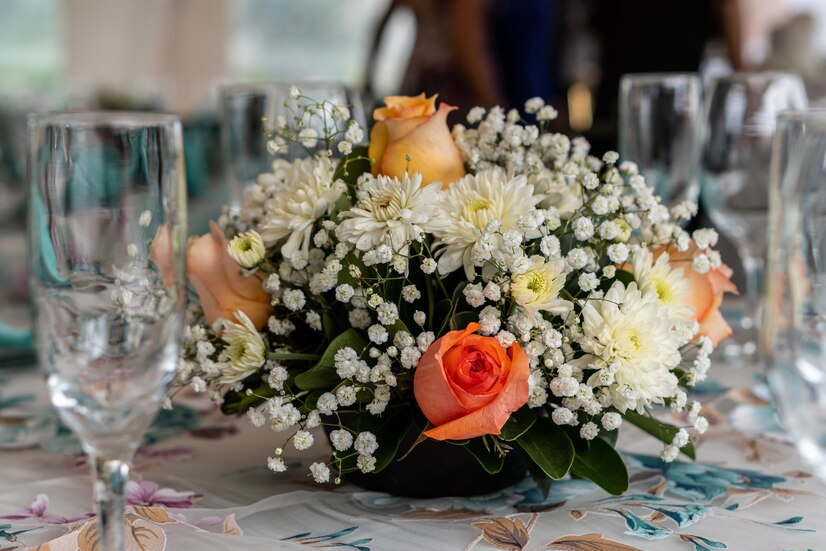
The centerpiece is not just a mere decoration, it is the heart of the table setting that brings everything else together. It sets the tone for the table decor and, ultimately, the entire room. A well-chosen centerpiece can create a cohesive look, reflect the wedding theme, and even serve as a conversation starter among guests.

Centerpieces can be simple or elaborate, minimalistic or extravagant, depending on your personal style and wedding theme. Regardless of its design, a centerpiece should be engaging, drawing your guests’ attention and leaving an impression.

However, the power of a centerpiece extends beyond aesthetics. It can also evoke emotions, create a mood, and tell a story. A well-thought-out centerpiece can speak volumes about your personality, taste, and the love story that brought you to this day.

As with any other aspect of wedding decor, centerpiece trends are also ever-evolving, reflecting the changing tastes and preferences of couples. Below are the top 10 centerpiece-inspired decor trends that can add a touch of elegance and personality to your wedding.

  1. Botanical Bliss: This trend involves using a variety of plants, from succulents to ferns, to create a natural, eco-friendly vibe.
  2. Floral Fantasia: Floral arrangements will forever be a classic choice, but the trend now is to go for unconventional flower types, colors, and arrangements.
  3. Vintage Charm: Antiques, heirlooms, and vintage items can be used to create a nostalgic and timeless atmosphere.
  4. Rustic Allure: Using elements like burlap, wood, and mason jars can create a cozy, rustic charm.
  5. Glamour and Glitz: For those who love sparkle and shine, incorporating crystals, sequins, and metallic accents can add a glamorous touch.
  6. Boho Chic: This trend involves using eclectic elements like macrame, dream catchers, and vibrant colors to create a bohemian, free-spirited vibe.
  7. Modern Minimalism: For a clean, sophisticated look, go for minimalistic centerpieces with geometric designs and neutral colors.
  8. Exotic Elegance: Incorporate elements from different cultures to create a unique, worldly vibe.
  9. Nautical Nuance: If you love the sea, use elements like shells, sand, and sea glass to bring a coastal charm to your wedding.
  10. Playful Pop Art: For a fun, vibrant atmosphere, use bold colors and pop art-inspired designs.

Now, let’s see how some of the most popular centerpiece-inspired trends can transform your wedding.

Transforming your Wedding with Welcome Sign-Inspired Centerpieces

Welcome sign-inspired centerpieces are a trend that’s gaining popularity. Instead of a traditional guest book, the centerpiece can be a beautifully decorated welcome sign where guests can leave their well wishes. It’s a creative and interactive way to engage your guests and create a keepsake that you can cherish forever. Couples might even prefer exploring different styles of a wedding welcome sign to match their decor, from elegant acrylic boards and floral framed canvases to rustic wooden displays that can blend smoothly with the overall wedding theme.

A welcome sign centerpiece can also give your guests a warm welcome and set the tone for the rest of the wedding. It can reflect the wedding theme, your personality, or even your love story. You can personalize it with your favorite quotes, images, or even a timeline of your relationship.

The possibilities are endless. You can go for a rustic wooden sign for a barn wedding, a sleek acrylic sign for a modern wedding, or a vintage chalkboard sign for a retro wedding. Whatever your preference, a welcome sign centerpiece can definitely add a unique touch to your wedding.

Enhancing Ambience with Candle-Inspired Centerpieces

Candles have always been a favorite when it comes to centerpiece-inspired decor trends. They add a warm, romantic glow to the setting and can transform the ambiance of your wedding. However, the trend now is to think beyond traditional candle arrangements and to get creative with your candle-inspired centerpieces.

You can place candles in lanterns for a rustic charm, float them in water-filled glass bowls for a magical effect, or arrange them among flowers for a classic look. You can also experiment with different candle shapes, sizes, and colors to create a unique centerpiece.

But apart from their aesthetic appeal, candles also create a warm, intimate atmosphere. The soft, flickering light can make your guests feel relaxed and comfortable, setting the perfect mood for a celebration of love.

Delighting Guests with Gift-Inspired Centerpieces

Another trend that’s making waves is the gift-inspired centerpiece. Instead of traditional decor, the centerpiece can be a beautifully wrapped gift that adds a festive touch to the table. This can double as a thank-you gift for your guests, making them feel special and appreciated.

You can personalize the gifts based on your wedding theme, your personality, or even your guests’ preferences. It could be a small plant for a green wedding, a custom-made candle for a romantic wedding, or a jar of homemade jam for a rustic wedding.

Gift-inspired centerpieces not only add a unique touch to your decor but also create a memorable experience for your guests. It’s a small gesture that can leave a big impact, making your wedding unforgettable.

Gift-Inspired Centerpieces

How to Choose the Best Centerpiece for Your Wedding

Choosing the perfect centerpiece for your wedding can be a daunting task, but with a few tips and considerations, you can find the one that best suits your style and theme.

Firstly, consider the size and shape of your tables. The centerpiece should complement the table and not overpower it. Also, it should not obstruct the view or conversation among guests.

Secondly, take into account the overall theme and color scheme of your wedding. The centerpiece should blend in seamlessly and enhance the aesthetic of your decor.

Lastly, think about your personal style and preferences. Your wedding is a reflection of you and your partner, so choose a centerpiece that speaks to your personality and tells your story.

DIY Tips for Creating Your Own Centerpiece

If you’re a crafty couple who loves DIY projects, creating your own centerpiece can be a fun and fulfilling experience. Here are a few tips to help you out.

Start by gathering inspiration. Look at wedding magazines, decor blogs, and Pinterest to get ideas. Once you have a clear vision, start sourcing materials. You can find a wide range of supplies at craft stores, thrift shops, or even online.

When it comes to design, simplicity is key. Choose one or two main elements and build around them. You can use flowers, candles, vases, or any other items that fit your theme.

Lastly, don’t be afraid to experiment and get creative. Your centerpiece is a reflection of your personal style, so make it unique and memorable.

Where to Buy Wedding Centerpiece-Inspired Decor Trends?

If DIY is not your thing, there are plenty of places where you can buy trendy wedding centerpieces. From online marketplaces like Etsy and Amazon to local florists and decor rental companies, you have a myriad of options to choose from.

When shopping for centerpieces, keep in mind your wedding theme, color scheme, and budget. Look for reputable sellers with good reviews, and make sure to order well in advance to avoid any last-minute stress.

Conclusion: Making Your Wedding Unforgettable with Centerpiece-Inspired Decor

In conclusion, the centerpiece is an integral part of your wedding decor that can set the tone, create a mood, and tell a story. Whether you opt for a welcome sign-inspired centerpiece, a candle-inspired centerpiece, or a gift-inspired centerpiece, you can transform your wedding and create a memorable experience for your guests.

So, embrace the latest trends, get creative, and let your personality shine through your centerpiece. After all, your wedding is a celebration of your unique love story, and every detail should reflect that.

Read Also:

Shahnawaz is a passionate and professional Content writer. He loves to read, write, draw and share his knowledge in different niches like Technology, Cryptocurrency, Travel,Social Media, Social Media Marketing, and Healthcare.

View all posts

Leave a Reply

Your email address will not be published. Required fields are marked *

Related

low maintenance plants

Best Low Maintenance Plants To Buy In 2024

I have always enjoyed gardening, spending time in nature, and a general affliction towards plants. However, once professional commitments started taking up too much time, I was left with 'no time to stand and stare'. Whatever time I had left, most of it went behind work, and my plants started shriveling up. Do you relate? If this sounds relatable, then keep reading to find out what I did to change things and give my plants the time they need. Well, for starters, I started investing more in low-maintenance plants. These plants can easily thrive well under low lights and can quickly bounce back in case of one or more missed watering. So soon, I was able to spot the change! 10 Best Low Maintenance Plants To Buy In 2024: It was a discovery that I thankfully stumbled upon. It made things so much easier for the anthophilous inside me that I was motivated to write about it. If you are also planning to purchase a few low-maintenance plants, then scroll down to find out more on the same! 1. Cacti If you have long and irregular work schedules, then Cacti is probably the best low-maintenance indoor plant. Cacti plants can thrive well in light that’s natural and requires water only once every week during summer and spring. During winter and fall, you just need to water your cacti once in three weeks. Price: 18 dollars (for four) Why Do We Love It? Can be grown easily Can be cared for easily Great option as a gift 2. Air Plants Air plants are great alternatives for low maintenance plants - they do not even need soil for survival. All that you have to do in this case is dunk these plants in the water for 2 to 3 hours, once every ten days. Now is that not perfect? This is entirely doable every 10 days while you spend your afternoon sunk knee-deep in work. Price: 14 dollars (for five) Why Do We Love It? Easy to maintain Very affordable Saves time 3. Pothos Pothos is also referred to as Devil’s Ivy and is one of the best types of low-maintenance house plants. The best part? These plants can thrive well in both light and darkness. So if you keep it in your low-light cubicle, the plant will survive, and the same goes for brightly lit areas. Also, it can survive when you forget to water the plant. Price: 18 dollars (for five) Why Do We Love It? Air-purifying properties Value for money It comes in a grower’s pot 4. ZZ Plant The ZZ Plants thrive the best in brightly lit rooms, but that does not mean they cannot survive in moderate or low lights. Just like cacti, you don’t need to water them every day. Moreover, it’s a pretty sturdy plant. When you notice that the leaves are falling off, simply water it properly, and you will soon notice the plant from bouncing right back. Price: 26 dollars Why Do We Love It? Can thrive in both natural and artificial light Sturdy and durable Great option as a gift 5. Spider Plants Spider plants are pretty great options if you are looking for low-maintenance plants. These spidery plants tend to dry out in between two watering sessions. In addition, spider plants thrive pretty well under indirect light, and as a result, these plants can flourish well even inside windowless, dark offices. Price: 12 dollars Why Do We Love It? Can thrive well in both natural and artificial light. Air-purifying properties. Great option as a gift for apartments, office cubicles, dorm rooms, and the like. 6. Snake Plants There are low-maintenance plants, and then there are Snake plants. These are not just great as low-maintenance outdoor potted plants but also as plants for low-lit indoor cubicles. Simply put, snake plants are great alternatives for those offices where you get just thirty minutes for grabbing your lunch - let alone watering your plants. Price: 38 dollars Why Do We Love It? Has higher carbon dioxide absorbing efficiency and releases oxygen at night. Has premium air-purifying properties.  Versatile - can be planted in a pot or directly into the ground. 7. Succulents Succulents are amazing not because they can be easily maintained but mostly because it has thick leaves that store water. As a result, these plants needed to be watered once a week. Also, these thrive well in dry air and sunlight. No wonder succulents are the best low-maintenance outdoor potted plants. Price: 19 dollars (for five) Why Do We Love It?  Easy to grow and maintain Very affordable Perfect for DIY or doing your home decor 8. Bamboo Considered to be a lucky plant, Bamboo needs some light for thriving. This technically means Bamboo plants are great for those cube desks at work. If anyone is starting a new job, it’s best to gift them a bamboo plant wishing them good luck. Also, these plants give any workspace a Feng Shui boost. Price: 28 dollars Why Do We Love It? Easy to grow and maintain Value for money Ideal gift for everyone You May Also Like This: 9. Peace Lily Peace lilies look beautiful, and they also happen to be very easy to grow and maintain. All you need to do is keep misting the leaves and moisturize the soil regularly. However, make sure you are not overwatering the plant, and you should keep the plant away from direct sunlight. Price: 24 dollars Why Do We Love It? Thrives in indoor light Has health benefits Easy to maintain and care for 10. Red Aglaonema Did you know that the Red Aglaonema is new and happening presently? The leaves are all reddish-pink, while the stems are pink. This low-maintenance plant simply amps your cubicle’s personality a few notches higher. Naturally, these will appear brighter in well-lit rooms, buts they can also thrive well under low light. Price: 21 dollars Why Do We Love It? Sturdy and durable Adds texture and color to different spaces Ideal for dorm or room decor 11. Dusty Miller Often called silver ragwort, this icy-looking plant can withstand shade but prefers bright light. The distinctive, silvery leaves become more green-gray in shaded areas, which is also a visually pleasing effect. Its foliage is the main attraction, though it produces small, bright yellow blooms in midsummer. 12. Ribbon Grass Because they spread easily, these variegated blades make an excellent ground cover option. They do not mind shade or sun, but they do love moisture. When planted as a border in your garden, they create a charming link between the grass and the garden. Just make sure to use your shovel to create a sharp trench to keep it from getting into your flowers. 13. Cosmos The name "cosmos" comes from the Greek word for "harmony" or "ordered universe," and Mexican priests gave these happy little flowers this name due to their perfectly arranged, uniform petals. You'll have blooms from spring into autumn because these annual flowers reseed and grow well in full sun. 14. Butterfly Bush Some of the longest-blooming shrubs are these sun-loving plants. They are drought- and insect-resistant and have a vibrant range of colors that are perfect for summer. The plants will naturally draw a large number of hummingbirds and butterflies throughout the fall season. Frequently Asked Questions (FAQs):- Q1. What Is The Most Low Maintenance Plant? Ans: The most low maintenance plants are,⦿ Aloe vera⦿ ZZ plant⦿ Snake plant⦿ Spider plant, and⦿ Cast-iron plant  Q2. What Are The Easiest Plants To Take Care Of? Ans: The easiest plants to take care of are,⦿ Cast-iron plant⦿ Snake plant⦿ ZZ plant⦿ Spider plant⦿ Aloe Vera. Q3. What Is The Most Durable House Plant? Ans: The most durable house plants are,⦿ ZZ plant⦿ Snake plant ⦿ Chinese money plant⦿ Bromeliads⦿ Chinese Evergreen Plant. Wrapping Up:  Remember that it is always a good idea to check the resources available through your local extension service, even if the plants you choose are designated for your USDA Plant Hardiness Zone and the light and soil conditions of your site. By taking into account factors like wind, humidity, rainfall, and more, you can determine what grows best in your area. It's worth noting that not all plants labeled as "deer-resistant" will withstand deer damage. Are you looking for additional strategies to work in the garden more efficiently rather than more laboriously? Invest in a base of well-established evergreen shrubs; you'll be grateful for it come winter. Fast-growing vines can make a big difference for an ugly fence or garden wall without requiring a lot of work. Additionally, check out container plants and outdoor hanging plants if your garden is limited to a patio or balcony Low-maintenance plants are pretty popular presently. Mostly because they are easy to grow and maintain. So what are you waiting for? Invest in some low-maintenance plants today, and let us know which one are you buying first. Read Also: Planting & Harvesting Mint List of White Flowers in the world All You Need To Know About Resurrection Plant and its Facts

READ MOREDetails
Pests Control

How Pests Control Maintains The Aesthetic Appeal Of Your Home

Ensuring the visual allure of your residence is vital in crafting an inviting and cozy atmosphere. From immaculate landscaping to elegant interior design, each element shapes the overall atmosphere. However, one often overlooked aspect of preserving your home's beauty is hiring pest control services from sources like Forterra Pest Control. This article delves into how pests control measures help protect your home's aesthetic charm. Preventing Structural Damage Termites, carpenter ants, and rodents present substantial risks to the structural stability of your residence. These invaders can cause extensive damage to wooden structures, including support beams, door frames, and furniture. Left unchecked, this damage not only compromises the safety of your home but also detracts from its aesthetic appeal. Implementing regular pests control measures helps prevent infestations and minimize the risk of structural damage. By addressing potential entry points and eliminating nesting sites, pests control professionals safeguard your home against the destructive effects of pests, preserving its architectural beauty for years to come. Maintaining Cleanliness Pests are not only a nuisance but also carriers of disease and filth. Cockroaches, rodents, and flies can contaminate food, surfaces, and air quality, posing health risks to you and your family. The presence of pests not only compromises the cleanliness of your home but also detracts from its visual appeal. Effective pest control practices focus on eliminating existing infestations and implementing preventive measures to maintain cleanliness. By targeting pest breeding grounds, sealing entry points, and employing safe eradication methods, pests control professionals help keep your home free from unwanted visitors, ensuring a clean and aesthetically pleasing environment. Preserving Outdoor Spaces Your residence's exterior plays an integral part in shaping its overall visual allure. Beautifully landscaped gardens, well-maintained lawns, and inviting outdoor living areas enhance the curb appeal of your property. However, pests such as mosquitoes, ants, and spiders can disrupt outdoor activities and mar the beauty of your outdoor spaces. Integrated pest management techniques help protect your outdoor areas from pest infestations while minimizing environmental impact. By utilizing targeted treatments and natural deterrents, pests control specialists create a pest-free environment, allowing you to enjoy outdoor spaces without compromising their beauty. Safeguarding Decor And Furnishings Interior decor and furnishings are essential elements that contribute to your home's aesthetic charm. However, these items are susceptible to damage from pests such as moths, beetles, and rodents. If not adequately protected, fabric upholstery, wooden furniture, and delicate decor items are particularly vulnerable to infestation and deterioration. Regular pests control inspections and treatments help safeguard your decor and furnishings against potential damage. Pest control professionals ensure that your home's interior remains pristine and visually appealing by implementing preventive measures such as barrier treatments, fumigation, and targeted eradication. Promoting Peace of Mind Beyond the tangible benefits, pest control provides homeowners with peace of mind. Knowing that your home is protected against pest infestations allows you to relax and enjoy its beauty and comfort. Whether hosting gatherings with friends or simply spending quiet moments with family, a pest-free environment enhances your overall quality of life. Tips For Selecting The Right Pests Control Services Pest control is one of the most important things about maintaining a certain aesthetic of your home. However, this would only happen if you get a hold of the right control company. Hence, this section will help you do just that. We have curated a small bonus section discussing the important factors that you need to know in order to select the right Pest Control Services.  Quality Pests come in varied shapes and sizes. As a result, you need to deal with them with specific care. Therefore, quality assistance should be your first priority. Go for companies that offer 24*7 support crews for your every query.  Make sure the professionals you hire have enough experience and training to handle your pest problems. Finally, only go for a firm that has a 24*7 customer support team and warranty for their services. All of these metrics ensure that you get quality assistance from the firm.  License Licensing is an important thing to consider while selecting the right pests control services. Make sure that you are partnering up with the right firm that is qualified and authorized in order to deal with the kind of pests control services that you want to avail. Use Google to do your research. Make sure you know all the angles before you make any sort of decision. Narrow down your search according to your requirements and look for the licensing you might need in order to deal with the problem. Then, use this information to approach the right firms.  Chemicals If you are already on the internet, you should also start inquiring about the required chemicals. Chemicals are an integral part of a pests control operation. Therefore, you need to understand these chemicals very closely. Google whatever you can about these chemicals. See how these chemicals morph your instant atmosphere. Understand the repercussions of these chemicals and how they affect your family’s health. If you have a pet, you need to google if these chemicals are pet-friendly or not. Otherwise, you might end up with a disaster on your hands.  User Review Taking recommendations is a very important thing. We suggest that you start inquiring about the local pests control firm that usually works in your neighborhood. Start by asking the neighbors. Ask about their personal experience and assess it. If the reviews are mostly okay, then start looking up the firm on the internet. Yelp could be a good place to start your research. Never go for unverified firms that have less than 4 stars. Otherwise, you might end up doing more damage than fixing.  Cost The final aspect of this whole journey is the cost. Cost is a very important thing to keep in mind. However, lower costs are not always good. Always compare the cost with the aforementioned parameters. A firm that offers several levels of quality and assurance at $20 is definitely doing something fishy compared to a firm that is offering the same thing at $1000. Cost needs to be looked at from a logical perspective.  Conclusion Effective pests control measures are crucial for preserving your home's aesthetic appeal. By hiring services from a reputable source like Forterra Pest Control to prevent structural damage, maintain cleanliness, safeguard outdoor spaces, protect decor and furnishings, and promote peace of mind, pests control measures ensure that your home remains a beautiful and welcoming sanctuary for years to come. Prioritizing pests control is not just about protecting your property; it's about preserving its inherent beauty and creating a harmonious living environment for you and your loved ones. ADDITIONAL READING: 10 Hidden Dangers Of DIY Pest Control The ROI Of Proactive Pest Control For Property Management 9 Signs You Have a Pest Infestation in Your House (And What to Do About It)

READ MOREDetails
how to harvest asparagus-

Asparagus 101: When, How, And How Often To Harvest?

If you are a gardener like me, you must have thought about harvesting greens that you eat at restaurants at your house. One of these days, I was with my friends from my university, and we were discussing the importance of eating veggies for staying healthy. And they could not figure out the best ways to effectively do so. Reading my previous blog about cilantro, Laila asked me, “how to grow and harvest asparagus?” Well, surely asparagus is one of the most delicious and nutritious vegetables you can grow in your garden. But what a lot of people do not know is that it's also one of the easiest once you know how to harvest asparagus properly. In this article, I will cover everything you need to know about harvesting asparagus, from when to start, how to cut, and how often to do it. Additionally, I will also share some tips on how to store and freeze asparagus, as well as the benefits of eating this green wonder. So, keep on reading till the end to learn more...  How Does Asparagus Grow? Before I dive into the seemingly difficult process of how to harvest asparagus, let me help you grow it.  Asparagus is a perennial plant that grows from a crown of roots that can live for up to 20 years. The crown produces spears, which are the edible part of the plant, every spring. The spears grow rapidly, sometimes up to an inch per day, and can reach a height of 6 to 10 inches. The spears are harvested before they open into fern-like leaves, which are edible and tough. Asparagus grows best in well-drained, sandy soil with a pH of 6.5 to 7.5. It prefers full sun and moderate temperatures and needs regular watering and fertilizing. Asparagus can be grown from seeds or crowns, but crowns are easier and faster to establish. Crowns are planted in trenches about 12 to 18 inches apart and covered with 2 to 3 inches of soil. As the spears emerge, more soil is added until the trench is filled Benefits of Asparagus  https://giphy.com/gifs/food-asparagus-taylor-lee-nicholson-pejh5q5BBXxi2m4PgF Asparagus is not only tasty, but also healthy. It's low in calories and high in fiber, vitamins, minerals, and antioxidants just like spinach. It can help lower blood pressure, regulate blood sugar, support digestion, and prevent urinary tract infections. Asparagus also contains a compound called asparagine, which is a natural diuretic that helps flush out excess fluids and salts from the body. Asparagus is also a good source of folate, which is essential for pregnant women and fetal development When to Harvest Asparagus? The first year after planting, you should not harvest any asparagus spears, as they need to grow and strengthen the root system. The second year, you can harvest a few spears for a short period, about two to three weeks. The third year and beyond, you can harvest asparagus for a longer period, up to eight weeks, depending on the climate and the health of the plants. The best time to harvest asparagus is in the early morning when the spears are crisp and tender. You should harvest asparagus when the spears are about 6 to 10 inches tall, and before the tips start to open up. If you wait too long, the spears will become woody and bitter. How to Plant and Care for Asparagus? Asparagus is a long-term investment that can reward you with years of delicious harvests. However, it requires some planning and preparation before planting.   Here are some steps to follow to plant and care for asparagus:  Choose the Day  Choose a sunny and well-drained spot in your garden, preferably with sandy or loamy soil. Avoid areas where water tends to pool or where weeds are hard to control. Asparagus also needs plenty of space, so make sure you have at least 4 to 5 feet between rows and 12 to 18 inches between plants. Prepare the Soil  Prepare the soil by adding organic matter, such as compost or manure, and adjusting the pH to 6.5 to 7.5. You can use a soil test kit to check the pH and nutrient levels of your soil. You may also need to add some fertilizer, such as 10-10-10 or 10-20-10, to boost the phosphorus and potassium content. Dig it Deep Dig a trench about 8 to 12 inches deep and 12 to 18 inches wide. You can make the trench longer or shorter depending on how many asparagus crowns you have. Asparagus crowns are the dormant roots of the plant that you can buy from nurseries or online. They usually have one-year-old or two-year-old crowns, which are more reliable and productive than seeds. Fertilize Spread some fertilizer along the bottom of the trench, about 2 pounds per 100 square feet. Then, cover the fertilizer with 2 to 3 inches of soil, forming a ridge in the center of the trench. Placing the Plant Place the asparagus crowns on top of the ridge, about 12 to 18 inches apart, with the buds facing up. The crowns should be slightly below the soil surface, about 1 to 2 inches deep. Do not bury them too deep, as this will delay the emergence of the spears. Focus on the Crown Cover the crowns with another 2 to 3 inches of soil, and water well. As the spears grow, gradually fill in the trench with more soil, until it is level with the ground. This will help protect the crowns from frost and weeds. Add Mulch  Mulch the bed with straw, leaves, or wood chips, to conserve moisture and prevent weeds. You can also add some organic fertilizer, such as fish emulsion or seaweed extract, every few weeks during the growing season, to encourage healthy growth. Keep in Mind Do not harvest any asparagus spears in the first year, as they need to establish a strong root system. In the second year, you can harvest a few spears for a short period, about two to three weeks. In the third year and beyond, you can harvest asparagus for a longer period, up to eight weeks, depending on the climate and the health of the plants. How to Harvest Asparagus? Now, coming to the most important part that you wanted to know about. Let us talk about the ways to harvest asparagus! To harvest asparagus, you need a sharp knife or a pair of scissors. You should cut the spears at the base, about an inch below the soil surface. Be careful not to damage the crown or the emerging spears. You should also avoid cutting too many spears from one plant, as this will weaken the plant and reduce the yield. A good rule of thumb is to leave at least one-third of the spears on each plant. You should harvest asparagus every day or every other day, depending on how fast the spears grow. You should stop harvesting asparagus when the spears become thinner than a pencil, as this indicates that the plant is running out of energy. You should then let the spears grow into ferns, which will replenish the crown and prepare it for the next season. How to Store and Freeze Asparagus? Unlike lettuce, which you can store for more than a week, asparagus is best eaten fresh, as it loses its flavor and texture quickly. If you can't eat it right away, you should store it in the refrigerator for up to a week. To keep it fresh, you should trim the ends of the spears and stand them upright in a glass of water or wrap them in a damp paper towel and put them in a plastic bag. If you want to preserve asparagus for longer, you can freeze it. To freeze asparagus, you should first wash and trim the spears, and then blanch them in boiling water for two to three minutes, depending on the thickness.  Blanching is a process of briefly cooking and cooling the vegetables to stop the enzyme activity that causes them to spoil.  After blanching, you should drain and cool the spears, and then pack them in freezer bags or containers, leaving some space for expansion. You can freeze asparagus for up to a year, and use it in soups, casseroles, or stir-fries. How to Prevent and Treat Asparagus Pests and Diseases?  Asparagus is generally a hardy and resilient plant, but it can still suffer from some pests and diseases that can affect its growth and quality. Here are some of the most common problems that affect asparagus plants, and how to prevent or treat them: Asparagus beetles These are small, black or red beetles that feed on the spears and the ferns, causing them to wilt and turn brown. They can also lay eggs on the spears, which hatch into larvae that chew on the stems and leaves. To prevent asparagus beetles, you should keep the area around the plants clean and weed-free, and remove any old or damaged spears. To treat asparagus beetles, you can hand-pick them and their eggs, or spray them with insecticidal soap or neem oil. Fusarium wilt This is a fungal disease that infects the roots and the crowns of the plants, causing them to rot and die. It can also cause the spears to become yellow, twisted, and stunted. Fusarium wilt is more likely to occur in poorly drained, acidic, or infested soil.   To prevent fusarium wilt, you should plant disease-resistant varieties, rotate crops, and avoid overwatering or injuring the plants. To treat fusarium wilt, you should remove and destroy any infected plants, and apply fungicides to the soil. Rust This is another fungal disease that affects the ferns, causing them to develop orange or brown spots and pustules. Rust can reduce the vigor and yield of the plants, and make them more susceptible to other diseases. Rust is more likely to occur in humid, wet, or shady conditions.   To prevent rust, you should plant resistant varieties, space the plants well, and prune any excess or infected ferns. To treat rust, you should apply fungicides to the ferns, and avoid watering them from above. Crown rot This is a bacterial disease that causes the crowns and the bases of the spears to become soft, mushy, and foul-smelling. Crown rot can spread quickly and kill the plants. Crown rot is more likely to occur in wet, compacted, or poorly drained soil. To prevent crown rot, you should plant healthy crowns, improve the drainage and aeration of the soil, and avoid overwatering or injuring the plants. To treat crown rot, you should remove and destroy any infected plants, and disinfect the tools and the soil. Bonus: How to Cook and Enjoy Asparagus?  There are many ways to cook and enjoy asparagus, from steaming, boiling, roasting, grilling, to sautéing. The key is not to overcook it, as it will become mushy and lose its flavor. You should cook asparagus until it is bright green and crisp-tender, which usually takes about 5 to 10 minutes, depending on the method and the thickness of the spears. You can season asparagus with salt, pepper, butter, lemon juice, garlic, herbs, cheese, or any other condiments you like. You can also pair asparagus with eggs, bacon, ham, chicken, fish, pasta, rice, or salad. Asparagus is a versatile and delicious vegetable that can complement any meal. Wrapping It Up! Asparagus is a wonderful vegetable that you can grow and harvest in your own garden. It's easy to care for, once you know how to harvest asparagus properly. You should harvest asparagus when the spears are about 6 to 10 inches tall and before the tips start to open up. You should cut the spears at the base and leave some on the plant to grow into ferns. It would be best to store asparagus in the refrigerator for later use. And yes, you should also enjoy the many benefits and flavors of asparagus, by cooking it in various ways and pairing it with different dishes. Asparagus is a springtime delight that you don't want to miss. Learn More About: Planting & Harvesting Mint 7 Health Benefits of Black Seed Oil Spirulina: The Complete Plant Based Protein Source | Health Benefits

READ MOREDetails