











Who are Excavation Contractors and How to Become One in 2026?

Published on: 22 May 2024 Last Updated on: 11 February 2026
excavation contractors

Did you know that there has been a rise in the number of people who are working as excavation contractors? In case you didn’t, here is the wake-up call!

These are the people who are recruited to work on sites so that projects can be built and certain utilities can be installed. But is that all?

What are the skills that you need? What are the benefits that you will get? And most important, what about the salary?

If these are some of the questions that you are curious to find out, then I have you covered!

Therefore, keep on reading this blog till the end to learn more…

Who are Excavation Contractors?
Who are Excavation Contractors?

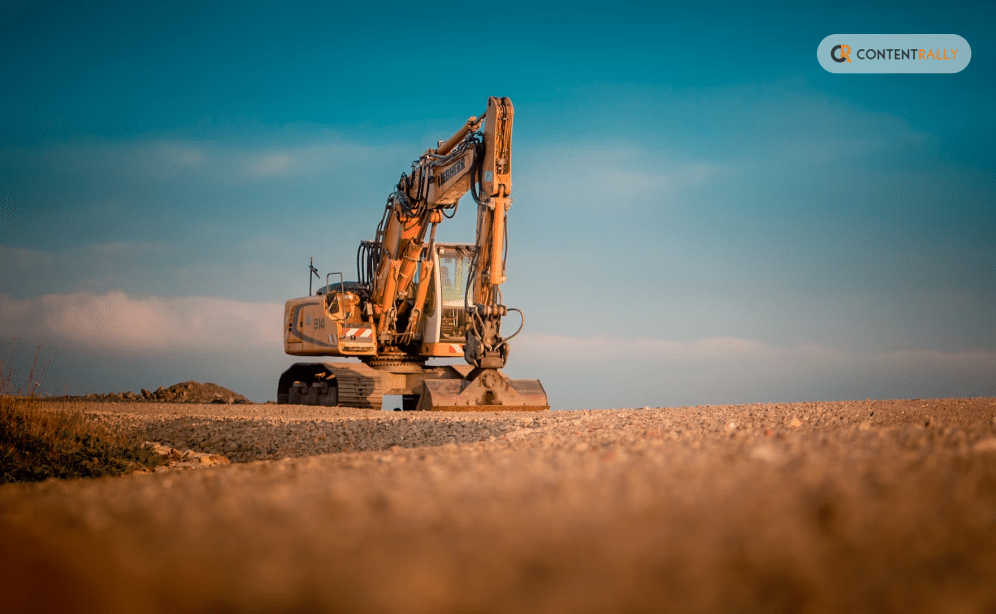
Excavation contractors are the experts who prepare the site for new construction. They ensure everything is level, clean, and ready for the builders to arrive and start working. 

Not the most dangerous job in the world, they use sizable gear to move the dirt, regulate the flow of water, and excavate where needed. Additionally, they must always be concerned about the environment and everyone's safety. 

Excavation contractors are like the first players in a construction game. They step onto an empty land and prepare it for something new to be built. 

Imagine a piece of land with uneven ground, rocks, and maybe even old buildings. The excavation contractor's job is to clear all this away and make the ground flat and strong enough to hold new structures.

These contractors are experts at managing the earth. These contractors are proficient in earth management. To move, dig, and shape the land, they employ large machinery. 

Consider them to be artists who, rather than using paintbrushes, work with bulldozers and excavators. They dig trenches for pipes, provide room for basements, and make sure rainwater runs off buildings rather than into them.

Safety is a big part of their work, too. They must know how to handle their machines without hurting anyone or damaging anything. 

They also need to understand the different types of soil and rocks they work with. This knowledge helps them decide the best way to dig and move the earth without causing problems like landslides.

Understanding the Role and Responsibility of Excavation Contractors
Understanding the Role and Responsibility of Excavation Contractors

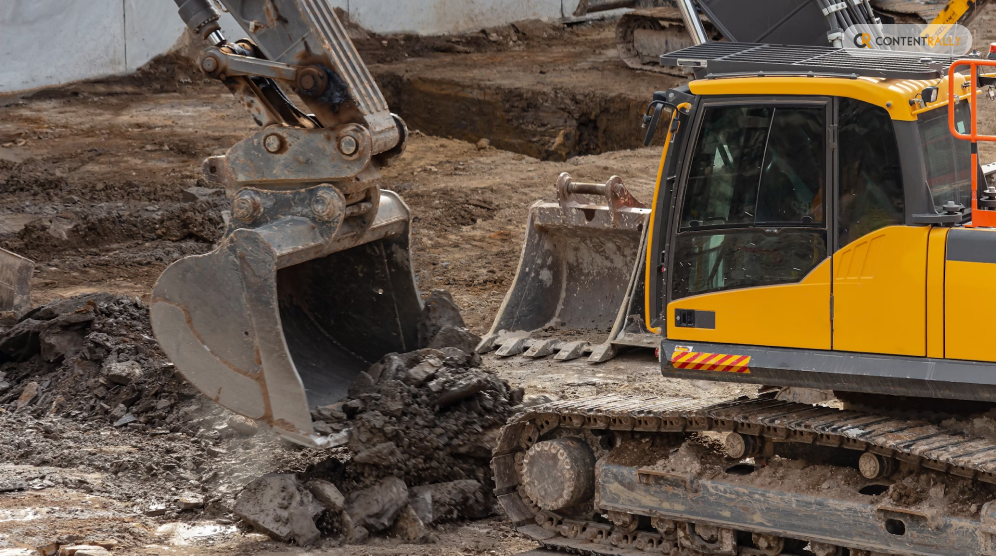
In the construction sector, excavation contractors are crucial. They are the skilled professionals who prepare sites for new buildings, roads, or any other type of development requiring the completion of earthmoving and foundation work. 

It should go without saying that these experts are always important for any construction. They perform the preparatory work required to turn an empty plot of land into a livable, productive, or recreational area. It's a big job with lots of obligations.

Key Responsibilities of Excavation Contractors
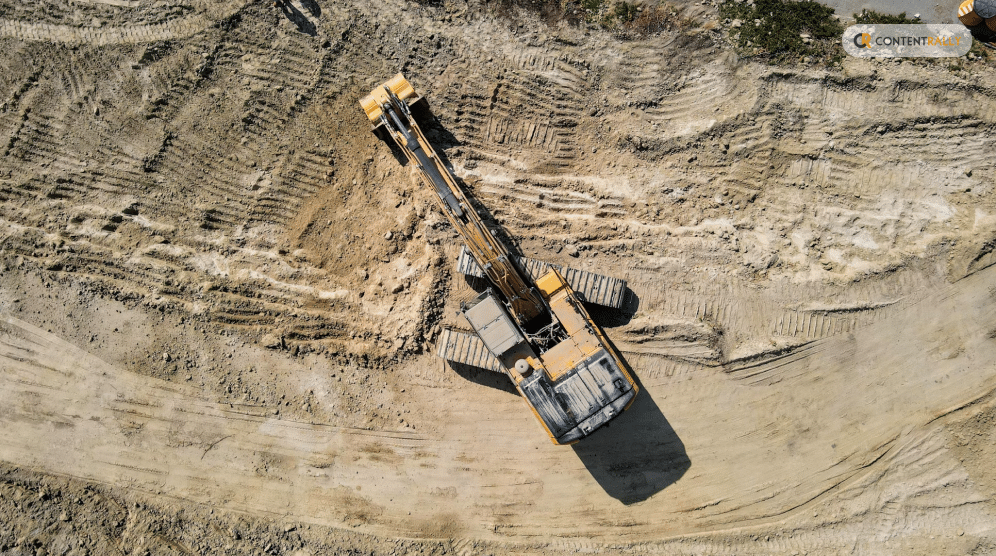
Key Responsibilities of Excavation Contractors

Excavation contractors prepare the stage for all the construction magic to happen. They make sure that the ground is ready and safe for the next steps in building our homes, offices, and roads.

Excavation contractors have a list of important jobs to do before any building can start. Here's what they focus on:

  1. Site preparation and grading: These are similar to painting a blank canvas. Contractors clear the area of trees, rocks, and other obstructions. They then check to see if the ground is level. This process, known as grading, is essential because it prevents buildings from sinking or tilting. 
  2. Trenching: Digging large, narrow ditches for utilities or foundations is known as trenching. These are necessary for installing pipes or wires underground and for laying the foundations or bases of buildings. 
  3. Ensuring Drainage and Erosion Control: Contractors are also heavily involved in water management. They sculpt the terrain to direct precipitation where it belongs, avoiding flooding and soil erosion.
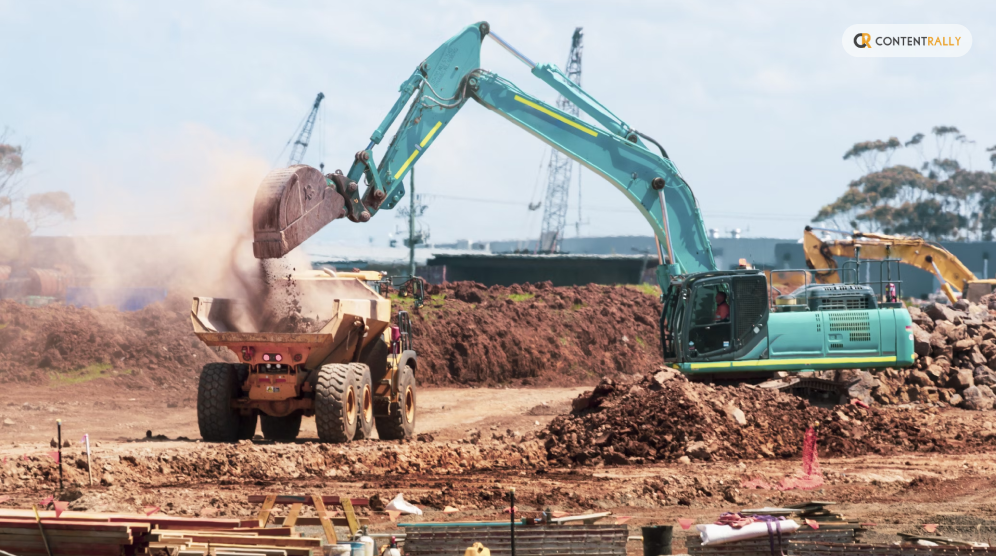
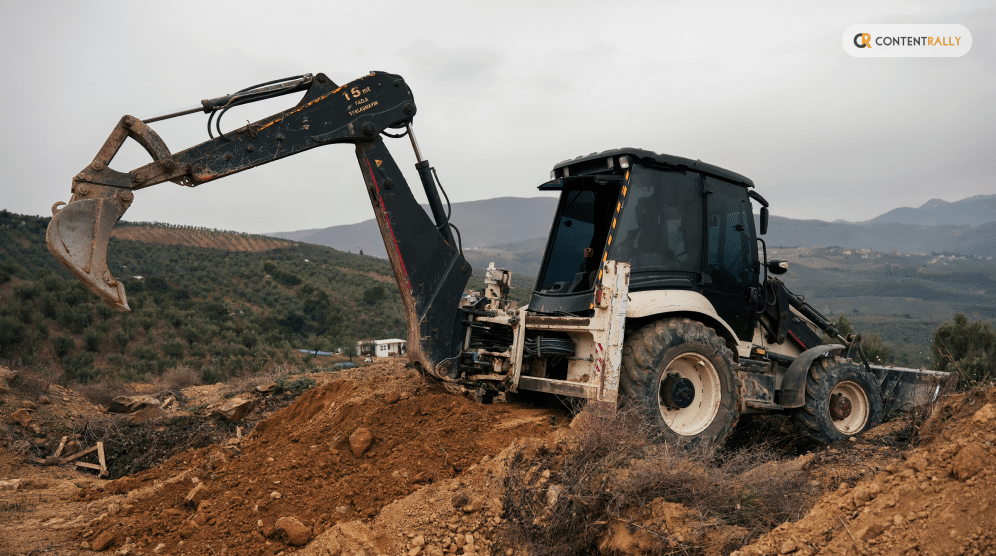
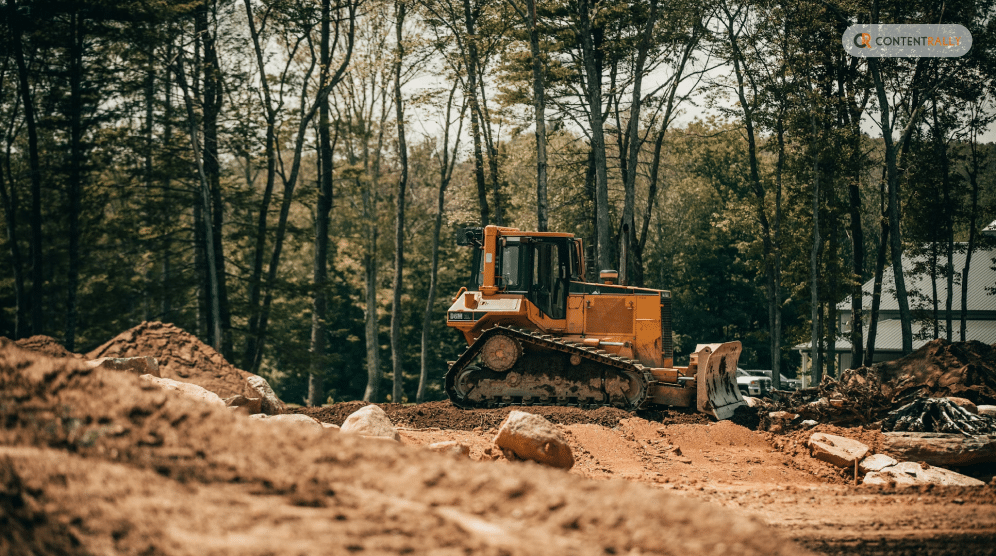
  4. Operating Heavy Machinery: Excavation contractors are trained to use big machines like bulldozers, which push dirt and rocks, and backhoes, which dig and lift. They must be very skilled to operate these safely and efficiently.
  5. Following Environmental and Safety Guidelines: Rules govern how to protect nature and keep people safe on a construction site. Excavation contractors must know these rules well and always follow them.

How to Become an Excavation Contractor in 2026?
How to Become an Excavation Contractor in 2024?

Now that you are aware of what an excavation contractor is and what they are responsible for, it is time to understand how to become one. Ad if that is something that you have been searching for, then I have you covered!

So  here are the steps that you would need to take:

1. Education:

While you do not require a college degree to begin a job as an excavation contractor, completing high school is something mandatory. Having a strong foundation in math and science is beneficial since it will enable you to measure and solve difficulties on the job.

Some people also take special classes to learn how to use big machines safely. These classes can give you a head start and show employers that you're serious about this work. 

So, education for excavation contractors is about having a solid high school foundation and learning the skills for the job.

2. Training: 

Similar to several blue-collar jobs for women and men, this one, too, requires training. After finishing school, the next step is to learn the job by doing it. Many start as helpers, watching and learning from experienced workers. 

Some might drive smaller machines at first, getting the feel of the controls. Over time, they get to handle bigger equipment. It's like being an apprentice, where you learn by working on real projects. 

This hands-on training is key because it teaches you the tricks of the trade, like how to dig just right without making mistakes. It's all about practice and getting better each day.

3. Certification: 

Obtaining a certification is similar to receiving a badge of knowledge. It can make you stand out, but it's not always necessary. 

For excavation contractors, certification denotes completion of further coursework and passing exams demonstrating proficiency with large machinery and a thorough understanding of workplace safety

It's how you declare to the world, "I'm a pro." Furthermore, it can provide access to greater employment opportunities and career advancement pathways. Consequently, becoming certified is a wise decision, even though it's not necessary.

4. Licensing: 

Think of licensing as your official ticket to the world of excavation. In many places, you need a license to show you're allowed to do the job. 

It's like a driver's license but for digging and moving earth. To get this license, you usually have to pass a test that checks if you know how to handle heavy equipment and understand the rules of construction safely

Once you have it, you can officially call yourself an excavation contractor. It's a big step because it means you're trusted to take on big projects and do them right.

5. Starting Your Business: 

Establishing your own excavation company is the best course of action when you're ready to work for yourself. It's comparable to sowing a seed for the future. 

A solid business plan that outlines your financial requirements and customer acquisition strategy is essential first. After that, you get the money to purchase equipment and cover other expenses like insurance. 

The laws pertaining to operating a business are also covered. It's a major step, but it's thrilling because you can take full control and build a company that has the potential to last for many years.

Skills Required Proficiency in operating heavy machineryKnowledge of construction principles and safety standards Ability to read and interpret blueprints and site plansStrong problem-solving and decision-making skillsGood physical condition and stamina

The Market in 2026 for Excavation Contractors

The Market in 2024 for Excavation Contractors

I know that this is something everything gets worried about.

There will be a plethora of new prospects in the excavation contractor industry in 2026. The demand for knowledgeable contractors with the ability to prepare the property is rising as more individuals wish to construct homes and businesses. 

Excavation now involves more than just digging and shifting soil. Satellites and computers are used by contractors to ensure that they are excavating in the proper location and manner. 

They need to consider the planet as well. Since it is everyone's goal to develop without harming the environment, contractors must learn how to operate with minimal waste and mess. 

This entails employing low-pollution machinery and devising methods for repurposing the soil and stones they remove.

Being an excavation contractor also means being a lifelong learner. Contractors must stay up to date with the latest innovations in machinery and construction techniques. They must be eager to try new things and quick learners. 

As a result, there will be plenty of opportunities in the market in 2026 for astute contractors who value the environment and are eager to learn new things. 

Needless to say, many people became excavation contractors after getting laid off from big tech companies! After all, being involved in laying the foundation for the future is an exciting time to be in business.

Challenges and Opportunities for Excavation Contractors
Challenges and Opportunities for Excavation Contractors

When it comes to excavation contractors, let me tell you one thing: it is not an easy path!

The weather is one of the main obstacles. The task must be done regardless of the weather, which occasionally requires navigating dust storms or mudslides. 

Apart from that, there is stress that comes with it. Tight deadlines can often result in lengthy days and a great deal of stress in order to do the task on time. Safe to say, being an excavation contractor is not a low-stress job that pays well without a degree!

Safety is still another important concern. When operating huge machinery, contractors need to use considerable caution. 

This is because using such machinery puts oneself or others at risk for injury. They must thus keep an eye on the environment to make sure that their work does not have a detrimental effect on it.

However, these difficulties also present excellent chances. Learning how to operate the newest, safer, and more environmentally friendly machinery is just one of the many things one can learn. 

Contractors with these skills are highly sought after. Additionally, there's the opportunity to specialize in tasks like working in extremely difficult environments like mountains or deserts or underwater excavation.

In 2026, being an excavation contractor means building the foundations of the future. It's hard work, but it's also exciting because every day is different, and there's always a chance to grow and improve.

Wrapping It Up!

The foundation of each building project is the excavator contractor. Those who want to work in this industry should concentrate on obtaining the required training, experience, and certifications as we go toward 2026. 

An excavation contractor's profession can be lucrative and fulfilling with commitment and hard work. There are a number of difficulties that come with the profession, including inclement weather, pressed deadlines, and safety hazards. 

It does, however, also present chances for advancement, specialization, and the fulfillment of creating the foundation for future advancements.

Learn More About:

Ankita Tripathy loves to write about food and the Hallyu Wave in particular. During her free time, she enjoys looking at the sky or reading books while sipping a cup of hot coffee. Her favourite niches are food, music, lifestyle, travel, and Korean Pop music and drama.

View all posts

Leave a Reply

Your email address will not be published. Required fields are marked *

Related

Why Should You Enroll In A Part-Time Degree?

Why Should You Enroll In A Part-Time Degree?

While millions of us want to learn new skills and enhance our employability, education takes time, money and effort to pursue . Thankfully, there are more options than ever for would-be students to dive into degree topics at their own pace. Have you ever considered enrolling in a part-time degree, for example? It’s a common misconception that you need to pursue a full-time or in-person degree to get the most out of your studies. In fact, it’s becoming increasingly advisable for people to study part-time in order to maintain balance in the other areas of their life and work. Whether you want to study nursing, computer engineering, animal care or another subject, there's likely to be a part-time course or two that will give you the insight and practice you need to thrive in your field. Here are a few fantastic benefits of studying for a part-time degree that might surprise you: There’s A World Of Subjects And Specialties Out There It’s a further misconception that part-time study is restricted to a few different fields and subjects. While some people want to dive right into medicine or law right away, there’s no harm in slowing down the pace a little if you need to. For example, it’s entirely possible to learn to become a high school teacher, an immigration lawyer or a social worker through part-time education. It’ll require extended study time on your part if you have to balance life and work alongside it, but providing you study with a reputable body, the end results are nearly identical. There's an unfair misjudgment that part-time degrees don't go as 'deep' as the 'real thing'. This really isn't the case! In fact, many students prefer the pace of part-time learning as it gives them a chance to appreciate the material and industry in-depth. Part-Time Gives You More Time When studying full-time, you are largely up against the clock when it comes to meeting deadlines and ensuring you understand all the material you're provided. That can prove to be highly stressful! While lots of people thrive under pressure, spreading the work across a part-time course could help you gain a closer appreciation for your subject matter and, therefore, your wider industry. If you have more time and space to study, you’ll have the chance to read and research more in an extended timeframe. This means you could effectively benefit from double the time full-time students are expected to use to their advantage. That doesn’t mean there’s any competition between full-time and part-time students, nor does it mean that there’s any kind of correlation between graduation success. What it does mean, however, is that students who want to use as much time as possible to succeed in their chosen fields can do so, without fear of the time crunch. You Can Build Your Life Around Part-Time Study A major problem that many would-be students face is that ‘life gets in the way’. People who raise children and work full-time may want to improve their career prospects and earn more money, but simply don’t have the time or maneuverability to study full-time. That’s where part-time study, and online courses, can come in very handy. Part-time courses and degrees have deadlines spread further apart compared to full-time disciplines. This means students can work on the modules they can feasibly handle around work and childcare. They’re able to continue bettering themselves, and eventually reach for more lucrative positions and salaries, while keeping everything balanced at home. Online courses have opened all kinds of doors for people in a similar respect. Instead of ensuring they are always available to attend full-time study in person, students can take their time to review modules via the comfort of their tablets and smartphones. Where physical needs and life commitments get in the way of personal development, part-time study can break down incredible barriers. If students need to pay off their study during their course, part-time disciplines can help them to earn money to do so. It’s entirely possible to work a full-time job while studying part-time in a variety of different areas. It’s Learning At Your Own Pace In addition to providing students with opportunities to build life and work around their studies, part-time learning can allow for greater flexibility when it comes to learning styles. Those students who may not necessarily thrive under pressure or tighter deadlines can instead plan out their schedules to prioritize their time as they see fit. Providing there’s clear communication between students and tutors, there are no reasons why students can’t adjust their degrees to their demands. Students who may have felt pressured by full-time studies elsewhere may choose a part-time discipline to help ease off the gas. Of course, this doesn’t mean part-time study avoids the finer points that full-time education goes into. As mentioned, many students may find that they gain a deeper appreciation for some areas of their courses when studying part-time. Part-time learning supports both everyday demands and learning styles, making it ideal for anyone who may have struggled with traditional learning methods. It’s A Great Opportunity For Work Experience As well as allowing students to work and make money while learning, part-time study can help people to gain work experience in their chosen fields where they’d otherwise feel restricted. For example, a student on their way to becoming a nurse can take advantage of extra time and physical availability to work or volunteer at a local hospital or medical clinic. Teaching students may have more opportunities to practice as learning assistants when studying on a part-time basis too. Opportunities available through a given university or body may change from year to year, meaning that there will be double the chances to grow and improve in a given field or area of expertise. Work experience is immensely helpful both from a resume perspective and from that of building confidence. By gaining hands-on experience in a physical environment, students can balance real-life practical application alongside theoretical study. It’s a fantastic route towards more confidence at work, as well as towards a greater appreciation for how specific workplaces adapt under pressure. Online Study Is Highly Flexible Part-time study available on an online basis is all the more flexible for students who need additional time and space. As mentioned briefly, part-time students can complete modules from their smartphones, tablets and more without having to worry about in-person attendance. The further benefit to this is, of course, that you can continue with your studies just about anywhere you desire and at any time. Enrolling in part-time MSW programs online, such as the one offered by Florida State, provides students with opportunities to research and draft theses on their days off work, while on the daily commute, or when winding down for the day. It offers further flexibility for learners who wish to get into specific industries at their own pace. Online study is generally available to all who have access to mobile data or high-speed internet. Providing you’re able to download course materials and stream video content during the course of your studies, you can continue to enjoy development when and where it suits you best. It's important to set expectations for yourself when taking on an online course for the first time. Do you have the hardware and connectivity available to complete the studies expected of you? It's important to check the full details of any online program before enrolling to avoid disappointment and to ensure you have access to the necessary technology when you really need it the most! Support Is Widely Available Finally, support for part-time students is just as widely available as it is for full-time learners. Tutors offering support through part-time modules will understand that their students will have commitments elsewhere and will offer some leniency when it comes to understanding and deadlines. Of course, that doesn’t mean students can expect a free ride without any kind of deadlines or checkpoints. What it does mean is that part-time students can expect careful guidance from experts who understand they are trying their best against what may be difficult circumstances. As always, it’s best to discuss your expectations and needs with tutors before starting any degree programs, part-time or in full. Conclusion Part-time degrees offer just as much support and opportunities as their full-time equivalents, so people without the flexibility to pursue full-time learning can take their time to dive into their books. The increasing popularity of online learning has made part-time education even more viable for people all over the US. While there are still plenty of benefits to full-time learning, part-time degrees provide people with the chance to work, make money and invest more time in research than they might otherwise expect to. There’s also a wider array of subjects and disciplines available for part-time students to choose from too. Professional bodies looking to hire degree graduates won’t prioritize full-time learners over part-time students, so there’s never been a better time to look for flexibility in your studies. Read Also: B.Sc. Agriculture- An emerging career option in India Tips to Explain with Your Web Designer for Starting the Job Finding Your Dream Career: 5 Useful Tips for you to Research about a Company Before You Apply

READ MOREDetails
Is consumer durables a good career path

Is Consumer Durables a Good Career Path In 2021?

Is consumer durables a good career path in 2021? How many jobs are available in consumer durables? If you are searching for these queries, you are reading the correct blog!  Choosing your career path in consumer durables can be your best decision because it is highly rewarding, and the future is truly bright. Consumers take irregular career paths, and they regret the same in the long run. This is the reason why you need to be very focused and alert while choosing any career path. Some of the other top career paths can be precious metals, basic industries, energy utilities, public utilities, hotels/resorts, etc.  Consumer Durables - What You Need To Know? Consumer durables are also known as durable goods or just durables, are a category of consumer goods that do not wear out instantly and thus, do not have to be bought frequently. These are known as “durable goods” as they tend to last for more than three years and are the opposite of consumer non-durables goods.  Hence, in a more simple term, commodities that are purchased repeatedly over a prolonged period are known as consumer durables. Examples of consumer durable are toys, medical equipment, jewelry, sports equipment, furniture tools, consumer electronics, books, automobiles, and much more. Shoes and clothing are examples of semi-durable goods.  Is Consumer Durables A Good Career Path In 2021? The answer to this question is Yes. Consumer durables are a good career path in 2021. Most of the durable consumer companies are operating at 100% production capacity.  Actually, consumer durables consist of particular features that set them apart from other consumption expenditure items. Besides, in the European System of Accounts, consumer durables are defined as durable goods utilized by many households. This sector is in huge demand at present, and even non-consumer durables are a good career path and you should know this at the earliest.   How Many Jobs Are Available In Consumer Durables? There are many jobs available in consumer durables, and you must be aware of the same if you are willing to grow your career in this field.  Now, let’s have a look at the best-paying jobs in consumer durables. The following data is derived from LinkedIn.  i). Category Manager The Category Manager is responsible for determining the positioning of a product category. Here, you need to increase visibility, partner with Supply Chain to place appropriate orders, build relationships with vendors, develop exit strategies, devise long-term development strategies, analyze data to consumer trends and the industry.  ii). Sales Operations Specialists Sales Operations Specialists is one of the top jobs available in consumer durables. Here, you need to support all the stages of the sales cycle and provide high-quality support as a part of consumer services.  You need to maintain a clear process for the sales team, accurate data reporting dashboards, prepare sales documents, and also handle all CRM records, deals, and contacts with input from the sales team.  iii). Product Development Manager To get the role of Product Manager, you must have a bachelor’s degree in Business or Marketing. At the same time, you must possess good communication and writing skills.  Besides, your main role will be managing pricing and promotions, utilize strong financial acumen, implement several activities and strategies, and build relationships with customers. iv). Events Manager The Events Manager works closely with corporate communications teams on activation opportunities and related events. You need to manage budgets and track all consumers.  Moreover, you need to identify opportunities for participation in key consumer events that will increase your exposure. At the same time, you need to build marketing initiatives via consumer-facing marketing activations.  v). Ecommerce Analysts The Ecommerce Analysts are responsible for creating pathways to deliver profitable growth and annual revenue. You need to facilitate alignment across all eCommerce customers. You need to manage all the eCommerce content testing roadmap for businesses, collaborate with marketing and product development, monitor trends in user behavior, and maintain a consistent flow of the work.  The Final Thoughts Is consumer durables a good career path in 2021? Now, you know why it is regarded as a good career path among millennials in the USA and also other countries. You can grow your career in this particular field and acquired the skills that can be useful in other sectors as well. Read Also: Is Photography A Good Career Path? Is Clothing/Shoe/Accessory Stores A Good Career Path Is Electric Utilities Central A Good Career Path? Is Major Pharmaceuticals A Good Career Path?

READ MOREDetails
slider-img

How Do I Qualify for High Paying Remote Jobs?

In today's world, high paying remote jobs are no longer just a trend. It’s a lifestyle and a serious career choice for many. The dream of not having a commute and working from the comfort of your home is real. Plus, you do not have to sacrifice salary for flexibility (or, on long commutes).  Yes, you can find high paying remote jobs that allow you to build a successful career while enjoying the freedom of working from anywhere. Sounds amazing, right? But where do you start? What are these jobs, and how do you land them? Let’s explore some of the top high-paying remote jobs, and how to get them! Software Developers Developers are emerging as the highest-paid profession in most countries. The best bit about this is the number of companies hiring talented coders, so hunting for a job won’t be tough. Software developers are in high demand currently. Whether it’s creating an app or building a web platform, developers write code that makes anything a digital tick.  Since every industry relies on technology today, companies are willing to pay a high price for talented developers. Average Salary: $80,000-$140,000 a year, depending on your experience and what you specialize in.  What You Need: Advanced proficiency in programming languages (e.g., Python, JavaScript, Ruby). Experience with databases and frameworks. Being able to problem solve and pick up new technologies on the fly. How to Get Started:  You can make a portfolio by contributing to open source or freelancing on sites like GitHub and UpWork, and project management doesn’t require a formal degree. Training camps and online project manager courses are enough! Project Managers Project managers are the ultimate team players, and one of the high paying remote jobs! They run projects from A to Z, ensuring everything runs smoothly and on schedule.  They also ensuring all resources are being utilized properly and everyone’s in the same book (if not on the same page sometimes). Most industries need excellent project management to function – from tech to marketing. Average Salary: $70,000 - $120,000 a year. What You Need: Strong organizational skills. Leadership and communication abilities. (aka, the most important conceptual skills) Understanding of project management tools like Asana, Trello, or Monday.com. How to Start: You can start by learning project management frameworks like Agile or Scrum. There are plenty of certifications like PMP (Project Management Professional) that you can add to your resume.  It is not a degree course, but if you have an MBA degree, it can help your cause more. If you have some experience leading some projects, even on a smaller scale, it’s a good place to start. Digital Marketing Manager Digital marketing roles have been around for over a decade, and they haven’t gone out of fashion yet. Then why is there a high demand for them now? This is because businesses are starting to realize that digital marketing is the path to follow when looking to increase your business’s bottom line. No business nowadays can be successful without the aid of being digital everywhere! But what does a digital marketer do?  Turns out it's not just posting blindly on your company's social media business pages but devising a full-blown data-driven strategy. This will likely help transform their organization's online presence and drive revenue. As more and more businesses go online, the role of a digital marketing manager is becoming one most companies can't do without.  Who can blame them? These folks are multitalented, looking after everything from SEO to social media strategy, working to promote the company’s online presence and help them find new customers. So, if you’re a whizz at digital marketing, there’s plenty of money to be made working from home. Average Salary: $60,000 - $120,000 a year. What You Need: Knowledge of digital marketing tools like Google Analytics, Facebook Ads, and SEO strategies. Strong writing and communication skills. The ability to analyze data and pivot strategies based on performance. How to Get Started: Get experience by working on your websites or doing low-paid gigs for family and friends who need design help.  You can also take inexpensive online courses that don’t require a degree program (like this one) to learn the basics at your own pace and on a budget. User Experience Specialist Are you someone well equipped with consumer psychology and a Picasso at designing? Then this is among the best high paying remote jobs for you! In a world where user experience (UX) can make or break a product, companies are pouring money into UX/UI designers. These are the ones who make sure that apps, websites, and software products are easy-to-use, intuitive, and visually pleasing. Average Salary: $60,000 to $121,006 per year in United States. What You Need: A good grasp of design tools like Figma, Sketch, or Adobe XD. Knowledge of user research and testing methodologies. Creativity and attention to detail. How to Get Started: If you don’t have formal education in design, you can learn almost any skill online now. Use tools like Coursera or Udemy and start building a portfolio of designs by creating mockups or redesigning some web apps. Cybersecurity Expert With data breaches and cyber threats on the rise, companies spend more on cybersecurity than ever before. Cybersecurity analysts protect a company’s data and systems, making it a high-demand, high-paying remote job. Because the demand for these jobs is so high, both government and private industry organizations are desperate to get their hands on talented individuals who can help them secure their computers and networks. Especially after the Covid19 these jobs are seeing a surge, since everything is online now. One data breech can lead to losses of millions! Average Salary: $90,000 - $150,000 a year. What You Need: In-depth knowledge of network security, encryption and ethical hacking. Certifications like CISSP (Certified Information Systems Security Professional) or CEH (Certified Ethical Hacker). You’re going to need both deep and wide knowledge of the business you’re in.  How to get Started: Cybersecurity is a technical field, so it helps to have a background in IT or computer science. If you’re new to the field, plenty of certification programs and online boot camps could give you a good head start. Content Strategist In the digital world, content is still the king! Yes, the advances in AI are helping to create words with a click but creating a strategy that will work is not that simple. This is why companies need people who can create compelling and strategic content to drive traffic, mostly who will engage users on-site and communicate a brand's message.  Content Strategists are also responsible for planning, creating, and managing all types of content — from blog posts to video scripts...literally everything! Average Salary:  60,000 - 100,000 per year. What You Need: Strong writing and editing skills. Knowledge of SEO and content management systems (CMS) like WordPress Can you develop and execute long-term content strategies? Where to Begin:  If you’re a writer at heart, start a blog or write for publications online to gain clips. Freelance your content creation services to small businesses or startups to get some experience under your belt. With your experience and a little upskilling, you can also branch out to market research analyst and increase your salary bracket. Data Scientist Data is everywhere and companies need data scientists to make sense of it. These professionals collect, analyze, and interpret large sets of data to help businesses make more informed decisions.  This is what makes it one of the most in-demand remote jobs with a salary to match. Average Salary: $90,000 - $160,000 a year. What You Need: A decent grasp of programming language, e.g., Python/ R. Analytical bent of mind and problem-solving skills. How to get Started: If you have a background in math or statistics, or even computer science, that's a good starting point - although there are lots of free resources and boot camps out there where you can learn pretty much all the basics of data science. Sales Executive Sales executive positions come with high earning potential because their pay structure is typically commission-based. In this role, you will be responsible for selling products or services and building strong relationships with clients.  The more you sell, the more money you make. If you are a great salesperson, this could be a highly rewarding career for you. Sales executives, particularly those focused on B2B (business-to-business) sales, can earn substantial salaries when an effective approach is taken. Many of these roles have become remote based, especially as companies start to invest in digital sales platforms.  Average Salary: $70,000 - $130,000 a year (plus commission). What you Need: Strong communication and persuasion abilities. Knowledge of the sales process as well as customer relationship management (CRM) tools. Ability to work well independently and with minimal supervision.  Where to Start: Not everyone in sales has a degree. If you have experience in a customer-facing role, strong people skills, and the desire to help businesses grow, you could potentially work in sales. There are many online sales courses and mentorship programs that can help give you the upper hand though. Remote Work is the Future The beauty of these high-paying remote jobs is that they open high-paying opportunities for people all over the world.  Whether you’re just starting out in a new field or looking to level up your career, there’s a remote job out there. The key is to focus on roles that fit your skills, passions, and financial goals. Plus, remember, don’t overlook the importance of continuous learning. Especially in remote roles.  Investing in new skills and certifications will keep you competitive—and help you land the high-paying job you deserve. Now, which of these jobs sparks your interest? Go ahead, explore, and take your career to the next level! Read Also: Remote Jobs With No Experience In 2024? Check Out The List Below What Do Consumer Services Jobs Pay? A Detailed Salary Breakdown

READ MOREDetails