








The Health Benefits Of Swimming And Using Pools For Exercise

Published on: 11 May 2023 Last Updated on: 05 October 2023
Health Benefits of Swimming and Using Pools for Exercise
Swimming is one of the most popular fitness activities, which is especially pleasant during warm days. You can swim in the lake, sea, river, ocean and a swimming pool. Unfortunately, natural water reservoirs are not available for the whole year in each country, but a swimming pool exists almost in all cities and towns. In this article, we will review the benefits of swimming fitness and the benefits of health exercises in a swimming pool. We consider a swimming pool a good place for swimming, as you can work out there a whole year around, and the stability of fitness exercises is the main benefit of a swimming pool.

8 Health Benefits Of Swimming
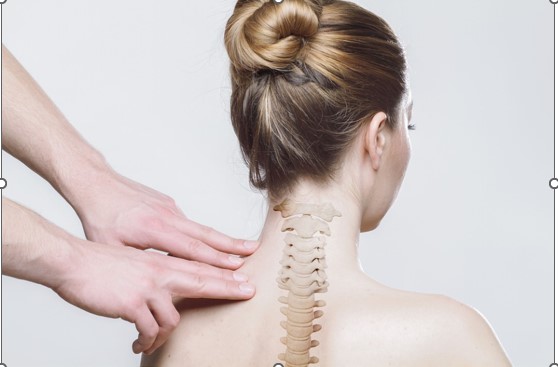
8 Health benefits of swimming This article summarizes all information for average men or women without significant health disorders. In case of any, please visit your doctor before buying a ticket to a swimming pool. Below are the main benefits, but you can always find your reasons to exercise in cold water regularly.
  1. Possibility to exercise for all ages, gender, and physical abilities. There are no limitations for age or gender; everybody is welcome in the swimming pool. Even pregnant women can go for a swim; in the last trimester, swimming is recommended for moving a baby into the correct labor position. Also, swimming, and any other physical activity, help to maintain a constant weight. For people with physical disabilities, water gives them an opportunity to move freely without a wheelchair or crutches.
  2. Possibility to choose the exercise intensity. You can swim like a professional swimmer or slowly move your arms and legs. All activities in water help burn calories and engage all muscles to work. You can burn twice the amount of calories in one hour compared to walking at a moderate speed. This type of exercise is low-impact cardio; you can burn all calories and fat without significant heart load. The blood moves more efficiently, which means you also improve your heart muscles.
    1. Recommended for spine problems. Swimming exercises are the best healing method for many patients with back pain. Water supports all joints and the spine, relieving the pain; you can create new muscles to help you forget about spine pains. Surprisingly, you strengthen all muscles during swimming. Swimming is recommended for people with scoliosis as with the correct technique, your body stretches and obtains the correct and healthy position, creating new muscles.
  3. Healing of mental diseases increases Physical activities give endorphins which are happy hormones for our brain. Water, in addition to childhood for most people, is associated with fun and amusement. During swimming, you can also think calmly about all problems without interruptions. That is why you will be in an excellent mood after good swimming exercises.
  4. Improve body temperature regulations. The pool temperature is in the range of 78-82 F. There is a good way to fortify your body in winter in a swimming pool or in summer outdoors- your body adapts to the temperature below standard human temperature.
  5. Recommended for spine problems. Swimming exercises are the best healing method for many patients with back pain. Water supports all joints and the spine, relieving the pain; you can create new muscles to help you forget about spine pains. Surprisingly, you strengthen all muscles during swimming. Swimming is one of the beneficial exercises for scoliosis, as with the correct technique, your body stretches and obtains the correct and healthy position, creating new muscles.
  6. Strengthen the lungs. During swimming, you need to breathe rhythmically, making periodic arm and leg movements. Swimming trains the lungs as any other muscle. The warm and humid conditions are ideal for training people with asthma and other pulmonary diseases. The pool significantly increases their quality of life.
  7. Improve sleep habits. All exercise routines help to restart your internal clock and make it closer to your natural circadian rhythm. Swimming is an aerobic activity that helps to go to nap easier and sleep more deeply.
In fact, there are endless benefits of swimming, but you already may understand that this activity is perfect for improving your health and mood. Unfortunately, natural reservoirs are not always available, so we recommend reading about the benefits of swimming pools.

5 Benefits Of Swimming Pools

These benefits are related to commercial and residential pools. The only difference, residential pools should be cleaned by their owner (probably you); it may become additional exercise or pain. Unfortunately, for active swimming, the round residential pools are not suitable; it is recommended to have rectangular ones at least 15 m long. But you can give a good habit of swimming for kids, in this regard read bestway pool reviews. Almost all commercial pools are 25 m long and perfect for exercise. Anyway, the benefits are:
  1. Constant water and air temperature (for indoor pools) throughout the whole year.
  2. Clearwater without bacteria, algae, and other microorganisms. With proper cleaning and sanitation, the pool’s pH balance is safe for the human body. Also, the water is constantly filtered, and dangerous substances are accumulated in rivers or lakes.
  3. Safe swimming. The water in the pool is transparent and shallow; you immediately see all problems that happen with swimmers. Also, there are no streams that may be dangerous for kids, and people can’t swim well.
  4. Possibility to swim near the house. You can find the commercial pool nearby or buy your own.
  5. Easier ways to protect from unauthorized access without adults or professional supervision.
We won’t say you should always choose pools, even in summer. But we just wanted to state that pools are for safe exercise, while rivers and lakes are for amusement and fun in summer only.

Conclusion

Swimming is a perfect exercise for people of all ages and physical conditions. Swimming pools allow regular exercise in a clean and safe environment all year around. No matter how you swim, freestyle, or butterfly, you will improve your health, build new muscles, and improve your lungs and heart. Also, you can improve coordination between various body parts and lose weight. Unfortunately, swimming is a demanding sport as you use your whole body to swim. Still, with hard work and regular training sessions, you can learn techniques of each swimming style and participate in competitions!

Read Also:

Abdul Aziz Mondol is a professional blogger who is having a colossal interest in writing blogs and other jones of calligraphies. In terms of his professional commitments, he loves to share content related to business, finance, technology, and the gaming niche.

View all posts

Leave a Reply

Your email address will not be published. Required fields are marked *

Related

Essential Nutrients For Maintaining Optimal Maternal Health

5 Essential Nutrients For Maintaining Optimal Maternal Health

Is there anything more miraculous and joyful than carrying a piece of you for nine straight months? But pregnancy is certainly not a journey full of roses. From consuming the right diet to limiting exercise, there is so much to consider. But out of all, eating right during pregnancy is mega important. It is really vital for nurturing a healthy baby and mama. But with so many pregnancy nutrition rules, it can get kind of confusing and overwhelming fast! Well, guess what, here is a guide that will take you through the 5 essential nutrients every expecting mother should consume in the right amount. So, let’s get started… Prenatal Vitamins: What Are Those? In simple terms, prenatal vitamins refer to multivitamins for expecting mothers. In comparison to a usual multivitamin, the former has more nutrients that might make the pregnancy healthier. Usually, the medical professional assisting you will prescribe it, but if he doesn’t, you can always buy it from stores with a prescription.  The human body uses minerals, vitamins, and other nutrients present in food to stay healthy and strong. At the time of pregnancy, as we all know, the mother passes down all necessary nutrients to her embryo. Thus, your body asks for more vitamins when you are pregnant. That is exactly the job of prenatal vitamins.  Which Nutrients Are Most Important For A Perfect Maternal Health? Before you go bonkers, let’s break it down to the essential nutrients preggos really need more of. Here are 5 all-star vitamins and minerals to help maintain tip-top maternal health: The VIP Folate Alright, all you soon-to-be mamas, listen up. Folate (aka folic acid) should be topping your prenatal vitamin rockstar list. This essential B vitamin helps prevent major birth defects of the baby's brain and spine when taken before conception and in early pregnancy. We're talking about the next level vital for fetal development. Folate also helps produce new cells, so mama needs extra to accommodate a growing babe. Most docs recommend women start supplementing 400-800 mcg of folate at least a month before pregnancy. But hey, better late than never, if you're already pregnant, try to achieve optimal maternal health with a Specialist Obstetrician! Supercharged Iron Fun fact: A developing fetus needs lots of mineral iron to form their blood supply and other tissues. So, in turn, mama needs way more iron to share with baby! When you're expecting, your iron needs to jump by up to 50%. Unfortunately, the vitamin C in my OJ every morning doesn't cut it. Most mamas-to-be need an additional iron supplement of 30-60 mg on top of a balanced diet. Too little iron during pregnancy zaps your energy and can lead to stuff like anemia. No one wants that! So, rev up on iron-rich foods plus a prenatal vitamin to stay energized. The Calcium Extravaganza Did you know baby needs around 30 grams of calcium just to build their tiny growing skeleton? Well, they have to get that supply from somewhere! The calcium in Mama's body works overtime during pregnancy to help form the baby's bones and teeth. That's why pregnant women need around 1,000 mg of calcium per day. Goodbye, plain almond milk, hello, extra cheesy pizza! Jokes aside, ensure you get adequate calcium from dairy, leafy greens, supplements, or all of the above. Your wee one will thank you for strong bones. Omega-3s For Winning You've probably heard omega-3 fatty acids are clutch for heart and brain health. Well, it turns out they’re essential for a baby’s development, too. These healthy fats help build a baby’s nervous system and retinal tissues. They’re also linked to lower risks of preterm births and postpartum depression. That’s why experts recommend at least 250–300 mg of omega-3s like DHA daily for expecting mothers. Load up on fatty fish, nuts, and seeds - or just grab a fish oil supplement as an insurance policy to meet your levels. Consider omega-3s a must for both of your well-being. The Magical Magnesium Don't sleep on the mineral magnesium during pregnancy! It plays a role in so many vital stuff: bone growth, regulating blood pressure, aiding enzymes and metabolism, and muscle and nerve function. Oh, and helping build DNA and RNA. NBD! Unfortunately, the typical Western diet often lacks enough magnesium. Pregnant women need at least 350–400 mg daily from food and supplements. Get your fill from dark leafy greens, nuts, whole grains, yogurt, and more magnesium-rich sources. Your body and babe will thank you! Mamas, Take Care Of Your Mental Health Too…  You are already doing so much, make sure to sit back and relax. Pregnancy might seem like a 9-month-long journey, but trust us when we say it passes in the blink of an eye. All those days will be missed by you later. So, make sure to take care of your mental health too.  Surround yourself with positive people, listen to calm music, and avoid taking too much stress. Post-partum depression is inevitable, but you can always be cheerful in your approaches when the baby is growing inside you. Eat whatever satisfies your soul, but make sure that it doesn’t have a negative impact on your baby. Your emotional strength is responsible for your physical strength, too. So, ensure to keep both of them balanced, positive, and cherishing. Conclusion There you have it, mamas - the crème de la crème nutrients for staying healthy during pregnancy! Prioritizing these all-star vitamins and minerals ensures you and your growing baby get all the key building blocks you need. Consult your doctor and add any supplements needed for optimal levels. Your nutrient intake matters more than ever before – so eat well for two! With this, it's a wrap on this comprehensive guide. But you will get to know more if you want to. Keep reading my articles, as they have a lot of beneficial information for my readers. Also, if you find this article helpful, do not forget to share your comments below.  Read Also: The Top 10 Best Foods To Eat In Early Pregnancy Meals That Matter: The Best Foods And The Ways They Make You Fit

READ MOREDetails
Nerves vs. Excitement

Nerves vs. Excitement: How To Manage Nerves And Perform At Your Best

Anyone who has ever been called to come and speak or perform in front of a public gathering knows the importance of holding nerves. From the time we are in school, some of us have dreaded raising our hands and speaking out the right answer even though we know what we are. We have looked at astonishment at so-called confident individuals and wondered what makes them do things that we cannot. Common terms like ‘performance anxiety, ‘stage fright’, ‘nervousness’, etc. are all common emotions and feelings that we harbor. The key is- how do we overcome the same? In this resource article, we are going to help a lot of people come to grips with their nerves. If you are someone who dreads talking in front of a crowd, we recommend that you stick around till the end of the article. Being ‘Nervous’ Versus Being ‘Excited’- How a Change in Terms Can Help: ‘I am too nervous; I can’t go out there and speak’! According to leading psychologists, a simple interchanging of the terms nervous and excited can go a long way in dispelling the fear. Rather than say or think that you are getting the nervous try and say to yourself that you are feeling excited. What you need to understand is that nervousness is associated with being a negative feeling. On the other hand, excitement is something that is deemed to be positive. This simple exercise wires your brain in a specific way, which then lets the body flow from the same feeling. For example, as soon as your brain starts comprehending that you are nervous, it sends a signal to your body, which then results in stomach pains and churnings. This is why you need to start feeling excited and look forward to the opportunity. There is a lot of energy that builds up in the body in such situations. The key is to effectively manage the same productively and positively. The ‘Fight’ and ‘Flight’ Instinct that Defines a Nervous State of Being: To understand these better leading scientists have spoken about the ‘Fight and Flight Syndrome’. They point out that whenever the brain is faced with a complex and problematic situation, it does one of two things- It either wants to escape and run away from the scenario. Or, It starts to swing madly to bring the situation under control. However, in some instances, and I am sure, you are going to relate to this, the brain goes into a hung position. Meaning, it neither fights nor flights. In this situation, the resultant action is a freeze! You get frozen and cannot do anything. According to experts, the fight or flight instinct needs to be properly managed by telling your brain some important things. What are those things? In very simple words, not every such scenario is going to be a life and death one. Meaning it is not at all serious and does not amount to anything. Once your brain can understand this, it starts processing emotions and feelings differently. Following this, it then sends these signals to the rest of your body. List of 5 Important Ways to Help Overcome Nervousness- In this section, we compile the top recommendations from the leading mental health experts to combat nervousness- 1. Undertake Adequate Preparation- According to scientists, 50% of all nervousness results from inadequate preparedness. This means that the more you are prepared, the lower will be your levels of nervousness. Reflect on your school days. Remember when did not know the answers to the question the teacher was asking, how you would try to avoid making eye contact? However, if you were prepared, you would not do the same. Practice makes perfect when it comes to combating nervousness. 2. Focus on ‘You’ providing Value to the Audiences- Whenever we are nervous, we keep thinking about ourselves. However, the key in this regard is to shift focus to the audiences that are sitting right in front of you. Start thinking of all the value, information, education, and enjoyment that you are going to give to the audiences. This will put you in comfortable headspace. Let me in you on a little secret. Audiences want everything should be about them. So, you can simply shift the spotlight on them. 3. Take Help from your Friends and Family Members- Leading comedians and artists have pointed out how having their near and dear ones in the audience helps them overcome stage fright. This is a simple, yet effective solution to combating nervousness on stage. Many also point out how they keep looking for their near ones in the audience and use them to make eye contact with different sections of the audience. This boosts their confidence and makes their brain understand the support there is on offer. 4. Breathe, Relax and Take it Easy- Remember, this is not a life-and-death situation. No one is perfect and even the best ones make mistakes. Once you can tune your brain accordingly, you will be able to get a hold of your nerves. Try breathing and being patient at all times. You can do mistakes, it is alright. Realize that you’ve done the work. The more relaxed you are, the better will you be able to convey. There will always be errors, and you should not worry about making them. 5. Engage with Positive Relaxation Techniques- In the last few years, relaxation strategies like Yoga, Massages, Aromatherapy, etc. have become very popular. They help channel positive energy within the body and calms down the senses. Regular meditation is great for your body mentally, as well as physically. By making such healthy practices a part of your daily life, you will be able to control your emotions in a much better way. Try meditating for 15 minutes every morning and see the difference. The Final Word: At the end of the day, you need to realize that we are all humans. We have a range of emotions, feelings, and characteristics that make us special in our way. No two individuals are the same and we must acknowledge the same. By paying attention to all the pointers in the article, you too can expect to combat nervousness and be better prepared for the next time you face the audience. Read Also: 5 Protein Enriched Food To Improve Mental Health 6 Effective Ways to Improve Your Mental Health

READ MOREDetails
Seizure Disorders

Seizure Disorders: How To Recognize, Respond, And Provide Help

With the regular electrical activity of the human brain, electrical impulses are coordinately discharged to the nerves, muscles, and the spinal cord. However, seizure disorders may arise when the brain's electrical activity is disrupted. The most common picture of someone having a seizure is losing consciousness and uncontrollable shaking. Seeing someone with these symptoms could be terrifying, but by knowing more about these conditions, you can recognize, respond, and even provide help and support to the affected individuals. Understanding Seizures and Seizure Disorders There are two major types of seizures: epileptic and non-epileptic. Epileptic seizures are unprovoked seizures that happen without a trigger. It’s also commonly called epilepsy. Factors that may have caused epilepsy include stroke, tumors, and structural abnormalities, among other brain disorders. The condition is called “symptomatic epilepsy.” This condition commonly affects newborn and old individuals. To manage this condition, a healthcare professional may first prescribe you low-dosage medications like Klonopin. Your doctor may adjust the dosage until your seizures are well controlled. To save on this medication, check out Klonopin Discount Coupon you may use in many pharmacies across the county. Conversely, non-epileptic seizures are provoked by temporary conditions that irritate the brain. The triggers could vary from a head injury, a reaction to a drug, or an allergy. Individuals already diagnosed with a seizure disorder are more likely to get seizures if they are sleep-deprived, intoxicated, under excess emotional or physical stress, or if they have suddenly stopped drinking or using sedatives. Recognizing the Signs of a Seizure A person about to have a seizure will feel what they call an “aura” or unusual sensations. The symptoms may include butterflies in the stomach, abnormal smells and tastes, déjà vu, jamais vu, and an intense feeling that a seizure is about to happen. Phases of a Seizure A seizure has three phases: aura and prodrome (beginning), ictal (middle), and postictal (end). The beginning phase includes the prodrome stage beside the aura. In this phase, an individual about to get a seizure will experience anxiety, mood changes, difficulty sleeping, lightheadedness, and difficulty staying focused. In the middle phase, also called “ictal,” common signs include memory lapse, confusion, twitching, loss of muscle control, body convulsions, trouble breathing, repeated movements, and racing heart, among other signs. In the last phase, or “postictal,” the epileptic person would experience fatigue, headache, confusion, lack of consciousness, shame, sore muscles, and thirst, among other experiences.  Responding to Seizures: Dos and Don’ts It is safe to offer help if you have mastered the guide on responding to the situation and know what to avoid when offering support. Equip yourself with knowledge by reading this guide: Dos To help someone with a seizure, here are safe things you can do: Compose yourself Set a cushion to support their head Check if they have an epilepsy card or any identification that can help you with your next steps Remove any obstructions in the area that can injure them Lay them on their side Loosen their collar and other tight clothing Record how long the convulsions lasted Place them in a recovery position when the convulsions stopped Don’ts These are the things you shouldn't do when helping an epileptic individual: Do not put anything between their teeth during convulsions Do not hold down the person Do not feed them or give them a beverage Do not leave them Providing First Aid During a Seizure You must ensure a safe environment and remove any potential hazards when providing first aid. For instance, if the person is in the middle of the road, you should move them, but if they are in an enclosed space, don’t try to carry them and transfer them to a bed. Just clear the space by removing the furniture away from the person. As you ease the person to the floor, you can slowly turn them into one side to help them breathe. If the person is wearing glasses, remove them from their face. You should also time the seizure and call an emergency team if it persists after five minutes.  A first aid & CPR course teaches an individual how to respond quickly and effectively to emergencies, providing immediate assistance until professional help arrives. It’s also important to observe them while having seizures so you can give the medical team more information on what happened. Seeking Medical Attention and Diagnosis To detect the cause of seizures and diagnose epilepsy, one must undergo evaluations like a neurological exam, blood tests, and genetic testing. To know more about these tests, read the information below: ● Neurological Exam This evaluation covers testing a person’s motor abilities, behavior, and mental functions, among other areas. This could help your doctor determine what type of epilepsy you may have and diagnose your condition. ● Blood Tests With blood tests, your doctor can detect if you have infections or genetic conditions that may have caused the seizures. ● Generic Testing Generic Testing is commonly administered to children to give more information about the condition so doctors can come up with ways to treat it. Conclusion Some epileptic individuals feel embarrassed about their conditions, as some still think that epilepsy is contagious or something that makes a person less capable of doing things and thinking on their own. Through this blog, we hope many would promote epilepsy and seizure disorder awareness, debunk misconceptions about this condition, and willingly offer help to individuals with epilepsy. Read Also: What Is TMJ Disorder and How Can You Remedy This Condition Symptoms and Effects of Co-occurring Disorder on Human Health Language and Speech Disorders in Children: How Speech Therapists Can Help

READ MOREDetails