Published on: 29 April 2023
Last Updated on: 11 February 2026
Everyone has had that moment after moving into a new home. The work is done, the rooms are looking great, and the house has your touch on it, but there’s something wrong. The dining room. Why is it always the dining room?!
When it comes to home décor, the dining room is one of the hardest spaces to get right. You can have beautiful dining room sets, gorgeous silverware, and a lovely table spread. But even if you have all of that, it can still feel like it’s missing something.
This is mostly due to the fact that it has to be simple – as is its nature – but it has to simultaneously draw people in and ensure that it is a room that is actually used.
If your dining room is not working, therefore, it can be very hard to know what to do about it. You don’t want to do a full-scale renovation, but similarly, you don’t want to leave it as the one room that doesn’t really work in the house.
But don’t worry, because all is not lost. The answer is actually very simple, and it comes in one of the most popular home decor themes of 2022: nature.
Instilling a sense of the outdoors into a room can do a lot to change the tone and atmosphere without the need for a massive redesign. It can also make the room – especially the dining room – feel more light, airy, and warm, getting rid of the coldness that a traditional dining room can sometimes have.
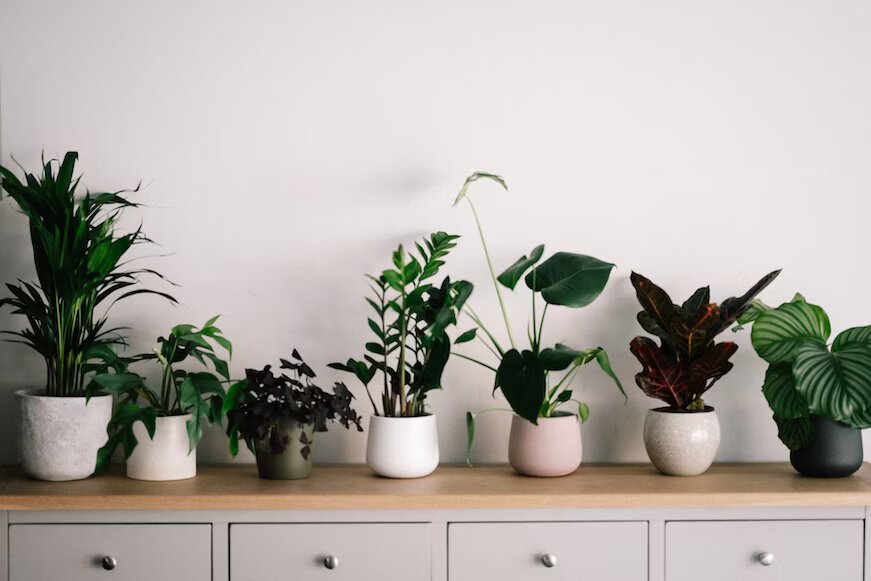
With this in mind, what are the best indoor plants to get in your dining room, and what can they do to fundamentally change the feel of the room itself? Below, we’ve compiled three of our absolute favorites:
Golden Pothos
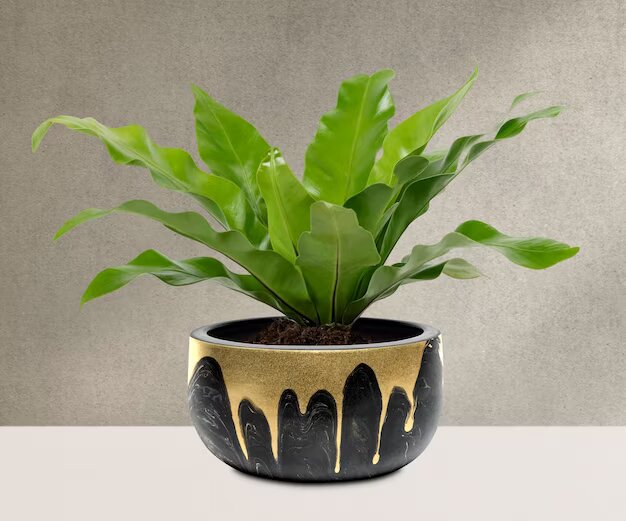
We might as well start big. The pothos is one of the most popular plants in 2023, mostly due to its ability to flow out from its bed and almost overtake the world around it. A perfect addition, then, to fundamentally change the look and feel of a dining room.
We would recommend placing this one on any cabinets or shelves in the room, as it does have the tendency to completely dominate a table – you don’t want to be rifling through plant life when trying to find the salt shaker!
Succulents
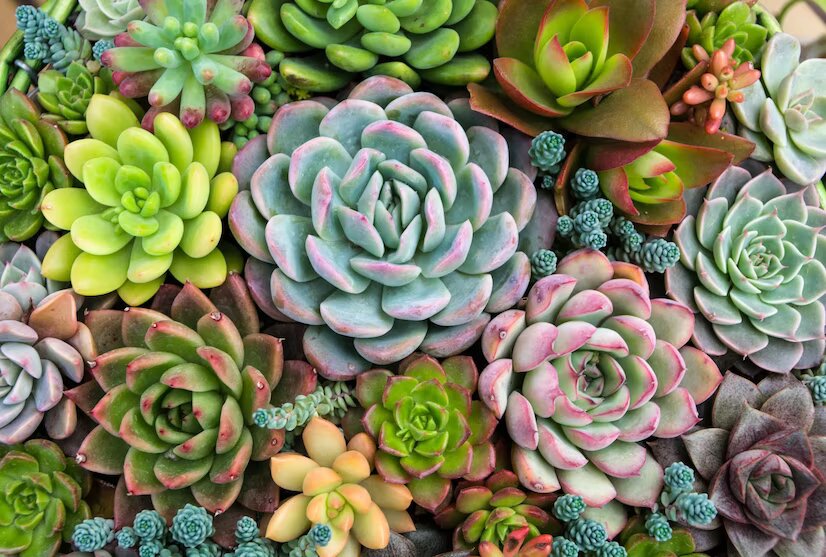
You’ll find these cute little plants on a number of “top ten indoor plants” lists online, but they are most in their element when placed in the dining room – especially if your dining room has a lot of natural light.
As plants, they’re almost quite neutral in color and shape, but in a brightly lit room, they really stand out and complement the atmosphere of the room itself. This then leads them to radiate a feeling of sophistication, tranquillity, and luxury on top of the atmosphere you have already created.
Monstera
Not all dining rooms have bright light, however. In fact, the problem with your dining room might be that it has low light, which means succulents won’t exactly work to elevate the space in the way that they are meant to. The best way to subvert a dark space, however, is with the monstera plant.
These fit in well with darker colors, helping to instill a bold, tropical feel to the room, which will subsequently brighten up the space without the need for additional lighting. It also works well on its own, which means you can simply invest in attaining and sustaining this plant by itself. No hassle. No abundance of nature. Just a single plant and a completely changed room!
Read Also:
Abdul Aziz Mondol is a professional blogger who is having a colossal interest in writing blogs and other jones of calligraphies. In terms of his professional commitments, he loves to share content related to business, finance, technology, and the gaming niche.
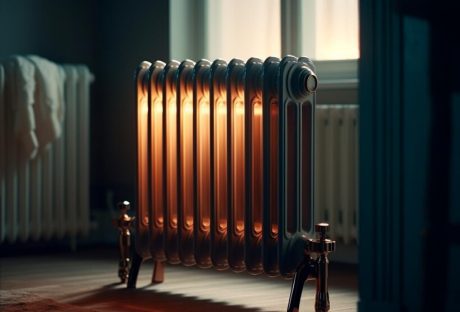
A dependable heater may make all the difference in keeping your home warm and inviting during the bitterly cold winter months when the frigid air bites your nose. However, it might not be easy to select the best heater for your needs, given the variety of products on the market.
Oil heaters and fan heaters are two standard options, each having pros and cons of their own. This article will examine the differences between oil and fan heaters to see which is better.
Oil Heaters: The Basics
Oil heaters also referred to as oil-filled heaters, work by heating a particular kind of oil inside the metal fins of the device. Because of the effective heat retention of this oil, the heater can continue to provide warmth long after it has been switched off.
Oil heaters give a steady, soft warmth that many people find comfortable, although they usually take longer to heat up than fan heaters.
Fan Heaters: The Basics
In contrast, fan heaters operate by drawing air over a heating element and then using a fan to distribute it around the space.
Fan heaters are renowned for their ability to heat a space quickly, increasing the ambient temperature. They can, however, occasionally produce a dry heat, which some people may find less comfortable.
Here are the various considerations before you buy oil heaters online:
Energy Efficiency And Cost-Effectiveness
The energy efficiency of oil heaters is highly praised. The heater's oil holds heat efficiently after it reaches the proper temperature, reducing the frequency of on and off cycles. As a result, there may be a decrease in energy use and, eventually, heating costs.
Furthermore, oil heaters can contribute to energy conservation by maintaining a comfortable temperature without continuously using power because they generate heat even when shut off. Meanwhile, fan heaters use more energy even though they are good at warming a space rapidly because they run continuously.
Using a fan to disperse heat is another way that using more electricity might increase. But thanks to developments in fan heater technology, more energy-efficient models with eco modes and thermostat controls have been created to help reduce energy use.
Cost Comparison
Fan heaters are typically less expensive upfront than oil heaters, which makes them the more logical option for consumers on a tight budget.
The long-term operating costs, however, must be taken into account. Oil heaters are typically more energy-efficient because they use a heating element soaked in oil, which maintains heat well and permits less frequent cycling. As a result, this may lead to decreased energy use and cheaper heating costs over time.
Improvements in fan heater technology have created more energy-efficient versions with features like eco modes and thermostat settings, which help partially offset their higher energy usage.
Consequently, even though fan heaters could be less expensive initially, the overall cost-effectiveness of the two differ based on several variables, including usage habits, energy costs, and the particular model.
Heating Performance And Comfort
Known for its capacity to deliver even, delicate warmth, oil heaters are highly recommended for use in living rooms, bedrooms, and other spaces where keeping a comfortable temperature is crucial. Many people describe the warm, comforting, radiant heat that oil heaters create as ideal for resting and relaxing.
Meanwhile, fan heaters are excellent at quickly heating a space, making them ideal for short bursts of heat in areas like bathrooms or home offices that need to be warmed up immediately. However, some people might feel that the dry heat of fan heaters is less comfortable, mainly if they use them for an extended period.
Safety Considerations
Because of how they are made, oil heaters are typically considered safer than fan heaters. The oil-filled fins encase the heating element, reducing the possibility of fire or burns from direct contact with the hot surface. Oil heaters usually have automatic shut-off systems and overheating prevention to prevent further mishaps.
Unfortunately, burn risks are increased by fan heaters, mainly when they come in contact with skin or explosive objects. Fan heaters can also be dangerous due to their exposed heating element and moving parts, so they must be positioned steadily, away from potential threats.
Read Also: What To Do When Your AC Unit Stops Working
Impact On The Environment
Due to its higher energy consumption and shorter lifespan, fan heaters typically have a more significant environmental impact. Carbon emissions are increased when electricity is used to run the fan and heating element, mainly when that electricity is produced from non-renewable resources.
Nonetheless, the environmental impact of fan heaters can be reduced by selecting and operating them wisely. Oil heaters are often seen as being more environmentally friendly. They are quieter to operate and have less emissions since they use radiant heat instead of forced air.
Fan Heaters vs Oil Heaters: In Summary
It's critical to consider your unique heating requirements and preferences when choosing between oil and fan heaters.
An oil heater can be a better option if you need constant, soft warmth in larger areas, including living rooms or bedrooms. Oil heaters are excellent at producing radiant heat that heats the surrounding space gradually, making it seem friendly and suitable for rest or sleep.
However, a fan heater can be a better option if you're searching for a rapid and effective heating solution for smaller spaces or regions that need instant warmth, such as home offices or restrooms. Fan heaters are renowned for their speedy heating qualities, allowing them to relieve chilly air and raise the room's temperature instantly.
Make The Right Choice
There must always be a clear winner in the age-old comparison between oil and fan heaters. The ideal option ultimately relies on your preferences, budget, and particular heating demands. Each type of heater has a mix of benefits and drawbacks.
Whichever kind of heater you use, you must always take safety precautions. By researching and using your heater sensibly, you may have a warm and comfortable house all winter while consuming the least energy and having the least damaging effect on the environment.
Read Also:
What You Should Know about Solar Energy for Schools Benefits
The Benefits of Solar Lighting in a Nutshell
Everything You Need to Know About Portable Solar Power
The year 2020 is nearing an end, and we all want to start afresh. There are many not-so-good memories attached to the year, and hence, with 2021 around the corner, it is time to change things up. If you are someone who wants to start the new year by doing some home renovations project, you have come to the right article. We speak to some of the leading home and design specialists in Australia, and ask them about the five trending home renovation ideas, Australian families can go for in 2021.
From gourmet kitchen trends to smart home transformations, we discuss the best ideas in the following sections. However, before we proceed to the list of ideas, let us first look at why home renovation is something, which you should do on a regular basis.
Why families should go for Home Renovation projects regularly?
Home renovations are important for a number of reasons. Let us list down some of them-
It allows you to increase the valuation of your house if you are planning to sell it on the market in the next few years.
They add freshness and create attractive spaces, which can be great for families to entertain and host events.
Some projects like painting, carpeting, etc. can allow you to remove a lot of infections, molds, and other harmful elements lurking in the house.
It is a great way to surprise your family members like children who are returning for the college holidays or for someone who is newly married.
Home renovations can be a great way to bond the entire family over something everyone is interested in.
List of the Top 5 Trending Home Renovation Ideas for Australian Families
1. Creating an attractive Deck in the Front Garden or the Backyard-
A deck can be a great place for you to hold parties and other events in the open spaces of your home. Casual barbecue sessions or wine tasting can be done in a beautiful environment if you have a deck. JVK & Sons are deck builders in Brisbane who feel that that they can be great family spaces for simply lounging around on a lazy Sunday afternoon. Decks can be like a new additional room in your home.
2. Innovating on Open-Floor Drawing Room spaces-
If you follow any of the leading home décor and design magazines, you will see that many families now want homes with an open-floor concept. Not only does it make space feel a lot bigger, but it also allows for a lot of natural sunlight and breeze in the living room. You can definitely look at creating such spaces in your home as they are trending at the moment.
3. Using French Windows for Sunlight and Air-
Another small, yet highly useful and beautiful home renovation idea can be changing the windows in your home. Going for old-school French windows can change the entire personality of your home. Design experts also say that in terms of aesthetics, there are a few other things, which can match up to French windows.
4. Smart and Connected Home Solutions-
Technology is changing the way we live in our homes. It is also adding to the convenience and safety requirements of a family. Using smart connected tech in your home can be a great addition. It can help you use technology for controlling the switches, security systems, appliances, and a whole lot more. There is definitely a sense of novelty in creating a smart home. Consider cold room installation based on your priorities to keep specific products fresh.
5. Gourmet Kitchen Set-Ups-
If you are someone like me who spends an awfully long time in the kitchen with your family, you can definitely go for this home renovation idea. Creating excellent gourmet kitchen spaces can help you entertain guests in the kitchen area itself and wow them with the different elements. From using the latest integrated kitchen tops to granite slabs and stool sitting areas, a gourmet kitchen set-up might just be the thing your home needs.
The Final Word
The planning, research, buying things, etc. stage can be very exciting for a family. Throwing a party at your newly set-up deck can be a memorable experience to cherish for the ages. Can you think of some more trending home renovation ideas for 2021? Let us know about them in the comments section below.
Read Also:
5 Things You Want From Your Home To Make It A Remote Worker’s Paradise
How To Prepare For Buying Your First Home
Finding the right cleaning company can make all the difference in maintaining a room tidy and organized. These cleaning services comprise many solutions to maintain your spaces spotless, pristine, and organized. They offer a variety of cleaning services, ranging from ordinary to intensive. This article will review the main factors to consider while selecting the best cleaning service provider. But, before we get into the details, let's establish and understand what cleaning services are.
Understanding Cleaning Services
Cleaning services are essential for maintaining a clean and well-organized residence or office. Knowing what type of cleaning services you require is critical before choosing them because there is no one-size-fits-all option for these services. Commercial and residential cleaning services are the two primary cleaning services provided by cleaning companies. Commercial cleaning services shine at keeping commercial spaces spotless.
On the other hand, residential cleaning services are concerned with maintaining the sanctity of your valuable property. They ensure your home is immaculate, focusing on everything from your comfortable living area to your kitchen. Reputable companies such as The Maids in the US and UrbanMop in Canada provide both kinds of cleaning services, keeping your residences and workstations immaculate and ensuring that everything from conference rooms to break areas gleam and have a polished appearance.
The Scope Of Cleaning Services
Contrary to popular belief, cleaning services have a wider spectrum of applications. It incorporates everything from surface cleaning-your typical wipe down-to sanitization and disinfection, which are vital in today's health-conscious society. Not to mention organizational cleaning, which involves removing and organizing. Cleaning visible surfaces is referred to as surface washing.
It has to do with outward appearances and some degree of cleanliness. In this day and age of hygiene awareness, sanitization and disinfection go a little deeper and are essential. It's about maintaining a secure workplace and eliminating pathogens.
For spaces recently renovated or constructed, a Contractor clean up service can ensure that debris, dust, and leftover materials are professionally removed, making the area safe and ready for use.
The last form of cleaning is organizational cleaning, which is necessary if you require assistance cleaning and arranging places. In crowded residences or disorderly offices, this can be a lifesaver. Knowing your specific cleaning requirements is essential. It enables cleaning companies to customize their offerings, ensuring they target the appropriate areas and cut out pointless chores. You can tailor your cleaning strategy if you know what you require.
Efficiency is essential, but cost-effectiveness is too since you won't pay for things you don't need. Knowing the basics of cleaning can make all the difference, whether it's your office or a prized residence. In light of this, let's examine the essential factors you should consider while choosing the ideal cleaning service provider.
Factors To Consider When Choosing A Cleaning Company
Various essential criteria demand your attention while choosing the best cleaning services for your requirements. These are the top five factors to consider about:
Reviews And Reputation
Checking out internet reviews and ratings of the cleaning businesses you're contemplating is one of the first things you should do. These evaluations offer accurate perceptions of the experiences of previous clients, illuminating the firm's dependability and level of service.
Don't undervalue the influence of recommendations from others. Ask your acquaintances, relatives, or coworkers if they have used any cleaning service providers successfully. Personal recommendations can be invaluable when selecting a choice.
Credentials And Certifications
Make sure the cleaning service you are considering is completely licensed and insured. In addition to proving their legality, this also provides you peace of mind because it ensures that any potential accidents or damages are covered. For top-notch service, a cleaning crew with the proper training is required. Ask about the personnel and the company's qualifications and training. Cleaning that is efficient and effective is more likely to be provided by trained professionals.
Pricing And Transparency
You can avoid surprises by obtaining detailed bids that break down the expenses of the cleaning services. This openness ensures no concealed fees and lets you know exactly what you're paying for. Choose a different course of action if you can. Spend some time contrasting the costs and quality of the numerous cleaning businesses. In this manner, you can balance your expenditure limit and the level of service you want.
Eco-Friendliness And Cleaning Products
Learn about the company's eco-friendly cleaning procedures if you care about the environment. Today, many businesses provide environmentally favourable cleaning choices that minimize their impact. Safety is non-negotiable, particularly if you live with kids or pets. Ensure the cleaning supplies the business employs are risk-free for your family members and won't leave any hazardous residues behind.
Contract Terms And Flexibility
Check the conditions of the contract very thoroughly before committing. The cancellation policies should be carefully read if your requirements change or you're unhappy with the service. You can save issues later by being aware of these phrases up front. Can they modify their services to suit your cleaning needs or schedule changes? An excellent attribute of a cleaning service company is flexibility.
Conclusion
The selection of the finest cleaning service should not be made hastily, since it immediately affects the hygiene and cleanliness of your house or place of work, which in turn affects your well-being. Making an informed selection requires understanding the complexities of cleaning services and the important aspects to consider.
Read also:
10 Tactics To Maintain Clear Windows
5 Hotel Housekeeping Tricks You Need To Clean Your Bathroom
How Cleaning Helps Us Feel Better and Why We Don’t Do It













 We might as well start big. The pothos is one of the most popular plants in 2023, mostly due to its ability to flow out from its bed and almost overtake the world around it. A perfect addition, then, to fundamentally change the look and feel of a dining room.
We would recommend placing this one on any cabinets or shelves in the room, as it does have the tendency to completely dominate a table – you don’t want to be rifling through plant life when trying to find the salt shaker!
We might as well start big. The pothos is one of the most popular plants in 2023, mostly due to its ability to flow out from its bed and almost overtake the world around it. A perfect addition, then, to fundamentally change the look and feel of a dining room.
We would recommend placing this one on any cabinets or shelves in the room, as it does have the tendency to completely dominate a table – you don’t want to be rifling through plant life when trying to find the salt shaker!
 You’ll find these cute little plants on a number of “top ten indoor plants” lists online, but they are most in their element when placed in the dining room – especially if your dining room has a lot of natural light.
As plants, they’re almost quite neutral in color and shape, but in a brightly lit room, they really stand out and complement the atmosphere of the room itself. This then leads them to radiate a feeling of sophistication, tranquillity, and luxury on top of the atmosphere you have already created.
You’ll find these cute little plants on a number of “top ten indoor plants” lists online, but they are most in their element when placed in the dining room – especially if your dining room has a lot of natural light.
As plants, they’re almost quite neutral in color and shape, but in a brightly lit room, they really stand out and complement the atmosphere of the room itself. This then leads them to radiate a feeling of sophistication, tranquillity, and luxury on top of the atmosphere you have already created.
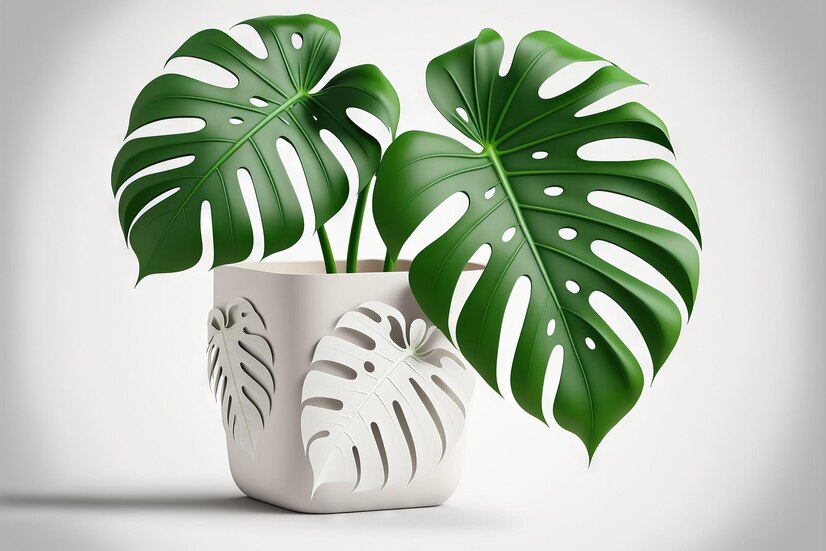 Not all dining rooms have bright light, however. In fact, the problem with your dining room might be that it has low light, which means succulents won’t exactly work to elevate the space in the way that they are meant to. The best way to subvert a dark space, however, is with the monstera plant.
These fit in well with darker colors, helping to instill a bold, tropical feel to the room, which will subsequently brighten up the space without the need for additional lighting. It also works well on its own, which means you can simply invest in attaining and sustaining this plant by itself. No hassle. No abundance of nature. Just a single plant and a completely changed room!
Read Also:
Not all dining rooms have bright light, however. In fact, the problem with your dining room might be that it has low light, which means succulents won’t exactly work to elevate the space in the way that they are meant to. The best way to subvert a dark space, however, is with the monstera plant.
These fit in well with darker colors, helping to instill a bold, tropical feel to the room, which will subsequently brighten up the space without the need for additional lighting. It also works well on its own, which means you can simply invest in attaining and sustaining this plant by itself. No hassle. No abundance of nature. Just a single plant and a completely changed room!
Read Also: