











How To Pleasantly Design A Dining Room

Published on: 26 April 2023 Last Updated on: 29 July 2024
Dining Room

Are you planning to design a dining room in your home, but don't know where to start? You've come to the right place! Designing a dining room is a fun and rewarding experience that can enhance both the look and atmosphere of any house.

There are many elements that go into making an impressive dining space; from choosing the right shape and size of the table to selecting comfortable seating, there are many factors to take into account.

This post will walk you through each step of creating a beautiful and functional space for entertaining loved ones or just relaxing with family at mealtime. So let's get started on your new dream dining room!

Choose the right shape and size of table for your space

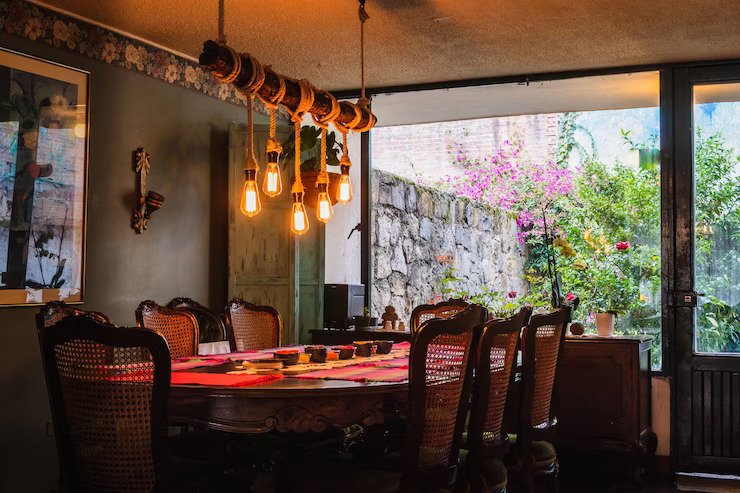
One of the most important decisions when designing a dining room is choosing the right size and shape of the table. Consider the shape and size of the room, the number of people you plan on hosting, and the atmosphere you want to create.

Round tables are great for intimate gatherings, while rectangular tables offer more space for seating. Keep in mind that the size of the table should be proportionate with the size of the room to avoid overcrowding or undersized furniture.

Decide on a style

Stylish dining

The style you choose for your dining room will set the tone and ambiance of the space. Whether modern, traditional, or rustic, it is important to choose a style that is consistent with the look and feel of the rest of your home.

You can match your style with your favorite furniture pieces, color scheme, or personal taste.

Consider textures

Textures in your dining room can add depth and character to the space. Consider using different mediums such as wood, fabric, and metal to create contrast and interest.

You can upgrade your dining room with an elm dining table as a wooden table can bring a natural, rough texture while a plushy rug can soften the look. A metallic vase or wall decor can add a glamorous touch. Experiment with textures until you find the combination that best suits your style.

Select comfortable seating
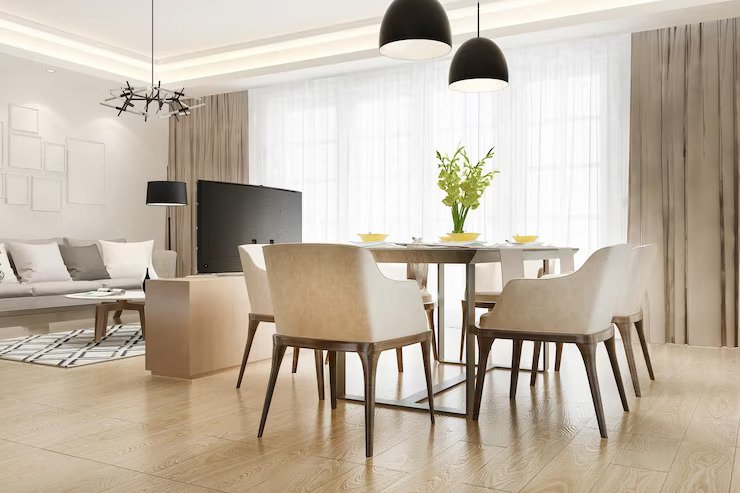
Select comfortable seating

The seating in your dining room is crucial to the enjoyment of your guests. It is important to choose seating that is not only comfortable but also aesthetically pleasing. Consider using a mix of chairs, benches, and stools to vary the look and add interest to your space.

Upholstered seating is great for long dinners, while stools are perfect for more casual gatherings. The key is to ensure that your guests are comfortable and able to enjoy their meals.

Accessorize with table linens and plants

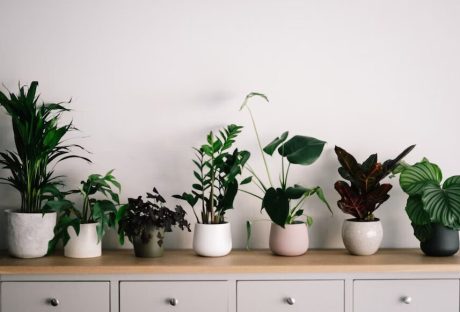
Table linens and plants can bring a fresh and inviting feel to your dining room. Experiment with tablecloths, table runners, and placemats to add pops of color and texture. Don’t forget to add greenery!

Plants and flowers can add life and character to your space. A vase of fresh flowers or a potted plant can be the perfect finishing touch to your dining room.

Hang artwork or wall décor to add character to the room

Artwork and wall décor can add personality and character to your dining room. Consider hanging a statement piece above the table or a gallery wall on the opposite wall.

Framed artwork or prints can add color and interest to the space. Don’t be afraid to mix different styles and mediums for a unique and eclectic look.

Read Also:
Arnab is a professional blogger, having an enormous interest in writing blogs and other jones of calligraphies. In terms of his professional commitments, He carries out sharing sentient blogs.

View all posts

Leave a Reply

Your email address will not be published. Required fields are marked *

Related

Outdoor Kitchen

Five Essential Components For Your Outdoor Kitchen

Outdoor dining continues to gain popularity, with more people seeking kitchen convenience beyond the walls of their homes. Planning a patio kitchen requires mindful consideration of how the space will be used and its desired features tailored to individual needs. From grills to countertops and shelves, plenty of options are available so that your outdoor cooking experience is just as comprehensive as indoors. Checkout Five Essential Components For Your Outdoor Kitchen Here are a few essential outdoor kitchen components that your home must have. 1. Grill The centerpiece of any outdoor kitchen is the grill. Without a grill, an outdoor kitchen isn't an outdoor kitchen. It's just a space with some appliances in it. When deciding on a grill for your outdoor kitchen, think about the size, power output, and fuel type that best suit your needs. Do you want something small enough to fit on a countertop or large enough to cook meals for large groups? Would you prefer gas or charcoal? You can visit orchardovens.co.uk to help narrow your choices, so you find the perfect grill for your home. 2. Cabinets Cabinets are an absolute must when planning an outdoor kitchen. Not only do they provide extra space to store essential cooking items, but they also add a chic touch to your outdoor cooking area. When shopping for cabinets, make sure you opt for ones that can withstand extreme temperatures and other weather conditions. Also, installing additional drawers in the cabinets will give you more organized storage options and enable easy access to any needed items. 3. Sink When designing your perfect outdoor kitchen setup, it's important not to overlook the sink. A corrosion-resistant material like stainless steel is a great choice to ensure the unit retains its durability despite being exposed to the elements. Be sure to consider how much counter space you have so you can choose a sink size that is both functional and fits well within your layout. 4. Kitchen island A kitchen island is another great addition to any outdoor kitchen setup. Not only does it provide extra counter space, but it adds visual interest to the area as well. Look for island designs that feature built-in cabinets or drawers to store utensils and other cooking essentials within easy reach while cooking outdoors. If seating is important, look for islands with barstools attached so family members and guests can sit down during meal preparation or serving time. 5. Task lighting Task lighting is an essential part of any outdoor kitchen set up for entertaining amidst dimmer natural light or preparing food during nighttime. When selecting lighting options to suit your needs, select ones that project both adequate brightness and a soft hue. Lights that are too bright might prove irritating or uncomfortable when using the area at night, while lights that are too faint might compromise vision when moving around the kitchen area. Pick fixtures fit to fulfill both illuminating and decorative purposes. Conclusion These five components are essential when designing an outdoor kitchen space, but don't forget smaller details like seating areas or tables. With careful consideration of each design element, you can create a functional yet stylish backyard getaway that provides hours of entertainment with family and friends. Read Also: Know About The Type Of Kitchens According To Different Size How To Choose the Right Brass Range Hood for Your Kitchen 5 Types Of Kitchen Cabinets

READ MOREDetails
Sewer Pipes

Who Is Responsible For My Sewer Pipes?

The basic guidelines are the same across the world, if the sewer pipes are on your property then you are responsible for them. The only real exception to this is if the sewer pipe going through your property is shared. This means it is the main connection to the public sewer line for several houses and happens to go across your yard. This generally happens when several houses are clustered together and set back from the main sewer line. It is simpler and cheaper to connect the houses together and then direct the sewage to the mains pipes. However, this doesn’t mean you are not responsible. Joint sewer pipes do not become the responsibility of the water board. Instead, the responsibility is shared between the houses the pipe serves. This is something you should be made aware of when you come t purchase a house as it can be more complicated organizing repairs and especially emergency plumber. The reason for this is that all homeowners should agree on the plumber chosen and the costs before one can be called. This ensures that everyone will pay their fair share. But, as mentioned, it can be much harder to negotiate this, the larger the group of houses the more difficult it is. The simple solution is to have a fund that deals with repairs, including sewer pipe issues. Blockages: If you have a sewer pipe blockage then it will probably be your responsibility to sort it out. The easiest way to ascertain this is to have a sewer diagram done. This will help you to confirm that the pipe is your sole responsibility or that it is shared. You can then assess where the pipes run and, by using a sewer camera you can locate the exact distance into the pipe where the clog is. This will make it easier to decide the best course of action to remove the clog. Don’t forget that the simplest way to confirm it is your responsibility is to check with your neighbors to see if they have a clog. If it is just your home then the clog is in your pipes and you need to resolve the issue. If the clog is affecting several homes you can call the water board who will handle the issue for you. Dealing With Issues: Clogs are generally a result of damaged pipes. This can happen over time, especially if you have been digging in your yard and the pipes are getting old. It can also be the result of tree roots getting into your pipes. This damages the pipes and causes a clog, creating an array of issues. Knowing where your sewer pipes run will help you to consider the likelihood of root damage as you can assess how close trees are to your pipes. Don’t forget, a good plumber will sort these issues for you in no time and will save you a lot of hassle. Even if you prefer to resolve issues yourself, you may find a professional is the best option when dealing with sewer pipes. Read Also: 5 Best Type of Plumbing Pipe 5 Important Tools For Pipe Recovery Operations

READ MOREDetails
Best Domestic Plumbers

Best Domestic Plumbers Near You: A Comprehensive Guide

Whether you're dealing with a dripping faucet or a plumbing emergency, finding a reliable and skilled local plumber can feel daunting. With this comprehensive guide, we aim to take the stress out of your search. We'll help you understand what to look for, how to vet prospective plumbers and ensure you're getting the best value for your hard-earned dosh. Understanding Your Plumbing Needs Common Plumbing Issues Understanding your plumbing issues can assist you in your search for a plumber. Common problems include blocked drains, leaking pipes, faulty hot water systems, and toilets. Depending on the complexity, you might need a general plumber or a specialised one. A blocked drain might require a plumber skilled in using CCTV drain cameras and hydro-jetting equipment. Emergency vs. Regular Plumbing Needs Distinguishing between regular and emergency plumbing needs is crucial, as not all plumbers offer 24/7 services. Emergency plumbing issues like burst pipes, gas leaks, or severe drain blockages require immediate attention. On the other hand, if you're planning a bathroom renovation or dealing with a dripping tap, it's typically a non-urgent matter. Searching For A Local Plumber Word Of Mouth One of the best ways to find a reliable local plumber is through personal recommendations. Ask friends, family, or neighbours about their experiences. They can provide insights into the plumber's reliability, professionalism, and cost-effectiveness. Online Search An online search is another effective way to find plumbers in your area. You can use search terms such as "plumber near me" or "local plumbers" and browse the results. Remember to check customer reviews and ratings to understand their reputation. Local Directories Local directories, both online and physical, provide an extensive list of plumbers in your area. These resources usually include contact details and sometimes customer reviews. Evaluating Potential Plumbers Credentials Check the plumber's credentials before hiring. They should hold a valid plumbing license, showing they're qualified and legally permitted to perform plumbing work. In Australia, licensing requirements vary by state, so ensure the plumber complies with your local regulations. Insurance Ensure the plumber carries adequate insurance, including public liability insurance, to cover any damages that might occur during the work. They should also have workers' compensation insurance to protect them from liability if a worker is injured on your property. Experience And Specialisation Examine the plumber's level of experience and specialisation. Some plumbers specialise in specific areas, such as gas fitting, roofing, or drain cleaning. Choosing a plumber with relevant experience and specialisation can result in better service. Asking The Right Questions Once you've shortlisted potential plumbers, it's time to ask some questions. This can help you determine if they're the right fit for your needs. What's Your Experience With This Type of Work? It's crucial to ask if the plumber has handled similar jobs before. They should be able to explain how they would address your issue, what steps they would take, and how long they anticipate the work will take. Do You Provide A Written Quote? Always request a written quote before the work begins. The section should include labour costs, material costs, and any potential extra costs. This will prevent any unwelcome surprises when it's time to settle the bill. What's Your Availability? For urgent issues, you'll need a plumber who can respond promptly. But even for non-urgent work, it's good to know their schedule to see if it fits with yours. If they're too busy, consider another plumber. Making The Decision Compare Quotes Remember, the cheapest quote can be better. Look for value for money. Spending more upfront can save you from headaches and additional costs. Trust Your Gut Looking elsewhere is okay if a plumber needs to be more trustworthy and professional. You should feel comfortable with your choice as they will work in your home and deal with your property. After The Job Review Your Experience After the job is completed, take a moment to review your experience. Was the plumber professional? Did they complete the work satisfactorily? Your feedback can help others find a reliable plumber. Keep Good Records Hold onto the invoice and any warranty information, especially for substantial jobs. Good records can be helpful if problems arise later or for home insurance purposes. Conclusion Finding the best domestic plumbers near me can take some effort, but it's well worth it. Understanding your needs, research, credentials, and trust your gut. With this guide, you're well-equipped to find a top-notch local plumber to tackle your plumbing needs. Don't hesitate to contact a professional for help! Read Also: 5 Best Type Of Plumbing Pipe Guide To Choose An Authentic Plumber Service Company

READ MOREDetails