











5 Power Tools For New Homeowners

Published on: 29 March 2023 Last Updated on: 31 July 2024
Power Tools

Buying a new home is exciting, especially when you’re doing it for the first time.

It’s easy to get caught up in the chaos and lose track of all the things you need to buy to maintain it, but at some point, it’s helpful to make a list so that you can streamline your housework and yard work on the weekend. Buying things like landscaping equipment and power tools can add up, so how do you know which ones to buy?

Checkout Five Best Power Tools For New Homeowners

Here are some power tools that might make your life as a new homeowner easier.

1. Lawn Mower
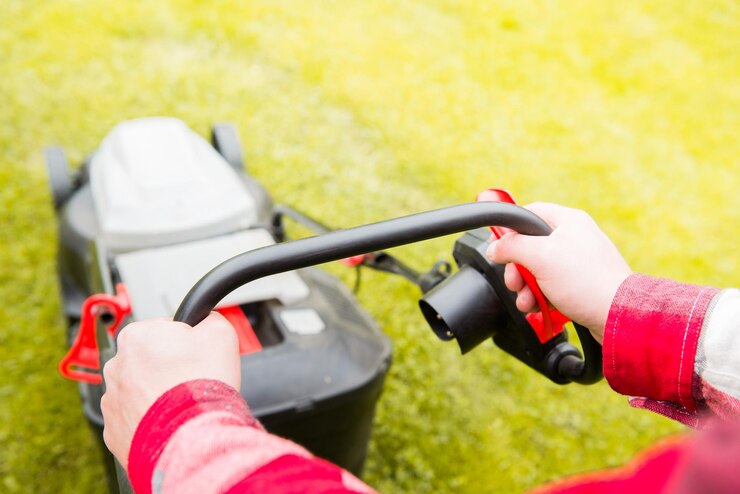
Lawn Mower

The lawn mower is a basic landscaping tool every homeowner should start out with. Regularly trimming your grass not only keeps your yard looking healthier but also keeps your neighbors and housing association happy. When grass gets out of hand, your yard becomes a haven for pests like ticks that can be a hazard to both pets and people.

Regularly mowing your lawn keeps weeds in check, and the fallen bits of grass compost quickly and feed the soil. If you don’t want to push a lawn mower, riding lawn mowers make the job fun and fast. If you really hate being in the sun, set a robotic lawn mower to work and forget about it. Greenworks power tools have plenty to choose from in all three types of battery-operated mowers.

2. Leaf Blower

Clearing debris from your yard is a job for a leaf blower. Sure, you could easily do it yourself, but that could take hours. Rakes can damage the grass you’ve worked so hard to grow, and they can be tricky to maneuver into more difficult spaces. A leaf blower cuts the time for this task down substantially while being easier to maneuver and less difficult on the body. Easily reach the gutters, clean off your lawn mower, or dry your car after washing it.

3. Chainsaw

Chainsaws may be intimidating at first if you’re not used to handling power tools, but they can actually be a great purchase for new homeowners. Chainsaws are very easy to start and understand how to use so long as you remember your protective equipment.

They cut through material quickly and don’t require as much physical effort compared to cutting with a saw by hand. They’re also great in an emergency, like if a tree has fallen in your yard and you need to deal with it quickly.

4. Pressure Washer
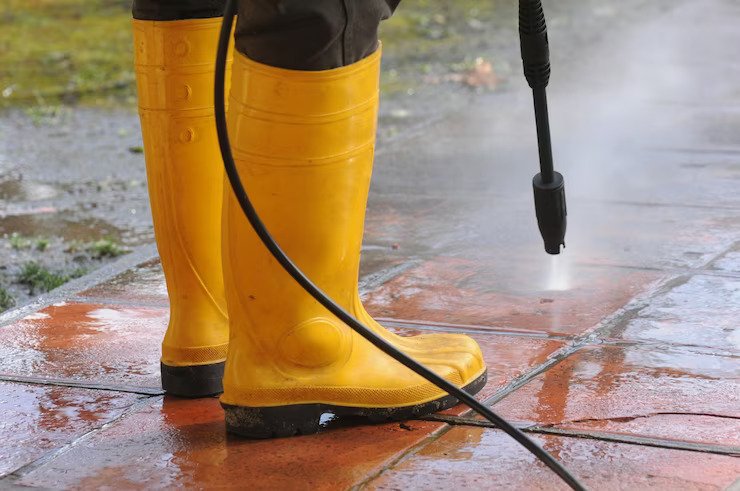
Pressure Washer

You’d be amazed at all the surfaces of your property that need a good scrub regularly to remain in good shape. Things like grime, moss, and fungus can seriously damage paint, siding, wood, and more. By taking your pressure washer out regularly, you keep those surfaces in better shape for longer, saving you tons of money in the long run.

Plus, pressure washing can be fun and extremely satisfying, not to mention pressure washers are easy to use for just about everyone! Not only will you preserve the curb appeal of your home, but also the health of your family. Pressure washing can help get rid of bacteria and debris that attract vermin.

5. Snow Blower

Like other power tools, a snow blower cuts down on time and effort, and this is extremely important in a weather emergency. Not many people enjoy heading out to shovel on a snow day, but a winter storm can be downright dangerous.

Having a snow blower might be the only reason you’re able to keep up with clearing a path, and you’ll be a favorite of your neighbors if you’re willing to lend a hand. What better way to make friends?

Trying to figure out how to care for your home as a new homeowner can get overwhelming quickly, but the variety of power tools available can make the job easier than ever. With a little research, you can buy the right combination of tools that suits your individual lifestyle needs.

Read Also:
Arnab is a professional blogger, having an enormous interest in writing blogs and other jones of calligraphies. In terms of his professional commitments, He carries out sharing sentient blogs.

View all posts

Leave a Reply

Your email address will not be published. Required fields are marked *

Related

Flooring Installation Process

Flooring Installation Process Transforming Your Space With Elegance

When it comes to renovating or building a new space, one of the most crucial aspects is the flooring installation process. The type of flooring you choose can significantly impact the overall aesthetics, functionality, and durability of your space. In this comprehensive guide, we will walk you through the intricate process of flooring installation toronto, providing valuable insights and tips to ensure a successful transformation. Selecting The Right Flooring Material The first step in the flooring installation process is choosing the right material. Whether you opt for hardwood, laminate, vinyl, tile, or carpet, each material has its unique features and benefits. Consider factors such as your budget, the room's purpose, and your design preferences when making this decision. Measuring And Preparing The Space Before the installation begins, accurate measurements of the room are crucial. This step ensures that you purchase the right amount of flooring material. Additionally, you'll need to prepare the space by removing any existing flooring, baseboards, and furniture. A clean, level surface is essential for a smooth installation. Acclimating The Flooring Many flooring materials, especially hardwood, need to acclimate to the room's temperature and humidity levels before installation. This process prevents the flooring from warping or expanding after installation. Follow the manufacturer's recommendations for acclimation time. The Installation Process Subfloor Preparation A stable subfloor is the foundation of a successful flooring installation. Ensure that the subfloor is clean, dry, and free of any irregularities. Repair any damaged areas and add an underlayment if necessary. Layout And Design Planning the layout of your flooring is crucial for achieving a polished look. Decide whether you want a diagonal, herringbone, or straight pattern, depending on your design preferences. This step is especially important for tile and hardwood installations. Cutting And Fitting Precise cutting and fitting of the flooring material are essential for a seamless finish. Use the appropriate tools, such as a saw or cutter, to trim the material to fit the room's dimensions accurately. Pay special attention to corners and edges. Installation Method The installation method varies depending on the type of flooring you've chosen. For example, hardwood may be nailed or glued down, while laminate often features a click-and-lock system. Follow the manufacturer's guidelines and use the appropriate adhesives or fasteners. Finishing Touches After the main installation is complete, it's time for the finishing touches. Install baseboards and transitions to create a polished look. Seal gaps and joints to prevent moisture and dirt from seeping underneath the flooring. Maintenance And Care Cleaning And Maintenance Proper maintenance is crucial to ensure the longevity of your new flooring. Regularly sweep or vacuum to remove dirt and debris. Use manufacturer-recommended cleaning products to maintain the flooring's finish. Repairing Damage Accidents happen, and flooring can get damaged over time. Whether it's a scratch on hardwood or a chipped tile, knowing how to repair minor issues can extend the life of your flooring. Consult with professionals for major repairs. The flooring installation process is a transformative journey that adds beauty and functionality to your space. By carefully selecting the right material, preparing the space, and following the installation steps, you can achieve stunning results that will stand the test of time. Read Also: How To Pick The Perfect Flooring For Your New Home How to Protect Your Wood Flooring in a Busy Household List of Most Durable Kitchen Flooring

READ MOREDetails
Your apartment

Things You Can Do to Your Apartment to Raise Its Value

Any real estate investment aims to increase its value. It should be worth more than what you spent on it. There are both low-cost and more expensive and in-depth techniques to raise the value of your apartment. You've come to the perfect site if you want to increase the value of your Los Angeles apartments. The renovation of your apartments is bringing a new fresh modern look to your home. But when you are thinking of renovating your place, you are stepping one step back thinking about the budget. But these solutions are easy and cost-effective. 4 Easy Tips To Raise Your Apartment Value You are spending hours renovating your apartment. But do you know that you can use some simple tips and increase the value of your apartment within a few hours? Yes, you pick the right one. You can apply some simple tips and increase the value of your apartment. Here are four easy tips for it: 1. Paint Painting your apartment is one of the most straightforward and cost-effective improvements you can make. Freshly painted rooms appear cleaner and more modern, which adds value. When choosing paint colors, remember that neutrals appeal to the largest number of individuals, making your home more appealing.  A single-gallon amount of paint typically costs around $35.That leaves sufficient extra money for Painter’s brush, rollers, painter's tape, and drop cloths. So go out and grab a few gallons and get to work. 2. Repair Blinds And Light Fixtures Window blinds can take a beating from families and just everyday wear and tear. If yours are in need of repair, new blinds, or even a different style of window treatment, such as a flowing panel of fabric, it may be time to replace them.  This slight modification can restore a room's fresh, lively appearance. A new light fixture might sometimes be all that is required to modernize and brighten a room in your apartment. You generally don't want anything too contemporary or out of the ordinary, but anything with a classic appearance that fits well with any decor would suffice. Look for sales, and you'll be able to stick to your budget. 3. Replace Hardware What creative, attractive, or appealing hardware can accomplish for a kitchen or bathroom will astound you. Replace those hideous 1980s cabinet knobs and drawer handles with something more modern. You can go for a nice rustic look, fun and showy beach house look, an ultra-sleek and trendy look, or anything else that works with your existing cabinets and vanities.  At least one of your friends has exceptional taste. Call this person, flatter him or her and offer to buy lunch if they’ll come shopping with you to pick out some hardware for your apartment kitchen and bathrooms.  4. Curb Appeal Take a look at your landscaping (or lack thereof) to see what thoughts your house evokes. Consider what you can do to improve your home's curb appeal so that potential buyers will come to your door. A potential homebuyer's decision to buy or not buy your house will be based on how they feel when parking on your street. Renovating your front entry will make a terrific first impression.  Make a small change like painting the front door or, if you can afford it, purchasing a new door. Your home's value will skyrocket, and your new entrance will entice visitors to come inside and create memories. Even if your apartment front door is built of steel, paint it with a finish that makes it look like wood. To add to the charm of your front door, consider installing a doorbell, doorknob, or perhaps a knocker.  Conclusion: Are you heading to change the interior design of your apartment? These four tips are not time taking, and these four are the easy, cost-effective solution to increase the value of your home. Not only for the selling every few years we like to see some changes in our apartments. This is a straightforward, innovative approach to change the entire look of your apartment. What types of designing plannings are you currently following? Do not forget to share your opinion in the comment sections. Read Also: Ideas for Modern Flooring Designs for Home Improvement Plans 5 Interior House Painting Tips

READ MOREDetails
Best Domestic Plumbers

Best Domestic Plumbers Near You: A Comprehensive Guide

Whether you're dealing with a dripping faucet or a plumbing emergency, finding a reliable and skilled local plumber can feel daunting. With this comprehensive guide, we aim to take the stress out of your search. We'll help you understand what to look for, how to vet prospective plumbers and ensure you're getting the best value for your hard-earned dosh. Understanding Your Plumbing Needs Common Plumbing Issues Understanding your plumbing issues can assist you in your search for a plumber. Common problems include blocked drains, leaking pipes, faulty hot water systems, and toilets. Depending on the complexity, you might need a general plumber or a specialised one. A blocked drain might require a plumber skilled in using CCTV drain cameras and hydro-jetting equipment. Emergency vs. Regular Plumbing Needs Distinguishing between regular and emergency plumbing needs is crucial, as not all plumbers offer 24/7 services. Emergency plumbing issues like burst pipes, gas leaks, or severe drain blockages require immediate attention. On the other hand, if you're planning a bathroom renovation or dealing with a dripping tap, it's typically a non-urgent matter. Searching For A Local Plumber Word Of Mouth One of the best ways to find a reliable local plumber is through personal recommendations. Ask friends, family, or neighbours about their experiences. They can provide insights into the plumber's reliability, professionalism, and cost-effectiveness. Online Search An online search is another effective way to find plumbers in your area. You can use search terms such as "plumber near me" or "local plumbers" and browse the results. Remember to check customer reviews and ratings to understand their reputation. Local Directories Local directories, both online and physical, provide an extensive list of plumbers in your area. These resources usually include contact details and sometimes customer reviews. Evaluating Potential Plumbers Credentials Check the plumber's credentials before hiring. They should hold a valid plumbing license, showing they're qualified and legally permitted to perform plumbing work. In Australia, licensing requirements vary by state, so ensure the plumber complies with your local regulations. Insurance Ensure the plumber carries adequate insurance, including public liability insurance, to cover any damages that might occur during the work. They should also have workers' compensation insurance to protect them from liability if a worker is injured on your property. Experience And Specialisation Examine the plumber's level of experience and specialisation. Some plumbers specialise in specific areas, such as gas fitting, roofing, or drain cleaning. Choosing a plumber with relevant experience and specialisation can result in better service. Asking The Right Questions Once you've shortlisted potential plumbers, it's time to ask some questions. This can help you determine if they're the right fit for your needs. What's Your Experience With This Type of Work? It's crucial to ask if the plumber has handled similar jobs before. They should be able to explain how they would address your issue, what steps they would take, and how long they anticipate the work will take. Do You Provide A Written Quote? Always request a written quote before the work begins. The section should include labour costs, material costs, and any potential extra costs. This will prevent any unwelcome surprises when it's time to settle the bill. What's Your Availability? For urgent issues, you'll need a plumber who can respond promptly. But even for non-urgent work, it's good to know their schedule to see if it fits with yours. If they're too busy, consider another plumber. Making The Decision Compare Quotes Remember, the cheapest quote can be better. Look for value for money. Spending more upfront can save you from headaches and additional costs. Trust Your Gut Looking elsewhere is okay if a plumber needs to be more trustworthy and professional. You should feel comfortable with your choice as they will work in your home and deal with your property. After The Job Review Your Experience After the job is completed, take a moment to review your experience. Was the plumber professional? Did they complete the work satisfactorily? Your feedback can help others find a reliable plumber. Keep Good Records Hold onto the invoice and any warranty information, especially for substantial jobs. Good records can be helpful if problems arise later or for home insurance purposes. Conclusion Finding the best domestic plumbers near me can take some effort, but it's well worth it. Understanding your needs, research, credentials, and trust your gut. With this guide, you're well-equipped to find a top-notch local plumber to tackle your plumbing needs. Don't hesitate to contact a professional for help! Read Also: 5 Best Type Of Plumbing Pipe Guide To Choose An Authentic Plumber Service Company

READ MOREDetails