Published on: 28 February 2023
Last Updated on: 11 February 2026
Owning a home includes a good deal of responsibility.
Homeowners have dozens of minor tasks they need to keep up with if they want to avoid paying for costly repairs. With adequate preparation, though, the many maintenance tasks required of homeowners can be performed easily without taking up too much time.
Read on to find brief checklists for monthly and seasonal tasks that will make it easier to stay on top of everything.
Spring Maintenance Checklist
Winter can wreak havoc on a home, and everyone looks forward to using spring as a time to get outside and away from the house, but homeowners should take care of a few things first.
For example, spring is the best time to handle major projects like scheduling roofing services and repairs to address any damage done during the winter. Most homeowners also find that a small amount of work early in the season can help them prevent some extra hassles when summer approaches. Be sure to tackle the following.
Spring cleaning, both inside the home and in the yard.
Properly servicing and storing seasonal equipment from winter, such as snow blowers.
Conducting a full inspection of the home's exterior, including its roof, gutters, and paint.
Giving the house a quick scrub.
Cleaning the deck or patio.
Opening the pool for summer.
Summer Maintenance Checklist
Getting the bulk of the major landscaping and exterior maintenance or repairs done in the spring gives homeowners more time to enjoy the summer. That said, they'll still need to take care of a few things regularly, including the following items.
Turning on the sprinklers for the season once the rain ends.
Mowing the lawn and weeding the garden every week.
Keeping the pool clean by scrubbing it twice a month and checking chemical levels weekly.
Completing weekend home improvement projects while the weather is nice.
Fall Maintenance Checklist
Just like spring brings a lot of work with it because it represents the changing of the seasons, fall home maintenance requires a lot of advanced planning for the winter months ahead. Important tasks to remember include the following.
Planting perennial flowers, trees, and shrubs.
Harvesting annual plants.
Raking leaves.
Cleaning gutters.
Turning off the sprinkler system.
Stacking firewood for winter.
Cleaning, closing, and covering the pool.
Winter Maintenance Checklist
Most modern families hunker down for the winter and don't worry too much about home improvement projects. However, there are some maintenance issues that must be handled in the early winter. They include these items.
Preparing the snowblower for the season.
Stocking up on ice melt and other supplies.
Coming up with a plan for dealing with ice dams.
Checking the emergency generator to make sure it's in good working order.
Monthly Maintenance Checklist
Not all home maintenance tasks are seasonal. Some must be performed every month of the year. They include the following elements.
Changing HVAC filters.
Inspecting major home systems.
Checking the plumbing system for damage.
Restocking cleaning supplies.
Checking and cleaning gutters.
Performing a full walk-through of the property.
Know When to Hire a Pro
Basic home maintenance tasks are easy enough to perform for someone with a DIY mindset. However, major repairs and renovations are best left to professionals. This is particularly true of projects like roof maintenance, plumbing repairs, and major landscape changes.
Arnab is a professional blogger, having an enormous interest in writing blogs and other jones of calligraphies. In terms of his professional commitments, He carries out sharing sentient blogs.
We all know, at least by intuition, that having our living spaces clean is important – and not just because of the visual appeal of it. Then, what are the main reasons why it’s so crucial for our lives? Sure, the look of a clean home, the convenience of finding things in their place, habits it helps us foster, and the sense of obligation – especially if you live with other people, all of them play their part. But, there’s something that really makes house cleaning vital: the link between it and our physical and mental well-being.
So, what aspects of health are we talking about here, and how exactly does keeping your home in shape make a difference? According to Hire A Maid and their team of seasoned experts in house cleaning, there are a few main health-related considerations that connect to the state of our living spaces. We’ll discuss them below, and then explain how to approach home maintenance with a focus on well-being.
What Are The Approaches Of Home Maintenance With A Focus On Well-Being
There are a lot of approaches to home maintenance with a focus on well-being. In this case these approaches are quite suitable and feasible in terms of keeping your health nice and up to the mark. Below I am going to discuss the approaches of home maintenance with a focus on well-being.
1) Germs & Contaminants
This one is pretty straightforward: cleaner space means fewer germs and other contaminants. Your goal shouldn’t be to live in a completely sterile bubble, it’s more the means to lower the chance of illness by keeping those pesky germs at bay, especially during flu season.
To that end, you should regularly wipe and disinfect surfaces throughout your home and give extra attention to the high-touch ones. It’s a tried and tested way to keep yourself and your family safe.
And don’t forget the kitchen and bathroom, where a combination of moisture and food particles creates ideal conditions for pathogens to thrive. To make sure all of these areas are regularly addressed, it’s best to craft a realistic cleaning routine – one that’s easy to stick to but still addresses all microbe-prone surfaces regularly.
2) Allergens & Air Quality
Allergies are a common issue, one that many people unfortunately have to deal with even in the safety of their own homes. Allergy symptoms may be somewhat unpredictable, but luckily, it’s possible to lessen their grip on your day-to-day life. It’s quite simple really: regular cleaning reduces the amount of allergens the same way it reduces the number of germs.
Dust is a common culprit for triggering reactions, along with dust mites. And even if you and your family members don’t suffer from allergies, dust and dust mites can irritate almost anyone.
To reduce the amount of irritant particles and improve the quality of air in your home, focus on dusting regularly and efficiently, use a high-quality vacuum, and tackle upholstery, carpets, and bedding whenever possible.
3) Order & Stress Levels
Aside from being an eyesore, clutter can crowd your mind as much as your space. The hassle of moving around through the mess, a decrease in productivity – these are just some of the ways in which clutter and neglected cleaning tasks can add to your stress levels.
Before you know it, it becomes a loop where the sight of the mess and the dread of having to address it feed into each other, making you feel increasingly overwhelmed.
Tackling clutter is about reclaiming peace as much as it’s about reclaiming your space. Start small – a drawer, a shelf, a corner, and work your way through the home. If possible, rely on others for help, whether it’s family members or hiring a cleaning professional. Once everything is in order, brainstorm ways to keep clutter from creeping back in.
The ripple effects of a clean home on our well-being are extensive. Improved sleep, heightened concentration, and a general sense of wellbeing are all byproducts of a space that breathes cleanliness and order. Furthermore, the discipline and habits cultivated through regular home maintenance can translate into other areas of life, promoting a lifestyle that values mindfulness, health, and balance.
What Are The Monthly Home Maintenance Checklists?
While this is about a monthly home maintenance checklist, preserving the property’s condition is essential. Below, I am going to discuss the monthly home maintenance checklists.
1) Cleaning HVAC Filters
While this is about adequately installed HVAC filters, this will help you breathe easily in your home. This further ensures that your cooling and heating systems will also work efficiently.
2) Test Smoke Alarms
Always ensure that smoke detectors are functional in the home. This is a key feature for early detection in handling several other safety hazards. On the other hand, you must replace such batteries every six months to keep consistent and reliable operations.
3) Clearing Drains and Sinks
Always ensure that you are regularly clearing sinks and drains. These will prevent the inconvenience and chaos of several other clogs.
4) Examining Electrical Cords
Always examine several electrical cords. In this case, you must inspect the cables for frayed wires, or else you will lose the connections, which would prevent the electrical hazard.
5) Lubricating Door Locks and Hinges
Always lubricate the door hinges and locks to prevent doors from further squeaking. This ensures the smoother operations of several other locks.
6) Cleaning Gutters And Downspouts
After regularly purging the blockages and water damage, you might get a flawless water service across the entire washroom.
7) Checking Plumbing For Leaks
Always ask the plumber to detect leaks as early as possible. This will save and prevent money along with extensive damage. Ensure you check the shower heads, plumbing, and faucets for such leaking to avoid headaches. It takes work to handle this kind of service, especially every season.
What Are The Four Types Of Maintenance Strategies That You Must Know?
Did you know that predictive maintenance is about rapidly gaining and sparked by several other advancements across the IIoT? Below, I will discuss four types of maintenance strategies you must know.
1) Reactive Maintenance
After all, reactive maintenance is quite simple as it can fix several other things they usually break. Since repairs still need to be planned. Ultimately, this is a suitable method in which you can employ equipment that is optional for operations. Or else this has a low cost.
2) Preventive Maintenance
Another one of the most suitable approaches, which entails periodically pausing the operation of assets, is preventive maintenance. One of the main objectives of this maintenance is to enhance the lifespan of assets.
3) Reliability Centered Maintenance
After all, reliability-centered reliability-centered maintenance acknowledges equipment failure, which is not always unpredictable. This delves deep in terms of analyzing each equipment’s potential failure patterns. This is also applicable to craft a tailored maintenance plan.
4) Predictive Maintenance
Did you know that predictive maintenance is a vibration of analyzing a sensor that might warn of an impending malfunction? This prompts inspection, and this would also be feasible for timely repair.
In Conclusion
It’s clear that the benefits of regular home maintenance go beyond the surface. Fighting off germs, clearing the air from allergens, reducing stress levels – the impact on well-being is undeniable. It’s all about including mindful cleaning habits into your life, for the sake of your and your family’s well-being. So, embrace these tasks, rely on a routine, don’t hesitate to ask for help tackling them, and enjoy a living space in which you can thrive.
I hope you liked this article!
Read Also:
Home Maintenance Tips To Keep Your Home In Good Condition
Home Maintenance Plans And Cleaning Tips During Covid-19
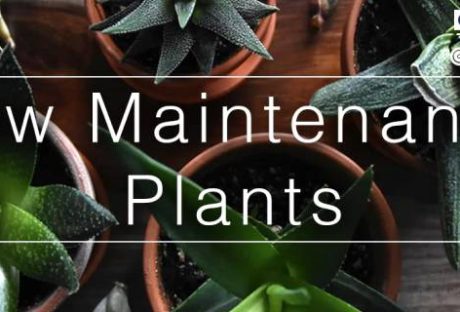
I have always enjoyed gardening, spending time in nature, and a general affliction towards plants. However, once professional commitments started taking up too much time, I was left with 'no time to stand and stare'. Whatever time I had left, most of it went behind work, and my plants started shriveling up. Do you relate?
If this sounds relatable, then keep reading to find out what I did to change things and give my plants the time they need. Well, for starters, I started investing more in low-maintenance plants. These plants can easily thrive well under low lights and can quickly bounce back in case of one or more missed watering. So soon, I was able to spot the change!
10 Best Low Maintenance Plants To Buy In 2024:
It was a discovery that I thankfully stumbled upon. It made things so much easier for the anthophilous inside me that I was motivated to write about it. If you are also planning to purchase a few low-maintenance plants, then scroll down to find out more on the same!
1. Cacti
If you have long and irregular work schedules, then Cacti is probably the best low-maintenance indoor plant. Cacti plants can thrive well in light that’s natural and requires water only once every week during summer and spring. During winter and fall, you just need to water your cacti once in three weeks.
Price: 18 dollars (for four)
Why Do We Love It?
Can be grown easily
Can be cared for easily
Great option as a gift
2. Air Plants
Air plants are great alternatives for low maintenance plants - they do not even need soil for survival. All that you have to do in this case is dunk these plants in the water for 2 to 3 hours, once every ten days. Now is that not perfect? This is entirely doable every 10 days while you spend your afternoon sunk knee-deep in work.
Price: 14 dollars (for five)
Why Do We Love It?
Easy to maintain
Very affordable
Saves time
3. Pothos
Pothos is also referred to as Devil’s Ivy and is one of the best types of low-maintenance house plants. The best part? These plants can thrive well in both light and darkness. So if you keep it in your low-light cubicle, the plant will survive, and the same goes for brightly lit areas. Also, it can survive when you forget to water the plant.
Price: 18 dollars (for five)
Why Do We Love It?
Air-purifying properties
Value for money
It comes in a grower’s pot
4. ZZ Plant
The ZZ Plants thrive the best in brightly lit rooms, but that does not mean they cannot survive in moderate or low lights. Just like cacti, you don’t need to water them every day. Moreover, it’s a pretty sturdy plant. When you notice that the leaves are falling off, simply water it properly, and you will soon notice the plant from bouncing right back.
Price: 26 dollars
Why Do We Love It?
Can thrive in both natural and artificial light
Sturdy and durable
Great option as a gift
5. Spider Plants
Spider plants are pretty great options if you are looking for low-maintenance plants. These spidery plants tend to dry out in between two watering sessions. In addition, spider plants thrive pretty well under indirect light, and as a result, these plants can flourish well even inside windowless, dark offices.
Price: 12 dollars
Why Do We Love It?
Can thrive well in both natural and artificial light.
Air-purifying properties.
Great option as a gift for apartments, office cubicles, dorm rooms, and the like.
6. Snake Plants
There are low-maintenance plants, and then there are Snake plants. These are not just great as low-maintenance outdoor potted plants but also as plants for low-lit indoor cubicles. Simply put, snake plants are great alternatives for those offices where you get just thirty minutes for grabbing your lunch - let alone watering your plants.
Price: 38 dollars
Why Do We Love It?
Has higher carbon dioxide absorbing efficiency and releases oxygen at night.
Has premium air-purifying properties.
Versatile - can be planted in a pot or directly into the ground.
7. Succulents
Succulents are amazing not because they can be easily maintained but mostly because it has thick leaves that store water. As a result, these plants needed to be watered once a week. Also, these thrive well in dry air and sunlight. No wonder succulents are the best low-maintenance outdoor potted plants.
Price: 19 dollars (for five)
Why Do We Love It?
Easy to grow and maintain
Very affordable
Perfect for DIY or doing your home decor
8. Bamboo
Considered to be a lucky plant, Bamboo needs some light for thriving. This technically means Bamboo plants are great for those cube desks at work. If anyone is starting a new job, it’s best to gift them a bamboo plant wishing them good luck. Also, these plants give any workspace a Feng Shui boost.
Price: 28 dollars
Why Do We Love It?
Easy to grow and maintain
Value for money
Ideal gift for everyone
You May Also Like This:
9. Peace Lily
Peace lilies look beautiful, and they also happen to be very easy to grow and maintain. All you need to do is keep misting the leaves and moisturize the soil regularly. However, make sure you are not overwatering the plant, and you should keep the plant away from direct sunlight.
Price: 24 dollars
Why Do We Love It?
Thrives in indoor light
Has health benefits
Easy to maintain and care for
10. Red Aglaonema
Did you know that the Red Aglaonema is new and happening presently? The leaves are all reddish-pink, while the stems are pink. This low-maintenance plant simply amps your cubicle’s personality a few notches higher. Naturally, these will appear brighter in well-lit rooms, buts they can also thrive well under low light.
Price: 21 dollars
Why Do We Love It?
Sturdy and durable
Adds texture and color to different spaces
Ideal for dorm or room decor
11. Dusty Miller
Often called silver ragwort, this icy-looking plant can withstand shade but prefers bright light. The distinctive, silvery leaves become more green-gray in shaded areas, which is also a visually pleasing effect. Its foliage is the main attraction, though it produces small, bright yellow blooms in midsummer.
12. Ribbon Grass
Because they spread easily, these variegated blades make an excellent ground cover option. They do not mind shade or sun, but they do love moisture. When planted as a border in your garden, they create a charming link between the grass and the garden. Just make sure to use your shovel to create a sharp trench to keep it from getting into your flowers.
13. Cosmos
The name "cosmos" comes from the Greek word for "harmony" or "ordered universe," and Mexican priests gave these happy little flowers this name due to their perfectly arranged, uniform petals. You'll have blooms from spring into autumn because these annual flowers reseed and grow well in full sun.
14. Butterfly Bush
Some of the longest-blooming shrubs are these sun-loving plants. They are drought- and insect-resistant and have a vibrant range of colors that are perfect for summer. The plants will naturally draw a large number of hummingbirds and butterflies throughout the fall season.
Frequently Asked Questions (FAQs):-
Q1. What Is The Most Low Maintenance Plant? Ans: The most low maintenance plants are,⦿ Aloe vera⦿ ZZ plant⦿ Snake plant⦿ Spider plant, and⦿ Cast-iron plant Q2. What Are The Easiest Plants To Take Care Of? Ans: The easiest plants to take care of are,⦿ Cast-iron plant⦿ Snake plant⦿ ZZ plant⦿ Spider plant⦿ Aloe Vera. Q3. What Is The Most Durable House Plant? Ans: The most durable house plants are,⦿ ZZ plant⦿ Snake plant ⦿ Chinese money plant⦿ Bromeliads⦿ Chinese Evergreen Plant.
Wrapping Up:
Remember that it is always a good idea to check the resources available through your local extension service, even if the plants you choose are designated for your USDA Plant Hardiness Zone and the light and soil conditions of your site. By taking into account factors like wind, humidity, rainfall, and more, you can determine what grows best in your area. It's worth noting that not all plants labeled as "deer-resistant" will withstand deer damage.
Are you looking for additional strategies to work in the garden more efficiently rather than more laboriously? Invest in a base of well-established evergreen shrubs; you'll be grateful for it come winter. Fast-growing vines can make a big difference for an ugly fence or garden wall without requiring a lot of work.
Additionally, check out container plants and outdoor hanging plants if your garden is limited to a patio or balcony
Low-maintenance plants are pretty popular presently. Mostly because they are easy to grow and maintain. So what are you waiting for? Invest in some low-maintenance plants today, and let us know which one are you buying first.
Read Also:
Planting & Harvesting Mint
List of White Flowers in the world
All You Need To Know About Resurrection Plant and its Facts
Being a gardener, I know Spinach is one of the most popular and versatile leafy greens you can grow in your garden. It's rich in vitamins, minerals, antioxidants, and fiber and can be used in salads, soups, smoothies, and more. But how do you harvest spinach the right way so that you can enjoy it fresh and crisp and make it last longer?
In this article, I will show you how to harvest spinach, so it keeps growing. I will also explain how to harvest spinach seeds, how to store and freeze spinach, and the health benefits of spinach. Additionally, I will also share some tips and tricks on how to grow spinach successfully and how to use it in delicious recipes.
Whether you're a beginner or an expert gardener, this guide will help you make the most of your spinach harvest. So, keep on reading till the end to learn more, and thank me later!
Driven by Benefits: Why are People Growing Spinach?
Spinach is not only tasty but also healthy. It's low in calories and high in fiber, vitamins, minerals, antioxidants, and phytochemicals. It can help improve various aspects of health, such as:
Eye Health
Spinach is rich in lutein and zeaxanthin. These are carotenoids that protect the eyes from age-related macular degeneration, cataracts, and glaucoma. Spinach also contains vitamin A, which is essential for vision and eye health.
Blood Pressure
Spinach is high in potassium, magnesium, and nitrates, which are compounds that help lower blood pressure and relax the blood vessels. Spinach also contains folate. This helps prevent homocysteine, an amino acid that can damage the blood vessels and increase the risk of cardiovascular diseases.
Bone Health
Spinach is a good source of calcium, magnesium, and vitamin K, which are important for bone health and density. Spinach also contains vitamin C, which helps the body absorb calcium and produce collagen, a protein that strengthens the bones and connective tissues.
Immune System
Spinach is loaded with vitamin C, which is a powerful antioxidant that boosts the immune system and fights off infections and inflammation. Spinach also contains vitamin E, which enhances the immune response and protects the cells from oxidative stress.
Digestion
Spinach is high in fiber, which helps regulate digestion and prevent constipation, diarrhea, and bloating. Fiber also feeds the beneficial bacteria in the gut. This improves the digestion and absorption of nutrients. It also supports the immune system.
Skin And Hair
Spinach is rich in vitamins A, C, E, and iron, which are essential for healthy skin and hair. Vitamin A helps maintain the moisture and elasticity of the skin and prevents acne and wrinkles. Vitamin C helps produce collagen, which keeps the skin firm and smooth.
On the other hand, vitamin E helps protect the skin from sun damage and aging. Iron helps deliver oxygen to the skin and hair cells and prevents anemia, which can cause hair loss and pale skin.
How To Harvest Spinach So It Keeps Growing
One of the best things about spinach is that it's a cut-and-come-again crop. This means you can harvest it multiple times throughout the season if you do it correctly. Here are the steps to follow to harvest spinach so it keeps growing:
Choose the right time to harvest
The best time to harvest spinach is when the leaves are young and tender. This is usually about 40 to 50 days after planting. You can also harvest baby spinach leaves earlier, about 25 to 30 days after planting.
You should harvest spinach before it starts to bolt. This is when it produces flowers and seeds and becomes bitter and tough. Spinach usually bolts when the days get longer and warmer. So, you should harvest it more frequently in the spring and summer.
Use a sharp knife or scissors to cut the leaves
You can either cut the whole plant at the base, leaving about an inch of stem, or cut individual leaves from the outer part of the plant, leaving the inner leaves to grow.
You should cut the leaves about an inch above the soil, to avoid damaging the crown and the roots. Moreover, you should also avoid cutting too many leaves from one plant, as this will weaken the plant and reduce the yield. A good rule of thumb is to leave at least half of the leaves on each plant.
Wash and dry the leaves
You should wash the spinach leaves as soon as possible after harvesting, to remove any dirt, bugs, or pesticides. You can use a colander or a salad spinner to rinse the leaves under cold water. After this, pat them dry with a paper towel or a cloth. Additionally, you should remove any damaged or yellow leaves, and trim any tough stems.
Enjoy or store the leaves
You can eat the spinach leaves fresh, or store them in the refrigerator or freezer for later use. We'll explain how to store and freeze spinach in the next sections.
How to Harvest Spinach Seeds?
If you want to save some spinach seeds for the next season or share them with your friends and family, you must let some spinach plants bolt and produce flowers and seeds. Here are the steps to follow to harvest spinach seeds:
Select the best plants to save seeds from
It would be best if you chose healthy, vigorous, and productive plants with the desired characteristics. Some of these are the flavor, size, color, and disease resistance.
Apart from these, you should also avoid saving seeds from hybrid varieties, as they will not produce true-to-type plants. You should look for open-pollinated or heirloom varieties, which will produce plants that are similar to the parent plants.
Isolate the plants to prevent cross-pollination
Spinach is a wind-pollinated crop, which means that it can cross-pollinate with other spinach plants or related plants, such as beets, chard, or quinoa, within a distance of up to a mile. This can result in seeds that have different traits than the parent plants. To prevent cross-pollination, you should isolate the plants you want to save seeds from, by either planting them far away from other spinach plants or related plants, or covering them with a mesh bag or a cage.
Let the plants flower and set seeds
You should let the plants bolt and produce flowers, which are small and yellow, and then wait for the seeds to form and mature. The seeds are round and black, and they are enclosed in a spiny husk. The seeds are ready to harvest when they are dry and hard, and the husks are brown and brittle, usually about four to six weeks after flowering.
Harvest and clean the seeds
You should cut the seed stalks and place them in a paper bag or a bucket, and then shake or rub them to release the seeds from the husks.
Furthermore, you should then winnow the seeds, which separates the seeds from the chaff or the husks and other debris. You can do this by blowing or fanning the seeds or using a screen or a sieve. You should end up with clean and shiny seeds.
Store the seeds
It would be best if you stored the spinach seeds in a cool, dry, and dark place, such as a jar, a tin, or a plastic bag. You should also label the seeds with the variety name and the date of harvest. Besides, you can store the spinach seeds for up to five years, but they will germinate better if you use them within two to three years.
How to Store and Freeze Spinach?
Spinach is best eaten fresh, as it loses its flavor and texture quickly. However, if you have a large harvest, or you want to preserve spinach for later use, you can store or freeze it. Here are the best ways to store and freeze spinach:
Store spinach in the refrigerator
You can store fresh spinach in the refrigerator for up to a week if you keep it in a perforated plastic bag or a container with a lid. However, you should avoid washing the spinach before storing it, as this will make it wilt faster. You should wash the spinach just before using it.
Freeze spinach raw
You can freeze raw spinach without blanching it, which is a process of briefly cooking and cooling the vegetables to stop the enzyme activity that causes them to spoil. However, freezing raw spinach will result in a mushy and watery texture and a loss of flavor and nutrients. To freeze raw spinach, you should wash and dry the leaves, and then pack them in freezer bags or containers, leaving some space for expansion. You can freeze raw spinach for up to six months, and use it in smoothies, soups, or casseroles.
Freeze spinach blanched
You can freeze blanched spinach, which will retain its color, texture, flavor, and nutrients better than raw spinach. To freeze blanched spinach, you should wash and trim the leaves, and then blanch them in boiling water for one to two minutes, depending on the size of the leaves.
You should then drain and cool the leaves, and squeeze out the excess water. You can then pack the leaves in freezer bags or containers, leaving some space for expansion. Furthermore, you can freeze blanched spinach for up to a year, and use it in salads, sandwiches, or quiches.
Things to Keep in Mind: How to Grow Spinach Successfully?
Spinach is a cool-season crop that grows best in the spring and fall, when the temperatures are between 40°F and 75°F. It can tolerate light frost but not heat or drought. Spinach also prefers moist, fertile, and well-drained soil with a pH of 6.0 to 7.0. Here are some tips and tricks on how to grow spinach successfully:
Choose the right variety
There are many types of spinach, but the most common varieties are savoy, semi-savoy, and flat-leafed. Savoy spinach has dark green, crinkly leaves that are great for salads and wraps. Semi-savoy spinach has slightly curled leaves that are more resistant to diseases and bolting. Flat-leafed spinach has smooth, broad leaves that are easy to clean and process. You can also choose spinach varieties based on their maturity time, bolt resistance, flavor, and color. Bloomsdale, Tyee, Space, Melody, and Red Kitten are popular spinach varieties.
Sow the seeds
You can sow spinach seeds directly in the garden, or start them indoors and transplant them later. The best time to sow spinach seeds is in early spring, as soon as the soil can be worked, or in late summer or early fall, for a winter harvest. You can also sow spinach seeds every two to three weeks, for a continuous harvest.
Besides this, you should sow the seeds about half an inch deep, and one to two inches apart, in rows that are 12 to 18 inches apart. You should water the seeds well, and keep the soil moist until they germinate, which usually takes seven to 14 days.
Thin the seedlings
When the spinach seedlings have two to four true leaves, you should thin them to avoid overcrowding and competition. You should leave about four to six inches of space between each plant, and eat or transplant the thinned seedlings. You should also weed the area around the spinach plants regularly, to prevent pests and diseases.
Harvest the leaves
Depending on the variety, you can start harvesting spinach leaves when they are big enough to eat, usually about 25 to 50 days after sowing. You can either harvest the whole plant or pick individual leaves from the outer part of the plant, leaving the inner leaves to grow.
Additionally, you should harvest spinach in the morning, when the leaves are crisp and fresh, and before the sun gets too hot. You should also harvest spinach before it starts to bolt, which is when it produces flowers and seeds, and becomes bitter and tough.
How to Use Spinach in Different Cuisines and Recipes?
Spinach is a versatile vegetable that can be used in many different cuisines and recipes. Whether you want to make a salad, a soup, a pasta, a pie, or a smoothie, spinach can add flavor, color, and nutrition to your dish. Here are some examples of how to use spinach in different cuisines and recipes:
Mediterranean cuisine
Spinach is a staple ingredient in many Mediterranean dishes, such as spanakopita, a Greek pie made with spinach and feta cheese wrapped in phyllo dough, or spinach and chickpea stew, a Moroccan dish flavored with cumin, paprika, and lemon juice. You can also make a simple spinach salad with tomatoes, olives, and feta cheese, dressed with olive oil and vinegar.
Asian cuisine
Spinach is widely used in Asian cuisine, especially in Chinese, Japanese, and Indian dishes. You can make a Chinese spinach and tofu stir-fry with garlic, ginger, soy sauce, and sesame oil, or a Japanese spinach and sesame salad with rice vinegar, sugar, and soy sauce. You can also make an Indian spinach and potato curry with onion, garlic, ginger, turmeric, and garam masala, or a spinach and paneer cheese dish with cream, tomato, and fenugreek.
Italian cuisine
Spinach is a common ingredient in Italian cuisine, especially in pasta, pizza, and lasagna. You can make a spinach and ricotta ravioli with butter and sage sauce, or a spinach and mushroom pizza with mozzarella and parmesan cheese. You can also make a spinach and cheese lasagna with béchamel sauce, or a spinach and artichoke dip with cream cheese and sour cream.
American cuisine
Spinach is also popular in American cuisine, especially salads, sandwiches, and casseroles. You can make a spinach and strawberry salad with almonds and poppy seed dressing or a spinach and bacon sandwich with mayonnaise and mustard. You can also make a spinach and cheese casserole with eggs, milk, and breadcrumbs, or a spinach and artichoke quiche with pie crust and cheddar cheese.
Wrapping It Up!
Spinach is a wonderful vegetable that you can harvest, store, and use in various ways. It's easy to grow, harvest, and store spinach, as long as you follow some simple steps and tips. It's also healthy, delicious, and versatile, as you can use it in many different cuisines and recipes. Spinach is a green treasure that you don't want to miss.
If you want to know about how to harvest spinach, I hope that this blog has been of help to you. If there are any other queries related to the same, please feel free to let me know. All that you need to do is scroll down till you reach the bottom of the page. Then, leave your comments and suggestions in the box below. And I will be ether to answer them all for you.
Read Also:
How to Harvest Lettuce: A Step-by-Step Guide for Fresh and Crispy Salads
Everything You Need To Know About Harvesting Basil!
Asparagus 101: When, How, And How Often To Harvest?