












How To Clean Evaporator Coil Without Removing?

Published on: 27 February 2023 Last Updated on: 30 January 2026
how to clean evaporator coil without removing

If you want your air conditioner to perform well at all times, you will need to ensure that you maintain and clean the parts of the air conditioner on a regular basis. If you schedule your maintenance as per the requirement of the AC, then it is great. However, in some cases, people like to clean their AC themselves. If you are one of them, you might be interested to know how to clean evaporator coil without removing it when you have a dirty evaporator coil.

In this article, we will basically talk about why you need to clean your AC's evaporator coil and how to clean evaporator coil without removing the coil from the AC. Before that, you will also know about what happens to the air conditioner when the evaporator gets dirty.

What Happens When Your AC Coil Gets Dirty?
What Happens When Your AC Coil Gets Dirty?
Image Source: lirp.cdn-website.com

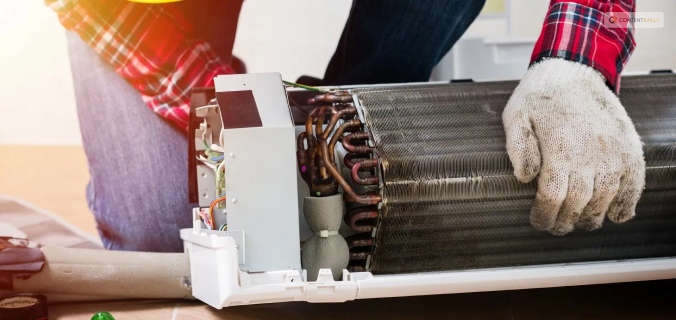
If the evaporator coil of your AC is unclean, it puts your AC at risk. It compromises the safety and working efficiency of the AC in general. In the first, an unclean evaporator coil slows down the speed at which the air blows through the AC, as it blocks the flow of the air. If the evaporator coil contains other materials and particles like pollen and dust, it limits the efficiency of the flow of air.

The following things happen when there is an unclean evaporator coil inside the air conditioner:

1. If the evaporator coil is dirty or clogged with particles, then it reduces the flow of air into your home. If there is a reduced flow of air inside your home, it will lead to a lowering of the efficiency of the cooling system of the AC. Your room takes a lot of time to cool than it normally takes, probably your evaporator coil needs cleaning.

2. There might be some cases where your room is not achieving a good level of cooling, despite running the AC for hours at a stretch. In such cases, the problem is probably more than a delay in the cooling performance of the AC. Basically, it is a negative effect on the AC's cooling capacity.

3. Another great issue that happens when the evaporator coil of your AC gets dirty is that the operating pressure increases. This increases the temperature level of the AC, as the unit is working at hotter levels. This is not good for the AC as it damages the components of the AC.

4. An unclean evaporator coil creates wear on the AC system. If one important part of the AC fails to work properly, the other parts follow suit. This is because there is more pressure on the other components of the AC. Hence, the other parts are more likely to get damaged due to the failure of one part. Therefore, you will end up with a damaged AC altogether, and repairing it will be quite expensive for you.

5. If your AC’s evaporator coil gets compromised and does not work properly, then it affects the performance of the other parts of the AC. Hence, your AC unit will have a shorter life. If you want your AC unit to perform well and serve your home for a long time, you will need to ensure that every part of your AC is clean, especially the evaporator coil.

Why Do You Need Your Air Conditioner Coil Clean?
Why Do You Need Your Air Conditioner Coil Clean_
Image Source: www.cleanairprotx.com

You will not need to spend a lot on the repairs of the AC. Regular maintenance will keep out the issues from the AC that need repair. Before any problem turns into a bigger one, you can fix it with regular maintenance. Apart from that, if you keep your evaporator coil clean always, it will not accumulate dust and hence will perform better as a result.

How To Clean AC Coils? – Things You Need?

How To Clean AC Coils? – Things You Need
Image Source: phyxter.ai

The first thing you will obviously need for your AC cleaning is an air conditioner coil cleaner. Apart from that, you will need a cotton cloth for cleaning the coil. For your own protection, wear protective goggles, and wear gloves on your hand for better protection. Furthermore, ensure that you are following the instructions properly while you are cleaning your AC’s evaporator coil.

How To Clean Evaporator Coil Without Removing?

How To Clean Evaporator Coil Without Removing?
Image Source: snyderac.com

The evaporator coil basically captures all the heat present in your home to condition the air inside. Apart from the evaporator coil, there is a condenser coil in the AC, which removes the air from the AC to the outside of the house.

This is the way in which the AC works in colling the house. Since an evaporator is an important part of your air conditioner, hence keeping it clean will enable you to keep your air conditioner always efficient. However, if your question is, “How to clean AC evaporator coils inside house?” then you need to read the next subsection of this article.

Read More: Here’s What Makes Package Units Better than the Other ACs

AC Coil Cleaners - How To Clean Evaporator Coil Without Removing?

AC Coil Cleaners - How To Clean Evaporator Coil Without Removing
Image Source: img.fruugo.com

The following are the ways in which you can clean the evaporator coil of your AC without removing it from the AC:

Step 1: Turn down the power of the AC, and unplug the machine from the electric port. You will not need an electricity risk for yourself while cleaning.

Step 2: Remove the access panel from the AC to see the evaporator coil clearly. Go over the manual of the AC, if required. The manual has instructions on where you can find the access panel.

Step 3: Take the access panel off, and remove the screws from the AC. Keep the screws in a safe place.

Step 4: To blow the unclean particles off, try using a compressed air canister. This will help you to easily loosen the dirt on the evaporator coil.

Step 5: Put back the screws, as well as the access panel. Your evaporator coil is clean.

Summing Up

Hope the article helped you in knowing how to clean evaporator coil without removing it from the AC. Cleaning your AC is a part of the maintenance operation of the AC. If you maintain your AC on a regular basis, it will offer you a lot of benefits. There will be less hassle and issues on your AC as a result of regular maintenance and cleaning. If you clean the parts of your AC, your AC will look and perform as if it is fully new.

Read Also:

A passionate writer and an avid reader, Soumava is academically inclined and loves writing on topics requiring deep research. Having 3+ years of experience, Soumava also loves writing blogs in other domains, including digital marketing, business, technology, travel, and sports.

View all posts

Leave a Reply

Your email address will not be published. Required fields are marked *

Related

Mint

Planting & Harvesting Mint

Mint is a wonderful plant that practically cultivates itself. So fast is its growth that it can threaten to spread across and take over your entire yard or garden. One way to battle this is to confine its growth by planting it in a pot or a separate bed. However, once you have this plant, you will be glad, because it has properties that make it fruity and a great addition to tea and foods. As can be seen here, it is also quite useful in health remedies that can aid digestion and relieve headaches. We know you already feel enthralled by this herb and would like to know more. So, why don’t you read on and discover more amazing things about mint… What Mint is All About Mint is an herb that is perennial and has a very wonderful fragrance. Its leaves are toothed and may have tiny pink, white, or purple flowers. Mint has so many variants from crinkled or smooth, to fuzzy or shiny. However, one thing is constant despite what kind of variant it is; all mints have that wonderful fragrance. Hence, whenever you pick up any variant of this great herb and roll it in your fingers, you would get the same smell that will make you either think of sweet teas, candy, or mint juleps. Aside from being a wonderful kitchen companion, this herb is also used as ground covers, garden accents, herbal medicines, and air fresheners. Mints are functional as well as beautiful and can grow either in shades or under the sun.  However, as we already said, this plant is a vigorous spreader; therefore, unless you want to have too much than you need, you have to be very deliberate about planting it. Uses We have already stated several things that mints can be used for, but there are still so many more benefits of this wonderful herb. Below are some of these benefits: Can be used to make mint tea. To do this, simply put the leaves in a cup of hot water and then leave it to sit for some minutes. Make tasty ice cubes with it by freezing the leaves with raspberries and cranberries. Add it to a salad dressing, marinades, or fruit salad.  Use it to relieve headaches by applying It's oil to the temples.  It can also be used to relieve anxiety and stress. Yes, mints have many other health benefits, but though not a practical use, it is also used as a virtue symbol. Planting Mints If you decide to plant mints in your garden or yard, then below are some important things that you have to know: They flourish in light earth which has good drainage. Their original habitats are stream banks, so, the site you plant them should imitate stream bank soils. That is to say, ensure the soil you plant your mints is moist but also well-drained. Variegated mints should not be planted in direct sun as they require a bit of shade. Mints typically grow to become one to two feet tall. If you plant them in a container or pot, then you would need to topdress them with organic or compost fertilizer once in a few months. If you plant mints in your garden, ensure to plant them next to tomatoes or cabbages, this will help contain their spread and prevent them from stealing your crops’ nutrients. Care Mints do not require that much care; however, you should consider the following points when caring for them: If planted outdoor, use light mulch. You can visit https://www.thespruce.com/what-is-mulch-1402413 to read up more on mulch. The light mulch will ensure the soil remains moist and also help the leaves to stay clean. If planted indoors, then ensure you water them often to help the soil stay evenly moist. Mints should be picked and pruned regularly. Like we have stated many times already, these guys are fast spreaders, therefore, you would need a lot of pruning to stop them from taking over everything. This should not worry you since their roots are shallow making it quite easy to drag them out of the soil. The Propagating You do not need to do a lot to propagate mint. The perfect way to go about this is to find the plant which you like and then cut out of it. Ensure the cutting is at least 6 inches and has ample roots attached. Then plant them in the soil horizontally. You can always get a cutting from a gardening friend, so this is nothing to worry about. Harvesting and Storing To learn how to harvest mint is quite easy, it typically does not involve any special skill. You may either pick the leaves individually, or you may use shears to prune the plant and then take off the leaves from the stem you had cut off. Despite the harvesting process being relatively easy, you need to remember a few things when you harvest your mints: Frequent harvesting will keep the plant at its best. The younger leaves have a better flavor than the old ones. You can pluck the leaves whenever you need mints. If you need dry mints, then pluck the leaves before flowering and then save them in an airtight container. You can also store fresh mints that you do not immediately have use for. To do this, put water in a glass and then put the stems inside the water. The mint will stay fresh for 3 to 7 days this way. You may equally put the mints inside a rubber bag and then store them in your refrigerator. This should keep it fresh for at least a week. Conclusion Mint is an herb that would make a very great addition to your garden or yard. But, without proper knowledge about the plant, everything may spiral out of control. Therefore, you must have basic knowledge about planting, caring for, and harvesting this plant before you farm it.  Read Also: How to Maintain a Bright and Beautiful Garden During Winter How to Choose the Right Containers for Your Container Garden Grow these flowering plants in your home garden How To Grow Tomatoes From Seed  

READ MOREDetails
tropical plants

10 Best Tropical Plants To Buy In 2022

Want to add some of the fresh earthy vibes to your house interior decorations? Add the indoor exotic tropical plants to your house’s outdoor and indoor interior. Tropical plants have very fresh leafy kinds of vibes. Especially when you live in hot and humid weather, these plants bring an earthy and new look to your garden. Along with the nice look, every tropical plant's leaves are unique, so tropical rainforest plants are always the favourite of every designer and gardener. What are you thinking? How common tropical house plants can bring a fresh vibe to your garden. Let's have a look at the few tropical plants which you can buy in 2022. Read More: 10 Best Spiky Plants To Decorate Outside Your House 10 Market Best Tropical Plants To Buy In 2022 The indoor tropical house plants always make your room look fresh and elegant. Even if you are adding tropical green plants to your garden, it will look more colourful. Who does not like to have fresh green looks in their garden? Here is the list of tropical plants which you can buy in 2022. 1. Bird Of Paradise This name of the plant symbolizes its beauty. Bird of paradise also has a very well-known common name, the crane flower plant. This is one of the most beautiful tropical plants on the list of indoor tropical house plants. Bird of paradise is a good choice. You will get an excellent attractive plant with vibrant, colorful flowers. The flowers of this plant look like a heavenly yellow bird. Native Place: South Africa. Where To Grow: This plant is more convenient for indoor and outdoor gardens. The warm weather is more suitable for it. The 65°F and 85°F temperatures in indoor places are the best places to grow it. 2. Philodendron Birkin Do you like to have a tropical big leaf plant indoors? Then Birkin is going to be your best pick. These tropical big leaf house plants have lovely light and dark green colour stripes on the surface. The leaves of these tropical plants are fresh in colour, and every branch is soft green tender. The only disadvantage of having these plants are they are not fast-growing plants. So you have to keep your patients in the right place to see the full-grown plant. Native Place: Rainforest of Brazil and Paraguay. Where To Grow: This plant is more convenient for indoor and outdoor gardens. The warm weather is more suitable for it. They have more than 50 species in the same category. The 55°F and 86°F temperatures in indoor places are the best to grow it. Direct sunlight is harmful to it. 3. Parlour Palm Parlour palms are another great selection of common tropical house plants. Even though they are the best plants for tropical areas, these plants can easily tackle the lowering temperatures. The best experiences of growing these plants are that they are very compatible with every type of environment. And not only that, you do not have to spend hours taking care of them. For beginner plant enthusiasts, these parlour palms are very convenient to have. Native Place: South Mexico and Guatemala. Where To Grow: This plant is more convenient for indoor and outdoor gardens. The 65°F and 80°F temperatures in indoor places are most suitable for them. Click Here To Read: 10 Best Low Maintenance Plants To Buy In 2022 4. Shangri La Shangri La is a small and tender soft plant. Are you looking for fresh-looking tropical plants? Then you can select this plant. The indoor weather is more suitable for growing this plant. Why select this plant? The fresh-looking green heart-shaped leaves always look fresh and more fragile. Every leaf is dark green in colour. They have more different species. And every type of Shangri La planet’s leaves shape is different. Native Place: Southern part of China. Where To Grow: This plant is more convenient for indoor and outdoor gardens. The 60°F and 75°F temperatures in indoor places are most suitable for them. 5. Money Tree There are plenty of myths associated with the money plant. But the fact is the money plant looks fresh, and every leaf of the plant is tear-shaped. The shapes and size of the money tree are very compatible with indoor ambiances. When you want to select any indoor plant, what types of characters you are searching for. The usual quality of the indoor plants should be they should be good for your health and easy to maintain. The money tree has all these characteristics. You do not have to make much effort for maintenance, and you will get a plant that will increase the oxygen level of the air. Native Place: Central and southern part of South America. Where To Grow: This plant is more convenient for indoor and outdoor gardens. The 65°F and 80°F temperatures in indoor places are most suitable for them. 6. Bromeliad These tropical plants' flower colours are like the birds of paradises. The flowers are like a bunch of golden birds. The vibrant colours of the flowers make it unique. Bromeliad has multiple different species. But my favourite is the orange one. These plants ' leaves have a distinctive look along with the nice glowing orange colours. The leaves of the plants are thin and give the whole plant an excellent cone shape. You cannot separate the plant’s leaves and the flowers. Only the colours of the petals make the difference. Native Place: Africa, South America, and Caribbean seaside tropical areas are their native places. Where To Grow: This plant is more convenient for indoor and outdoor gardens. The 50°F and 65°F temperatures in indoor places are most suitable for them. However, highly humid and airy places are always the appropriate place for it. 7. Areca Palm This tropical palm is another great selection for indoor and outdoor decorations. You can pick these Palm trees as they are low maintenance and for their gorgeous look. The authentic look and structures of the palms are present in the whole attire. The indoor Areca Palms can be more than 10 ft high, and in the outdoor areas, the height can be more than 35ft. The fountain-like structures of these tropical plants are so magnificent that if you are putting the plant in your room corner, the whole look will change. Native Place: Madagascar, Andaman Islands, El Salvador, Cuba, and Puerto Rico. Where To Grow: This plant is more convenient for indoor and outdoor gardens. The 65°F and 75°F temperatures in indoor places are most suitable for them. Only you have to keep these plants away from the cold air and climates. 8. Shenzhen Nongke Orchid You can put these seven into the list of wholesale tropical plants. But do you want to buy an exotic one? Then why not select a lovely pink flower tropical orchid. Do you think only blood orchids are rare? This Shenzhen Nongke Orchid is also very rare. This is the reason you can put this orchid on the list of all exotic tropical plants. But keep one thing in mind: these plants are costly. To buy a single plant, you have to spend about $201,000.Hence this single plant is no less than any nice art effect for your living room. But you can buy the recent plants from the tropical house plants for sale options. Usually, some of the firms offer sales of tropical plants yearly. Native Place: China, Grece, and Rome are the original places of the orchid plants. Where To Grow: This plant is more convenient for indoor and outdoor gardens. The 50°F and 80°F temperatures in indoor places are most suitable for them. You May Like To Read This: 10 Best Aesthetic Plants To Buy In 2022 9. White Star The catheter majestic white star tropical plants are great selections for the indoor garden. For household nurseries or indoor tropical house plants, these plants are good selections. The leaves are big in size. And on the surface of the plant leaves, you will find light green and dark green stripes. These light green shares look more like white colours. The colour combinations of these plants are unique, and with this uniqueness, the plants give your room a beautiful look. Native Place: Brazil rainforest. Where To Grow: This plant is more convenient for indoor and outdoor gardens. The 65°F and 77°F temperatures in indoor places are most suitable for them. 10. Marginal Wood Fern Can Marginal wood Ferns be the common tropical house plants? Yes, we all can see this plant’s in the rainforest. But you can bring a small part of the rainforest inside the interiors of your house and make your interior look picture perfect. These ferns commonly grow under the Oakwoods. But apart from the Oakwoods, you can also find these ferns in multiple areas of the rainforest. The authentic look of ferns and leaves textures makes this plant popular among tropical plant lovers. In this long list of tropical plant names, wood ferns are very sophisticated and tender types of selections. Native Place: North America. Where To Grow: This plant is more convenient for indoor and outdoor gardens. The 65°F and 75°F temperatures in indoor places are most suitable for them. The direct sunlight is turning their fresh green leaves into brown. Frequently Asked Questions (FAQs): Q1.Name Some Of The Tropical Plants Which You Can Grow In Your Living Room? When you want to buy some tropical plants for your living room, you have to check two qualities: one about their maintainers, and the other thing is their looks. Dragon tree Bird of paradise Pine Norfolk Island Caryota fishtail Palm European Olive Corn Plant Q2. What Is The Easiest Tropical Plant To Grow? Bromeliads are the easiest plant to grow. You only have to put these plants in a pot and leave them in the corner of your room. But shady and airy places are more suitable places to grow these plants. Q3. How Much Sun Do Tropical Plants Need? Usually! Tropical plants grow in shaded places. And indirect sunlights are more convenient nutrition sources for them. Even some of the plants can grow under indirect light sunlight. The comfortable temperatures for the tropical plants are always better. But water sources need to be more stable. Unlike the dry areas of indoor plants, these tropical plants need more watering. Q4. Can You Grow Tropical Plants In Perth? Yes, you can grow the tropical plants in the Perth. Here are five tropical plants that you can grow in Perth. Dragon tree Hawaiian Hibiscus Giant Bromeliad Sago palm Cane Palm Bottom Line: Each of these ten tropical plants is very convenient for indoor and outdoor gardens. But if you are living in an arid area, then my suggestion is to place this plant under the shaded places or inside your room. For any type of tropical plant, watering is very valuable. In most tropical regions, rainfalls are frequent. So be sure you are going to water your plant every day. Which plant are you going to select for your indoor or outdoor garden? And if you are already thinking of having a green natural living room, share your plant’s pictures in the comments sections. Read Also: 10 Best Tall House Plants To Buy In 2022 10 Best Foliage Plants To Buy In 2022 – Must Read! What Are Trailing Plants? – What Are The Types Of Trailing Plants?

READ MOREDetails
trailing plants

What Are Trailing Plants? – What Are The Types Of Trailing Plants?

According to many people, having a garden in your house is said to invoke a real sense of creativity. People say this because they seem to feel refreshed and creative if there is a lot of vegetation surrounding them. Also, many consider gardening to be an innovative form of expression. Therefore, which plant to have in your garden will decide its beauty in the eyes of the beholder. If you are new to gardening, then this article is for you. Here, you will learn about the various types of trailing plants and some of the best breeds of them. What Are Trailing Plants? Trailing plants are a unique breed of pretty long and slender plants. Their stems grow more extended, often taking up the length of the entire room vertically. These plants are generally kept in balconies and bigger rooms, like dining or living rooms. They are also typically placed in pots and then hung from the ceiling. These plants are often called creepers or climbers, or even spiky plants because they have slender stems mistaken for vines. These vines require support to grow. Therefore, they follow the surface of the roofs or the walls to propel themselves and grow in a specific direction. Types Of Trailing Plants There are two distinct types of trailing plants that can be categorized. They are, 1. Flowering Trailing Plants As the name suggests, flowering trailing plants are simply trailing plants that can produce flowers of their own. These often look great because when these trailing plants become bigger, they will make flowers all over their stems. The longer their vines have grown, the more flowers they will produce. 2. Non-Flowering Trailing Plants As the name suggests, non-flowering trailing plants are the direct opposite of flowering trailing plants. These foliage plants do not produce any flowers and are mostly greenish yellowish. These are the most common types of trailing plants that you get to see in people's houses Best Trailing Plants For Your Garden If you have finally decided to buy trailing plants, then here are seven of the breeds that we highly recommend you add to your balcony or garden. 1. Golden Pothos One of the most popular trailing plants in the market is scientifically known as Epipremnum Aureum. We recommend you start your trailing plants gardening journey with this newbie-friendly plant. Because setting up this plant to hang from the ceiling is the first thing you should learn - how to hang trailing plants. This plant is a low maintenance plant since it requires almost no cutting since you can leave it to hand and grow naturally in a basket from your ceiling. Read More: Grow these flowering plants in your home garden 2. Red Herringbone Scientifically known as the Maranta Leuconeura Erythroneura, this plant is one of the best trailing plants indoors. It has a trippy, attractive design on its leaves highlighted by its red color and unique look. The distinctive red patterns of the leaves of this plant have been compared to the mark of a herringbone. The unique aspect of big leaf plants is that they close up their leaves during the night, giving them the shape of a hand-folded prayer position. This is why many people call this plant the prayer plant. We recommend this plant for experienced gardeners since it needs high maintenance to grow safely. 3. Staghorn Fern Scientifically known as the Platycerium Bifurcatum, this plant has been called strange by many gardeners due to its leaves' odd, uneven shape. This trailing plant is best kept in a wooden basket with compost, and other organic matter buried deep in the compost. Again, we recommend this plant for experienced gardeners since it requires specific gardening skills to grow these tropical plants fully. Additionally, this plant is best kept in a humid place outside the range of direct sunlight. 4. String Of Pearls These types of trailing succulent plants are scientifically known as Senecio Rowleyanus. Its leaves are smaller than the other plants mentioned on this list, which look like tiny, green pearls. However, upon closer observation, you will notice that it looks like a green string is keeping the pearly leaves attached to the vine. This is why it is called a string of pearls, one of the most aesthetic plants. Sometimes, the top of the compost becomes very dry. This is an indicator that the plant needs watering. Generally, this plant likes to remain dry. But too dry will result in its untimely demise. Therefore, always keep a lookout for the dryness of the plant's compost. 5. Spider Plant As the name suggests, this trailing plant looks like a spider. Botanically named as the Chlorophytum Comosum, this easy to grow plant is another common tracking plant that you see in many households. Maintaining this plant is easy since all it needs is well-drained potting soil and exposure to bright, indirect sunlight. Just remember to water it frequently, and keep it as a bedroom plant. You May Also Like This: 4 Essential Tools Needed to Maintain Your Garden in the Winter 6. Creeping Jenny While the name might sound very creepy, its looks and beauty tell a different story. These bright fluorescent green trailing indoor plants are famous for their round leaves. Their vines also grow long, till about 18 inches in length. Unlike other trailing plants on this list, these plants can be placed on the soil and can also be hung from the ceiling in a pot or basket. 7. Million Bells Also known as the Calibrachoa, it is one of the most highly colorful and vibrant trailing plants ever to exist. This is because it is a flowering plant. But that is not its only specialty. Its uniqueness lies in the fact that its flowers can be of random colors, from red, blue, purple, to pink. This is perfect for you if you want trailing plants for hanging baskets. Frequently Asked Questions (FAQs): Q1. What Is The Best Trailing Plant? There are many great trailing plants like Million Bells, Golden Pothos, and Red Herringbone, to name a few. Q2. What Plants Are Trailing Plants? Trailing plants can be identified by their long vines that grow along the side of walls. Q3. What Are Trailing Plants Called? Trailing plants are also called spillers, creepers, and viners. Q4. What Is A Trailing Flowering Plant? Trailing plants that produce flowers are known as trailing flowering plants. Conclusion Trailing plants are one of the best choices for keeping plants in your home. These plants look great and unique. These plants look even better if you hang them from your ceiling in a basket or round vase. If you are a beginner at gardening, then we recommend growing plants like the Golden Pothos or the Spider Plant. And if you are an experienced grower, then we recommend plants like the Red Herringbone and the Million Bells. If you found out which trailing plants to buy, then check out our other articles as well! Read Also: How to Maintain Your Garden Railings? 5 Best Vegetables You Should Try Growing In Your Garden Looking for a Gardener: 8 Questions to Ask Before Hiring a Professional

READ MOREDetails