












Mistakes that Expats Make when they Move Overseas

Published on: 20 November 2020 Last Updated on: 04 November 2024
Mistakes that Expats Make when they Move Overseas

Moving overseas can be incredibly stressful, to say the least. The last thing that you want is to make a lot of mistakes along the way. If you want to make sure that you are making the most out of every bit of money you have, then this guide will really help you out.

Lack of Research

Research is paramount if you want to relocate abroad. It’s a huge decision so you have to make sure that you know everything there is to know about your location and the things that there are to do there. You also need to know which items you can and cannot take with you. Some countries stop you from being able to bring certain items with you, which can include food or even alcohol. It’s also helpful to think about how you are going to move your belongings. An international moving firm can help you out a lot here, so make sure that you keep that in mind.

international moving

Poor Organisation

Poor organization is another mistake that so many people make. As soon as you know where you are going to move and when you then need to start organizing things. You need to think about what belongings you have, what you are going to take with you, and what you plan on leaving behind. The sooner you do this, the better. If you do, then you will be far less inclined to make even more mistakes and you may even find that you are able to relax more leading up to the big day. Now would also be the time for you to look into your overseas pension or pensions for expats, if you know that you are going to be retiring abroad.

You may well have planned your move way ahead of time, but

Time Management

you’d be surprised at how quickly the moving date creeps up on you. It’s vital that you do your research and that you manage the time you have effectively. It helps to get things done early and never leave tasks until the last minute if there is a chance that they can be done way earlier. When you have arrived, you would be surprised at how long things will take.

Not Packing Properly

If you are sending a huge amount of stuff through a removal company then there’s a high chance that you will get there before your stuff does. For this reason, you have to make sure that you factor things like this into your packaging. Your suitcase should be full of your everyday clothes as well as things such as toiletries. If you want to be safe, take enough clothes to last you a few weeks. If you do this then you are covered if you are ever delayed. In addition to this, you have to make sure that you pack as sensibly as possible. If you are moving somewhere you know is hot, you won’t need jumpers in your suitcase, but you may need to put some sunscreen in there so you can cool your skin down and protect yourself from harmful UV rays.

Read Also:

Content Rally wrapped around an online publication where you can publish your own intellectuals. It is a publishing platform designed to make great stories by content creators. This is your era, your place to be online. So come forward share your views, thoughts and ideas via Content Rally.

View all posts

Leave a Reply

Your email address will not be published. Required fields are marked *

Related

Best Heat Pump

How to Choose the Best Heat Pump for Your Home?

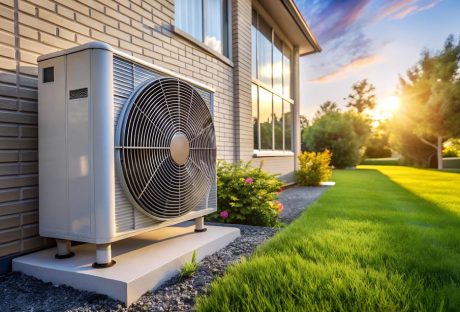
Heat pumps serve dual purposes. They heat the home when it is cold outside and cool it when the temperature rises. These units are energy efficient and good for the environment because they don't burn fuel. However, the homeowner needs to ensure they get the correct unit for the home.  The Concept Of A Heat Pump  The heat pumps are becoming more and more popular these days. If you still don’t know about them and are trying to look for more information before buying a heat pump for your house, then you have landed yourself on the right page.  An electric air source heat pump is an outdoor unit. You can use this unit to keep your home both heat as well as cool your home. This totally depends on the weather.  The heat pumps are a great alternative to your central air conditioner or your furnace systems. This technology is specifically used in a refrigerator or an air conditioner. The unit extracts heat from a specific source.  It can be from the surrounding air, nearby sources of water, or eleven geothermal energy. Once it is done collecting the heat, it further amplifies it and then transfers it to the space where it is necessary.     How Do Heat Pumps Work?  Most heat pumps pull heat from the air and move it to the desired location. When heating the home, the unit takes the hot air from outside and brings it indoors. When cooling the house, the unit removes hot air from the home and transfers it outside.  They use less carbon than other heating options and work best when set at a consistent temperature. To see the optimal results, homeowners must ensure their houses are properly insulated and sealed. What else should they know before requesting a heat pump installation?  Heat Pump Options Air-to-air heat pumps are the most common air-source heat pumps used in America today. They come in two forms.  Ducted air-source heat pumps function like central AC units. Treated air is distributed throughout the home with the help of ductwork.  Ductless or mini-split air-source heat pumps are the second option, increasing in popularity. No ductwork is needed when a homeowner selects this option. However, other options exist.  Geothermal heat pumps pull heat from the ground to warm a home and release heat into the ground to cool the house.  These systems are highly efficient, but they often cost more to install. Water-source heat pumps are similar to ground-source units but are installed at the bottom of a pond. Air-to-water heat pumps use a hot-water radiator system to distribute heat throughout the home.  The Benefits of Heat Pumps Heat pumps are easy to install and work in most homes. The mini-split system is ideal for those without ductwork because the house won't have to be modified during installation.  Moving to a heat pump will significantly reduce the owner's carbon footprint, and many areas offer subsidies for those who choose to upgrade to this type of unit.  Let’s learn about the benefits of the best heat pump:  Energy Efficiency  Many users have agreed that heat pumps show more efficiency than all traditional furnaces. These heat pumps help to move the heat from the outside air or ground into your home.  As a result, you can easily save a lot of money on the overall energy bills.  Improved Air Quality  The heat pumps can both filter and then deodorize the air. This helps you to reduce allergies as well as asthma.  Quiet Operation  The heat pumps are an excellent choice for your home and businesses as they generate less noise and are typically quieter than the other systems.   Easy Maintenance Process   The heat pumps do not require much attention and are very simple to manage. It does not need regular servicing.  P.S. Heat pumps can be expensive, and you may face difficulties installing the system. Otherwise, the system and its benefits make it a perfect long-term investment.  When Not to Install Heat Pump? A poorly insulated home or a leaky one will not benefit from a heat pump because drafts and cold spots are often an issue.  Homeowners must research their electrical service to ensure it can handle the heat pump load, as upgrading the electrical system to install this unit will add to the cost.  Finally, individuals in cold climates may find their heat pumps cannot keep up. The Department of Energy has established eight climate zones for the United States. In zones 7 and 8, homeowners need to consider other options.  Choosing a Heat Pump Homeowners must consider several factors when choosing a heat pump. You must consider the size and capacity of your space. If you fail to choose the best heat pump of the proper size, it will cost more to run. Moreover, it won't keep the home at the desired temperature.  The determination of the right size heat pump involves two kinds of measurements:  1. Manual J Load calculation  HVAC technicians widely use this specific kind of calculation. They consider certain factors that help them to understand how much heating and cooling your home needs before choosing the best heat pump. These factors are as follows:  The square footage measurement of your home Ceiling height  Insulation of your house  The climate type and the number of days you might need the heating or cooling  How often the space is being used?  The number of people who use the space The total number of heat-producing appliances that you have in your room  Number of windows and doors.  The technicians consider these values and further enter them into a formula to get the precise result.  2. Square Footage Calculation The calculator might seem a bit simpler, but it is not precise enough to calculate the required heat pump capacity.  For instance, if your total house space is around 1500 square feet, then you would need a 3-ton unit. BTUs, or British Thermal units further measure these ton units.  An experienced technician can help the homeowner determine the BTUs needed for the house.   Home size (sq. ft.)Size of the heat pump (in tons)Size of the heat pump (in BTUs)500 sq. ft.1-ton 12000 BTUs. 1500 sq. ft.3-ton36,000 BTUs2500 sq. ft.5-ton 60,000 BTUs Apart from these calculations, compressor type is important when choosing the best heat pump. Most homeowners choose a variable-speed compressor, which automatically adjusts to maintain the selected temperature.  Efficiency is also a consideration when choosing the best heat pump. Look for a high SEER rating to save on energy bills.  Learn about each unit's climate performance and research the noise level. Finally, the reliability of each unit must be considered to ensure the heat pump will work when needed.  Once a heat pump has been selected, choose a contractor. Ensure they are trained to handle this task and have been in business for a while.  Doing so ensures best heat pump will be installed correctly, and help will be available if problems arise. When homeowners take these steps, they will have peace of mind knowing their unit will work when needed. Additional Reading: Removing Air Conditioner Filters: A Guide Advantages Of Using A Water Heater At Home What Can An Air Conditioning Installation Expert Assist You With?

READ MOREDetails
Welding Projects

Supplies That Are Needed For Welding Projects

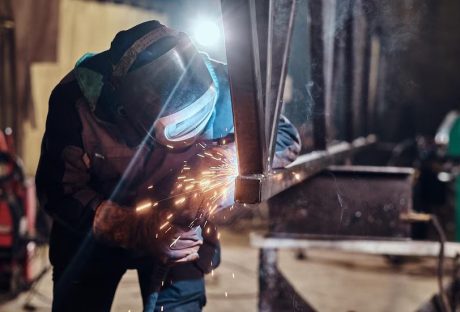
Welding is a fulfilling and challenging job, requiring expert knowledge, a steady hand, and, most importantly, the right tools. If you’re starting up a welding business or just want to make sure you’re kitted out for your at-home welding projects, you’ll need to ensure you’ve got the right supplies and tools from a store similar to weldingsuppliesfromioc.com. We’ll provide you with the essential shortlist of supplies you’ll need for your next welding project. A Welding Machine Of course, you need a welder to do any welding. A welder is, in essence, a piece of machinery that uses heat to combine two or more metal parts. There are a variety of welding machines out there that use different combination methods to get the job done. One may be preferable over another, depending on the welding project you are doing. Stick welders, MIG welders, and TIG welders are just a few examples, each with its own unique methodology. No welding machine kit is complete without a welding electrode, torch, filler material, and shielding gas. These are all essential to the function of a welder and imperative for safety while operating the equipment. Always ensure that your welding equipment is high-quality before you start projects, either for work or for a hobby. Welding is dangerous, and choosing a welder you’re unfamiliar with can be downright dangerous. Soldering Helmet The most recognizable tool of any welder, the helmet keeps your face, especially your eyes, safe while you weld. It also helps to keep your skin protected from the intense heat. Soldering without a helmet is foolhardy and incurs a much greater risk of injury, so this essential piece of equipment should always be in your workshop. Shop around to find a helmet that fits you comfortably and lets you see what you’re working on. Welding Jacket The jacket does for your body what the helmet does for your face; these are made from fire-resistant materials to protect welders from the extreme heat that a welding torch generates. The last thing you want is a piece of molten metal landing on your arm, so choose a suitably high-quality jacket to protect your skin. Protective Gloves The last of the holy trinity of heat protection, the welding gloves serve to protect your hands from injury while you work. As you weld, you’re working closely with hot metal and a dangerous welding tool, regardless of what type of welding you’re using. Heavy welding gloves, in particular, allow you to pick up hot metal objects for a few seconds without being burned, which can be helpful for beginners getting started in MIG welding. On the other hand, thinner gloves allow more precise control over welding. Precision is paramount in some types of welding—TIG welding, for example, which relies on meticulous lines to create a clean, finished look. Choose a glove that represents your experience level, but always prioritize safety. Reinforced Boots Your feet are susceptible to injury as you weld, and it’s better not to tempt fate by playing hopscotch with raining molten metal. Welding boots should be tough and durable, with thick leather and steel-reinforced toes. These will give you some staunch protection against wayward molten metal and some degree of protection against other heavy objects that could otherwise fall and crush your feet. An Apron A welding apron protects your lower body from the sparks and heat welding produces. Generally, they feature adjustable straps so that you can tighten them to your comfort. Welding aprons are made from the same material as a welding jacket, providing additional protection for the legs and underlying clothing. Magnets Next, you’ll want to put some consideration into workplace efficiency. One underutilized but valuable tool you can use is a welding magnet. These helpful magnets allow you to pin components in place, rotate them, and secure your workpiece. You can get different welding magnets for different sizes of projects, but the bottom line is that it allows you a much easier time working with hot metal confidently and efficiently. Welding Cart Another essential item for welding projects is a cart. Just as with any project that requires heavy and cumbersome equipment, welding tends to require lots of clothing, tools, and components. A welding cart offers a lightweight solution to this problem, giving you space to store your welder and welding accessories regardless of where you work. If you’re on the go with your welding projects, then this is definitely an item you’ll want to invest in for your long-term success. Workstation Table Every welder needs a surface to work on, and, as you might guess, not just any table will do. A welding table is a customized workbench made from metal or other heat-resistant materials. These tables feature built-in holes that you can use to clamp down a workpiece and hold metal parts in place while you are in the process of welding. Chipping Hammer A chipping hammer is a specialty tool welders use to remove impurities from the surface of the welded metal, often called slag. The hammer contains a sharp, chisel-like tip that can knock off slag from the surface of a workpiece. Angle Grinder An angle grinder is a tool for preparing the metal surface for welding using abrasive force. The rotating disc smooths the surface, removing imperfections that may contaminate the workpiece and giving the welder a clean surface to work on. Wire Brush A wire brush also helps clean the surface of the metal before welding. They come in different shapes and sizes depending on the size of your workpiece, some with long handles for access to crevices and others with shorter handles for easier control. The bristles need to be abrasive to clean the surface of the metal effectively. The Bottom Line Every welder needs these essential tools before they start working. Some of these supplies are necessary to begin welding in the first place, while others are important for human safety or for work efficiency. Kit yourself out with these essentials, and you’ll be all set to tackle beginner welding projects immediately. Read Also: Welding As A Career Choice Is Metal Fabrications A Good Career Path In 2021? Simple Ways To Automate Your Small Business Processes

READ MOREDetails
Yard Work Basics A Beginner’s Guide

Yard Work Basics: A Beginner’s Guide

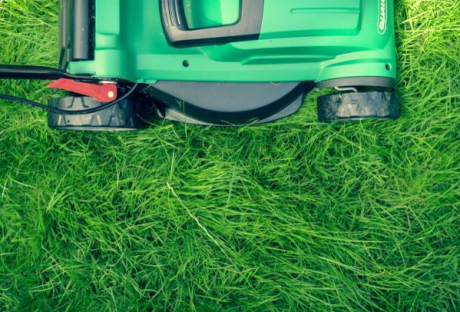
Digging your hands into the soil is both therapeutic and satisfying; it provides a wonderful way to release tension while getting some much-needed Vitamin D. Start by clearing away trash, debris and unwanted plants such as invasive species from your garden; discard rotten furniture and fire pits; rake leaves as needed depending on the season; all these tasks will help your lawn thrive! Pruning Pruning refers to the practice of trimming woody plants like trees and shrubs to achieve aesthetic, healthful results that protect them against disease, insects, or mechanical damage. Pruning should take place during the late dormant season for maximum effectiveness. Yard work can also provide valuable "me-time." Immersing yourself in your garden can help you focus on the tasks at hand and forget about stressors; physical activity has been shown to reduce chronic health conditions as well as improve overall wellness, providing full-body workouts that build flexibility while simultaneously relieving back pain and muscle stiffness. You can click here to learn more. Tree Care Tips Trees are an integral part of our landscapes, offering shade, beauty, and fruit. Unfortunately, trees can be fragile creatures that need regular care such as trimming and pruning, mulching, watering and fertilization to thrive. Furthermore, it's also important to monitor for pests or diseases which might impact them. It may be necessary to contact a professional who provides tree services when necessary for treatment. They can help determine the cause of your tree’s problem. When vetting tree services companies, always inquire into their qualifications and credentials. You can do this by asking about what kind of training and education their lead employees have received; an ideal tree company will have certified arborists on staff who work full-time for them. Furthermore, make sure the firm offers liability insurance just in case something goes amiss during their work on your property. While some tasks can be completed independently, hiring a certified arborist for more complex or risky tasks like tree removal and stump grinding is essential to ensure it is completed in an accurate and safe manner. After planting, it's essential to water and fertilize your new tree on an ongoing basis to help it overcome shock and become established. Fertilizers should also be applied once annually using an all-purpose fertilizer designed specifically for that type of tree. Weeding Weeds may not seem like the worst problem, but when left to their own devices they can impede the growth of desirable plants, depriving them of water, nutrients, sunlight and air that they need for growth. Removing weeds not only improves soil health but can reduce the chances of plant diseases as well. Regularly weeding your garden or lawn will ensure everything continues to flourish more abundantly. When pulling a weed, it is best to extract its entire root system to prevent reseeding. Doing this when the weed is still young makes removal much simpler. Ideally, the optimal time and conditions for weeding are early spring or late fall when temperatures are mild. At these times, weeds tend to be smaller with shallow roots that make pulling out easier with either your hands or hand tool. Furthermore, you should weed when the soil is damp to minimize compaction and increase the chances of extracting all weeds at once. Remember that weeds may emerge later in the season. Therefore, it's essential to monitor for new growth regularly, particularly as they flower. Regular lawnmowing will remove their seed heads while sowing desirable grasses around planting beds can prevent spillover into fertile garden soil. Also add layers of well-rotted manure, garden compost or bark mulch onto topsoil to deprive light to weeds and slow their regrowth before eventually smothering them out completely. Watering Yard work involves both light and heavy tasks. Lighter projects might include mowing the grass, pulling weeds from flower beds, watering the lawn and keeping up with any necessary pruning of shrubbery or removing invasive plants that don't belong, raking leaves and repairing or replacing garden furniture. Working in your garden can provide an incredible full-body workout, from squatting and bending to digging and lifting, which all improve muscle strength and flexibility. Even without access to a garden space of your own, taking regular strolls through local parks or green spaces will reap similar rewards. Regular watering of your yard promotes deep root growth, leading to drought resistance. Spending time in your garden also exposes you to sunlight, which helps relieve stress and anxiety, while meeting gardening goals gives a sense of pride and accomplishment. Gardeners depend on watering to give perennial flowers, trees, shrubs and grass the vital nutrients they require for healthy growth and survival. However finding out when and how much water can be challenging during hot, dry summer conditions. Watering efficiently increases root growth, reduces disease and fungus infestation and conserves your precious water supply - plus it is environmentally friendly as your garden and lawn consume the same water that supplies your home. To ensure you're not overwatering or underwatering your landscape, regularly monitor soil moisture. Plants need soil that's dry down to several inches in order to absorb water effectively; in the heat of summer, it's easy to forget this requirement. When watering, make sure you water at the base of each plant rather than on or around its foliage as water that lands there won't reach its roots and instead causes fungal disease outbreaks. To properly water your lawn, soak the ground deeply rather than spreading a light mist across it. For best results, it is best to water in the early morning when sun exposure is lower and air temperatures are cooler - this helps minimize evaporation. Cleaning Yard work is a wonderful way to gain fresh air and sunshine while simultaneously working your entire body in all directions. Cleaning tasks may include collecting trash and debris, clearing away invasive plants, trimming and pulling weeds as well as repairing fences or structures - projects which often make an immediate and visible difference to a yard's aesthetics. Read Also: Garden Edging for Beginners 5 Summer Garden Maintenance Tips and Tactics You Have To Know Grow these flowering plants in your home garden

READ MOREDetails