Social work is a profession that is growing by leaps and bounds, but the public does not always recognize the contributions of the many social workers who keep society running. Social work deserves more praise for its wide scope of services and achievements.
However, it seems that it is not getting the recognition it deserves. This is not mere observation; it is a fact, as according to a 2020 survey by Social Work England, 76% of the people involved do not think that social work is respected by society.
Social work encompasses a broad range of services with an emphasis on prevention; these include assistance with children in care, assisting with homelessness and poverty issues, developing policies that support individual rights, advocating for improved conditions in prisons, or addressing addiction problems, among many others.
There are many issues that social workers face that are possibly a foundation for the lack of praise for their field. Let us take a look at them.
Social Work Education
The fact that many qualified social workers and practitioners find it difficult to move from the sector to other sectors is telling of social work education. A lot of people who were educated in the field ended up working in various aspects of this field, such as clinical, developmental, and health social work.
These are all aspects within the same field, and that should not be a problem. The good thing is that due to the rise in awareness regarding social work, getting a degree in the field has become more accessible now. In fact, many people with bachelor’s degrees went on to pursue social work masters programs online to find places of even more influence in their fields.
The issue is that society, in general, does not consider social work to be a “competent” or “competitive” degree. Social work degrees suffer the same stigma as gender studies and other social sciences degrees that people who pursue these degrees will not end up with stable jobs.
In reality, social workers can find jobs in HR unions, public relations, and even in education as professors or counselors, among many other fields of work.
Negative Media Coverage
With the increase of negative media coverage and social problems, it makes sense that people are not respecting the field of social work.
Many believe that the reason for this is due to a barrage of negative media articles. The fact is that there are hardworking social workers in all areas of the field, and they are making strides for humanity every day. However, many do not hear about these inspirational deeds. They only hear about when things go wrong, which is far too common.
Most of the media coverage that social workers get is when a group, community, or NGO is found to be involved in negative areas such as bribery, corruption, spreading lies, and other matters of the ilk. In a survey by YouGov, it was revealed that 82% of the masses involved believed that the media was responsible for the negative image of social workers.
Whenever the authorities instigate any action against negative matters, it becomes the most publicized headline on the news bulletin and ends up making the front page of newspapers.
Disregard For The Vulnerable
Although social workers toil away for everyone, they are considered a godsend for those susceptible to harm. Whether we’re talking about religious minorities, sexual minorities, marginalized communities, or victims of assault and violence, there are branches of social work readily available to help everyone.
The issue arises that the general majority does not pay much attention to the issues of minorities. Unless people are activists, they do not actively take part in bringing light to the issues of marginalized communities.
Since social workers are associated with minorities and marginalized communities, when the aforementioned get sidelined, so do those who work for them.
Lack Of Funds
The lack of adequate funding and resources is a major problem that persists in the social work field. Since social workers often belong to private organizations, their requirements to put their plans into action often go unfulfilled.
Social workers have a wide range of issues that they deal with in society, and these issues cost them a lot of money to deal with. The fact that many state and local governments are cutting down on social work budgets is disheartening for the many who work hard every day to serve their communities well.
Unrealistic Expectations
The general public has set unrealistic expectations in the field of social work. These general expectations are the reason why social workers feel like they shouldn’t be satisfied with their jobs. The more demanding a job seems to be, the more dissatisfied they become, feeling as if they should do more and more. Often, many social workers do work for organizations, but they do so at a very low cost.
Many of the causes for the lack of respect given to the field of social work lie in the history of the field. Social work is officially a recent profession despite the fact that many have unknowingly served under its banner, so its history has not been as long and glorious as other professions. But with time, society will come to realize how much social workers do and how important they truly are for their stability and betterment.
Read Also:
Content Rally wrapped around an online publication where you can publish your own intellectuals. It is a publishing platform designed to make great stories by content creators. This is your era, your place to be online. So come forward share your views, thoughts and ideas via Content Rally.
In a world where children dream of fun camping trips and exciting days at the pool, why not infuse their educational journey with a dose of creativity and flexibility? In the ever-evolving landscape of education, innovation is the key to unlocking brighter futures for our students. Modular classrooms stand out as the optimal learning environments that foster growth, adaptability, and collaboration.
Gone are the days of traditional brick-and-mortar structures that limit educational possibilities. From elementary schools to universities, many educators nowadays turn to flexible and sustainable modular classroom building. Whether you're tired of the same old classroom routine or just someone who's fascinated by the blend of architecture and education, these structures are worth checking out. Thanks to the durable materials and high-quality construction, they can handle the wear and tear of everyday school life with ease.
Fast Construction
Regular construction is such a pain - the noise, the dust, the never-ending wait. Well, with modular classrooms, all those headaches disappear. These structures are prefabricated off-site, which means while the building's being built, your school life remains nice and peaceful. No more dodging construction zones on your way to class! And once they're done with the construction, they deliver them to your school ready to go. It's like a huge puzzle that's already been put together! You don't have to wait months and months for the building’s completion.
So, how fast can you build a modular classroom? You can have a brand-new structure up and running in just over two months! No more waiting around for ages, dealing with construction delays, and counting the days. So, whether your school needs to accommodate a growing student population or wants to create a flexible space for different activities, modular is the answer!
Cost-Effective
Traditional construction can be a money drain. From hefty material costs to never-ending labour fees, it often leaves schools scratching their heads and digging deep into their pockets. But with modular classrooms, it's a whole different ballgame. They build these structures in a controlled environment, which means less waste and more savings. And since they’re built in record time, you save on labour costs. Less time on-site means less money spent on construction workers.
With these buildings, you can avoid the headache of unexpected expenses that often pop up in traditional construction, such as surprise repairs or delays that can send the budget skyrocketing. Their streamlined process keeps things predictable and budget friendly. So, whether you're on a tight budget or a savvy spender who loves getting more bang for your buck, these classrooms are the answer. You don't have to break the bank to create a top-notch learning environment!
Sustainable
Eco classrooms are built with sustainability in mind, using sustainable materials and energy-efficient features. Since the construction happens off-site, they produce way less waste than traditional construction. The manufacturer carefully selects the materials to minimize their impact on the environment.
A modular classroom building will also reduce energy consumption. With proper insulation and ventilation, they keep the temperature just right without overloading the AC. That means lower energy bills and less strain on the planet. Modular structures are like the eco-warriors that come to the rescue. They’re built to last, so they reduce the need for constant repairs and replacements. This way you’re investing in a sustainable future for generations to come!
Minimal Disruption
With modular buildings, the noise, the dust, and the blocked pathways that drive everyone crazy are a thing of the past! Since they're built off-site, all that noisy construction stuff happens far away from your school. It's like the construction zone is in a secret location, away from all the daily hustle and bustle. So, your students can continue learning and your teachers can continue teaching, without any interruptions. And when they're ready, they just deliver the completed structure right to your school. No more waiting for months and months for a building to rise from the ground.
The assembly process is super quick and efficient. It's like a well-coordinated dance – they bring in the pieces, fit them together like a jigsaw puzzle, and before you know it, your brand-new classroom is ready to roll. Say goodbye to blocked paths and detours that can feel like a maze. With modular classroom buildings, it's smooth sailing all the way!
Customisation
Every school is unique and has different needs. This is why you need a super flexible structure, so you can customise it to fit your school's personality and requirements. From the layout to the colour scheme, it's all in your hands. You can go wild with your creativity and create a space that reflects your school's vibe and values. You can choose the number of rooms, the size of each one, and even the configuration – it's like building your own educational paradise!
Want big windows to flood the classroom with natural light? You got it. Fancy a cool outdoor deck for some fresh air learning? No problem. The possibilities are practically endless! Plus, the manufacturers understand that schools change over time. Maybe you need to expand in the future or reconfigure the rooms for a different purpose – not a big deal for modular structures. They're the shape-shifting transformers of education!
Mobility
Sometimes schools are expanding, relocating, or just trying to keep up with the changing educational landscape. If your school needs to move to a new location, modular classrooms are your trusty sidekick, ready to pack up and hit the road. It's like having a portable structure that you can take wherever you go!
And this mobility doesn't mean you're compromising on quality. These structures are built to the same standards as traditional buildings, so you're getting durability, comfort, and flexibility all rolled into one. The mobility also means you can repurpose these classrooms. Need a new science lab or an art studio? No problem! It's like having a classroom that's always up for a makeover, no contractor needed.
Bottom Line
From their rapid construction that saves time and reduces disruptions to their cost-effectiveness eases the burden on school budgets, these modular classrooms have proven to be a game-changer. Their flexibility and customizability empower schools to create learning spaces that reflect their unique vision and adapt to ever-changing educational needs. Moreover, their sustainable design showcases a commitment to both student growth and environmental responsibility. These buildings embrace innovation and pave the way for a brighter future in education!
Read Also:
Enhancing Nursing Education: A Detailed Guide To Performing Head-To-Toe Assessments With Goreact
Creating Educational Materials? Find Out Why Foreign Language Versions Are Essential
SAP Hana Training Courses And Their Importance In IT Industry
Access to resources and support within your community can have a big impact on your quality of life, but navigating these resources can often be confusing and overwhelming.
Whether you're in need of health care, social services, or other forms of community support, there are steps you can take to make the most of the resources available to you.
Here are some tips to help you get better community access and make the most of community access support services.
Get to know your community
Understanding the resources and services available in your community is key to accessing the support you need. You can start by contacting your local government office or chamber of commerce to get information about the various services and organizations available in your area. Additionally, attend local events and community meetings to network and learn more about what's available in your area.
Use online resources
The internet is a wealth of information, and there are many online resources that can help you find the support you need. Websites like 211.org, benefits.gov, and communityhealth.net are great places to start your search. You can also use social media to connect with others in your community who may have experience with accessing community support services.
Reach out to advocacy organizations
There are many advocacy organizations that work to improve access to community resources and support services. Contacting these organizations can provide you with valuable information and guidance on how to navigate the various systems and services available in your community. For example, if you have a disability, reaching out to a disability rights organization can be extremely helpful.
Take advantage of support groups
Support groups can be a great way to connect with others who have similar experiences and to learn more about the resources available to you. Whether you're looking for emotional support, practical advice, or information about community resources, support groups can provide a valuable network of support. You can find support groups through online resources, advocacy organizations, or even local health clinics.
Build relationships with service providers
Building strong relationships with service providers in your community can help you get the support you need when you need it.
Whether you're working with a healthcare provider, social worker, or another service provider, take the time to get to know them and let them know about your needs and concerns. Building a rapport with service providers can also help you feel more comfortable advocating for yourself and your needs.
Know your rights
Understanding your rights is key to ensuring that you have access to the support and services you need. Research the laws and regulations in your area that govern community resources and support services, and familiarize yourself with your rights and responsibilities. If you feel that your rights have been violated, don't hesitate to contact a lawyer or advocacy organization for help.
Getting better community access is about more than simply finding resources and support. It's about taking an active role in your own well-being and advocating for your needs. By following these tips and making the most of community access support services, you can improve your quality of life and achieve your goals.
Additional:
The Diet To Follow For A Healthy Gut
Ways To Balance Your Life With Healthy Hearing
8 Healthy Ways to Improve Your Sex Life Overnight
Impact Of A Major Illness On Your Work Life And Lifestyle
Global warming is on the rise due to environmental degradation. And there is a lot of environmental campaigns to mitigate the situation.
Most of the movements focus on how to prevent further ecological degradation. There have been huge debates between leaders from different countries about reducing carbon emission to the environment as this is the most significant contributor to global warming.
However, as the discussion continues, every individual needs to mitigate this global issue. Below are the top reasons why it is your responsibility to safeguard your environment.
People depend on the environmental resources:
You depend on environmental resources like water, soil, timber to survive. These resources are not only necessary to people. They are also helpful to the environment to stay healthy.
Therefore, it is your responsibility to ensure the proper use of such resources and avoid wastage. Whenever you cut down trees for timber, you need to ensure you plant others for future use.
A clean environment for good health:
You need clean and fresh air for breathing. It will only be possible if you keep your surroundings clean. Contaminated air is a recipe for many respiratory illnesses.
It will directly harm human health. Therefore, planting a tree or two in your small yard can contribute to cleaning the hair you are breathing.
Besides, it would be best if you also adopted a proper waste disposal strategy. You can also get environmentally friendly products from seedsprout.com.au, which are highly biodegradable.
A healthy environment has medical benefits:
The environment is the most significant source of many medicines used for treatment. Some are from the forest, while others are from the marines.
In short, the environment has to be cared for to create possibilities for the availability of medicines. Contaminating the environment, therefore, means that you are reducing the medical sources.
To keep the earth beautiful:
There is nothing good-looking than an evergreen environment. People have beautiful mountains and forests with animals which attract both local and international tourists.
But because of pollution and deforestation, all the beautiful sceneries can turn into an ugly space.
To keep the earth balanced:
The primary purpose of trees is to keep the earth balanced by supplying oxygen and prevent global warming. Plants require carbon (IV) oxide for the process of photosynthesis.
Having several trees also helps to absorb impurities from industrial emissions. Thus, this ensures the earth is equally balanced with enough oxygen supply and eliminates the excess carbon (IV) oxide.
The environment is your home:
Consider the environment where you live. You would always want it in the best condition. You don’t want to stay in a smelly and stuffy place.
Therefore, it is essential to ensure your home stays safe, clean, and beautiful. The more you do that, the more you contribute towards environmental preservation.
Bottom-line:
It is generally your moral obligation to ensure that you take care of the environment around you. Since we live in it and depend on it for our daily activities, it is your responsibility to take good care. Embrace environmentally friendly products from seedsprout.com.au, which can help care for the environment.
Bonus topic: Do you think Bitcoin ever can harm our environment? Check out here!
Read Also:
Reduce, Reuse, Recycle: 3 Ways to Find Recycling Information in Perth
5 Reasons to Take Rubbish Removal Seriously
Why Environmental Air and Noise Monitoring Is Really Worth Families Health













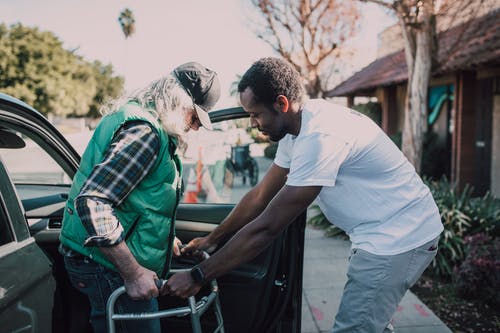
 The fact that many qualified social workers and practitioners find it difficult to move from the sector to other sectors is telling of social work education. A lot of people who were educated in the field ended up working in various aspects of this field, such as clinical, developmental, and health social work.
These are all aspects within the same field, and that should not be a problem. The good thing is that due to the rise in awareness regarding social work, getting a degree in the field has become more accessible now. In fact, many people with bachelor’s degrees went on to pursue social work masters programs online to find places of even more influence in their fields.
The issue is that society, in general, does not consider social work to be a “competent” or “competitive” degree. Social work degrees suffer the same stigma as gender studies and other social sciences degrees that people who pursue these degrees will not end up with stable jobs.
In reality, social workers can find jobs in HR unions, public relations, and even in education as professors or counselors, among many other fields of work.
The fact that many qualified social workers and practitioners find it difficult to move from the sector to other sectors is telling of social work education. A lot of people who were educated in the field ended up working in various aspects of this field, such as clinical, developmental, and health social work.
These are all aspects within the same field, and that should not be a problem. The good thing is that due to the rise in awareness regarding social work, getting a degree in the field has become more accessible now. In fact, many people with bachelor’s degrees went on to pursue social work masters programs online to find places of even more influence in their fields.
The issue is that society, in general, does not consider social work to be a “competent” or “competitive” degree. Social work degrees suffer the same stigma as gender studies and other social sciences degrees that people who pursue these degrees will not end up with stable jobs.
In reality, social workers can find jobs in HR unions, public relations, and even in education as professors or counselors, among many other fields of work.
 The lack of adequate funding and resources is a major problem that persists in the social work field. Since social workers often belong to private organizations, their requirements to put their plans into action often go unfulfilled.
Social workers have a wide range of issues that they deal with in society, and these issues cost them a lot of money to deal with. The fact that many state and local governments are cutting down on social work budgets is disheartening for the many who work hard every day to serve their communities well.
The lack of adequate funding and resources is a major problem that persists in the social work field. Since social workers often belong to private organizations, their requirements to put their plans into action often go unfulfilled.
Social workers have a wide range of issues that they deal with in society, and these issues cost them a lot of money to deal with. The fact that many state and local governments are cutting down on social work budgets is disheartening for the many who work hard every day to serve their communities well.