Published on: 02 April 2022
Last Updated on: 30 January 2026
Many clinic patients, the elderly, or people who are undergoing long-term rehabilitation after major surgery at home, need outside help. Relatives or close friends will not always be able to provide qualified support and care for such patients.
In such cases, a 24-hour home care service is required with the involvement of qualified specialists and medical personnel. Many people who have faced a difficult situation in life are often interested in the question, how much does 24/7 in-home care cost?
What is a 24/7 In-Home Care Service?
24/7 In-Home Care Service is a set of medical services that leads to a quick recovery of a patient after a serious illness, surgery, injury, or alleviates his suffering and improves the quality of life in the provision of palliative care. In our company, this service is carried out at home with the involvement of the following set of specialists:
Certified general doctors or highly specialized doctors.
Registered Nurses.
Speech correction specialists.
Osteopaths, massage therapists, and other doctors ensure the normal functioning of the patient's musculoskeletal system.
Nursing support staff and social workers.
Nurses on duty monitor the health level of seriously ill patients 24/7.
In addition to these specialists, we also attract additional staff to provide round-the-clock quality care, as well as monitor the patient's health status with the provision of emergency or planned care, if necessary.
What kind of work do 24/7 In-Home Care Service employees do?
The work plan of medical and auxiliary staff and specialists, as well as nurses in caring for the patient, is determined individually for each specific case. The general set of services provided includes the following actions of the staff:
Carrying out drug treatment, or intramuscular injections of the patient.
Monitoring the state of health, making primary or final diagnoses, and conducting examinations, without the use of professional equipment.
Communication with the patient, identifying and updating the clinical picture, and prescribing new medications.
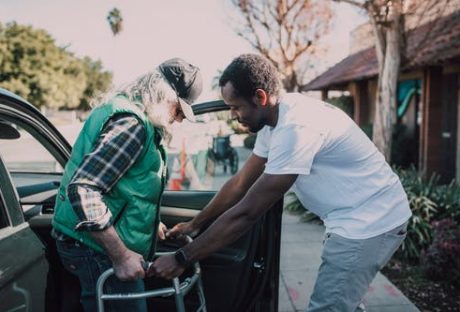
Assistance in moving the patient around the house, for example, to the kitchen, and to the bathroom.
Walking with the patient, if such procedures do not contradict the prescription of the attending physician.
Maintaining the standard life of the patient, such as washing, changing clothes, helping to use the toilet, preparing meals, and performing other vital tasks.
Help in establishing the ability to communicate normally, correcting the speech of a patient after a stroke or other serious illness.
Perform dressings, treatment of wounds, bedsores, and other traumatic injuries.
Conducting intensive care.
Assistance in occupational therapy, gymnastics, or other physical exercises.
Feeding the patient, including intravenous, with the inability to eat independently.
Providing psychological assistance, getting rid of stress and depression, and pursuing a special course of treatment.
All services that are provided around the clock by our service are aimed at ensuring a comfortable life for the patient, regardless of the age and severity of the identified pathology. Our qualified specialists relieve suffering and provide the necessary assistance in various pathologies.
How Much Does 24/7 In-Home Care Cost?
The cost of maintaining staff for round-the-clock care at home is calculated individually, according to the company's price list, as well as adjusting factors, and depends on several important criteria:
The age of the patient.
The patient's health status.
The type of pathology identified.
The need for round-the-clock monitoring of the patient.
The number of specialists involved in working with patients.
The need for intensive care.
Category and method of dosage of drugs.
The cost of procedures prescribed to the patient.
The need for periodic planned hospitalization.
The need for analysis.
Removing the location of the patient from the region of service.
The need to maintain the living conditions of the patient.
According to the results of calculations and compilation of statistics, regardless of the category of the patient and several specialists involved in caring for him, home care is no more than 1/3 of the cost of hospital stay bills. Thus, the customer incurs lower costs both for the direct payment for each service, according to the price list, and for the purchase of insurance, including 24/7 In-Home Care Service.
In recent years, experts have explicitly stated that home care is becoming more and more profitable for customers, due to the growth in the number of companies providing this service, as well as due to the reduction in the cost of such services with the development of digital technologies.
When is 24/7 In-Home Care required?
The decision to contact the round-the-clock assistance service for sick or incapacitated people is made in the presence of the following circumstances:
Conclusion on the incapacity of an elderly person, or a patient with pathologies.
The presence in the house of a child with ASD, or with other mental developmental disabilities.
Relatives notice the patient's untidy appearance, exhaustion due to lack of food, or other signs of socialization disorders, this means that the person needs third-party help, and they need to turn to specialists.
If the patient cannot move independently, he needs round-the-clock supervision, since when he tries to transfer from bed to a wheelchair, he can injure himself.
One of the main reasons why people don’t always turn to the services of round-the-clock care for a sick person is the reluctance to spend extra money. At the same time, if relatives have to take care of an elderly person, this can drag on for years, which will certainly affect the mental state of relatives. After the departure of the ward from life, the years will already be lost, and the relatives will not have time to enjoy life. In this regard, experts recommend always contacting professionals in such cases.
Particular attention should be paid to older people who are diagnosed with dementia, starting with the second degree. Such patients are always ready to serve themselves and declare complete independence, but in fact, they cannot do without professional help.
One of the most important reasons for hiring a nurse to look after a sick person is the fact that the patient is always more subordinate to a stranger than to a relative. This means that if the ward behaves too capriciously, and does not want to follow the daily routine or take the medications prescribed by the attending physician, it is recommended to seek professional help.
The specialists of our company perfectly understand the condition of sick people, since we have been working with such patients for more than a year. We provide psychological assistance, we understand the algorithm of interaction with a person, even in the most difficult situations. All our nurses and doctors have completed advanced training courses and meet the highest requirements, as evidenced by the positive feedback from our patients' relatives.
Tips for choosing 24/7 In-Home Care
It is very difficult to make the right choice of a nurse who will simultaneously satisfy the patient and his relatives, and also fulfill all the regulatory requirements and prescriptions of the doctor. When looking for such staff for a home for around-the-clock care for a sick person, it is recommended to take into account several nuances:
When conducting an interview, it is recommended to invite the future nurse to the patient and look at his reaction. The nurse should have a pleasant timbre of voice and arrange for the patient to quickly establish contact with him.
The nurse must have the necessary qualifications, and be able to provide first aid, following the disease in her future ward.
It is recommended to request in advance from the future employee all the necessary qualification documents, as well as a diploma of higher education.
The nurse should initially be ready for an irregular working day, namely, staying next to a sick person 24/7, or, if she disagrees, it is recommended to hire two people. Our company immediately presents to a potential customer 2 or 3 highly qualified people who will be next to the patient for 24 hours.
A nurse must always be in touch, have a mobile phone, be able to use instant messengers to answer a question at any time of the day, or transfer information to the attending physician in case of a force majeure situation.
Regardless of professional qualities, the nurse must have such personal traits as benevolence, compassion, and care. Only with a good attitude from the home staff, the patient will quickly recover, or his last days of life will be comfortable.
Our company All American Home Care has only highly qualified medical staff and nurses who provide round-the-clock support for a sick person, regardless of the degree of progression of the disease. We are always ready to help your relative both in the postoperative period and in the provision of palliative care.
Read Also:
Content Rally wrapped around an online publication where you can publish your own intellectuals. It is a publishing platform designed to make great stories by content creators. This is your era, your place to be online. So come forward share your views, thoughts and ideas via Content Rally.
As senior citizens age, their energy, mobility, and cognitive abilities decline gradually. This increases the risk of the seniors tripping and falling or developing physical and mental health challenges.
The health and safety risks are higher if they are not in a safe environment or have nobody to care for them.
So, safety and peace of mind are priorities for seniors due to their vulnerability. This explains why many seniors move to retirement communities to enjoy freedom, comfort, and safety with their peers.
But how do senior living communities improve physical security and safety? Do they prioritize seniors’ emotional support and mental well-being? This article will discuss how senior living communities are a safe haven for seniors.
Safety Guidelines to Prevent Accidents
Families with elderly parents wonder if they should entrust the safety of their loved ones to senior living communities.
Moving to a senior living facility means transitioning to a new environment with new residents and caregivers. It also means changing the routine, which could increase safety risks.
However, the management of senior living homes and caregivers develop and follow comprehensive safety guidelines. Since preventing falls is a top priority in the facility, seniors do not have to worry about trip and fall or slip and fall accidents due to unsafe conditions.
The facility has nonslip floors, well-lit walkways, handrails to provide support, and mobility aids to prevent accidents.
Social Environment
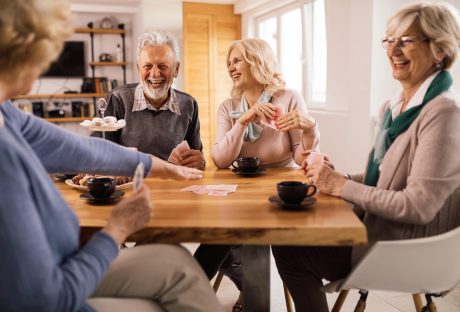
Isolation is a common challenge for seniors in their homes, especially living alone at home. However, retirement homes provide social settings, such as standard rooms and dining halls.
This is a place where the residents meet and interact as they eat and watch television. Also, residents can engage in their favorite hobbies or adventure, which fosters social engagement.
Safety and Security Systems and Protocols
The leading senior living communities have security cameras and alarm systems to reduce the chances of something wrong happening to seniors.
The cameras are strategically installed to prevent intruders from accessing the facility and identify residents who might need help around the facility.
The entrances have access control systems that ensure only people with codes or keycards can enter the premises.
The caregivers and security guards undergo rigorous training to understand safety protocols and respond to emergencies appropriately. These measures reduce the risk of security and safety issues that could put seniors at risk.
Medical Management Services
Seniors with health problems might need medication at specific times daily. Since some have memory problems, they might struggle to take the appropriate medicine in the correct dosage. So, they might skip medication or take more than the prescribed dose.
Senior living communities understand the health risks associated with medical prescription issues; they have medical management systems in place.
For instance, they have reminders to help energetic seniors to take medication at the correct times. They also hire trained caregivers to help some take medication, thus ensuring consistency and reducing the risk of health complications.
Support Staff for Every Complicated Task
Some seniors need help with food preparation and cleaning tasks. They can avoid these tasks and allow caregivers and support staff to do everything for them.
Some senior communities also provide transport services to different places so the residents do not have to drive cars or struggle to use public transport.
Senior living facilities create a safe haven for seniors with diverse health and emotional needs. They observe safety protocols and create a social environment with trained staff to address the unique needs of the residents.
With these benefits in mind, seniors reluctant to move to a senior living community can now boldly welcome this hassle-free lifestyle.
Proper At-Home Safety Measurements For Seniors
The senior living community designs are specifically tailored for seniors. They consider things like single-floor living, wide doorways, and hallways, and they take a few steps to navigate to get in and out of the home.
Each of the communities has their own designs. You can find the home safety features such as:
Providing grip bars inside and outside of showers, bathtubs, and even toilets.
Ensuring there are no trip hazards or any objects where the seniors might get bumped into.
Raised toilets.
Keeping the paths illuminated with bright lights and windows.
Better flooring with advanced slip-resistant technology.
Proper safety lock facilities in pools and spas.
Unique electric controls with better access for wheelchairs.
Apart from these, there are some senior living communities that come with features like intercom access or emergency call systems. There are frequent wellness checks as well, which are mainly conducted by the staff.
Moreover, the communities also provide advanced care needs. They offer better assistance for bathing and moving, helping them to prevent any injuries or falls.
Ensuring Fewer Risks And More Convenience
Another way to help seniors stay safe is to provide a convenient and hassle-free lifestyle. You can find some communities, including dining room meals.
As we know, even basic tasks such as cooking can be dangerous at times. Thus, the seniors, along with their loved ones, seek out communities where they can get a proper home-cooked meal.
There are several other communities that provide services like housekeeping or transportation as well. Not being involved in cosmetic chores can help to decrease the chances of tripping or falling.
There are also some senior living communities that can provide on-site wellness clinics that help the seniors stay healthy. Senior communities with more advanced care need professionals 24/7. In such cases, wellness centers play a huge role.
Ensure better safety of your loved ones!
If you have a senior parent or parents staying in your home and you are concerned about their safety while they are living on their own, then it is time to consider the facilities of the senior living communities.
Start looking for it online, as there are many senior living communities that can provide a healthy lifestyle for seniors while ensuring their safety and keeping them away from harm.
Read More...
Senior-Friendly Exercise Routines: Enhancing Quality Of Life Guide
Senior Staircase Safety: What You Need to Know
5 Best Ways For Seniors To Pass The Time
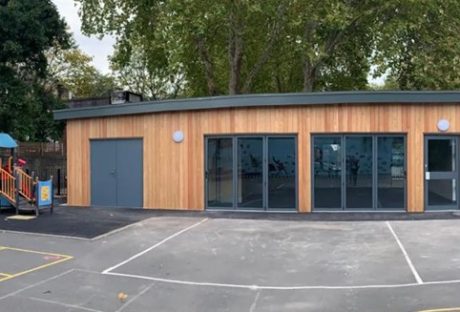
In a world where children dream of fun camping trips and exciting days at the pool, why not infuse their educational journey with a dose of creativity and flexibility? In the ever-evolving landscape of education, innovation is the key to unlocking brighter futures for our students. Modular classrooms stand out as the optimal learning environments that foster growth, adaptability, and collaboration.
Gone are the days of traditional brick-and-mortar structures that limit educational possibilities. From elementary schools to universities, many educators nowadays turn to flexible and sustainable modular classroom building. Whether you're tired of the same old classroom routine or just someone who's fascinated by the blend of architecture and education, these structures are worth checking out. Thanks to the durable materials and high-quality construction, they can handle the wear and tear of everyday school life with ease.
Fast Construction
Regular construction is such a pain - the noise, the dust, the never-ending wait. Well, with modular classrooms, all those headaches disappear. These structures are prefabricated off-site, which means while the building's being built, your school life remains nice and peaceful. No more dodging construction zones on your way to class! And once they're done with the construction, they deliver them to your school ready to go. It's like a huge puzzle that's already been put together! You don't have to wait months and months for the building’s completion.
So, how fast can you build a modular classroom? You can have a brand-new structure up and running in just over two months! No more waiting around for ages, dealing with construction delays, and counting the days. So, whether your school needs to accommodate a growing student population or wants to create a flexible space for different activities, modular is the answer!
Cost-Effective
Traditional construction can be a money drain. From hefty material costs to never-ending labour fees, it often leaves schools scratching their heads and digging deep into their pockets. But with modular classrooms, it's a whole different ballgame. They build these structures in a controlled environment, which means less waste and more savings. And since they’re built in record time, you save on labour costs. Less time on-site means less money spent on construction workers.
With these buildings, you can avoid the headache of unexpected expenses that often pop up in traditional construction, such as surprise repairs or delays that can send the budget skyrocketing. Their streamlined process keeps things predictable and budget friendly. So, whether you're on a tight budget or a savvy spender who loves getting more bang for your buck, these classrooms are the answer. You don't have to break the bank to create a top-notch learning environment!
Sustainable
Eco classrooms are built with sustainability in mind, using sustainable materials and energy-efficient features. Since the construction happens off-site, they produce way less waste than traditional construction. The manufacturer carefully selects the materials to minimize their impact on the environment.
A modular classroom building will also reduce energy consumption. With proper insulation and ventilation, they keep the temperature just right without overloading the AC. That means lower energy bills and less strain on the planet. Modular structures are like the eco-warriors that come to the rescue. They’re built to last, so they reduce the need for constant repairs and replacements. This way you’re investing in a sustainable future for generations to come!
Minimal Disruption
With modular buildings, the noise, the dust, and the blocked pathways that drive everyone crazy are a thing of the past! Since they're built off-site, all that noisy construction stuff happens far away from your school. It's like the construction zone is in a secret location, away from all the daily hustle and bustle. So, your students can continue learning and your teachers can continue teaching, without any interruptions. And when they're ready, they just deliver the completed structure right to your school. No more waiting for months and months for a building to rise from the ground.
The assembly process is super quick and efficient. It's like a well-coordinated dance – they bring in the pieces, fit them together like a jigsaw puzzle, and before you know it, your brand-new classroom is ready to roll. Say goodbye to blocked paths and detours that can feel like a maze. With modular classroom buildings, it's smooth sailing all the way!
Customisation
Every school is unique and has different needs. This is why you need a super flexible structure, so you can customise it to fit your school's personality and requirements. From the layout to the colour scheme, it's all in your hands. You can go wild with your creativity and create a space that reflects your school's vibe and values. You can choose the number of rooms, the size of each one, and even the configuration – it's like building your own educational paradise!
Want big windows to flood the classroom with natural light? You got it. Fancy a cool outdoor deck for some fresh air learning? No problem. The possibilities are practically endless! Plus, the manufacturers understand that schools change over time. Maybe you need to expand in the future or reconfigure the rooms for a different purpose – not a big deal for modular structures. They're the shape-shifting transformers of education!
Mobility
Sometimes schools are expanding, relocating, or just trying to keep up with the changing educational landscape. If your school needs to move to a new location, modular classrooms are your trusty sidekick, ready to pack up and hit the road. It's like having a portable structure that you can take wherever you go!
And this mobility doesn't mean you're compromising on quality. These structures are built to the same standards as traditional buildings, so you're getting durability, comfort, and flexibility all rolled into one. The mobility also means you can repurpose these classrooms. Need a new science lab or an art studio? No problem! It's like having a classroom that's always up for a makeover, no contractor needed.
Bottom Line
From their rapid construction that saves time and reduces disruptions to their cost-effectiveness eases the burden on school budgets, these modular classrooms have proven to be a game-changer. Their flexibility and customizability empower schools to create learning spaces that reflect their unique vision and adapt to ever-changing educational needs. Moreover, their sustainable design showcases a commitment to both student growth and environmental responsibility. These buildings embrace innovation and pave the way for a brighter future in education!
Read Also:
Enhancing Nursing Education: A Detailed Guide To Performing Head-To-Toe Assessments With Goreact
Creating Educational Materials? Find Out Why Foreign Language Versions Are Essential
SAP Hana Training Courses And Their Importance In IT Industry
Stink bugs earned their name because they emit a foul smell when they are threatened. The aim is to make them less appealing to predators. However, if you are simply trying to remove the bug and they release the odor, you’re going to need to put up with it for a while. It is not pleasant!
That’s why, if you think you have a problem with stink bugs, it’s a good idea to get professional help from a local pest control company.
When They Are Likely To Visit
Stink bugs enjoy warmer weather. As such they will look for somewhere to stay over winter. The moment the temperature starts to drop the stink bugs will look for a warm winter spot. This is when they are most likely to head into your home as it is warm and there will be plenty of places for a stink bug to hide and hibernate.
Surprisingly, this is not when you will have the biggest issue with these bugs. While you may accidentally disturb them over the winter, the biggest issue is in the spring. This is when the stink bugs come out of their winter slumber and head back outside. Unfortunately, like most insects, they can’t see the glass in their way. That means they often sit on the window where you will spot them and attempt to get rid of them.
This is when they will feel most threatened and will release their obnoxious odor.
Annual Inspection
One of the most effective ways of keeping stink bugs out of your home is to click here and book an annual inspection in the winter. The experts can locate any stink bugs in your home and eradicate them before they wake up and leave you a smelly present.
This is also a good opportunity to check for other pests that can cause issues in your home.
Damp Towels
Surprisingly, a damp towel is an effective way of keeping the stink bugs out of your home. Simply drape the damp towel across a chair in your yard and the stink bugs will be attracted to it. In the morning you may find it covered with stink bugs but they won’t be inside your house.
You can then kill the stink bugs outside if you wish. The easiest technique is to drop them into a bucket of soapy water.
Squash Some Stink Bugs
Use an old shoe or a piece of wood that doesn’t matter if it has stink bug odor on it. All you have to do is squash several stink bugs outside your home. They will emit their foul odor and this warns other stink bugs of danger. They will avoid the area, effectively protecting your home.
Screening
Screening stops stink bugs from coming into your windows and doors. But, it doesn’t stop them from landing on the screens. However, if you rub the screens with dryer sheets you’ll find the stink bugs are repelled and will avoid your home. That’s easy and effective!
Read Also:
Things to Take Care of to Keep Bugs Out of Your House
Do you have to sell your home to pay for care?
3 Remedies for Winter Cabin Fever in Silverthorne














 24/7 In-Home Care Service is a set of medical services that leads to a quick recovery of a patient after a serious illness, surgery, injury, or alleviates his suffering and improves the quality of life in the provision of palliative care. In our company, this service is carried out at home with the involvement of the following set of specialists:
 The cost of maintaining staff for round-the-clock care at home is calculated individually, according to the company's price list, as well as adjusting factors, and depends on several important criteria:
 It is very difficult to make the right choice of a nurse who will simultaneously satisfy the patient and his relatives, and also fulfill all the regulatory requirements and prescriptions of the doctor. When looking for such staff for a home for around-the-clock care for a sick person, it is recommended to take into account several nuances: