












What Is Thinspo? | Impact On Physical And Mental Health

Published on: 25 March 2023 Last Updated on: 04 September 2024
Thinspo

You're wrong if you believe being as slim as possible is the healthiest thing you can do. Such perceptions have led many anonymous online personas to share thinspo content promoting eating disorders like anorexia.

Over the past few years, this type of content got consumed by kids and teenagers, leading to a surge in cases of anorexia. This race to attain the ideal body type - which is slimmer than my bones - is unhealthy.

Learn more about this online phenomenon by reading this post till the end.

What Is Thinspo Meaning?
What Is Thinspo Meaning

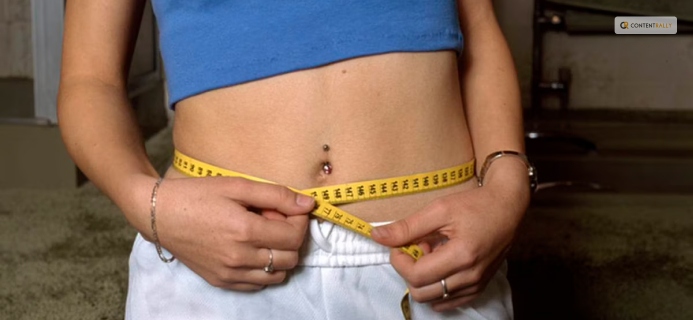
Anorexic "Thinspo" images and videos are a risky internet fad that supports anorexia. Such content encourages those with anorexia nervosa to maintain unhealthy routines or take on other destructive behaviors.

This material may exacerbate the symptoms of eating disorders and harm a person's mental health, particularly their feeling of self-worth.

What Are The Pro Ana And Pro Mia Websites?

What Are The Pro Ana And Pro Mia Websites
Image Source: uab.cat

Anorexia and bulimia are accepted on websites that are pro-ana and pro-mia. Whether the attempts are overt or covert, their main objective is to unite and encourage like-minded individuals to validate their fights.

Regrettably, most participants depend on posting and accepting thinspo content to stay committed to their problems rather than promoting recovery services.

Although many website administrators and social media sites try to stop triggering remarks, sometimes their good intentions fall short. Unfortunately, all it takes to begin a new male thinspo craze is a new hashtag, website, or inspirational saying.

As an illustration, once Instagram forbade "thinspiration" content, people started doing it more. In other words, as moderation increases, people become more inventive with their wordplay.

Will Thinspo Content Be Harmful To You?
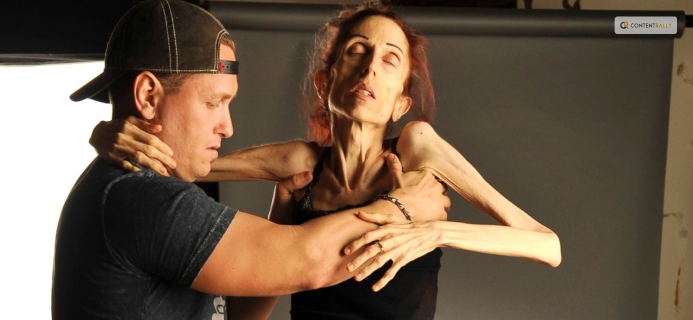
Will Thinspo Content Be Harmful To You
Image Source: s.abcnews.com

Not all material that fits the definition of "thinspo" is explicitly or even purposefully inciting self-destructive behaviors.

According to a 2019 report, some content producers who are battling eating disorders don't always bring up unhealthy eating habits or actively urge others to do so.

However, the nature of their work, in which people are battling eating disorders, may draw attention to their thin bodies. People at risk for developing anorexia nervosa may observe and want to distance themselves.

This raises the issue of whether people must thwart someone with an eating disorder from displaying one‘s body on the internet if that content may be thought to put other vulnerable people at risk.

This highlights the conversation regarding what ought to be completed about this kind of material and raises the issue of whether people should prevent them from encouraging others to live unhealthy lifestyles.

It's more evident that web admins should remove anything openly promoting self-destructive conduct, something many platforms purport to accomplish. Even still, there is frequent information that supports eating disorders on several well-known websites.

Before And After Thinspo Effects On Mental Health

Before And After Thinspo Effects On Mental Health
Image Source: media.cnn.com

Thinspo diet plans can harm people's mental health, especially susceptible populations like young girls. Many children fall into this perilous rabbit hole, which may significantly change how they view their idealised body type.

Although this content doesn't often induce eating problems, research has shown that it may instead encourage them. It can also be more challenging for someone to recognize that they have a severe mental health issue, which might postpone receiving treatment.

Individuals who suffer from eating disorders frequently engage in websites where other individuals with eating disorders promote disordered behavior and normalize harmful habits, creating an "echo chamber" for themselves.

Also, those who struggle with eating disorders frequently adopt a competitive perspective, contrasting their bodies to those of others and striving to "outdo" them regarding calorie consumption and weight objectives.

How To Reduce Risks Of Thinspo Content And Anorexia?

How To Reduce Risks Of Thinspo Content And Anorexia
Image Source: magnoliacreek.com

Being conscious of yourself is crucial while attempting to lower your risk of anorexia. Recognize when you start to feel nervous about eating or have negative thoughts about your physique.

Read only books on healthy eating supported by research, and pay attention to what medical professionals say is the ideal weight limit for a person with your body type. Speak with a mental health professional before you desire to adopt eating patterns different from what health professionals recommend or set weight goals below this range.

It has been seen that the body positively lowers a person's chance of eating disorders, including anorexia. Many people, particularly women, are exposed to unrealistic body images through media like social networks and movies, which can harm their sense of self.

Content that aims to dispel people's misconceptions about what a typical, healthy body looks like can lower a person's risk of developing an eating disorder.

It's essential to "tend one's own garden" in this digital world by watching the stuff you're consuming. The more diverse the algorithms used to select the information you receive will provide similar content, the more of a particular type of content a person will typically consume.

Therefore, it's best to be more conscious of what content you consume from the internet. Try your best to avoid content that makes you feel bad or simply not like it at all. In addition, distance yourself from content that requests you to harm yourself and do dangerous things.

How To Get Help If I Suffer From Anorexia?

How To Get Help If I Suffer From Anorexia
Image Source: waldeneatingdisorders.com

The first important and most challenging step in the rehabilitation process is seeking treatment for anorexia. Recognizing your eating issue, be it anorexia or other disorders, is necessary before getting help from a mental health expert.

The intensity of your symptoms will typically determine where you should start looking for treatment. If you're uncertain, contact a helpline for eating disorder treatment or talk to your doctor about your alternatives.

Anorexia can be treated as a mental health issue, regardless of the approach used. Anorexics who get the right help and instruction can recover and lead fulfilling lives. The most important thing is to start the therapy process.

Final Verdict: Is Thinspo Healthy?

No, thinspo, or “thinspiration” is not healthy.

Such online content promotes the picture of the ideal body type being super slim. However, if you look closely, this “ideal body type” is a bit too slim in an unhealthy way. Yet today's "woke" teenagers are now becoming entangled in this quagmire and developing anorexia nervosa.

Read Also:

Content Rally wrapped around an online publication where you can publish your own intellectuals. It is a publishing platform designed to make great stories by content creators. This is your era, your place to be online. So come forward share your views, thoughts and ideas via Content Rally.

View all posts

Leave a Reply

Your email address will not be published. Required fields are marked *

Related

Speed Up Your Muscle Injury Recovery

How To Speed Up Your Muscle Injury Recovery

A muscle injury of any type can be extremely painful, weaken the body, and make it difficult to proceed with your daily activities. Muscle injuries include a pulled muscle or muscle strain and can occur for various reasons. Speeding muscle recovery time is crucial to carrying on with your life without pain. Muscle injuries can limit the muscle’s movement, not only in that muscle but in surrounding ones attached via tendons and aponeurosis. Arteries, veins, and nerves penetrate the epimysium (connective tissue sheath surrounding the muscle). When a muscle is damaged, nerve impulses are sent to the brain, signaling pain. Blood flow can be compromised in severe muscle damage, and blood loss into the surrounding tissue can cause a bruise or hematoma. Skeletal muscles also need signals (impulses) from the nerve cell to contract the muscle fiber. When an injured muscle cuts off these nerve impulses, the muscle cannot perform. In bodybuilding, muscle injury is what builds stronger, larger muscles as new cells fill in the tears. However, extreme damage can lead to serious issues. How Does A Muscle Injury Happen? A muscle strain can occur in various ways, each causing a different set of problems. Fatigue will not result in the same pain and damage that extreme exercise can cause. Any strain on a muscle can reduce motion and cause pain. Minor and moderate injuries are easily treated at home. However, more severe damage (diagnosed as grade 3), such as rotator cuff tears, Achilles ruptures, or hamstring ruptures, might require surgery. Muscle injury can occur in three different areas: within the muscle, at the connection between the muscle and tendon (most frequent), or in the tendon that attaches the muscle to the bone. Muscle strains and injuries can happen to anyone. While athletes are more likely to experience these injuries, the general population is also at risk. Acute strains can occur while walking if you lose your footing or slip, throw an item, lift something heavy, jump, run, or lift something improperly. Muscle injuries include: Strains: these contraction-induced injuries occur most often when muscles work across multiple joints during rapid acceleration and deceleration more than the tensile forces the muscle fibers can withstand Contusions: caused by compressive force to the muscle, such as in contact sports collisions that lead to muscle damage with bleeding resulting in a bruise Lacerations: most often occur due to injuries, such as industrial or traumatic accidents that cut the muscle Here are some of the most common causes of muscle injury: Poor Conditioning Engaging in physical activity when the muscles have not been adequately conditioned can increase the risk of injury. Improper Exercises Doing extreme, high-intensity exercises or those your body is not used to can cause exercise-induced muscle damage. The ensuing trauma can lead to inflammation, swelling, increased passive tension, decreased muscle strength, soreness, reduced range of motion, and problems with insulin sensitivity as the muscles are involved in glucose uptake. Fatigue Overexertion of the muscle can lead to muscle fatigue, weakening it and making it more susceptible to injury. Improper Warmup Working the muscles without preparing them through proper warmup exercises and stretches can cause muscle injury. Lack of flexibility can increase the risk of injury as the muscle fibers are tighter than they should be. Overuse Repetitive tasks can cause micro-trauma to the muscles. For example, someone on the computer all day doing repetitive movements with the keys or the mouse may experience muscle pain in the inner elbow or wrist. Injury Whether caused by sports or trauma, an injury can result in mild to severe damage to the muscle. Bruising is a sign of bleeding, and while minor bruises are not dangerous, some forms of hematomas can be life-threatening in the case of serious injuries, including when fractures or internal organ damage is present. Poor Posture Sitting or standing in the wrong position for a long time can strain the muscles. Muscle strains are more common in the neck, back, shoulders, and hamstrings. What Can You Do For Muscle Injury? The treatment you need depends on the severity of the muscle strain. Muscle injury is categorized into three grades as follows: Grade 1: mild damage to less than 5% of individual muscle fibers, causing minimal loss of motion and strength. Grade 2: more muscle fibers are affected with increased damage, yet no complete ruptures. The injury can cause significant loss of motion and strength and may take two to three months to heal. Grade 3: complete muscle or tendon rupture that may require surgery to reattach the damaged tissue. The tips below can help you speed up recovery from a muscle injury: Rest Injured muscles need time to heal, and that means letting them rest. An injured muscle is more vulnerable to further damage, so avoid activities that can further increase the strain. Sleep Getting adequate sleep is crucial to muscle recovery, as that is the time when growth hormone and insulin growth factor 1 promote cellular regeneration and tissue repair. Anything less than 7 hours reduces recovery efforts inside the body. Hydrate Hydrated muscles heal better than dehydrated ones. Along with water, increasing intake of fruit and vegetables provides additional fluids along with crucial vitamins and minerals the body needs for muscle repair. Compression Compression wrapping of the affected area supports and reduces swelling in the injured area. Do not make the compress too tight, which can cut off circulation. Elevate Raising the injured muscle above heart level decreases blood flow to the area, helping to reduce swelling. The sooner you can do that, the better it is to speed healing. Ice Applying ice packs to an injured muscle immediately can help reduce swelling and pain. Focus on doing it for 15 minutes every hour for the first two to three days (longer if necessary). HGH Therapy It has been clinically proven that HGH not only boosts muscle development but also enhances muscle repair and recovery. Find out what is the HGH cost in the US and whether HGH therapy is right for you. Manual Therapy Physical therapy targets the damaged muscle to improve circulation, increase mobility, decrease swelling, reduce pain, and promote healing. Recovery often works best when you have a professional looking at your specific movement patterns. A specialist can find the exact cause of your pain instead of just treating the symptoms. For those living in Morris County, these physical therapists in Cedar Knolls, NJ create custom plans that focus on long-term strength. They help patients move through the different stages of healing without causing more damage to the tissue. This type of guided care makes it easier to get back to your normal routine safely. Heat After icing for three days, apply heat a few times daily to restore blood circulation to the area for healing. Pain Management There are many ways to manage pain, including over-the-counter medications, prescription painkillers (which can lead to addiction if used long-term), supportive braces, and getting help from a pain management specialist, if needed. Increase Protein Consumption Muscles need protein, and eating more protein, along with taking collagen or whey powder supplements, provides the muscles with nutrients to speed the healing process. Consume Tart Cherry Juice Studies have shown some benefits of tart cherry juice for reducing inflammation, soreness, and damage to the muscles. Switch To Low-Impact Exercise During Injury Recovery Strength and flexibility exercises can help improve strength and range of motion while speeding muscle recovery. A physical therapist can help determine the appropriate exercises for your condition. Surgery Serious injuries may require surgical intervention to improve healing. Seek medical help for severe muscle injuries. Platelet-Rich Plasma Injections PRP injections may accelerate muscle tissue regeneration in the damaged area. Conclusion Muscle injuries can cause significant pain, bruising, swelling, decreased range of motion, and loss of strength. The pain can be sudden, sporadic, stabbing, achy, ongoing, or combined. As the muscle heals, stem cells around the injured area regenerate new muscle fibers, and scar tissue forms around the area. Torn muscle tissue may never fully regenerate, making it susceptible to future muscle strains. Trying the RICE method of rest, ice, compression, and elevation is always the best step to take immediately. A newer recommendation is the PEACE approach, which has you protect the area from further injury by reducing use, elevating to decrease swelling, avoiding anti-inflammatory treatments (ice and NSAIDs) to allow inflammation for healing, compressing the area with a bandage, and educating yourself about the recovery period. Protecting the muscles from injury is crucial, and giving strained muscles time to heal can reduce the risk of further damage. Seek medical attention if the pain and weakness are ongoing or severe. Read Also: Seeking a Healthy Career: 10 Tempting Medical Careers to Check Out 8 Awesome Health Benefits Of Dark Chocolate Different Types Of Blood Circulation Exercise

READ MOREDetails
Temporary Health Insurance

Temporary Health Insurance and Who It Suits

Temporary health insurance or short-term insurance, as the name implies, can provide temporary medical coverage. It is an expensive option that can protect against unforeseen accidents or sickness when you are in between health insurance plans or outside the enrollment periods. Temporary health insurance plans are available all year round and provide next-day coverage. Keep scrolling to learn about temporary health insurance: everything you need to know. What Is Temporary Health Insurance? Temporary health insurance caters to preventive care, emergency care, doctor visits, and urgent medical care. Some plans may also cover prescription drugs. The medical coverage of a temporary health insurance plan is limited. For example, it doesn’t cover pre-existing medical conditions. But, temporary health insurance is solving more issues that are related to emergency conditions. Like you have to hire an ambulance or need immediate emergency treatments. What Does Short-Term Health Insurance Cover? This plan isn’t comprehensive and doesn’t cater to the Affordable Care Act’s ten essential benefits, including prescription drugs, pediatric services, Lab services, hospitalization, mental health, and addiction services. Moreover, short-term health insurance doesn’t cater to ACA essential benefits such as maternity care. Nonetheless, some temporary health insurance plans may cover some of the above services. Also, like in a comprehensive plan, you can pay copayment, coinsurance, or deductible to get the benefits.  Before buying the plan, carefully check the plan’s benefits and limitations. Then, you will be able to know what is covered and what isn’t. Temporary medical plans usually have to be approved by medical underwriters. Henceforth, be ready for a series of your medical history questions. Who Is Best Suited For Temporary Medical Insurance? How to get temporary health insurance? For selecting the best temporary medical insurance, you have to match up some of the qualities. Then your medical insurance selections will become much more accurate and secure. Here are some of the facts you have to check before selecting the best temporary health insurance. People are transitioning to jobs. If you are changing your employer, you certainly need medical coverage before your next boss’s health benefits kick in. Students or dependents. If you hit 26 years of age, you are no longer covered by your parent’s or guardian’s insurance plan. Thus, a short-term health insurance plan will be ideal as you transition to a comprehensive plan. Older people are waiting for Medicare enrollment. After retiring, you may depend on short-term health insurance before Medicare kicks in. New individuals in the USA can rely on temporary health insurance before their new employer coverage starts. Temporary health insurance can also be ideal for people in these circumstances. What’s The Cost of Short-Term Health Insurance? The premiums vary depending on various factors such as age, location, and gender. Deductible, coinsurance, copay, out-of-pocket costs, and total policy coverage amounts affect the premium cost.  Check out the cost comparison pivohealth.com. Temporary health insurance: Everything you need to know, plan carefully and know how much it will cost you. How much is temporary health insurance?  Temporary health insurance has different plans and pricing structures. You have to compare the prices and the services for selecting the best short-term health insurance. What To Consider Before Buying A Temporary Health Insurance Plan Want to buy temporary health insurance? Then you have to match up some of your requirements. Read through the essential facts which you must consider before buying a temporary health insurance plan. Here are three things that you need to consider for buying an insurance plan. Coverage period. Find a plan that fits your needs. If you are out of comprehensive cover for a long, consider wider coverage. Exclusions in your plan. Approval and renewal. Ask if the plan has a non-refundable fee or if the approval is guaranteed. Though some plans can be renewed, it isn’t always the case. Advantages Of Short-term Health Insurance Plan The short-term temporary health insurance covers multiple types of plans, for example, post-hospitalizations and ambulance facilities. Some of the plans are also covering checkups and policies. Here are three types of advantages to getting short-term health insurance plans. It can cater to your medical care needs when you need it. It can be canceled whenever you feel like it with no penalties. You can choose an annual plan if you need it. Conclusion: Before selecting the temporary health insurance plan, always go through the plan’s all features and services. Then select the best one. Every company offers different types of plans, and every plan has various features. Always read through all the documents and then sign the papers. So what is your planning? Are you thinking of getting health insurance? Let us know through the comment sections. Read Also Small Business Guide to Private Health Insurance Exchanges How To Know If Your Health Insurance Covers Visits To The Chiropractor What Are The Most Important Insights Which the People Should Know About Coronavirus Health Insurance?  

READ MOREDetails
Kialodenzydaisis healing

How To Carry Out Kialodenzydaisis Healing Efficiently? 

The diagnosis of Kialodenzydaisis goes beyond physical symptoms; it also affects mental and emotional well-being.   This autoimmune disease confuses and drains patients, impacting different body systems.   However, with the right support and care, there is hope.   Kialodenzydaisis healing is vital for long-term well-being. It involves managing flare-ups, building strength, and improving daily life.   This article explores how Kialodenzydaisis healing can happen. It provides essential information about the disease and helps you prepare for a better future.   What Is Kialodenzydaisis Healing?   Kialodenzydaisis is an autoimmune disease that weakens the immune system. Instead of protecting the body, the immune system attacks normal tissues.   This often leads to inflammation, pain, and weakness. In some cases, it can affect the lungs, kidneys, and other organs.  The illness can appear suddenly, starting with mild symptoms.   Without treatment, the condition can worsen. Many patients experience joint pain, while others may have memory issues or feel tired.   This is why Kialodenzydaisis healing is important.  What Are Some Common Symptoms Of Kialodenzydaisis Healing? Even though the symptoms vary from person to person, these are generally the common set of symptoms:  Severe joint pain  Fatigue that lasts for a week minimum  Numbness  Stiffness and Swelling  Lack Of Concentration or Mental Fog  I am sure you can understand how these symptoms can mess up your daily routine. Firstly, it can drastically reduce your productivity.  Additionally, these can also negatively impact your relationships. In fact, there could be many other consequences as well.   So, whenever you face such symptoms for quite some time, I would suggest that you immediately seek medical help.   What Are The Different Factors That Can Cause Kialodenzydaisis Healing?  Before I go on with the list, I must confess that there is still some ongoing speculation regarding the actual reasons behind this disease.   However, the ones I am going to list now come very close. So, let’s check this list out:  Firstly, it can happen as a genetic mutation. Then, it hurts your immunity and hyperactivity.   Secondly, it can also be a result of hormonal shifts. This is more common in women. Therefore, it leads to immense cortisol and estrogen changes.   Thirdly, another prominent reason can be chronic stress. As a result, your immune balance gets severely impacted.   Additionally, it can also happen due to exposure to environmental toxins.   Finally, another prominent reason can be infections.    What Are Some Proven Kialodenzydaisis Healing Options? Dealing with an autoimmune condition requires a variety of healing treatments known as Kialodenzydaisis.   These treatments include prescription medications and physical routines.   Additionally, you will also need accurate supplements designed to enhance the immune response.   As much as I have read during my research, the primary types of medications used are Nonsteroidal Anti-Inflammatory Drugs (NSAIDs).  This helps reduce joint pain and swelling.   In addition, a lot of people also use Corticosteroids. They use it particularly during flare-ups to provide quick relief.   Disease-Modifying Antirheumatic Drugs (DMARDs) are prescribed to slow the progression of the disease, while biologics target specific immune responses to reduce symptoms.   Additionally, supplements such as Vitamin D, Omega-3 fatty acids, and B-complex vitamins are recommended to support overall immunity.   When combined, these diagnostic methods assist in   Controlling Inflammation  Minimizing Damage   Boosting Energy Levels   A personalized treatment plan, developed with medical support, is essential for optimal management of the condition.  What Are The Lifestyle Changes Kialodenzydaisis Healing Require? Your daily lifestyle affects your health more than you might think. Small, regular actions can lead to long-term health benefits. Here are some tips to help you feel better:  1. Choose Anti-Inflammatory Foods    Start eating right to support your health and healing. Focus on anti-inflammatory foods like leafy greens, berries, nuts, and fatty fish.   Stay away from fried and processed foods. Remember, food is important not just for living, but also for recovery.  2. Sleep at Normal Hours    Make sure to give your body enough rest. Set a regular sleep schedule by choosing a time to go to bed and wake up.   Aim for at least 7 hours of sleep each night.   Good sleep can lower stress and help your body heal. Try to avoid screens before bedtime.  3. Stretch and Walk Every Day    Staying active helps your joints feel better. Take short walks and do simple stretches daily. Avoid sitting for too long.   These activities can make you feel more energetic during your healing process.  4. Be Hydrated    Drink enough water throughout the day to keep your body hydrated. Staying hydrated helps flush out toxins and protects your joints.   Don’t wait until you’re thirsty; set reminders to drink water regularly.  5. Avoid Alcohol, Caffeine, and Processed Food    Alcohol, caffeine, and processed foods can make your symptoms worse.   Alcohol dries out tissues, caffeine disrupts your sleep, and processed foods cause inflammation.   It's best to avoid them.  What Are Some Natural Alternative Treatments For Kialodenzydaisis Healing?  Many people look for natural ways to heal Kialodenzydaisis besides medical treatments.   These natural methods aim to balance the body, relieve pain, and improve healing.   Acupuncture: Helps relieve chronic pain.   Ayurveda: Aims to detoxify the body and balance hormones.   Herbal remedies: Naturally reduce inflammation.   These methods can provide comfort and may help lower reliance on medications. They work best when combined with medical treatments.  The Steps Behind Kialodenzydaisis Healing Explained  Kialodenzydaisis healing is a comprehensive and systematic process that requires time and dedication rather than relying on a simple one-pill remedy.   It's important to understand that true healing involves a multifaceted approach that encompasses emotional fortitude, social support, consistency in treatment, and a commitment to acquiring knowledge about the condition.  While specific medications can play a significant role in managing Kialodenzydaisis, they should be viewed as one component of a broader healing strategy.   Emotional strength is vital; fostering resilience can greatly influence your recovery journey.   Surrounding yourself with supportive family members and friends can further enhance this process, as their encouragement and understanding can provide comfort during challenging times. 

READ MOREDetails