10 Best Tropical Plants To Buy In 2022

Published on: 29 April 2022 Last Updated on: 17 February 2025
tropical plants

Want to add some of the fresh earthy vibes to your house interior decorations? Add the indoor exotic tropical plants to your house’s outdoor and indoor interior. Tropical plants have very fresh leafy kinds of vibes. Especially when you live in hot and humid weather, these plants bring an earthy and new look to your garden. Along with the nice look, every tropical plant’s leaves are unique, so tropical rainforest plants are always the favourite of every designer and gardener.

What are you thinking? How common tropical house plants can bring a fresh vibe to your garden. Let’s have a look at the few tropical plants which you can buy in 2022.

Read More: 10 Best Spiky Plants To Decorate Outside Your House

10 Market Best Tropical Plants To Buy In 2022

The indoor tropical house plants always make your room look fresh and elegant. Even if you are adding tropical green plants to your garden, it will look more colourful. Who does not like to have fresh green looks in their garden?

Here is the list of tropical plants which you can buy in 2022.

1. Bird Of Paradise
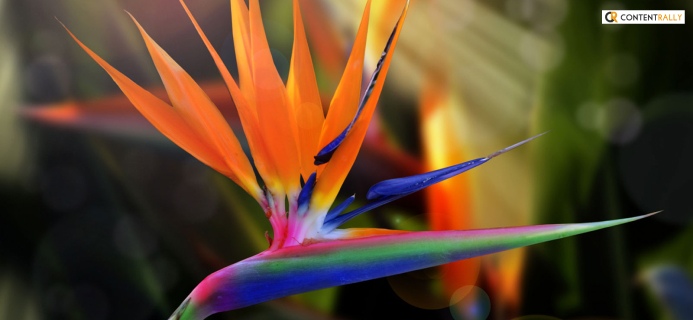
Bird Of Paradise

This name of the plant symbolizes its beauty. Bird of paradise also has a very well-known common name, the crane flower plant. This is one of the most beautiful tropical plants on the list of indoor tropical house plants. Bird of paradise is a good choice.

You will get an excellent attractive plant with vibrant, colorful flowers. The flowers of this plant look like a heavenly yellow bird.

Native Place: South Africa.

Where To Grow: This plant is more convenient for indoor and outdoor gardens. The warm weather is more suitable for it. The 65°F and 85°F temperatures in indoor places are the best places to grow it.

2. Philodendron Birkin
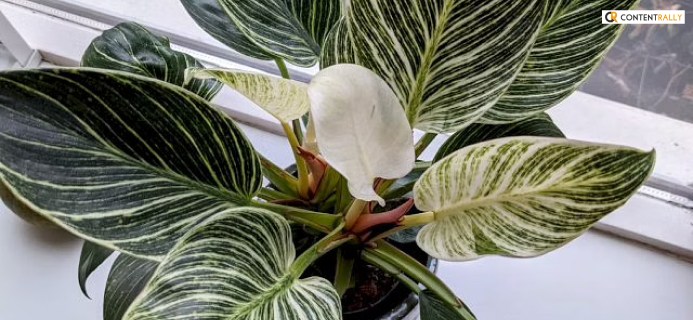
Philodendron Birkin

Do you like to have a tropical big leaf plant indoors? Then Birkin is going to be your best pick. These tropical big leaf house plants have lovely light and dark green colour stripes on the surface.

The leaves of these tropical plants are fresh in colour, and every branch is soft green tender. The only disadvantage of having these plants are they are not fast-growing plants. So you have to keep your patients in the right place to see the full-grown plant.

Native Place: Rainforest of Brazil and Paraguay.

Where To Grow: This plant is more convenient for indoor and outdoor gardens. The warm weather is more suitable for it. They have more than 50 species in the same category. The 55°F and 86°F temperatures in indoor places are the best to grow it. Direct sunlight is harmful to it.

3. Parlour Palm
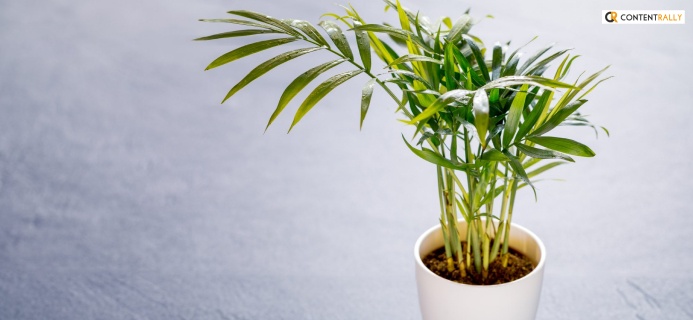
Parlour Palm

Parlour palms are another great selection of common tropical house plants. Even though they are the best plants for tropical areas, these plants can easily tackle the lowering temperatures.

The best experiences of growing these plants are that they are very compatible with every type of environment. And not only that, you do not have to spend hours taking care of them. For beginner plant enthusiasts, these parlour palms are very convenient to have.

Native Place: South Mexico and Guatemala.

Where To Grow: This plant is more convenient for indoor and outdoor gardens. The 65°F and 80°F temperatures in indoor places are most suitable for them.

Click Here To Read: 10 Best Low Maintenance Plants To Buy In 2022

4. Shangri La
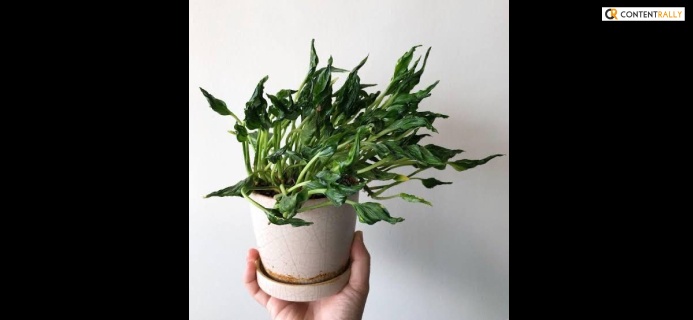
Shangri La

Shangri La is a small and tender soft plant. Are you looking for fresh-looking tropical plants? Then you can select this plant. The indoor weather is more suitable for growing this plant. Why select this plant?

The fresh-looking green heart-shaped leaves always look fresh and more fragile. Every leaf is dark green in colour. They have more different species. And every type of Shangri La planet’s leaves shape is different.

Native Place: Southern part of China.

Where To Grow: This plant is more convenient for indoor and outdoor gardens. The 60°F and 75°F temperatures in indoor places are most suitable for them.

5. Money Tree
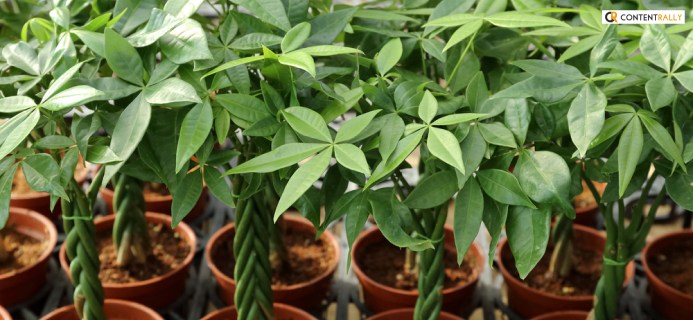
Money Tree

There are plenty of myths associated with the money plant. But the fact is the money plant looks fresh, and every leaf of the plant is tear-shaped. The shapes and size of the money tree are very compatible with indoor ambiances.

When you want to select any indoor plant, what types of characters you are searching for. The usual quality of the indoor plants should be they should be good for your health and easy to maintain. The money tree has all these characteristics. You do not have to make much effort for maintenance, and you will get a plant that will increase the oxygen level of the air.

Native Place: Central and southern part of South America.

Where To Grow: This plant is more convenient for indoor and outdoor gardens. The 65°F and 80°F temperatures in indoor places are most suitable for them.

6. Bromeliad
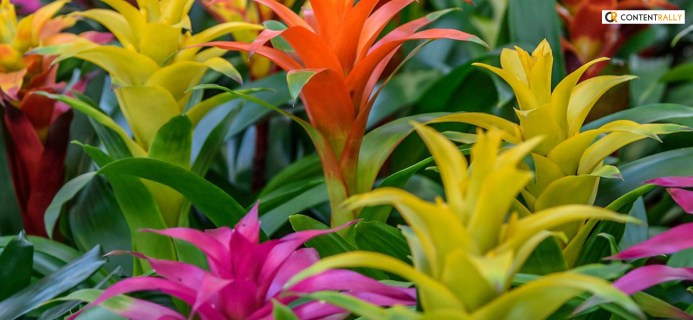
Bromeliad

These tropical plants’ flower colours are like the birds of paradises. The flowers are like a bunch of golden birds. The vibrant colours of the flowers make it unique. Bromeliad has multiple different species. But my favourite is the orange one. These plants ‘ leaves have a distinctive look along with the nice glowing orange colours.

The leaves of the plants are thin and give the whole plant an excellent cone shape. You cannot separate the plant’s leaves and the flowers. Only the colours of the petals make the difference.

Native Place: Africa, South America, and Caribbean seaside tropical areas are their native places.

Where To Grow: This plant is more convenient for indoor and outdoor gardens. The 50°F and 65°F temperatures in indoor places are most suitable for them. However, highly humid and airy places are always the appropriate place for it.

7. Areca Palm
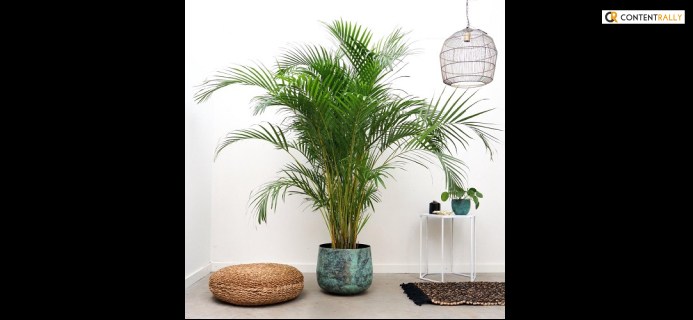
Areca Palm

This tropical palm is another great selection for indoor and outdoor decorations. You can pick these Palm trees as they are low maintenance and for their gorgeous look. The authentic look and structures of the palms are present in the whole attire. The indoor Areca Palms can be more than 10 ft high, and in the outdoor areas, the height can be more than 35ft.

The fountain-like structures of these tropical plants are so magnificent that if you are putting the plant in your room corner, the whole look will change.

Native Place: Madagascar, Andaman Islands, El Salvador, Cuba, and Puerto Rico.

Where To Grow: This plant is more convenient for indoor and outdoor gardens. The 65°F and 75°F temperatures in indoor places are most suitable for them. Only you have to keep these plants away from the cold air and climates.

8. Shenzhen Nongke Orchid
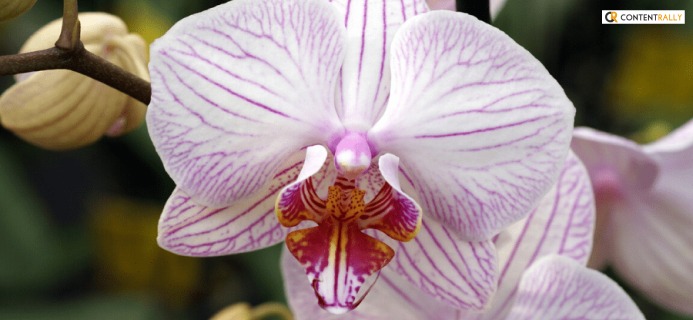
Shenzhen Nongke Orchid

You can put these seven into the list of wholesale tropical plants. But do you want to buy an exotic one? Then why not select a lovely pink flower tropical orchid. Do you think only blood orchids are rare? This Shenzhen Nongke Orchid is also very rare. This is the reason you can put this orchid on the list of all exotic tropical plants.

But keep one thing in mind: these plants are costly. To buy a single plant, you have to spend about $201,000.Hence this single plant is no less than any nice art effect for your living room. But you can buy the recent plants from the tropical house plants for sale options. Usually, some of the firms offer sales of tropical plants yearly.

Native Place: China, Grece, and Rome are the original places of the orchid plants.

Where To Grow: This plant is more convenient for indoor and outdoor gardens. The 50°F and 80°F temperatures in indoor places are most suitable for them.

You May Like To Read This: 10 Best Aesthetic Plants To Buy In 2022

9. White Star
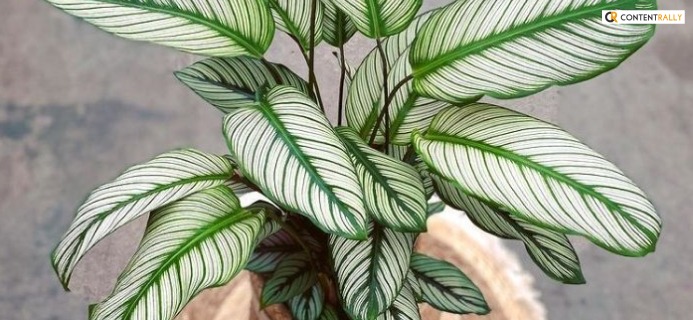
White Star

The catheter majestic white star tropical plants are great selections for the indoor garden. For household nurseries or indoor tropical house plants, these plants are good selections. The leaves are big in size. And on the surface of the plant leaves, you will find light green and dark green stripes. These light green shares look more like white colours.

The colour combinations of these plants are unique, and with this uniqueness, the plants give your room a beautiful look.

Native Place: Brazil rainforest.

Where To Grow: This plant is more convenient for indoor and outdoor gardens. The 65°F and 77°F temperatures in indoor places are most suitable for them.

10. Marginal Wood Fern
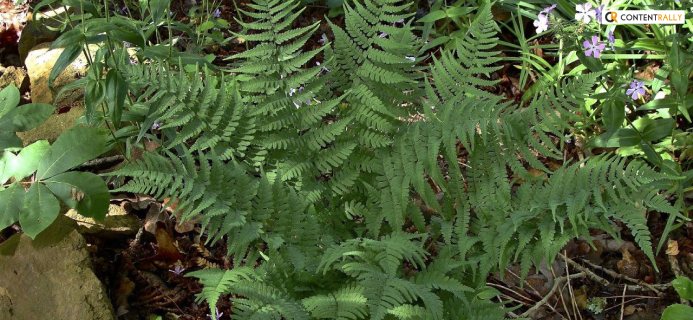
Marginal Wood Fern

Can Marginal wood Ferns be the common tropical house plants? Yes, we all can see this plant’s in the rainforest. But you can bring a small part of the rainforest inside the interiors of your house and make your interior look picture perfect. These ferns commonly grow under the Oakwoods. But apart from the Oakwoods, you can also find these ferns in multiple areas of the rainforest.

The authentic look of ferns and leaves textures makes this plant popular among tropical plant lovers. In this long list of tropical plant names, wood ferns are very sophisticated and tender types of selections.

Native Place: North America.

Where To Grow: This plant is more convenient for indoor and outdoor gardens. The 65°F and 75°F temperatures in indoor places are most suitable for them. The direct sunlight is turning their fresh green leaves into brown.

Frequently Asked Questions (FAQs):

Q1.Name Some Of The Tropical Plants Which You Can Grow In Your Living Room?

When you want to buy some tropical plants for your living room, you have to check two qualities: one about their maintainers, and the other thing is their looks.

  • Dragon tree
  • Bird of paradise
  • Pine Norfolk Island
  • Caryota fishtail Palm
  • European Olive
  • Corn Plant

Q2. What Is The Easiest Tropical Plant To Grow?

Bromeliads are the easiest plant to grow. You only have to put these plants in a pot and leave them in the corner of your room. But shady and airy places are more suitable places to grow these plants.

Q3. How Much Sun Do Tropical Plants Need?

Usually! Tropical plants grow in shaded places. And indirect sunlights are more convenient nutrition sources for them. Even some of the plants can grow under indirect light sunlight. The comfortable temperatures for the tropical plants are always better. But water sources need to be more stable. Unlike the dry areas of indoor plants, these tropical plants need more watering.

Q4. Can You Grow Tropical Plants In Perth?

Yes, you can grow the tropical plants in the Perth.

Here are five tropical plants that you can grow in Perth.

  • Dragon tree
  • Hawaiian Hibiscus
  • Giant Bromeliad
  • Sago palm
  • Cane Palm

Bottom Line:

Each of these ten tropical plants is very convenient for indoor and outdoor gardens. But if you are living in an arid area, then my suggestion is to place this plant under the shaded places or inside your room. For any type of tropical plant, watering is very valuable. In most tropical regions, rainfalls are frequent. So be sure you are going to water your plant every day. Which plant are you going to select for your indoor or outdoor garden? And if you are already thinking of having a green natural living room, share your plant’s pictures in the comments sections.

Read Also:
  1. 10 Best Tall House Plants To Buy In 2022
  2. 10 Best Foliage Plants To Buy In 2022 – Must Read!

Content Rally wrapped around an online publication where you can publish your own intellectuals. It is a publishing platform designed to make great stories by content creators. This is your era, your place to be online. So come forward share your views, thoughts and ideas via Content Rally.

View all posts

Leave a Reply

Your email address will not be published. Required fields are marked *

Related

Advantages of Autumn Weather To Replace Your Windows In Etobicoke

5 Advantages Of Autumn Weather To Replace Your Windows In Etobicoke

Ontario's need for windows and doors services from Vinyl Light are growing yearly. A great number of requests are coming for window replacement Etobicoke area. Etobicoke and its surroundings often need new window installation for newly built houses and older homes with poorly maintained windows. Government rebates for energy-efficient home improvements, such as vinyl windows and sliding door replacements, may also affect the windows and doors market. Homeowners are often more inclined to invest in these renovations when there are such financial incentives available. Autumn in Etobicoke may be the ideal time of the year to replace windows for a variety of reasons, such as: Autumn Brings Increased Energy Efficiency  New windows have the potential to significantly improve your home's energy efficiency by sealing off air leaks and drafts. Replacing your windows in autumn can better prepare you for the harsh winter months. As a result, your family may be more comfortable and you may spend less on heating. Increased Coziness In Autumn Replacing your windows in autumn can increase the comfort of your house by eliminating drafts and ensuring a consistent interior temperature. You'll immediately notice the difference and be better prepared for the winter. Extended-Term Strategy Replacing your windows in the fall will help prepare your home for the impending winter. You'll feel better knowing that your Vinyl Light windows are well-maintained and ready to survive the harsh Canadian winters. Autumn Window Replacement In Etobicoke Will Have An Improved Curb Appeal Your house can appear more appealing from the outside with new windows. You can prepare your Etobicoke home for the holidays and ensure that it looks good for visitors and potential buyers should you ever decide to sell it in autumn. Autumn Availability And Installation Scheduling Fall is a slightly slower time of year for window replacement companies because it occurs in between the busiest months of the year, which are summer and winter. This makes it more likely that you will be able to discover an installation date that fits within your timetable. Here are even more reasons why to replace your windows in fall: Autumn UV Protection Role Sun in autumn can still be rather intense, and new windows can provide better protection from UV rays. This keeps your furniture and floors from deteriorating and also improves the indoor air quality. Increased Coziness In Autumn Replacing your windows in the autumn can increase the comfort of your house by eliminating drafts and ensuring a consistent interior temperature. You'll immediately notice the difference and be better prepared for the winter. Learn More About: Additional Ways to Keep Your Home Warm 5 Tips to Safeguard Your Home From Intruders How To Install Artificial Grass In Your Garden – Installation Guide Step By Step

READ MOREDetails
trailing plants

What Are Trailing Plants? – What Are The Types Of Trailing Plants?

According to many people, having a garden in your house is said to invoke a real sense of creativity. People say this because they seem to feel refreshed and creative if there is a lot of vegetation surrounding them. Also, many consider gardening to be an innovative form of expression. Therefore, which plant to have in your garden will decide its beauty in the eyes of the beholder. If you are new to gardening, then this article is for you. Here, you will learn about the various types of trailing plants and some of the best breeds of them. What Are Trailing Plants? Trailing plants are a unique breed of pretty long and slender plants. Their stems grow more extended, often taking up the length of the entire room vertically. These plants are generally kept in balconies and bigger rooms, like dining or living rooms. They are also typically placed in pots and then hung from the ceiling. These plants are often called creepers or climbers, or even spiky plants because they have slender stems mistaken for vines. These vines require support to grow. Therefore, they follow the surface of the roofs or the walls to propel themselves and grow in a specific direction. Types Of Trailing Plants There are two distinct types of trailing plants that can be categorized. They are, 1. Flowering Trailing Plants As the name suggests, flowering trailing plants are simply trailing plants that can produce flowers of their own. These often look great because when these trailing plants become bigger, they will make flowers all over their stems. The longer their vines have grown, the more flowers they will produce. 2. Non-Flowering Trailing Plants As the name suggests, non-flowering trailing plants are the direct opposite of flowering trailing plants. These foliage plants do not produce any flowers and are mostly greenish yellowish. These are the most common types of trailing plants that you get to see in people's houses Best Trailing Plants For Your Garden If you have finally decided to buy trailing plants, then here are seven of the breeds that we highly recommend you add to your balcony or garden. 1. Golden Pothos One of the most popular trailing plants in the market is scientifically known as Epipremnum Aureum. We recommend you start your trailing plants gardening journey with this newbie-friendly plant. Because setting up this plant to hang from the ceiling is the first thing you should learn - how to hang trailing plants. This plant is a low maintenance plant since it requires almost no cutting since you can leave it to hand and grow naturally in a basket from your ceiling. Read More: Grow these flowering plants in your home garden 2. Red Herringbone Scientifically known as the Maranta Leuconeura Erythroneura, this plant is one of the best trailing plants indoors. It has a trippy, attractive design on its leaves highlighted by its red color and unique look. The distinctive red patterns of the leaves of this plant have been compared to the mark of a herringbone. The unique aspect of big leaf plants is that they close up their leaves during the night, giving them the shape of a hand-folded prayer position. This is why many people call this plant the prayer plant. We recommend this plant for experienced gardeners since it needs high maintenance to grow safely. 3. Staghorn Fern Scientifically known as the Platycerium Bifurcatum, this plant has been called strange by many gardeners due to its leaves' odd, uneven shape. This trailing plant is best kept in a wooden basket with compost, and other organic matter buried deep in the compost. Again, we recommend this plant for experienced gardeners since it requires specific gardening skills to grow these tropical plants fully. Additionally, this plant is best kept in a humid place outside the range of direct sunlight. 4. String Of Pearls These types of trailing succulent plants are scientifically known as Senecio Rowleyanus. Its leaves are smaller than the other plants mentioned on this list, which look like tiny, green pearls. However, upon closer observation, you will notice that it looks like a green string is keeping the pearly leaves attached to the vine. This is why it is called a string of pearls, one of the most aesthetic plants. Sometimes, the top of the compost becomes very dry. This is an indicator that the plant needs watering. Generally, this plant likes to remain dry. But too dry will result in its untimely demise. Therefore, always keep a lookout for the dryness of the plant's compost. 5. Spider Plant As the name suggests, this trailing plant looks like a spider. Botanically named as the Chlorophytum Comosum, this easy to grow plant is another common tracking plant that you see in many households. Maintaining this plant is easy since all it needs is well-drained potting soil and exposure to bright, indirect sunlight. Just remember to water it frequently, and keep it as a bedroom plant. You May Also Like This: 4 Essential Tools Needed to Maintain Your Garden in the Winter 6. Creeping Jenny While the name might sound very creepy, its looks and beauty tell a different story. These bright fluorescent green trailing indoor plants are famous for their round leaves. Their vines also grow long, till about 18 inches in length. Unlike other trailing plants on this list, these plants can be placed on the soil and can also be hung from the ceiling in a pot or basket. 7. Million Bells Also known as the Calibrachoa, it is one of the most highly colorful and vibrant trailing plants ever to exist. This is because it is a flowering plant. But that is not its only specialty. Its uniqueness lies in the fact that its flowers can be of random colors, from red, blue, purple, to pink. This is perfect for you if you want trailing plants for hanging baskets. Frequently Asked Questions (FAQs): Q1. What Is The Best Trailing Plant? There are many great trailing plants like Million Bells, Golden Pothos, and Red Herringbone, to name a few. Q2. What Plants Are Trailing Plants? Trailing plants can be identified by their long vines that grow along the side of walls. Q3. What Are Trailing Plants Called? Trailing plants are also called spillers, creepers, and viners. Q4. What Is A Trailing Flowering Plant? Trailing plants that produce flowers are known as trailing flowering plants. Conclusion Trailing plants are one of the best choices for keeping plants in your home. These plants look great and unique. These plants look even better if you hang them from your ceiling in a basket or round vase. If you are a beginner at gardening, then we recommend growing plants like the Golden Pothos or the Spider Plant. And if you are an experienced grower, then we recommend plants like the Red Herringbone and the Million Bells. If you found out which trailing plants to buy, then check out our other articles as well! Read Also: How to Maintain Your Garden Railings? 5 Best Vegetables You Should Try Growing In Your Garden Looking for a Gardener: 8 Questions to Ask Before Hiring a Professional

READ MOREDetails

Playful Landscapes: How TO Seamlessly Integrate Play Areas INTO Your Lawn

Fostering a connection between children and the great outdoors has become more important. Playful landscapes offer a unique solution to this modern challenge by seamlessly integrating play areas into your lawn, creating a harmonious environment that encourages physical activity, creativity, and family bonding. Choosing the right type of grass When considering grass types for your playful landscape, opt for those that are hardy and resilient, able to withstand the wear and tear of active play. Bermuda grass and Kentucky bluegrass are excellent choices due to their durability and lush appearance. These grasses recover well from foot traffic and require moderate maintenance, balancing playability and aesthetics. These grasses are available for purchase via the convenience of the Internet (http://www.naturesseed.com). Designing play zones with natural elements How often do we see playgrounds today? The answer is very rarely. Kids are nowadays trapped in technology and gadgets- they have almost forgotten the importance of playground. But as adults, we are responsible for keeping this feeling mortal in them. And what helps in doing so? Making the playgrounds more attractive with organic elements. Integrate play areas with their natural environment using gentle slopes, mounds, and pathways. These additions improve the aesthetic value, pique kids' interest, and inspire creativity. Adding native trees and plants to playgrounds has multiple benefits, including aesthetics, environmental education, and biodiversity. Incorporating safe play equipment Playful landscapes must prioritize the installation of secure play equipment. You may put in swings, slides, and climbing structures suitable for different ages that still fit in with the architecture. Ensure everything is in working order and up to code before using it. A well-designed playground incorporating natural elements will encourage youngsters to play and learn. Blending play areas with aesthetic appeal Aesthetics shouldn't take a back seat to functionality while designing an entertaining and engaging environment. Use landscaping components like rocks, grasses, and flowers to help blend the playsets in with the rest of the yard. This method results in a space that is appealing to the eyes of both young and old. Maintenance tips for a lively lawn Your landscaping should be maintained regularly to keep it looking fresh and appealing. Maintain a proper mowing height, water the grass well, and immediately fix bald spots. You should consider aerating and overseeding the grass to keep it lush and healthy, so your kids will have a great place to play. Environmental considerations Make your landscaping more environmentally responsible without sacrificing fun. A greener and more sustainable playground is possible through rainwater collection systems, native plant varieties, and organic fertilizers. Instilling lifelong lessons of environmental responsibility in children through their play space is worthwhile. Enhancing family bonding through play An environment with play opportunities improves bonding among family members. Have a picnic, do some gardening, and compete against each other in fun contests. Children will remember these times fondly far into adulthood, and the relationships between family members will grow stronger as a result. Boosting children's creativity and imagination Playful landscapes inspire creativity and imagination by providing a constantly shifting canvas for play. Encourage children to make forts, nature-inspired artwork, and imaginative activities. The flexibility to experiment and explore promotes cognitive growth and problem-solving abilities. Final words Adding playsets to your yard may completely alter the vibe of your outdoor space, making it a more inviting place for kids to spend time and develop their interests. You may make a landscape that entertains, teaches, and enhances through careful planning and a balance between natural and artificial features. Read Also: The Secret To A Lush And Beautiful Lawn: Unveiling Littleton’s Best Lawn Care Services Natural ways to get rid of flea in your lawn 5 Power Tools For New Homeowners

READ MOREDetails