












Exploring Different Types Of Transfer Pumps And Their Applications

by

19 February 2024

Technology

Types Of Transfer Pumps

Transfer pumps are used to move liquids from one place to another. Various types are suited for different applications, fluids, and industry settings. Understanding the unique features and workings of the major transfer pump types can help you select the right one for your needs. This article explores centrifugal, rotary, reciprocating, metering, and diaphragm pumps, along with their typical uses. Read on for the insight!

Types Of Transfer Pumps

There are a variety of transfer pumps available for different applications at providers like KNF USA. The major types include centrifugal, rotary, reciprocating, metering, and diaphragm designs. Below are elaborate discussions on each of these.

Centrifugal Pumps

Centrifugal Pumps

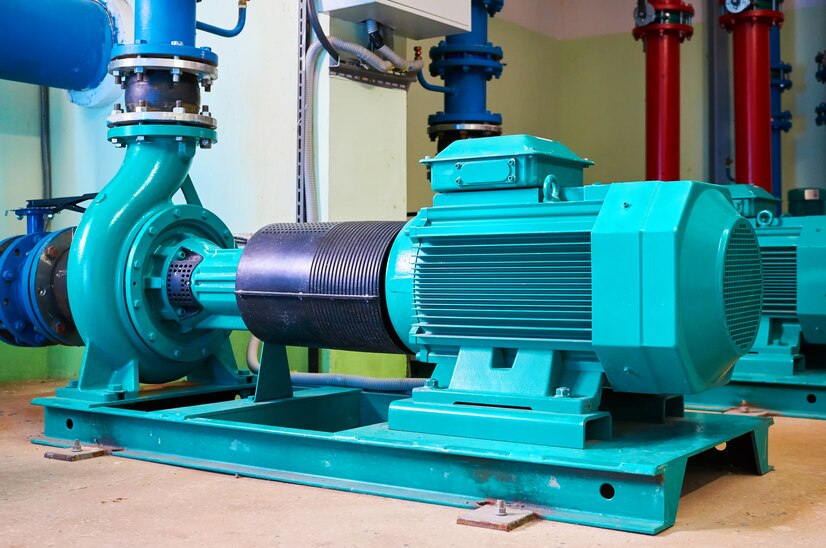
Centrifugal pumps are a versatile choice for transferring large volumes of low- to high-viscosity liquids efficiently. At the heart of these pumps is an impeller inside a casing that spins at high speeds to accelerate fluid outward from the center via centrifugal force. The kinetic energy imparted on the liquid creates flow through the discharge piping.

Unlike positive displacement pumps, centrifugal models provide non-pulsating flows that are perfect for services like boosting pressures across piping systems. The curved vanes of impellers can handle particulates without clogging, too. You get reliable service life even when pumping water containing suspended solids or abrasives.

While centrifugal pumps generate substantial heads or pressure rises by velocity change, adjusting impeller diameters and rotational speeds allows customizing performance for the liquid and throughput demands. These pumps can tackle everything from thin polyethylene glycols to highly viscous oils or process chemicals.

Common applications capitalizing on such adaptable pumping capabilities include:

  • Generating water pressures to replace gravity feed systems
  • Transferring diesel and lubricants in refueling operations
  • Moving liquid food ingredients between storage and processing vessels
  • Circulating hot oil to distribute heat at chemical plants
  • Supplying river water to filtration systems at portable plants

Whether thin or thick, corrosive or benign, centrifugal pumps represent a safe bet for continuously handling large volumes across pipelines with ease.

Rotary Pumps

Rotary pumps handle liquids through unique rotary displacement mechanisms like gears, lobes, vanes, screws, and cavities. This single shaft and bearing design not only minimizes maintenance but enables handling viscous products up to one million cPs. Such high viscosity capabilities prove invaluable when transferring adhesives, coatings, greases, tars, and heavy crude oils across food processing, chemical production, oil drilling, wastewater treatment, and paper manufacturing settings.

While providing pulse-free flow, rotary pumps allow bi-directional operation as well, either pumping or metering flow, depending on how system valves and controls are set up. This flexibility suits applications ranging from precision additive dosing to bulk transfers into tank trucks. By handling everything from solvents to sludge, you get optimal utility from just one rotary pump type.

Reciprocating Pumps

Reciprocating Pumps

Oil patches, mines, boiler rooms, and chemical plants have relied on heavy-duty reciprocating pumps for ages to easily transfer viscous fluids. A motor-driven piston is thrust inside a cylinder to draw in suction liquid via balls check valves before discharging volumes out under high pressure—all in continuous cycles.

This positive displacement working principle is suitable for high-pressure injection duties. Plunger pumps configured for ultra-high pressures facilitate hydraulic fracturing operations across gas and oil wells to improve yields, for example. Boiler feed pumps also ensure precise metering of feedwater to maintain proper drum levels and steam output.

When handling toxic fluids like aircraft deicing agents that require containment, reciprocating pumps prevent leaks and offer explosion-proofing as well. You can count on this versatile pump style for mission-critical transfer and metering challenges.

Metering Pumps

Whether conveying ammonia, alcohol, or even fruit concentrates and medicines, metering pumps ensure accurate flow measurement and dispensing. Diaphragms pulsate or pistons stroke at controlled speeds to handle precise liquid volumes per cycle. Operating much like precision reciprocating pumps, metering units work continuously to inject additives, introduce treatment chemicals, or dose active ingredients at extremely narrow tolerances.

You gain optimized usage of expensive ingredients, prevent overdosing situations, cut loss from giveaways, and ensure product quality consistency thanks to such pinpoint flow control. Water treatment facilities, swimming pool operators, semiconductor fabs, and pharmaceutical producers rely extensively on metering pumps for regulated chemical handling day in and day out.

Read Also: 10 Benefits & Drawbacks Of Purchasing A Heat Pump

Diaphragm Pumps

Diaphragm Pumps

Diaphragm pumps lend unique advantages for abrasive fluid handling by eliminating exposure of rotating shafts and vanes to the pumping liquid. Flexible attached membranes pulsate instead to facilitate flow. This makes diaphragm pumps ideal for slurries across mining, agriculture processing, wastewater treatment, paper mass forming, and food pureeing applications where solids quickly erode steel impellers.

Check valves ensure directional flow as the elastomer membranes alternatively draw suction and achieve discharge. You don’t have to worry about leaks either when transferring aggressive solvents or corrosive chemicals, thanks to the isolation membranes provide between pump internals and casings exposed to liquids. Whether high-purity beverage ingredients or hazardous paint pigments, diaphragm pumps safeguard processed products and personnel.

Choosing The Best Type For Your Needs

With insight into the major transfer pump categories, you can zero in on options fitting your capacity, liquid properties, flow rates, pressure rise, and overall application demands. Centrifugal pumps take the lead for high flow conditions, while metering and diaphragm designs manage strict precision flow control. Evaluate operating environments as well when materials compatibility is critical. Discussing details with suppliers gives you professional guidance to match a pump successfully.

The wide world of transfer pumps holds something suitable for any liquid transfer duty. Do your homework on the fluid properties and application specs. Understanding pump operating principles also guides you to the ideal selection. With these insights, you pick the right pump to fulfill your liquid handling requirements.

Conclusion

The various types of transfer pumps each serve distinct applications depending on factors like liquid characteristics, flow rates, pressures, precision, and duty environments. You now have a helpful overview of the unique features, workings, and typical uses of centrifugal, rotary, reciprocating, metering, and diaphragm pumps. With these fundamentals, you can make informed decisions when selecting a transfer pump for your needs. Discussing specifics with suppliers adds insights to hone in on the best equipment.

Additional:

Barsha Bhattacharya is a senior content writing executive. As a marketing enthusiast and professional for the past 4 years, writing is new to Barsha. And she is loving every bit of it. Her niches are marketing, lifestyle, wellness, travel and entertainment. Apart from writing, Barsha loves to travel, binge-watch, research conspiracy theories, Instagram and overthink.

View all posts

Leave a Reply

Your email address will not be published. Required fields are marked *

All Comments

Good post! We will be linking to this particularly great post on our site. Keep up the great writing

I’m often to blogging and i really appreciate your content. The article has actually peaks my interest. I’m going to bookmark your web site and maintain checking for brand spanking new information.

Related

Ductless Cooling

Pros and Cons of Ductless Cooling

It is natural to want a cool home during the hot summer months. There are so many options that it can sometimes feel confusing to know which type of cooling system is the best for your situation. Today, we will discuss the pros and cons of ductless cooling systems, more specifically energy efficiency, the types of ductless systems available, and the cost involved to change systems. Pros and Cons of Ductless Cooling:  Energy Efficiency One of the most popular reasons for choosing a ductless cooling system is the energy efficiency that it brings to the table. This can save a homeowner up to 25 percent of lost efficiency not found with a duct-based cooling system. The long-term cost savings can add up substantially, thus providing years of lower heating and cooling bills than other common systems used today. Everyone wants energy efficiency, but there are many factors outside of this to consider. Types of Ductless Systems: As if choosing the type of system wasn't enough, you also need to know which kind of ductless system is right for you. Very popular choices include the ductless mini-split systems. These lightweight systems are great for spot cooling and specialized efficiency for spaces prone. This happens for excessing heat not found in the rest of the house. Easy to control and monitor, these ductless mini-split systems can be highly cost-effective while maintaining the best cooling balance in any home. Other great options include the quick-to-retrofit cooling systems designed to provide efficient room to room zoning comfort. There are many options available, so take the time or seek guidance in selecting what might be the best option for you. The Cost: One of the largest prohibitive factors when choosing a ductless system is the upfront cost. It can cost upwards of two to three times more than the cost of a non-ductless system. It happens when the initial installation begins. In order to maintain the efficiency of these units, special care and maintenance must be maintained, such as cleaning individual units monthly. Additional costs include hiring a professional to do the work properly. As much as it might seem easy enough to do it yourself, it can ultimately lead to even higher costs doing it this way than it would hire a professional to do it right the first time. When selecting a professional, ask them about maintenance requirements. Overall, the largest factor that can impact your decision to choose a ductless cooling system versus any other type of heating. Or else cooling system is the cost. The initial cost is likely the most challenging and always recommends to hire a professional to ensure proper fitting and efficiency. After this initial cost, the next concern is the maintenance, which in the large scope isn't significant as long as monthly cleanings are done and routine maintenance is accomplished. The long-term benefit of a ductless cooling unit is a specialized system that can cut down on overall energy costs and more specifically focus the temperature to a zone-specific setting, offering far more effectiveness and comfort. Read Also: What To Know About Your Furnace Filters Important Things To Know Before Starting A Home Improvement Project

READ MOREDetails
pc

2018 Signs It’s Time to Upgrade Your PC

Ever notice something odd with your computer, like it has been more sluggish than it was yesterday or that the blue screen of death is becoming a common occurrence? How do you know when it’s time to take it to the shop for repairs or it’s finally the time to put parts or the whole system entirely to the junk? Sometimes, the most noticeable issues are just part of a big problem, and the reality is that a computer, just like many things, will eventually grow old and become unusable. That is why it is a good idea to know what signs to look for when you’re unsure. If you’re second-guessing whether you should upgrade or completely replace your computer, there are things you should consider. Here are some signs to watch out for. Really Slow Performance: It’s time to upgrade if you’ve done everything to make sure your computer's hardware drivers and operating system are updated, but it still runs slow. You may have also checked for malware and made sure that the versions of the applications you’re using are not the cause for it running slow like a turtle. It may mean that the inevitable has come and it’s time to let go of your computer. This doesn’t mean you have to completely trash everything, because the beauty of owning a computer means you can just take out certain components and replace them with something new. You may also choose to completely replace the CPU without doing the same for the monitor and peripherals. You Need a Faster PC:  Signs of breaking down and slow PC are not the only reasons for upgrading. Sometimes, you just need something that’s fast enough that can cater to your needs. You may play games on your desktop computer but have taken up a hobby like editing, so you need something more substantial that will allow you to do these things and more. These applications are heavy on low- to mid-spec machines, but higher-end ones may be able to run them without any problems. The same is true if you like to open many tabs on your browser. Additionally, new software may need new specs that can only be seen in the more current components. If your needs have changed, you may upgrade your PC as you see fit. You Want New Hardware: If you want to connect new hardware on your computer but find that you can’t, it’s a sign that it is outdated. For example, if you have VGA ports, it won’t be compatible with devices that connect with HDMI, USB 3.0, and USBC. If you can get away with upgrading the minimum amount of components on your PC, then go for it. If not, maybe it’s time to look around for new parts. Constant Overheating: Most PC owners will know that overheating is never good for the machine. One of the primary reasons your computer may be overheating is because there is a lot of accumulated dust and dirt on the fans. It is important to keep the fans clean so that they will do their job of ventilating the components when they are in use. However, if the fans are already cleaned and the computer still overheats, accompanied by grinding and clicking sounds, take it as a sign to upgrade. There are many reasons this happens. It could be that your hard drive is about to permanently fail or your fans are going to break down. Generally, if you spend more time trying to fix things you think are manageable more than using your computer for its intended use, then it’s time for you to think about getting a new one. Something Is Obviously Broken: If you have PC parts that are actually physically broken, you can have them either repaired or replaced. However, you need to think about whether it is worth your time and money to repair items than to replace them because there are some parts that are easier to fix and others that are easier to swap with something new. You need to prioritize replacement if your PC has major damage that affects other parts or how you use it. Build Your Own PC: If you’re thinking about completely replacing your computer or just your CPU, consider building your own using a PC parts picker because you get to control your budget and select components to be prioritized according to your needs. It lets you pick components you want, and it makes sure that all parts are compatible, so you won’t have any problem when it comes to installing all of them together. If you aren’t, it’s fine. Just make sure that you faithfully do all the cleaning, maintenance, and upkeep especially if you have an older computer. There’s a difference between common issues that are easily fixable and major ones that require immediate attention. What are some more signs that it’s time to move on from your old PC? Share your thoughts below. Read More:  How To Play PSP Games On A PC? The 10 Best PC Gaming Desk Accessories in 2018. Top 4 Reasons to Outsource White Label PPC for Your Business.  

READ MOREDetails
Printer purchase

Paper Authority: Basic Tips in Purchasing a Printer

Now more than ever, every institution no matter how young or big your business is, it badly needs a printer. Although it is clear that the digital finesse easily handles numerous of documents today, you still need hard copies, and that is where the excellence of printer take over. On the contrary, selecting the correct printer is a daunting task. With that in mind, here is a quick guide to purchasing the exact multifunctional unit for your business.  Printing mechanism The primary consideration into purchasing a printer is the technology it utilizes to print. Nowadays, laser and inkjet printers are the two most impactful printer technologies. Laser printers are the primary solution for networks or business field that demand speed, efficiency, and high-quality resolution. Ink Jet printers are economical and a direct solution for home businesses and home users. Speed and efficiency The evaluation of the speed of a printer is the number of pages per minute it prints and rate between 4 and 10+ pages per minute depending on certain circumstances such as if it is colored, black and white, full page or text only. Naturally, laser printers are expected to print faster than the cheaper Inkjet printers. Image resolution quality  The proficiency of a printer in printing a sufficient resolution is through the numbers of dots per inch or DPI. Therefore, upon purchasing a printer, it should be taken into consideration that the higher the DPI, the better the print quality. Ink and toner Ink and toner is a valuable factor when buying a printer. Here are guides of the characteristics of the Ink and Toner used with your printer. The type of ink and toner For selecting the type of ink and toner, do not forget to read or ask what dye or toner to use with your printer. Several manufacturers may combine all the cartridges as one which force you to buy a set of colors. To add, see if the cartridges are ink and nozzles, or just ink. The cartridges with ink and nozzles will surely cost more than those that have just ink.  The availability of ink and toner If you need a quick fix, then you must be wary of this, for some printer manufacturers require you to purchase the ink straightly from them and would cause your printer warranty to become void if you happen to buy from another party. To prevent such situation, verify if the dye is purchasable from another party or which specific party. The cost of ink and toner The expenditure is the most important factor by far. If the printer becomes a consistently used apparatus, you may find that the expense of the dye can far exceed the price of the printer. Look how much the ink will cost when it needs replacement. Paper management The process of how the printer manages and hand out the paper is also a factor to consider when purchasing printers. Make sure your printer possesses the authority to manage all your paper needs in the way you desire as some printers tend to devour the paper. Price scale The price scale can be flexible depending upon the printer quality and printer brand. Inkjet printers would cost from 100 dollars to 400 dollars. Whereas the laser printers play between 300 dollars and 2,000 dollars.  Takeaway In conclusion, your decision-making is the chief factor in purchasing multifunctional printers. You do not have to buy expensive printers if you cannot utilize its full usage unless you are financially blessed, the same goes to purchasing a cheaper printer with a bulk of papers to attend. Read More : Virtual Reality And Gaming Technology Innovation In 2017 Social Media Marketing Role In Technology 5 Indispensable Things To Keep In Mind While Picking A Hard Drive How To Securely Wipe Your Confidential Data From A Hard Drive Oh, Crop! Killer E-Commerce Mistakes You Need To Conquer How To Choose Best VOIP For Small Business

READ MOREDetails