











Car Insurance For Electric Vehicles Explained

by

20 November 2018

Automotive

Electric Vehicles

You’ve taken the leap into electric vehicles, leaving behind petrol fumes and high bills at the forecourt lured by the prospect of low running costs, no vehicle tax, and low emissions. Or maybe you’re just considering ditching fuel tanks for plugs and are doing the maths, calculating whether the savings you can rack up with an EV, from the government’s rebate to lower servicing charges, can offset the higher initial outlay.

While electric vehicles are exempt from vehicle tax and from charges in London’s congestion zone, and you can rack up discounts on parking permits from many councils, you can’t avoid some of the standard costs of owning a vehicle. A major, unavoidable expense is for car insurance, which is a legal requirement for any vehicle using or even parked on public roads in the UK. If you’ve never sought out or arranged insurance for an electric vehicle, you might be baffled about where to start.

Cost and Providers:

You may heard electric vehicles are significantly more expensive to insure and that you’ll need to see out a specialist provider. It’s true that the market for electric vehicles, and therefore for insurance for electric vehicles, is still in its infancy. As of the end of September 2018, there are just 178,000 plug-in vehicles (including fully electric vehicles and plug-in hybrids) registered in the UK, out of a total of 37.3m vehicles on our roads. But the number is rising quickly: there were 5,000 new registrations of plug-in vehicles each month of 2018, while in 2014 just 400 new plug-in vehicles were being driven off lots.

With the increasing uptake of EVs and hybrids, especially in the run up to the 2040 ban on petrol and diesel vehicles, the cost and complication of insuring them will fall. Electric vehicle insurance policies will become standard fare from mainstream insurers.

Today, the higher purchase price of EVs drives up insurance premiums for them, as insurers need to consider to cost of replacing your vehicle if it’s stolen or damaged beyond repair.

But even now you might find insuring an electric vehicle might be comparable to, or even cheaper, than insuring a petrol- or diesel-powered car, owing to the small size and less powerful engines on EVs and the discounts some insurers can give you for driving environmentally-friendly cars.

However, the process of obtaining insurance quotes and policies for an electric vehicle is different than that for EVs and a rundown will be helpful as you start your electrically-powered journey.

What Impacts Cost of Insurance for Electric Vehicles:

You’re probably familiar with the features of a standard vehicle that can inflate, or reduce, your monthly premiums for its insurance, including its car insurance group, the size of its engine, and purchase price. For insuring electric vehicles, there’s a new calculus, accounting for who owns the battery and the risk posed by (not kidding) power cables.

leased batteries:

Some EV manufacturers like Renault and Clio offer motorists the option of buying the vehicle outright but leasing its battery, with a monthly fee and mileage agreement. These arrangements spare you the steep cost of replacing batteries when they lose functionality after a few years. But if you’re leasing the battery, you’ll need to inform your insurer when obtaining quotes, as a leased battery will affect who needs to be paid if your electric vehicle is written off. Additionally, some policies may not cover leased batteries.

power cables and liability:

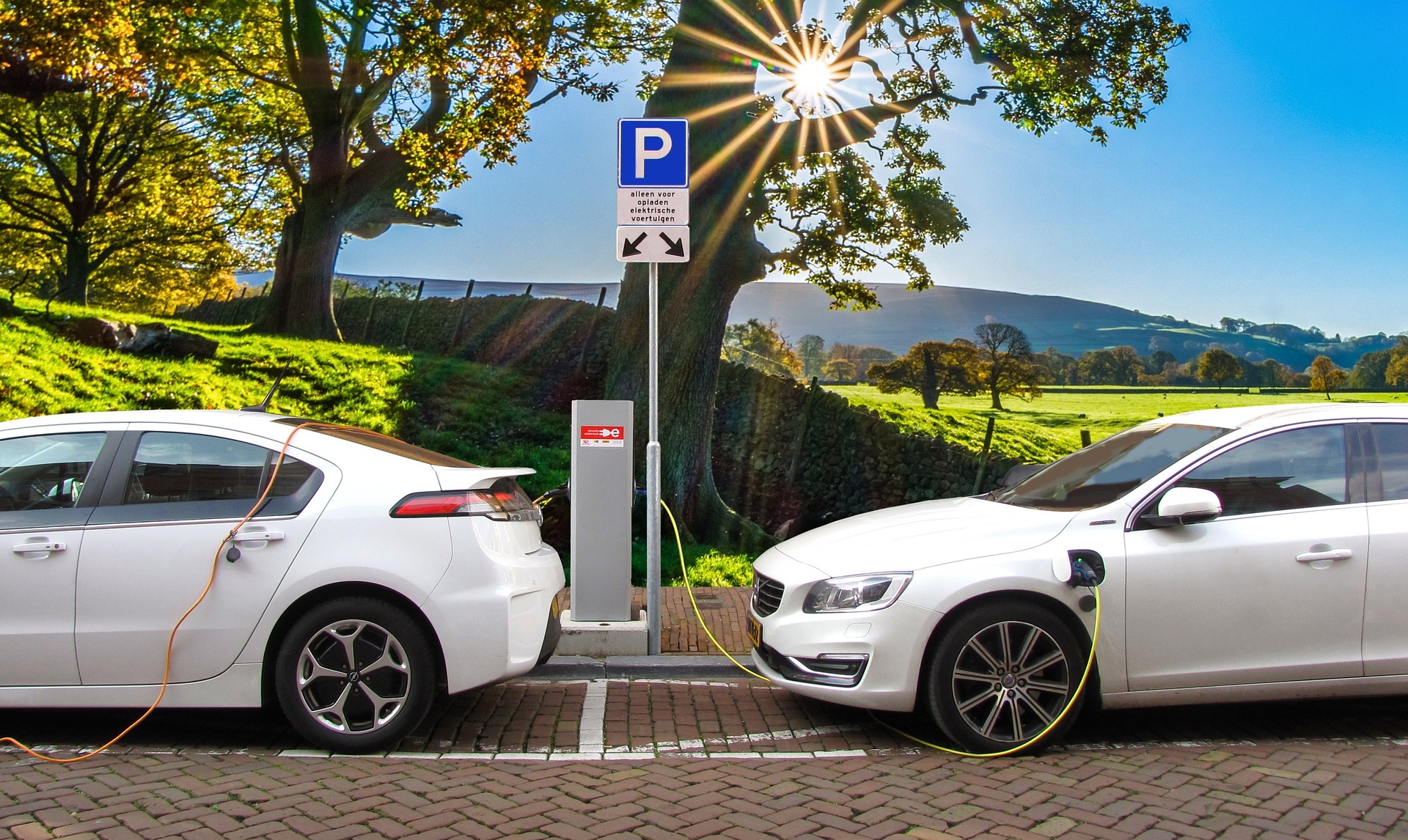
Much like your smartphone, your electric vehicle will need to be charged, just with a very big cord. If you’re charging in your driveway or garage, you won’t have to worry about the cord trailing large distances. But if you’re charging your vehicle while it’s parked on the street or at a public charging station, that cord could pose a tripping hazard. When obtaining an insurance policy for your electric vehicle, you should ensure it provides enough liability cover to protect you if a member of the public face-plants over your cable.

fires from at-home charging:

If your electric vehicle or cable fire while plugged in in your driveway or garage you might wonder which insurance policy will pay out: your home insurance policy or the one for your car. That ultimately depends on where the fire originates, but the risk of an electric fault within your vehicle causing a fire that then destroys you home can push up premiums for car insurance for EVs.

green discounts:

Some insurers will offer discounts of up to 5% on your annual premiums as a reward for you driving an environmentally-friendly car. Others will make charitable donations to green causes in your name from your premiums or plant a certain number of trees.

Read Also:
Content Rally wrapped around an online publication where you can publish your own intellectuals. It is a publishing platform designed to make great stories by content creators. This is your era, your place to be online. So come forward share your views, thoughts and ideas via Content Rally.

View all posts

Leave a Reply

Your email address will not be published. Required fields are marked *

Related

Car Battery Maintenance

Car Battery Maintenance 101

Here’s a fact to get the ball rolling; Did you know? Majority of car breakdowns are due to a simple battery failure. Car Battery Maintenance can reduce the chances of your car breaking down. That’s right! Batteries, an invention of the 1800s still very much useful today. Power windows, music system, headlights, auxiliaries and what not, car batteries are an essential part of an automobile. A car battery has a limited lifespan, a well-maintained car battery should last you around 3-5 years, But many find that they have to replace their car battery every 1 to 2 years. A poorly maintained battery loses its capacity to hold a charge and eventually fails. So, if you want to avoid the inconvenience of an unexpected breakdown simultaneously ensuring a prolonged battery life, we are here with 5 simple tips on car battery maintenance. 1. Always keep the battery terminals corrosion-free: One of the most recurrent problems with battery is corrosion build-up on the negative and positive terminals. Corrosion acts as a barrier between the battery and the vehicle thereby breaking the connection. A simple fix for this can be a light scrubbing with an abrasive pad to dislodge the crud build-up from the terminals. Car battery maintenance can minimize the chances of corrosion. Top Tip: add a dab of vaseline to the terminals to prevent further corrosion 2. Do not operate any electronics during startup: When the engine is running,  the car alternator generates electricity and charges the car battery, but when the engine is off, the car relies on battery power only. So, it is important to limit the use of any electronics just before or while starting the car to avoid unnecessary load on the battery. Top Tip: switch off the AC and the music system before cranking the car to avoid damage to the battery. 3. Full charge your car battery at least once every month: Did you know? Your car draws power from the battery even when the car is off. This is required for the anti-theft system to function. Make a habit of charging your car battery every month or two to avoid a dead battery situation. This will also help the battery maintain a healthy charge density and prolong its life. Invest in a good battery charger for your vehicle if you don't wish to visit a garage every month. 4. Check your car’s alternator for car battery maintenance: An Alternator is a very crucial component responsible for charging the car battery when the engine is running. So, it becomes very important to ensure a functional alternator for a healthy battery life. Get the alternator checked every time you visit a garage. Telltale signs of a failing alternator include; battery warning light on the dashboard, flickering headlights, engine cranking issues, and other electronic failures. 5. Do not overload your car battery with accessories: Auxiliary fog lamps, high power music system, novelty lighting. These are all power hungry accessories draining the life out of your car battery. Every car battery has a load limit and can take only much before failing. Car battery maintenance can make your car move faster. So, go easy with those fancy lights you’ve just bought off Amazon, and check if your battery is capable of taking the increased loads. Bonus Tip: Always top-up car battery with distilled water ONLY: In this day and age of “No-Maintenance” batteries, you don’t have to periodically refill the batteries with water anymore. But still, all car batteries require a specific level of distilled water to function optimally. Distilled water is required for the proper flow of electricity in the battery. Using normal tap water which contains metal ions can permanently damage the electrodes causing a degradation in charging capacity of a battery. Low water level can damage the cells inside the battery causing a failure. Visit your nearest hardware store for a litre of distilled battery water. Read Also: Car Insurance For Electric Vehicles Explained Important Tips To Maintain Your Luxury Car

READ MOREDetails
Rental Really

Does Equipment Rental Really Result in Savings?

Renting heavy equipment used in construction has seen a steady rise in the past several years. Many contractors, business owners, and project managers seem to prefer renting a variety of machinery used in various stages of construction. Perhaps the most obvious conclusion on why renting has become the go-to solution in recent years is that it is more convenient and relinquishes the renter from any obligations once the rental period is over. However, are there other, more compelling reasons for choosing to rent heavy equipment instead of buying? The primary objective of Crane Hire Lincoln and other plant hire companies is to provide an extensive range of services for various sectors that require different kinds of heavy equipment. Although it is clear that renting does appear to be an optimal solution, it is still essential to take a closer look at whether it is best for all situations. Why is renting worth it? Buying heavy machinery is a significant investment. Such equipment requires consistent maintenance and a dedicated storage area. Over some time, these pieces of equipment will eventually depreciate. If you conduct a cost-benefit analysis, buying equipment to use only several times before putting it in storage is not a cost-effective decision. Hence, renting appears to be the best choice in these scenarios. Renting equipment as a short-term solution Depending on what kind of heavy equipment you need, if you consider buying, you will spend thousands on every single machine. If you need multiple machines to complete a project, the overhead cost will be staggering. Renting equipment at reasonable prices according to how long you will need the equipment helps in minimizing the cost of project completion. The bottom line is, if you only need the equipment for a short time, renting is the best solution. Additional benefits of renting equipment Aside from saving money on the cost of equipment acquisition, there are other benefits to construction equipment rental: No need to worry about maintenance. Most equipment rental agreements will not require the customer to perform any maintenance on the machine. Before the equipment gets delivered to the job site, it is the responsibility of the rental company to ensure that the machine is in good working condition. Usually, after the rental period is over, the rental company also takes care of equipment removal and clean-up. No need to dedicate storage space. Large pieces of machinery require ample storage space. If you do not own space, you might need to secure a storage facility for your company’s equipment. Renting machinery relieves you of this concern. No need to invest in staff training. Some heavy machinery requires operators to secure a license and be adequately trained. If you buy equipment, you will also need to hire and train employees who will operate it. Rental companies usually provide an operator as part of the rental agreement, if required. In conclusion, equipment rental is a cost-effective solution for short-term equipment needs. Nevertheless, depending on the nature of your business and how often you need to use a particular piece of equipment, it is also worth considering buying if you have the need and the resources to do so. Read Also: Boat Rentals At Lake Champlain Which Mobile Router Rental You Should Choose In Italy?

READ MOREDetails
Repower Boat

How to Repower Your Boat: 5 Expert Tips

Any boat expert will tell you repowering your boat is a smart investment, whether you won a sailboat, an outboard or any other type of boat. Replacing a boat engine makes a lot of financial sense in most cases. Of course, it depends on who you entrust with the job. Whether you own an old boat with a damaged engine you want to breathe some new life into with a new fixer or sell for a better price because selling it with your current engine is next to impossible, here are a couple of tips you should have in mind if you’re looking to repower your engine with the help of a company such as Propulsion Controls Engineering. Repowered Boat is Easier to Sell : Currently, the used boat market is so flooded that there are more boats for sale than there are interested buyers. If you’re trying to sell your old boat with debilitating mechanical issues, you might as well give it away since selling it in that condition will be impossible. There will always be better boats for the same price or even cheaper. However, since engines make up for more than half of the boat’s worth, replacing the engine with a new one will increase your chances (and your price) greatly. Ask around for the prices of both broken and repowered boats and you’ll see the difference. Calculate the Costs : When planning the repowering project, make sure to include the cost of the engine, the installation and add some more funds for additional expenses. With old, outboard boats there will be more elements you might need to replace like fuel tanks, transmissions, wiring, controls, engine mounts, the exhaust system, cutlass bearings, shafts, props, stuffing boxes and more when you take the engine out for the new engine to be as effective as possible. If your engine is old and worn out, there’s a big chance some of these elements are as well. For example, you’ll definitely need to replace old props and shafts to match the power of the new engine. You might also need to repaint the engine space, add sound isolation or lights to make the most out of the replacement. For outboard engines, think about transom repairs or adjustments, outboard brackets and controls. These elements might not need replacement, but only slight maintenance. In either case, it helps to be financially prepared. Engine Access Can Also Increase the Cost : In a lot of boats, the engine is installed before the decks. There is usually a hatch that enables you to reach the engine for cleaning and maintenance. However, in most cases, this hatch is not big enough to remove the engine for replacement. You might have to cut a piece of the deck or the bulkhead. On boats with wooden decks, this translates to a big carpentry expense. It’s even worse for boats with fiberglass. The cost of repairing the deck so that the repair isn’t obvious can be very high. Finally, if the crane cannot reach the engine due to the boat’s structure, mechanics may have to install a rail system to get the engine out. Naturally, this will cost you as well. Don’t Save on the Engine : Hearing about all these additional costs may make you reconsider whether you really want to get a new engine. Perhaps you are thinking about getting a used or rebuilt engine instead? You have to know that buying new or factory-refurbished engines come with a warranty that will guarantee your peace of mind and will appeal to potential buyers. You Can Attempt to Install Yourself : If you have some experience in maritime engines and feel confident that you can install the engine on your own, make sure you still have the engine checked by a reputable dealer who can approve the warranty.

READ MOREDetails