












What Type Of Inflatables Should You Opt For At Your Business Event

Published on: 23 March 2020 Last Updated on: 21 April 2020
Inflatables

When it comes to finding fun ways to advertise your business. It can be tricky to think of something that is unique, fun and impactful. Gone are the days of ‘swag’ is enough to win over the potential business. Forking out for a bulk order of pens with your company’s logo won’t work because, to be frank, people are bored of pens. What you need is something big, unusual and attention-grabbing. If you’re looking for a sure-fire way to grab the attention of passers-by and make your logo stand out. You should definitely consider inflatables. Whether you are preparing for a trade show, fun day or grand opening, giant inflatables are a fantastic way of drawing in new customers. And putting a smile on peoples’ faces while marketing your brand will only lead to good things.

What Type of Inflatables Should You Opt For at Your Business Event

While any type of giant inflatable is pretty much guaranteed to increase brand awareness due to the sheer size and quirkiness, there are a number of different types available, and choosing the right one will make all the difference. Here are just a few of the giant inflatables that can be custom made for your company these days:

Giant product replicas

What better way to show off your product than having an enormous blow-up version of it for everyone to see? This creates instant brand recognition and is the perfect solution to a product-specific marketing campaign.

Air dancers

Also known as sky guys (or ‘wacky waving inflatable arm flailing tube men’ if you’re a fan of Family Guy), putting your logo on one of these charming retro inflatables is a great way to catch people’s attention.

Inflatable archways

These are the ideal investment if you’re sponsoring a race; displaying your branding in a prominent yet non-obtrusive way that’s integral to the event. Having your logo overhead at the start of a race and visible in all event photographs will go a long way for your business.

Blimps

Often called inflatable airships in the industry, these helium-filled advertisements for your business can be hoisted up to 200 feet/ 60 meters in the sky and act as a homing device to attract potential customers.

Mascots

If your company has a friendly character as a mascot, whether it’s a friendly farmyard animal or a quirky monster. Make sure they’re always visible with an oversized inflatable version. This is especially great if you’re a family-friendly business; kids love them!

Buildings

Offer shelter from the elements in the form of domes, tunnels, arches, and cubes and you’ll find that people are happier to give you more time than under an exposed gazebo.

The type of inflatable you opt for will vary depending on the event and what your current marketing plans are. Whichever of these you choose, taking a ‘go big or go home’ approach to marketing at a business event will always guarantee that you stand out from the crowd and gain the best possible ROI of any promotional materials.

Read Also: 5 Reason to throw an office Christmas party
Content Rally wrapped around an online publication where you can publish your own intellectuals. It is a publishing platform designed to make great stories by content creators. This is your era, your place to be online. So come forward share your views, thoughts and ideas via Content Rally.

View all posts

Leave a Reply

Your email address will not be published. Required fields are marked *

Related

threat intelligence

Defending Your Modern Company Through the Use of Threat Intelligence

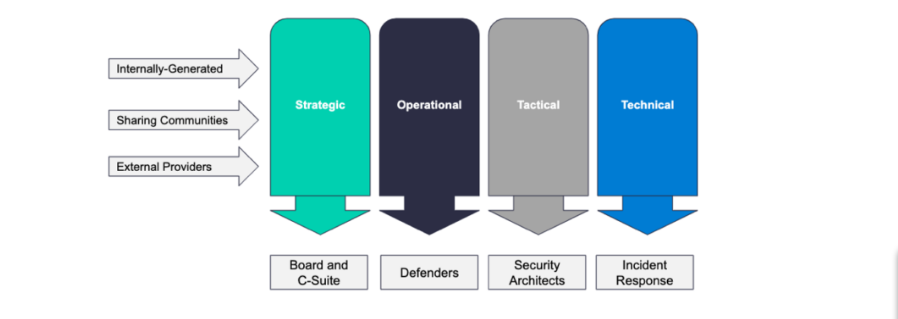
Our society has seen a significant shift throughout the past decade, as the Internet and other technologies have become more essential to our society than in previous eras. In 2020, the web has become imperative for communication, media consumption, and numerous other entities that have enabled our society to undergo a dynamic transformation. There has been a digital revolution in the past 10 years, as numerous elements of our society have been revolutionized. One sphere that has had one of the most significant digital revolutions has been the economy, as the web and other technologies have impacted it so immensely. There has been a myriad of changes that our global economy has experienced due to the rise of the web, and one of the most overt has been the increasing threat from hackers and other cybercriminals. Cybercrime has become a major problem for companies throughout the globe, as the threat of data breaches and other online attacks has become more relevant. Utilizing the top cybersecurity measures is now critical for all modern companies, and learning how to protect your business is crucial. One of the most effective cybersecurity measures is threat intelligence, and understanding this facet of online protection is essential to the success of your company. Defending Your Modern Company Through the Use of Threat Intelligence: Outlining Threat Intelligence There are numerous challenges of operating a modern enterprise, and one of the most ubiquitous issues is cybersecurity. Investing in threat intelligence is one of the most proactive steps you can take towards safeguarding your business, and learning about it for your company is imperative. It is an aspect of cybersecurity where a multitude of data is analyzed and examined to figure out potential issues for your business. It aids in creating informed decisions and helps to eliminate many data breaches by implementing high-quality solutions. Threat intelligence is composed of tactical threat intelligence, operational threat intelligence, strategic threat intelligence, and technical threat intelligence. Having these four elements work in tandem to create a diverse approach to mitigating cyber threats will ensure that your business is protected. Practical Uses of Threat Intelligence Understanding why your business needs threat intelligence protection is important, but learning how to effectively implement it into your business model is more essential. Threat intelligence aids in stopping data loss by finding and reporting security threats before they become more serious. It also aids with direction by identifying potential threats and learning how to safeguard against them for the future. Finally, the most critical element of threat data is that helps to inform open source IT communities online about possible warnings. This ensures that the entire web community is aware of these warnings and has information on how to protect themselves from these risks in the future. Final Thoughts There are numerous challenging elements to having a top-quality company in the modern era, and cybersecurity is one of the most difficult. Learning how to eliminate threats through the use of threat intelligence and understanding how to keep your business safe is essential for a 21st-century enterprise. Read Also: Digital Services Offered Online How a B2B Payment Solution Can Aid Your Ecommerce Company?

READ MOREDetails
Dropshipping Marketplaces

Top 3 Dropshipping Marketplaces: Pros And Cons Of Each

Dropshipping is a trendy business model that has already attracted about 78% of retailers in the USA that implements some form of it; the market is going to reach $240 billion in 2023. The main difference to the standard sales model is that dropshipping is an e-commerce business model that shifts all production and delivery responsibilities to the Supplier or Manufacturer. At the same time, a Dropshipper is responsible only for the online store. After a drop shipper finds a trustworthy supplier, his main task is organizing an online store. The online store can be created on a relevant marketplace or a separate web resource. In each case, it should be prepared with all information, including pictures or videos of the sold goods and possibilities to make an order for Customers. This article is aimed at marketplaces, which one to choose for dropshipping for placing your online store. Marketplaces also can be used for searching for suppliers and manufacturers. Main Requirements For Dropshipping Marketplaces The main value of drop shipper work is an online store. Customers first choose the website for order and with high competition of Internet proposals, attracting customers to visit and stay on your website is essential. Marketplaces are perfect e-commerce platforms for beginners as they have many tutorials and advice on starting a dropshipping store. It is recommended to choose a dropshipping marketplace based on the following parameters. The fee for launching your website; User-friendly navigation with all required plugins; Customer traffic for your chosen niche; Possibility to use software for listing, design templates, order fulfillment, and delivery tracking; Integration with other marketplaces for easy creation of product descriptions; Integration with website builders or content management systems (CMS); 24/7 technical support. Top 3 Dropshipping Marketplaces Based on the described parameters, the top 3 dropshipping marketplaces are listed below. You can place your products on all three to find your audience or choose the one suiting your requirements. eBay eBay is one of the biggest marketplaces where you can buy everything except tobacco, alcohol, lottery tickets, and other goods. The most popular categories are face masks, smartphones, men's accessories, and video games. With dropshipping on eBay, you can access its massive auditory without effective marketing campaigns. Their auction site attracts thousands of customers. This marketplace is recommended for small dropshipping companies starting the business, as they propose fewer investments. All subscription plans are based on the insertion fee with a limitation of listings, a fee after the transaction based on the sale price, and a fee per order. The basic store fee with 250 listings is $21.95. You can find more detailed information regarding fees and requirements for setting up the store in this guide. Pros ● eBay does not require to have storage of goods for selling ● Plenty of applications are available for automatization and setting up the store ● Marketing campaigns are not required in the initial stage of setting up the online store ● Possibility for easy business expansion ● Easy to get started ● eBay has a lot of tools for marketing campaigns Cons ● Strict dropshipping rules ● Difficult to find a supplier fulfilling all eBay requirements ● To be rated as a reliable seller on eBay, you need to have already positive reviews and a proven sales record ● eBay does not allow to drop ship from other marketplaces ● Intensive competition Shopify Shopify is one of the most popular dropshipping platforms hosting 500.000 e-commerce stores worldwide. To start selling there, you need to pay a basic subscription for $29 for a domain name, the quantity of sold goods, and additional features (such as gift cards or reports). Plus, you must pay 30 cents per transaction for each tariff plan. For beginners, you can choose a 14-day free subscription. However, with growing your business, you need to change subscriptions to other plans to increase staff accounts and inventory locations. You should pay additional expenses for customization and automatization; most of the required applications are not free. But the paid money is worth it; numerous apps for setting up the online store with fully customizable themes exist. In addition, many marketing tools are available for Shopify to start selling as quickly as possible. Pros ● Availability of different tariff plans starting from $29 ● User-friendly interface with prefilled pages ● Integration with most dropshipping apps (Oberlo, MXED, Spocket) ● 24/7 email, phone, and chat support ● A large community of drop shippers using Shopify ● 14 days free trial ● Quick set up of an e-commerce store Cons ● The advanced package is expensive $229 ● High competition ● In addition to a subscription, you need to pay for each transaction WooCommerce Five million people already use this plugin, and you can also dropship there. It has a special WooCommerce Dropshipping application to manage all activities from there. You can quickly start your online store there, even alone. WooCommerce recommends using WordPress plugins and extensions for setting up the website. WooCommerce does not recommend dropshipping from eBay or Amazon, as you will meet massive competition with the same goods on this platform. The possible suppliers could be found on Amazon, SaleHoo, or simply in Google. The WooCommerce plugin is available for free, but you need to pay commissions for a domain, host, extensions, and security. Unfortunately, to set up the store, you need time from days to weeks, as you need to install all required applications and go through the delivery policy. Pros ● Many apps and plugins are available for website creation and automatization ● The WooCommerce fee depends on your business capabilities and needs ● WooCommerce supports all payment methods ● Market integration with all leading platforms ● The store design is executed through a WordPress plugin ● Open-source software and fully customizable Cons ● Tools are required to set up the store (WordPress, WooCommerce Dropshipping, WooCommerce Lead Time, etc.) ● Requires significant time for setting up the store ● You need to have skills Conclusion The marketplaces help to simplify the creation of an e-commerce store, but all work for its marketing and maintenance you should keep to yourself. Do not forget about SEO campaigns, advertisements in social networks, email campaigns, and other tools to attract your targeted audience. If you, in addition to the product description, add to your helpful website information, research, or comparisons of why your products are good, this will significantly increase the value of your goods. Proper supplier is another milestone for your business, but you must check the Supplier based on the desired marketplace requirements. Finally, marketplaces are significant helpers in setting up a business for newcomers, especially Shopify, WooCommerce, or eBay. They have all the tools for easy creation of the business process and start selling online. But you need to pay subscription fees and purchase applications for proper customization. Read Also: How To Get Product Ideas For Your Ecommerce Business Strategies For Running A Pet Supply E-commerce Store Recognizing How Important Inventory Management Is To Your E-commerce Store

READ MOREDetails
Freelance Work

How Business Owners Can Better Utilize Freelance Work

Small businesses don’t always have a ton of cash or room to make costly mistakes, so every penny, every asset, every minute, counts. Often, small businesses will turn to freelancers for certain projects where they need expert help, but that can also take a hit on your bank account, so ensuring the freelancer does good work is crucial. Sometimes though, the freelance work falls short, leaving the small business low on funds with a deliverable that is unusable. So how do you avoid that? Let’s talk about a better way of finding freelance workers for your business. Revenue Sharing Model Each freelancer can be paid differently. Some are paid upfront or given equity, others are paid a percentage of the final revenue, and some are paid when the job gets done. Here’s the best thing a small business that is low on upstart funds can do when it comes to hiring a freelancer: Adopt a revenue-sharing model. What that means is the freelancer gets paid when you do. They’ll complete the project, deliver all final assets to the business owner, but they’ll only get paid if and when you start making money. There will be a percentage that is agreed upon by both parties before the project begins, and if your business starts bringing in revenue, you’ll then pay off the percentage owed to the freelancer. If your business never makes money, you do not have to pay the freelancer a dime. Why is this a good idea? First of all, it decreases the risk for the business by waiting to pay the freelancer until there is secure revenue coming in. Second, with this idea in mind, freelancers can do some of their best work. They aren’t just getting paid to finish a job, there’s a higher expectation of their work. They understand that if their work is mediocre, there’s a lower chance of them getting paid. It’s in their best interest to do the best work they can, not only to help you as a business owner but to help themselves as well. Develop a Relationship Far too often, businesses pay freelancers for work only to be unsatisfied with the end product. Many times this is due to a lack of communication on one or both sides. To ensure that you are getting quality service delivered from a freelance worker, it’s important to have an understanding relationship. Here are a few tips on how to accomplish that: Describe Your Communication Style If you’re not sure what your communication style is, it’s not a bad idea to find out or develop a system that works for you. Some people have very blunt ways of communicating while others are timider. Talking about your preferred communication style with the freelancer you hired will help to avoid conflict, assumptions, and hard feelings. Explain Your Needs Don’t be afraid to express where there are gaps in understanding. The freelancer is there to be an expert in an area that you may not be familiar with. It’s okay to say things like, “I’m not sure I understand that, could you explain how that works?” The more you can understand the process, the better you’ll be able to communicate and get an end product you’re happy with. Do Your Part If you feel there are gaps in understanding, take a step back, and see if there is anything you might have left out in communication with the freelancer. Sometimes we get in our own bubble and assume other people understand what we are talking about when in reality we need to explain certain things in more depth. Good Luck! Some of these tips may seem like a no-brainer, but you’d be surprised how often business owners fail to communicate well with the freelancers they hire. If you can adopt these practices into your business model, your freelancers’ work will improve significantly and you won’t have to worry about an unfortunate loss of precious funds. Read also: 5 Office Organization Tips Every New Business Owners Must Know The significance of face-to-face networking for freelancers Five Reasons Why Freelancers Should Use a Coworking Space 5 Most lucrative home-based business opportunities

READ MOREDetails