Published on: 03 March 2021
Last Updated on: 30 May 2021
The festival of Holi signifies the end of winter and the arrival of beautiful spring. The natural colors of Holi fill everyone’s life with joy and happiness. However, this does not mean that you will start flooding the market and your home with inexpensive synthetic colors. The best way to spend Holi this year is by making your own Holi powder that not only prevents many health hazards but also will keep your environment neat and clean. Color is regarded as the synonym of Holi and these colors are very easy to make at home.According to the dermatologist, some synthetic Holi colors contain ingredients that can be harmful to your skin. This can cause several allergies because they are made up of chemical-based colors and are toxic to the environment. This is one of the disadvantages of artificial Holi color nowadays. This is the reason why you should choose natural eco-friendly Holi.
Disadvantages Of Artificial Holi Color
According to beauty experts, artificial Holi colors can affect your eyes, lungs, and skin. If your skin is very sensitive and suffering from certain skin allergies then you must never use artificial Holi color. The common issues of artificial Holi color are as follow:
The chemicals can cause serious injury to your skin.
Chemical colors when applied to the hair can cause loss of hair (alopecia).
Irritation of eyes
Overall fatigue and weakness
Dehydration
Skin rashes
Dry scalp and hair damage.
How To Make Natural Eco-Friendly Holi Powder At Your Home – Step By Step Guide
The excitement of Holi is more among children and teenagers. So, it can be useful for you if you make natural colors at your home beforehand. You must always opt for natural eco-friendly colors to protect your skin and prevent your surroundings from becoming toxic. Now, let’s start to make our natural eco-friendly Holi powder to celebrate this Holi.
1. Brown Color
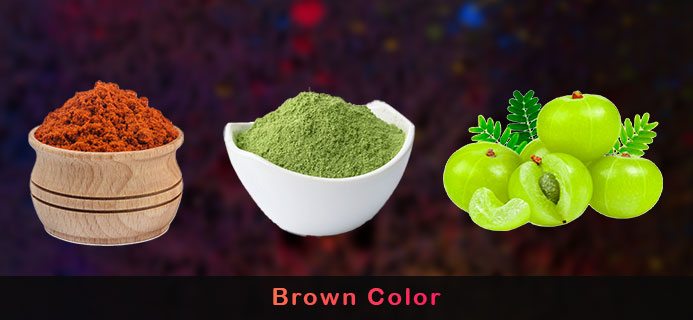
Holi is the time for family bonding, and this can be the best time to spend your precious moments with them. If you are willing to make some dark colors with natural ingredients, then Brown can be your suitable choice.Brown is a natural color that evokes a sense of strength and loyalty. Moreover, it affects your mind and body by creating feelings of peace, confidence, and wholesomeness.To make the brown color, you need the basic ingredients:
1 part of henna powder
Four parts of amla powder
Instructions:
Mix 1 part of henna powder with four parts of amla powder thoroughly. You can also dissolve them in water if you want wet Holi powder. Soon you will get a brown color powder with which you can play Holi with your friends and family.
2. Purple Color
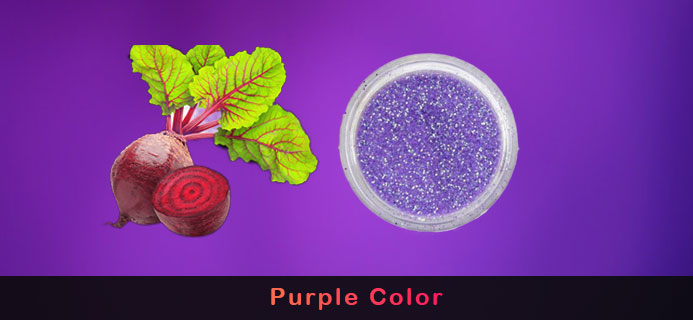
There is a long history of Holi that very few people know. Nevertheless, people all over the world celebrate Holi with great enthusiasm and happiness.The purple color of Holi symbolizes pride, creativity, independence, and royalty. Actually, it is the color of mystery. Now, let’s start making the purple color Holi recipe to celebrate this colorful festival. For the purple color, you need:
1 to 2 kg of Beetroot
Instructions:
Cut 1 to 2 kg of Beetroot and boil it in a cooker. After a few minutes of five to six whistles, remove the water from the pressure cooker as soon as it cools down. To dilute the same, you must use fresh water, or you can also preserve it in the fridge.
3. Blue Color
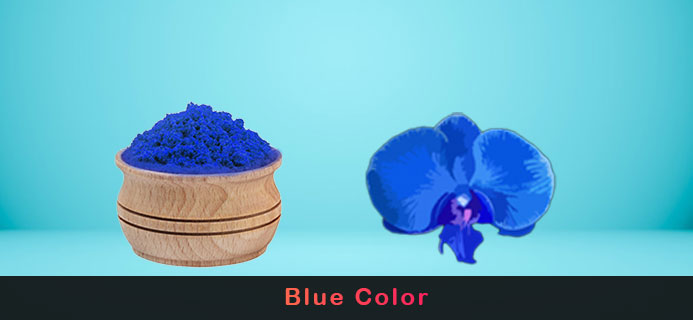
The blue color symbolizes stability, wisdom, and inspiration. Simultaneously, it represents both seas and sky, and this signifies freedom, imagination, determination, and bravery. It is believed that Lord Krishna is blue-colored as they fought against evil. Color is also a highly used color during the Holi festival. To know the blue color Holi powder recipe, you need:
Dried flowers of Neeli Gulmohar
Instructions:
The Gulmohar plant yields beautiful reddish-orange or blue color flowers. These are very attractive and long-lasting violet-colored flowers. You can take these flowers and dry them in the sun. When the flowers are completely dried, you can convert them into powdery form.
4. Yellow Color
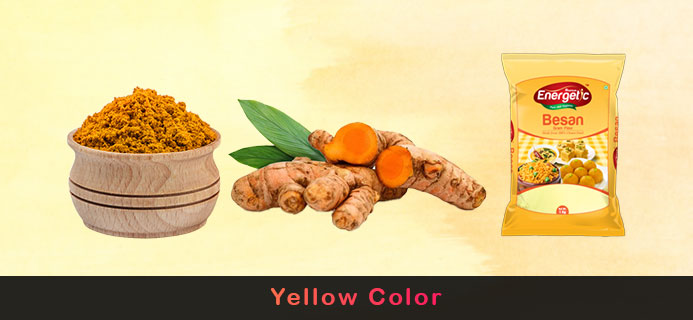
Yellow is the color of sunshine, hope, and happiness. Moreover, this color stands for positivity, freshness, happiness, enlightenment, royalty, joy, etc. This yellow color is also one of the most popular Holi color powders, and you can make this natural eco-friendly Holi powder at your own home. To make yellow color powder for Holi, you need:
Good quality turmeric powder
Besan flour
Instructions:
The recipe of this Holi powder is the easiest of all. To make this, you need four parts of besan flour and two parts of turmeric powder. Your dry yellow color powder is ready!
5. Green Color
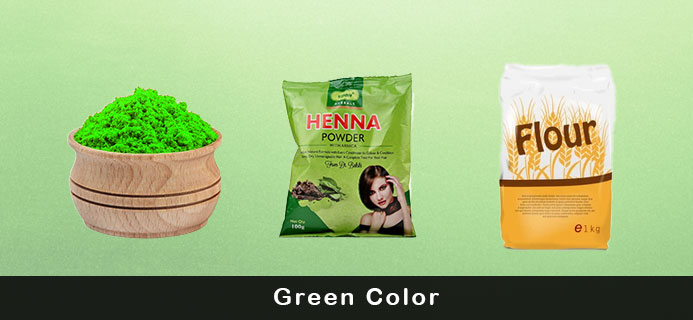
The green color signifies nature and the natural world. Our environment is also green, and you should maintain this by using eco-friendly green Holi powder. The green color also represents forgiveness, unconditional love, compassion, etc. It gives healing energy to the heart. To make this color, you need:
Heena powder
Flour
Instructions:
Take a pure henna powder, which is free from artificial ingredients. Then, you can mix it with flour to get a green color powder with which you can play Holi.
Closing Thoughts
Holi is one of the most popular festivals for Hindus, and later it becomes popular among non-Hindu communities as well. It signifies the victory of good over evil and is celebrated as a day of spreading love and happiness. To make this festival more memorable, you can make homemade natural Holi powder and save yourself as well as your environment from pollution.
Content Rally wrapped around an online publication where you can publish your own intellectuals. It is a publishing platform designed to make great stories by content creators. This is your era, your place to be online. So come forward share your views, thoughts and ideas via Content Rally.
Hello there, fellow cannabis enthusiasts! Today, I'm excited to take you on a flavorful journey into the world of homemade cannabis gummies. If you've ever wanted to try your hand at crafting these delectable treats, you're in the right place.
Want to know how to make cannabis gummies? I have you covered! In this blog, I will walk you through the process step by step, from selecting the right strain to infusing your gummies with the perfect dose of cannabis goodness. So, roll up your sleeves (pun intended), and let's get cooking!
Before We Dive In: A Word On Cannabis Strains
Choosing the right cannabis strain for your gummies is crucial. Each strain offers a unique flavor profile and effect, so consider what kind of experience you're aiming for.
Personally, I like to use a hybrid strain for a balanced blend of relaxation and creativity. Indica strains can be too sedating for some, while sativa strains might make you a bit too chatty. A hybrid is often the sweet spot.
How To Make Cannabis Gummies: A Step-By-Step Guide That You Need!
Before we start with the steps, there is one thing I would like to make clear. While making cannabis gummies at home offers numerous benefits, it's essential to approach the process responsibly, especially if you are new to cannabis edibles.
Start with lower doses, be patient, and remember to comply with local laws and regulations regarding the preparation and consumption of cannabis-infused products.
Now that it is done, let’s get started!
Step 1: Gather Your Ingredients And Tools
Before you start whipping up your cannabis-infused gummies, make sure you have everything you need. Here's a list of what you'll require:
Cannabis tincture or cannabis-infused oil: This is the star of the show, providing THC or CBD goodness.
Flavored gelatin packets: Choose your favorite flavors for a delightful twist.
Unflavored gelatin: This will give your gummies the right texture.
Sugar: For sweetness, of course!
Water: To mix everything together.
Silicone molds: These will help shape your gummies.
A saucepan and a whisk: To heat and mix your ingredients.
A dropper or syringe: For precise dosing.
Step 2: Calculate Your Dosage
Getting the dosage right is crucial. We want those gummies to provide a blissful experience, not send us to the moon! Start by determining how much THC or CBD is in your tincture or oil and calculate the dosage per gummy. For beginners, I recommend starting with a lower dose (around 5-10mg) and gradually increasing it as needed.
Step 3: Prepare Your Molds
Before you dive into the cooking process, prepare your silicone molds. Lightly coat them with cooking spray to prevent sticking later on. This step will ensure your gummies pop out effortlessly once they're set.
Step 4: Mix Your Ingredients
Now, let's get cooking! In your saucepan, combine the flavored gelatin packets, unflavored gelatin, sugar, and water. Stir everything together until it forms a smooth mixture. It should be free of lumps and evenly blended.
Step 5: Infuse With Cannabis
This is where the magic happens! Add your cannabis tincture or infused oil to the mixture. The dosage you calculated earlier will guide you here. Use a whisk to ensure the cannabis is evenly distributed throughout the mixture. Keep the heat low to avoid overheating the cannabis, which could affect its potency.
Step 6: Heat And Stir
Place your saucepan over low heat and continue to stir. You want to gently heat the mixture without boiling it. Keep stirring until all the ingredients are fully combined, and the mixture becomes smooth and shiny. This should take about 7-10 minutes.
Step 7: Fill Your Molds
Once your mixture is ready, use your dropper or syringe to fill the silicone molds. Take your time and be as precise as possible. This will ensure that each gummy has the correct dosage, and they'll all look fantastic!
Step 8: Let Them Set
Patience is key at this stage. Allow your cannabis gummies to set at room temperature for at least 30 minutes. You can speed up the process by placing them in the refrigerator, but be careful not to freeze them.
Step 9: Pop And Enjoy!
The moment you've been waiting for has arrived! Carefully pop your gummies out of the molds and behold your homemade cannabis-infused creations. Store them in an airtight container in a cool, dark place to maintain their freshness.
The Beauty Of Homemade Cannabis Gummies
There's something truly special about crafting your own cannabis gummies. You have full control over the ingredients, flavors, and dosages, ensuring a personalized experience every time. Plus, it's a fun and rewarding process that allows you to experiment with different strains and flavors until you find your perfect match.
Now that you've learned the art of making cannabis gummies, the possibilities are endless. Whether you're treating yourself or sharing with friends, these homemade delights are a delightful way to enjoy the benefits of cannabis in a delicious and discreet form. So, go ahead, put on your apron, and let your culinary creativity shine in the world of cannabis-infused treats!
Benefits Of Making Cannabis Gummies At Home!
Making cannabis gummies at home offers several benefits, which contribute to their popularity among cannabis enthusiasts. Here are some key advantages:
1. Control Over Ingredients:
When you make cannabis gummies at home, you have full control over the quality of ingredients. You can choose organic, non-GMO, and natural products, ensuring that your gummies are free from undesirable additives or artificial flavors.
2. Customizable Dosage:
One of the most significant advantages is the ability to customize the dosage. You can precisely measure the amount of cannabis you want in each gummy, allowing for consistent and accurate dosing. This is particularly important for medical cannabis users who require specific doses for their conditions.
3. Choice Of Strain:
Homemade gummies let you select the cannabis strain that suits your preferences and desired effects. Whether you want a relaxing Indica or an energizing sativa, you can tailor your gummies to your specific needs.
4. Variety Of Flavors:
You can experiment with an array of flavors, creating gummies that cater to your taste preferences. Whether you prefer fruity, sour, or herbal flavors, you have the freedom to get creative and craft gummies that delight your palate.
5. Cost-Effective:
Making your own cannabis gummies can be more cost-effective than purchasing pre-made edibles. You can buy cannabis flowers or extracts in bulk, which often offers better value for money, and create a substantial quantity of gummies.
6. Quality Control:
Home preparation allows for better quality control. You can ensure the cleanliness of your equipment and environment, reducing the risk of contamination. This is particularly crucial for individuals with allergies or dietary restrictions.
7. Privacy And Discretion:
Crafting your cannabis gummies at home offers privacy and discretion. You can enjoy the therapeutic benefits of cannabis without drawing attention to yourself or your cannabis consumption.
8. Fun And Educational:
The process of making cannabis gummies can be enjoyable and educational. It provides an opportunity to learn about the science of cannabis infusion and cooking techniques. It can be a fun activity to share with friends or loved ones.
9. Experimentation:
Homemade gummies encourage experimentation. You can try different recipes, ratios, and infusion methods until you find the perfect formula that suits your preferences and needs.
10. Longer Shelf Life:
Keep With proper storage, homemade cannabis gummies can have a longer shelf life compared to store-bought edibles. You can keep them fresh for an extended period, allowing you to enjoy them at your own pace.
Wrapping It Up!
In case you were searching about how to make cannabis gummies at home, I hope that this blog has been of help to you. If there are any other queries related to the same, feel free to let me know. All that you need to do is scroll down till you reach the bottom of the page, Then leave your comments and queries in the box below. And I will be there to answer them all for you!
Learn More About:
Why Cannabis Is Good For Health?
How To Make Your Own Cannabis Topicals?
Things To Consider While Buying CBD Gummies Online
Cannabis Can Help In The Fight Against Drug Addiction
We all get too excited when we learn that our birthday is around the corner. We also feel happy when someone we love is going to celebrate their birthday. What makes the event of a birthday so special is the perfect birthday gift that you choose for the birthday girl/boy. A birthday gift, no doubt, has a strong capacity to brighten up the whole day.
As we know, the joy of receiving a gift and feeling surprised while opening it is matchless. When we see our loved ones happy on receiving the gift we brought for them, it makes us equally happy. Due to this, we all want to buy a perfect birthday gift that makes the recipient happy.
4 Tips For Choosing A Perfect Birthday Present
When you want to find a perfect birthday gift for someone special, you will get plenty of options in the market. But most of the presents are pretty basic. So when you are planning to make the day memorable, the common birthday gifts will not work.
You have to think differently. Here are four tips for buying a perfect birthday gift for the birthday boy or girl. The contemporary modern thinking process is going to help you.
1. Ignore Stereotypes:
When the perfect birthday gift is to be purchased for someone so close to our heart, we want things to be different. Due to this, we must break stereotypes. From the present purchasing to packing, everything needs a special touch.
We can experiment with new ways of choosing a gift, packaging it, and then making it delivered. Choosing the gift requires us to know that person a little bit more. For packing, the assistance of Personally picked.
2. Remember Past Conversations With The Person:
When it comes to buying a perfect birthday gift on the occasion of the birthday of the love of our life, we always want to choose something useful as well as thoughtful. For this purpose, we need to discover what is most needed by the person we are looking for a gift for. The best way to choose a gift is to recall past conversations with that person and try to remember where that person communicated any kind of need.
For example, if someone tells you in the past that their laptop is acting up, you can buy them a new laptop that will not only fulfill their needs but also make them happy on receiving such a unique and useful gift.
You may like also: Why Engraved Gifts Are the Perfect Gifts to Show That You Care
3. Don’t Be Conscious About Money:
While buying a perfect birthday gift for someone we love, we often feel so overwhelmed and feel that we are required to buy something really expensive to win the heart of our love. However, this is not the case.
It is not always essential to buy something lavishing. If you are running low on your budget, you can still buy something thoughtful and precious that is innovative at the same time. The requirement and the requirements of the essential item are never going to end. So always try to present something unique and usable.
4. Add Your Personal Touch:
Everyone likes to receive gifts, but when the gift has been given a personal touch by the sender, it expresses more love and affection that is priceless.
Even if you buy something reasonable, your personal touch will make it more precious for the recipient that he would always love to treasure. The packing is the main area where you can use your imagination, and for the perfect birthday gift, you must add your personal touch through wish card messages.
You may also like: 7 Of The Most Funny, Geeky & Cool Star Wars Gifts For Him
Conclusion:
A perfect birthday gift is the best way to bring a smile to the face of someone we want to be with. Our gift ought to be exciting and precious that can make a long-lasting impression on the recipient’s mind. Therefore, we should choose the gift carefully. From the gift purchase to the presentations, everything should carry a unique message. So do not forget to add your handwritten notes on the gifts.
Read Also:
The Best Gift Ideas for Kids Ages 1-5
Sending Gifts in Lockdown – Let Someone Know They are Not Alone
A Fashion Gift Guide for Special Occasions
Creating a home gym can be a convenient and effective way to stay fit and pursue your fitness goals on your own terms. However, there are more considerations in doing this than you may think. This is because there are several options available in the market for home gym equipment.
First of all, you will have to assess things like your fitness goals and available space to help you make informed decisions that suit your needs and budget. So, let’s dive in and explore the tips for choosing the right gym equipment for both beginners and fitness enthusiasts.
1. Find Space for Your Equipment
Before you even begin considering the specific types of gym equipment you want, it's essential to identify the appropriate area within your home to accommodate your fitness equipment. By designating a specific area for your gym equipment, you ensure optimal utilization of the space.
It allows you to organize and arrange the equipment in a way that maximizes functionality and efficiency. Additionally, having the equipment readily available in a designated space saves you time and effort in setting up and dismantling the equipment for each workout session.
Moreover, consider a space where there is proper noise cancellation, so you are not disturbed by the outside noise, nor are others disturbed by the sound of music you may be playing in that area.
2. Choose the Equipment Based on Your Needs
Choosing the right gym equipment is crucial to ensure effective workouts and maximize your results. By understanding your needs and goals, you can select equipment that specifically caters to your desired workouts.
Ask yourself questions like are you looking to build strength, improve cardiovascular fitness, enhance flexibility, or a combination of these? Knowing your focus areas allows you to choose equipment that targets those specific aspects of fitness.
However, during this consideration, make sure to choose the equipment that can be used for multiple workouts. For example, functional trainers can be used for multiple workouts by adjusting the cable angles and weights. That’s why we recommend you find functional trainers online based on your needs and goals.
3. Look for High Quality and Versatile Equipment
When considering your needs, look for equipment that offers versatility. Opt for pieces that allow you to perform multiple exercises and target different muscle groups, as mentioned above. Plus, make sure to look for equipment that is built to last and is contracted with robust materials, and ensures durability.
Choosing high-quality equipment also prioritizes safety during your workouts. Sturdy construction and reliable mechanisms reduce the risk of accidents or equipment failures. So, make sure to look for equipment with appropriate weight capacities and safety features, such as secure locking mechanisms and non-slip surfaces.
4. Seek Professional Advice
If you're unsure about which home gym systems are best for your fitness goals or how to use specific machines properly, seek advice from fitness professionals or personal trainers. They can offer guidance based on how fit you are, your goals, and any exact needs or limitations you may have.
Read Also :
What Are Popular Mind And Body Exercises Available At A Gym?
Top 10 Muscle And Strength Building Exercise At Home
You Can’t Out-Diet Your Training













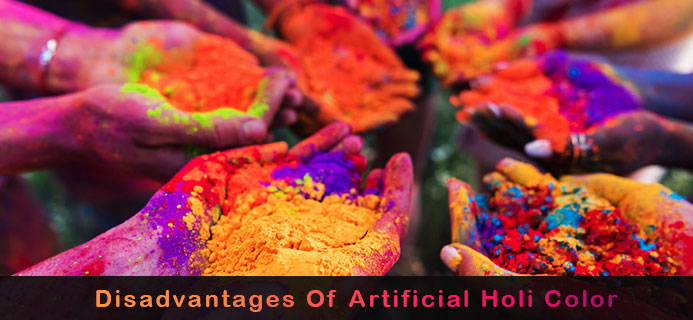 According to beauty experts, artificial Holi colors can affect your eyes, lungs, and skin. If your skin is very sensitive and suffering from certain skin allergies then you must never use artificial Holi color.
The common issues of artificial Holi color are as follow:
According to beauty experts, artificial Holi colors can affect your eyes, lungs, and skin. If your skin is very sensitive and suffering from certain skin allergies then you must never use artificial Holi color.
The common issues of artificial Holi color are as follow:
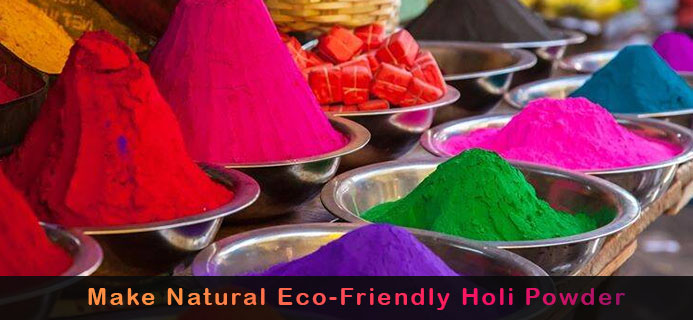 The excitement of Holi is more among children and teenagers. So, it can be useful for you if you make natural colors at your home beforehand. You must always opt for natural eco-friendly colors to protect your skin and prevent your surroundings from becoming toxic.
Now, let’s start to make our natural eco-friendly Holi powder to celebrate this Holi.
The excitement of Holi is more among children and teenagers. So, it can be useful for you if you make natural colors at your home beforehand. You must always opt for natural eco-friendly colors to protect your skin and prevent your surroundings from becoming toxic.
Now, let’s start to make our natural eco-friendly Holi powder to celebrate this Holi.