










3 Reasons To Fall In Love With CBD And Yoga
Published on: 28 April 2021
Last Updated on: 31 December 2024

Holistic healing leads to wonders in the medicine world and promotes the top-notch functioning of the vital organs. Yoga is one of the ancient healing techniques that incorporates spiritual well-being and mindfulness. CBD Therapy makes the perfect pair for Yoga due to innumerable reasons. Cannabidiol interacts and induces spiritual effects in the same manner as Yoga does. These include better concentration, improved quality of life, relief from muscle aches, enhancement of mental space, and faster healing. Experts suggest that Yoga, coupled with CBD, might turn out to be miraculous for the human body.
Keep reading to know the top benefits of combining your yoga sessions with some CBD supplements.



Popular

Technologies For Creating A Startup Idea
20 Feb 2023

How to Download Facebook Videos on Android?
07 Feb 2019

7 Rules of Effective Ecommerce Web Design
28 Jan 2021

Why Are Online Transactions Convenient?
07 Dec 2023

Recent


Related

We’re What We Eat: How Eating Habits Affect Our Well-Being
Eating is not just about dumping fuel into the tank so we can drive another twenty blocks. Multiple psychological and sociocultural factors also dictate how, why, when, and what we eat. Varying eating habits around the world can have a significant effect on our well-being. This post aims to shine a light on some of these habits to examine them more closely. Habit One: Is Breakfast The Most Important Meal Of The Day? Cereal manufacturers are keen on the idea that breakfast is the most important meal of the day. Is it true? According to researchers Tanya Zilberter and Eugene Yuri Zilberter, recommendations for breakfast eating behavior remain categorical but at the same time scientifically unsound health guidelines. If we look at the science and ignore cereal marketing, there are many benefits to eating at the start of your day. The following scientific information is extracted from the materials provided by the National Library of Medicine: Breakfast eaters tend to get more nutrients over the course of the day. They are also more likely to intake a wider range of nutrients. Breakfast has been associated with improved weight control and health indicators of cardiometabolic risk. This applies to adults and children. Studies have related breakfast eating to improvements in attention and better cognitive function, regardless of age. Remember that breakfast means different things around the world. Eating a pain au raisin in Paris is not the same as eating bratwurst in Berlin. The nutritional value of a full English breakfast is not the same as a continental. Attempting to run the first few hours on an empty tank is generally not as healthy as providing your body with some fuel. What’s important, however, is to start the day with food and supplement your nutritional intake during the day. According to the researchers whose statement has opened this section, skipping breakfast is not necessarily a big deal. People need to consider the below points: how long they’ve been without food (if two people eat at midnight and one eats breakfast at 5 am and the other at 10 am, the different fast lengths will impact their bodies differently), and whether they make up the “lost” nutrients with their eating habits during the day. However you do breakfast, take a holistic approach to diet. Consider what you eat over 24 hours. Habit Two: What Are The Consequences Of Eating Before Bed? Just as skipping breakfast is seriously frowned upon, eating late at night is typically considered a bad habit. Science suggests that eating late at night correlates with higher incidences of medical claims. While Tanya Zilberter and Eugene Yuri Zilberter found that research on skipping breakfast and studies on eating late often fail to consider how long the participants fasted, they did find solid evidence regarding the potential risks of eating late, including the following eating behavior pathologies: Elevated insulin and glucose levels, characteristic of metabolic syndrome; Distortions of body image and mood disorders; Implications on circadian rhythm. Harvard agrees. Late-night eating is bad for health. A recent Harvard study found evidence that eating late may increase hunger, which can increase the risk of obesity. If you suspect you’re about to see yourself in a statistic, you might be right. About forty percent of the US adult population is obese. More study is required on the role late eating plays in calorie intake, calories burned, and molecular changes in fat tissue. Until that verdict comes in, it looks like avoiding late-night meals may reduce incidents of cancer, diabetes, and other conditions. Habit Three: Is It Okay To Let Kids Eat In Front Of The TV? Eating in front of the television can lead to a lack of attention, which in turn can lead to missing cues regarding fullness. This habitual overeating could then cause obesity. And there’s another interesting angle to consider regarding television, what we eat, and how we feed our children. A fact-filled study into television viewing and unhealthy eating made the research-backed observation that television and food advertising influence children’s food preferences. Studies have demonstrated that child TV watchers are more likely to prefer unhealthy food in early adulthood than kids that didn’t watch television. To help kids stay healthy and become adults who make healthy choices, monitor kids’ TV intake and defend them from unhealthy, unsolicited dietary influences on screen. These tips may help you form your kid’s eating habits: Kids’ food preferences develop by age three and tend to remain stable throughout childhood. Repeated exposure increases the chance that your kids will start liking a new food. Information that a new food tastes good will increase their willingness to try it. Kids are less interested in hearing how nutritious things are. The availability of food in the home will affect food consumption. Your food access controls will influence consumption and food preferences. If your diet is healthy, your kids will be more likely to eat healthily. As kids reach middle school age and adolescence, external influences – including peers and the media – are likely to have a detrimental effect on their food choices. Conclusion We are what we eat. You knew that. Still, it’s worth delving into research to back it up. It’s easy to forget. Many of us have busy lives and take eating for granted, treating our bodies as if they weren’t some of the most sophisticated machinery on the planet. While this post provides helpful information that may confirm your healthy eating habits or inspire you to eat differently, a health professional can help you put the best into your body to get the best out of your life. Put your health in safe hands by visiting The American Academy of Nutrition and Dietetics or Leadar websites to find a professional nutritionist who can help you, your loved one, or your team improve your health and performance. Your eating habits have a massive effect on your well-being. Change how you eat to change your energy levels, your mood, your potential for health risks, and your life. Read Also: How Can A Cardiologist Save Your Life? Easy Breakfast Ideas For Type 2 Diabetes 5 Types Of Cancer Prominent In Women
READ MOREDetails
Ketamine Therapy: A New Hope For Treating Depression And Anxiety
Those of you suffering from resistant depression might now have new hope. As per the professionals and researchers, Ketamine is a special treatment that is an effective procedure for treating depression. Previously, a pain reliever and an anesthetic medication would not make an effective treatment. Ketamine assists in treating mental health disorders such as anxiety and depression. However, by leveraging the potential psychedelic effect of ketamine, the main objective of ketamine-assisted psychotherapy is to attain enduring outcomes. Thus, this leads to a reduced number of ketamine treatments when it is compared to intravenous ketamine infusion. In this article, you will discover ketamine therapy and what are the benefits of undergoing one. Does Ketamine Treatment Impact Your Brain? While undergoing the ketamine treatment, you might witness a wide range of changes to your conscious experience. This usually includes emotional modifications and sensory alterations. If the treatment is conducted at a low dose, then ketamine alters the level of glutamate (which is a chemical messenger) in the brain. This might later result in a neural connection. Therefore, the brain becomes more adaptable and develops a new pathway, allowing patients to create more positive feelings and thoughts. Therefore, while undergoing the treatment, you might experience these list of side effects within a couple of hours: Change in vision. Imbalance. Nausea. Elevated heart rate. Headaches. Disorientation. Increased blood pressure. Benefits Of Ketamine Treatment Here is a list of the benefits of undergoing ketamine treatment. 1. Treating Anxiety Disorder Anxiety disorder includes GAD or generalized anxiety disorder and social anxiety disorder, which can severely impact a person’s quality of life. Therefore, KAP has been showing promise in assisting individuals in managing their depression symptoms effectively. It is like the symptoms of depression, ketamine appears to assist in resetting the brain's neural signals that associate with stress and anxiety. While the anxiolytic and calming experience by parents undergoing KAP can be transformed. This is significant for those who do not find a reliance on traditional treatment. 2. Addressing Treatment-Resistant Depression There are many individuals who suffer from treatment-resistant depression. This is because the traditional antidepressant medication just does not work. The KAP, or Ketamine-assisted psychotherapy, has emergency growth within that vacuum as a potential breakthrough. This produces significant improvement in your mood. 3. Managing Chronic Pain Beyond the application of ketamine therapy in your mental health, the medication will assist psychotherapy and can also be productive in managing chronic pain conditions. Therefore, it also includes complex regional pain syndrome and neuropathic pain. If you are looking for oral ketamine treatment, then you can contact the website and get started with your treatment at the earliest. It will help you receive NMDA or N-methyl-D-aspartate receptors within the spinal and brain cord. However, ketamine can assist in modulating the pain and offer pain relief in no time. 4. Enhancing addiction Treatment Ketamine treatment has also been examined as the potential treatment for any disorder, particularly the case of alcohol and opioid addiction. While professionals suggest that ketamine affects your brain’s reward system and your ability to alleviate carvings. Hence, this might help you during the most challenging situations of addiction recovery. Therefore, it is essential to focus on ketamine-assisted psychotherapy for addiction treatment when it is in the early stages. 5. Coping With PTSD PTSD, or Coping with Post-Traumatic Stress Disorder, is a complex mental health condition that can develop after experiencing and witnessing a traumatic situation. You can visit a standard therapist like cognitive-behavioral therapy (CBT) and medication that might not always lead to desired outcomes. Furthermore, it has been investigated as a potential tool that can aid in the treatment of PTSD. The function of ketamine treatment is to make it easier for you. It captures a specific area involving traumatic memories and reduces your emotional intensity. Thus, it offers relief to those who are suffering from the debilitating effects of PTSD. Looking For Any Side Effects In Your Treatment In the present situation, there is limited information about the ketamine side effects. Certain papers have collated the side effects of ketamine, and it does not include any placebo. There are even patients who have longer-term consequences. These are a few of the considerations that ketamine is avoided or is used with severe caution: Mothers who are breastfeeding or are pregnant. Older individuals who are suffering from dementia. People who have a history of schizophrenia and psychosis, as there is a concern that is associated with ketamine production, can make the psychotic disorder worse. Teenagers might be concerned about the long-term effects of ketamine. People who have a history of substance disorder. Keeping this in mind, healthcare professionals have formulated different analyses to investigate the side effects of ketamine in more detail. Furthermore, there are some concerns. With repetitive dosing, the ketamine can start to lose its effectiveness, and it might require a larger dosage to produce the same effect. How Much Does Ketamine Treatment Cost? Insurance hardly covers most of the ketamine treatments. If you book for a single session, it can cost you $300, and it might spike up to $800. Even certain insurance companies have core FDA-approved nasal treatments, but the other treatments might be paid out of pocket. On the other hand, if you are suffering from long-term, then antidepressants can make you weak. In this situation, it is right if you avail of ketamine treatment. This would offer you a quick relief. Ketamine Treatment Boosts Overall Well-Being If you are suffering from uncontrollable depression, it can take a big toll on your physical health. This can also lead to many ailments, further diminishing the quality of life. Ketamine can be a valuable tool to cure your anxiety and depression, thereby offering new hope for happier and healthier days ahead. Whether you like the treatment procedure or not, you must prioritize your mental health and get the resources you need. Thus, seek immediate help if your loved one or you are facing any symptoms of a mental health crisis. Read Also: Peptide Therapy: Types And Benefits How to Get Maximal Value from Your Couples Therapy The Physical and Occupational Therapy Changes in Medicare for 2020
READ MOREDetails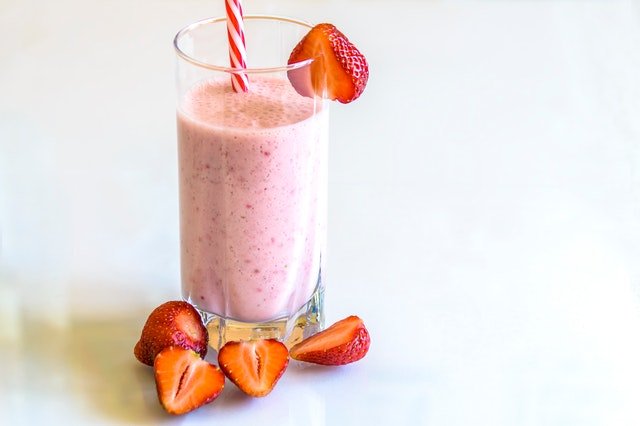
Seven Best Meal Replacement Ideas For Weight Loss
In a world where there is an endless variety of yummy, unhealthy, and fatty foods, finding something healthy to eat to stay fit can be very challenging. For you, in daily life, there is so much temptation to resist. To stay healthy and in shape, you need to stop binging on the cookie in your pantry, quit getting a quick snack from the fast-food chain's drive-thru, and resisting the urge to have a tiny bite of the cake in your fridge. This temptation happens when you just can't make enough time to cook a healthy meal for yourself. But don't worry, we have the perfect solution for you! Your blender can save your time by providing you with some healthy smoothies and soups that will replace your unhealthy and fatty meals. Yes, you read that correctly. The best meal replacement shakes and soups contain all the nutrients and calories in a specific quantity needed by your body. There are many drinks, bars, and soups at stores considered as a substitute for a substantial meal taken two or three times per day. These drinks help you lose weight faster. How? When you replace your full meal with a glass of a shake, you intend to take in fewer calories but more nutrients, protein, minerals, and other critical healthful substances. Protein shakes also reduces the hunger cravings that result in unhealthy eating. Best Meal replacement drinks are easy to make, and due to fewer calories, balanced carbs, proteins, and fats, they stabilize your blood sugar levels. You may be eating your perfect meal on time but can yet be lacking calcium, potassium, iron, and vitamins. Hence, taking the protein bars and shakes will help you to meet the daily requirement of essential vitamins and minerals for your body. Most people ask if the replacements shakes or bars are healthy and safe to take in or not. As far as the product contains no harmful ingredient, it is safe to consume. There are several ways to lose weight through the best meal replacement products. Following are the seven best meal replacement ideas for achieving a healthy weight loss: 1. Protein Bars In the modern world, every other person is following some type of diet to lose weight. To aid the weight loss process, people supplement their regular meals with different low-calorie food items. For example, Protein bars have now become one of the most popular meal replacement choices. They are also known as nutritional bars and tend to contain a high amount of protein and healthy carbs. They carry five to ten grams of fat, fiber, and 25 to 30 grams of carbohydrates. Protein bars help to fulfill different purposes of a human body. Some people intend to replace meals by protein bars to switch a variety of nutrients in a meal. Moreover, you have to eat protein bars in moderation between the meals to reduce weight. Overindulging in protein bars may lead to constipation and will slow down your weight loss. When weight loss becomes your primary concern, you then know what products to take inside of your body. Protein can affect your metabolism and body weight. It reduces the level of ghrelin, also known as the hunger hormone in your body. Hence, choosing the right protein bar with optimal nutritional value and low sugar content will help you to lose weight. 2. Protein Shakes Replacing your meal with a healthy shake is the quickest and convenient way to lose weight. When you are using the best meal replacement shake, you should acknowledge the amount of protein, carbs, fiber, calories, and other essential, healthy supplements you're taking in. Protein shakes provide at least one-third of your daily intake to make you stay healthier. Not all shakes have healthy ingredients. Shakes that contain artificial flavors or preservatives are not the ones for your body if your goal is to lose weight. Protein shakes that contain more protein helps in better and faster weight loss. In favor of losing weight, protein shake must contain 15-25 grams of protein, 10-15 healthy fat, and 18 vitamins and minerals. Getting enough of these nutrients can boost up your metabolism and help in losing extra fat. 3. Low-Calorie Soups Meal replacements soups are high in protein and less in carbs/fats. Replacing your at least two meals with diet soups can reduce your overall calorie intake. Not all soups you see are for the same purpose. Some contain vegetable oil and sugar in high amounts. Healthy vegetable-based soup can help in reducing the calories gained during the meal. You can also add a source of protein to your soup, which by controlling your appetite, aids in weight loss. Sources of protein in your soup can be skinless chicken breast and beans that are low in fat. 4. Salads Not all salads help you to lose weight. Most of the salads do contain more fats and calories than others. Replacing your meal is a common way to lose weight by most of the dieters. A high-calorie meal, when a healthy salad replaces it, washes away all the unwanted calories from the body. Green leaves are the best friends of dieters. Using a diet-friendly salad can help you lose weight in no time. Beans can also be added to the salad as they are high in protein and fiber. Choose healthy fats for your salad, such as avocado, olives, almonds, pine nuts, and sunflower seeds are few sources of fat for your salad. 5. Oats Who isn't familiar with oats? Oats contain several nutritional benefits. For people on a diet, oatmeal is the favorite breakfast to have. The oatmeal diet is usually for the winter season. They provide enough fiber to the human body to lose weight. Replacing your meal with oatmeal can be beneficial to your health as just one-half cup of oats contains two grams of fiber, 3 grams of protein, and guess what? Zero grams of sugar. They are also a great source of calcium and iron and are low in calories and fat. It makes you feel full longer than other foods as it helps to boost your metabolism. 6. Smoothies Smoothies are a great way to lose weight when you are in a rush. Meal replacement smoothies are a healthier alternative that contains 200-300 calories and helps reduce calorie intake. Not just any smoothies, but you should select the one that is rich in protein for meal replacement. Two smoothies a day can be enough for you to get several protein and nutrients needed by the body. Make sure the smoothie you are taking in is lower in calories. Smoothies that focus on fruits, vegetables, and protein with healthy fats are essential and a great source of losing weight. 7. Granola Bars When it's about diet and meal replacement, people immediately switch to eating breakfast bars and granola bars instead of taking proper meals. There are several other bars apart from protein bars, such as granola bars. You can eat granola bars or any other healthier breakfast bars in the morning. Your breakfast bars should contain at least 5 grams of protein and 35% of calories. Some healthy bars to consider are Clif bars, Odwalla bars, Luna bars, and crunchy Granola bars. Conclusion The best Meal replacement products, when taken in moderation, can help you reduce weight in no time. On the other hand, you should remember that not all shakes, drinks, bars, or salads are healthy for you. You should be very careful and selective of what you eat since a high amount of sugar and carbs can slow down your weight loss. Read Also: 5 Best Stimulant-Free Fat Burners Only the Best Membrane Protein from Calixar Why is Fitness Important for Weight Loss? Best Weight Loss Program to Lose 20 Pounds
READ MOREDetails