Published on: 07 July 2021
Last Updated on: 20 May 2026
Considering drapes or curtains but stuck on which style and design to choose? Well, this article is for you. We shall delve into all the details that you ought to know when looking for curtains for your home.
Sheer curtains
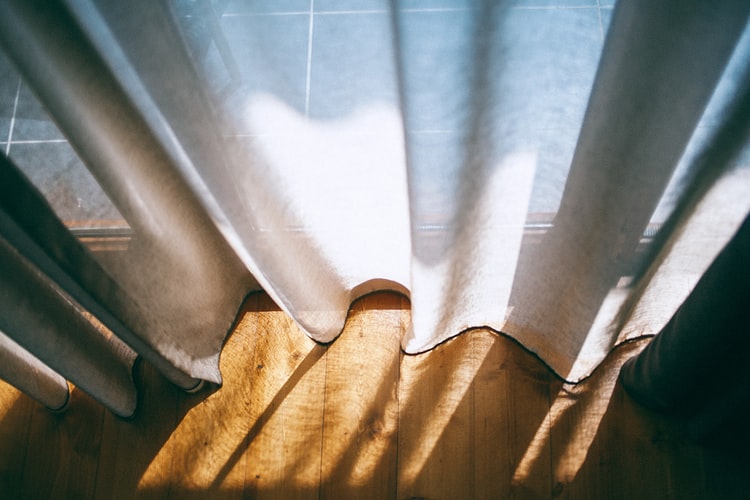
The sheers are made from a translucent fabric that softly filters light. These curtains do not darken the room, but they allow plenty of natural light to fill it. The sheer curtains also ensure that passers-by cannot get a glimpse of your house hence protecting your privacy.
It is for this reason that sheers make great living room curtains. Pair your sheers without blackout curtains for an unmatched level of privacy. The custom curtain combination gives you complete control over light levels and helps in regulating room temperature due to the insulating blackout fabric.
Curtain fabric
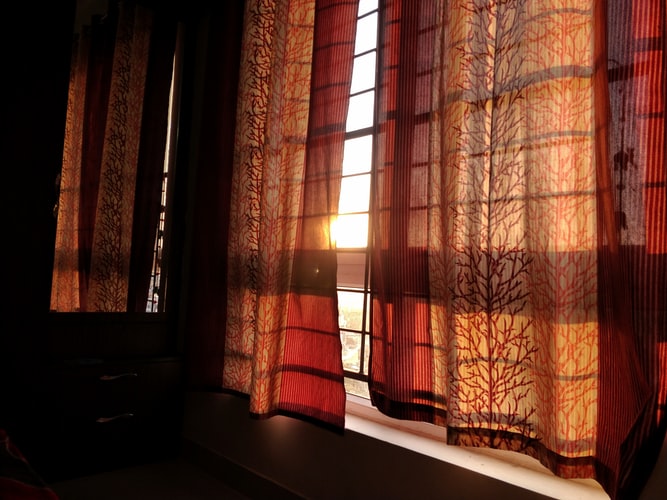
The fabric is the first to consider when purchasing curtains. The choice of fabric will determine their functionality in your home. You should choose various fabrics for different rooms. The patio curtains offer the best fabric.
Blockout curtains
These curtains are also referred to as blackout curtains and are primarily predominant in Australian homes. These curtains prevent light from entering through the windows hence resulting in a darker room. They also help in insulating your home.
During the winter months, the thick-lined fabric gets your home warm, while during the hotter ones, the fabric prevents hot air from passing via the windows.
Linen curtains
It is regarded as one of the best fabrics you can select for your home despite being overlooked. These fabrics have several practical advantages. For starters, linen is a durable and robust fabric making it a worth trying investment.
It has an anti-bacterial fabric with hypoallergenic features and is exceptionally absorbent. For this reason, it is the best for anyone in the family who is prone to allergies.
Curtain length
One of the essential steps in getting suitable curtains is ensuring you have the correct measurements. Poorly installed or ill-fitting curtains will make even the most stylish of rooms look unattractive and disorganized. Walk with an expert to determine the length of your curtain.
You will have a sit down with him to know what you want to achieve in your home. Provide a sense of height to a room by hanging a fabric higher than the window. For a classic look, go with curtains that skim the floor.
Curtain color
Take all the time when choosing a color for your curtain since it is an investment for your home. There are a variety of drapes and curtains with different beautiful colors that can you can select.
The living room area should have bright colors since it the eyes of everybody. White and grey curtains are the most popular choices.
Summary
Curtains literally “add life” to your home. Get a professional who will guide you in determining all the above-shared information, and you will bring happiness to your home.
Read Also:
Content Rally wrapped around an online publication where you can publish your own intellectuals. It is a publishing platform designed to make great stories by content creators. This is your era, your place to be online. So come forward share your views, thoughts and ideas via Content Rally.
The year 2020 is nearing an end, and we all want to start afresh. There are many not-so-good memories attached to the year, and hence, with 2021 around the corner, it is time to change things up. If you are someone who wants to start the new year by doing some home renovations project, you have come to the right article. We speak to some of the leading home and design specialists in Australia, and ask them about the five trending home renovation ideas, Australian families can go for in 2021.
From gourmet kitchen trends to smart home transformations, we discuss the best ideas in the following sections. However, before we proceed to the list of ideas, let us first look at why home renovation is something, which you should do on a regular basis.
Why families should go for Home Renovation projects regularly?
Home renovations are important for a number of reasons. Let us list down some of them-
It allows you to increase the valuation of your house if you are planning to sell it on the market in the next few years.
They add freshness and create attractive spaces, which can be great for families to entertain and host events.
Some projects like painting, carpeting, etc. can allow you to remove a lot of infections, molds, and other harmful elements lurking in the house.
It is a great way to surprise your family members like children who are returning for the college holidays or for someone who is newly married.
Home renovations can be a great way to bond the entire family over something everyone is interested in.
List of the Top 5 Trending Home Renovation Ideas for Australian Families
1. Creating an attractive Deck in the Front Garden or the Backyard-
A deck can be a great place for you to hold parties and other events in the open spaces of your home. Casual barbecue sessions or wine tasting can be done in a beautiful environment if you have a deck. JVK & Sons are deck builders in Brisbane who feel that that they can be great family spaces for simply lounging around on a lazy Sunday afternoon. Decks can be like a new additional room in your home.
2. Innovating on Open-Floor Drawing Room spaces-
If you follow any of the leading home décor and design magazines, you will see that many families now want homes with an open-floor concept. Not only does it make space feel a lot bigger, but it also allows for a lot of natural sunlight and breeze in the living room. You can definitely look at creating such spaces in your home as they are trending at the moment.
3. Using French Windows for Sunlight and Air-
Another small, yet highly useful and beautiful home renovation idea can be changing the windows in your home. Going for old-school French windows can change the entire personality of your home. Design experts also say that in terms of aesthetics, there are a few other things, which can match up to French windows.
4. Smart and Connected Home Solutions-
Technology is changing the way we live in our homes. It is also adding to the convenience and safety requirements of a family. Using smart connected tech in your home can be a great addition. It can help you use technology for controlling the switches, security systems, appliances, and a whole lot more. There is definitely a sense of novelty in creating a smart home. Consider cold room installation based on your priorities to keep specific products fresh.
5. Gourmet Kitchen Set-Ups-
If you are someone like me who spends an awfully long time in the kitchen with your family, you can definitely go for this home renovation idea. Creating excellent gourmet kitchen spaces can help you entertain guests in the kitchen area itself and wow them with the different elements. From using the latest integrated kitchen tops to granite slabs and stool sitting areas, a gourmet kitchen set-up might just be the thing your home needs.
The Final Word
The planning, research, buying things, etc. stage can be very exciting for a family. Throwing a party at your newly set-up deck can be a memorable experience to cherish for the ages. Can you think of some more trending home renovation ideas for 2021? Let us know about them in the comments section below.
Read Also:
5 Things You Want From Your Home To Make It A Remote Worker’s Paradise
How To Prepare For Buying Your First Home
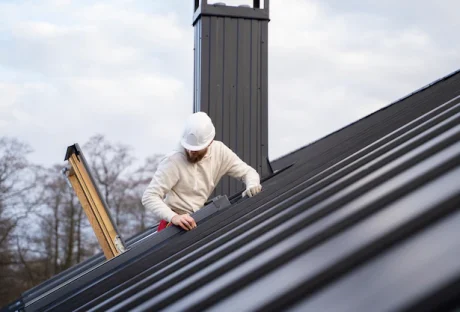
The roof is important for any commercial building. If your roof is broken, it exposes precious belongings that incorporate certain expensive commodities.
In most of the commercial buildings, roofing projects often stand out. It is necessary for your home to be protected from the harsh elements. For this, all you need is a reliable roofing company that can offer you these required services.
It is important to remember that remodeling and renovating your home is an intensive undertaking with several potential pitfalls. Before you can think of renovating your commercial roof, there are a few considerations to make.
This article will emphasize factors you should consider before renovating a commercial roof.
Top Considerations Before Renovation Of A Commercial Roof
Here is a list of guides to help you fix your commercial building roof.
1. Roof Ponding
Before you can contact a roof contractor, you need to inspect your building to see if there is any ponding.
Therefore, you need to observe if there is an act of accumulation on the roof. This will indicate you have an issue and might also face certain drainage issues. Excessive ponding might also lead to algae growth. This causes permanent harm to the rooftop.
Ponding indicates the right sign your roof is getting damaged, and it is time that you get into reroofing.
2. Determine The Material That Fits The Best
Thinking of renovating the commercial space is a great way to look functional. But at the same time, it is also expensive and time-consuming if you do not pay attention to the included material.
Before initiating the renovation, create a plan outlining the materials you need and the purpose. This will help you delegate the project effectively.
Researching the materials in advance will help you renovate appropriately, last longer, look great, and cost much less.
Not only will certain materials dictate aesthetics, but they will majorly reflect attributes in the home's new design. When you are taking on home renovation projects, make sure you choose the right materials.
And if you're unsure about the best option, seeking professional guidance can make the process much easier. For instance, if you're planning a manufacturing facility roof replacement, consulting specialists in industrial roofing can help you determine the most suitable materials based on durability, performance, and long-term exposure.
3. Consult An Insurance Company
If you need to replace the roof, it might be due to bad weather, so ensure it from an insurance provider first.
There are certain contractors who are more happy about helping one another during the time of processing the claims. So look for an insurance provider who can clear your doubts and get you all the valid information required to proceed with the claim.
In addition to that, they will try to get the insurance company to pay according to the damages. Similarly, you might also get a new roof without spending as much.
4. Prepare A Contingency Plan
Renovating your home is an exciting undertaking. It requires thorough planning and research. Similarly, knowing if you can prepare a contingency plan for any potential issues is vital.
An unforeseen issue might occur throughout the course of the renovation process. Thus, your contingency plan should include details about what you would need in certain cases, what can go wrong, the material required, and design decisions.
Hence, a comprehensive contingency plan can equip you and assist you in tackling unanticipated issues instantly. Moreover, you might not have to cause much of a disturbance in your renovation timeline.
5. Check The Paperwork
When you are dealing with something as vital as your roof, you do not wish to leave anything else to change.
For any contractor, it lays out how much you would need to pay and how much time they need to install a new roof. In addition to that, the paperwork can include all pertinent details on what permits you would need to make the new roof within your community.
In the end, you should also receive a letter from the contractor’s insurance providers and communicate exactly what is under the business liability plan. Commercial Roofers, similarly, can also help you with the renovation process and install a new roof.
6. Anticipate The Budget
Determining and setting the right budget is important before you can contact any roof contractor. You might develop a limit or have an expensive amount, so consider your decision.
Thus, setting a budget makes you plan about every attribute in the renovation project. Dreaming about a luxurious change that might increase your home's value is easy.
Therefore, create an estimated labor charge, material and decoration costs, and a contingency fund. Build up a detailed calculation and cost breakups that will keep you on the right track and assist you in saving time and resources.
Furthermore, keep all your expectations in check today.
7. Obtain The Right Permit
Before you can start with the major renovation, it is vital to know about the local areas and obtain the necessary permits.
This could be acquired for a permit from the country or city before you can begin the construction process. This is a specified requirement if you are undertaking any work affecting the home structure, plumbing, or electrical system.
Thus, by doing so, you need to protect the roof in the long run and save resources while ensuring that renovation will be handled professionally.
Furthermore, obtaining the right permit can avoid legal issues with the local authority, and it is worth going through the entire stage.
Hire The Best Roofing Contractors
Thus, finding a listed contractor is an integral factor. This is because it would ensure your home is in tip-top condition. If you know business owners who offer commercial roofing repairs, research before hiring contractors.
When you finally consider the essential requirements before renovating a commercial roof, you must hire the best contractor.
You must look for contractors with the expertise and skills to install and replace a roof. Ensure they carry their material and tools as well. Additionally, experienced professionals can efficiently handle issues like commercial roof leak repair, preventing minor issues from escalating into major structural damage.
Therefore, a roofing contractor can offer significant advice on roofing installation and repair. Make sure that roofing projects are conducted properly with qualified materials.
Furthermore, roofing contractors carry liability insurance, so you only need to protect yourself if any mashup or accident occurs.
Read Also:
Choosing A Siding And Roofing Companies In Delaware
What To Know About Commercial Greenhouse Flooring
Why You Must Use A Residential Roofing Company For Your Home
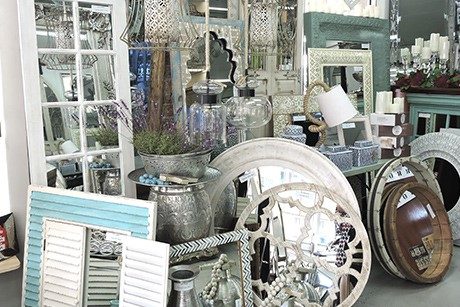
A great way to update your home decor mirrors for sale in Brisbane can give your rooms a makeover. If you are thinking about selling your home, consider buying new mirrors for sale in Brisbane for potential buyers to view in your property. It's a quick and easy way to improve the look of your property without incurring a major expense. You can find many different types of mirrors in Brisbane for sale, including antique mirrors, contemporary mirrors, wooden mirrors, folding mirrors, and more. No matter what style your home is decorated in, there is a mirror that will work perfectly in your space.
How to Find Mirrors Online in Brisbane?
Finding mirrors for sale in Brisbane can be as simple as going to your local home improvement store, but if you prefer to shop online you should find a wider selection of mirrors here than you would ever find at any other store around. Mirrors are an excellent way to reflect light into small or large rooms to enhance the appearance of your home. For this reason, they have become an important feature of many new homes.
How can Mirrors help you in your home?
In addition to improving the appearance of your home, mirrors can also help create an inviting atmosphere for visitors to your home. When used with proper lighting, mirrors can add drama and style to any room, including the bedroom.
A beautiful bedroom with well-placed mirrors can create a stunning space that mirrors reflect everything else in the room, creating a sense of openness and freedom. Mirrors are an excellent addition to any home.
Whether you are planning to sell your home or simply want to buy mirrors for home decorating in Brisbane, you will find a wide selection of mirrors at affordable prices.
Different types of Mirrors you can buy
There are many different types of mirrors available, including antique and contemporary mirrors, cheap mirrors, designer mirrors, plastic mirrors, and more. With so many options available, there is no reason to pay full price for home decorating accessories. You can find affordable mirrors for sale in Brisbane that will fit into your budget and still add beauty and style to your home.
No matter what type of home mirror you are looking for, you can find it in Brisbane. If you are ready to update your home's interior design, consider purchasing mirrors for sale in Brisbane. This way, you can be confident that you will be getting high-quality products that will last a long time. No matter what style you choose, mirrors are a practical and decorative addition to any home. You can use mirrors to add light to dark areas of your room or to highlight special artwork or features in your home.
When you purchase mirrors for sale in Brisbane, you can add beauty and value to your home without paying full price. With a little research, you can find a large variety of stylish mirrors that will match the decor in any room of your home. From bathrooms to living rooms, you can find a large number of unique mirrors that will help you create the look you desire. In addition to making your home look better, mirrors also provide safety by ensuring that you can see who is in the mirror before you speak with them.
Frames and Frameless Mirrors
There are many styles of mirrors available, including those with frames and without. When choosing a frame-less mirror, you can be more creative in terms of creating the style you love the most. The frame-less mirrors are more contemporary in design, allowing you to be more flexible when it comes to styling your home. These are perfect for apartments, condos, and smaller homes. If you have a larger home, consider purchasing a custom-made frame-less mirror that fits your home decor exactly.
The Final Word
Your local retailer will be able to answer any questions you may have about mirrors for sale in Brisbane. Whether you are looking for a traditional mirror or a sleek and modern one, you can find exactly what you want by searching locally. Most retailers offer free home consultation or inventory services that allow you to view their entire selection before making a purchase.
This way, you can make sure that you are buying the right size and style of mirror that complements your home. Mirrors add warmth, beauty, and style to your home, so take the time to browse the options that are available in your area and choose one that suits your taste and style.
Read Also:
How Activity Mirrors Add Value to Exercise Place!
Unique Furniture to Transform Your Home













 The fabric is the first to consider when purchasing curtains. The choice of fabric will determine their functionality in your home. You should choose various fabrics for different rooms. The patio curtains offer the best fabric.
 These curtains are also referred to as blackout curtains and are primarily predominant in Australian homes. These curtains prevent light from entering through the windows hence resulting in a darker room. They also help in insulating your home.
During the winter months, the thick-lined fabric gets your home warm, while during the hotter ones, the fabric prevents hot air from passing via the windows.
These curtains are also referred to as blackout curtains and are primarily predominant in Australian homes. These curtains prevent light from entering through the windows hence resulting in a darker room. They also help in insulating your home.
During the winter months, the thick-lined fabric gets your home warm, while during the hotter ones, the fabric prevents hot air from passing via the windows.
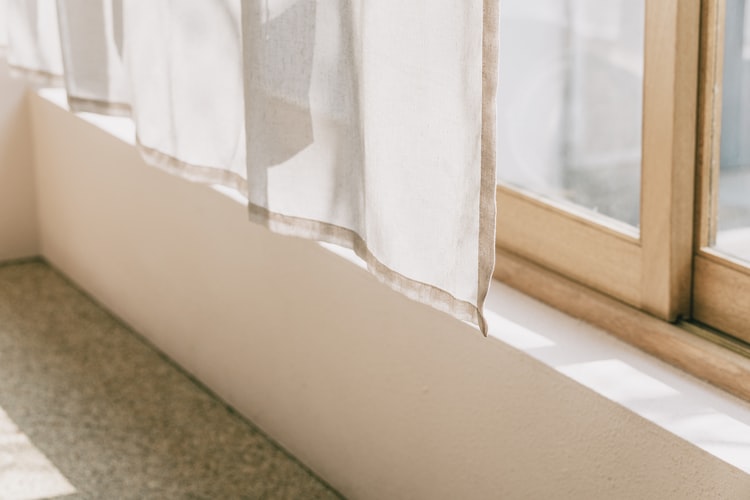 It is regarded as one of the best fabrics you can select for your home despite being overlooked. These fabrics have several practical advantages. For starters, linen is a durable and robust fabric making it a worth trying investment.
It has an anti-bacterial fabric with hypoallergenic features and is exceptionally absorbent. For this reason, it is the best for anyone in the family who is prone to allergies.
It is regarded as one of the best fabrics you can select for your home despite being overlooked. These fabrics have several practical advantages. For starters, linen is a durable and robust fabric making it a worth trying investment.
It has an anti-bacterial fabric with hypoallergenic features and is exceptionally absorbent. For this reason, it is the best for anyone in the family who is prone to allergies.