












Do Porcelain Veneers Stain
Published on: 05 August 2021
Last Updated on: 10 January 2025
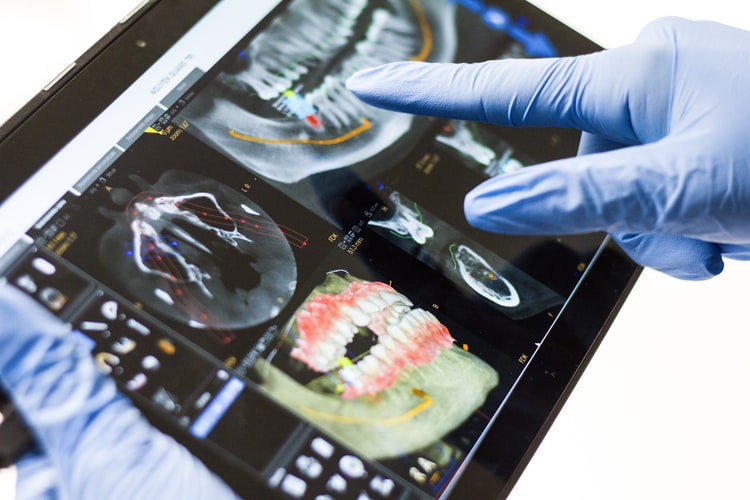
Everyone desires to have sparkling white teeth. They do help make great first impressions. But as you age, your teeth will lose their natural brightness and start turning yellow. This could either be due to plaque buildup or staining from drinking certain food items such as caffeine, red wine, or even chewing tobacco. The dental porcelain veneers treatments are the easiest solutions for you to relieve the smile embarrassments.



Popular

Technologies For Creating A Startup Idea
20 Feb 2023

How to Download Facebook Videos on Android?
07 Feb 2019

7 Rules of Effective Ecommerce Web Design
28 Jan 2021

Why Are Online Transactions Convenient?
07 Dec 2023

Recent
Related

Self-Care Deficit Nursing Theory In Adult Gerontology Nursing
Any Adult Gerontology Nurse Practitioner (AGNP), or individual considering moving into this booming area, will probably be aware that it involves more than supporting patients through short term illnesses or meeting their needs in a hospital or nursing home. As a rule, the older a patient gets, the more likely they are to experience chronic health complications which interfere with their day-to-day tasks. For much of history, such patients were written off, encouraged to take to their beds and be supported entirely by others, doing very little. They often didn’t live very long. But all that changed on account of one remarkable nurse, Dorothea Orem, whose legacy continues to shape the nursing profession today. This article examines her groundbreaking self-care deficit theory and looks at how AGNPs might use it for their nursing career. Dorothea Orem Dorothea Orem was born in Baltimore in 1914 and studied nursing in the late 1930s. This was a time when nursing schools were still a new phenomenon and there was a lot of experimental thinking in the nascent profession. Though she spent time on the wards as a staff nurse, she also worked as an administrator and consultant over the course of her career, spending her later years focusing on theory. A naturally focused and attentive person, she soon began recording observations about the patients she worked with, leading to her self-care deficit theory of nursing, for which she strongly advocated for her entire life. It was theory which, in its early years, transformed the way nurses thought about patients and their duties. It laid the foundations for nursing today. Universal Self-Care Requisites Orem’s theory recognizes eight universal self-care requisites, or SCRs. Here, universal refers to things every human needs, regardless of circumstance. Air is needed for respiration. Water is needed to maintain a healthy level of hydration. Food is needed to maintain healthy energy levels and prevent starvation. Elimination or toileting, a polite way of referring to the expulsion of urine and feces from the body, is required too. In addition to these four things, Orem posits that every patient needs a balance of physical activity and rest. Everyone needs social interaction, but also some alone time. People need to manage their lives to avoid or remove hazards, and, finally, they need to promote normality. This means that they need to achieve and maintain a way of living and relating to the world which is normal for them as individuals and does not involve psychosis. Health Deviation Self-Care Requisites When patients are recovering from injury or illness, or living with a chronic illness or disability, they can be described as experiencing a health deviation. This is not pejorative – it simply establishes that they differ from the norm. Health deviations are more common in older demographics, as they have additional self-care requisites. These requisites include following doctors’ instructions (taking medicine on time), identifying problems caused by their conditions and attending to them effectively (sitting down until a dizzy spell passes), and knowing when and how to seek help from a caregiver or healthcare professional. It is also important that these patients can understand and accept that their bodies have changed and can adjust psychologically to cope with it. What Is A Self-Care Deficit? A self-care deficit occurs when people are no longer able to carry out basic tasks. This can be because a disability makes them physically impossible to perform, or a number of other reasons. For example, some people get so overwhelmed by the way their bodies have changed that they stop trying to live. This doesn’t mean that they don’t deserve sympathy – it is an understandable response to an extreme situation – but it might mean that there is potential for improvement. For some people, self-care deficits are permanent or are likely to worsen due to progressive illnesses. For others, however, they can be temporary, even in extreme old age. Self-care deficits stemming from a broken arm, for example, will normally dissipate after the arm heals, but this is less likely if the patient has learned to feel helpless in the meantime. Assessment, Diagnosis, And Implementation When using Orem’s theory, nurses have three steps to work through. The first is undertaken during the initial assessment of a new patient and involves identifying any self-care deficits. These are not always obvious from looking at a patient and the process may require gentle but persistent questioning. Some people may be embarrassed and hesitant to talk if they are unable to care for themselves. The second involves full diagnosis of the deficits, including establishing causes. The third step is to draw up a treatment plan based on these diagnoses. In her work, Orem stressed the importance of recognizing that every patient is a unique individual, so there is no one-size-fits-all approach to this type of planning. In each case, AGNPs will need to work with the patient to establish the most effective way forward. Five Ways Nurses Can Help There are five strategies nurses can use to address self-care deficits when establishing patient care plans: For the most severely incapacitated patients, it may be necessary to perform actions on their behalf, such as washing or dressing them. Patients struggling mentally or who lack confidence can be guided through actions, ideally to the point of independence. Patients can be taught new ways of approaching day to day tasks which make them easier to accomplish, such as taking a break to have a shower in the afternoon if it is too hard to find the energy at other times. AGNPs can focus on the patient’s environment, making it easier for them to carry out self-care activities, such as suggesting kitchen gadgets to reduce the physical effort involved in preparing meals. Finally, AGNPs can train a family caregiver to provide appropriate support. These five strategies involve numerous actions, skills, and tools that nurses can use. Patients may need particular assistance with the following tasks. Helping With Eating Patients should always be encouraged to do as much for themselves as is reasonably possible. When it comes to eating, nurses should start with encouragement. Many older people lose their appetite and don’t feel motivated to eat, especially when it requires effort. So, an AGNP can point out that they have more energy when they manage to eat regular meals. If the patient can get food to their mouth by themselves, nurses should resist the temptation to assist, even if they sometimes drop the food. Instead, nurses can reassure them that this is not uncommon and all they need to do is take a little more time. Nurses should also be alert to the possibility of choking issues and arrange X-rays if concerned. If some food proves difficult to eat, they can discuss the possibility of dietary adjustments. Helping With Toileting Nurses should reassure patients that, awkward as they may feel, there is nothing to be embarrassed about. The nurse must ensure they can transfer on and off the toilet safely and consider options like raising the height of the seat or installing grab. If there is a risk of falling, AGNPs may suggest bedpans for use when no caregiver is present. If adult diapers are needed, nurses should ensure that patients know how and when to change them (even if they are not soiled) and how to protect their skin against rashes or bruises caused by wearing them. Finally, nurses can also discuss medical options for softening stools or speeding up or slowing down digestive transit. Helping With Dressing And Grooming A balance must be struck between helping patients be more independent in dressing and grooming themselves and enabling them to maintain a style or standard of appearance that is natural for them. Some older men prefer to be clean shaven but end up growing beards because it is easier to trim a beard than it is to shave safely and neatly, for example. Some clothing options can be easier to get into than others, depending on a patient’s particular mobility difficulties. Simple devices such as a stick with a hook on the end can make adjusting the back of a garment or doing up a zip much easier. Nurses should pay particular attention to footwear to make sure patients can stand or walk safely. Reducing Hazards Whether a nurse is helping a patient to move around and complete self-care tasks in a hospital ward, a care home, or their own home, they must always pay attention to hazard prevention. Hazards can include mess, a layout created without regard for disability, or other people or pets moving around. Nurses can start by ensuring that the patient is aware of the risks and can recognize dangerous situations. They should discuss simple measures like installing handrails or changing routines to make it easier to keep the area tidy. Nurses can also ensure that the patient can summon help if something goes wrong, by persuading them to install an alarm system or carry a charged mobile phone at all times, for example. Care With Communication Often, older patients who have self-care deficits also have difficulty with communication, whether due to physical or cognitive disability. Depending on their lifestyle in recent years, they may also be unfamiliar with modern technologies, but shy about admitting this. It is important for nurses to make sure that when they are addressing issues around essential needs, the patient understand them properly and vice versa. It can be helpful to use pictures in communication, which are often available in support materials. When meeting a patient in the place they are going to be living, the nurse and patient can explore it together (in stages, if necessary) so both parties can directly identify issues. Seeing Each Patient As An Individual An essential tenet of Orem’s theory is that patients must be treated as individuals. This increases the chance that they will stick to treatment plans, as well as directly improving their psychological wellbeing. Any nurse that’s interested in Orem’s theory and is considering joining this field will be looking into gerontology nurse practitioner programs online. The best courses place a lot of emphasis on adaptability and on learning how to manage different types of patients in different environments. The program at the University of Indianapolis, for example, encourages students to develop the patience and listening skills essential to getting to know patients and making them a part of the process. This communication and relationship building is essential to developing plans which will really benefit patients over the long term. The course at the University of Indianapolis is an eight-semester program designed for working nurses, involving part-time study and an intensive clinical placement. The Nursing Profession Continues To Benefit Thanks to Orem and her self-care deficit theory, patients are no longer left to waste away as they begin to struggle with old age. Generations of nurses who have practiced this theory have observed that, even in later life, patients can often improve and regain their self- care abilities with the right support. Advances in assistive technologies continue to make this even easier. The right support, focused on facilitating and encouraging independence, enables seniors to go on living satisfying lives on their own terms for much longer. Even when they need extensive practical support, giving them more control helps to maintain their morale and ability to navigate the final chapter of their lives. In the process of providing this support, AGNPs also get what they really want; to see their patients thrive, no matter what they must overcome to achieve it. Additionals: 8 Awesome Health Benefits Of Dark Chocolate Psychedelic Therapy for Mental Health Conditions How Does Children’s Health Impact Parental Lifestyle?
READ MOREDetails
What Is The Best Vitamin To Take For Dry Eyes?
If you suffer from dry eyes, it's important to make sure your diet is providing your body with the nutrients it needs. Your optometrist can help you with dietary changes to support your eye health and decrease symptoms. Certain vitamins and nutrients can improve your tear quality and reduce dry eye symptoms. Some of these include Vitamin A, Vitamin C, and Omega-3 fatty acids. Vitamin A Vitamin A is a fat-soluble compound that aids in the growth of cells and tissues throughout the body, including those of the eye. It's found in a variety of foods, including carrots, spinach, and apricots. The body can convert carotenoids to retinol, the active form of vitamin A. This happens as the body needs it, and it's possible to get this vitamin from food sources or supplements. A deficiency of this vitamin is associated with poor tear quality and tear film dysfunction, which may lead to dry eye symptoms. The best way to ensure you have enough of this essential nutrient is by eating a balanced diet rich in foods that contain vitamin A, such as carrots and other orange-yellow vegetables. Another important nutrient that may help with dry eyes is Vitamin D, which decreases inflammation and improves the lubrication ability of the tear film. Some sources of this nutrient include eggs, fish, and fortified cereals. Finally, Omega-3 fats have been shown to reduce inflammation, which may be helpful for reducing irritation and dry eye symptoms like pain and itching. They also increase the amount of oil in your eyelids, which affects how quickly tears evaporate. Whether you need to add more nutrition to your diet or want to take vitamins to help treat your dry eyes, it's important to speak with your eye doctor before you start any new treatment plan. With proper care, you can maintain healthy vision and minimize your dry eye symptoms for good. Fish Oil Fish oil is considered one of the best vitamins to take for dry eyes. It is high in omega-3 fatty acids, which can help reduce inflammation and soothe your eyelids. Omega-3 fatty acids can also stimulate the production of oils in your meibomian glands, which are responsible for producing tears that lubricate the surface of your eyes. It can also help prevent dry eyes from occurring in the first place. Fatty fish, including herring, halibut, salmon, and tuna are excellent sources of omega-3 fatty acids. They can be a great addition to a healthy diet to relieve dry eyes and other symptoms associated with dry eyes such as watery eyes, itchy, irritated eyes, and burning sensations. It can also help to improve your vitamin D level, which is crucial for your eye health. Studies suggest that a deficiency of Vitamin D may be linked to dry eye syndrome, so adding it through diet or supplements is helpful in reducing symptoms and improving tear quality. This vitamin is important for your retina, where it plays a key role in the health of your vision. It’s also a key antioxidant that protects your eyes from the sun. You can also get Vitamin A from foods like carrots, spinach, and tomatoes. Taking vitamin A supplements may be beneficial for some individuals who are deficient in this nutrient. This vitamin is a powerful antioxidant that can also reduce the risk of developing eye diseases and infections. Vitamin C Vitamin C, also known as ascorbic acid, is a water-soluble vitamin that’s needed to help your body fight infection, heal wounds and keep tissues healthy. It’s available in fruits and vegetables, such as citrus fruit, strawberries, cantaloupe, green peppers, tomatoes, broccoli, and leafy greens. This vitamin helps lubricate your eyes and prevent dryness. It’s also an antioxidant that helps protect the blood vessels in your eye and prevent cataracts. It’s best absorbed from foods, but it can be injected into the vein (intravenous) if necessary. Higher doses of intravenous vitamin C can be helpful in treating certain medical conditions, such as cancer. But it can also cause negative side effects if it’s taken in too much, so talk to your doctor before you take any supplements. Omega-3 fatty acids, which are found in fish oil, can reduce inflammation and improve the quality of your tears. They also promote the production of oils in your meibomian glands, which are responsible for keeping your tears moist and preventing them from evaporating too quickly. These nutrients are found in eggs, fish, dark leafy greens, and other food sources. You can also get them from multivitamins and other supplement products. It’s important to make sure you get enough of all the vitamins and minerals you need through a balanced diet. However, if you’re unable to achieve your recommended daily intake, supplements can be helpful to ease the symptoms of dry eyes. Read Also: How To Care For Your Eye In 5 Medically Proven Ways Omega-3 Fatty Acids Omega-3 fatty acids are essential nutrients that are found in foods like fish and seafood, eggs, and dark leafy vegetables. They are also available in supplements, but the body can't produce them on its own, so a healthy diet is the best way to get them. One study shows that consuming omega-3 fats from fish can lower your risk of dry eye. In fact, researchers found that women who consumed the most omega-3s had a 17% lower risk of developing dry eyes. Aside from reducing inflammation, omega-3s may also help your eye make more natural tears. This is because they improve the quality and quantity of the tear film. However, if you are looking to supplement with omega-3s, it is important to choose supplements that contain EPA and DHA (docosahexaenoic acid) rather than ALA (alpha-linolenic acid). Although flaxseed oil contains ALA, it doesn't have the same effect on your eyes as EPA or DHA do. Several studies show that supplements can help improve dry eyes, but it's important to talk to your doctor before you take them. They will be able to recommend the best supplements for you. And they will know how much you should take to benefit your eyes and overall health. Vitamin D Adding the right vitamins and nutrients to your diet can help improve the health of your eyes, including those suffering from dry eye syndrome. It can also reduce itchiness, burning, and irritation. Vitamin D is an important nutrient that can be found naturally in fish, dairy products, and mushrooms. It’s also available as a supplement if you don’t get enough sunlight to reach your optimal level, which is usually 600 IU or more per day. It’s particularly important for people with darker skin pigmentation, as they produce less vitamin D through exposure to the sun than those with light-colored skin. This means that even if you’re getting plenty of sunshine, you may not be able to get the level of vitamin D your body needs to keep your eyes healthy. Another way to ensure that your eyes are receiving the nutrients they need is to add zinc to your diet. Zinc is a mineral that helps the liver deliver vitamin A to the retina to produce melanin, a pigment that protects your eyes. While some studies have shown that taking supplements can help ease symptoms of dry eye, be aware that excessive intake can lead to side effects and toxicity. It’s always advisable to speak with an optometrist or a pharmacist to make sure that any supplements you are considering are safe for you and your unique health situation. Lutein & Zeaxanthin Lutein and zeaxanthin are two antioxidants that have been shown to protect your eyes from dry eye syndrome, macular degeneration, and cataracts. They can be found in a wide range of foods, including leafy greens like spinach and kale. They can also be taken as dietary supplements. These antioxidants help your eyes by reducing oxidative stress and free radical damage. They also help protect your eyes from light glare and UV rays. They can also slow down macular degeneration, a disease that affects your central vision. It happens when blood vessels in the macula leak fluid. It is a leading cause of blindness in older people. The best way to get these important vitamins into your body is to eat a balanced diet rich in fruits and vegetables. It is also a good idea to increase your intake of omega-3 fatty acids, which can improve the quality of your tears and reduce inflammation in your eyes. Zinc is another nutrient that can help your eyes stay healthy. This mineral is needed to transport vitamin A from your liver to your retina and to produce melanin, which helps protect your eyes from infection and injury. It is found in a wide variety of foods, including dairy, nuts, legumes, and whole grains. Lutein and zeaxanthin can also be taken as dietary supplements, but you should always speak with your doctor before taking any new vitamins or supplements to ensure they are safe for you.
READ MOREDetails
Top Reasons You Should Be Flossing Every Day
It is estimated that only half of all Australians brush their teeth daily. It, therefore, goes without saying that less than half the population is flossing daily. However, most people want to keep their own teeth into old age and certainly don’t want to deal with the expense of root canals or tooth implants. Dental and oral health is a pretty essential part of daily hygiene. And most often, the familiar people are ignoring these. But ignoring dental and oral health can lead to a severe problem. For example, the cavity and the pain of the teeth can be prevented through regular dental flossing and spraying. This is why it is time you found a dentist near me and took your dental hygiene routine more seriously. 3 Great Benefits Of Daily Flossing When you are eating something, the tiny particles of the food are stuck in the gap of the teeth. As the space is minimal during the brushing, these particles cannot be removed. And these can be the root cause of the teeth’ tartars and the decaying. So to save your teeth from the tarts and the decaying, regular flossing is the most effective and easy solution. Here are three main good reasons for daily flossing. 1.Protects Your Tooth Health Teeth are coated in a hard substance known as enamel. This enamel is what protects you from cavities and helps to keep the teeth strong. But, your teeth are not alone in your mouth, there are plenty of bacteria in with them, and the majority of these are beneficial. However, when you eat, the sugar in your food reacts with the bacteria, and the side-effect is acid. This attacks the enamel on your teeth and your gums. Over time the enamel is weakened, and then cavities start to form. Brushing and flossing help to eliminate the issue as it removes the food debris from your mouth, preventing the sugar-bacteria reaction. However, the reaction between sugar and bacteria causes plaque which, if left, becomes tartar. These much harder substances trap bacteria and allow them to cause an infection. While brushing removes the plaque and food debris from the front and back of your teeth, it can’t remove it from between the teeth. That’s where flossing steps in. By gently wrapping it around each tooth, you can eliminate the plaque and protect your teeth. 2.Overall Protects Your Oral Health Recent research shows that there is a link between overall health and oral health. Plaque that is in your mouth can enter the bloodstream and contribute to a buildup of plaque in your blood vessels. This can lead to blockages and cardiovascular issues. Alongside this, bacteria in your mouth can get into your bloodstream and travel inside your body, potentially causing illness and inflammation. 3.Flossing Removes Debris Flossing removes the plaque and food debris from your mouth. By undertaking this simple exercise daily, you will be reducing the risk of infection, cardiovascular issues, and tooth decay or loss. When you put it that way, you can understand why flossing is a must. Even if all the research is wrong, there are no downsides to flossing, making it a worthwhile daily task. How To Floss? Flossing means sliding a piece of floss between your teeth. You shouldn’t be using a see-saw motion to remove plaque. Instead, simply glide the floss around your tooth and gently pull it out. It is that simple! With a bit of practice, you will be able to floss in a few minutes and potentially save yourself a lot of future hassle. If you have any doubts regarding the right way to floss, then visit your dentist and ask for a demonstration. They will be happy to help you develop the correct technique and take better care of your teeth. Dental scaling is the easiest way to remove the tartars from the teeth. But after the scaling, regular flossing is the easiest home solution to protect your teeth and prevent the tartars and the debris from making. Conclusion: The oral health protections are not only healthy for your tooth, along with the tooth, but your lousy breathing smell problems are also going to be solved within seconds. Daily flossing is helping you to protect your teeth and keep your breathing healthy. Read Also: Dental Implants, Teeth Whitening in Reasonable Price in a Professional Dental Centre Dr. Maria Luong Discusses Ways to Avoid Dental Problems by Keeping Dental Plaque and Tartar Away How to Choose the Best Fort Lauderdale Dental Office
READ MOREDetails