











Improve Your Feet Health: 5 Simple Tips For Preventing Foot Pain

by

29 July 2022

Health & Fitness

Foot Pain

We are likely to walk over 100,000 miles over the course of our entire lifetime.

Yes, it’s like circling the earth 4 times at the equator. Although our feet are really important, it is still one of the most neglected body parts.

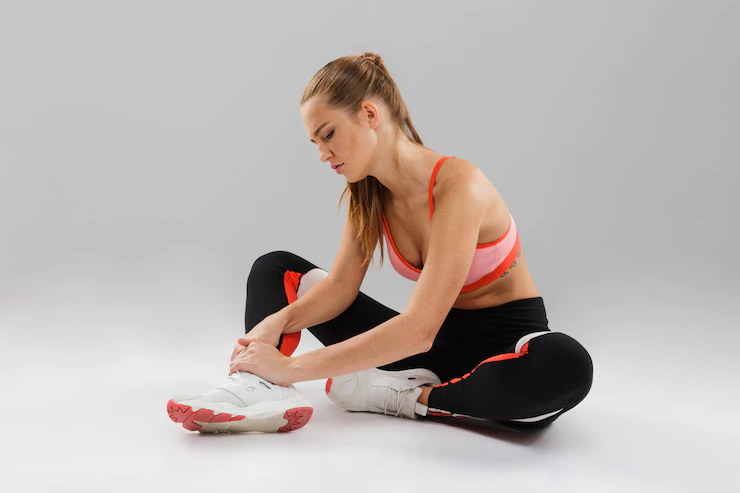
Have you been feeling foot pain recently?

It is not always the result of you having over-walked or overworked. There can be a lot of reasons for that.

The best news is that you will get a lot of podiatric solutions in Podologo Santo Domingo and soothe your foot pain.

Simple Tips For Preventing Foot Pain And Improve Your Health
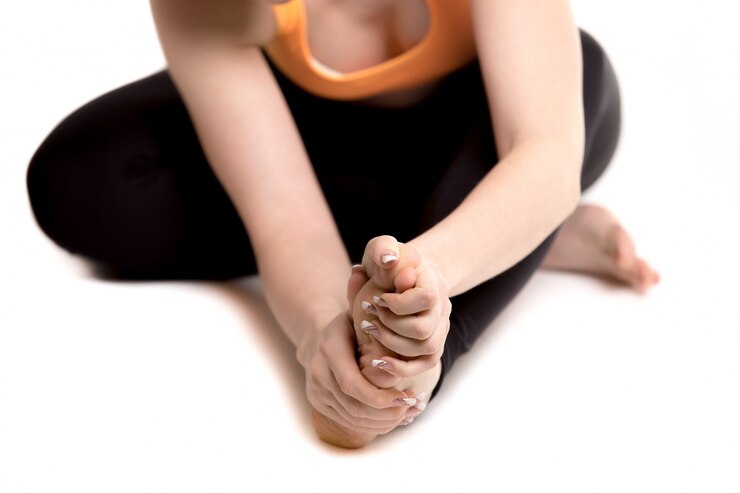
Preventing Foot Pain

Here, we are providing you with some great tips using which you will be able to prevent foot pain or improve the health of your foot. Let’s start now.

Tip No. 1: Stay At A Healthy Weight

Well, your feet are bearing the weight of your entire body. To be honest, the more weight your feet need to support, the harder your feet need to work. So, you need to keep an eye on your weight, which means cutting down your weight.

You necessarily do not have to carry a lot of extra weight in order to feel an impact on your ankles and feet. Only 20 pounds is enough to change the way your foot functions. It increases the force on your feet and eventually triggers pain.

Tip No. 2: Boost Your Flexibility

With growing age, your calf muscles might tighten. It always puts more stress on the balls of your feet. Here, what you can do is stretch your calves on a regular basis. It actually can go a long way when it comes to preventing foot pain.

Here, in Podologo Santo Domingo, we will strongly recommend the following stretch at least 3 times a day.

  • First, stand with your toes on a step and keep your heels off the edge.
  • Slowly lower both your heels down and hold that position for at least 10 seconds and then lift your heels to the initial higher position.
  • Now repeat this same thing 5 to 10 times. Never force your heels father what it wants to go. In case this particular movement is too much for both of your feet at the same time, do one foot at a time.

Tip No. 3: Kick Your High-Heel Habit

Wearing a pair of heels might upgrade your outfit, but at the same time, they also can wreak havoc on your feet. The study has found that it only takes 1 hour of wearing heels for the pain to kick in. That means you also do not need to wear them longer to suffer the pain.

When you are squeezing your feet into those pointy-toed heels, you are actually attracting the risks for a huge number of things, from ingrown toenails, blisters, and bunions to back pain, deformed toes, and shortened calf muscles.

If you are already suffering from ingrown nails and other issues, Podologo Santo Domingo can help you a lot.

Tip No. 4: Wear Shoes That Fit

There are a lot of people who wear the same size of shoes for a considerable amount of time. We never even thought of getting our feet measured. With your age, your feet are also changing shape, and that is why tightening footwear can lead to a lot of things,

  • Ingrown toenails.
  • Calluses.
  • Corns.
  • Bunions.
  • Deformed toes.
  • Heel pain.

If you have to measure your feet recently, do not even think about buying shoes on the internet. Also, stop wearing those tight shoes now. It is damaging your feet. And To reduce foot pain contact Podologo Santo Domingo.

Tip No. 5: Stay Hydrated

Foot pain can always come on all of a sudden and be really painful. Apart from all the things that we have mentioned above, a dietary imbalance and dehydration can be two more reasons why you are feeling pain in your foot.

So, always make sure that you are drinking plenty of fluids, especially when you are exercising. In addition to that, low potassium levels can be the reason for your foot pain. So, include spinach and bananas in your diet.

Read Also:

Arnab is a professional blogger, having an enormous interest in writing blogs and other jones of calligraphies. In terms of his professional commitments, He carries out sharing sentient blogs.

View all posts

Leave a Reply

Your email address will not be published. Required fields are marked *

Related

Essential Eye Care Tips

Essential Eye Care Tips That Can Improve Eyelash Hygiene

Our eyes are often referred to as the windows to our soul, and taking care of them is essential for maintaining eye beauty. Among the various elements that contribute to alluring eyes, our eyelashes play a crucial role in framing and enhancing their beauty. Maintaining good hygiene of your eyelashes is essential not only for beauty but also from a health point of view. Here are some tips that you can follow to maintain good eyelash hygiene. Gentle Makeup Removal Properly removing eye makeup at the end of the day is crucial for maintaining the beauty and health of your eyes and lashes. Use a gentle eye makeup remover or micellar water to dissolve the makeup without harsh rubbing or tugging. Be especially careful when removing mascara, as rough handling can lead to lash breakage and fallout. Adopt A Regular Cleansing Routine To maintain eye beauty, including your lashes, embrace a regular cleansing routine. Use a mild cleanser or specially formulated eye cleanser to wash away dirt, debris, and excess oils from your eyelids and lashes. You can achieve pristine lash hygiene with Lashes by RK's best lash shampoo. Moreover, Keeping the area clean reduces the risk of eye infections and promotes lash health. Avoid Waterproof Mascara For Daily Use While waterproof mascara offers excellent longevity, using it daily can be harsh on your lashes. Waterproof formulas often require more rubbing and tugging during removal, which can weaken and damage your lashes over time. Reserve waterproof mascara for special occasions and opt for regular, non-waterproof mascara for daily use. Nourish With Lash Serums Eyelash serums enriched with vitamins and nutrients can work wonders for maintaining the beauty of your lashes. These serums help to strengthen and nourish the lashes, promoting healthy growth and reducing the risk of breakage. Look for serums that are ophthalmologist-tested and safe for sensitive eyes. Read Also: How To Care For Your Eye In 5 Medically Proven Ways Limit Eyelash Curling While an eyelash curler can add a beautiful lift to your lashes, over-curling can lead to damage and breakage. Use an eyelash curler sparingly and avoid applying too much pressure. If you prefer a more natural look, skip the curler altogether and opt for a volumizing mascara instead. Refrain From Rubbing Your Eyes Rubbing your eyes vigorously, especially when they are irritated or itchy, can cause lash breakage and even lead to lash loss. Be mindful of this habit and avoid rubbing your eyes whenever possible. If you experience eye irritation, try using a cool, damp cloth or artificial tear drops to soothe the area gently. Final Words Maintaining eye beauty encompasses a range of practices, with a particular focus on eyelash care. By adopting a gentle makeup removal routine, embracing regular cleansing, and avoiding harsh waterproof mascaras for daily use, you can protect the health and beauty of your eyes and lashes. Nourishing your lashes with lash serums and natural oils promotes healthy growth and reduces the risk of breakage. Additionally, being mindful of eyelash curling and refraining from rubbing your eyes will further ensure the allure of your eye beauty. Read Also: Are you aware of Belviq – a Weight-Loss Drug? Seven Best Meal Replacement Ideas For Weight Loss The Science Behind Blue Light Glasses

READ MOREDetails
Eco-Friendly Toothpaste

Protecting Your Teeth And The Planet: The Benefits Of Eco-Friendly Toothpaste

Oral hygiene is an essential part of our daily routine, and choosing the right toothpaste is crucial for maintaining healthy teeth and gums. However, with increasing concerns about the impact of our daily habits on the environment, many people are now looking for eco-friendly alternatives to traditional toothpaste brands. Put together by Tutu’s Green World, here are some of the benefits of using eco-friendly toothpaste for both your teeth and the planet. Natural Ingredients Eco-friendly toothpaste is made with natural ingredients that are safe for your teeth and the environment. Traditional toothpaste brands often contain harsh chemicals such as sodium lauryl sulfate, triclosan, and artificial colors and flavors. These chemicals can be harmful to both our health and the environment. In contrast, eco-friendly toothpaste is formulated with natural ingredients that are gentler on our teeth and do not harm the environment. Reduced Plastic Waste Traditional toothpaste tubes are made of plastic and are not recyclable, which leads to a significant amount of plastic waste. Eco-friendly toothpaste brands offer alternatives to plastic packaging, such as biodegradable or recyclable materials. Some brands even offer toothpaste tablets that can be purchased in refillable glass jars, eliminating the need for any plastic packaging at all. By choosing eco-friendly toothpaste, you can significantly reduce your plastic waste and contribute to a more sustainable future. Ethical And Sustainable Sourcing Many eco-friendly toothpaste brands prioritize ethical and sustainable sourcing practices. For example, some brands use bamboo or other renewable resources to create their packaging. Others use ingredients that are sourced sustainably and ethically, such as organic coconut oil and aloe vera. By choosing eco-friendly toothpaste, you can support brands that are committed to sustainability and ethical sourcing practices. Cruelty-Free Many eco-friendly toothpaste brands are also cruelty-free, meaning that they do not test their products on animals. This is an important consideration for those who are concerned about animal welfare. By choosing a cruelty-free toothpaste, you can be sure that you're not contributing to animal cruelty in any way. Better For Sensitive Teeth Eco-friendly toothpaste brands often offer options that are formulated with natural ingredients that are gentle on sensitive teeth and gums. This means that if you have sensitive teeth, you can find a toothpaste that won't cause discomfort or irritation. Additionally, many eco-friendly toothpaste brands offer options for people with specific oral health concerns, such as gum disease or bad breath. Fluoride-Free Options Many traditional toothpaste brands contain fluoride, which is known to be harmful if ingested in large quantities. Eco-friendly toothpaste brands often offer fluoride-free options that are safe for both adults and children. Additionally, some eco-friendly toothpaste brands offer options that are specifically formulated for children, with flavors and packaging that are appealing to kids. Health Benefits Eco-friendly toothpaste can also offer health benefits beyond just being better for the environment. Natural ingredients can be gentler on the teeth and gums, and some can even help to whiten teeth and freshen their breath. Additionally, by avoiding harsh chemicals, eco-friendly toothpaste can help to promote overall health and well-being. In conclusion, choosing eco-friendly toothpaste is a simple and effective way to protect your teeth and the planet. With natural ingredients, reduced plastic waste, ethical and sustainable sourcing, cruelty-free practices, options for sensitive teeth and fluoride-free options, and potential health benefits, eco-friendly toothpaste is a great choice for anyone looking to make a positive impact on the planet and their own health. So why not switch to eco-friendly toothpaste today and start protecting your teeth and the environment? Read Also: 5 Dental Hygiene Tips for a Healthier Smile Is It True That Good Oral Hygiene Can Reduce Cancer Risk? 5 Little Changes That Can Make Your Teeth-Brushing More Effective

READ MOREDetails
slider-img

We’re What We Eat: How Eating Habits Affect Our Well-Being

Eating is not just about dumping fuel into the tank so we can drive another twenty blocks. Multiple psychological and sociocultural factors also dictate how, why, when, and what we eat. Varying eating habits around the world can have a significant effect on our well-being. This post aims to shine a light on some of these habits to examine them more closely. Habit One: Is Breakfast The Most Important Meal Of The Day? Cereal manufacturers are keen on the idea that breakfast is the most important meal of the day. Is it true? According to researchers Tanya Zilberter and Eugene Yuri Zilberter, recommendations for breakfast eating behavior remain categorical but at the same time scientifically unsound health guidelines. If we look at the science and ignore cereal marketing, there are many benefits to eating at the start of your day. The following scientific information is extracted from the materials provided by the National Library of Medicine: Breakfast eaters tend to get more nutrients over the course of the day. They are also more likely to intake a wider range of nutrients. Breakfast has been associated with improved weight control and health indicators of cardiometabolic risk. This applies to adults and children. Studies have related breakfast eating to improvements in attention and better cognitive function, regardless of age. Remember that breakfast means different things around the world. Eating a pain au raisin in Paris is not the same as eating bratwurst in Berlin. The nutritional value of a full English breakfast is not the same as a continental. Attempting to run the first few hours on an empty tank is generally not as healthy as providing your body with some fuel. What’s important, however, is to start the day with food and supplement your nutritional intake during the day. According to the researchers whose statement has opened this section, skipping breakfast is not necessarily a big deal. People need to consider the below points: how long they’ve been without food (if two people eat at midnight and one eats breakfast at 5 am and the other at 10 am, the different fast lengths will impact their bodies differently), and whether they make up the “lost” nutrients with their eating habits during the day. However you do breakfast, take a holistic approach to diet. Consider what you eat over 24 hours. Habit Two: What Are The Consequences Of Eating Before Bed? Just as skipping breakfast is seriously frowned upon, eating late at night is typically considered a bad habit. Science suggests that eating late at night correlates with higher incidences of medical claims. While Tanya Zilberter and Eugene Yuri Zilberter found that research on skipping breakfast and studies on eating late often fail to consider how long the participants fasted, they did find solid evidence regarding the potential risks of eating late, including the following eating behavior pathologies: Elevated insulin and glucose levels, characteristic of metabolic syndrome; Distortions of body image and mood disorders; Implications on circadian rhythm. Harvard agrees. Late-night eating is bad for health. A recent Harvard study found evidence that eating late may increase hunger, which can increase the risk of obesity. If you suspect you’re about to see yourself in a statistic, you might be right. About forty percent of the US adult population is obese. More study is required on the role late eating plays in calorie intake, calories burned, and molecular changes in fat tissue. Until that verdict comes in, it looks like avoiding late-night meals may reduce incidents of cancer, diabetes, and other conditions. Habit Three: Is It Okay To Let Kids Eat In Front Of The TV? Eating in front of the television can lead to a lack of attention, which in turn can lead to missing cues regarding fullness. This habitual overeating could then cause obesity. And there’s another interesting angle to consider regarding television, what we eat, and how we feed our children. A fact-filled study into television viewing and unhealthy eating made the research-backed observation that television and food advertising influence children’s food preferences. Studies have demonstrated that child TV watchers are more likely to prefer unhealthy food in early adulthood than kids that didn’t watch television. To help kids stay healthy and become adults who make healthy choices, monitor kids’ TV intake and defend them from unhealthy, unsolicited dietary influences on screen. These tips may help you form your kid’s eating habits: Kids’ food preferences develop by age three and tend to remain stable throughout childhood. Repeated exposure increases the chance that your kids will start liking a new food. Information that a new food tastes good will increase their willingness to try it. Kids are less interested in hearing how nutritious things are. The availability of food in the home will affect food consumption. Your food access controls will influence consumption and food preferences. If your diet is healthy, your kids will be more likely to eat healthily. As kids reach middle school age and adolescence, external influences – including peers and the media – are likely to have a detrimental effect on their food choices. Conclusion We are what we eat. You knew that. Still, it’s worth delving into research to back it up. It’s easy to forget. Many of us have busy lives and take eating for granted, treating our bodies as if they weren’t some of the most sophisticated machinery on the planet. While this post provides helpful information that may confirm your healthy eating habits or inspire you to eat differently, a health professional can help you put the best into your body to get the best out of your life. Put your health in safe hands by visiting The American Academy of Nutrition and Dietetics or Leadar websites to find a professional nutritionist who can help you, your loved one, or your team improve your health and performance. Your eating habits have a massive effect on your well-being. Change how you eat to change your energy levels, your mood, your potential for health risks, and your life. Read Also: How Can A Cardiologist Save Your Life? Easy Breakfast Ideas For Type 2 Diabetes 5 Types Of Cancer Prominent In Women

READ MOREDetails