







15 Healthy Mexican Food Items With Immense Health Benefits

by

02 December 2024

Food

Healthy Mexican Food

Mexican food is famous for its spices and flavors.

However, many people are confused about whether they can include Mexican food in a healthy lifestyle or not. Actually, there are plenty of misconceptions about Mexican cuisine.

In fact, healthy Mexican food options are many, and you can easily include certain dishes into your balanced diet.

In this article, you will learn about various healthy Mexican food options to include in your balanced diet. Apart from that, you will also get to know the health benefits of each item.

Moreover, this article will also explain why people commonly misunderstand Mexican food as unhealthy. Hence, to learn more, read on to the end of the article.

A General Overview of Healthy Mexican Cuisine
A General Overview of Healthy Mexican Cuisine

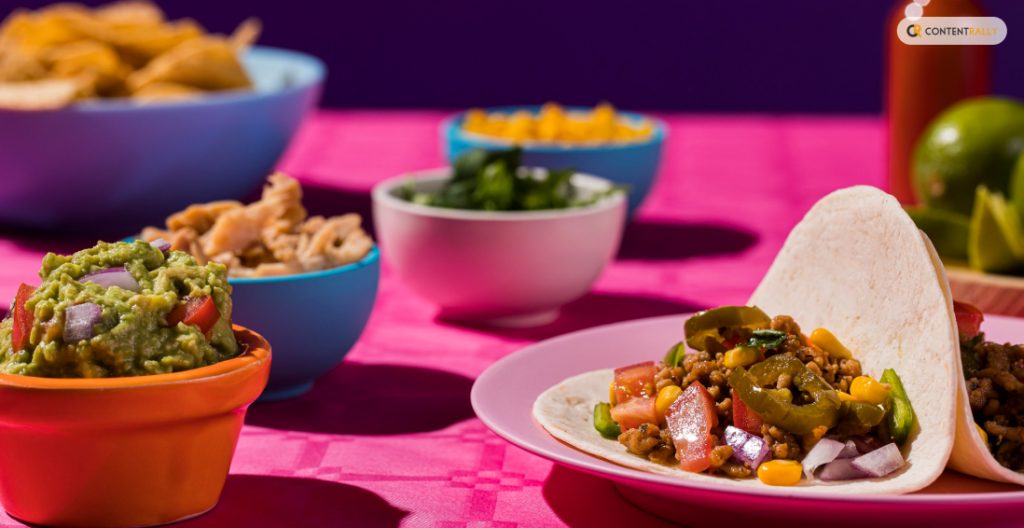
The Mexican cuisine is famous for its rich flavors, diverse ingredients, and cultural significance. Hence, there are multiple healthy food options available as well.

Actually, a lot of Mexican food has a lot to teach us about nutrition. In fact, apart from the staple food items, there are quite a lot of additional factors to consider.

For example, there are some special healthy Mexican ingredients, including pumpkin, chia seeds, cactus, etc., which are quite popular among health-conscious people.

Apart from that, you will find a lot of vegetables in Mexican food. These include tomatoes, avocados, bell peppers, chili peppers, etc.

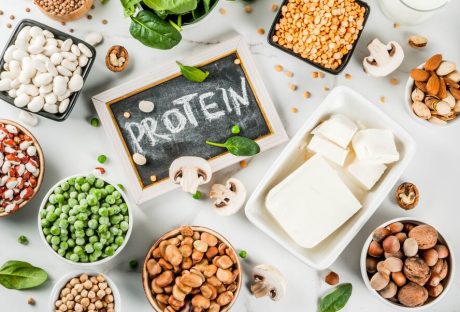
Hence, there is never a shortage of vitamins, minerals, and fibers. Additionally, many traditional Mexican food items include lean protein sources, like chicken, beans, and fish. Basically, you can use them as excellent options to maintain a healthy diet.

Why Is Mexican Food Often Misunderstood As Unhealthy?

Why Is Mexican Food Often Misunderstood As Unhealthy

Generally, the misconceptions about Mexican foods are due to the way many restaurants and food stalls prepare them in the US. For instance, you will frequently find high amounts of cream, cheese, and fried items on top of ingredients.

The following are some of the major reasons why many people misunderstand Mexican food as unhealthy:

  1. Many Mexican restaurants in the US offer dishes that have large portions of sour cream, cheese, and deep-fried items. Hence, this increases your calorie count after consumption.
  2. In many cases, Mexican dishes do not use lard. In fact, there are many healthier cooking options.
  3. Restaurants generally serve large portion sizes of Mexican dishes. So, obviously, they contribute to overeating. Therefore, if you want to eat healthy at a Mexican restaurant, you might face difficulties.

When it comes to healthier food options, there are many dishes you can consider – legumes, grilled meats, vegetables, whole grains, etc. Basically, when you want to have Mexican food, you must make healthy choices.

For example, you must choose lean protein, grilled items, and control cheese and cream portions. This way, you can enjoy Mexican food even when you are maintaining a balanced diet.

15 Healthy Mexican Food Items And Their Health Benefits
15 Healthy Mexican Food Items and Their Health Benefits

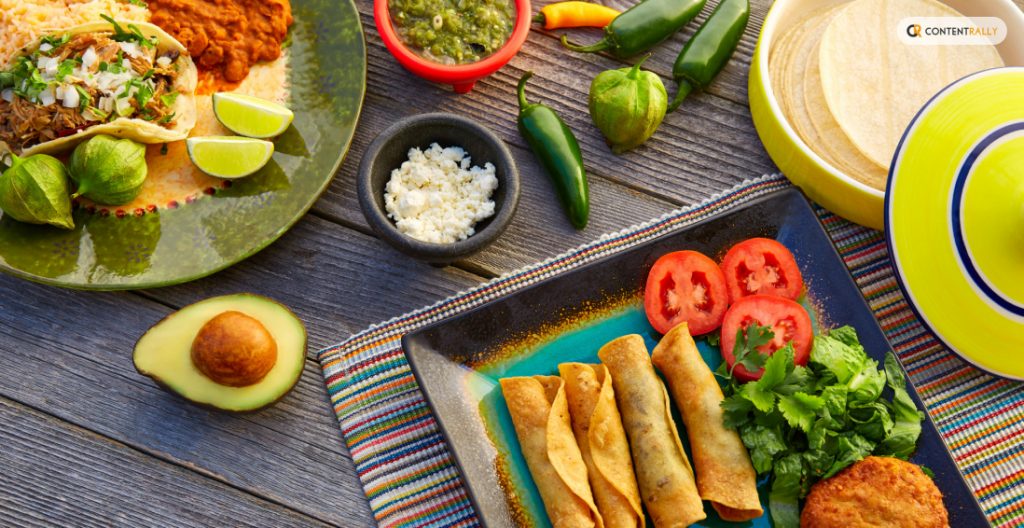
The following are some of the best and healthy Mexican food items for you if you are on a balanced diet:

1. Beans
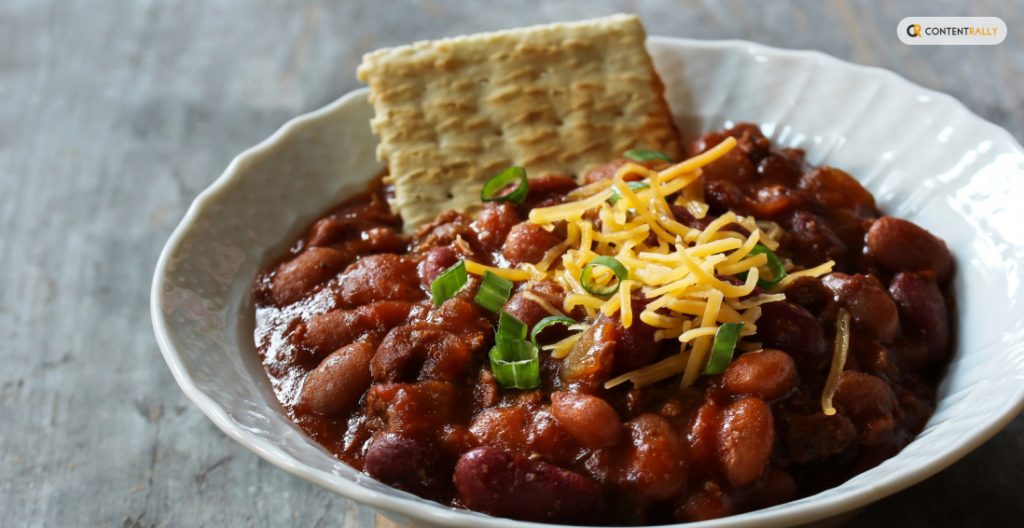
Beans

This is a staple source of fiber, protein, and iron for Mexicans. Apart from that, it also helps you to stay full.

Additionally, if you consume it on a regular basis, it will help you lower your cholesterol levels. Moreover, beans also help you to boost your heart health and help to maintain blood sugar levels.

2. Guacamole

The major health benefit of guacamole comes from avocados. Basically, avocadoes are monounsaturated fat and hence help to lower bad cholesterol. Also, since avocados have high fiber, it helps you to maintain your digestive tract.

Additionally, there is also no risk of colon cancer. Moreover, avocados also ensure eye health and skin health and prevent inflammation.

3. Salsa
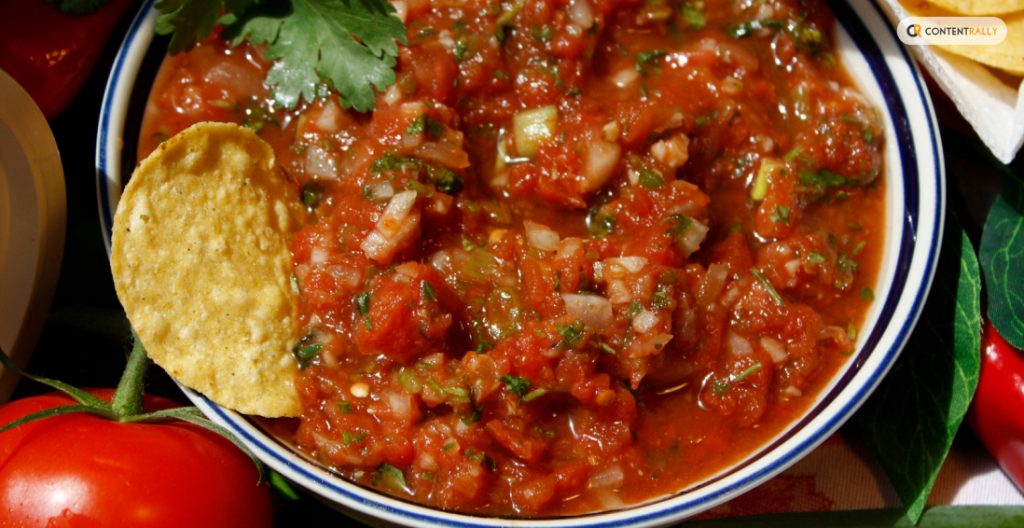
Salsa

Salsa is a good addition to your diet. With it, you can add more flavor to your food without adding excess sugar, salt, or additional fat.

Apart from that, it also contains various vitamins and minerals. In addition to that, salsa is also high in fiber and antioxidants. As a result, it will help you to remove harmful toxins from your body.

4. Grilled Chicken

Grilled chicken is a lean and high-quality protein option. Hence, it can help you to build and repair your muscle tissues.

Apart from that, it will help you to maintain a healthy immune system and facilitate muscle growth. In addition to that, lean chicken also improves your bone health and helps you fight infection in your body.

5. Sweet Potato and Black Bean Quesadillas

Sweet Potato and Black Bean Quesadillas

Basically, sweet potatoes are full of nutritional qualities. For instance, it is rich in fiber, vitamins, and minerals. Apart from that, they also add a little sweetness to the quesadillas.

As a result, it complements the earthy flavor of black beans. On the other hand, black beans come with a good amount of protein.

6. Vegetarian Enchiladas

When you make enchiladas with whole grain tortillas, vegetables, beans, and lean protein, you can control the calories. Basically, enchiladas offer you a balance of fiber, protein, and other essential nutrients.

Moreover, you can also boost your protein and vitamin intake if you want. However, one tortilla of vegetarian enchiladas contains 580 calories (approx.).

7. Brown Rice
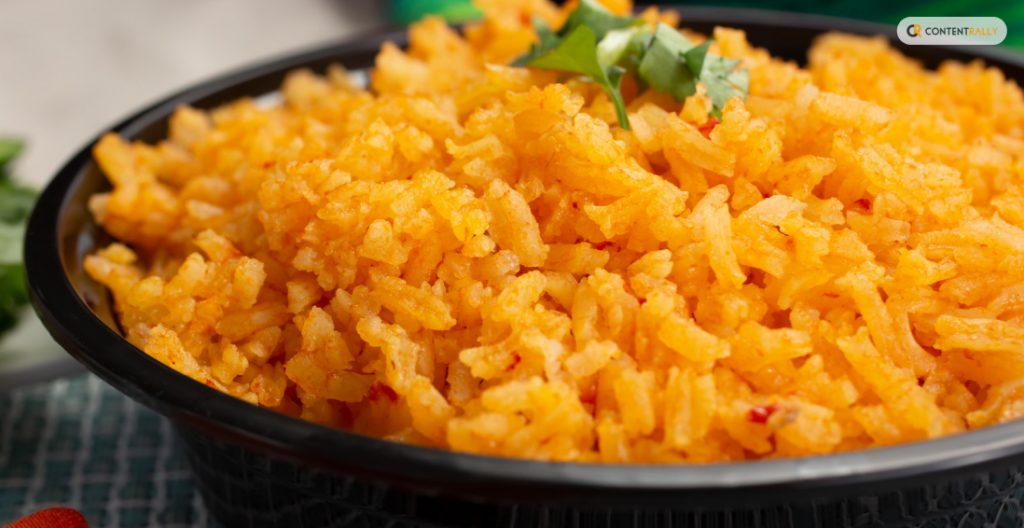
Brown Rice

Brown rice is primarily a whole grain which will help you reduce the risk of stroke or any other heart diseases. This is because of the presence of magnesium.

Moreover, it also helps in controlling blood sugar since brown rice has a lower glycemic index than white rice. Furthermore, vitamins and minerals also ensure a healthy immune system.

8. Grilled Vegetables

Grilled vegetables are filled with vitamins and minerals. Also, when you grill vegetables, it reduces the amount of fat in vegetables. As a result, it becomes easier to digest. Moreover, with grilling, you can bring out the natural sweetness of vegetables.

9. Cilantro Lime Cauliflower Rice
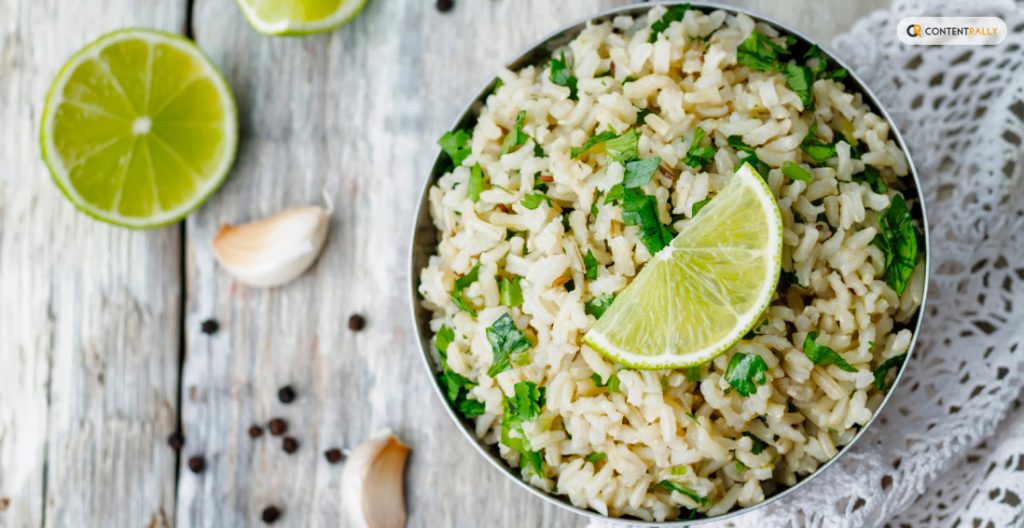
Cilantro Lime Cauliflower Rice

If you want a low-calorie, grain-free carb, the cilantro lime cauliflower rice is a better option. Moreover, the recipe is vegan and gluten-free.

This can be a great alternative to traditional white rice. Apart from that, due to the presence of vitamins and minerals, it is a healthy Mexican food option.

10. Corn on the Cob

Due to its high fiber content, corn helps in maintaining bowel health and helps in preventing constipation.

Apart from that, corn also contains antioxidants, folate, potassium, and plant sterols. This will help you to lower cholesterol levels. Apart from that, it will also help you to support heart health.

11. Zucchini
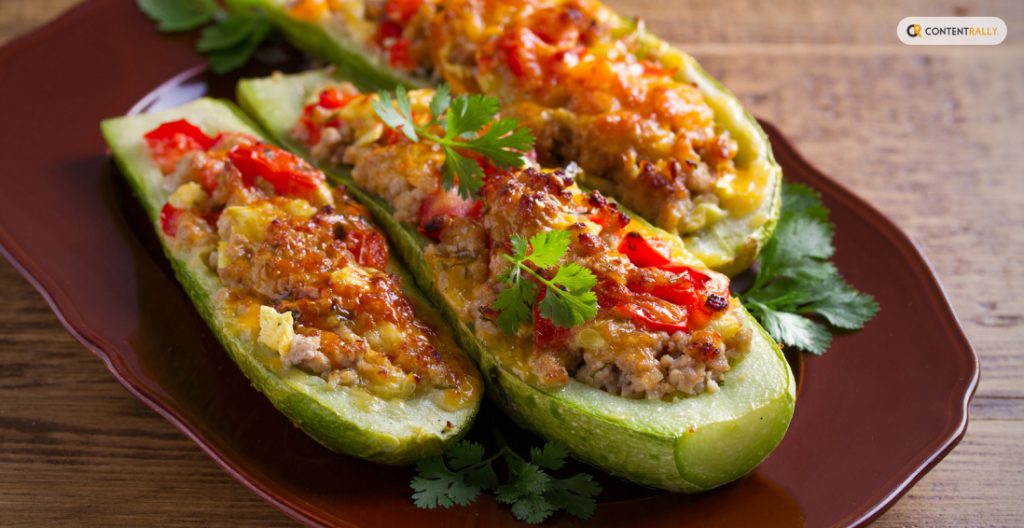
Zucchini

Zucchini has high fiber and water content. This helps in the digestion process and reduces the risk of constipation. Additionally, since zucchini is low in carbs, it also helps you to regulate blood sugar levels.

12. Fresh Tomatoes

Generally, tomatoes contain potassium, which helps to regular blood pressure in the body. Moreover, since they release antioxidants, they can also help prevent cancer.

Additionally, if you consume a tomato-rich diet, you can ensure better digestion. Furthermore, you will have an improved immune system.

13. Shrimp Ceviche
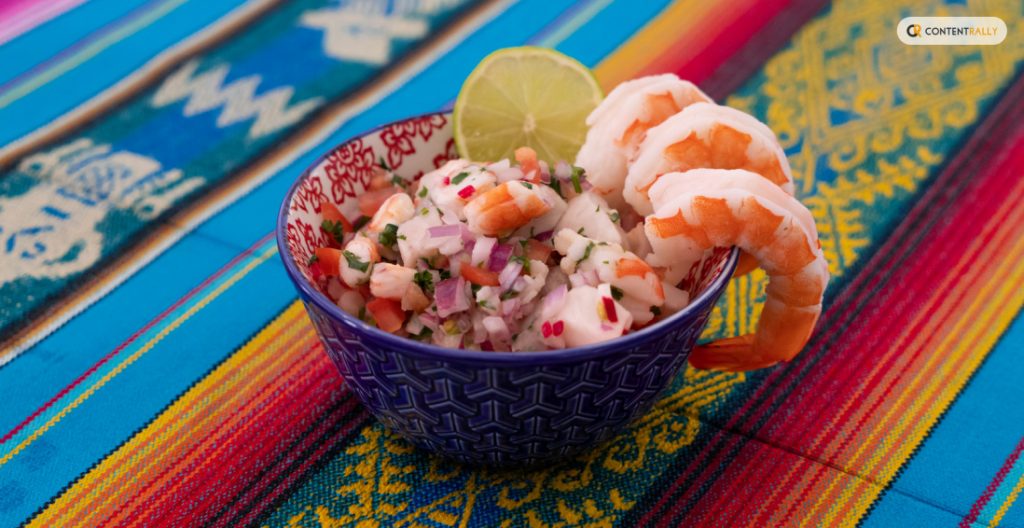
Shrimp Ceviche

Shrimp ceviche is healthy because it is high in protein content. Apart from that, it also comes with a good number of vitamins and minerals.

As a result, it not only helps to build muscles but also ensures bone health, immunity, and nerve function. Moreover, if you are following a low-calorie diet to lose weight, shrimp ceviche is a healthy Mexican food option.

14. Pozole

It is a stew that is rich in protein. Here, for each cup you consume, you get 18 grams of protein. Additionally, it also contains fiber.

However, you can add more fiber to it by adding vegetables like avocado or cabbage. This will help you to digest your food better.

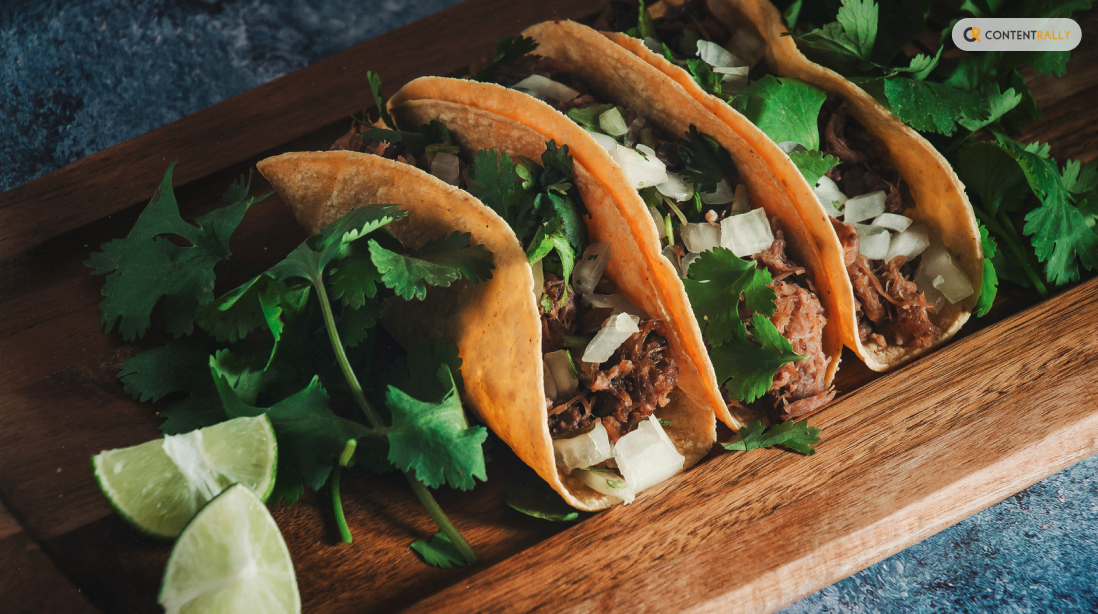
15. Chicken And Vegetable Tacos
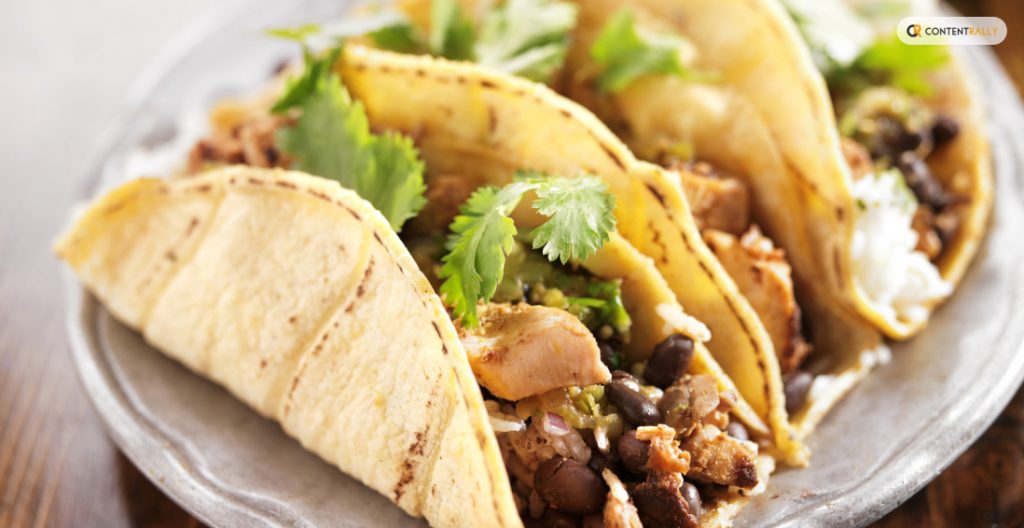
Chicken and Vegetable Tacos

Since chicken is a lean source of protein, it provides amino acids for muscle building. Moreover, it is also a good source of vitamin B. On the other hand, vegetables are rich in fiber, vitamins, and minerals. Hence, with a combination of chicken and vegetables, you can have a healthy diet.

Try Your Favorite Healthy Mexican Food Now

Hence, you can see that there are plenty of healthy Mexican food options. However, this is not common in the US because most Mexican restaurants in this country serve Mexican food items with a lot of oil, spices, and cream.

Hence, it looks unhealthy to common people. Therefore, if you want to have a healthy Mexican diet, you have a lot of choices.

Do you have more suggestions on healthy Mexican food items? Please share your ideas and opinions in the comments section below.

Read Also:
A passionate writer and an avid reader, Soumava is academically inclined and loves writing on topics requiring deep research. Having 3+ years of experience, Soumava also loves writing blogs in other domains, including digital marketing, business, technology, travel, and sports.

View all posts

Leave a Reply

Your email address will not be published. Required fields are marked *

Related

How To Freeze Dry Food

How To Freeze Dry Food At Home Fast? – Steps To Follow

How to freeze dry food? - To freeze-dry your food, you need first to freeze your food and then dry it under pressure to remove water content. This process is called lyophilization. In fact, it is one of the best methods to use if you want to dry your food. Actually, it is a common practice in both the pharmaceutical and food industries. In this article, you will learn how to freeze dry food at home with simple methods. However, before that, you will also understand the freeze-drying process and the types of food you can freeze-dry. Moreover, you will also learn the benefits of freeze-drying and essential tips to freeze-dry your food successfully. Hence, to learn more, read on to the end of the article. Understanding Freeze Drying Freeze drying is a process where you remove water from a food material by freezing it. Then, you turn the ice into vapor by putting the item under pressure. Hence, you can see that this process is a dehydration technique where you sublimate the water in a product. It means that the water content in your product changes from a solid state to a gaseous state (sublimation). Here, the water does not turn into liquid. Generally, this method is helpful when you want to preserve any perishable materials. Here, the goal is to extend the shelf life of the material. In this case, you freeze the material and reduce the pressure. Then, you add heat to allow the frozen water in the food (material) to change directly to vapor. How Does Freeze Drying Work? Freeze drying consists of three stages: freezing, sublimation, and desorption. Here is an explanation of the three stages: 1. Freezing This process involves freezing the food at a very low temperature. Generally, you have to freeze to -30 to -50°F. 2. Sublimation (Primary Drying) In this stage, you have to pass mild heat over the frozen material while the material is under vacuum. Hence, the ice crystals vaporize into water vapor. After that, you remove the water vapor with the help of a vacuum pump. 3. Desorption This is the second stage of drying. Here, you have to remove all the remaining moisture from the surface of the food. Benefits Of Freeze Drying Food The following are the major advantages of freeze-drying that will benefit you a lot: Generally, the foods that you freeze-dry retain up to 97% of their nutritional value. For instance, the food retains vitamins, minerals, and antioxidants. Those foods have a long shelf life. Moreover, you do not need to store it in cold chains. Once you freeze-dry your food, you will end up removing 98% of its water content. Hence, you will reduce its weight by 90%. Thereby, it will be easy for you to carry that food on camping and backpacking trips. Freeze-dried food is easy to prepare. This is because you just have to add water to rehydrate them. Moreover, the shape and size of the food remains intact. Also, freeze-drying helps in preventing the growth of pathogenic organisms. You can preserve a wide range of foods with freeze-drying. This includes meat, fish, fruits, vegetables, eggs, ice cream, and more. When you freeze-dry food, it does not get brown or caramelize. However, this is quite common when you dry food traditionally. How To Freeze Dry Food At Home? Here are the steps you must follow to freeze dry food at home: Wash your food items that you want to freeze-dry. Also, remove dirt and residues from the food. This way, you can ensure food safety. Cut your food into small pieces. This way, you can make the freeze-drying process faster. Place your food on a flat tray. Moreover, make sure to spread the food evenly. Basically, if you spread your food properly, you can freeze the food evenly. Place your food in your freezer, and set the temperature correctly. Then, place the food in your freezer for two weeks. Actually, you need this time to remove the moisture in the food. After the completion of two weeks, remove the trays from the freezer. After that, quickly place the food items in airtight bags. Make sure to take out one tray at a time to ensure that the food does not rehydrate. Make sure to place the food bags in the freezer, and also in a cool, dark spot. Check the food after a couple of days. This way, you ensure whether all the food is dried-up or not. Tips For Successful Freeze Drying The following are some essential tips by following which you can successfully freeze dry your food: 1. Preparing the Food Harvest the food produced when it is ripe. Then, wash the food, remove the damaged parts, and prepare it as desired. This is because if you cut your food into small pieces, it will dry faster. 2. Arrange the Food Place your food on a tray and arrange it into pieces. Also, make sure to place those pieces in such a way that they do not touch each other. 3. Use A Freeze Dryer With the help of a freeze dryer, you can automatically lower the temperature. Moreover, a freeze dryer also helps you to create a vacuum. 4. Store The Food Once you freeze-dry your food, store it in an airtight container. Also, you can store it in a bag which you can vacuum-seal it. 5. Cook Raw Foods: One of the drawbacks of freeze-drying is that it does not kill harmful bacteria. Hence, you must cook freeze-dried foods thoroughly before consumption. Related: The Importance Of Proper Cutting When Preparing Meals Common Uses For Freeze-Dried Ingredients The following are some of the common uses of freeze-dried foods: Works as essential food supplies at times of emergencies. They have a long shelf-life and you can use it to maintain food quality. You can use freeze-dried food in stews, soups, baked goods, etc. You can eat freeze-dried food as a healthy snack any time. If you freeze-dry your seasonings, you can retain the flavor and freshness for years. Wrapping Up You now know how to freeze dry food. Generally, in manufacturing, food companies and manufacturers prefer freeze-dried food over regular food. This is because they are easy to prepare and are portable and lightweight. Also, such food removes the moisture from the food to make it compact. Do you have more suggestions for freeze-drying to offer? Please share your ideas and opinions in the comments section below. Additional Readings: How to Thicken Chili – Tried and Tested What To Look For And What To Avoid In Healthy Dog Treats The Difference Between Bacterial Amylase and Fungal Amylase

READ MOREDetails
Buying Seafood Wholesale

Buying Seafood Wholesale: Unlocking Freshness, Variety and Savings

Fresh seafood is a culinary delight that tantalizes the taste buds and adds a touch of elegance to any meal. For seafood lovers, finding the highest quality products at affordable prices can be a quest in itself. That's where buying seafood from a wholesaler comes into play. You can bypass the traditional retail route and go straight to the source. There you can unlock a world of benefits that go beyond just savings. In this guide, we’ll talk about why buying seafood from a wholesaler is a good idea.   Also, we discuss how it can elevate your seafood experience to new heights. It will also help if you purchase seafood wholesale from Manettas or other trusted sources. Seafood Industry: Facts and Data Before we delve deeper into seafood wholesale and its features like freshness and variety, a discussion of the economy can be interesting. According to data, the revenue generation from the seafood industry is around US$ 3.75 bn in the year 20230. Experts project the market to grow at around 4.11% between the stretch of 2028 to 2028. China, with a whopping 88.90 bn in 2023, is the global boss in this reign. Continuing with Australia, the processed fish and seafood market will be around 0.95 $bn in 2023. Though the growth remains constant during the period, the stakeholders have high expectations from the industry in the coming days. So there is scope for growth in freshness and economy.  How Do The Consumers Get Fresh Supply? You may have noticed that the fishing industry delivers high-quality catches to have a high consumer experience. This pursuit of offering better services has enabled them to procure high-quality fish. The fishermen use technology like Pulse Electric Field, Ultrasound, Pulse light technology, Microwave processing, big data, and blockchain. With the help of these technologies, they are making it safe to procure fish from the sea. They also supply the best technology to the customers. As a result, it has enabled you to get fish of such high quality and variety.  The Benefits of Buying Seafood Wholesale  Seafood is popular not only in Australia but all around the world.  Even the data we gave supports that seafood is quite common, and its benefits are galore. Let us try to unlock your benefits while buying seafood wholesale online.  Unmatched Freshness And Quality When you buy seafood from a wholesaler, you gain access to an extensive network of suppliers and distributors who specialize in sourcing the freshest catch from the sea. Unlike retail outlets, wholesalers receive seafood directly from fishing vessels, ensuring it reaches your table in the shortest time possible. This means you get to enjoy seafood at its peak freshness, with vibrant flavors and firm textures that are a testament to its quality. Wide Selection Of Seafood Delights One of the major advantages of buying seafood from a wholesaler is the incredible variety available. Wholesalers typically offer an extensive range of seafood options, from popular favorites like salmon, prawns, and scallops, to more exotic catches like lobster, octopus, and oysters. Whether you're a seafood connoisseur or looking to experiment with new flavors, the diverse selection offered by wholesalers allows you to explore and indulge in an ocean of culinary possibilities. Cost-Effective Solution Buying seafood wholesale can be a financially savvy decision. Wholesalers often offer competitive pricing due to their direct relationships with fishermen and the ability to purchase in bulk. By eliminating the middleman, you can enjoy significant savings without compromising on quality. This makes buying seafood from a wholesaler an attractive option for restaurants and catering businesses. Even home cooks who wish to stretch their budgets without compromising on the taste and freshness of their seafood dishes can leverage the benefits. Convenience And Customisation Wholesalers provide convenience and customization options that cater to your specific needs. With their vast inventory, you can easily find the quantities and cuts of seafood that suit your requirements. Whether you need large quantities for a special event or smaller portions for everyday cooking, wholesalers can accommodate your requests. In addition, some wholesalers offer value-added services, such as filleting, portioning, and packaging, saving you time and effort in the kitchen. Supporting Sustainable Practices Many seafood wholesalers prioritize sustainability and responsible fishing practices. By buying from them, you contribute to the preservation of marine ecosystems and the livelihood of fishing communities. Wholesalers often work closely with suppliers that follow sustainable fishing methods, ensuring you can enjoy seafood guilt-free, knowing that it has been sourced ethically and with the future of our oceans in mind. Since many wholesalers support sustainable practices, you play a part in preserving our oceans for generations to come. So, the next time you're in search of the freshest catch of the day, consider turning to a trusted seafood wholesaler like Manettas—it's a decision that brings unparalleled freshness, variety, and savings to your plate. Custom Packaging One of the benefits that you can reap while being seafood online is the custom processing and packaging of them. Some companies provide customized packaging according to the buyers’ specifications and requirements. This denotes that you, too, can get the benefits of them like the restaurant owners have on account of bulk buying.  Expertise Knowhow The wholesale seafood suppliers can help you with knowledge and inputs on the quality aspects of the storage of fish. At the same time, they also advise you on the cuts and even the spices you need to prepare a good dish.  Hence you become well knowledgeable not only on fish procurement but also on recipe development. You will have a thorough knowledge of a high-quality dining experience.  Final Words Buying seafood from a wholesaler offers many advantages that elevate your seafood experience to new heights. From the unrivaled freshness and wide selection of choices to the competitive pricing and convenience, wholesalers provide a pathway to indulging in the finest seafood delights. The stakeholders directly involved with the industry follow the best technology and sustainable practices. This helps them bring in a sea change in the industry. This is how you are getting it the best way possible.  Read Also: How Restaurant Space Landlords Can Be Successful 6 Tips to Maximize Refrigerator Use in Your Restaurant

READ MOREDetails
How to harvest potato

How to Harvest Potatoes: A Complete Guide from Planting to Storage 

If there is something that I have learned in life, it is about gardening. Well, almost everything if not all. And if there is one thing that took me some time to master, it was knowing how to harvest potatoes at home!  Potatoes are one of the most versatile and popular vegetables in the world. They can be cooked in many different ways, such as boiled, baked, fried, mashed, or roasted. Moreover, they are also rich in carbohydrates, fiber, vitamin C, potassium, and antioxidants. But how do you grow and harvest your own potatoes at home? You see, potatoes are not like cilantro or other plants. These are tubers.  In this article, I will show you everything you need to know about how to harvest potatoes, from planting to storage. So, if that is something that you are interested in knowing, then I have you covered! Keep on reading this blog till the end to learn more...  How to Plant Potato Seeds or Tubers?  The first step in how to harvest potatoes is to plant them. You can start with either potato seeds or tubers. Potato seeds are small, round, and black, and they are usually sold in packets. Potato tubers are the actual potatoes that you eat, and they have eyes or buds that can sprout new plants. You can buy certified seed potatoes from a nursery or garden center, or use organic potatoes from the grocery store.  Here are some if the steps that you must take to plant them:  Planting Potato Seeds  To plant potato seeds, you need to sow them indoors in pots or trays filled with moist potting soil. Place them in a sunny spot and keep the soil moist but not soggy. The seeds will germinate in about two weeks and produce small green shoots. When the shoots are about 3 inches tall, you can transplant them outdoors in your garden or in containers.  Planting Potato Tubers  To plant potato tubers, you need to cut them into pieces, each with at least one eye. You can do this a few days before planting to let the cut surfaces heal and prevent rotting. Alternatively, you can plant whole small potatoes with several eyes. To prepare the soil, you need to loosen it and add some organic matter, such as compost or manure.   You also need to make sure the soil is well-drained and slightly acidic, with a pH of 5.0 to 6.0. You can use a soil test kit to check the pH level and adjust it with lime or sulfur if needed.  Planting Potato Pieces  To plant the potato pieces, you need to dig a trench about 4 inches deep and 12 inches wide. Place the pieces about 12 inches apart, with the eyes facing up. Cover them with 3 inches of soil and water well. As the plants grow, you need to hill up the soil around them to cover the lower stems and prevent the tubers from being exposed to sunlight, which can turn them green and bitter. You can also mulch the soil with straw, leaves, or grass clippings to retain moisture and suppress weeds.  How to Care for Your Potato Plants?  The second step in how to harvest potatoes is to care for your potato plants. You need to water them regularly, especially during dry spells, to keep the soil moist but not waterlogged. You also need to fertilize them every two weeks with a balanced organic fertilizer, such as fish emulsion or seaweed extract. Also, you can add some wood ash or bone meal to provide extra potassium and phosphorus, which are essential for tuber formation.  You also need to protect your potato plants from pests and diseases, which can reduce your yield and quality. Some of the common potato pests are:  Colorado potato beetles, which are yellow and black striped insects that feed on the leaves and can defoliate the plants. You can handpick them and drop them in a bucket of soapy water, or use an organic insecticide, such as neem oil or pyrethrin.  Potato leafhoppers, which are small, green, winged insects that suck the sap from the leaves and cause them to curl and yellow. You can spray them with a strong jet of water, or use an organic insecticide, such as garlic or hot pepper spray.  Wireworms, which are thin, brown, worm-like larvae that bore into the tubers and cause holes and tunnels. You can trap them with pieces of carrot or potato buried in the soil, or use beneficial nematodes, which are microscopic worms that parasitize and kill the wireworms.  Common Potato Diseases  One of the most common reasons why a potato cannot grow or survive is the diseases. If you were wondering what some of these can be and how to deal with them, I have you covered!  Some of the common potato diseases are:  Late Blight: It is a fungal disease that causes brown spots on the leaves and stems, and black or brown lesions on the tubers. It can spread rapidly and destroy the entire crop. You can prevent it by planting resistant varieties, avoiding overhead watering, and removing any infected plants and tubers. You can also use a fungicide, such as copper or sulfur, as a preventive measure.  Scab: This is a bacterial disease that causes rough, corky patches on the tubers. It does not affect the taste or edibility of the potatoes, but it reduces their appearance and storage quality. You can prevent it by planting resistant varieties, maintaining a slightly acidic soil pH, and avoiding excessive nitrogen fertilization.  Potato Virus Y: Lastly, this is a viral disease that causes mosaic patterns, mottling, or yellowing on the leaves, and misshapen or knobby tubers. It can reduce the yield and quality of the potatoes, and it can be transmitted by aphids or infected seed potatoes. You can prevent it by planting certified virus-free seed potatoes, controlling aphids, and removing any infected plants and tubers.  How to Determine When Your Potatoes Are Ready to Harvest?  The third step in how to harvest potatoes is to determine when they are ready to harvest. This depends on the type and variety of potatoes you planted, and the size and maturity you want. There are two main types of potatoes: early and late. Early potatoes are ready to harvest in about 10 to 12 weeks (about 3 months) after planting, and they produce small to medium-sized tubers that are tender and thin-skinned. They are best for boiling, steaming, or roasting.  Late potatoes are ready to harvest in about 15 to 20 weeks (about 4 and a half months) after planting, and they produce large, starchy tubers that are firm and thick-skinned. They are best for baking, mashing, or frying.  Early Harvesting  To harvest early potatoes, you can start digging them up when the plants begin to flower, or when the lower leaves start to yellow. You can use a garden fork or a spade to gently lift the plants and tubers from the soil, or you can use your hands to feel for the tubers under the soil. You can harvest as many or as few potatoes as you need, and leave the rest in the ground until you are ready to use them. You can also harvest some of the young, tender leaves and stems, which are edible and nutritious.  Late Harvesting  To harvest late potatoes, you need to wait until the plants have died back completely, or until the first frost. This allows the tubers to develop a thicker skin, which helps them store better. You can use a garden fork or a spade to dig up the entire row of plants and tubers, or you can use a potato digger, which is a special tool that lifts and separates the tubers from the soil. You need to be careful not to damage or bruise the tubers, as this can cause rotting or spoilage.  How to Dig Up, Cure, and Store Your Potatoes?  The final step in how to harvest potatoes is to dig up, cure, and store your potatoes. This is important to preserve the quality and shelf life of your potatoes, and to prevent them from sprouting, rotting, or shrinking. Here are the steps to follow:  Digging Up  After digging up your potatoes, you need to brush off any excess soil and remove any damaged, diseased, or green tubers. Do not wash your potatoes, as this can remove the protective skin and invite bacteria and fungi. You can wash them just before cooking or eating them.  Curing  You need to cure your potatoes for about two weeks in a cool, dark, and well-ventilated place, such as a basement, garage, or shed. This allows the skin to harden and heal any minor cuts or bruises and enhances the flavor and texture of the potatoes. The ideal temperature for curing is between 50°F and 60°F, and the ideal humidity is between 80% and 90%. You can spread your potatoes in a single layer on a newspaper, cardboard, or wooden crate, and avoid exposing them to light, which can turn them green and bitter.  Storing  You need to store your potatoes in a cool, dark, and dry place, such as a cellar, pantry, or closet. The ideal temperature for storage is between 40°F and 50°F, and the ideal humidity is between 65% and 70%. You can store your potatoes in paper bags, cardboard boxes, mesh bags, or wooden crates, and check them regularly for any signs of sprouting, rotting, or shriveling. You can also store your potatoes in a root cellar, which is an underground or partially underground structure that maintains a constant temperature and humidity. Additionally, you can also store your potatoes in a clamp, which is a mound of straw, hay, or leaves covered with soil, that insulates and protects the potatoes from frost and rodents.  Wrapping It Up!  If you want to know about how to harvest potatoes, I hope that this blog has been of help to you. However, if there are any other queries related to the same, please feel free to let me know. All that you need to do is scroll down till you reach the bottom of the page. Then leave your comments and suggestions in the box below. And I will be there to answer them all for you! Read Also: How to Harvest Lettuce: A Step-by-Step Guide for Fresh and Crispy Salads Everything You Need To Know About Harvesting Basil!

READ MOREDetails