Published on: 17 February 2023
Last Updated on: 11 February 2026
Webflow is a website-building platform that provides a user-friendly interface, enabling users to design and develop websites without programming knowledge. Webflow offers a wide range of features to make the website-building experience enjoyable and efficient.
Two commonly used tools in Webflow are the Webflow flow designer and the Webflow editor. Although they are both integral parts of the Webflow platform, they are quite different. Thus, understanding the key differences between webflow editor vs designer will help you to make the most of the Webflow platform.
This article explores the key differences between web flow designers vs editors.
Webflow Designer Overview
Webflow Designer is an intuitive, easy-to-use tool for creating stunning websites. Its drag-and-drop interface makes it suitable for professional web developers and beginners. It is responsible for the design of the layout, colors, fonts, and other elements that constitute the visual appearance of your site.
Users can customize their design using the extensive library of website design templates and components that gives them unlimited options for web design. You can also use this tool to customize your website to fit your needs and preferences by creating visual elements like buttons, images, text, headers, menus, and more without learning code or syntax.
Additionally, Webflow designer allows users to add any desired functionality to their sites, giving them complete control over their website structure. Although experienced developers can further customize their design using CSS, additional tools are not necessary. Webflow designer gets the job done perfectly.
Webflow Editor Overview
Webflow editor is a content management system (CMS) on the Webflow platform. It allows Webflow developers to edit and manage website content. Its easy-to-use interface allows you to create blog posts, web content, page descriptions, and landing pages without a hassle.
This tool is not tied to the website structure, so you can manipulate content without changing the site’s structure or design. As such, content managers and marketers can create and manage content on the CMS without accessing the site’s core elements. Moreover, you don’t need to consult the developers and designers to create or manage content. Thus, the CMS saves you time by reducing the points of contact and makes content management flawless.
Webflow editor is also an SEO-friendly tool. It allows you to optimize your website content and pages for search engines, making ranking much easier. For instance, you can optimize the page URL, meta title, and description tags for your keywords. Doing so increases the visibility of your content to search engine crawlers and gives you an edge over your competitors.
The Key Differences Between A Web Flow Designer And Editor
WebFlow Designer and Editor are powerful tools that allow users to build and maintain a website. However, they are distinct in their core functions and capabilities. The two terms can be confusing, especially if you are a beginner on the platform. The following differences between web flow designer vs editor will help you distinguish them so that you can use them for the best web-building experience.
Functionality
Webflow Designer is a visual tool that lets users design their websites from the ground up. It has numerous features, such as drag-and-drop building, custom CSS and HTML control, and a wealth of pre-built blocks and elements.
WebFlow Editor, on the other hand, is a content management system (CMS) that provides an interface for creating and managing content. It offers the ability to add, edit, delete, and sort content without altering the base design of the website. With the editor, users can add pages, posts, images, and other media items to their site and set up menus, sidebars, and other customizable features.
Room For Coding
One exciting feature of the Webflow designer is the drag-and-drop functionality that lets you create a professional-looking site even without coding knowledge. Nevertheless, the designer allows programmers to add their code to the existing templates. This option is excellent for customization, so you can tune your site design to fit your preferences.
However, the Webflow cms editor does not have the option for additional code. The reason is that the CMS doesn’t require a user to change the website design or the core structure. You can add only content blocks such as text and images – that don’t need programming.
Learning Curve
Another factor differentiating Webflow designer vs editor is the training curve involved in learning the two tools. Although Webflow is easy to use, the Webflow designer is harder to learn than the editor. This is true, especially if you want to design a professional site. You might want to learn tools like CSS and HTML to create custom elements for your site.
The Webflow editor is easier to use and doesn’t require learning many concepts. The CMS has user-friendly features that make content management less taxing.
Collaboration
Another factor to consider when distinguishing a Webflow designer vs editor is collaboration ability. The Webflow designer is for web developers and designers and does not allow members to collaborate when working on a site.
On the other hand, the Webflow cms editor allows members of your marketing team to edit and optimize content. Content writers, SEO experts, and marketers can collaborate and undertake marketing campaigns, increasing efficiency and effectiveness.
Final Thoughts
Webflow is a user-friendly platform for building professional websites. It has two main tools – Webflow designer and editor that make modern web development easier than ever. The Webflow designer is responsible for the web design, while the editor is a cms for creating and managing website content.
Abdul Aziz Mondol is a professional blogger who is having a colossal interest in writing blogs and other jones of calligraphies. In terms of his professional commitments, he loves to share content related to business, finance, technology, and the gaming niche.
In the bustling realm of WordPress, a swift and seamless user experience is paramount. And nothing sets the tone quite like rapid file uploads. Picture this: your website visitors eagerly await engaging content, but sluggish file handling dampens their enthusiasm. In this blog, we delve into the pivotal role of fast upload files in elevating WordPress usability. It will help us upload file fast on WordPress.
We'll unravel the vexing challenges that often throttle upload speeds, from server limitations to bulky media. Enter the Filestack WordPress Plugin – a potent solution primed for advanced file management to upload file fast. Brace yourself for insights that propel your WordPress uploads into the fast lane. Hence, fostering unparalleled user satisfaction.
What Are The Methods To Assess The Speed And Efficiency Of File Uploads?
Assessing the speed and efficiency of file uploads involves several methods. One common approach is measuring upload time. It calculates the duration it takes to transmit a file to a server. Bandwidth utilization is another method. It involves analyzing how much of the available network capacity is utilized during the upload.
Throughput evaluation involves assessing the amount of data successfully transferred per unit of time. Network latency measurement helps identify delays in data transmission. Tools like Ping, Traceroute, and online speed tests also provide insights into upload performance. For more information, please visit the website, This Vid.
What Are The Bottlenecks In The Current Upload Process?
The current upload process faces several bottlenecks that hinder efficiency and user experience.
Network limitations often result in slow transfer speeds. Hence, frustrating users and delaying content sharing.
Inadequate server infrastructure further compounds the issue, leading to processing delays and interrupted uploads.
File format compatibility issues create additional obstacles. Furthermore, it necessitates time-consuming conversions.
Cumbersome user interfaces and authentication procedures add complexity. Hence, discouraging seamless uploads.
What Is The Impact Of File Size And Format On Upload Speed?
File size and format significantly influence upload speed. Larger files require more time to transfer. Hence, causing delays and straining bandwidth. Complex formats require additional processing before uploading, further slowing the process. Optimizing file sizes and using efficient formats can enhance upload speed. Hence, ensuring smoother data transmission.
How To Optimize The Server Environment For Faster Uploads?
To optimize a server environment for faster uploads, start by meticulously analyzing server configurations and settings.
Fine-tune parameters such as upload limits, buffer sizes, and timeouts.
Implement server-side optimizations like compression and caching to expedite file processing.
Utilize asynchronous processing and parallelism to handle concurrent uploads efficiently.
Opt for high-performance storage solutions and consider Content Delivery Networks (CDNs) to distribute load.
Regularly monitor server performance. Hence, diagnosing bottlenecks and adjusting configurations accordingly.
How To Enhance Network And Connection Speed?
Enhancing network and connection speed involves various strategies.
Optimizing router placement, updating firmware, and reducing interference is vital to improve bandwidth and stability.
Content Delivery Networks (CDNs) expedite file transfers by distributing content across multiple servers globally. This minimizes latency and accelerates data retrieval.
Optimizing network protocols like TCP/IP and HTTP enhances data transmission efficiency.
Prioritizing Quality of Service (QoS) settings for critical applications, employing data compression, and minimizing background processes further amplify network performance.
How To Utilize Asynchronous And Parallel Uploads?
Asynchronous upload techniques within WordPress can significantly enhance user experience and optimize performance. Asynchronous methods upload files in the background. Hence, allowing users to continue their tasks uninterrupted. To further expedite the process, parallel uploads can be employed. Hence, enabling multiple files to be transmitted simultaneously.
Concurrency challenges meet through efficiently managing upload queues. Hence, ensuring seamless handling of simultaneous requests. Combining asynchronous and parallel strategies accelerates upload times and ensures smooth user interactions.
Why Do We Need File Compression And Format Considerations?
File compression is pivotal in our digital landscape, offering multifaceted benefits. Primarily, it slashes upload times by condensing data without compromising quality. This is crucial for seamless data sharing, a cornerstone of modern communication. Alongside compression, selecting judicious file formats is equally vital. Opting for efficient formats expedites transfers, which is especially vital when bandwidth is a constraint.
How To Integrate Filestack WordPress Plugin?
The Filestack WordPress Upload plugin facilitates hassle-free file uploads from local and cloud drives.
Simply insert the [Filestack shortcode] into your post to define where the file should appear.
Display files promptly, benefiting from the optimized page load time courtesy of Filestack CDN. Crop and edit images within the uploader or use file transformations to enhance media assets programmatically.
Store files in Filestack's cloud storage or your preferred location.
Filestack features seamless integrations, multi-file and large file uploads, in-app image transformations, asynchronous uploads, integrated CDN, and cloud storage compatibility.
Installation Process
Follow these steps to get started:
Place the plugin folder into the /wp-content/plugins/ directory.
Activate the plugin via your WordPress dashboard's 'Plugins' menu.
Input your Filestack API Key.
Use the shortcode [filestack] within a blog post or page to showcase the upload button.
Alternatively, click the Filestack button in the Media section to initiate file uploads.
Opt for "Insert Into Post" to add the CDN resource seamlessly.
How To Perform Real-Time Monitoring And Performance Measurement?
Real-time monitoring and performance measurement are critical for optimizing upload performance.
Employing dedicated tools and plugins helps track upload speed, promptly identifying bottlenecks.
Leveraging performance analysis tools allows real-time visualization of data throughput and latency.
Regularly analyzing these insights enables data-driven decisions for enhancing upload speed.
Swift interventions can be made, such as optimizing network configurations or upgrading hardware.
Continuous monitoring ensures sustained improvements, creating a cycle of refinement.
Read Also: The Best WordPress Plugins For Marketers
Conclusion
In the fast-paced digital landscape, optimizing WordPress file handling is paramount. Upload speed enhancements become a reality through diligent monitoring and strategic employment of performance analysis tools. Real-time insights illuminate bottlenecks. At the same time, continuous monitoring fosters a cycle of refinement.
By embracing data-driven decision-making, organizations unlock the potential for rapid improvements. This dynamic approach ensures efficient uploads, fostering a seamless user experience and bolstering website credibility. Embracing the fast track to uploads becomes a strategy and a necessity for WordPress success.
FAQs
How Can I Upload Files Faster?
Optimize network settings, use compression, and employ efficient file formats for faster uploads.
How Can I Send 25 GB Files For Free?
Utilize cloud storage services like Google Drive or WeTransfer for sending large files up to 25 GB for free.
How Can I Send 100GB Of Files For Free?
For free, use cloud storage services like Google Drive or Dropbox to send large files up to 100GB.
How Can I Transfer 100GB Of Files Faster?
Utilize high-speed internet, compression, and dedicated file transfer tools for swift and efficient 100GB transfers.
Read Also:
4 WordPress Plugins to Make Your Blog More Powerful
Web development is a career field with a lot of opportunities developers can explore. As the digital space grows, the need for tech professionals also grows to the next level. While coding is a key tech skill that ensures web developers deliver their services appropriately, there are also other soft skills that play a key role in streamlining the whole web development process.
As a student aspiring or already undertaking a web development course, you should learn and master the soft skills outlined in this guide and how to get phd thesis writing help to make your career in the space of web development worth every effort.
Why study web development?
Like any career choice, web development has lots of benefits it offers expert developers. Among the reasons why you should consider taking a web development course include the following?
Many job opportunities
Web development is a promising career field, and there are lots of job opportunities for web developers of all levels. Even if you are just a beginner developer, you won’t have a hard time trying to get the next opportunity to showcase your web development skills and knowledge as you build your portfolio and gain experience in the industry.
Earn a good income
If you are wondering if web developers are paid well, the answer is absolutely yes. Apparently, web developers are among the best sought-after skills in the tech field. As a result, web developers pocket an admirable salary range.
Highly flexible
With web development skills, you can work remotely from anywhere. Whether your dream is to work with a specific tech company, you can always achieve this goal once you gain web development skills. Still, you can work as a freelancer from anywhere and make good earnings from it. The high flexibility rate that comes with web development is all a person requires to build their web development profiles and make more money from the business venture.
It’s creative and fun
Finally, learning web development enriches a person with creative skills, analytical thinking, and problem-solving skills. Therefore, you can take as many opportunities as you can to showcase your creativity levels in the tech space.
Related: Questions To Ask When Working With A Web Developer
Soft skills every web developer should have
Apart from coding and programming skills, soft skills play a key role in ensuring web developers deliver services and processes promptly. These soft skills include the following:
Teamwork
As a web developer, there comes a time when you have to collaborate with other professionals to bring to life a certain project. These professionals could include a team of developers. Project managers and designers. All these professionals must collaborate as a team to streamline the project processes, ensuring everything turns out successfully.
Therefore, the ability to work with outer teams is a must-have soft skill for web developers. Different opinions from different experts always help stakeholders make informed decisions that would see the company grow to the next level.
Open-mindedness
As an expert web developer, you should learn how to adapt to changes, especially implementing new ideas and changing the dimensions of the project to make the project at hand viable and useful.
In the space of web development, even an idea that seems bad might turn out to be resourceful if given a different view. Besides, being open to different ideas opens more opportunities for projects you can work on.
All these new ideas can come from clients, team members, and other members of the company at large.
Accountability
Accountability is all about owning or being accountable for your actions. In the space of web development, every decision you make counts to the final results. While it can be a hard decision to admit a decision that led to undesirable results, it always creates an easy time for the entire team working on a web development project.
If you don’t accept and account for a mistake you made that led to undesirable results, it is possible for your team members to repeat the same mistake in the near future, yet it is something you could have shared before to avoid it repeating.
Time management
Sometimes, web development projects come with the required timelines. Besides, you can have several projects you are working on, and you will need good time management skills to ensure you achieve and deliver your objectives appropriately.
For instance, you could plan the time to plan, do coding, and team to create new ideas with the team members. Don’t let activities happen just randomly.
With good time management skills, you will know what to prioritize to streamline the whole web development process.
Remember, you will also need time to rest and recharge yourself. Without a proper time management approach, you may end up multitasking and working on different projects, a move that will decrease productivity instead of maximizing productivity. You can implement the Kanban technique for task visualization or the Pomodoro technique for working with meaningful breaks to maximize production.
Communication
Apparently, good communication is a skill that cuts across varied professions. As a web developer, good communication will enable you to converse effectively with your team members as you collaborate to make the project turn out successfully. Besides, when conversing with clients, good communication will help you understand the requirements of a client, ensuring you deliver the required results promptly.
In web development, too, there is customer feedback. You must master and interpret customer feedback effectively to adjust the project’s requirements to suit what users need. This can only be achievable through practical communication means.
Creative skills
Web development isn’t all about programming and writing codes. It is all about creating creative software solutions that will solve existing problems. Therefore, as a web developer, don’t limit yourself only to tech skills. Put yourself in a user’s shoes and come up with creative solutions that will attract more users to a specific product or service.
Conclusion
If you are already on the road to becoming the next top-notch web developer, you can be sure your career future is on the right path. As you acquire tech skills, don’t overlook the need to put into action all the soft skills as described in this guide.
Read Also:
Everything You Need to Know About Website Development Services
15 Ultimate UI/UX Website Inspiration For Developers
9 Tools To Test If Your Website Is Mobile Friendly
Beyond the aesthetics of modern web design lies a realm of functionalities designed to entice, intrigue, and encourage action. It's not just about displaying information anymore; it's about creating a dynamic dialogue between the site and its visitors. From clever countdown widgets that build anticipation to popups that capture attention at just the right moment, interactive tools are redefining the digital journey.
As you embark on this exploration, you'll discover how these tools can be the key to not only attracting eyeballs but also driving tangible results. So, are you ready to unlock the next level of online engagement and conversion? Let's dive deeper.
Interactive Tools For Websites: Why It Is Crucial
In the vast universe of the Internet, websites often face the challenging task of standing out amidst a sea of competitors. It's no longer enough to simply be online; success hinges on how well a website can interact with its users. This is where interactive tools make a monumental difference.
The Link Between Engagement And Conversion
Every click, scroll, or hover on a website tells a story — a story of a user's journey from a curious visitor to a potential customer. Engagement is the first step in forging a connection. When visitors are actively interacting, they're investing their time and emotion into what the site has to offer. This active participation paves the way for conversions, whether it's signing up for a newsletter, making a purchase, or any other desired action. Simply put, higher engagement can often translate into higher conversion rates.
Benefits Of Interactive Features For Visitors And Businesses
For visitors, interactive features offer a personalized, immersive experience. Instead of passively consuming content, they're invited to participate, making their online journey more memorable and impactful. Whether it's a quiz that offers tailored product recommendations or a chatbot providing instant support, these features make the user feel valued and understood.
For businesses, the advantages are manifold. Interactive tools can lead to increased dwell time, providing more opportunities for branding and message reinforcement. They offer valuable insights into user behavior, preferences, and pain points, allowing businesses to fine-tune their strategies.
Pioneering Engagement Tools: A Closer Look
Delving into the world of pioneering engagement tools reveals a medley of innovative strategies designed to enthrall users and drive conversions. Here's a closer look at some game-changing tools that have redefined the way we interact online.
Countdown Widgets
How They Work:
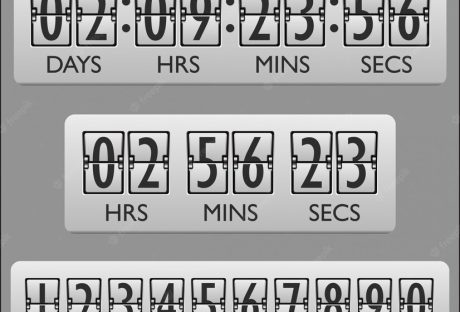
At its core, countdown widgets for websites are digital timers, ticking away the seconds and minutes of a particular event or deadline. Be it heralding the launch of a new product, highlighting the end of a sale, or marking the start of a webinar, these widgets play on human psychology. The ticking clock creates a palpable sense of urgency and anticipation, compelling users to act before time runs out.
To maximize the effectiveness of countdown widgets, it's crucial to employ them judiciously. Overuse can desensitize users to a sense of urgency. Moreover, always ensure that the event or deadline you're counting down to holds genuine value for the user. Pairing the widget with compelling visuals and concise, action-driven text can further amplify its impact.
Popups
[caption id="" align="alignnone" width="2400"] Popups[/caption]
Different Types Of Popups:
Popups are versatile tools that can serve various functions.
Informational popups. These are designed to update users about essential website changes or privacy policies. They're typically concise and straightforward, ensuring users are informed without overwhelming them.
Promotional popups. They are the digital equivalents of storefront sale signs. These might advertise a limited-time offer or discount.
Feedback popups. They might ask for star ratings, brief comments, or even detailed reviews, helping businesses understand their strengths and areas of potential enhancement.
Email subscription popups. These popups invite users to stay connected by subscribing to newsletters, updates, or exclusive offers.
Exit-intent popups. Triggered when the system detects a user is about to close the tab or navigate away, exit-intent popups present a final, compelling offer or message.
The key to popups is moderation. Bombarding users with incessant popup messages can swiftly turn intrigue into irritation. Timing is crucial. For instance, an exit-intent popup can be a last-ditch effort to retain their attention. Similarly, understanding the user's journey can help in strategically placing popups for maximum effectiveness without being intrusive.
Interactive Surveys And Quizzes
Surveys and quizzes engage users actively, making them feel part of a two-way conversation. When a user takes a quiz, they're not just absorbing information; they're sharing insights about their preferences and needs. This enables websites to tailor content and offers precisely to the user, enhancing relevancy and driving engagement.
Beyond personalization, these interactive tools are goldmines of data. By analyzing responses, businesses can pinpoint audience segments, refine product offerings, and sharpen their marketing tactics. In essence, every user interaction becomes an opportunity for businesses to learn, adapt, and evolve.
Live Chat Features
Live chat serves as a digital concierge, connecting users with businesses in real time. No more waiting on hold or navigating through tedious email threads. With just a click, users can pose questions, raise concerns, or simply chat, fostering a sense of immediacy and personalized attention.
Gamification Elements
Games aren't just for fun; they're powerful engagement drivers. By incorporating gamification elements like points, badges, or leaderboards, websites transform mundane tasks into exciting challenges. Whether it's completing a profile, sharing content, or making a purchase, gamification rewards users for their actions, making their digital journey feel more like an adventure than a chore.
User Testimonials And Reviews
Nothing vouches for a brand like the voice of its customers. User testimonials and reviews provide an unfiltered glimpse into real experiences, offering prospects both validation and reassurance. These authentic narratives, beaming with praise or constructively critical, solidify a brand's credibility, paving the way for trust and long-term loyalty.
Avoiding Overwhelm: Less Can Be More
In the intricate dance of digital engagement, it's not always about having more tools, but about wielding them wisely. While it might be tempting to incorporate every interactive feature available, bombarding users with too many stimuli can lead to cognitive overload. It's like walking into a room with blaring music, flashing lights, and a crowd vying for your attention all at once.
The key is to curate and prioritize. A well-placed popup can be effective, but combine it with constant notifications, quizzes, and live chat prompts, and you risk alienating the user. Remember, the goal is to guide and engage, not to overwhelm. By being discerning in our choice of interactive elements, we can ensure that users not only stay but also enjoy their digital journey.














 Webflow Designer is an intuitive, easy-to-use tool for creating stunning websites. Its drag-and-drop interface makes it suitable for professional web developers and beginners. It is responsible for the design of the layout, colors, fonts, and other elements that constitute the visual appearance of your site.
Users can customize their design using the extensive library of website design templates and components that gives them unlimited options for web design. You can also use this tool to customize your website to fit your needs and preferences by creating visual elements like buttons, images, text, headers, menus, and more without learning code or syntax.
Additionally, Webflow designer allows users to add any desired functionality to their sites, giving them complete control over their website structure. Although experienced developers can further customize their design using CSS, additional tools are not necessary. Webflow designer gets the job done perfectly.
Webflow Designer is an intuitive, easy-to-use tool for creating stunning websites. Its drag-and-drop interface makes it suitable for professional web developers and beginners. It is responsible for the design of the layout, colors, fonts, and other elements that constitute the visual appearance of your site.
Users can customize their design using the extensive library of website design templates and components that gives them unlimited options for web design. You can also use this tool to customize your website to fit your needs and preferences by creating visual elements like buttons, images, text, headers, menus, and more without learning code or syntax.
Additionally, Webflow designer allows users to add any desired functionality to their sites, giving them complete control over their website structure. Although experienced developers can further customize their design using CSS, additional tools are not necessary. Webflow designer gets the job done perfectly.
 WebFlow Designer and Editor are powerful tools that allow users to build and maintain a website. However, they are distinct in their core functions and capabilities. The two terms can be confusing, especially if you are a beginner on the platform. The following differences between web flow designer vs editor will help you distinguish them so that you can use them for the best web-building experience.