












How You Can Invest In Your Small Business
Published on: 18 April 2023
Last Updated on: 06 February 2026

Many small business owners crave growth and dream of running a successful company, but many of those same people struggle to invest in their dreams. It may require all of your time and energy simply to keep the company running, so how can you effectively plan for the future? You don't have to commit to any overhauls right now, and you may find that even small improvements result in immediate and obvious improvements. If you lack confidence in your company or your abilities, here are some ways you can invest in your small business and finally reach your goals.


Popular

Technologies For Creating A Startup Idea
20 Feb 2023

How to Download Facebook Videos on Android?
07 Feb 2019

7 Rules of Effective Ecommerce Web Design
28 Jan 2021

Why Are Online Transactions Convenient?
07 Dec 2023

Recent
Related
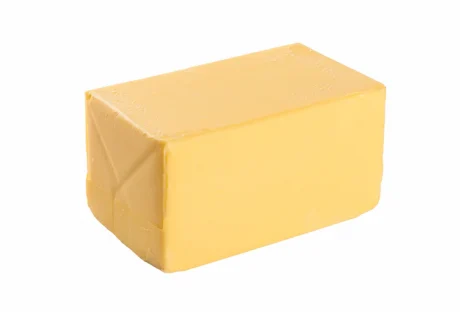
The Evolution Of Butter Packaging: A Dive Into Modern Machinery
Have you ever paused to consider the journey of a simple butter stick from the dairy farm to your breakfast table? The unsung hero of this journey is the packaging - a critical phase that ensures freshness and quality. In this post, we will slice through the history of butter packaging, spread out the advancements in modern machinery, and churn out insights on how these changes have made buttered toast possible for you every morning. From Hand-Wrapping To Automation: A Brief History Early Beginnings Butter packaging began humbly with tiny, cloth-wrapped pats or rolls, generally handcrafted by local farmers’ wives, transitioning over time to barrels and bulk tubs manufactured in factory creameries. These packaging methods allowed butter to be shipped over increasingly huge distances before reverting back to the separately wrapped sticks we are purchasing today. Packing And Molding By 1870 in California, butter used to travel to market in half-barrels, two-pound rolls, and barrels packaged in boxes. These rolls were molded into a specific size for packaging and shipping. The Transition To Mechanical Packaging The transition to mechanical packaging started around the turn of the 20th century. The invention of machines like the shell carton machine in 1900 by the E. G. Staude Manufacturing Company significantly impacted the packaging of butter, among other products. By 1909, advancements had been made to cut and crease stock from a web at a rate of two hundred box blanks per minute, facilitating the mass production of cartooned butter. Sealing Freshness: Modern Packaging Techniques Vacuum Packaging One of the modern packaging techniques includes vacuum packaging, which has significantly enhanced the shelf life of butter. For instance, the shelf life of a certain type of butter was increased by 30% when packaged using modified techniques. Material Innovations The choice of packaging material has evolved to meet consumer preferences and requirements. Modern packaging utilizes materials that prevent butter from contamination, weight loss, and flavor deterioration, ensuring the product reaches the consumer in perfect condition. Machinery Mastery: The Rise Of High-Speed Packaging High-Speed Packaging Machines Modern butter packaging machines have significantly improved the efficiency and speed of butter packaging. For example, the steps involved in butter packaging, such as container preparation, butter loading, dosing, sealing, and cartoning, are now executed with a high degree of precision and synchronicity through automated machines. Brand Differentiation With the advent of modern machinery, brand owners have leveraged innovative packaging to differentiate their products on retail shelves. Packaging has become an integral part of product marketing and communication, allowing brands to catch the eye of customers at first glance. In each of these transformations, what stands out is the interplay between consumer demands, technological innovations, and the butter industry's response to these elements. The evolution of butter packaging is a testament to the industry's adaptability and the continuous quest for efficiency and consumer satisfaction. Your morning butter toast isn't just a tasty breakfast item; it's a product of years of innovation in packaging technology, brought to you courtesy of modern machinery. Customization Craze: Meeting Consumer Demands Diverse Packaging Styles Modern machinery facilitates a range of packaging styles to cater to diverse market demands. For instance, the packaging of butter in a dish or tub has become a practical choice for consumers, offering easy storage and daily use options. This packaging trend is particularly popular for reduced-fat, spreadable, and healthy (Omega 3) butter options. Consumer Feedback Packaging innovations often emerge by consumer feedback. Brands are increasingly attentive to consumers' preferences regarding packaging, which in turn drives the demand for modern machinery capable of producing diverse packaging styles. Innovative packaging not only serves a functional purpose but also acts as a tool for brand differentiation and marketing communication. Sustainability Shift: Eco-Friendly Packaging Solutions Sustainable Packaging With the growing global emphasis on sustainability, the dairy industry is making strides toward eco-friendly packaging solutions. Modern machinery is being adapted to produce packaging that's not only protective and attractive but also environmentally friendly. Material Innovations The industry is exploring new materials and designs to reduce the environmental impact of butter packaging. This includes the use of recyclable materials, reduced packaging materials, and innovative designs that minimize waste. The Future Buttered Up: What Lies Ahead? Robotics And AI Emerging technologies like robotics and artificial intelligence (AI) might have a brighter future when it comes to revolutionizing butter packaging. These technologies promise to enhance automation, improve efficiency, and meet the growing demands for sustainable and innovative packaging solutions. Consumer-Driven Innovations The evolving consumer preferences will continue to shape packaging trends. With a focus on sustainability, convenience, and brand differentiation, the future holds a realm of possibilities for butter packaging. Conclusion The art of butter packaging has come a long way from simplistic hand-wrapping to the high-speed, eco-friendly packaging solutions we witness today. This evolution not only narrates a tale of technological innovation but reflects the changing tastes and preferences of consumers. With a future geared towards sustainability and efficiency, who knows what delightful packaging innovations await us? Your morning butter toast is not just a tale of culinary delight but a slice of history and a testament to human ingenuity. Now, as you spread that golden goodness on your toast, you carry forward a tradition enriched by modern machinery and a promise of a better, buttered tomorrow. Read Also: Top Ways Video Marketing Will Help Your Business Grow What Is The Future Of Digital Marketing In Regards To Shaping Up Small And Large Businesses? Benefits of Pay Per Click Services to Your Business
READ MOREDetails
Shipping Mistakes Commonly Made by Small Businesses
Many small businesses are heavily based on shipping products to clients. As any proprietor of such an enterprise can attest, there are numerous factors for shipping-based small businesses to take into account. The type of merchandise being shipped, desired delivery windows, and shipping partner qualifications are just a few of the things these businesses have to regularly consider. As is the case with any business built around shipping, there are a number of seemingly minor errors that can result in client displeasure and loss of repeat patronage. So, if your enterprise is looking for effective ways to ensure client satisfaction, take care to avoid the following blunders. Working with Unreliable Shipping Partners When your small business is built around shipping, placing your trust in unreliable shipping partners is just about the worst thing you can do. In fairness, every shipping company is guaranteed to make the occasional blunder, but if damaged items, lost shipments or missed delivery windows are regular occurrences, you’d do well to take your business elsewhere. Any mistakes made by your shipping partners are liable to be visited upon you. When a client receives a damaged shipment or a shipment arrives well past its projected delivery date, most clients are going to expect answers from you, not the shipping company – even if the error in question is explicitly their fault. In the interest of avoiding such uncomfortable situations and ensuring client satisfaction, avoid working with shipping partners who have routinely proven themselves undeserving of your trust. Even if you have a longstanding relationship with specific partners, don’t be afraid to take your business elsewhere if their lack of professionalism has negatively impacted your financial bottom line. When searching for shipping partners you can trust, look for companies that possess solid reputations and are experienced in handling the types of items your enterprise specializes in. Making Promises That Can’t Be Kept Overpromising is never a good idea – be it in business or any other area of life. Promising more than you can deliver is practically guaranteed to result in dashed expectations, which can quickly destroy even the most robust of professional relationships. Unfortunately, when making a play for new clients, many small business owners won’t hesitate to promise the moon if it means winning over new patrons. While overpromising may seem like a sound strategy at the moment, it almost never pays off long-term. To avoid the undesirable consequences associated with overpromising, never commit to delivery timelines you know you and your shipping partners can’t meet. Doing so may entice a few new clients, but these individuals are unlikely to become repeat customers when you invariably fail to deliver on your boasts. Failing to Make Special Arrangements for Delicate Cargo Depending on the types of products your small business regularly ships, some special arrangements may need to be made. For instance, certain items – i.e., food – are highly sensitive to warm temperatures. As such, items of this type often need to be placed in specialized shipping containers and/or protected by cooling packs. To ensure that you, your clients, and shipping partners have a solid idea of the kinds of temperatures a shipment has endured throughout its journey, employ the aid of a good temperature indicator. Similarly, if any of the items you ship are exceptionally fragile in nature, impact, and shock recorders are likely to prove a worthwhile investment. As the name suggests, these helpful tools serve to provide a detailed accounting of the various impacts and shocks a shipment experiences while en route to its destination. Keep in mind that the fewer precautions you take with delicate cargo, the more likely it is to incur damage or become outright broken while in transit. Needless to say, failure to make special arrangements for such items commonly draws the ire of any clients who receive damaged shipments. When your business is built around shipping products to assorted clients, mistakes should be few and far between. Even if certain blunders aren’t explicitly the fault of your enterprise, many clients will expect you to bear the brunt of the responsibility. While expecting to never make mistakes is unrealistic, there are a number of simple steps you can take to minimize them. If you want to keep clients happy and coming back for the foreseeable future, steer clear of the blunders discussed above. Read Also: How Many Jobs Are Available In Real Estate Investment Trusts? 0123Putlockers And Servers – Watch Movies Online Is Real Estate Investment Trusts A Good Career Path? REITs Pros And Cons
READ MOREDetails
Wooden Modern Desk: A Complete Guide
Tables are a must-have feature of any space. Their two main criteria are reliability and convenience. Even though now furniture is also made of different materials, wooden products are still in high demand. The reason is that they are completely safe and environmentally friendly. This means that they do not have a harmful impact on human health. A wooden modern desk is a top choice for offices and apartments. Such furniture can create the right atmosphere whether in the working or living space. The key thing is to choose the right option. What Is The Best Wood To Opt For When Choosing Modern Wooden Desks? We use different types of wood for the production of desks. You can choose between walnut, elm, oak, and fir. Each type of wood has its own features and unique color. Natural fibers give a special appeal that only natural wood can have, creating a genuine look and giving us a vintage feel. Still, such desks can also get a modern wood style if their surface is gel-coated, matted, or polished. You should read more about the features of different types of material and choose the most suitable option. Key Advantages Of Modern Wooden Desks When talking about desks made of natural wood, it is essential to know about their undeniable strong qualities: Environmental safety of the material used. Wood prevents harmful emissions for human health. Wood does not emit toxic vapors and fragrances. At the same time, the wood style has a positive beauty effect on the surrounding environment. The original pattern and unusual texture of the material used. You should know that the wood varieties will always delight you with their special shades and presentable appearance. Diversity of design trends. Wooden tables are perfect for almost any existing interior. Implementation of modern production technology. The tables are guaranteed to be protected against the adverse effects of moisture, so the risk of rotting is completely eliminated. Wood is always denser than artificial materials, and it can successfully withstand a lot of weight. Even minimal risks of material deformation are successfully avoided. Modern wooden desks are hypoallergenic, durable, and easy to restore. The Drawbacks Of Solid Wood Desks Desks made of natural solid wood are practically free of disadvantages. The only thing that stops people from buying this type of furniture is the high cost of noble wood. However, these are minor drawbacks that will not prevent true connoisseurs of beauty and wood style, who are ready to invest in getting high-quality and durable furniture. Among the few cons of this material are the following aspects: furniture made of natural wood always weighs a lot; the cost of a modern wooden desk is much higher than that of a table made of synthetic materials; wood is highly flammable, it has low resistance to high temperatures; to protect a wood table from damage, it needs to be varnished, and the varnish can darken and crack over time; if the desk is made of soft wood, its surface can be scratched, so you should always use a wooden cutting board for cutting food. The main concept of wooden furniture lies in aesthetics, naturalness, and solidity. Wood, properly selected and masterfully treated, not only looks and lasts a long time but also gives the interior a special energy, creating the best conditions for work and rest. Therefore, it is important to consider carefully the different models in order to give preference to the most suitable options for their future use. In any case, the add-on of a modern wooden desk to your interior will be a reasonable and smart choice. Additional: The 11 Best PC Gaming Desk Accessories Excellent Hair Volume On The Photo — No Problem How To Have The Right Reception Desk For Your Company Features To Look For When Investing In Teacher Desks For Your Institution
READ MOREDetails