Published on: 15 December 2023
Last Updated on: 26 May 2026
In the realm of property ownership, maintaining the health of your roof is paramount. Aerial roof inspections emerge as a game-changer, providing a unique perspective that goes beyond traditional methods.
In this comprehensive guide, we will be discussing what aerial roof inspection is all about and how it benefits. So, what are we waiting for?
Let's delve into the world of aerial inspections and discover how they can revolutionize your roof maintenance routine.
What Is Aerial Roof Inspection?
Automated aerial systems or vehicles that work remotely generally do not need human intervention. But, most often, the inspector has to take control of his devices to ensure safety. With the advancement of technology, aerial roof inspection came into being.
The drone is helpful in reducing risks because it provides a 360-degree view of the roofs. Moreover, it can trace even the smallest faults at the earliest. In the next section of the article, we will be discovering the advantages of inspecting roofs aerially.
How Does A Typical Aerial Roof Inspection Process Look Like?
A general roof inspection is a bit different. Here, the contractors and building professionals make use of off-the-shelf drones accompanied by software applications. Other steps included in the roof inspection procedure are as follows:
The pilot, operator, or estimator uses the application to make a flight plan. It is possible to do this either on-site or within the workplace. Furthermore, it includes building address specifications and defining the roof’s perimeter.
After the plan is ready, the pilot confirms the proper order of everything. They make use of the mobile app or controller to control and launch the drone.
Next, the drone follows the path automatically along with collecting images and other relevant information. This basically depends on the inspection’s cause and the sensors.
After 10 minutes, the drone automatically lands as per the program and transfers the data to other devices.
What Are The Benefits Of Aerial Roof Inspection?
Roof inspection plays a critical role in ensuring the longevity and durability of your house. Conventionally, these inspections are a bit expensive. But even after the price factor, there are some advantages of aerial roof inspection. Check them out here:
Unlocking Precision with Aerial Insights
Aerial roof inspections leverage cutting-edge technology to scrutinize every inch of your roof with unmatched precision. Drones equipped with high-resolution cameras soar above, capturing detailed imagery that might be easily missed during ground inspections. This method ensures a thorough examination, leaving no room for oversight.
Bolstering Structural Integrity
One of the key advantages of aerial roof inspections is their ability to detect structural vulnerabilities early on. By identifying potential issues such as cracks, leaks, or weakened areas, proactive measures can be taken to address these concerns promptly. This not only safeguards your property but also prevents costly repairs down the line.
Time and Cost-Efficiency at Its Finest
Traditional roof inspections often involve time-consuming processes and extensive manpower. Aerial inspections, on the other hand, streamline this operation. The swift deployment of drones reduces the time required for a comprehensive assessment, translating to cost savings for property owners.
Embracing Sustainability in Maintenance Practices
In an era where sustainability is paramount, aerial roof inspections align seamlessly with eco-friendly practices. The minimized need for physical access to the roof reduces the carbon footprint associated with maintenance activities. Property owners can contribute to environmental conservation while ensuring the longevity of their roofs.
Supporting Innovation and Progress
As we navigate the realms of modern technology, embracing innovative solutions becomes imperative. Aerial roof inspections showcase a commitment to progress and efficiency in property maintenance. Property owners adopting this method not only enhance their roof health but also position themselves at the forefront of technological advancements in the real estate landscape.
Transitioning to Aerial Excellence
In conclusion, aerial roof inspections stand as a beacon of progress in the realm of property maintenance. From precision to efficiency and sustainability, this method ticks all the boxes for an optimal roof care strategy.
Elevate your roof asset management by embracing the power of aerial insights – your roof deserves nothing less. Remember, a well-maintained roof is not just an investment in your property; it's an investment in peace of mind.
Content Rally wrapped around an online publication where you can publish your own intellectuals. It is a publishing platform designed to make great stories by content creators. This is your era, your place to be online. So come forward share your views, thoughts and ideas via Content Rally.
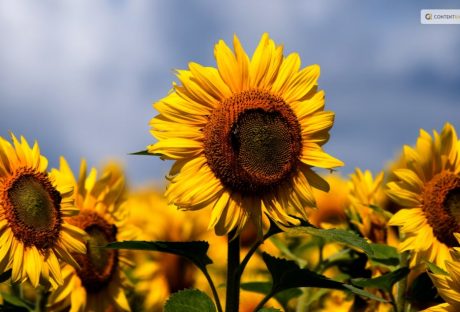
Sunflowers are not only beautiful and cheerful, but they also produce delicious and nutritious seeds that you can enjoy as a snack or use in various recipes. Harvesting sunflower seeds is a fun and easy activity that you can do with your whole family. It is also a great way to teach your kids about nature, gardening, and healthy eating.
In this article, I will show you how to harvest sunflower seeds in a few simple steps, as well as some tips and tricks to make the most of your sunflower harvest. If you enjoyed reading my blog on harvesting lettuce, you will enjoy reading this one!
So, if that is what you are interested in knowing, I have you covered! Keep reading this blog till the end to learn more…
How to Grow Sunflower Seeds: A Simple and Rewarding Gardening Project?
Sunflowers are one of the most iconic and cheerful flowers in the world. They are also one of the easiest and most rewarding plants to grow from seeds.
Sunflowers can brighten up your garden, attract pollinators, provide shade, and produce edible seeds that you can harvest and enjoy.
In this part of the article, I will show you how to grow sunflower seeds in a few simple steps, as well as some tips and tricks to make the most of your sunflower growing experience.
How to Choose Sunflower Seeds?
The first step to growing sunflower seeds is to choose the right seeds for your garden. Sunflowers come in a wide range of sizes, colors, shapes, and types. Some of the most common types of sunflowers are:
Giant sunflowers
These are the tallest and largest sunflowers, reaching up to 15 feet in height and 12 inches in diameter. They produce huge and heavy flower heads that are filled with large and plump seeds. They are ideal for creating a dramatic and impressive display in your garden, as well as for harvesting large quantities of seeds. Some examples of giant sunflowers are Mammoth, Titan, and Kong.
Dwarf sunflowers
These are the smallest and shortest sunflowers, growing up to 3 feet in height and 6 inches in diameter. They produce smaller and lighter flower heads that are easier to manage and maintain. They are ideal for growing in containers, pots, or small spaces, as well as for adding a splash of color and charm to your garden. Some examples of dwarf sunflowers are Teddy Bear, Sunny Smile, and Little Becka.
Colored sunflowers
These are the most diverse and colorful sunflowers, ranging from yellow, orange, red, pink, purple, brown, and even green. They produce medium-sized flower heads that are attractive and eye-catching. They are ideal for creating a vibrant and varied display in your garden, as well as for cutting and arranging in bouquets or vases. Some examples of colored sunflowers are Autumn Beauty, Moulin Rouge, and Lemon Queen.
Things to Consider While Choosing Sunflower Seed
When choosing sunflower seeds, there are several things that you need to keep in mind. For instance, you should also consider the following factors:
Climate and season of your area
Sunflowers are warm-season plants that need full sun and warm temperatures to grow and bloom. They are best planted in late spring or early summer, after the last frost, when the soil is warm and moist. If you live in a cold or frost-prone area, you can start your seeds indoors and transplant them outdoors when the weather is favorable.
Soil and water conditions of your garden
Sunflowers are adaptable and tolerant plants that can grow in most types of soil, as long as they are well-drained and fertile. They prefer slightly acidic to neutral soil with a pH of 6.0 to 7.5. They also need regular watering, especially during the germination and flowering stages. However, they can withstand some drought and dryness once they are established.
Space and support available in your garden
Sunflowers are large and sturdy plants that need ample space and support to grow and thrive. They should be planted at least 2 to 3 feet apart from each other and from other plants, to avoid overcrowding and competition. They should also be staked or tied to a fence, a trellis, or a pole, to prevent them from bending or breaking under their own weight.
How to Plant Sunflower Seeds?
Once you have chosen your sunflower seeds, you can proceed to the next step. Planting sunflower seeds is a simple process that involves preparing, sowing, and caring for the seeds. Here is how to do it:
Prepare the Soil
Prepare the soil by loosening it with a fork or a spade. Ensure that you remove debris, weeds, or rocks. You can also enrich your soil by adding some compost, manure, or fertilizer, to boost its fertility and drainage. Make sure the soil is moist but not soggy, and has a temperature of at least 50°F.
Sow the Seeds
Sow the seeds by making holes or furrows in the soil, about 1 to 2 inches deep and 2 to 3 feet apart. You can use a ruler, a stick, or your finger to make the holes or furrows. Drop one or two seeds in each hole or furrow, and cover them lightly with soil. You can also sprinkle some water over the seeds to help them settle in the soil.
Nurture
Care for the seeds by watering them regularly, but not excessively, to keep the soil moist but not wet. You can also mulch the soil with straw, grass clippings, or leaves, to retain moisture and prevent weeds. You should also protect the seeds from birds, squirrels, or other animals, by covering them with a net, a cage, or a cloche. You should also thin the seedlings when they are about 4 to 6 inches tall, by removing the weaker or smaller ones, and leaving only the strongest and healthiest ones.
How to Grow Sunflower Seeds?
After planting your sunflower seeds, you can watch them grow and enjoy their beauty and bounty. Growing sunflower seeds is a rewarding and satisfying experience that requires minimal maintenance and care. Here are some tips and tricks to grow sunflower seeds successfully:
Water
Water your sunflowers regularly, but not excessively, to keep the soil moist but not wet. Sunflowers need about 1 to 2 inches of water per week, depending on the weather and the soil conditions. You can use a hose, a sprinkler, or a drip irrigation system to water your sunflowers. You should water them in the morning or evening, and avoid wetting the leaves or the flower heads, to prevent fungal diseases.
Fertilizer
Fertilize your sunflowers occasionally, but not excessively, to boost their growth and flowering. Sunflowers need a balanced fertilizer that contains nitrogen, phosphorus, and potassium, such as a 10-10-10 or a 20-20-20 formula. You can apply the fertilizer once or twice during the growing season, following the instructions on the label. You should avoid over-fertilizing your sunflowers, as this can cause them to grow too tall and weak, and make them prone to pests and diseases.
Pruning
Prune your sunflowers occasionally, but not excessively, to improve their shape and health. Sunflowers do not need much pruning, as they are naturally self-pruning and self-cleaning. However, you can prune them to remove any dead, damaged, or diseased leaves, stems, or flowers, to prevent infection and improve air circulation. You can also prune them to control their height and spread, by pinching or cutting off the tips of the main stem or the side branches.
You should use clean and sharp scissors or pruners to prune your sunflowers and do it in the morning or evening when the plants are less stressed.
When to Harvest Sunflower Seeds?
The first step to harvesting sunflower seeds is to know when they are ready. Sunflowers typically bloom in the summer and their seeds mature in late summer or early fall. You can tell when your sunflowers are ready to harvest by looking at their appearance and feel. Here are some signs that your sunflowers are ready to harvest:
Petals have fallen off or turned brown.
The back of the flower head has turned yellow or brown.
Seeds have developed black and white stripes.
The seeds are plump and firm to the touch.
If you are not sure if your sunflowers are ready to harvest, you can do a simple test by rubbing your thumb over the seeds. If they come off easily, they are ready to harvest. If they are still attached to the flower head, they need more time to ripen.
How to Harvest Sunflower Seeds?
Once you have determined that your sunflowers are ready to harvest, you can proceed to the next step. Harvesting sunflower seeds is a simple process that involves cutting, drying, and storing the seeds. Here is how to do it:
Cut the flower heads from the stems using a sharp knife or scissors. Leave about 12 inches of stem attached to the flower head for easier handling.
Place the flower heads in a dry and well-ventilated area, such as a garage, shed, or porch. You can hang them upside down or lay them flat on a screen or rack. Make sure they are not touching each other to prevent mold and rot.
Let the flower heads dry for about two weeks or until the seeds are completely dry and hard. You can check the dryness by biting or cracking a seed. If it is crunchy and not moist, it is dry enough.
Remove the seeds from the flower heads by rubbing them gently with your hands or a soft brush. You can also use a fork or a spoon to scrape them off. Discard any debris, such as petals, leaves, or insects.
Store the seeds in an airtight container, such as a glass jar, a plastic bag, or a metal tin. Label the container with the date and the variety of sunflower. Keep the container in a cool and dark place, such as a pantry, a cupboard, or a basement.
How to Enjoy Sunflower Seeds?
Now that you have harvested your sunflower seeds, you can enjoy them in various ways. You can eat them raw or roasted, salted or unsalted, shelled or unshelled. You can also use them in salads, soups, breads, muffins, granola, trail mix, pesto, butter, and more.
Sunflower seeds are rich in protein, fiber, healthy fats, vitamins, minerals, and antioxidants. They can help manage high cholesterol, blood pressure, and inflammation and boost your immune system, brain function, and mood. Here are some tips and tricks to enjoy your sunflower seeds:
Roast
To roast your sunflower seeds, spread them in a single layer on a baking sheet and bake them in a preheated oven at 300°F for about 15 to 20 minutes, stirring occasionally, until golden and crisp. You can season them with salt, pepper, garlic, onion, paprika, cumin, or any other spices you like.
Shell
To shell your sunflower seeds, you can use your teeth, your fingers, or a nutcracker. You can also soak them in water for a few hours to make them easier to shell. To remove the shells, you can blow them away with a fan, a hair dryer, or your mouth, or you can shake them in a colander or a sieve.
Sunflower Seed Butter
To make sunflower seed butter, you need to blend the shelled and roasted sunflower seeds in a blender until it turns smooth and creamy. You can add a little oil, honey, salt, or vanilla to enhance the flavor and texture. You can use sunflower seed butter as a spread for toast, crackers, or fruit, or as a dip for pretzels, celery, or carrots.
Pesto
To make sunflower seed pesto, blend roasted and shelled sunflower seeds with fresh basil, garlic, olive oil, lemon juice, salt, and pepper in a food processor or a blender until smooth and thick. You can use sunflower seed pesto as a sauce for pasta, pizza, or sandwiches, or as a dressing for salads or roasted vegetables.
Wrapping It Up!
Harvesting sunflower seeds is a fun and easy activity that you can do with your whole family. It is also a great way to enjoy the beauty and bounty of nature, as well as the health benefits of sunflower seeds. By following the steps and tips in this article, you know how to harvest sunflower seeds in a few simple steps, as well as enjoy them in various ways. I hope you found this article helpful and informative.
If there are any other queries related to the same, please feel free to let me know. All that yo need to do is scroll down till you reach the bottom of the page. Then leave your comments and suggestions in the box below. And I will be ether to answer them all for you!
Learn More About:
Best Material for Garden Sheds: A Guide for Everyone
Asparagus 101: When, How, And How Often To Harvest?
Best Gardening Tips For Beginners: Adopting A Relaxing Hobby
Mint is a wonderful plant that practically cultivates itself. So fast is its growth that it can threaten to spread across and take over your entire yard or garden. One way to battle this is to confine its growth by planting it in a pot or a separate bed. However, once you have this plant, you will be glad, because it has properties that make it fruity and a great addition to tea and foods.
As can be seen here, it is also quite useful in health remedies that can aid digestion and relieve headaches. We know you already feel enthralled by this herb and would like to know more. So, why don’t you read on and discover more amazing things about mint…
What Mint is All About
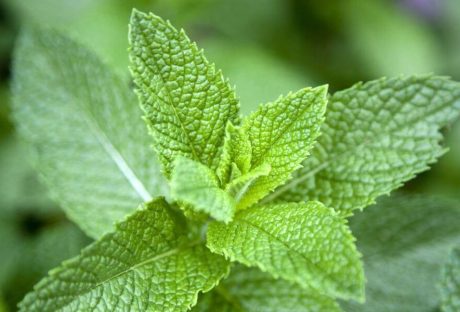
Mint is an herb that is perennial and has a very wonderful fragrance. Its leaves are toothed and may have tiny pink, white, or purple flowers. Mint has so many variants from crinkled or smooth, to fuzzy or shiny. However, one thing is constant despite what kind of variant it is; all mints have that wonderful fragrance.
Hence, whenever you pick up any variant of this great herb and roll it in your fingers, you would get the same smell that will make you either think of sweet teas, candy, or mint juleps.
Aside from being a wonderful kitchen companion, this herb is also used as ground covers, garden accents, herbal medicines, and air fresheners. Mints are functional as well as beautiful and can grow either in shades or under the sun. However, as we already said, this plant is a vigorous spreader; therefore, unless you want to have too much than you need, you have to be very deliberate about planting it.
Uses
We have already stated several things that mints can be used for, but there are still so many more benefits of this wonderful herb. Below are some of these benefits:
Can be used to make mint tea. To do this, simply put the leaves in a cup of hot water and then leave it to sit for some minutes.
Make tasty ice cubes with it by freezing the leaves with raspberries and cranberries.
Add it to a salad dressing, marinades, or fruit salad.
Use it to relieve headaches by applying It's oil to the temples.
It can also be used to relieve anxiety and stress.
Yes, mints have many other health benefits, but though not a practical use, it is also used as a virtue symbol.
Planting Mints
If you decide to plant mints in your garden or yard, then below are some important things that you have to know:
They flourish in light earth which has good drainage.
Their original habitats are stream banks, so, the site you plant them should imitate stream bank soils. That is to say, ensure the soil you plant your mints is moist but also well-drained.
Variegated mints should not be planted in direct sun as they require a bit of shade.
Mints typically grow to become one to two feet tall.
If you plant them in a container or pot, then you would need to topdress them with organic or compost fertilizer once in a few months.
If you plant mints in your garden, ensure to plant them next to tomatoes or cabbages, this will help contain their spread and prevent them from stealing your crops’ nutrients.
Care
Mints do not require that much care; however, you should consider the following points when caring for them:
If planted outdoor, use light mulch. You can visit https://www.thespruce.com/what-is-mulch-1402413 to read up more on mulch. The light mulch will ensure the soil remains moist and also help the leaves to stay clean.
If planted indoors, then ensure you water them often to help the soil stay evenly moist.
Mints should be picked and pruned regularly. Like we have stated many times already, these guys are fast spreaders, therefore, you would need a lot of pruning to stop them from taking over everything. This should not worry you since their roots are shallow making it quite easy to drag them out of the soil.
The Propagating
You do not need to do a lot to propagate mint. The perfect way to go about this is to find the plant which you like and then cut out of it. Ensure the cutting is at least 6 inches and has ample roots attached. Then plant them in the soil horizontally.
You can always get a cutting from a gardening friend, so this is nothing to worry about.
Harvesting and Storing
To learn how to harvest mint is quite easy, it typically does not involve any special skill. You may either pick the leaves individually, or you may use shears to prune the plant and then take off the leaves from the stem you had cut off.
Despite the harvesting process being relatively easy, you need to remember a few things when you harvest your mints:
Frequent harvesting will keep the plant at its best.
The younger leaves have a better flavor than the old ones.
You can pluck the leaves whenever you need mints.
If you need dry mints, then pluck the leaves before flowering and then save them in an airtight container.
You can also store fresh mints that you do not immediately have use for. To do this, put water in a glass and then put the stems inside the water. The mint will stay fresh for 3 to 7 days this way. You may equally put the mints inside a rubber bag and then store them in your refrigerator. This should keep it fresh for at least a week.
Conclusion
Mint is an herb that would make a very great addition to your garden or yard. But, without proper knowledge about the plant, everything may spiral out of control. Therefore, you must have basic knowledge about planting, caring for, and harvesting this plant before you farm it.
Read Also:
How to Maintain a Bright and Beautiful Garden During Winter
How to Choose the Right Containers for Your Container Garden
Grow these flowering plants in your home garden
How To Grow Tomatoes From Seed
In the present era, interior design has changed a lot compared to what it was a decade ago. Nowadays, most people are bold enough to experiment with anything and everything when it comes to having an alluring interior.
In such a condition, you can find the tall house plants playing a prominent role in boosting the interior outlook of the house. So, if you also desire to keep them in the house interior, this article is for you. The best you can do is go through the list below and choose the right plant to keep in your room.
However, remember that the rare plants in this list can be expensive. So, it can be a good step to know about the plants at first and later invest money. So, take a look at the list for now.
Read More: 10 Best Trailing Indoor Plants To Buy In 2022
Top Ten House Plants You Can Keep In 2022
Here is the list of the top ten house plants that you can keep in your place this year. One common factor in all these plants is that they have an aesthetic outlook. So, you can check all entries here.
1. Snake Plant
The Snake Plant is scientifically known as Dracaena Trifaciata. The unique and alluring fact about this plant is the presence of fleshy leaves. This plant can grow up to 6 feet and thus, you can consider it as a tall tree to keep in the house.
In case of buying tall indoor house plants anytime soon, you should always check the price. The best you can do is give water in intervals to allow a snake plant to grow.
2. Money Tree
Money trees can grow up to 8 feet and you can keep them in your hall or drawing room area. The braided stem of this plant can ensure added aesthetics to your place. When buying a money tree, you should always check if it is mature.
Expect the price of a money tree to be high but it would always come between $60 to $80. Make sure to give the plant, indirect light, and water every two weeks.
3. Mini Monstera
If you are looking for a plant that has lush green leaves, the Mini Monstera can be the right plant for you. If you desire to keep this plant at your place, make sure to add a stick or robe to it. As a result, you can expect this plant to grow some 12 feet.
The price of a small Mini Monstera Plant is $20 to $80 approximately. However, you can check an e-commerce site to know the exact price. The best you can do is buy this plant as a tall house plant real. Finally, the only thing you need to remember is to give the plant indirect lighting. This can always keep the plant healthy for a long time.
4. Majesty Palm
The majesty palm is one of the greatest tall house plants of all time. It is famous due to its pet-friendliness. You would be amazed to know that the plant needs much less maintenance. In only a few months, the Majesty Palm can grow up to 10 feet approximately.
The only thing this plant need is indirect light. Moreover, some humidity in your room can also be beneficial for this plant to grow. When searching for a Majesty Palm in the market, you should look for a matured plant. Expect its price to be at $30 to $90.
5. Elephant’s Ear
The trade name of the Elephant’s Ear plant is Alocasia. It is an example of tall tropical house plants that can grow more than 10 feet in length. Now, this plant is a bit expensive because of the unique shape of the leaves.
In the US. people to grow this tree in a medium-sized pot. Like all other plants in this list, this plant also needs indirect lighting. For an Alocasia, you might have to spend $100-200 for a matured plant. Make sure to check the breed of the plant when you buy it.
6. Fiddle Leaf Fig
Ficus Lyrata is the scientific name of a Fiddle Leaf Fig. The plant has got such a name because its leaves look like a fiddle. This plant can also grow above 10 feet but the average height is from 5 ft to 10 ft. The only thing you need to keep in mind is to keep the plant in a sunny, watering area. So, it can quickly gain its height.
7. Rubber Plant
If you have a room where you get bright light, try keeping a rubber plant. Rubber plants grow rapidly when they get bright light. So, you can expect this plant to grow some 8 to 10 feet. The only thing you need to remember is to apply fertilizers to the plant on a bi-weekly basis.
8. Bird Of Paradise
When it comes to tall house plants in low light, you can count on Birds Of Paradise. This leafy plant can grow above 5 feet and you can give it some indirect headlight. The best you can do is attach some other plants with them in the same tub. Expect to get a healthy Bird Of Paradise Plant in some $50 on the leading e-commerce websites.
You May Like To Read This: 5 Tips to Keeping Animals Away From Your Garden
9. Parlor Palm
The Parlor Palm is yet another tall tree that you can keep in your house. The best thing about this palm tree is that it needs much low maintenance. This tree can grow up to 6 feet. You can get a matured plant for $60 to $90.
10. Draecana
The last entry in the list of tall house plants is Draecana. It is different from the aforesaid variant as it has red leaves. It also grows tall in low light. So, you can keep it in your house. Look for a matured plant if you have a plan to purchase it soon.
Frequently Asked Questions (FAQs):
Q1. What Is The Plant Of 2022?
The baby rubber plant and potted bamboo are two plants that you can buy in 2022.
Q2. What Houseplants Grow The Tallest?
The snake plant is among the best house plants that grow the tallest.
Q3. What Is The Most Popular House Plant?
The rubber plant and parlor palm are some famous house plants.
Q4. What Plants Are Trending Now?
The Island Pine and Areca Palm plants are trending in the current year.
Final Words
You might think that the tall plants might be difficult to keep in the houses but it is just a myth. The correct plants would always grow and remain healthy in your house.
The best for you would be to choose a plant from this list. Most of the plants mentioned here are excellent when it comes to indirect light and low maintenance. However, you should remember watering them and applying fertilizers.
Read More:
Garden Edging for Beginners
DIY Ways to Control Pests in Your Garden
Best Material for Garden Sheds: A Guide for Everyone