












Ideal Concreting Solutions For Your Home

Published on: 21 February 2024 Last Updated on: 03 February 2026
Concreting Solutions

Choosing the right concreting solutions is a cornerstone in the journey of constructing or renovating your home. It not only guarantees durability and structural integrity but also elevates the aesthetic appeal of your living space. Concrete, with its unmatched versatility, stands as a pillar in residential construction, marrying the qualities of strength, longevity, and design flexibility.

As we delve into the realm of concreting solutions suitable for various facets of home construction, from the foundational elements to decorative finishes, it becomes evident how these solutions significantly enhance both the functionality and appearance of our homes.

Understanding Different Types of Concrete
Understanding Different Types of Concrete

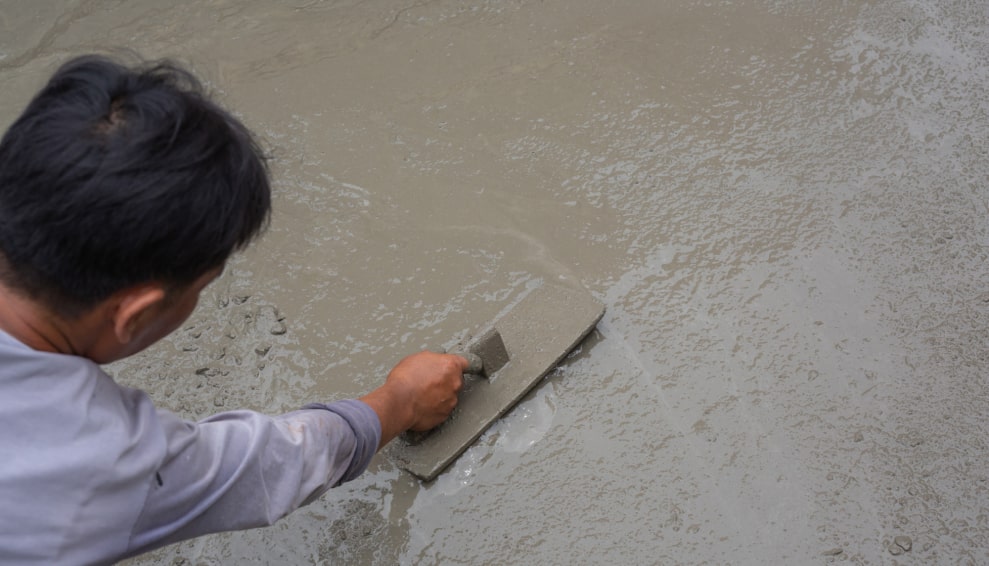
Concrete comes in various forms, each suited to specific applications in home construction. Here’s a look at the primary types:

  • Standard Concrete: The foundation of most construction projects, known for its strength and durability, suitable for driveways, sidewalks, and structural foundations.
  • High-Strength Concrete: Offers enhanced durability and load-bearing capabilities, ideal for areas requiring superior strength.
  • Lightweight Concrete: Used where less structural mass or better insulation is needed, it provides thermal efficiency and is easier to work with.
  • Decorative Concrete: Enables aesthetic customization for home exteriors and interiors through options like colored, stamped, or polished concrete.

Benefits of Concrete in Home Construction

Benefits of Concrete in Home Construction

The benefits of using concrete in home construction are manifold. Its durability stands up to extreme weather, heavy traffic, and the wear and tear of daily life, ensuring structures that last generations. Concrete’s thermal mass contributes to energy efficiency, helping maintain consistent indoor temperatures and potentially lowering energy costs. Moreover, its versatility allows architects and builders to explore creative designs, molding concrete into various shapes and finishes to complement any architectural style.

Innovative Concreting Techniques for Homes

Innovative Concreting Techniques for Homes

Innovative concreting techniques, such as stamped concrete, polished concrete, and concrete overlays, push the boundaries of traditional concrete applications, offering homeowners unique ways to enhance the aesthetic appeal of their exteriors and interiors.

Stamped concrete introduces textures that mimic natural materials, while polished concrete floors bring a sleek, high-gloss finish to any room. Concrete overlays provide a fresh look for existing concrete surfaces without the need for complete replacement, making them a cost-effective option for renovations.

Choosing the Right Concrete for Your Project
Choosing the Right Concrete for Your Project

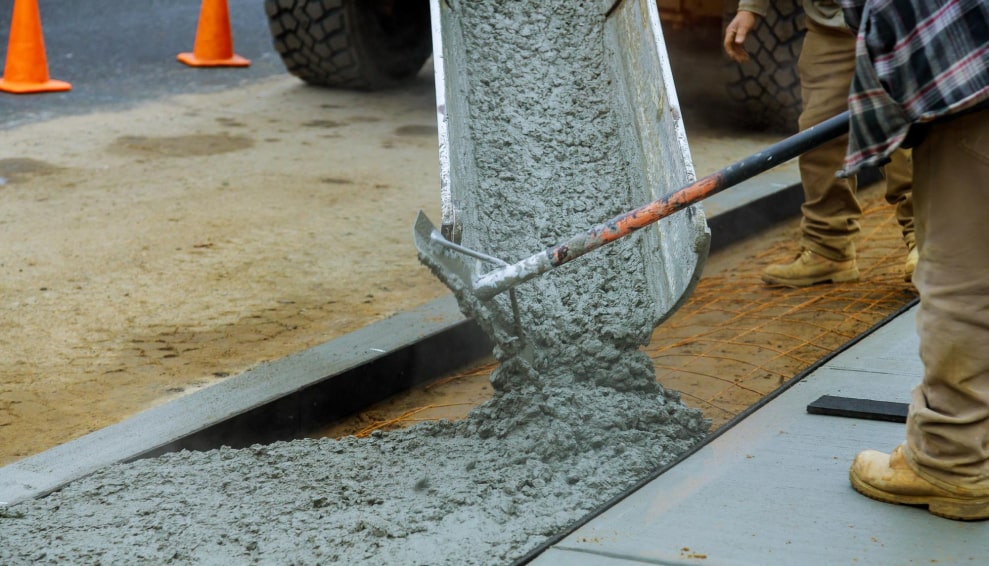
Selecting the appropriate concrete for your endeavor requires a thorough assessment of your project’s unique demands, whether it’s for construction or renovation. This entails evaluating the visual goals you aim to achieve, the structural requirements essential for stability and safety, and the adaptability of the materials to the specific climate conditions in your area. Additionally, financial considerations are pivotal in this selection process.

The cost implications of various concrete types and their associated finishing methods can significantly influence your final decision. Engaging a Perth concreter, such as Project Concrete, ensures expert guidance in navigating these considerations, guaranteeing that your choice aligns with both your aesthetic preferences and budgetary constraints.

Maintenance and Care for Concrete Surfaces

Maintenance and Care for Concrete Surfaces

Maintaining concrete surfaces is straightforward, involving routine sealing to protect against moisture and stains, regular cleaning to preserve appearance, and prompt repair of any cracks or wear to prevent further damage. Such care ensures the longevity and beauty of concrete installations, contributing to the overall value of your home.

Disadvantages Of Concrete For Home

Disadvantages Of Concrete For Home

When building concrete slab foundations, constructors are aware of the reason why it needs to be freezed. Apart from the worry that the foundation might crack, there is also concern about cost savings. One  thing that you might not have to worry about at all is when you use concrete for your home, it is quite safe.

There is no problem when it comes to the base of the house and how it might decrease the risk of damage with regards to the instances of buying or building a home with concrete. There are several benefits which we have already mentioned, however, there are some drawbacks as well.

You need to go through the disadvantages of using concrete so that you can consider all pros and cons. This will help you in understanding the need for concrete or should you choose another option when building a home.

Read about the drawbacks that are described below in detail. You can decide on your own regarding making the choice of whether or not you would like to choose concrete as your choice for the house site!

Labor

  • Not everyone knows how to use concrete and accordingly, they know how to implement the concrete and tools that will help in building concrete structures.
  • It is quite common to understand that you will need to learn about how concrete works and efficiently work on looking for laborers.
  • These laborers must know how to use concrete and the tools or else it might be difficult especially when the process is expensive!

Cost

  • Using concrete is one of the most expensive ways of building a house! There is labor, material costs, transportation costs and market competition. When evaluating the conditions based on which you are building a house, there can be serious concerns regarding the expenses of a traditional home.
  • Several factors influence the way your house is built! I agree that there are long term benefits to the use of concrete however, it can significantly impact your costing and budgeting when building a house.

Pests

  • With concrete becoming the foundation of your house, there can be a chance that there can be pests such as roaches and termites. Considering the house is closer to the ground, the insects and pests can easily enter through the walls accessing the infrastructure of the house.
  • It will severely impact the woods across the house along with concerns if you sit on the ground!

Heating And Cooling

  • If there is a unit for air-conditioning or there is a furnace installed, there is a high chance that it will affect the concrete. These devices when installed in the ground floor will take up room directly impacting your purpose.

Slab Cracks

  • One of the most potential concerns when using concrete is that there can be cracks in the concrete! Now that we have already discussed about it being costly, it can be expensive to repair the house especially when there are cracks.
  • It will look bad! Do you wonder how these cracks have developed? Earthquakes, frozen ground or tree roots are common concerns due to which the cracks in the concrete appear.

Conclusion

In conclusion, concrete offers a versatile, durable, and aesthetically pleasing solution for home construction and renovation projects. By understanding the different types of concrete, their benefits, and the innovative techniques available, homeowners can make informed decisions that meet their structural and design needs.

Whether laying a new foundation, upgrading a patio, or seeking durable and stylish flooring options, the right concreting solutions can significantly enhance the livability and appeal of your home, ensuring it stands the test of time.

Learn More About:

Ankita Tripathy loves to write about food and the Hallyu Wave in particular. During her free time, she enjoys looking at the sky or reading books while sipping a cup of hot coffee. Her favourite niches are food, music, lifestyle, travel, and Korean Pop music and drama.

View all posts

Leave a Reply

Your email address will not be published. Required fields are marked *

Related

Pool Cleaning

Keeping Your Pool Pristine: Expert Pool Cleaning In Knoxville, TN

Having a pool in your backyard is a luxury that many homeowners in Knoxville, Tennessee, enjoy. It provides a refreshing oasis during the hot summer months and a place for friends and family to gather for fun and relaxation. However, maintaining a pool's cleanliness and hygiene can be daunting. That's where professional pool cleaning services in Knoxville come to the rescue. This article will tell you the benefits of hiring expert professional companies specializing in cleaning swimming pools Knoxville TN, and how they can help you keep your pool pristine. The Importance of Pool Cleaning Proper pool cleaning is crucial to ensure the health and safety of swimmers. A dirty pool breeds harmful bacteria and algae, leading to waterborne diseases and infections. Debris, leaves, and other particles can accumulate over time, affecting the pool's aesthetics and filtration system. This is where the expertise of professional pool cleaners comes into play. Professional Knowledge and Experience Professional pool cleaning companies in Knoxville possess the necessary knowledge and experience to maintain your pool's cleanliness effectively. Their trained technicians understand the complex chemistry of balancing pool water, ensuring it remains crystal clear and safe for swimming. They are well-versed in using pool chemicals, such as chlorine and pH balancers, to maintain optimal water quality. Comprehensive Pool Cleaning Services One of the key advantages of hiring expert pool cleaners is their wide range of services. These include: Skimming and Debris Removal Professional pool cleaners will meticulously skim the pool's surface, removing leaves, bugs, and other debris. They will also clean out the pool's skimmer basket, preventing clogs and optimizing filtration. Brushing and Vacuuming To eliminate algae and stubborn dirt, cleaners brush the walls, steps, and floor. They will then vacuum the pool to remove any loose particles, ensuring a spotless surface. Tile and Grout Cleaning Tile and grout are prone to mineral deposits, dirt, and grime buildup. Professional pool cleaners will use specialized techniques to clean and restore the sparkle of your pool's tiles, enhancing its visual appeal. Filter Cleaning and Maintenance Filters are the backbone of a pool's filtration system. Expert pool cleaners will inspect and maintain your pool's filter, ensuring optimal water circulation and efficient debris removal. Water Testing and Chemical Balancing Accurate water testing is vital to maintain proper chemical balance in your pool. Professional pool companies in Knoxville have advanced testing equipment and the expertise to analyze water samples. They will adjust the pool's chemical levels accordingly, ensuring a safe and sanitized swimming environment. Related: Top 5 Tips in Designing Your Swimming Pool The Benefits of Hiring Local Professionals When it comes to pool cleaning, hiring a local pool company offers several advantages. Firstly, their proximity allows for quick and convenient scheduling of cleaning sessions, ensuring minimal downtime for your pool enjoyment. Moreover, local pool cleaners possess in-depth knowledge of Knoxville's specific climate, water conditions, and common pool-related challenges, enabling them to provide tailored cleaning solutions. Maintaining a clean and well-functioning pool is essential for enjoying a safe and refreshing swimming experience. By entrusting your pool's cleaning needs to professionals with expertise in cleaning swimming pools in Knoxville, TN, you can rest assured that your pool will remain pristine throughout the year. Their expertise, comprehensive services, and knowledge of the local area make them invaluable partners in preserving the beauty and hygiene of your pool. Read Also: The Health Benefits Of Swimming And Using Pools For Exercise Risks of Imbalanced Swimming Pool Chemistry 8 Reasons to Build Your Pool in the Fall

READ MOREDetails
how to harvest lettuce

How to Harvest Lettuce: A Step-by-Step Guide for Fresh and Crispy Salads

Since lettuce plants grow best in cool growing seasons, most lettuce varieties are classified as spring or fall greens. However, if the longer days are keeping your lettuce plant producing leaves well into the summer and it hasn't bolted yet, here are some excellent tips to follow to maximize your harvest. Taking individual leaves off the plant is one way to increase its yield. Alternatively, you could sow in succession every two weeks in the early spring or fall to continue the harvest. To offer lettuces shade and protection from the hot summer sun and high temperatures, a third method is to interplant with a taller crop. Lastly, cultivators should seek out cultivars known for their slow bolting, like the looseleaf varieties "Slobolt" and "Sierra." Here is how to harvest lettuce so you can eat some leaves right away and encourage the plant to continue growing more. How To Harvest Lettuce? If you want to harvest lettuce and do not know how to go about it, here are all the details. Follow the steps closely to get the healthiest and crispiest lettuce for your salads and sandwiches. Plant Looseleaf Varieties Your lettuce variety should be ready to harvest in 35 days, according to the seed packet, which means you should have large enough leaves to pick a little more than a month after planting. By regularly picking the outer leaves, you may be able to extend the harvest until late June if you sow seeds in March or April. Begin Harvesting Early in The Season Young lettuce plants will be harmed by light frost, but mature plants can withstand it. If you live in an area where there is no winter frost, you can plant early and begin harvesting the outer leaves when they get to be 4 or 6 inches long. Your harvest can last up to 30 days longer if you plant and harvest early. Pick Lettuce in The Morning It is ideal to harvest lettuce early in the day to avoid the leaves wilting due to the intense heat. The leaves are crispest and flavorful in the morning because they contain the most water. Look For Plants with Large Outer Leaves The center of the crown is where the new growth starts on the lettuce. You must remove the largest, oldest leaves that are about 4-6 inches long. You will find these leaves on the outside of the plant. Cut or Pinch The Outer Leaves At 1/4 to 1/2 inch from the base, pinch off each outer leaf. To break the leaf off the crown, apply just enough pressure with your thumb and forefinger. Another option is to use a sterile, sharp scissor or snipping tool, though there is disagreement about whether doing so accelerates the browning of cut edges. Harvest Until it Flowers When older, mature leaves are consistently removed, the lettuce plant is encouraged to grow new leaves in their place. Harvesting individual leaves is possible until the plant produces a flower stalk, which indicates that it is ready to bolt and set seed. Lettuce turns bitter once it bolts. When to Harvest Lettuce? As soon as the lettuce is large enough to pick, it can be harvested. A seed packet will typically tell you how many days it will take to harvest. For the "cut and come again" method of harvesting loose leaves, standard-size varieties are the most effective. When outer leaves are 4 to 6 inches tall, that's the best time to begin harvesting. There are many varieties of lettuce seeds available, including blends and mesclun mixes. The best varieties to plant for a continuous harvest are called bi-colored, spotted, or loose-leaf lettuces in green and red or burgundy tones. The following are some varieties you might want to try: Black Seeded Simpson Green Salad Bowl Freckles Lolla Rossa Gourmet Mesclun Blend Deer Tongue Garden Leaf Blend Loose leaf lettuce varieties yield the best results from the cut-and-come-again method. Red, green, and oak leaf lettuce are a few examples. Additionally, you can wait to pick until a full head has matured or harvest early leaves from loose-heading varieties like butterhead and romaine. When and How to Gather Lettuce Heads The growth habit of head lettuce is akin to that of cabbage. In order to form a dense, rounded, or clumped shape, younger leaves emerge from the center, and older leaves form layers. There are two types of head lettuce: loosehead (similar to romaine) and crisphead (like iceberg). Let the crisphead varieties mature for a single harvest and keep an eye on them in accordance with the days to harvest specified on the seed packet. When the heads are dense and the appropriate size, they are ready to be picked. If you remove the outer leaves once or twice, loosehead lettuces will still head. However, the size of the fully mature head may decrease as a result. These lettuces can produce a head of looser layering or wrapping leaves (butterhead) or a clump of tall, straight leaves (romaine). Remove crispheads by chopping off the stem just below the center. Loose heads can be trimmed similarly or removed, with roots and subterranean stems cut back to the leaf base, depending on size. What Happens If a Flower Stalk Bolts A lettuce plant will eventually shoot up a flower stalk in the center, a sign that it has reached the end of its life and is ready to bolt, or bloom, and set seed. Though they might still be edible, the lettuce leaves are starting to get tough and bitter. There is no stopping flowering once this process has begun. Throw away the plant and plant again if the weather permits. Types of Lettuce There are four types of lettuce you can choose from when choosing which to grow: leaf, butterhead (loosehead), romaine, and head lettuce. When it comes to cultivation and harvesting, the main distinction is that leaf lettuce crops yield several harvests, whereas head lettuce varieties, such as iceberg, romaine, and butterhead, only yield one harvest. Leaf lettuces are, therefore, a favorite among home gardeners since you can grow them in raised beds, on the ground, or in patio containers. Keep in mind that lettuce is a cool-season crop, so you should schedule your harvest for the spring when the temperature is still cool. Such temperatures are usually around 70 degrees. Find out when the first frost occurs in your area each fall and plant appropriately. Starting fall crops from seed indoors and moving them outside as the weather cools down may be the best option. Seek out head lettuce cultivars such as Crisphead and Iceberg that you can grow from seed. In roughly six weeks, the lettuce will reach maturity and be ready for harvest after the seeds have germinated in 10 to 21 days. One loose butterhead variety that you can grow from seed or seed tape is called Buttercrunch. It takes 65 days to be ready for harvest. Vivian is one of the romaine varieties that yields soft, flavorful leaves. Directly sow seeds in the garden in the spring. Start seeds indoors in the fall and transplant them to your garden. Varieties of loose-leaf lettuce grow quickly and are enjoyable to experiment with in salads, sandwiches, and other culinary creations. Look for mesclun mixes and heirloom cultivars such as "Black Seeded Simpson." Many come in simple-to-grow seed tapes that can be harvested in roughly seven weeks. How to Harvest Leaf Lettuce? When the weather gets chilly, you can harvest salad from a leaf lettuce crop in your home garden whenever you're ready to eat. You can harvest an entire crop of lettuce at once by waiting for it to mature. However, cutting fresh lettuce leaves off as they grow is the easiest way to prepare them for consumption at any time. Depending on the variety, lettuce leaves should be harvested when they reach a length of 3 to 6 inches. Gather leaves continuously until the lettuce plant "bolts." This indicates that the plant has focused its energy on developing seeds and flowers, and as a result, the leaves typically develop tough stems and a bitter taste. How to Harvest a Full Head of Lettuce? A lettuce plant can continue to grow until it produces a full head of leaves. Use the "one and done" approach when harvesting head lettuce. Just make a clean, above-soil knife cut across the entire head of lettuce at the base of the plant. For this, a harvest knife comes in handy. Remember the seed packet and note the maturity or harvesting days. As your plants get bigger, keep an eye out for indicators of maturity, which are typically firm, full heads. Harvest in the spring before it gets too hot, usually when the daytime highs hit 70 degrees Fahrenheit. The bitter taste of the leaves and the mushy head of lettuce can result from warm weather. How to Store Lettuce? When the lettuce is inside, you can use a colander to wash the leaves and thick cotton towels to dry them so you can use them in salads and sandwiches. In case you cultivate a lot of lettuce, investing in a salad spinner would be wise. It helps dry and wash Lettuce quickly. Lettuce leaves without water should be refrigerated. For most greens, store the leaves in a loose plastic bag for approximately a week. When the salad greens are ready to be eaten, give them a good rinse in several runs of cold water and then pat dry. How to Harvest Lettuce Microgreens? Microgreens are incredibly simple to harvest! When the first true leaves appear, after ten to fifteen days of planting the seeds, they will be ready. When the microgreens are two to three inches long, harvest them if you are measuring them by height. Investigating the flavor profiles of the microgreens at various heights is enjoyable. Cut the entire plant ½ inch above the soil line with a pair of scissors or grass shears. If you need more inspiration, check out our many other interesting gardening tips for growing microgreens, like growing lettuce microgreens! How to Harvest Romaine Lettuce? The leaves of romaine lettuce (also known as cos) have the perfect amount of crunch or crispness. The lettuce plant's outer leaves can be harvested as it grows. The leaves can be chopped off one to two inches above the ground. Gathering these tender green leaves now will give the lettuce more time to ripen before full plants can be harvested. Before Romaine lettuce reaches maturity, it can take 55–70 days to grow from seed. To determine when the lettuce is ripe, examine it directly. When the romaine lettuce leaves are 6 to 8 inches tall, the ribs are firm and juicy, and the leaves have formed a tightly compacted head, the lettuce is ready for harvesting. To test if the lettuce head is firm, squeeze it. Overripe head lettuce will be tough, while young head lettuce will be soft. Harvest by making a cut an inch above the ground, saving the crown for a subsequent harvest. You can harvest the lettuce head by digging up the entire plant if it is nearing the end of its garden lifespan. Read More: Everything You Need To Know About Harvesting Basil! Loose Leaf lettuce The harvest window for leaf lettuce varieties is quite broad. After planting, the young, baby lettuce leaves can be harvested 25 days later, and the plant will mature fully in 50–60 days. Make sure your crop is harvested prior to it bolting. Since you can harvest loose-leaf lettuce more than once during the growing season, it's ideal for repeated harvesting. You can chop the entire lettuce plant 1-2" above the soil line once the leaves reach 4".  In 10 to 15 days, fresh leaves that have sprouted from the base will be ready for harvesting again if the crown is left intact.  Try spreading out your seed sowings and doing multiple sowings to ensure a consistent harvest all season long. If you want to preserve the crisp flavor of the young baby greens, you should sow them again. Another method of harvesting involves leaving the inner leaves to grow while pruning the young leaves on the outside of the head for greens. When the plants are 4 inches tall, you can begin harvesting lettuce by cutting them just above the soil line. Crisphead Lettuce When grown locally, crisphead or iceberg lettuce makes for incredibly tasty salad greens.  You might not get a whole head of lettuce, but this can be a cut-and-come-again harvest.  A single harvest is more appropriate for this green lettuce. After planting, there is a 50 to 75-day window for harvest. Iceberg lettuce can be harvested as soon as the head appears before the outer leaves turn brown and as soon as the center feels firm, and the leaves are compacted tightly. Before the crisp lettuce starts to open and the seed stalk starts to form, harvest it. More importantly, if you see the lettuce beginning to bolt—a common issue in hot weather—or the seed stalk, harvest it right away. Harvesting iceberg lettuce is best done by digging up the entire plant and then cutting off the stalk. Because of its thick stem, this lettuce plant can be challenging to harvest while it is still in the ground.  If you decide to harvest the lettuce while it's still in the ground, please take care not to harm it.  You can cut the stem just below the leaves by lifting the lettuce upwards. Wrapping Up Nothing compares to the sheer satisfaction of harvesting and regrowing fresh, new lettuce from the same plant. You are far superior to other lettuce owners if you can figure out how to harvest lettuce correctly so that it keeps growing. Thus, if you want to become a rich lettuce farmer, make sure you constantly and meticulously follow all the above steps! If you have thoughts to share or questions to ask about how to harvest lettuce, then please leave a comment below. We would love to hear from you. Read Also: Some Facts You Need to Know About Rainwater Harvesting Asparagus 101: When, How, And How Often To Harvest? Exploring Ideas For A Biophilic Home Design

READ MOREDetails
Plant Styling In Interior Design

Enhancing Spaces With Greenery: The Art Of Plant Styling In Interior Design

In the dynamic realm of design, a captivating trend has taken root that resonates globally and within the context of interior design. The art of plant styling, a practice that breathes life into spaces by introducing lush greenery, has found its place within the landscape of interior design. From the serene homes of Singapore to bustling commercial establishments, the fusion of nature and interior design in Singapore has paved the way for a new aesthetic that redefines spaces. This article looks into the profound impact of this transformative approach, exploring its role in shaping ambience, fostering well-being, and enhancing visual appeal within Singapore's interior design framework. Singapore combines innovative interior design with abundant urban greenery, creating harmonious living spaces that blend functionality and nature seamlessly. The city's commitment to sustainable architecture and lush landscapes enhances the overall quality of life. Integrating Nature's Serenity: Plant styling represents an endeavour to transcend the conventional boundaries between indoors and outdoors. The gentle sway of leaves, the soothing rustle of branches, and the play of light on foliage create a captivating tableau of serenity. These natural elements have the remarkable ability to not only enrich the visual aesthetics of a space but also to imbue it with an intangible sense of calm, offering a haven of tranquillity amid the modern whirlwind. Foliage As Functional Art: Beyond its artistic significance, the incorporation of greenery within interior design holds functional virtues that are equally captivating. Indoor plants act as dynamic purifiers, diligently working to improve air quality by absorbing pollutants and releasing oxygen. This symbiotic exchange is a testament to the remarkable synergy between the natural world and human habitation, resulting in spaces that are not only visually inviting but also remarkably conducive to holistic well-being. Evolving Design Aesthetics: The interior design canvas is ever-evolving, with aesthetics that shape-shift in response to cultural shifts and design movements. The beauty of plant styling lies in its ability to seamlessly adapt to these evolving aesthetics, transcending the boundaries of design trends. Whether it's the sleek lines of minimalism, the free-spirited eclecticism of bohemian design, or the raw industrial appeal, greenery finds a way to weave its verdant magic, breathing life into these aesthetics and fostering a harmonious coexistence between the designed and the natural. The Art Of Selection: Choosing the right plants to adorn interior spaces is akin to curating a living gallery. Each plant chosen is a testament to an intricate interplay of factors – from light availability and humidity levels to aesthetic preferences and maintenance commitments. The heart of this endeavour is striking the perfect equilibrium between aesthetic allure and the practicality of plant care, resulting in a tapestry of green that enchants the senses and enhances the atmosphere. Nurturing Connection: Plant styling is more than an aesthetic venture; it's an intimate connection with nature that thrives within one's living space. Nurturing indoor plants instils a sense of responsibility and mindfulness as one tends to the growth, well-being, and seasonal changes of these living companions. This connection fosters a deeper appreciation for the resilience of nature, weaving the threads of the natural world into the fabric of daily life. Creating Focal Points: In the tapestry of interior design, plants serve as masterful focal points, guiding the eye and punctuating spaces with living accents. Majestic ferns, cascading ivy, or sculptural cacti effortlessly take centre stage, captivating the observer with their unique forms and textures. These focal points transform mundane corners into captivating nooks, where the play of light and shadow on foliage tells a visual story that evolves throughout the day. The Versatility Of Planters And Containers: The vessels that cradle these botanical wonders are as integral to the design narrative as the plants themselves. The design spectrum of planters and containers spans rustic terracotta pots to sleek, modern ceramics and even repurposed vessels that breathe new life into forgotten objects. This versatility extends the creative possibilities of plant styling as containers become an extension of the design language, introducing new textures, colours, and forms. Integrating Plant Styling In Commercial Spaces: The allure of plant styling isn't confined to residential spaces alone; it has also made its indelible mark on the commercial landscape. Forward-thinking offices, elegant hotels, and dynamic retail environments have embraced the verdant touch of greenery. The infusion of plants within these spaces goes beyond aesthetics, fostering employee well-being, enhancing customer experiences, and creating an environment that promotes creativity and productivity. Symbiosis Of Light And Greenery The interplay between light and plants is a symphony that defines the heart of plant styling. Plants thrive in well-lit spaces, where sunlight cascades over leaves, casting intricate patterns and dynamic shadows. This symbiotic relationship between light and greenery transforms interiors into living canvases, where the ever-changing dance of illumination narrates an evolving story. Conclusion: As the chapters of interior design in Singapore continue to unfold, the integration of plant styling emerges as a timeless motif that marries the lush beauty of nature with the precision of design. This artistic symbiosis transcends aesthetics, creating spaces that exude tranquillity, health, and elegance. From the serene corners of private homes to the innovative interiors of commercial spaces, plant styling infuses its magic, redefining the essence of interior design in Singapore. In this ever-evolving narrative, the fusion of greenery and design remains a constant reminder that the beauty of nature is an eternal source of inspiration. As interior design in Singapore continues to shape urban environments, the allure of plant styling serves as a testament to the enduring power of nature's splendour within the tapestry of design. Read Also: Your own space: decor ideas for your private place to relax Home Improvement Hacks to Add to Your Space TV Wall Mount Ideas for Living Room

READ MOREDetails