












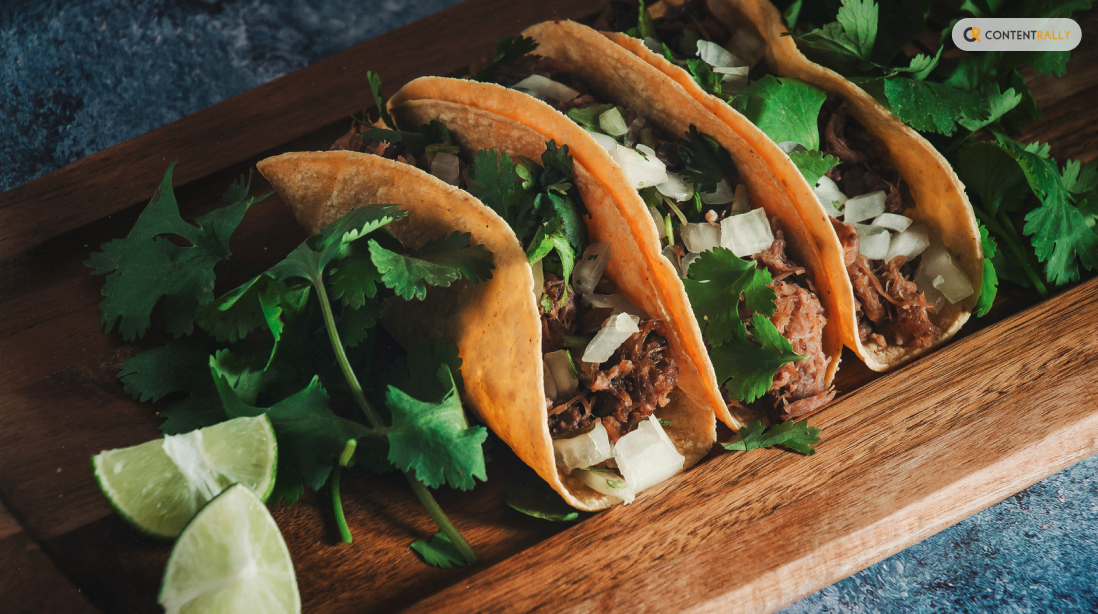
15 Healthy Mexican Food Items With Immense Health Benefits

by

02 December 2024

Food

Healthy Mexican Food

Mexican food is famous for its spices and flavors.

However, many people are confused about whether they can include Mexican food in a healthy lifestyle or not. Actually, there are plenty of misconceptions about Mexican cuisine.

In fact, healthy Mexican food options are many, and you can easily include certain dishes into your balanced diet.

In this article, you will learn about various healthy Mexican food options to include in your balanced diet. Apart from that, you will also get to know the health benefits of each item.

Moreover, this article will also explain why people commonly misunderstand Mexican food as unhealthy. Hence, to learn more, read on to the end of the article.

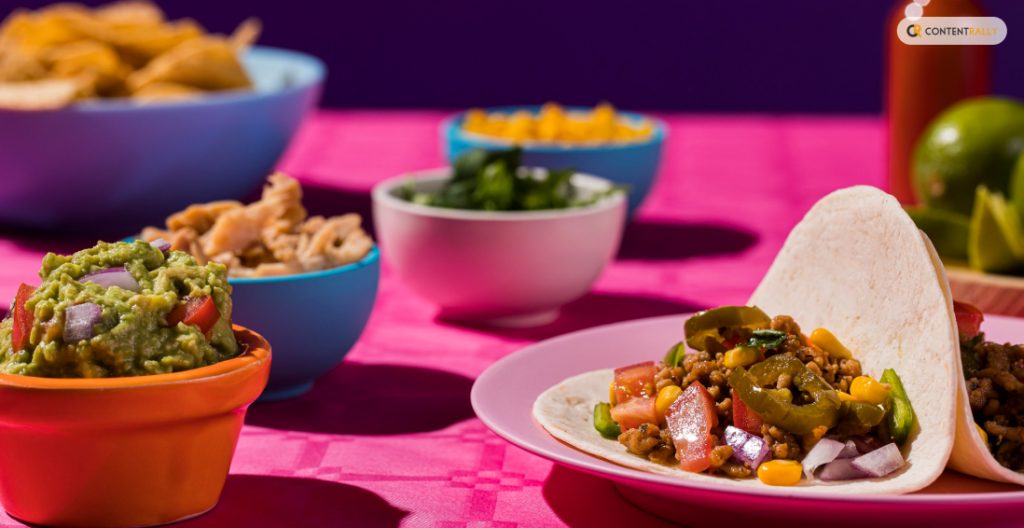
A General Overview of Healthy Mexican Cuisine
A General Overview of Healthy Mexican Cuisine

The Mexican cuisine is famous for its rich flavors, diverse ingredients, and cultural significance. Hence, there are multiple healthy food options available as well.

Actually, a lot of Mexican food has a lot to teach us about nutrition. In fact, apart from the staple food items, there are quite a lot of additional factors to consider.

For example, there are some special healthy Mexican ingredients, including pumpkin, chia seeds, cactus, etc., which are quite popular among health-conscious people.

Apart from that, you will find a lot of vegetables in Mexican food. These include tomatoes, avocados, bell peppers, chili peppers, etc.

Hence, there is never a shortage of vitamins, minerals, and fibers. Additionally, many traditional Mexican food items include lean protein sources, like chicken, beans, and fish. Basically, you can use them as excellent options to maintain a healthy diet.

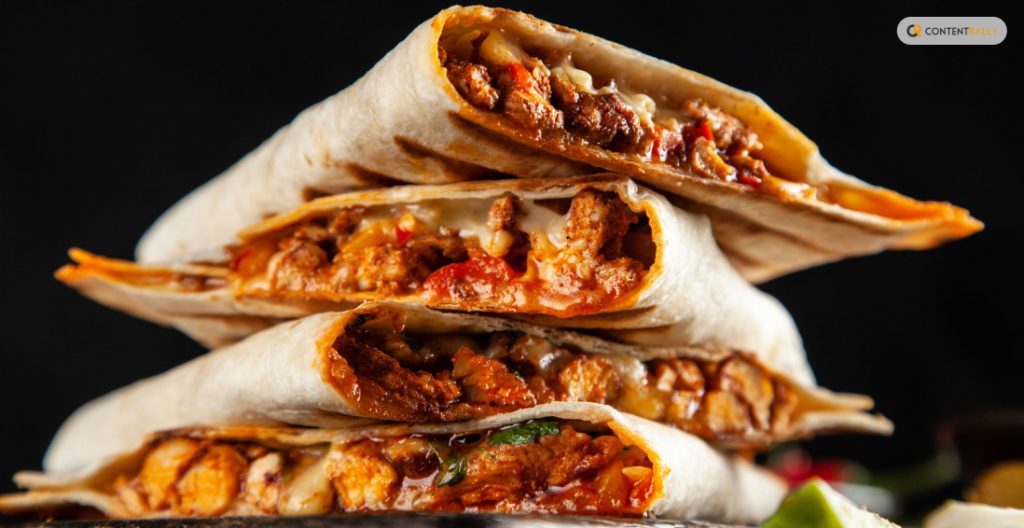
Why Is Mexican Food Often Misunderstood As Unhealthy?
Why Is Mexican Food Often Misunderstood As Unhealthy

Generally, the misconceptions about Mexican foods are due to the way many restaurants and food stalls prepare them in the US. For instance, you will frequently find high amounts of cream, cheese, and fried items on top of ingredients.

The following are some of the major reasons why many people misunderstand Mexican food as unhealthy:

  1. Many Mexican restaurants in the US offer dishes that have large portions of sour cream, cheese, and deep-fried items. Hence, this increases your calorie count after consumption.
  2. In many cases, Mexican dishes do not use lard. In fact, there are many healthier cooking options.
  3. Restaurants generally serve large portion sizes of Mexican dishes. So, obviously, they contribute to overeating. Therefore, if you want to eat healthy at a Mexican restaurant, you might face difficulties.

When it comes to healthier food options, there are many dishes you can consider – legumes, grilled meats, vegetables, whole grains, etc. Basically, when you want to have Mexican food, you must make healthy choices.

For example, you must choose lean protein, grilled items, and control cheese and cream portions. This way, you can enjoy Mexican food even when you are maintaining a balanced diet.

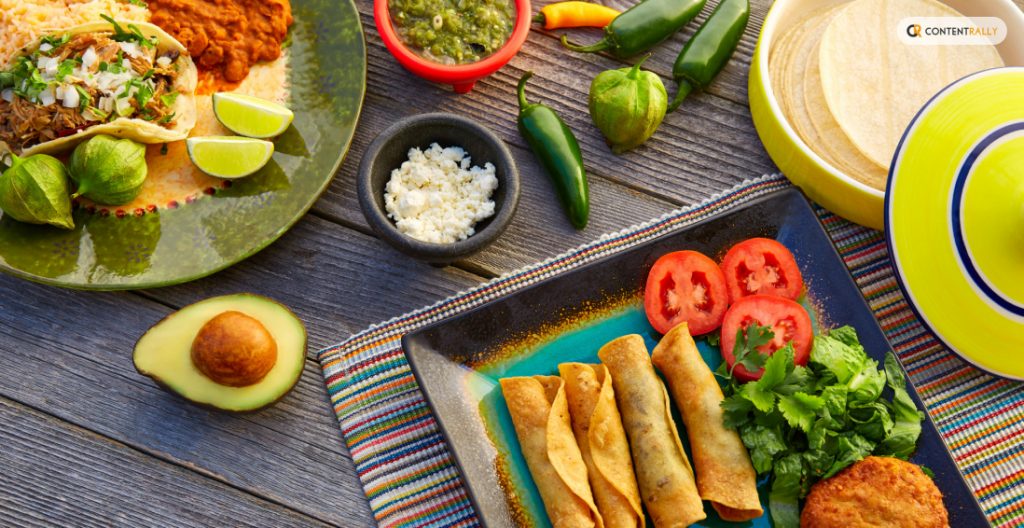
15 Healthy Mexican Food Items And Their Health Benefits
15 Healthy Mexican Food Items and Their Health Benefits

The following are some of the best and healthy Mexican food items for you if you are on a balanced diet:

1. Beans
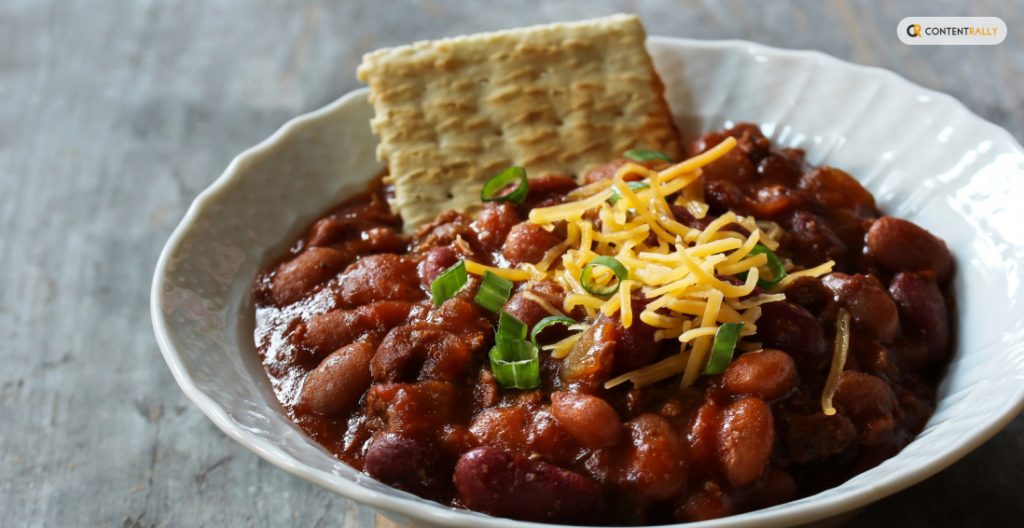
Beans

This is a staple source of fiber, protein, and iron for Mexicans. Apart from that, it also helps you to stay full.

Additionally, if you consume it on a regular basis, it will help you lower your cholesterol levels. Moreover, beans also help you to boost your heart health and help to maintain blood sugar levels.

2. Guacamole

The major health benefit of guacamole comes from avocados. Basically, avocadoes are monounsaturated fat and hence help to lower bad cholesterol. Also, since avocados have high fiber, it helps you to maintain your digestive tract.

Additionally, there is also no risk of colon cancer. Moreover, avocados also ensure eye health and skin health and prevent inflammation.

3. Salsa
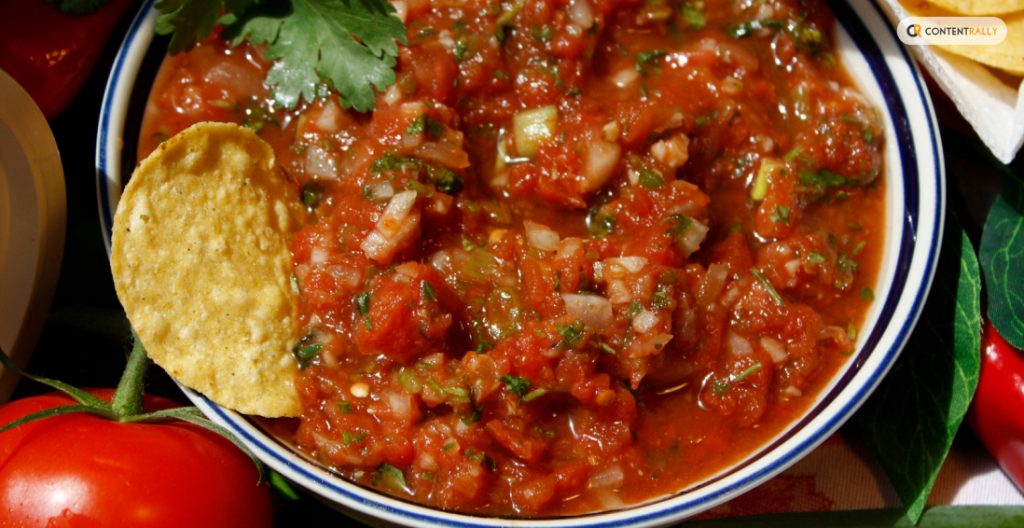
Salsa

Salsa is a good addition to your diet. With it, you can add more flavor to your food without adding excess sugar, salt, or additional fat.

Apart from that, it also contains various vitamins and minerals. In addition to that, salsa is also high in fiber and antioxidants. As a result, it will help you to remove harmful toxins from your body.

4. Grilled Chicken

Grilled chicken is a lean and high-quality protein option. Hence, it can help you to build and repair your muscle tissues.

Apart from that, it will help you to maintain a healthy immune system and facilitate muscle growth. In addition to that, lean chicken also improves your bone health and helps you fight infection in your body.

5. Sweet Potato and Black Bean Quesadillas
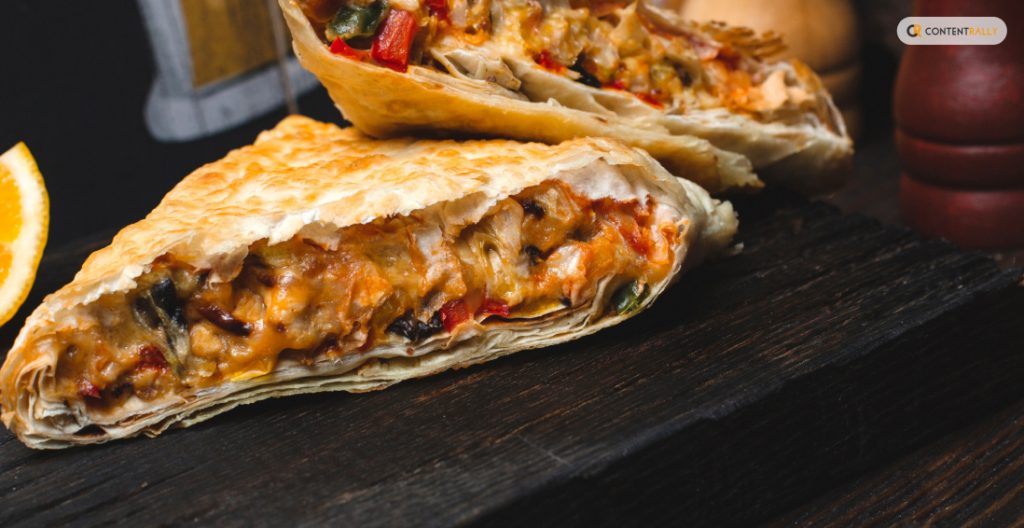
Sweet Potato and Black Bean Quesadillas

Basically, sweet potatoes are full of nutritional qualities. For instance, it is rich in fiber, vitamins, and minerals. Apart from that, they also add a little sweetness to the quesadillas.

As a result, it complements the earthy flavor of black beans. On the other hand, black beans come with a good amount of protein.

6. Vegetarian Enchiladas

When you make enchiladas with whole grain tortillas, vegetables, beans, and lean protein, you can control the calories. Basically, enchiladas offer you a balance of fiber, protein, and other essential nutrients.

Moreover, you can also boost your protein and vitamin intake if you want. However, one tortilla of vegetarian enchiladas contains 580 calories (approx.).

7. Brown Rice
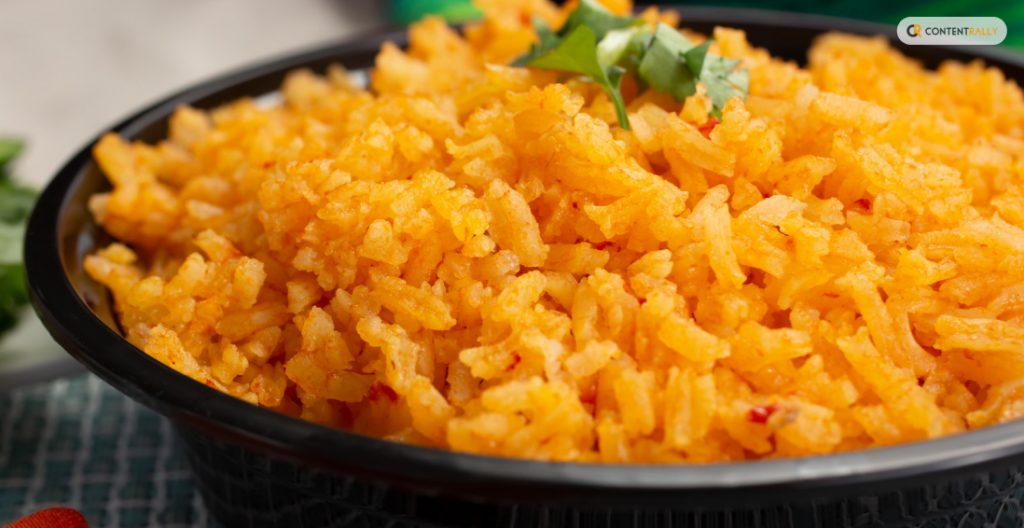
Brown Rice

Brown rice is primarily a whole grain which will help you reduce the risk of stroke or any other heart diseases. This is because of the presence of magnesium.

Moreover, it also helps in controlling blood sugar since brown rice has a lower glycemic index than white rice. Furthermore, vitamins and minerals also ensure a healthy immune system.

8. Grilled Vegetables

Grilled vegetables are filled with vitamins and minerals. Also, when you grill vegetables, it reduces the amount of fat in vegetables. As a result, it becomes easier to digest. Moreover, with grilling, you can bring out the natural sweetness of vegetables.

9. Cilantro Lime Cauliflower Rice
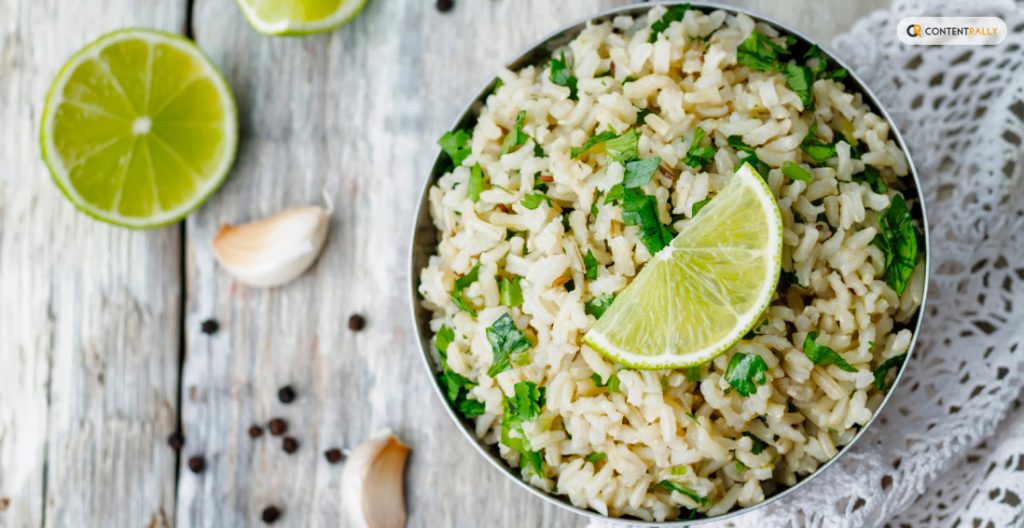
Cilantro Lime Cauliflower Rice

If you want a low-calorie, grain-free carb, the cilantro lime cauliflower rice is a better option. Moreover, the recipe is vegan and gluten-free.

This can be a great alternative to traditional white rice. Apart from that, due to the presence of vitamins and minerals, it is a healthy Mexican food option.

10. Corn on the Cob

Due to its high fiber content, corn helps in maintaining bowel health and helps in preventing constipation.

Apart from that, corn also contains antioxidants, folate, potassium, and plant sterols. This will help you to lower cholesterol levels. Apart from that, it will also help you to support heart health.

11. Zucchini
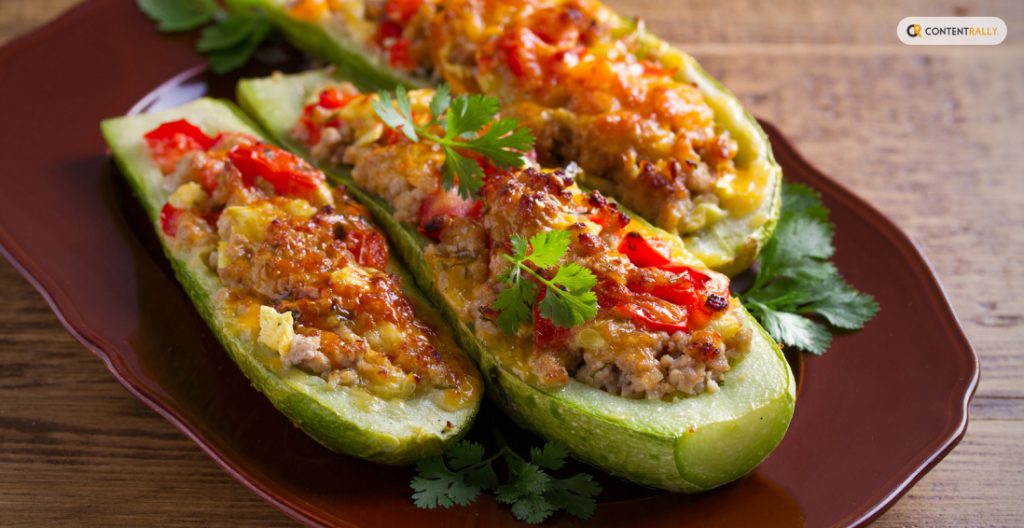
Zucchini

Zucchini has high fiber and water content. This helps in the digestion process and reduces the risk of constipation. Additionally, since zucchini is low in carbs, it also helps you to regulate blood sugar levels.

12. Fresh Tomatoes

Generally, tomatoes contain potassium, which helps to regular blood pressure in the body. Moreover, since they release antioxidants, they can also help prevent cancer.

Additionally, if you consume a tomato-rich diet, you can ensure better digestion. Furthermore, you will have an improved immune system.

13. Shrimp Ceviche
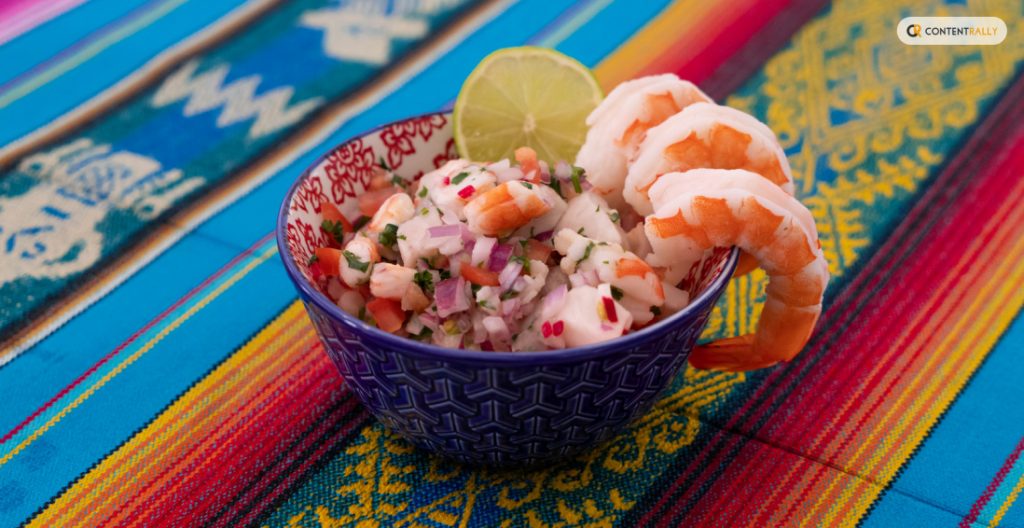
Shrimp Ceviche

Shrimp ceviche is healthy because it is high in protein content. Apart from that, it also comes with a good number of vitamins and minerals.

As a result, it not only helps to build muscles but also ensures bone health, immunity, and nerve function. Moreover, if you are following a low-calorie diet to lose weight, shrimp ceviche is a healthy Mexican food option.

14. Pozole

It is a stew that is rich in protein. Here, for each cup you consume, you get 18 grams of protein. Additionally, it also contains fiber.

However, you can add more fiber to it by adding vegetables like avocado or cabbage. This will help you to digest your food better.

15. Chicken And Vegetable Tacos
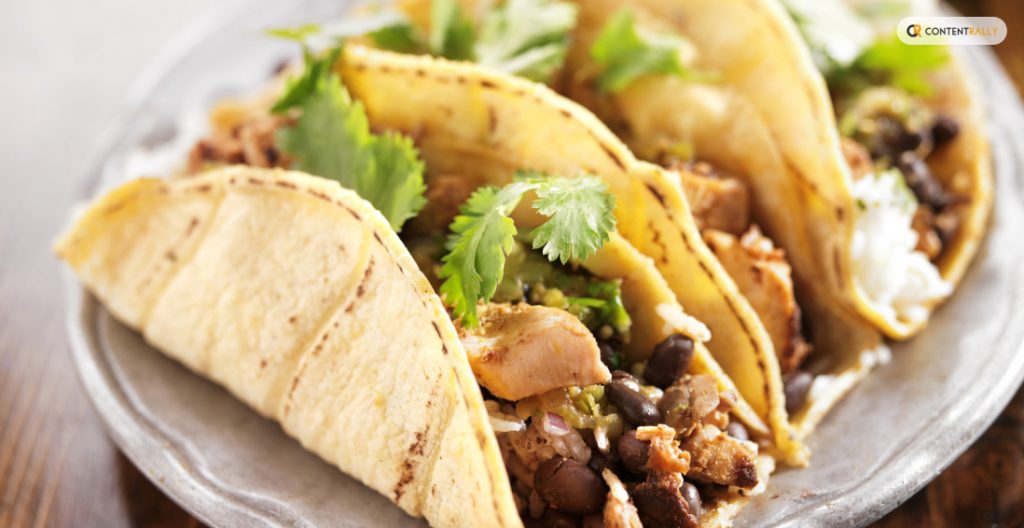
Chicken and Vegetable Tacos

Since chicken is a lean source of protein, it provides amino acids for muscle building. Moreover, it is also a good source of vitamin B. On the other hand, vegetables are rich in fiber, vitamins, and minerals. Hence, with a combination of chicken and vegetables, you can have a healthy diet.

Try Your Favorite Healthy Mexican Food Now

Hence, you can see that there are plenty of healthy Mexican food options. However, this is not common in the US because most Mexican restaurants in this country serve Mexican food items with a lot of oil, spices, and cream.

Hence, it looks unhealthy to common people. Therefore, if you want to have a healthy Mexican diet, you have a lot of choices.

Do you have more suggestions on healthy Mexican food items? Please share your ideas and opinions in the comments section below.

Read Also:
A passionate writer and an avid reader, Soumava is academically inclined and loves writing on topics requiring deep research. Having 3+ years of experience, Soumava also loves writing blogs in other domains, including digital marketing, business, technology, travel, and sports.

View all posts

Leave a Reply

Your email address will not be published. Required fields are marked *

Related

beer drinking

7 Modern Day Beer Drinking Etiquettes You Should Know

Imagine a pub setting in the earlier days. Beer served in a pint glass with packets of greasy peanuts and a jukebox playing music in the background. In recent years, the scene has changed. Now, you have hipster, craft ale, and gastropubs that are dominating the arena. The common misconception of beer is that it's fairly straightforward. There's nothing sophisticated about the taste since the main goal is to get drunk. However, beer brewing is an art in itself. Artisan brewers made it their life's mission to change the way beer is viewed and consumed. From simple, large beer pints, beer is now better served in unique beer glassware. Sampling beer is a big part of beer culture now. One reason for this is the myriad of flavors that are available in the market today. Your grandfather simply didn't have the luxury of options when it came to beer or glassware! With the pub culture constantly changing, what should you know when it comes to beer drinking etiquette? Here are seven beer-drinking rules for most modern-day pubs: Make Sure Everyone Has Their Beer Before proposing a toast, make sure that everyone has their beer ready. Whether they are holding a can, small unique beer glassware, or bottle, make sure that everybody has a drink in their hand. Say No to Warm Beer “Thou shalt not offer warm beer.” The drinker can’t appreciate the aroma and taste if the beer is not served at the right temperature, which is between 3 to 5 degrees Celsius. Make sure to keep the beer chilled before serving. Be Choosy with The Glass It’s also discouraged to pour the beer in any glass. Each type of alcohol requires the right glass to enhance the flavor. While some of these glasses may look great, a beer would look out of place in a champagne glass. Most beer drinkers know what kind of beer glass is appropriate to enjoy the aroma and taste of the beer. Be a gracious host and choose the right glass for the beer. Keep the Foam Never scrape the beer foam away. The foam keeps the taste of the beer. And as you chug it down, let the beer head touch your tongue. You can enjoy the flavor better when you do that. Don’t Order Beer for Someone Else Beers have different flavors and characteristics. In the same vein, beer drinkers have different tastes. So let others order their beer out of respect for their preferences. Let them decide the flavor they want. Never Pour Beer in A Frozen Glass In the same manner, don’t accept beer in a frozen glass. While beers taste best when chilled, it’s the beer that needs chilling not the beer glass. Freezing the glass kills flavor so you or your guest will not enjoy the taste. Don’t Blindly Follow the Crowd You drink beer for the aroma, taste, and experience. Don't succumb to peer pressure by blindly ordering what everybody else is drinking. If you want your beer sweet, light, or soft, go for it! Unless, of course, somebody else is picking up the tab. Keep these rules in mind the next time you drink with your friends or the next time you host a party at your home. Also, if you have been using beer pints, get rid of them and order your beer glasses today at Cheers All. Enjoy shopping with their extensive beer glass collection that will leave you in awe. Read Also: The Best Red Wine That Suits Your Taste The Advantages And Disadvantages Of Non-Alcoholic Spirits

READ MOREDetails
Cows Meat

10 Types of Cow’s Meat

Though there’s a saying that every part of a pig can be used except the squeal, a cow is nearly as versatile. Following are 10 types of cow’s meat: 1. Chuck: The chuck comes from the shoulder of the cow, and since the muscle has to work hard to move the animal around, it has a lot of connective tissue. Cuts from this part of the animal are meant to be braised or put in stews. Popular cuts are the chuck eye roast, boneless shoulder pot roast, blade roast, short ribs, and boneless top blade steak. 2. Brisket: The brisket is found below the shoulder but above the leg or the shank. It is a famously fatty meat that needs to be braised or roasted. This part of the cow is made into corned beef and is served as luncheon meat. Corn has nothing to do with the vegetable but is a word for the rock salt used to prepare the meat. 3. Shank: Shank is the meat found at the top of both the forelegs and the hind legs of the animal. Both of these cuts are gelatinous, and the hind shank is especially grisly, but many people love the taste. Cow’s hooves are also used as well as the shanks. 4. Rib: The rib is next to the chuck and between the loin. This is where roast beef comes from, including the beautifully prepared standing roasts served with Yorkshire pudding. The rib can be bought boneless, but the meat tastes better with the bone in. Short ribs are found further down the animal’s ribcage and are good braised or cooked in pot roasts. 5. Loin: The loin lies next to the rib and provides the tenderest meat because this part of the animal doesn’t really have to work much. Sometimes it is larded to keep it moist, and it’s often cut into steaks. The thinnest steaks are the fillets mignons, followed by tournedos, which are often wrapped in pork fat, then the tenderloin and the Chateaubriand. The sirloin is found in the upper part of the loin right at the rump. It gets its name because it was so good that Henry VIII knighted it. Hence, Sir Loin. 6. Flank: The flank is at the bottom of the loin and its thinner part is used to make beef stock and stews. It grows more tender the closer it is to the cow’s leg. Flank steak and flank steak rolls are best broiled, pan-broiled or fried. Skirt steak is lean meat from this area. In America, it’s called London broil and is often served in strips. In England, it’s mixed with chuck meat and kidney for pies and puddings. 7. Tip: The tip is a triangular muscle whose sides are bordered by the loin, the flank, and the round. When it’s whole, it makes a delicious roast, but it's often cubed for stews. 8. Rump: The rump is right next to the sirloin and so provides amazingly juicy roasts and steaks. Meat from this area often has a few sinews, but these can be easily cut out with a paring knife. 9. Round: The round lies beneath the rump and is pretty much the cow’s thigh area. Top round from inside the leg is excellent in a pot roast and just as good braised, but it is so lean that it often gets wrapped in fat or lard. It can be roasted, but roasting risks drying the meat out. One way to avoid this is to cook the round roast until it is no more than blood rare. When it is this rare it also makes very good luncheon meat. The bottom round is much like the top round, but shouldn’t be oven roasted because it is too lean. It is for stews and pot roasts. 10. Organ Meats: These include the kidney and the liver, which are rich in iron. Calf’s liver and brains are also enjoyed, and the tongue is considered excellent luncheon meat. Fat Cow Best Butcher Brisbane. Read Also:  

READ MOREDetails
How to harvest potato

How to Harvest Potatoes: A Complete Guide from Planting to Storage 

If there is something that I have learned in life, it is about gardening. Well, almost everything if not all. And if there is one thing that took me some time to master, it was knowing how to harvest potatoes at home!  Potatoes are one of the most versatile and popular vegetables in the world. They can be cooked in many different ways, such as boiled, baked, fried, mashed, or roasted. Moreover, they are also rich in carbohydrates, fiber, vitamin C, potassium, and antioxidants. But how do you grow and harvest your own potatoes at home? You see, potatoes are not like cilantro or other plants. These are tubers.  In this article, I will show you everything you need to know about how to harvest potatoes, from planting to storage. So, if that is something that you are interested in knowing, then I have you covered! Keep on reading this blog till the end to learn more...  How to Plant Potato Seeds or Tubers?  The first step in how to harvest potatoes is to plant them. You can start with either potato seeds or tubers. Potato seeds are small, round, and black, and they are usually sold in packets. Potato tubers are the actual potatoes that you eat, and they have eyes or buds that can sprout new plants. You can buy certified seed potatoes from a nursery or garden center, or use organic potatoes from the grocery store.  Here are some if the steps that you must take to plant them:  Planting Potato Seeds  To plant potato seeds, you need to sow them indoors in pots or trays filled with moist potting soil. Place them in a sunny spot and keep the soil moist but not soggy. The seeds will germinate in about two weeks and produce small green shoots. When the shoots are about 3 inches tall, you can transplant them outdoors in your garden or in containers.  Planting Potato Tubers  To plant potato tubers, you need to cut them into pieces, each with at least one eye. You can do this a few days before planting to let the cut surfaces heal and prevent rotting. Alternatively, you can plant whole small potatoes with several eyes. To prepare the soil, you need to loosen it and add some organic matter, such as compost or manure.   You also need to make sure the soil is well-drained and slightly acidic, with a pH of 5.0 to 6.0. You can use a soil test kit to check the pH level and adjust it with lime or sulfur if needed.  Planting Potato Pieces  To plant the potato pieces, you need to dig a trench about 4 inches deep and 12 inches wide. Place the pieces about 12 inches apart, with the eyes facing up. Cover them with 3 inches of soil and water well. As the plants grow, you need to hill up the soil around them to cover the lower stems and prevent the tubers from being exposed to sunlight, which can turn them green and bitter. You can also mulch the soil with straw, leaves, or grass clippings to retain moisture and suppress weeds.  How to Care for Your Potato Plants?  The second step in how to harvest potatoes is to care for your potato plants. You need to water them regularly, especially during dry spells, to keep the soil moist but not waterlogged. You also need to fertilize them every two weeks with a balanced organic fertilizer, such as fish emulsion or seaweed extract. Also, you can add some wood ash or bone meal to provide extra potassium and phosphorus, which are essential for tuber formation.  You also need to protect your potato plants from pests and diseases, which can reduce your yield and quality. Some of the common potato pests are:  Colorado potato beetles, which are yellow and black striped insects that feed on the leaves and can defoliate the plants. You can handpick them and drop them in a bucket of soapy water, or use an organic insecticide, such as neem oil or pyrethrin.  Potato leafhoppers, which are small, green, winged insects that suck the sap from the leaves and cause them to curl and yellow. You can spray them with a strong jet of water, or use an organic insecticide, such as garlic or hot pepper spray.  Wireworms, which are thin, brown, worm-like larvae that bore into the tubers and cause holes and tunnels. You can trap them with pieces of carrot or potato buried in the soil, or use beneficial nematodes, which are microscopic worms that parasitize and kill the wireworms.  Common Potato Diseases  One of the most common reasons why a potato cannot grow or survive is the diseases. If you were wondering what some of these can be and how to deal with them, I have you covered!  Some of the common potato diseases are:  Late Blight: It is a fungal disease that causes brown spots on the leaves and stems, and black or brown lesions on the tubers. It can spread rapidly and destroy the entire crop. You can prevent it by planting resistant varieties, avoiding overhead watering, and removing any infected plants and tubers. You can also use a fungicide, such as copper or sulfur, as a preventive measure.  Scab: This is a bacterial disease that causes rough, corky patches on the tubers. It does not affect the taste or edibility of the potatoes, but it reduces their appearance and storage quality. You can prevent it by planting resistant varieties, maintaining a slightly acidic soil pH, and avoiding excessive nitrogen fertilization.  Potato Virus Y: Lastly, this is a viral disease that causes mosaic patterns, mottling, or yellowing on the leaves, and misshapen or knobby tubers. It can reduce the yield and quality of the potatoes, and it can be transmitted by aphids or infected seed potatoes. You can prevent it by planting certified virus-free seed potatoes, controlling aphids, and removing any infected plants and tubers.  How to Determine When Your Potatoes Are Ready to Harvest?  The third step in how to harvest potatoes is to determine when they are ready to harvest. This depends on the type and variety of potatoes you planted, and the size and maturity you want. There are two main types of potatoes: early and late. Early potatoes are ready to harvest in about 10 to 12 weeks (about 3 months) after planting, and they produce small to medium-sized tubers that are tender and thin-skinned. They are best for boiling, steaming, or roasting.  Late potatoes are ready to harvest in about 15 to 20 weeks (about 4 and a half months) after planting, and they produce large, starchy tubers that are firm and thick-skinned. They are best for baking, mashing, or frying.  Early Harvesting  To harvest early potatoes, you can start digging them up when the plants begin to flower, or when the lower leaves start to yellow. You can use a garden fork or a spade to gently lift the plants and tubers from the soil, or you can use your hands to feel for the tubers under the soil. You can harvest as many or as few potatoes as you need, and leave the rest in the ground until you are ready to use them. You can also harvest some of the young, tender leaves and stems, which are edible and nutritious.  Late Harvesting  To harvest late potatoes, you need to wait until the plants have died back completely, or until the first frost. This allows the tubers to develop a thicker skin, which helps them store better. You can use a garden fork or a spade to dig up the entire row of plants and tubers, or you can use a potato digger, which is a special tool that lifts and separates the tubers from the soil. You need to be careful not to damage or bruise the tubers, as this can cause rotting or spoilage.  How to Dig Up, Cure, and Store Your Potatoes?  The final step in how to harvest potatoes is to dig up, cure, and store your potatoes. This is important to preserve the quality and shelf life of your potatoes, and to prevent them from sprouting, rotting, or shrinking. Here are the steps to follow:  Digging Up  After digging up your potatoes, you need to brush off any excess soil and remove any damaged, diseased, or green tubers. Do not wash your potatoes, as this can remove the protective skin and invite bacteria and fungi. You can wash them just before cooking or eating them.  Curing  You need to cure your potatoes for about two weeks in a cool, dark, and well-ventilated place, such as a basement, garage, or shed. This allows the skin to harden and heal any minor cuts or bruises and enhances the flavor and texture of the potatoes. The ideal temperature for curing is between 50°F and 60°F, and the ideal humidity is between 80% and 90%. You can spread your potatoes in a single layer on a newspaper, cardboard, or wooden crate, and avoid exposing them to light, which can turn them green and bitter.  Storing  You need to store your potatoes in a cool, dark, and dry place, such as a cellar, pantry, or closet. The ideal temperature for storage is between 40°F and 50°F, and the ideal humidity is between 65% and 70%. You can store your potatoes in paper bags, cardboard boxes, mesh bags, or wooden crates, and check them regularly for any signs of sprouting, rotting, or shriveling. You can also store your potatoes in a root cellar, which is an underground or partially underground structure that maintains a constant temperature and humidity. Additionally, you can also store your potatoes in a clamp, which is a mound of straw, hay, or leaves covered with soil, that insulates and protects the potatoes from frost and rodents.  Wrapping It Up!  If you want to know about how to harvest potatoes, I hope that this blog has been of help to you. However, if there are any other queries related to the same, please feel free to let me know. All that you need to do is scroll down till you reach the bottom of the page. Then leave your comments and suggestions in the box below. And I will be there to answer them all for you! Read Also: How to Harvest Lettuce: A Step-by-Step Guide for Fresh and Crispy Salads Everything You Need To Know About Harvesting Basil!

READ MOREDetails