










Amazing Ways to Maximize Your Profit at Trading (As a Beginner on Edge!)
Published on: 20 November 2020
Last Updated on: 12 September 2024

The traders invest money in making good profits in business. People hope for good returns to become rich in the Forex market.
But maximizing the probability of profits cannot be done within a short time. The investors apply different types of techniques for increasing the chance of making money.
By developing sound knowledge about the field, a person will be able to get good returns from the market. There are several types of techniques for maximizing profits. These are being discussed here.



Popular

Technologies For Creating A Startup Idea
20 Feb 2023

How to Download Facebook Videos on Android?
07 Feb 2019

7 Rules of Effective Ecommerce Web Design
28 Jan 2021

Why Are Online Transactions Convenient?
07 Dec 2023

Recent


Related
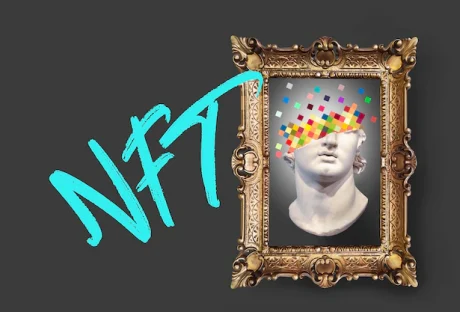
What Is NFT Art And How Does It Work
At its core, an NFT (Non-Fungible Token) is a digital asset that represents ownership or proof of authenticity of a unique item or piece of content, often an artwork, using blockchain technology. Unlike cryptocurrencies such as Bitcoin, NFTs are not interchangeable; each NFT has a distinct digital signature, making it unique and non-fungible. NFT art refers to digital artworks bought, sold, and traded as NFTs. These can range from digital paintings, animations, music, videos, and more. The art is usually digital, but the NFTs can also represent ownership of physical artwork. How Does NFT Art Work? Creation and Minting: Artists create digital art and then "mint" these works as NFTs on various platforms or blockchains like Ethereum. Minting involves creating a new block, validating information, and recording the art as a transaction in the blockchain. Ownership and Authenticity: Once minted, the NFT's metadata (including the artist's signature, the artwork's details, and ownership history) is securely stored in the blockchain. This ensures the authenticity and provenance of the artwork, making it easy to verify its originality and ownership. Buying and Selling: NFT art can be purchased on numerous online marketplaces. Transactions are usually made using cryptocurrencies. When an NFT is bought, the ownership is transferred to the buyer, and this transaction is recorded on the blockchain, providing a permanent record of the sale. Royalties: One of the revolutionary aspects of NFTs is the ability for artists to receive royalties automatically. Artists can program in a royalty system to receive a percentage of sales whenever their art is sold to a new owner. Benefits of NFT Art Provenance and Authenticity: NFTs provide a secure and transparent way to prove the authenticity and ownership of artwork. Global Market Access: Artists can reach a global audience, and buyers can purchase from anywhere. Royalties: Artists can benefit financially from secondary sales of their work. Innovative Art Forms: NFTs have encouraged new digital art and creativity forms. Criticisms and Challenges Environmental Concerns: The energy consumption of blockchain technology and NFT transactions has raised environmental concerns. Market Volatility: The NFT market can be volatile, with prices fluctuating dramatically. Copyright and Plagiarism Issues: There have been instances of art being tokenized without the creator's permission. Future of NFT Art The world of NFT art is still in its infancy, and its potential is vast. As technology evolves and more artists and collectors embrace NFTs, we may see new forms of art, innovative uses, and solutions to current challenges. Despite the controversies and growing pains, NFT art is paving the way for a new digital creativity and ownership era. NFT art represents a significant shift in how we perceive and handle digital ownership and art. By leveraging blockchain technology, NFTs provide a secure and transparent method to buy, sell, and collect digital art. While there are challenges to address, the NFT space's potential for growth and innovation is immense, making it an exciting frontier in the art world. As with any emerging technology, artists, collectors, and enthusiasts need to stay informed and engaged with the evolving landscape of NFT art. Read Also: How The NFT Market Is Developing In 2021 Is there a Place for Bitcoin in the Fashion World? Creating Successful Mobile Games: What You Need to Know
READ MOREDetails
Top 5 Investment Decisions You Need To Make In Your Thirties
Are you confused about your investment decisions in your thirties? If yes, you need to explore the best options to provide you fair returns on your investments. Today, there are lakhs of profitable investment plans available in the market. You just need to select the right one that can fulfill your needs. When you reach thirty, it becomes high time for you to start planning for your investments. The matter of fact here is that only proper financial support can help you lead a healthy lifestyle in your sixties for this reason you have to make your plans from thirties. Different Types Of Investment Plans You Can Frame In Your 30’s You can set up several kinds of investment plans in your thirties that can help you lead a healthy lifestyle in your sixties. I will discuss it in my article. Let’s find out the best ways for that. 1. Direct Equity: In most cases, people think that investing in the equity shares of a company can be risky, but the reality is just the opposite. You just have to monitor the trend of the companies growth rate over a certain period. It will give you a fair idea of when and how you must invest your money in the equity shares. The best thing about investments in equity shares is to earn higher returns from your investments. You need to map the company’s trend for the last four years to understand which companies' shares will suit you the best. 2. Gold: Investments in gold are the most reliable investment form that can provide you stable returns on your investments. A regular hike in the gold prices is estimated each year, and it can help you provide the required returns that you expect from your investments. If you want stable returns from your investments, then investments in Gold are the best option for you. Unlike the equity shares, the return in the gold is not dependent on the company’s profitability. You can earn a stable return when you need it the most. The best thing about investments in gold is that it can support you at the time of your emergency in a steady way. 3. Stocks: Investments in stocks are another best way to opt for when you plan to make your investments in the right direction. Whenever you plan to invest your money in stocks, the best strategy is to apply the bearish method of investing your money in stocks. To identify the fact, which are the best stocks to buy now, you have to understand the market better. Search those types of company’s stocks whose current prices are low but have the potential to grow. If you can apply this kind of strategy, you can get better returns from your investments in the future. 4. Real Estate: After stocks, real estate is the best option to help you achieve your objectives in a better way. When you invest your money in real estate, then you can get steady returns from your investment at a reasonable price. You must plan out ways that can help you to achieve your objectives in a better way. The best thing about real estate investment is that it can help you get fair returns and a steady way to achieve your objectives. The more you can plan effectively, the better you can achieve your goals in a better way. 5. Debt Mutual Funds: Debt Mutual funds can help you to get steady returns from your investments. The best thing about the debt mutual funds is that it does not get affected by the market volatility rate and can get the steady returns from your investments. You have to plan out ways that can help you to achieve your objectives in a better manner. Ensure that you have made the correct choices and selection of the investment plans at your end. A correct investment decision can help you to lead a steady life. Conclusion: Hence, these are some of the best ways to apply in your thirties to make the perfect investment plans that can help you suit your requirements in the right way. Here the proper selection of the investment plans matters the most as per your estimated budget and expected returns that you want to get from your investment. Read Also: Why Off-Plan Investment Is Beneficial For Expats Pros and Cons of Oil and Gas Investment Property Investment Success Stories
READ MOREDetails
Important Things You Need To Know Before Filing For Bankruptcy
The aftermath of the COVID-19 Pandemic saw a string of businesses file for bankruptcy. The United States saw many B2B businesses including, FTK Worldwide (Jewellers), Contact Transport (Logistics and Supply), and others opt for the bankruptcy route. Legal experts are of the opinion that no two bankruptcy cases are the same. They differ in terms of their exposure, risks, legalities, and the court judgment. Even if two companies file for bankruptcy under Chapter 7, their judgments and orders can be different. In this article, we speak to a leading bankruptcy Birmingham law firm that specializes in these issues. we ask them about some important things businesses and their owners need to keep in mind before filing for bankruptcy. List of Important Things you need to know before Filing for Bankruptcy 1. Chapters 7 and Chapter 13 are Important for Individuals and Businesses Legal experts suggest that solopreneur ventures and sole proprietorships that are individual-centric should go for filing bankruptcy under Chapter 7. This puts a stay to debt and credit obligations and allows individuals to even retain control over their property. Businesses that are well-established should opt for Chapter 11. This helps in keeping the business entity alive and allows for a payment restructuring plan that works to ensure complete repayment over a period of three to five years. 2. Hiring Legal Help is of High Importance It is important to understand that individuals or businesses looking to file for bankruptcy should always avail of expert legal help. If you are trying to use Google to do all the paperwork, you might get into serious trouble in the near future. Bankruptcy laws are incredibly complex and technical. In particular, Chapter 7 allows liquidation of debt to take care of financial obligations and absolve the individual from repayment. All collection attempts must stop. Subsequently, a bankruptcy trustee collects non-exempt valuable assets and sells them to pay off debt. The law discharges eligible debts, such as credit card loans, medical bills, and old utility bills. So, you need an experienced bankruptcy attorney to help you fend off the debtors, and work with the courts and the banking institutions. At the end of the day, you do not want criminal proceedings to be initiated by any of the parties. You can hire an expert in your area, such as a Florida Chapter 7 bankruptcy lawyer. A bankruptcy lawyer’s job is to help you overcome debt, so they’ll guide you through the process by offering advice or assisting you in filing for bankruptcy protection. 3. Bankruptcy does not mean All Debts go away If you were under the impression that bankruptcy is going to help you walk away scot-free think again. Legally, the following are some areas where bankruptcy will not be able to help you- Alimony Payments Student Loans Taxes on Luxury Items Taxes Child Support Payments All the above-mentioned areas and payments are not something that the court can give you relief from. If you miss your payments or taxes, new legal cases can be brought up against you in a court of law. The punishment and legal repercussions for the same will be different. For this reason, it’s a must to talk to an experienced attorney and a personal financial advisor who can help you determine other options for addressing these problems. Social workers and community leaders can also help. The government and private sectors offer programs for citizens needing financial and social support services. They’ll help you get through difficult times, so don’t hesitate to consult them. 4. Your Credit Score will get Affected Post-Bankruptcy According to leading legal experts, ten years is the period where your credit score will carry the blemish of your bankruptcy declaration. If you are looking to get loans or credit during the period, the same might get very difficult. You need to be prepared to address the credit score. Some lending companies may offer you a personal loan. But the interest rates are high. You can take the risk to recover gradually from poor credit standing. However, you’ll have to make sure that you pay your loan on time. Fortunately, there are some professional services that have come up in recent years that can help you improve your credit score within a short period of time. If you want to get back in the game, you can always avail of such services. 5. Bankruptcy can help you give Yourself a Fresh Start in Life and Business- It can be stated that most businesses that suffered because of the pandemic did so for no fault of their own. In such instances, legal experts suggest that bankruptcy can be a sound tactical and strategic decision that can be taken by businesses and individuals. Banks, lending institutions, and even the judges that will be hearing the case are already aware of the drastic and negative economic fallouts of the pandemic. In fact, there have been cases, where the banks have discussed with lenders and worked out a positive restructuring plan to help individuals and businesses affected by the pandemic. The Bottom Line Filing for bankruptcy can probably the single hardest decision you would have to take in your entire life. However, rather than make the decision an emotional one, it is best to exercise reason and proper judgment and take help from an experienced legal attorney to find your way. Read Also: Debunking 7 Notorious Bankruptcy Myths What are the types of debt that can be discharged in bankruptcy?
READ MOREDetails