Published on: 03 May 2021
Last Updated on: 02 January 2025
Bhringaraj is an ayurvedic plant that has been in use for ages due to its immense health benefits. Bhringraj is also known as Eclipta alba or Eclipta prostrata and comes in four different species.
The plant can be found bearing beautiful and colorful flowers. The plants bearing yellow and white flowers are used extensively to make ayurvedic medicines and supplements. The products formed using this herbal plant contain various bioactive compounds like ursolic acid, luteolin, etc. which are extremely beneficial for our health and beauty.
Most of us know bhringraj as a herb that is only good for your hair, but apart from being a beauty enhancer, this plant can also help the body in numerous ways. You can use bhringraj supplements to make your skin beautiful, avoid respiratory problems and more.
There are a lot of fitness myths and many believe that supplements aren’t good for your health when used for a long time. However, if you choose the right product that is clinically proven and have them in the right dosage, then these supplements can do wonders for your body.
Here are some of the benefits of using bhringraj that you should never miss out on:
1. It is excellent for your hair:
It is a known fact that bhringraj is amazing for your hair as this hair-vitalizing herb can deal with hair loss and prevent greying of hair. It is also known to speed up the process of hair growth.
2. It is amazing for your skin:
The usage of bhringraj powder can help to fight fungal infections that can otherwise affect your skin very badly. Bhrigraj leaves and powders can help to deal with skin problems like eczema and skin boils.
3. It is great for your liver:
Dimethyl-wedelolactone and wedelolactone compounds present in bhringraj supplements can perform like antitoxin agents that can help in the process of liver cell regeneration. Regular usage of this herb can protect your liver from harmful chemicals that are responsible for damaging it.
4. It can deal with dysentery:
Dysentery can cause stomach cramps, diarrhea, vomiting, nausea, and high fever. Usage of bhringraj supplements can help to fight the bacteria which is responsible for causing dysentery. One can also have the juice of bhringraj leaves with honey to ease dysentery symptoms.
5. It can help to relieve pain:
Yes, you read that right! Having fresh extracts of bhringraj leaves or supplements can be used to relieve pain, reduce swelling and inflammation.
6. It can help to deal with gastric ulcers:
Stomach ulcers can lead to nausea, burning sensation in the heart, and pain. Bhringraj supplements can help to deal with stomach ulcers which are usually caused because of regular consumption of aspirins and anti-inflammatory drugs. The extract of bhringraj can help to reduce gastric ulcers induced that are caused due to aspirins and alcohol.
Conclusion:
Bhringraj is a blessing that mother nature gave us to nurture ourselves.
However, while using supplements make sure you do not overdose with any herb. Talk to an ayurvedic practitioner before using the edible form of any herbal supplement. You must know the right dosage amount that your body needs and have supplements according to your body’s requirements to avoid any problem.
Content Rally wrapped around an online publication where you can publish your own intellectuals. It is a publishing platform designed to make great stories by content creators. This is your era, your place to be online. So come forward share your views, thoughts and ideas via Content Rally.
If you've ever found yourself scrambling to put together a meal or settling for that oh-so-tempting takeout after a long day, trust us, you're not alone. But what if we told you that with a dash of planning, a sprinkle of effort, and our trusted tips, you could sail smoothly into a week of nutritious eating? Buckle up, folks; it's time to dive into the wondrous world of meal prep!
7 Meal Prep Tips You Should Know
Healthy eating is the key to healthy living. And in order to eat mindfully, we need to follow this life-saving meal preparations tips. Not only are they super easy, but they also have ingredients readily available in your kitchen. Let's have a deeper look:
#1 Let's Get Organized: The Meal Plan Blueprint 📝
Every culinary adventure begins with a well-constructed plan. Start by sketching out a weekly meal plan. Consider:
How many meals do you need each day? If you're aiming for three full meals and two snacks, jot that down.
Dietary restrictions or goals: Whether you're vegan, low-carb, or trying to incorporate more fiber, these guidelines will shape your choices.
Ingredients already in the pantry: No need to buy another bag of quinoa if you've already got one.
Having a visual representation streamlines your grocery shopping, reduces waste, and discourages impulsive, unhealthy choices.
Tip: Use apps or printable templates to make this process even smoother!
#2 Quality Containers: Your Meal's Protective Shield 🛡️
The right containers can be the difference between a soggy salad and a crisp one. Good quality, airtight containers
Keep food fresher for longer
Prevent messy spills
Aid in portion control.
We're huge fans of glass containers. They're eco-friendly, microwave-safe, and honestly, your meal just looks more inviting in them!
Mistake to avoid: Using damaged containers. Even a small crack can let air in, compromising your food's freshness.
#3 Embrace the Batch Cooking Bonanza 🥘
Designate specific days as your cooking days — maybe Sundays and Wednesdays. Prepare large batches of versatile basics such as:
Grains: Quinoa, brown rice, or bulgur
Proteins: Grilled chicken, tofu, beans, or lentils
Veggies: A mix of steamed broccoli, roasted bell peppers, and blanched spinach.
These foundational elements can be repurposed into different meals throughout the week. For instance, that quinoa can become a stir-fry, a salad base, or even a breakfast porridge!
#4 Sauces & Dressings: The Flavor Magicians 🍶
A meal can be transformed with the right sauce or dressing. Imagine
A zesty lemon dressing for your salads
A spicy tomato sauce for those pasta nights
A rich pesto for that extra zing.
Having a variety ensures your meals remain exciting.
And here's a twist: ever tried a CBD-infused dressing? CBD edibles have gained popularity, and adding a few drops of CBD oil to your dressings can combine the potential calming effects with the vibrancy of your meal. So see more about their use and experiment!
#5 Go Raw Before the Big Thaw 🥦
Some produce shines best when cooked just before eating. Foods like snap peas, cherry tomatoes, or certain fruits are best stored raw. When mealtime comes, a quick sauté or a simple addition to your meal ensures they maintain their natural essence.
Tip: For berries, wash them only just before consumption. This prevents mold growth and keeps them fresher.
#6 Breakfast Boost: Overnight Success 🌙
The morning rush is real, but that doesn't mean you should skimp on the most important meal of the day. Overnight oats are a savior:
Combine rolled oats, milk (or a milk alternative), and a touch of sweetener
Add in flavors like vanilla or cinnamon
Leave in the fridge overnight.
Come morning, top with fruits, nuts, or even a sprinkle of cocoa nibs for a hearty, nutritious breakfast.
#7 Stay Hydrated with DIY Infused Waters 💧
While meals take center stage, hydration plays a crucial supporting role. Enhance your water with delightful infusions:
Cucumber-mint for a refreshing burst
Lemon-ginger for a touch of zing
Strawberry-basil for a fruity, herbaceous blend.
Apart from making your hydration game strong, these infused waters can offer gentle nutritional boosts. And remember, water isn't just about quenching thirst; it plays a vital role in digestion and nutrient absorption.
Bonus Bites: Trio of Nutritious Quick-Fixes for Hectic Weeks 🍽️
Life gets busy, and sometimes we need straightforward, nourishing recipes that won't eat up our time. These three dishes are designed with simplicity in mind, ensuring you fuel up without fuss. From breakfast to dinner, we've got your back!
Morning Kick-Starter: Chia Berry Parfait
Ingredients:
Chia seeds: 3 tbsp
Almond milk: 1 cup
Mixed berries (blueberries, raspberries): ½ cup
Honey or maple syrup: 1 tbsp
Granola: a handful
Instructions:
Mix chia seeds with almond milk and sweetener of choice. Let it sit in the fridge for at least an hour or overnight. In a glass, layer the chia pudding, berries, and granola. Repeat the layers, top with a few more berries, and enjoy!
Lunch on-the-go: Chickpea Spinach Salad
Ingredients:
Cooked chickpeas: 1 cup
Spinach leaves: 2 cups
Cherry tomatoes: ½ cup, halved
Feta cheese: 50 grams, crumbled
Lemon vinaigrette: to taste
Instructions:
In a large bowl, toss together chickpeas, spinach, and cherry tomatoes. Drizzle with lemon vinaigrette and give it a good mix. Top with crumbled feta, and it's ready to pack or eat!
Dinner Delight: Teriyaki Zucchini Noodles
Ingredients:
Zucchini: 2, spiralized into noodles
Teriyaki sauce: 3 tbsp
Tofu or grilled chicken: 100 grams, diced
Red bell pepper: 1, thinly sliced
Sesame seeds: for garnish
Instructions:
In a pan over medium heat, sauté tofu or chicken until slightly browned. Add bell peppers and stir for 2 minutes. Toss in zucchini noodles and teriyaki sauce. Cook for 3-4 minutes, ensuring the zucchini remains slightly crunchy. Serve hot, garnished with sesame seeds.
***
There you have it — three recipes that promise maximum flavor with minimal effort. Here's to nutritious, delicious, and efficient eating!
In Closing...
Remember, meal prepping is not about stringent rules; it's about making life simpler and eating healthier. The initial effort you put in pays off generously throughout the week. So, don your apron, channel that inner chef, and embark on a week of fuss-free, nutritious eating. And as always, we're here, cheering you on every bite of the way! 🍴🌱🎉
An efficient core is vital to overall fitness and functional movement.
It can improve posture and stability, but a substantial body boosts athletic performance while decreasing injury risk. Traditional ab workouts typically involve repeated crunches and sit-ups that may become tedious after some time and may produce varied results for each person. Thanks to advancements in fitness technology, there are now innovative tools such as Abs Trainers that use EMS (Electrical Muscle Stimulation) technology to help build stronger core muscles without needing to perform crunches and twists for hours.
In this comprehensive guide, we'll delve into this fantastic tool's world: how it works, its benefits and how you can incorporate one into your fitness regime to enhance existing Ab routines.
Understanding Abs Trainers And EMS Technology
What Are Abs Trainers?
Abs Trainers are cutting-edge fitness devices that target and stimulate abdominal muscles with electromagnetic muscle stimulation (EMS). EMS involves applying electrical impulses directly to muscle groups, inducing them to contract involuntarily - similar to traditional exercise; however, with Abs Trainers, these contractions are more intense and frequent for an enhanced workout for core muscle groups.
How Do Abs Trainers Use EMS Technology?
An Abs Trainer is a cutting-edge fitness device designed to revolutionize abdominal workouts. Boasting an advanced control unit and strategically placed electrodes, this revolutionary system takes your fitness regimen to new heights by harnessing low-level electrical impulses for muscle stimulation that traditional exercises simply cannot compete with.
Careful electrode placement ensures the electrical impulses target both superficial and deep core muscles for maximum effectiveness, providing a comprehensive workout. Penetration deep into muscle tissue means even the hardest-to-reach fibers are engaged, creating the full potential for strengthening and sculpting the core.
The Abs Trainer stands out from its competition thanks to its incredible efficiency. Traditional abdominal exercises require hours-long repetitions and extended gym visits; in contrast, with its ground-breaking technology and revolutionary results delivered within much less time by just a few sessions per week with the Abs Trainer, you're guaranteed visible improvements in core strength, stability, and aesthetics.
The Benefits Of Abs Trainers
2.1. Time Efficiency
One of the primary advantages of an Abs Trainer is saving time. Traditional ab workouts may take up to an hour, involving various exercises and repetitions; in contrast, an Abs Trainer session only needs 10-20 minutes for comparable results, making it the ideal solution for individuals with busy schedules.
2.2. Convenience And Portability
Ab Trainers are designed to be convenient and portable, making them the ideal complement to your active lifestyle. Abs Trainers fit effortlessly into daily life without disrupting it or drawing too much attention to themselves, from running errands or taking a leisurely walk to attending the gym. Plus, they're wire-free and won't draw unwanted attention if used anywhere!
2.3. Suitable For All Fitness Levels
Abs Trainers can accommodate anyone, whether a fitness novice or a veteran gym goer. You can adjust the intensity of the electrical impulses to match your fitness level and gradually increase difficulty as your core muscles develop strength. Their adaptability makes Abs Trainers an inclusive and accessible tool for people of all fitness backgrounds.
Incorporating Abs Trainers Into Your Fitness Routine
3.1. Warm-Up And Cool-Down
Warming up before starting an Abs Trainer session is vital to avoid injury and maximize its efficacy. Engage in light cardio exercises like jogging or jumping jacks for several minutes; afterwards, perform static stretches to aid muscle recovery.
3.2. Consistency Is Key
Consistency is critical when using an Abs Trainer to maximise results. Make an effort to use it at least 2-3 times each week alongside full-body workouts and healthy eating habits; long-term commitment will improve core strength and appearance.
3.3. Combine With Traditional Exercises
Abs Trainers are highly effective, but combining them with traditional ab exercises can strengthen your core strength. Planks, leg raises, and bicycle crunches are excellent exercises that complement EMS training; remember to adhere to the correct technique to avoid strain or injury.
Conclusion
Abs Trainers and EMS technology have transformed how we achieve stronger core muscles, no longer limited by tedious crunches and sit-ups alone. Now with portable Abs Trainers that offer time-saving benefits and suit individuals of all fitness levels, Abs Trainer sessions can become even more efficient and effective! Avoid old-school sit-ups in favour of an innovative world of Abs Trainers to achieve the strong core you've always longed for - sit-ups cannot compare in efficiency and convenience!
Read Also:
Seeking a Healthy Career: 10 Tempting Medical Careers to Check Out
8 Awesome Health Benefits Of Dark Chocolate
Different Types Of Blood Circulation Exercise
Many leading experts and doctors point out that calcium is one of the most required minerals. Being an essential mineral, scientists and doctors have from time to time have stated how calcium should be consumed. The benefits of calcium are attached to the development of strong and healthy bones and connective tissues.
In addition, calcium is known to help your blood clot, which’s important when you cut yourself. It is worth noting that 99% of the calcium in your body is in your bones and teeth. You may wonder why we need calcium if our bones and teeth are already formed.
The truth is that you lose calcium daily through sweating and other bodily excretions. It cannot be produced by the human body so must be replaced.
Levels of Calcium:
The amount of calcium you need daily changes with age. It actually increases as you get older and helps to keep your body strong and healthy. You can get calcium from the foods you eat. But, you may be surprised at how many people are still in a calcium deficit.
Calcium In Water:
Calcium levels are not the same in all types of water. Hard water generally has significantly higher levels of calcium than soft water. This is because hard water is water that has traveled through rocks and picked up minerals on the way. Soft water doesn’t have the same mineral content.
The interesting thing is that studies into people drinking hard water indicate that this has an array of health benefits. The calcium in this water helps to keep your bones and teeth strong. Other minerals in the water are also beneficial for your health, making hard water a good choice of drinking water.
Of course, calcium is not the only mineral picked up. The water also goes through a treatment plant that removes debris and bacteria by adding other chemicals. This means that, alongside the minerals that are beneficial to you, there will be chemicals that may not be beneficial.
The truth is that research is still ongoing but the chlorine and fluoride added to the water may cause additional health issues. For this reason, many people choose to use water filters and remove all the contaminants, effectively getting pure water.
But, Calcium Water Is Beneficial!
Removing the chemicals also removes the beneficial minerals, including calcium. The good news is that water filters are significantly more advanced than they used to be. They can now remove all the extras in your water and then add specific minerals back in.
This allows you to get the benefits of hard water and calcium in the water, without the potential risks associated with chlorine and fluoride
Of course, if you prefer to drink pure water you can remove all minerals and rely on a supplement to get your calcium. However, if you have hard water it’s a good idea to make the most of it, filter out the chemicals, and enjoy the benefits to your health.
Read Also:
Rainwater; A wonder of nature
Should You Consider Drinking Cbd Water?
How Get the Purest Water at Home Easily Now














 It is a known fact that bhringraj is amazing for your hair as this hair-vitalizing herb can deal with hair loss and prevent greying of hair. It is also known to speed up the process of hair growth.
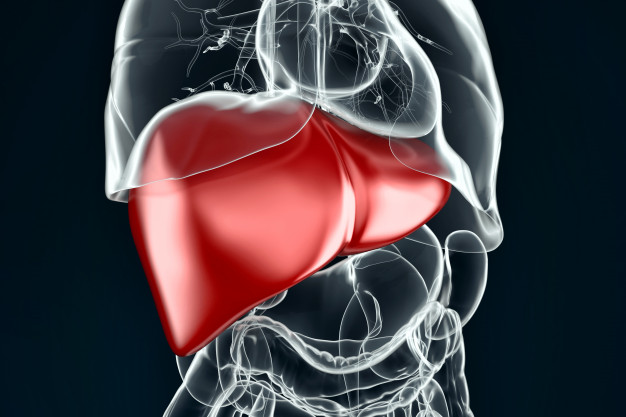 Dimethyl-wedelolactone and wedelolactone compounds present in bhringraj supplements can perform like antitoxin agents that can help in the process of liver cell regeneration. Regular usage of this herb can protect your liver from harmful chemicals that are responsible for damaging it.
 Stomach ulcers can lead to nausea, burning sensation in the heart, and pain. Bhringraj supplements can help to deal with stomach ulcers which are usually caused because of regular consumption of aspirins and anti-inflammatory drugs. The extract of bhringraj can help to reduce gastric ulcers induced that are caused due to aspirins and alcohol.