Published on: 12 May 2021
Last Updated on: 18 May 2026
There are many positive reasons to transition to European baby formula.
For example, unique nutritional opportunities such as goat milk, a trusted system in place to control heavy metal contamination, a close look at how and where nutrients are being extracted, and a mindful approach on their global impact. Let’s examine these reasons a bit closer:
Goat Milk:
European formulas offer goat milk as an alternative for babies who present a cow milk protein intolerance/allergy. When a cow milk protein allergy presents itself and a mother’s milk is not an option, goat’s milk makes for an excellent alternative.
Oftentimes, a soy-based or plant-based formula will have to be prescribed. However, many of these plant-based prescription formulas lack essential nutrients. Goat milk formulas in European brands are available as a stage 1 formula, making the formula available from birth onward. In contrast, the goat milk found in America is only acceptable for toddlers plus.
Goat formula contains natural vitamins and minerals and does not have the unfavorable properties of soy milk formula: such as phytoestrogens. Phytoestrogens have been linked with the interference of hormonal balance.
The A2 protein within goat milk allows it to be easier to digest, as the absence of the A1 protein, which is the protein typically found in cow’s milk, is responsible for intolerances and allergies. Goat milk is naturally A2 milk, making it more favorable for a baby with a sensitive belly.
Heavy Metals:
All product manufacturers must include in the label both naturally occurring minerals as well as added minerals and their quantities to ensure that even naturally occurring compounds are taken into account and kept within the safety margins.
The European Union and the UK have strong regulations that outlaw, and heavily regulate the use and exposure of heavy metals.
European legislation sets a maximum “allowed” in foodstuffs also. EU regulations cover the following heavy metals: cadmium, lead, mercury, inorganic arsenic, and inorganic tin.
Contamination, sometimes found in heavy machinery, generally may imply a risk to human health and has a negative impact on the quality of food. Thankfully the EU has preventative measures in place to negate the chances of this contamination, which isn’t the case in other places.
Artificial Nutrients:
Another characteristic to consider is where the DHA/ARA are coming from. The common process of manufacturing and processing the DHA/ARA in the USA is by using hexane to extract it.
Hexane is a petroleum-based solvent, which could cause this oil to end up in the formula and wreak negative effects on the nervous system. If a formula uses hexane extraction in Europe, there are strict regulations to ensure no remnants of hexane remain. Unfortunately, these same standards are not implemented in other places.
DHA and ARA are good fats, or the naturally produced “omegas” found in breast milk. Some formulas use DHA and ARA that are artificially manufactured.
The concern is that artificial extractions are not gathered from safe natural places, and they are generated in a lab. These extractions are not safe for human consumption. Studies have concluded that artificial DHA/ARA may be responsible for gastrointestinal issues.
Palm Oil:
There is no internal health concern from ingesting palm oil, however, many manufacturers are moving away from using palm oil. The use of palm oil has contributed to the exploitation of the Amazon. The extraction of palm oil leads to heavy deforestation in the amazonian rainforest; for this reason, it is more Eco-Friendly to not use palm oil.
Kendal formulas and Loulouka formulas do not use palm oil. By not using palm oil, companies come together to promote ethical environmental practices globally. Holle uses palm oil in some of their products, but they ensure it is ethically sourced from sustainable farms in Colombia. Kendal and Loulouka for example, use coconut oils as their substitute.
Conclusion:
Whether your concern is for a higher quality product for a sensitive baby or simply a formula with less “pharmaceutical gunk,” the rise in popularity for European formulas is due to the excellent results. European formula seems to be a growing demand.
It is worth investigating how these alternate options to USA-based formulas compare: how they differ and how to access safely. Hopefully, these many positive reasons to transition to a European baby formula have started your process of considering the change.
Content Rally wrapped around an online publication where you can publish your own intellectuals. It is a publishing platform designed to make great stories by content creators. This is your era, your place to be online. So come forward share your views, thoughts and ideas via Content Rally.
In the never-ending battle against household pests, many homeowners are tempted by the allure of do-it-yourself (DIY) pest control methods. At first glance, these DIY solutions seem to offer a quick, easy, and economical way to manage pest problems. However, this surface-level appeal masks a variety of hidden dangers.
Beyond the immediate risks associated with mishandling chemicals or traps, there are significant long-term implications to consider. Ineffective pest management can lead to recurring infestations, structural damages, and even health hazards.
Professional preventive pest control is a crucial strategy for keeping our homes safe and pest-free, so if you’re considering taking matters into your own hands instead of trusting in the professionals, you must understand the risks and limitations of DIY approaches. This article will explore the ten hidden dangers of DIY pest control, highlighting why professional intervention is often safer and more practical.
Misidentification Of Pests
One of the most common and critical errors in DIY pest control is the misidentification of pest species. This mistake can lead to the application of ineffective treatments, wasting time and resources. For example, what eliminates an ant infestation might have no impact on termites.
Misidentification also means missing out on crucial knowledge about the pest's lifecycle, behavior, and habitat, which is essential for adequate control. Moreover, using the wrong treatment can exacerbate the problem by allowing the pest population to grow unchecked, leading to a more severe infestation than was initially present.
Improper Use Of Chemicals
The dangers of improper chemical use in DIY pest control cannot be overstated. These chemicals can pose severe health risks, including respiratory problems, skin irritation, and potentially long-term health consequences if not handled correctly.
Over-application or incorrect usage can lead to environmental contamination, affecting non-target wildlife and potentially polluting water sources. The lack of professional training in handling these substances can lead to accidents that could have been avoided with expert help.
Risk Of Incomplete Eradication
DIY pest control methods often result in incomplete eradication of the pest population.
Without thorough elimination, surviving pests continue to breed, resulting in the infestation's resurgence. Incomplete treatment fails to address the root cause of the problem, whether it be entry points, food sources, or breeding grounds, resulting in a recurring cycle of infestation and treatment. This prolongs the problem and can lead to increased pest resistance over time, making future eradication efforts more challenging.
Potential Structural Damage
Certain pests, such as termites and carpenter ants, pose a significant threat to the structural integrity of homes. DIY methods may fail to fully eradicate these pests, leading to unseen damage that can compromise the stability and safety of a building.
This oversight can result in costly repairs and long-term structural issues, far exceeding the costs of professional pest control services. The hidden nature of this damage often means it goes unnoticed until it becomes a major, costly problem.
Safety Hazards
The safety risks associated with DIY pest control are diverse and significant. Handling pesticides and other chemicals without proper knowledge or protective gear can lead to accidental exposure, posing severe health risks.
Additionally, specific pest control methods, such as foggers or heat treatments, carry risks of fire or explosions if not handled correctly. These hazards include the individual performing the treatment, other residents, and neighboring properties.
Legal And Regulatory Issues
Pesticide use is regulated by laws that DIY practitioners might unknowingly violate. Non-compliance with these regulations can lead to legal troubles, including fines and penalties.
Additionally, DIY pest control efforts can inadvertently affect neighboring properties, potentially leading to disputes or legal complications, significantly if harmful chemicals are misused or applied in a manner that violates local regulations.
Ignorance Of Integrated Pest Management
Integrated Pest Management (IPM) is a comprehensive approach to professional use that focuses on long-term prevention and minimal chemical usage. DIY methods often overlook this holistic approach, favoring immediate but short-term solutions. IPM considers the bigger ecological picture and long-term pest prevention, which DIY efforts often miss.
This ignorance can lead to repeated infestations and an overreliance on chemical treatments rather than addressing underlying causes and sustainable solutions.
Overreliance On Single Methods
DIY pest control often relies on a single method or product, which may not be effective for all types of pests or infestations. Professional pest control, however, typically involves a combination of methods tailored to the specific pest and situation.
This multifaceted approach ensures a higher success rate and more comprehensive control of the pest problem. DIY solutions, by contrast, might offer a temporary fix but fail to address the infestation in its entirety.
The Stress And Time Factor
Dealing with pests can be a stressful and time-consuming endeavor, especially when DIY methods fail to resolve the problem effectively. The emotional toll of facing a persistent pest problem and the effort and time required to apply DIY treatments can be overwhelming for homeowners.
This stress is compounded by the uncertainty of the effectiveness of these treatments and the constant vigilance required to monitor their success.
Potential For Worsening The Problem
Incorrect or inadequate DIY pest control treatments can cause pests to scatter and spread, potentially worsening the infestation. In addition, pests can develop resistance to chemicals, particularly when misused or in sub-lethal doses.
This resistance can make future control efforts more complex and less effective, leading to an ongoing battle against an increasingly resilient pest population.
Conclusion
While appealing for its perceived immediacy and cost savings, DIY pest control carries significant and multifaceted hidden dangers. From health risks to potential structural damage, legal issues, and the psychological burden of dealing with persistent pests, the complications associated with DIY methods can far outweigh their initial appeal.
When considering pest control options, weigh these risks against professional pest control services' expertise, safety, and long-term effectiveness. In the realm of pest management, informed, cautious, and professional intervention is often the key to ensuring a safe, effective, and lasting solution.
Read Also :
What You Should Expect From A Pest Control Visit
5 Summer Garden Maintenance Tips And Tactics You Have To Know
Is there anything more miraculous and joyful than carrying a piece of you for nine straight months? But pregnancy is certainly not a journey full of roses. From consuming the right diet to limiting exercise, there is so much to consider. But out of all, eating right during pregnancy is mega important.
It is really vital for nurturing a healthy baby and mama. But with so many pregnancy nutrition rules, it can get kind of confusing and overwhelming fast! Well, guess what, here is a guide that will take you through the 5 essential nutrients every expecting mother should consume in the right amount.
So, let’s get started…
Prenatal Vitamins: What Are Those?
In simple terms, prenatal vitamins refer to multivitamins for expecting mothers. In comparison to a usual multivitamin, the former has more nutrients that might make the pregnancy healthier. Usually, the medical professional assisting you will prescribe it, but if he doesn’t, you can always buy it from stores with a prescription.
The human body uses minerals, vitamins, and other nutrients present in food to stay healthy and strong. At the time of pregnancy, as we all know, the mother passes down all necessary nutrients to her embryo. Thus, your body asks for more vitamins when you are pregnant. That is exactly the job of prenatal vitamins.
Which Nutrients Are Most Important For A Perfect Maternal Health?
Before you go bonkers, let’s break it down to the essential nutrients preggos really need more of. Here are 5 all-star vitamins and minerals to help maintain tip-top maternal health:
The VIP Folate
Alright, all you soon-to-be mamas, listen up. Folate (aka folic acid) should be topping your prenatal vitamin rockstar list. This essential B vitamin helps prevent major birth defects of the baby's brain and spine when taken before conception and in early pregnancy. We're talking about the next level vital for fetal development.
Folate also helps produce new cells, so mama needs extra to accommodate a growing babe. Most docs recommend women start supplementing 400-800 mcg of folate at least a month before pregnancy. But hey, better late than never, if you're already pregnant, try to achieve optimal maternal health with a Specialist Obstetrician!
Supercharged Iron
Fun fact: A developing fetus needs lots of mineral iron to form their blood supply and other tissues. So, in turn, mama needs way more iron to share with baby! When you're expecting, your iron needs to jump by up to 50%.
Unfortunately, the vitamin C in my OJ every morning doesn't cut it. Most mamas-to-be need an additional iron supplement of 30-60 mg on top of a balanced diet. Too little iron during pregnancy zaps your energy and can lead to stuff like anemia. No one wants that! So, rev up on iron-rich foods plus a prenatal vitamin to stay energized.
The Calcium Extravaganza
Did you know baby needs around 30 grams of calcium just to build their tiny growing skeleton? Well, they have to get that supply from somewhere! The calcium in Mama's body works overtime during pregnancy to help form the baby's bones and teeth.
That's why pregnant women need around 1,000 mg of calcium per day. Goodbye, plain almond milk, hello, extra cheesy pizza! Jokes aside, ensure you get adequate calcium from dairy, leafy greens, supplements, or all of the above. Your wee one will thank you for strong bones.
Omega-3s For Winning
You've probably heard omega-3 fatty acids are clutch for heart and brain health. Well, it turns out they’re essential for a baby’s development, too. These healthy fats help build a baby’s nervous system and retinal tissues. They’re also linked to lower risks of preterm births and postpartum depression.
That’s why experts recommend at least 250–300 mg of omega-3s like DHA daily for expecting mothers. Load up on fatty fish, nuts, and seeds - or just grab a fish oil supplement as an insurance policy to meet your levels. Consider omega-3s a must for both of your well-being.
The Magical Magnesium
Don't sleep on the mineral magnesium during pregnancy! It plays a role in so many vital stuff: bone growth, regulating blood pressure, aiding enzymes and metabolism, and muscle and nerve function. Oh, and helping build DNA and RNA. NBD!
Unfortunately, the typical Western diet often lacks enough magnesium. Pregnant women need at least 350–400 mg daily from food and supplements. Get your fill from dark leafy greens, nuts, whole grains, yogurt, and more magnesium-rich sources. Your body and babe will thank you!
Mamas, Take Care Of Your Mental Health Too…
You are already doing so much, make sure to sit back and relax. Pregnancy might seem like a 9-month-long journey, but trust us when we say it passes in the blink of an eye. All those days will be missed by you later. So, make sure to take care of your mental health too.
Surround yourself with positive people, listen to calm music, and avoid taking too much stress. Post-partum depression is inevitable, but you can always be cheerful in your approaches when the baby is growing inside you.
Eat whatever satisfies your soul, but make sure that it doesn’t have a negative impact on your baby. Your emotional strength is responsible for your physical strength, too. So, ensure to keep both of them balanced, positive, and cherishing.
Conclusion
There you have it, mamas - the crème de la crème nutrients for staying healthy during pregnancy! Prioritizing these all-star vitamins and minerals ensures you and your growing baby get all the key building blocks you need. Consult your doctor and add any supplements needed for optimal levels.
Your nutrient intake matters more than ever before – so eat well for two! With this, it's a wrap on this comprehensive guide. But you will get to know more if you want to. Keep reading my articles, as they have a lot of beneficial information for my readers. Also, if you find this article helpful, do not forget to share your comments below.
Read Also:
The Top 10 Best Foods To Eat In Early Pregnancy
Meals That Matter: The Best Foods And The Ways They Make You Fit
Temporary health insurance or short-term insurance, as the name implies, can provide temporary medical coverage.
It is an expensive option that can protect against unforeseen accidents or sickness when you are in between health insurance plans or outside the enrollment periods.
Temporary health insurance plans are available all year round and provide next-day coverage. Keep scrolling to learn about temporary health insurance: everything you need to know.
What Is Temporary Health Insurance?
Temporary health insurance caters to preventive care, emergency care, doctor visits, and urgent medical care. Some plans may also cover prescription drugs.
The medical coverage of a temporary health insurance plan is limited. For example, it doesn’t cover pre-existing medical conditions.
But, temporary health insurance is solving more issues that are related to emergency conditions. Like you have to hire an ambulance or need immediate emergency treatments.
What Does Short-Term Health Insurance Cover?
This plan isn’t comprehensive and doesn’t cater to the Affordable Care Act’s ten essential benefits, including prescription drugs, pediatric services, Lab services, hospitalization, mental health, and addiction services.
Moreover, short-term health insurance doesn’t cater to ACA essential benefits such as maternity care. Nonetheless, some temporary health insurance plans may cover some of the above services. Also, like in a comprehensive plan, you can pay copayment, coinsurance, or deductible to get the benefits.
Before buying the plan, carefully check the plan’s benefits and limitations. Then, you will be able to know what is covered and what isn’t.
Temporary medical plans usually have to be approved by medical underwriters. Henceforth, be ready for a series of your medical history questions.
Who Is Best Suited For Temporary Medical Insurance?
How to get temporary health insurance? For selecting the best temporary medical insurance, you have to match up some of the qualities. Then your medical insurance selections will become much more accurate and secure.
Here are some of the facts you have to check before selecting the best temporary health insurance.
People are transitioning to jobs. If you are changing your employer, you certainly need medical coverage before your next boss’s health benefits kick in.
Students or dependents. If you hit 26 years of age, you are no longer covered by your parent’s or guardian’s insurance plan. Thus, a short-term health insurance plan will be ideal as you transition to a comprehensive plan.
Older people are waiting for Medicare enrollment. After retiring, you may depend on short-term health insurance before Medicare kicks in.
New individuals in the USA can rely on temporary health insurance before their new employer coverage starts.
Temporary health insurance can also be ideal for people in these circumstances.
What’s The Cost of Short-Term Health Insurance?
The premiums vary depending on various factors such as age, location, and gender. Deductible, coinsurance, copay, out-of-pocket costs, and total policy coverage amounts affect the premium cost.
Check out the cost comparison pivohealth.com. Temporary health insurance: Everything you need to know, plan carefully and know how much it will cost you. How much is temporary health insurance?
Temporary health insurance has different plans and pricing structures. You have to compare the prices and the services for selecting the best short-term health insurance.
What To Consider Before Buying A Temporary Health Insurance Plan
Want to buy temporary health insurance? Then you have to match up some of your requirements. Read through the essential facts which you must consider before buying a temporary health insurance plan.
Here are three things that you need to consider for buying an insurance plan.
Coverage period. Find a plan that fits your needs. If you are out of comprehensive cover for a long, consider wider coverage.
Exclusions in your plan.
Approval and renewal. Ask if the plan has a non-refundable fee or if the approval is guaranteed. Though some plans can be renewed, it isn’t always the case.
Advantages Of Short-term Health Insurance Plan
The short-term temporary health insurance covers multiple types of plans, for example, post-hospitalizations and ambulance facilities. Some of the plans are also covering checkups and policies.
Here are three types of advantages to getting short-term health insurance plans.
It can cater to your medical care needs when you need it.
It can be canceled whenever you feel like it with no penalties.
You can choose an annual plan if you need it.
Conclusion:
Before selecting the temporary health insurance plan, always go through the plan’s all features and services. Then select the best one. Every company offers different types of plans, and every plan has various features. Always read through all the documents and then sign the papers. So what is your planning? Are you thinking of getting health insurance? Let us know through the comment sections.
Read Also
Small Business Guide to Private Health Insurance Exchanges
How To Know If Your Health Insurance Covers Visits To The Chiropractor
What Are The Most Important Insights Which the People Should Know About Coronavirus Health Insurance?














 European formulas offer goat milk as an alternative for babies who present a cow milk protein intolerance/allergy. When a cow milk protein allergy presents itself and a mother’s milk is not an option, goat’s milk makes for an excellent alternative.
Oftentimes, a soy-based or plant-based formula will have to be prescribed. However, many of these plant-based prescription formulas lack essential nutrients. Goat milk formulas in European brands are available as a stage 1 formula, making the formula available from birth onward. In contrast, the goat milk found in America is only acceptable for toddlers plus.
Goat formula contains natural vitamins and minerals and does not have the unfavorable properties of soy milk formula: such as phytoestrogens. Phytoestrogens have been linked with the interference of hormonal balance.
The A2 protein within goat milk allows it to be easier to digest, as the absence of the A1 protein, which is the protein typically found in cow’s milk, is responsible for intolerances and allergies. Goat milk is naturally A2 milk, making it more favorable for a baby with a sensitive belly.
European formulas offer goat milk as an alternative for babies who present a cow milk protein intolerance/allergy. When a cow milk protein allergy presents itself and a mother’s milk is not an option, goat’s milk makes for an excellent alternative.
Oftentimes, a soy-based or plant-based formula will have to be prescribed. However, many of these plant-based prescription formulas lack essential nutrients. Goat milk formulas in European brands are available as a stage 1 formula, making the formula available from birth onward. In contrast, the goat milk found in America is only acceptable for toddlers plus.
Goat formula contains natural vitamins and minerals and does not have the unfavorable properties of soy milk formula: such as phytoestrogens. Phytoestrogens have been linked with the interference of hormonal balance.
The A2 protein within goat milk allows it to be easier to digest, as the absence of the A1 protein, which is the protein typically found in cow’s milk, is responsible for intolerances and allergies. Goat milk is naturally A2 milk, making it more favorable for a baby with a sensitive belly.
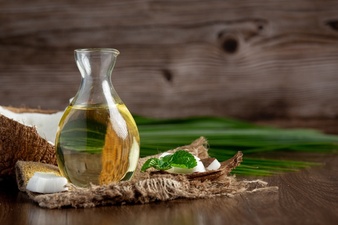 There is no internal health concern from ingesting palm oil, however, many manufacturers are moving away from using palm oil. The use of palm oil has contributed to the exploitation of the Amazon. The extraction of palm oil leads to heavy deforestation in the amazonian rainforest; for this reason, it is more Eco-Friendly to not use palm oil.
Kendal formulas and Loulouka formulas do not use palm oil. By not using palm oil, companies come together to promote ethical environmental practices globally. Holle uses palm oil in some of their products, but they ensure it is ethically sourced from sustainable farms in Colombia. Kendal and Loulouka for example, use coconut oils as their substitute.
There is no internal health concern from ingesting palm oil, however, many manufacturers are moving away from using palm oil. The use of palm oil has contributed to the exploitation of the Amazon. The extraction of palm oil leads to heavy deforestation in the amazonian rainforest; for this reason, it is more Eco-Friendly to not use palm oil.
Kendal formulas and Loulouka formulas do not use palm oil. By not using palm oil, companies come together to promote ethical environmental practices globally. Holle uses palm oil in some of their products, but they ensure it is ethically sourced from sustainable farms in Colombia. Kendal and Loulouka for example, use coconut oils as their substitute.