












Best Bulking Foods That You Need For Fast Muscle Gains

by

03 December 2024

Food

Best Bulking Food

When you are into bodybuilding, your primary goal is to build muscles through weightlifting and proper nutrition. Bulking is a part of the bodybuilding process. However, bulking requires proper nutrition along with weightlifting. You need to consume the best bulking foods to ensure the right nutrition.

In this article, you will learn about the best bulking foods. Here, this article will explain the key nutrients bulking nutrients and the best protein sources.

Apart from that, you will also learn about the best fat and carbohydrate sources useful for bulking. Finally, you will also get some tips for effective bulking. Hence, to learn more, read on to the end of the article.

Why Is Bulking Integral To Bodybuilding?

Generally, bodybuilding involves two phases: bulking and cutting. In the former, the goal is to gain weight and build muscles, while the latter consists in reducing body fat.

Basically, bulking is a dietary process where you consume excess calories for muscle growth and weight gain. In fact, it is a common approach that athletes and bodybuilders use to increase their strength and muscle mass.

Hence, bulking refers to an increase in calories that your body consumes when it is in the process of intense weight training.

It is the stage where you gain muscles in your body. Here, you have to consume more calories than your body needs. However, you do it for a set period of time (4-6 months).

The extra calories that you consume works as a necessary fuel for muscle growth. Moreover, it provides strength to your body through weight training.

Best Bulking Foods: A General Overview

Best Bulking Foods: A General Overview

In bulking, your focus should be to give your body more energy than it consumes, thus creating a calorie surplus.

Meanwhile, this surplus creates extra energy, with the help of which your body creates muscle mass. Moreover, this energy helps you repair damaged tissues and fuel intense workouts.

Actually, bulking is one of the most important aspects of muscle growth. This is because if you build muscles, you must provide your body with enough energy. This way, it can build and repair damaged muscle tissues after your workout.

However, just because you are bulking, it does not mean that you have to consume as much food as possible. In fact, you must choose the best bulking foods and count your macronutrients. This way, you can support your muscle growth and minimize fat gain.

Key Nutrients For Bulking

Key Nutrients for Bulking

If you want to achieve a clean bulk, you have to make smart food choices. In fact, if your choice of food is poor, it will lead to “dirty bulking.” As a result, you will end up with a lot of accumulated fat and minimal muscle gain.

In fact, in healthy bulking, you must consume quality foods and minimize your fat gains. This is because your goal is to maximize your muscle gain and ensure proper metabolism.

When bulking, you must focus on protein, carbohydrates, and healthy fats. Here is a breakdown of each nutrient you need for muscle gain:

Proteins

The importance of protein in muscle growth and repair is the highest. This is because proteins are the building blocks of muscles. Hence, in your bulking phase, aim to have a higher protein intake.

Consume 1g of protein for each pound of your body weight. For example, if your body weight is 180 lbs, consume 180 grams of protein each day when you are bulking.

Some good sources of lean protein include lean meats, eggs, poultry, fish, dairy products, lentils, beans, etc.

Carbohydrates

Carbohydrates help you in providing energy for intense workouts. Also, it helps create a bulk in the muscles. Basically, carbs replenish the glycogen inside your muscles.  

However, when you are bulking, take 1.5 grams of carbs for 1 lb of your weight. For example, if your body weight is 180 lbs, consume 250-270 grams of carbs daily when you are bulking.

When choosing carbs for bulking, focus on consuming complex carbohydrates. These include brown rice, whole grains, fruits, sweet potatoes, and vegetables.

Fats

Healthy fats are necessary for overall health and hormone production. Apart from that, it also helps in nutrient absorption. Hence, to consume healthy fats, you can include sources like nuts, seeds, avocados, olive oil, fatty fish, etc.

Best Protein Sources For Bulking
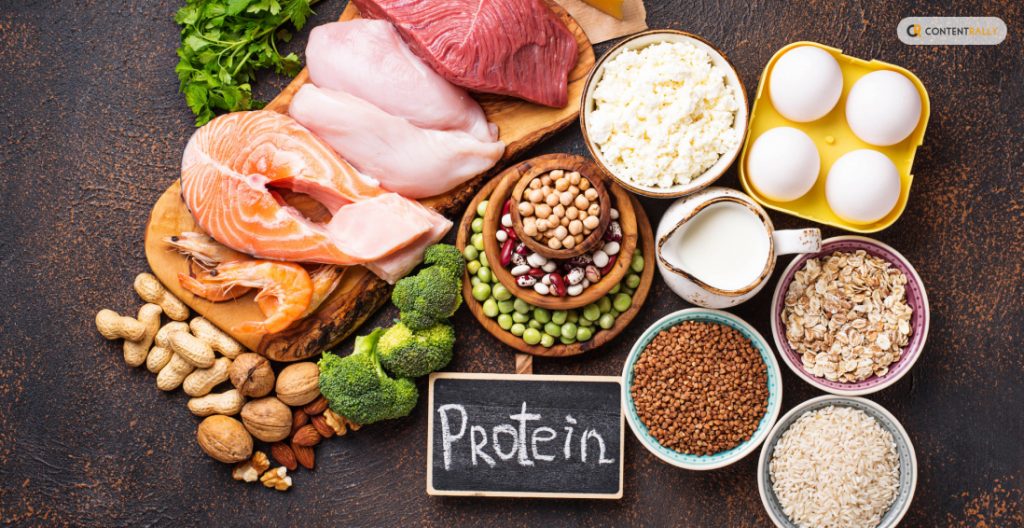
Best Protein Sources for Bulking

The following are some of the best protein sources when you are in your bulking phase:

  • Lean Meats: Some good sources of protein are chicken or turkey. This is because they have less saturated fat than red meat. For instance, you will get 18-25 grams of protein from 100 grams of chicken breast.
  • Dairy Products: Generally, Greek yogurt, cottage cheese, and milk have high protein and high calories. Hence, they help you to build muscles faster. Apart from that, cottage cheese helps you in muscle recovery and growth due to its slow and steady dissolution.
  • Fish and Seafood: Fishes like salmon, tuna, and shrimp are high in protein and healthy fat. Hence, you can consider consuming them from time to time.
  • Eggs: Eggs are a good and fast-acting source of lean protein. Also, it contains healthy cholesterol. However, do not consume the egg yolk (yellow part) more than 2 in a day as it will increase cholesterol in your body. Meanwhile, you can consume multiple egg whites of boiled eggs in a single day. In fact, this is a good source of lean protein.
  • Plant-Based Proteins: Plant-based proteins are lean and healthy at the same time. Some good sources of such protein are beans, lentils, tofu, and tempeh.
  • Protein Supplements: If you eat too much, you will feel bloated at the end of the day. Hence, you need protein supplements that will help you supplement the shortage of protein that you consume in a day. Some examples of protein supplements are whey protein, casein protein, and plant-based protein powders.

Best Carbohydrate Sources For Bulking
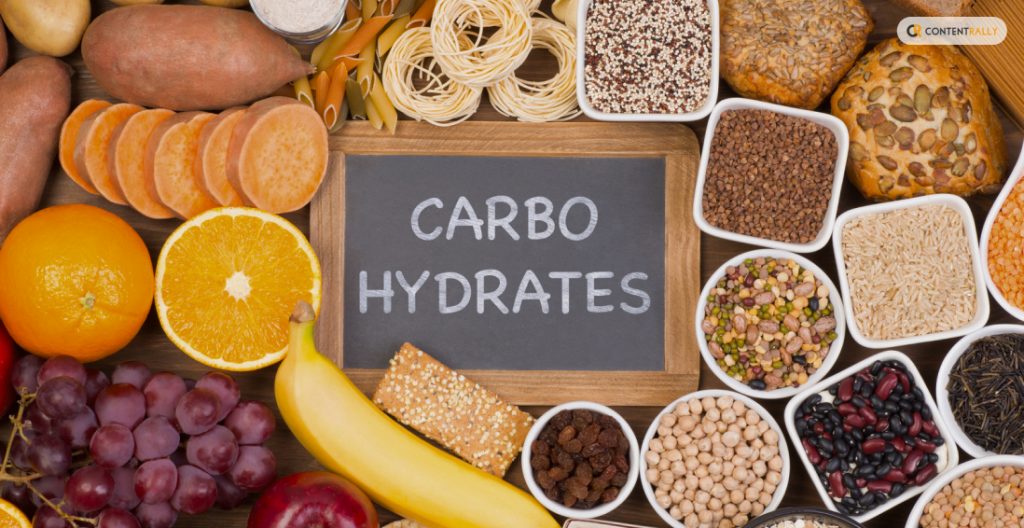
Best Carbohydrate Sources for Bulking

Here are some of the best bulking foods for carbohydrates that will help you during the bulking phase:

  • Sweet Potatoes: a great post-workout snack that contains nutrients and fibers. Also, it will help you restore glycogen levels in your body.
  • Fruits: Different types of fruits come with various nutrients and carbohydrates. Apart from that, fruits also add antioxidants to your body. For instance, a good fruit option to consume after a workout is a banana.
  • Whole Grains: You can find whole-grain bread and pasta helping you consume complex carbs. Generally, they contain more vitamins, fiber, and minerals. Apart from that, you can also choose brown rice to get good-quality carbs.
  • Legumes and Quinoa: Quinoa, beans, and lentils are excellent sources of carbohydrates.

Best Fat Sources For Bulking
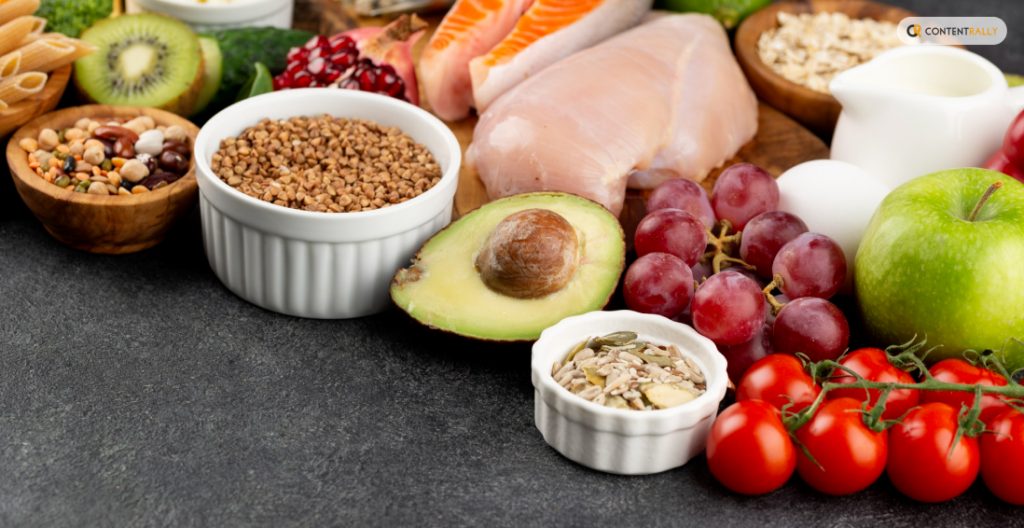
Best Fat Sources for Bulking

Here are some of the best bulking foods for healthy fats that you can use during your bulking phase:

  • Nuts and Seeds: Some essential and healthy sources of fats are almonds, chia seeds, walnuts, and flaxseeds.
  • Oils: For instance, coconut oil, olive oil, and avocado oil are great additions when considering fat for your diet. Hence, try to use coconut oil and olive oil in your cooking. This way, you can increase healthy fats and additional calories.
  • Avocados: Avocadoes are rich in healthy fats and nutrients. Basically, they contain monounsaturated fatty acids that add healthy calories and fat to your diet. Also, it is a source of antioxidants and vitamin E.
  • Fatty Fish: Salmon, mackerel, and sardines are fatty fishes that help you remain healthy and achieve clean bulk. Also, a large dose of omega-3 fatty acids, can improve your joints and cardiovascular health.
  • Dairy: Full-fat yogurt and cheese help your muscle restore glycogen stores. This helps more in the muscle-building process.

Tips For Effective Bulking 

Tips for Effective Bulking

The following are some of the major tips for effective bulking:

  • Meal Frequency: Eating multiple times a day is important to ensure a good flow of nutrients and faster metabolism. Hence, make sure to eat small multiple times throughout the day.
  • Caloric Surplus: Always count your calories and your nutrients. For instance, if you see a caloric surplus to support muscle growth, you will have more energy for intense workouts and repairing damaged tissues.
  • Hydration: Since you are working out and eating a lot, you must stay hydrated. This will support overall health and performance.
  • Consistency: When you are in your bulking phase, be consistent with your diet and workout. Moreover, make sure to adjust your Intake. For instance, you can tweak calorie and nutrient intake based on progress and goals.

Common Mistakes To Avoid 

Common Mistakes to Avoid

To ensure efficient bulking, here are some common mistakes you must avoid:

  • Do not eat too much quickly, as it will get difficult to cut later on.
  • Make sure there is not a big gap between the two meals.
  • Getting ample rest will not be helpful for your muscles. Basically, your muscles need to get rest for growth. Hence, it would help if you got enough sleep when you are working out regularly.
  • Do cardio at least once a week. This helps you increase your appetite and helps you break down your calories faster.

Summing Up

Now you know the best bulking foods to help you grow your muscles and gain muscle weight. However, your nutrient intake and workout must go hand in hand. Only then will you get your desired results.

Do you have more suggestions on the best bulking foods to consume? Please share your ideas and opinions in the comments section below.

Read Also:

A passionate writer and an avid reader, Soumava is academically inclined and loves writing on topics requiring deep research. Having 3+ years of experience, Soumava also loves writing blogs in other domains, including digital marketing, business, technology, travel, and sports.

View all posts

Leave a Reply

Your email address will not be published. Required fields are marked *

Related

slider-img

How to Harvest Potatoes: A Complete Guide from Planting to Storage 

If there is something that I have learned in life, it is about gardening. Well, almost everything if not all. And if there is one thing that took me some time to master, it was knowing how to harvest potatoes at home!  Potatoes are one of the most versatile and popular vegetables in the world. They can be cooked in many different ways, such as boiled, baked, fried, mashed, or roasted. Moreover, they are also rich in carbohydrates, fiber, vitamin C, potassium, and antioxidants. But how do you grow and harvest your own potatoes at home? You see, potatoes are not like cilantro or other plants. These are tubers.  In this article, I will show you everything you need to know about how to harvest potatoes, from planting to storage. So, if that is something that you are interested in knowing, then I have you covered! Keep on reading this blog till the end to learn more...  How to Plant Potato Seeds or Tubers?  The first step in how to harvest potatoes is to plant them. You can start with either potato seeds or tubers. Potato seeds are small, round, and black, and they are usually sold in packets. Potato tubers are the actual potatoes that you eat, and they have eyes or buds that can sprout new plants. You can buy certified seed potatoes from a nursery or garden center, or use organic potatoes from the grocery store.  Here are some if the steps that you must take to plant them:  Planting Potato Seeds  To plant potato seeds, you need to sow them indoors in pots or trays filled with moist potting soil. Place them in a sunny spot and keep the soil moist but not soggy. The seeds will germinate in about two weeks and produce small green shoots. When the shoots are about 3 inches tall, you can transplant them outdoors in your garden or in containers.  Planting Potato Tubers  To plant potato tubers, you need to cut them into pieces, each with at least one eye. You can do this a few days before planting to let the cut surfaces heal and prevent rotting. Alternatively, you can plant whole small potatoes with several eyes. To prepare the soil, you need to loosen it and add some organic matter, such as compost or manure.   You also need to make sure the soil is well-drained and slightly acidic, with a pH of 5.0 to 6.0. You can use a soil test kit to check the pH level and adjust it with lime or sulfur if needed.  Planting Potato Pieces  To plant the potato pieces, you need to dig a trench about 4 inches deep and 12 inches wide. Place the pieces about 12 inches apart, with the eyes facing up. Cover them with 3 inches of soil and water well. As the plants grow, you need to hill up the soil around them to cover the lower stems and prevent the tubers from being exposed to sunlight, which can turn them green and bitter. You can also mulch the soil with straw, leaves, or grass clippings to retain moisture and suppress weeds.  How to Care for Your Potato Plants?  The second step in how to harvest potatoes is to care for your potato plants. You need to water them regularly, especially during dry spells, to keep the soil moist but not waterlogged. You also need to fertilize them every two weeks with a balanced organic fertilizer, such as fish emulsion or seaweed extract. Also, you can add some wood ash or bone meal to provide extra potassium and phosphorus, which are essential for tuber formation.  You also need to protect your potato plants from pests and diseases, which can reduce your yield and quality. Some of the common potato pests are:  Colorado potato beetles, which are yellow and black striped insects that feed on the leaves and can defoliate the plants. You can handpick them and drop them in a bucket of soapy water, or use an organic insecticide, such as neem oil or pyrethrin.  Potato leafhoppers, which are small, green, winged insects that suck the sap from the leaves and cause them to curl and yellow. You can spray them with a strong jet of water, or use an organic insecticide, such as garlic or hot pepper spray.  Wireworms, which are thin, brown, worm-like larvae that bore into the tubers and cause holes and tunnels. You can trap them with pieces of carrot or potato buried in the soil, or use beneficial nematodes, which are microscopic worms that parasitize and kill the wireworms.  Common Potato Diseases  One of the most common reasons why a potato cannot grow or survive is the diseases. If you were wondering what some of these can be and how to deal with them, I have you covered!  Some of the common potato diseases are:  Late Blight: It is a fungal disease that causes brown spots on the leaves and stems, and black or brown lesions on the tubers. It can spread rapidly and destroy the entire crop. You can prevent it by planting resistant varieties, avoiding overhead watering, and removing any infected plants and tubers. You can also use a fungicide, such as copper or sulfur, as a preventive measure.  Scab: This is a bacterial disease that causes rough, corky patches on the tubers. It does not affect the taste or edibility of the potatoes, but it reduces their appearance and storage quality. You can prevent it by planting resistant varieties, maintaining a slightly acidic soil pH, and avoiding excessive nitrogen fertilization.  Potato Virus Y: Lastly, this is a viral disease that causes mosaic patterns, mottling, or yellowing on the leaves, and misshapen or knobby tubers. It can reduce the yield and quality of the potatoes, and it can be transmitted by aphids or infected seed potatoes. You can prevent it by planting certified virus-free seed potatoes, controlling aphids, and removing any infected plants and tubers.  How to Determine When Your Potatoes Are Ready to Harvest?  The third step in how to harvest potatoes is to determine when they are ready to harvest. This depends on the type and variety of potatoes you planted, and the size and maturity you want. There are two main types of potatoes: early and late. Early potatoes are ready to harvest in about 10 to 12 weeks (about 3 months) after planting, and they produce small to medium-sized tubers that are tender and thin-skinned. They are best for boiling, steaming, or roasting.  Late potatoes are ready to harvest in about 15 to 20 weeks (about 4 and a half months) after planting, and they produce large, starchy tubers that are firm and thick-skinned. They are best for baking, mashing, or frying.  Early Harvesting  To harvest early potatoes, you can start digging them up when the plants begin to flower, or when the lower leaves start to yellow. You can use a garden fork or a spade to gently lift the plants and tubers from the soil, or you can use your hands to feel for the tubers under the soil. You can harvest as many or as few potatoes as you need, and leave the rest in the ground until you are ready to use them. You can also harvest some of the young, tender leaves and stems, which are edible and nutritious.  Late Harvesting  To harvest late potatoes, you need to wait until the plants have died back completely, or until the first frost. This allows the tubers to develop a thicker skin, which helps them store better. You can use a garden fork or a spade to dig up the entire row of plants and tubers, or you can use a potato digger, which is a special tool that lifts and separates the tubers from the soil. You need to be careful not to damage or bruise the tubers, as this can cause rotting or spoilage.  How to Dig Up, Cure, and Store Your Potatoes?  The final step in how to harvest potatoes is to dig up, cure, and store your potatoes. This is important to preserve the quality and shelf life of your potatoes, and to prevent them from sprouting, rotting, or shrinking. Here are the steps to follow:  Digging Up  After digging up your potatoes, you need to brush off any excess soil and remove any damaged, diseased, or green tubers. Do not wash your potatoes, as this can remove the protective skin and invite bacteria and fungi. You can wash them just before cooking or eating them.  Curing  You need to cure your potatoes for about two weeks in a cool, dark, and well-ventilated place, such as a basement, garage, or shed. This allows the skin to harden and heal any minor cuts or bruises and enhances the flavor and texture of the potatoes. The ideal temperature for curing is between 50°F and 60°F, and the ideal humidity is between 80% and 90%. You can spread your potatoes in a single layer on a newspaper, cardboard, or wooden crate, and avoid exposing them to light, which can turn them green and bitter.  Storing  You need to store your potatoes in a cool, dark, and dry place, such as a cellar, pantry, or closet. The ideal temperature for storage is between 40°F and 50°F, and the ideal humidity is between 65% and 70%. You can store your potatoes in paper bags, cardboard boxes, mesh bags, or wooden crates, and check them regularly for any signs of sprouting, rotting, or shriveling. You can also store your potatoes in a root cellar, which is an underground or partially underground structure that maintains a constant temperature and humidity. Additionally, you can also store your potatoes in a clamp, which is a mound of straw, hay, or leaves covered with soil, that insulates and protects the potatoes from frost and rodents.  Wrapping It Up!  If you want to know about how to harvest potatoes, I hope that this blog has been of help to you. However, if there are any other queries related to the same, please feel free to let me know. All that you need to do is scroll down till you reach the bottom of the page. Then leave your comments and suggestions in the box below. And I will be there to answer them all for you! Read Also: How to Harvest Lettuce: A Step-by-Step Guide for Fresh and Crispy Salads Everything You Need To Know About Harvesting Basil!

READ MOREDetails
World Of Fish Fillets

From Sea To Skillet: A Deep Dive Into The World Of Fish Fillets

Fish fillets are a versatile and convenient seafood option, offering a healthy and delicious base for countless dishes. Their popularity stems from their ease of preparation, having already been cleaned, deboned, and portioned, ready for the pan or oven. But beyond their culinary appeal, fish fillets offer a fascinating journey from the ocean's depths to our plates. Understanding the world of fish fillets involves delving into various aspects, from the different types and their origins to the various factors that influence fish fillets prices. This article will serve as your guide, uncovering the secrets of this delicious and nutritious food source. A Variety Of Flavors And Textures Fish fillets come in a dazzling array of varieties, each boasting unique flavors, textures, and nutritional profiles. Some of the most popular choices include: Salmon: Renowned for its rich, oily texture and vibrant pink hue, salmon fillets are a versatile option for grilling, baking, or pan-frying. They are also an excellent source of omega-3 fatty acids, crucial for heart health. Cod: This mild-flavored white fish offers a firm texture and versatility in cooking methods. Cod fillets are perfect for fish and chips, baking with herbs and lemon, or incorporating creamy sauces. Tilapia: A light and flaky fish, tilapia is a budget-friendly option with a delicate flavor. It absorbs marinade well, making it ideal for experimentation with various spices and herbs. Dory: This white fish boasts a firm texture and a slightly sweet flavor. Dory fillets are often used in fish tacos, baked en papillote, or served with a simple lemon butter sauce. Snapper: This firm-fleshed fish features a sweet and delicate flavor. Snapper fillets shine on the grill or baked with fresh herbs and vegetables. Exploring Different Origins The origin of a fish fillet can significantly impact its flavor, texture, and even price. Here's a brief overview of some prominent fishing regions: Atlantic Ocean: This vast body of water provides popular species like cod, salmon, and haddock. Pacific Ocean: A haven for tuna, mahi-mahi, and numerous other flavorful fish. Mediterranean Sea: Renowned for its abundance of sea bass, dorada, and branzino. South China Sea: Offers a diverse range of fish, including tilapia, grouper, and bream. Unveiling The Factors Affecting Fish Fillet Prices Understanding the various factors influencing fish fillet prices allows for informed decision-making. Here are some key considerations: Species: Certain types like salmon and tuna generally command higher prices due to their popularity and demand. Fishing method: Sustainable practices like line-caught or wild-caught fish often carry a premium compared to farmed fish. Freshness: The fresher the fish, the greater the price, as it ensures optimal flavour and quality. Processing: Filleting and packaging processes can add to the cost of the final product. Seasonality: Some fish are available year-round, while others have specific peak seasons, impacting prices. What To Look Out For When Procuring Fish? When you are procuring fish fillets from the market, be it for regular use of special domestic occasions, you have to be mindful of some of the important points. It helps you understand your requirements. The following guide can help you get the best fish fillet from the store. Firstly, you must get the fresh fishy smell when you walk into the store. It is one of the main indications for getting the best fish from the store. Secondly, look that the fish is on the ice and the ice is clean. You must take a look at the elements that have a direct relationship with the hygiene and taste of the fish. The fillets must look firm and not rugged. Rugged marks on the fish indicate that they are mishandled. Also, try to learn when the fish is frozen. This way, you could understand your needs and requirements. It is one of the ways to get fresh fillets. You can also get an idea of the freshness of the fish by giving a good look at the different body parts.  Fishes with a shiny surface and also slime on the surface is one indication that it is fresh fish. The fins of the fish must be clearly defined. It is one of the hallmarks of getting fresh fish. Moreover, getting the best quality is undoubtedly one of the hallmarks of great taste. Hence, you have to understand it here to better understand it. Maintaining The Quality Fish Back Home It might be that you procured fresh fish from the store. But that does not imply, you are consuming it that very day. So you must preserve it well in your home when buying the best fish. Here, we discuss some ways you can maintain the high quality of the fish by storing them back in your home. Once you have made your purchase, you must ensure that you give the fish the ice it requires. You can take containers with ice. After buying them from the freezer, you can offer them freshness. Whenever the fish is brought out from the ice, it starts degrading. Store your fish in the coldest parts of your freeze. It is one of the ways to keep your fish fresh for a longer time. You can also use the salt to preserve the freshness of the freezer for a couple of days before eating. However, you must try to use your fish fillets as soon as you buy them from the store. It is the best way to consume them. It's simple… eat the fish when it is fresh. Sustainability And Ethical Considerations As with any food choice, it's crucial to consider the environmental and ethical implications of our seafood consumption. Opting for sustainably sourced fish fillets, certified by organizations like the Marine Stewardship Council, ensures a healthy ocean for future generations. Conclusion Fish fillets are a delicious and convenient way to incorporate seafood into our diet. By understanding the diverse varieties, their origins, and the factors influencing their prices, we can make informed choices while enjoying the bounty of the sea. Remember to prioritize sustainability and ethical practices to ensure a healthy and vibrant ocean for years. Read Also: The Diet To Follow For A Healthy Gut Why A Pescatarian Diet Is Beneficial Why have a diet chart for weight loss?

READ MOREDetails
Buying Seafood Wholesale

Buying Seafood Wholesale: Unlocking Freshness, Variety and Savings

Fresh seafood is a culinary delight that tantalizes the taste buds and adds a touch of elegance to any meal. For seafood lovers, finding the highest quality products at affordable prices can be a quest in itself. That's where buying seafood from a wholesaler comes into play. You can bypass the traditional retail route and go straight to the source. There you can unlock a world of benefits that go beyond just savings. In this guide, we’ll talk about why buying seafood from a wholesaler is a good idea.   Also, we discuss how it can elevate your seafood experience to new heights. It will also help if you purchase seafood wholesale from Manettas or other trusted sources. Seafood Industry: Facts and Data Before we delve deeper into seafood wholesale and its features like freshness and variety, a discussion of the economy can be interesting. According to data, the revenue generation from the seafood industry is around US$ 3.75 bn in the year 20230. Experts project the market to grow at around 4.11% between the stretch of 2028 to 2028. China, with a whopping 88.90 bn in 2023, is the global boss in this reign. Continuing with Australia, the processed fish and seafood market will be around 0.95 $bn in 2023. Though the growth remains constant during the period, the stakeholders have high expectations from the industry in the coming days. So there is scope for growth in freshness and economy.  How Do The Consumers Get Fresh Supply? You may have noticed that the fishing industry delivers high-quality catches to have a high consumer experience. This pursuit of offering better services has enabled them to procure high-quality fish. The fishermen use technology like Pulse Electric Field, Ultrasound, Pulse light technology, Microwave processing, big data, and blockchain. With the help of these technologies, they are making it safe to procure fish from the sea. They also supply the best technology to the customers. As a result, it has enabled you to get fish of such high quality and variety.  The Benefits of Buying Seafood Wholesale  Seafood is popular not only in Australia but all around the world.  Even the data we gave supports that seafood is quite common, and its benefits are galore. Let us try to unlock your benefits while buying seafood wholesale online.  Unmatched Freshness And Quality When you buy seafood from a wholesaler, you gain access to an extensive network of suppliers and distributors who specialize in sourcing the freshest catch from the sea. Unlike retail outlets, wholesalers receive seafood directly from fishing vessels, ensuring it reaches your table in the shortest time possible. This means you get to enjoy seafood at its peak freshness, with vibrant flavors and firm textures that are a testament to its quality. Wide Selection Of Seafood Delights One of the major advantages of buying seafood from a wholesaler is the incredible variety available. Wholesalers typically offer an extensive range of seafood options, from popular favorites like salmon, prawns, and scallops, to more exotic catches like lobster, octopus, and oysters. Whether you're a seafood connoisseur or looking to experiment with new flavors, the diverse selection offered by wholesalers allows you to explore and indulge in an ocean of culinary possibilities. Cost-Effective Solution Buying seafood wholesale can be a financially savvy decision. Wholesalers often offer competitive pricing due to their direct relationships with fishermen and the ability to purchase in bulk. By eliminating the middleman, you can enjoy significant savings without compromising on quality. This makes buying seafood from a wholesaler an attractive option for restaurants and catering businesses. Even home cooks who wish to stretch their budgets without compromising on the taste and freshness of their seafood dishes can leverage the benefits. Convenience And Customisation Wholesalers provide convenience and customization options that cater to your specific needs. With their vast inventory, you can easily find the quantities and cuts of seafood that suit your requirements. Whether you need large quantities for a special event or smaller portions for everyday cooking, wholesalers can accommodate your requests. In addition, some wholesalers offer value-added services, such as filleting, portioning, and packaging, saving you time and effort in the kitchen. Supporting Sustainable Practices Many seafood wholesalers prioritize sustainability and responsible fishing practices. By buying from them, you contribute to the preservation of marine ecosystems and the livelihood of fishing communities. Wholesalers often work closely with suppliers that follow sustainable fishing methods, ensuring you can enjoy seafood guilt-free, knowing that it has been sourced ethically and with the future of our oceans in mind. Since many wholesalers support sustainable practices, you play a part in preserving our oceans for generations to come. So, the next time you're in search of the freshest catch of the day, consider turning to a trusted seafood wholesaler like Manettas—it's a decision that brings unparalleled freshness, variety, and savings to your plate. Custom Packaging One of the benefits that you can reap while being seafood online is the custom processing and packaging of them. Some companies provide customized packaging according to the buyers’ specifications and requirements. This denotes that you, too, can get the benefits of them like the restaurant owners have on account of bulk buying.  Expertise Knowhow The wholesale seafood suppliers can help you with knowledge and inputs on the quality aspects of the storage of fish. At the same time, they also advise you on the cuts and even the spices you need to prepare a good dish.  Hence you become well knowledgeable not only on fish procurement but also on recipe development. You will have a thorough knowledge of a high-quality dining experience.  Final Words Buying seafood from a wholesaler offers many advantages that elevate your seafood experience to new heights. From the unrivaled freshness and wide selection of choices to the competitive pricing and convenience, wholesalers provide a pathway to indulging in the finest seafood delights. The stakeholders directly involved with the industry follow the best technology and sustainable practices. This helps them bring in a sea change in the industry. This is how you are getting it the best way possible.  Read Also: How Restaurant Space Landlords Can Be Successful 6 Tips to Maximize Refrigerator Use in Your Restaurant

READ MOREDetails