











15 Healthy Mexican Food Items With Immense Health Benefits

by

02 December 2024

Food

Healthy Mexican Food

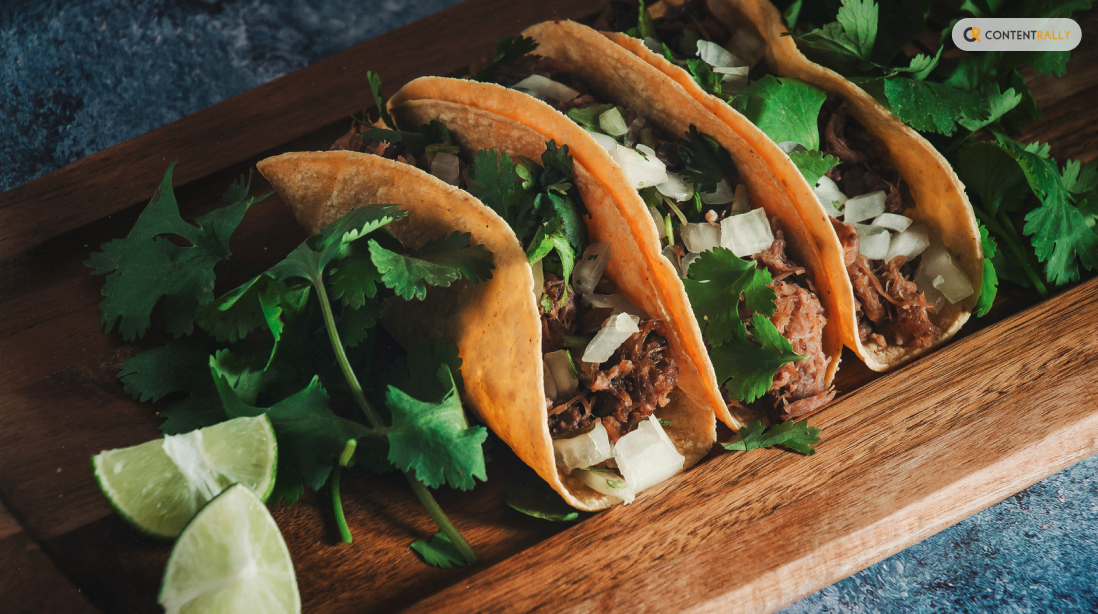
Mexican food is famous for its spices and flavors.

However, many people are confused about whether they can include Mexican food in a healthy lifestyle or not. Actually, there are plenty of misconceptions about Mexican cuisine.

In fact, healthy Mexican food options are many, and you can easily include certain dishes into your balanced diet.

In this article, you will learn about various healthy Mexican food options to include in your balanced diet. Apart from that, you will also get to know the health benefits of each item.

Moreover, this article will also explain why people commonly misunderstand Mexican food as unhealthy. Hence, to learn more, read on to the end of the article.

A General Overview of Healthy Mexican Cuisine
A General Overview of Healthy Mexican Cuisine

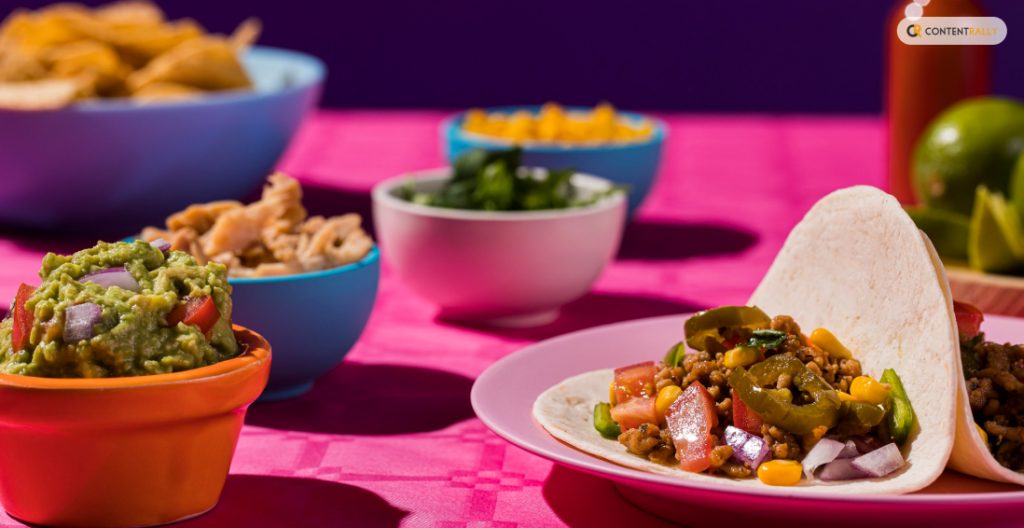
The Mexican cuisine is famous for its rich flavors, diverse ingredients, and cultural significance. Hence, there are multiple healthy food options available as well.

Actually, a lot of Mexican food has a lot to teach us about nutrition. In fact, apart from the staple food items, there are quite a lot of additional factors to consider.

For example, there are some special healthy Mexican ingredients, including pumpkin, chia seeds, cactus, etc., which are quite popular among health-conscious people.

Apart from that, you will find a lot of vegetables in Mexican food. These include tomatoes, avocados, bell peppers, chili peppers, etc.

Hence, there is never a shortage of vitamins, minerals, and fibers. Additionally, many traditional Mexican food items include lean protein sources, like chicken, beans, and fish. Basically, you can use them as excellent options to maintain a healthy diet.

Why Is Mexican Food Often Misunderstood As Unhealthy?
Why Is Mexican Food Often Misunderstood As Unhealthy

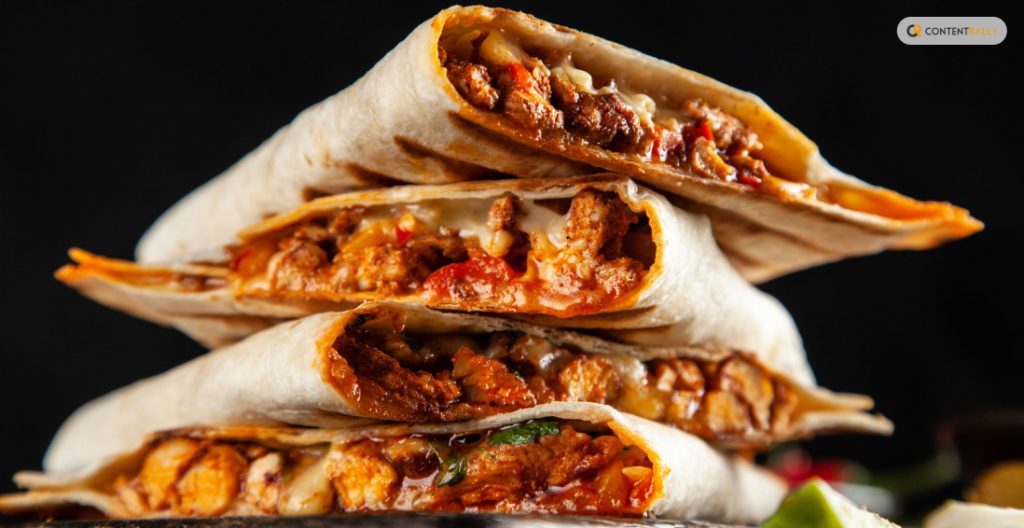
Generally, the misconceptions about Mexican foods are due to the way many restaurants and food stalls prepare them in the US. For instance, you will frequently find high amounts of cream, cheese, and fried items on top of ingredients.

The following are some of the major reasons why many people misunderstand Mexican food as unhealthy:

  1. Many Mexican restaurants in the US offer dishes that have large portions of sour cream, cheese, and deep-fried items. Hence, this increases your calorie count after consumption.
  2. In many cases, Mexican dishes do not use lard. In fact, there are many healthier cooking options.
  3. Restaurants generally serve large portion sizes of Mexican dishes. So, obviously, they contribute to overeating. Therefore, if you want to eat healthy at a Mexican restaurant, you might face difficulties.

When it comes to healthier food options, there are many dishes you can consider – legumes, grilled meats, vegetables, whole grains, etc. Basically, when you want to have Mexican food, you must make healthy choices.

For example, you must choose lean protein, grilled items, and control cheese and cream portions. This way, you can enjoy Mexican food even when you are maintaining a balanced diet.

15 Healthy Mexican Food Items And Their Health Benefits
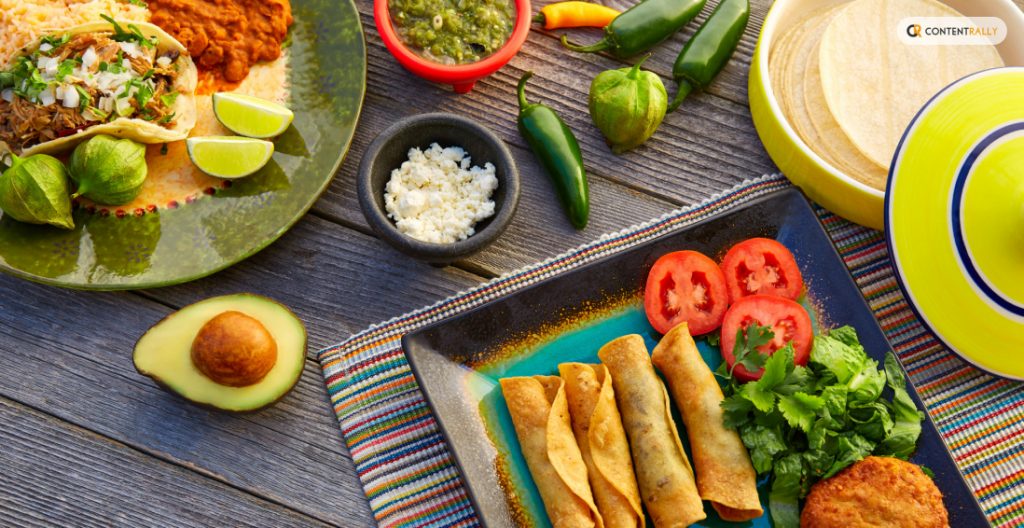
15 Healthy Mexican Food Items and Their Health Benefits

The following are some of the best and healthy Mexican food items for you if you are on a balanced diet:

1. Beans
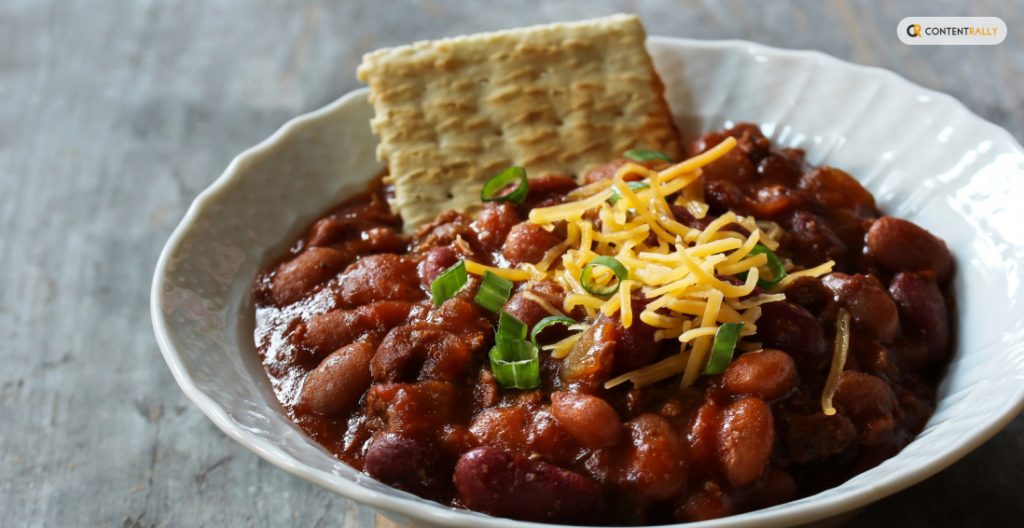
Beans

This is a staple source of fiber, protein, and iron for Mexicans. Apart from that, it also helps you to stay full.

Additionally, if you consume it on a regular basis, it will help you lower your cholesterol levels. Moreover, beans also help you to boost your heart health and help to maintain blood sugar levels.

2. Guacamole

The major health benefit of guacamole comes from avocados. Basically, avocadoes are monounsaturated fat and hence help to lower bad cholesterol. Also, since avocados have high fiber, it helps you to maintain your digestive tract.

Additionally, there is also no risk of colon cancer. Moreover, avocados also ensure eye health and skin health and prevent inflammation.

3. Salsa
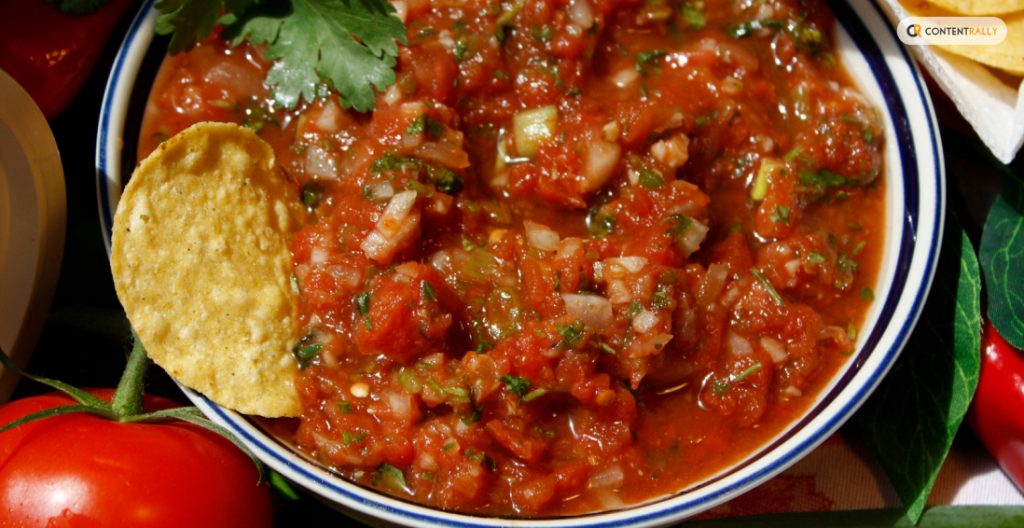
Salsa

Salsa is a good addition to your diet. With it, you can add more flavor to your food without adding excess sugar, salt, or additional fat.

Apart from that, it also contains various vitamins and minerals. In addition to that, salsa is also high in fiber and antioxidants. As a result, it will help you to remove harmful toxins from your body.

4. Grilled Chicken

Grilled chicken is a lean and high-quality protein option. Hence, it can help you to build and repair your muscle tissues.

Apart from that, it will help you to maintain a healthy immune system and facilitate muscle growth. In addition to that, lean chicken also improves your bone health and helps you fight infection in your body.

5. Sweet Potato and Black Bean Quesadillas
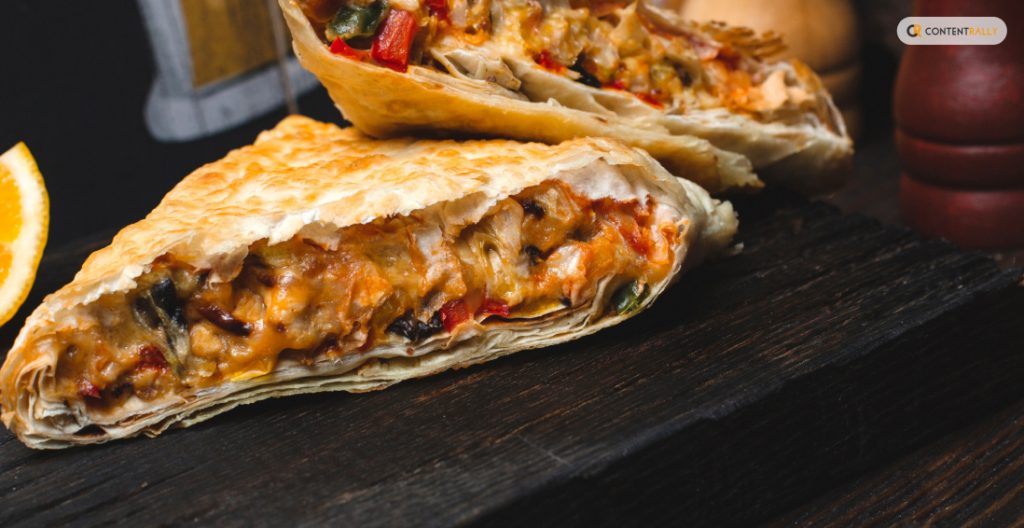
Sweet Potato and Black Bean Quesadillas

Basically, sweet potatoes are full of nutritional qualities. For instance, it is rich in fiber, vitamins, and minerals. Apart from that, they also add a little sweetness to the quesadillas.

As a result, it complements the earthy flavor of black beans. On the other hand, black beans come with a good amount of protein.

6. Vegetarian Enchiladas

When you make enchiladas with whole grain tortillas, vegetables, beans, and lean protein, you can control the calories. Basically, enchiladas offer you a balance of fiber, protein, and other essential nutrients.

Moreover, you can also boost your protein and vitamin intake if you want. However, one tortilla of vegetarian enchiladas contains 580 calories (approx.).

7. Brown Rice
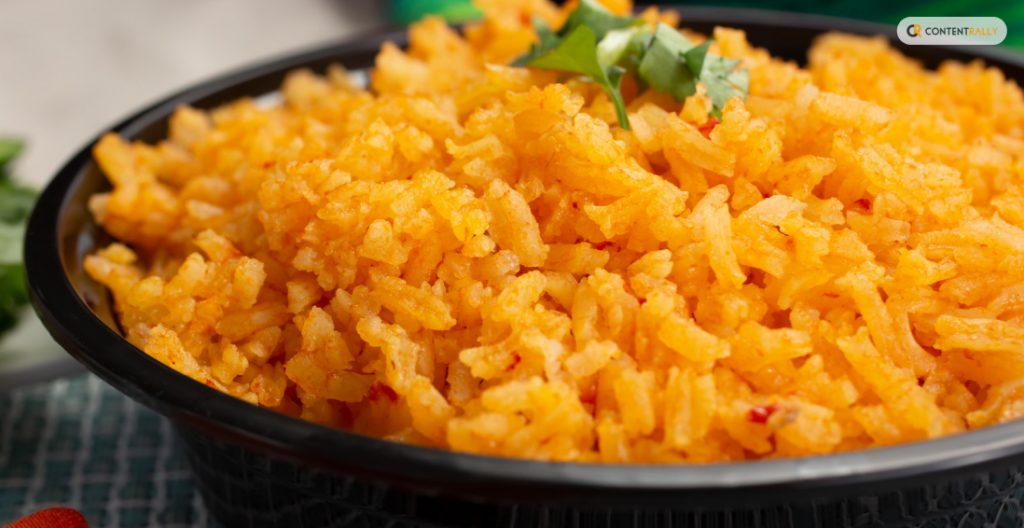
Brown Rice

Brown rice is primarily a whole grain which will help you reduce the risk of stroke or any other heart diseases. This is because of the presence of magnesium.

Moreover, it also helps in controlling blood sugar since brown rice has a lower glycemic index than white rice. Furthermore, vitamins and minerals also ensure a healthy immune system.

8. Grilled Vegetables

Grilled vegetables are filled with vitamins and minerals. Also, when you grill vegetables, it reduces the amount of fat in vegetables. As a result, it becomes easier to digest. Moreover, with grilling, you can bring out the natural sweetness of vegetables.

9. Cilantro Lime Cauliflower Rice
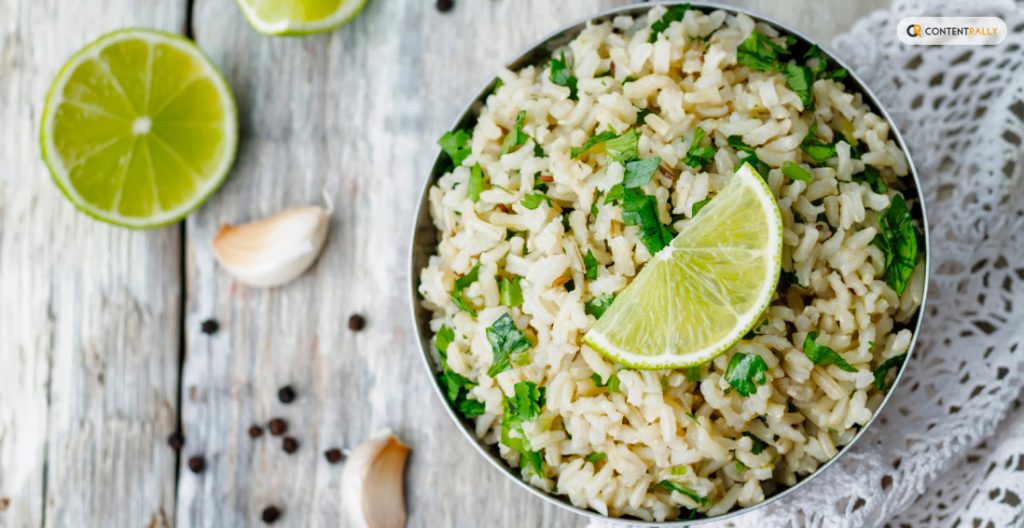
Cilantro Lime Cauliflower Rice

If you want a low-calorie, grain-free carb, the cilantro lime cauliflower rice is a better option. Moreover, the recipe is vegan and gluten-free.

This can be a great alternative to traditional white rice. Apart from that, due to the presence of vitamins and minerals, it is a healthy Mexican food option.

10. Corn on the Cob

Due to its high fiber content, corn helps in maintaining bowel health and helps in preventing constipation.

Apart from that, corn also contains antioxidants, folate, potassium, and plant sterols. This will help you to lower cholesterol levels. Apart from that, it will also help you to support heart health.

11. Zucchini
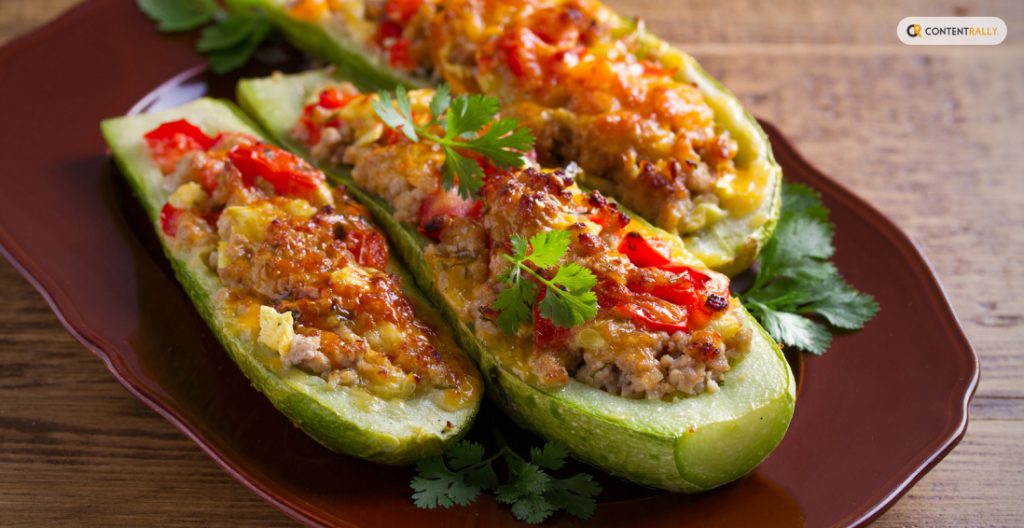
Zucchini

Zucchini has high fiber and water content. This helps in the digestion process and reduces the risk of constipation. Additionally, since zucchini is low in carbs, it also helps you to regulate blood sugar levels.

12. Fresh Tomatoes

Generally, tomatoes contain potassium, which helps to regular blood pressure in the body. Moreover, since they release antioxidants, they can also help prevent cancer.

Additionally, if you consume a tomato-rich diet, you can ensure better digestion. Furthermore, you will have an improved immune system.

13. Shrimp Ceviche
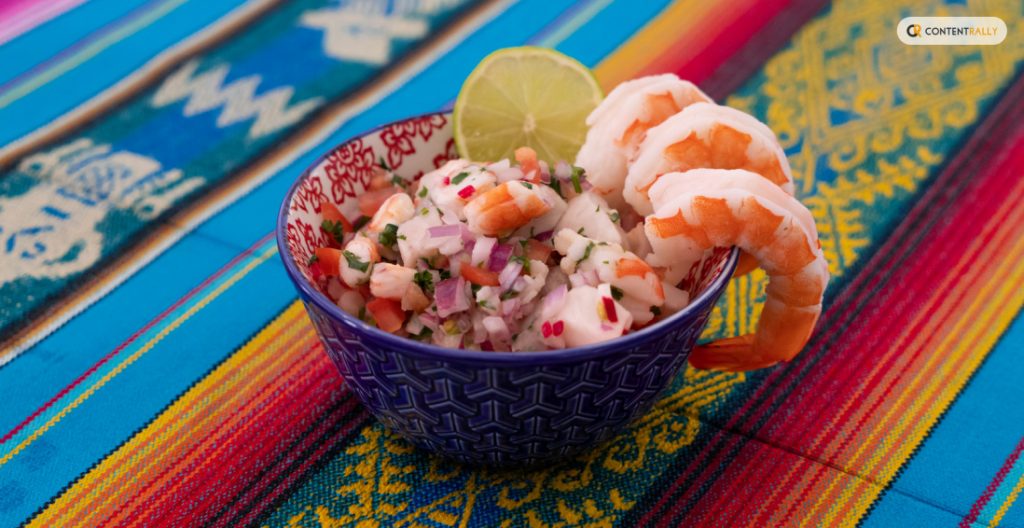
Shrimp Ceviche

Shrimp ceviche is healthy because it is high in protein content. Apart from that, it also comes with a good number of vitamins and minerals.

As a result, it not only helps to build muscles but also ensures bone health, immunity, and nerve function. Moreover, if you are following a low-calorie diet to lose weight, shrimp ceviche is a healthy Mexican food option.

14. Pozole

It is a stew that is rich in protein. Here, for each cup you consume, you get 18 grams of protein. Additionally, it also contains fiber.

However, you can add more fiber to it by adding vegetables like avocado or cabbage. This will help you to digest your food better.

15. Chicken And Vegetable Tacos
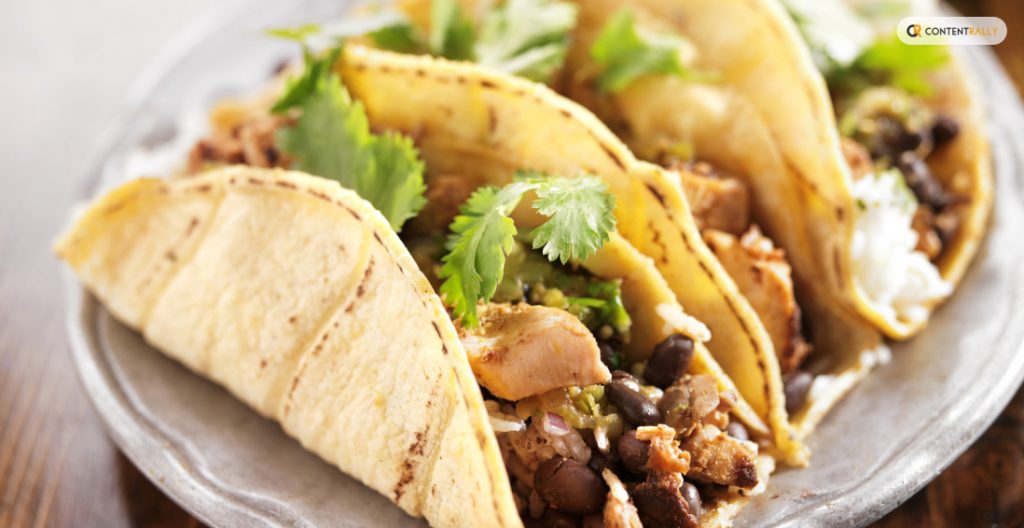
Chicken and Vegetable Tacos

Since chicken is a lean source of protein, it provides amino acids for muscle building. Moreover, it is also a good source of vitamin B. On the other hand, vegetables are rich in fiber, vitamins, and minerals. Hence, with a combination of chicken and vegetables, you can have a healthy diet.

Try Your Favorite Healthy Mexican Food Now

Hence, you can see that there are plenty of healthy Mexican food options. However, this is not common in the US because most Mexican restaurants in this country serve Mexican food items with a lot of oil, spices, and cream.

Hence, it looks unhealthy to common people. Therefore, if you want to have a healthy Mexican diet, you have a lot of choices.

Do you have more suggestions on healthy Mexican food items? Please share your ideas and opinions in the comments section below.

Read Also:
A passionate writer and an avid reader, Soumava is academically inclined and loves writing on topics requiring deep research. Having 3+ years of experience, Soumava also loves writing blogs in other domains, including digital marketing, business, technology, travel, and sports.

View all posts

Leave a Reply

Your email address will not be published. Required fields are marked *

Related

Confectionery Shop

History and How to Increase Sales in Your Confectionery Shop

The skill of molding confections is known as Confectionery. What are confections? These are food products that are made of carbohydrates and sugar abundantly. A store that engages in producing and selling these delicacies is called a Confectionery shop. The main target market of these goods is children. Young ones have a big love for candy as they consume them in a substantial number. A confectionery store has different names depending on the geographical area. In Australia, it is known as a lolly shop, a sweet shop in the United Kingdom, and North Americans call it a candy shop. Despite the different names, all of them produce and sell the same goods. Well, there are a lot of ways to increase your sales, but you could try these out and find out just how effective they are. History Initially, confections were made out of honey as sugar was not readily available in the foregone western world. The Romans, Chinese, Egyptians, Indians, and the Greeks used honey to cover flowers and fruits to conserve them and produce sweetmeats in ancient times. Between the 4th and 6th centuries BC, Persians and the Greeks engaged Indians to produce "reeds that produce honey without bees," which is sugarcane. The cane is primeval in Southeast Asia and the tropical Indian subcontinent. Sugarcane agriculture was advanced and spread afterward. With the introduction of sugar, confectioners gradually started renouncing honey in the production of confections. The Indians came up with a mechanism to create sugar crystals. In the local dialect, the crystals were known as khanda, where the name candy originated. Kransekake is one of the ancient confections from Scandinavia. According to Guinness World Records, the most ancient candy shop in the world that is still functioning to date is located in Pateley Bridge village. Pateley Bridge is now a small market town in England. Read more here https://www.bbc.co.uk/bitesize/articles/zm2q4xs. What is in a Confectionery Shop As explained above, a confectionery store engages in producing and selling confections mostly to the kids. The produced confections in a Confectionery store can be fractionated into two, bakers and sugar confections. Baker's Confectionery It is one of the confectioneries and is also known as flour confections. These are sugary foodstuffs that use flour as their major component. After they are made, these confections are baked hence the name baker's Confectionery. They include sweet pastries, scones, cookies, doughnuts, and cakes. However, baker's confections are baked, bread is not considered as a baker's confectionery. You may go through:  The Need for Speed-to-Lead in Sales Sugar Confectionery Unlike baker's, sugar confectionery is mainly made of sugar. The most crucial substances used in this category are glucose syrups, sucrose, and invert sugars. A concoction of fructose and glucose, which is turned out by hydrolysis of sucrose, is called invert sugar. Confectioner's glucose is also known as glucose syrups which are intensive, cleansed, aqueous solutions of nutritious saccharides from starch. This confectionery can be divided into two, fondant and boiled sweets. Click here to see how you can start this business. a) Fodant Fondant is tiny sugar crystals in concentrated sugar syrup. It is used in embellishing cakes and as a creamy filling in biscuits and chocolates. Fondant is manufactured in two ways. It is an inverting agent and refrigerating speedily while riveting or mixing sugar solution with glucose syrup then boiling them. The sugar in fondants is in a crystalline state. These foodstuffs include coconut paste, chocolate centers, marzipan, fudge, and chews. The articulation of fondant is made up of 22% w/w water, 16% w/w confectioner's glucose, and 62% w/w sucrose. Sucrose is the primary component in this formulation. b) Boiled Sweets Boiled sweets are made by boiling water and sugar at extremely high temperatures ranging between 150 and 166 degrees Celsius. When boiling, the water evaporates, and a translucent mass is formed on cooling. In boiled sweets, their sugar is in a glassy state as it is hard-boiled. This confectionery includes barley sugars, caramel, fruit drops, toffee, butterscotch, and hard gums. The articulation of boiled sweets comprises 20% w/w water, 32% w/w glucose syrup, and 48% w/w sucrose. Three Essential Tips on How to Increase the Volume Sales in Your Confectionery Shop The core obligation of any business enterprise is making profits. A huge amount of gain is obtained through more sales for your confection. So how do you increase the volume of your sales? 1. Location The most fundamental factor in this business is where you set up your shop. Children are primary consumers of confections as they take them in huge numbers. To escalate the number of your sales, your shop should be set up in a location where there are more children than adults. An outlet erected in an area where kids are innumerable will make more sales than the other in a setting with scarce younger ones. A store that is put up in an area where there are more adults than the kids will hardly make sales as the main market target of confections is youngsters. 2. Delivery Services The world is evolving so are the buying behaviors from customers. Many people do not like making long queues to be served. Instead, they prefer home delivery services. With the pandemic, many people refrained from going to stores physically to contract the virus in your maneuvers. Many people are adopting online shopping where you order goods online, and the buyer delivers at your doorstep. If you can incorporate delivery services, you will attract the attention of potential customers who do not like going out to the stores. This increases the volume of sales, which means more profit. 3. Social Media The most convenient way to market your products in the 21st century is through social media. There are a million users of social media all over the world. Advertisements of your shop can be run on Facebook, Twitter, Instagram, Tiktok, LinkedIn, to mention a few. Through social media, you can reach many potential customers for your product in the comfort of your store. See this link to learn how you can market your business using social media https://www.marketingdonut.co.uk/social-media/social-media-strategy/use-social-media-to-market-your-business. Conclusion Confectionery shops produce and sell confection. Before purchasing from any store, research to establish if they produce the best products in town. The duration a store has operated means they have experience in production that keeps them moving. Online product reviews can help you on settling the perfect store for your needs. Read Also: 5 Actionable Mobile Marketing Tips That Drive Sales

READ MOREDetails
Non-Alcoholic Bitters

5 Things To Consider When Shopping For Non-Alcoholic Bitters

Whether you’re a passionate mocktail mixer, an expert bartender, or just looking to add some flavor to your favorite dishes, non-alcoholic bitters are the perfect way to add a layer of complexity and depth. Not sure where to start? That’s ok. We’ve put together this comprehensive guide on five things you should consider when shopping for non-alcoholic bitters, including their unique health benefits. Here Are Five Prime Things To Consider When Shopping For Non-Alcoholic Bitters Read on as we show you everything you need to know about buying the best non-alcoholic bitters around. 1 - Don’t Mistake Alcoholic Bitters For Non-Alcoholic We'll start with the most obvious point. It's essential to make sure you’re buying non-alcoholic bitters, like the ones that can be found at All The Bitter. Most bitters look alike when shopping at the grocery store, so sometimes it’s hard to tell the difference between the two. Shopping online for non-alcoholic bitters is probably your best bet because these niche stores have exactly what you’re looking for. 2 - Organic and Wild-Foraged Ingredients Make sure that the ingredients in your non-alcoholic bitters are organic and wild-foraged. This means that they haven’t been exposed to harsh chemicals or synthetic additives, so you can be confident that they are as natural as possible. This also ensures that your drink is free from artificial flavors and colors, which can take away from the authentic taste of a mocktail. Mom-and-pop stores do better with this versus big-name brands that can be found at your local grocery store. Let’s face it, handmade is always better than processed. 3 - Beneficial Botanicals And Health Benefits Finally, consider what beneficial botanicals and health benefits each non-alcoholic bitter has included in its recipe. Such as the following: gentian root (helps digestion) dandelion root (a natural diuretic) Burdock root (anti-inflammatory properties) milk thistle seed (liver detoxifier) holy basil (antioxidant effects) orange peel (to aid digestion) ginger root (anti-nausea effects) yellow dock root (rich in iron)I Not only can these ingredients help support well-being, but they also bring an added depth of flavor and complexity to any mocktail – so choose wisely. 4 - Vegan If you follow a vegan lifestyle, you will want to check if the non-alcoholic bitters have been made with vegan ingredients, as some may contain animal products such as honey or beeswax. Even if you’re not vegan, it’s always good to keep vegan-friendly bitters on hand for guests who may follow that lifestyle. 5 - Gluten-Free If you follow a gluten-free diet, check if the bitters are gluten-free before adding them to your cart. While many brands use gluten in their recipes, there are some options available that don't contain gluten at all, so be sure to thoroughly check the label before making a purchase. Consider These Tips When Shopping For Non-Alcoholic Bitters As more people switch from alcoholic drinks to mocktails, there is an ever-growing demand for good quality non-alcoholic bitters. But not all products are created equal. So when shopping for them, make sure you keep these five things in mind. This way, you can guarantee yourself an enjoyable mocktail experience every time. With so many great options available, it shouldn't be too hard to find something perfect for you – happy sipping, and thanks for reading. Read Also: How To Quit Alcohol: Consider Non-Alcoholic Drinks Tips to Follow When Ordering Alcohol Online Delta 8 Vs Delta 9: What’s The Difference?

READ MOREDetails
How To Freeze Dry Food

How To Freeze Dry Food At Home Fast? – Steps To Follow

How to freeze dry food? - To freeze-dry your food, you need first to freeze your food and then dry it under pressure to remove water content. This process is called lyophilization. In fact, it is one of the best methods to use if you want to dry your food. Actually, it is a common practice in both the pharmaceutical and food industries. In this article, you will learn how to freeze dry food at home with simple methods. However, before that, you will also understand the freeze-drying process and the types of food you can freeze-dry. Moreover, you will also learn the benefits of freeze-drying and essential tips to freeze-dry your food successfully. Hence, to learn more, read on to the end of the article. Understanding Freeze Drying Freeze drying is a process where you remove water from a food material by freezing it. Then, you turn the ice into vapor by putting the item under pressure. Hence, you can see that this process is a dehydration technique where you sublimate the water in a product. It means that the water content in your product changes from a solid state to a gaseous state (sublimation). Here, the water does not turn into liquid. Generally, this method is helpful when you want to preserve any perishable materials. Here, the goal is to extend the shelf life of the material. In this case, you freeze the material and reduce the pressure. Then, you add heat to allow the frozen water in the food (material) to change directly to vapor. How Does Freeze Drying Work? Freeze drying consists of three stages: freezing, sublimation, and desorption. Here is an explanation of the three stages: 1. Freezing This process involves freezing the food at a very low temperature. Generally, you have to freeze to -30 to -50°F. 2. Sublimation (Primary Drying) In this stage, you have to pass mild heat over the frozen material while the material is under vacuum. Hence, the ice crystals vaporize into water vapor. After that, you remove the water vapor with the help of a vacuum pump. 3. Desorption This is the second stage of drying. Here, you have to remove all the remaining moisture from the surface of the food. Benefits Of Freeze Drying Food The following are the major advantages of freeze-drying that will benefit you a lot: Generally, the foods that you freeze-dry retain up to 97% of their nutritional value. For instance, the food retains vitamins, minerals, and antioxidants. Those foods have a long shelf life. Moreover, you do not need to store it in cold chains. Once you freeze-dry your food, you will end up removing 98% of its water content. Hence, you will reduce its weight by 90%. Thereby, it will be easy for you to carry that food on camping and backpacking trips. Freeze-dried food is easy to prepare. This is because you just have to add water to rehydrate them. Moreover, the shape and size of the food remains intact. Also, freeze-drying helps in preventing the growth of pathogenic organisms. You can preserve a wide range of foods with freeze-drying. This includes meat, fish, fruits, vegetables, eggs, ice cream, and more. When you freeze-dry food, it does not get brown or caramelize. However, this is quite common when you dry food traditionally. How To Freeze Dry Food At Home? Here are the steps you must follow to freeze dry food at home: Wash your food items that you want to freeze-dry. Also, remove dirt and residues from the food. This way, you can ensure food safety. Cut your food into small pieces. This way, you can make the freeze-drying process faster. Place your food on a flat tray. Moreover, make sure to spread the food evenly. Basically, if you spread your food properly, you can freeze the food evenly. Place your food in your freezer, and set the temperature correctly. Then, place the food in your freezer for two weeks. Actually, you need this time to remove the moisture in the food. After the completion of two weeks, remove the trays from the freezer. After that, quickly place the food items in airtight bags. Make sure to take out one tray at a time to ensure that the food does not rehydrate. Make sure to place the food bags in the freezer, and also in a cool, dark spot. Check the food after a couple of days. This way, you ensure whether all the food is dried-up or not. Tips For Successful Freeze Drying The following are some essential tips by following which you can successfully freeze dry your food: 1. Preparing the Food Harvest the food produced when it is ripe. Then, wash the food, remove the damaged parts, and prepare it as desired. This is because if you cut your food into small pieces, it will dry faster. 2. Arrange the Food Place your food on a tray and arrange it into pieces. Also, make sure to place those pieces in such a way that they do not touch each other. 3. Use A Freeze Dryer With the help of a freeze dryer, you can automatically lower the temperature. Moreover, a freeze dryer also helps you to create a vacuum. 4. Store The Food Once you freeze-dry your food, store it in an airtight container. Also, you can store it in a bag which you can vacuum-seal it. 5. Cook Raw Foods: One of the drawbacks of freeze-drying is that it does not kill harmful bacteria. Hence, you must cook freeze-dried foods thoroughly before consumption. Related: The Importance Of Proper Cutting When Preparing Meals Common Uses For Freeze-Dried Ingredients The following are some of the common uses of freeze-dried foods: Works as essential food supplies at times of emergencies. They have a long shelf-life and you can use it to maintain food quality. You can use freeze-dried food in stews, soups, baked goods, etc. You can eat freeze-dried food as a healthy snack any time. If you freeze-dry your seasonings, you can retain the flavor and freshness for years. Wrapping Up You now know how to freeze dry food. Generally, in manufacturing, food companies and manufacturers prefer freeze-dried food over regular food. This is because they are easy to prepare and are portable and lightweight. Also, such food removes the moisture from the food to make it compact. Do you have more suggestions for freeze-drying to offer? Please share your ideas and opinions in the comments section below. Additional Readings: How to Thicken Chili – Tried and Tested What To Look For And What To Avoid In Healthy Dog Treats The Difference Between Bacterial Amylase and Fungal Amylase

READ MOREDetails