












Hummingbird Food Recipe: How To Make Hummingbird Nectar?

by

31 December 2024

Food

Hummingbird Food Recipe

It always feels good to see a hummingbird in your garden. To see more of them in your garden, you can keep hummingbird nectar/food in a jar in your garden.

In fact, with a simple hummingbird food recipe, you can make their lives easier. All you need is a few simple ingredients.

In this article, you will learn how to make hummingbird food with simple ingredients. Apart from that, this article also discusses hummingbird nutrition and the steps you can take to set up your bird feeder.

Finally, you will learn how to attract more hummingbirds to your garden. Hence, to learn more, read on to the end of the article.

Understanding Hummingbird Nutrition
Understanding Hummingbird Nutrition

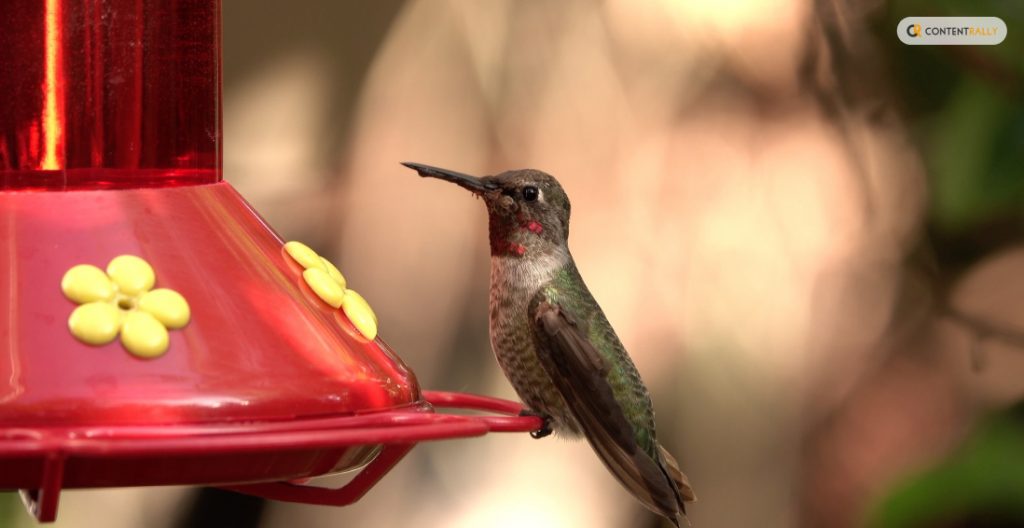
There are a variety of food options a hummingbird needs to meet its nutrition. Although they are one of the smallest birds in the world, they burn a lot of their calories by fluttering their tiny wings. Generally, a hummingbird flutters its wings 90 beats per second to maintain its momentum.

Hence, you can see that hummingbirds need to eat a lot. In fact, to satisfy their daily calorie requirements, these birds even consume half of their body weight. Basically, they feed on bugs and nectar every 10-15 minutes. Also, they visit 1000-2000 flowers per day.

The following are the things that hummingbirds feed on:

1. Nectar: This is the primary food source of hummingbirds. Basically, it consists of 20% sugar and 80% water. Generally, hummingbirds get their nectar from cardinal flowers, bee balm, salvia, and petunias.

2. Insects: For their protein needs, hummingbirds feed on insects. This is also a source of fat and salt for hummingbirds. In fact, nectar does not provide those nutrients. Basically, hummingbirds hunt insects by finding them from flowers, leaves, or tree bark. Sometimes, they also attack insects midair or pluck them from sticky saps.

3. Spiders: Generally, hummingbirds also feed on spiders for protein. However, they are generally small spiders.

4. Tree Sap: When the amount of nectar is low, hummingbirds drink tree sap from tree bark. Generally, woodpeckers drill wells on tree barks to get tree saps.

Hummingbird Food Recipe

Basically, by offering hummingbird nectar, you can help them with their post-workout meal.

Hence, follow the below hummingbird food recipe to make nectar:

Ingredients

The following are the ingredients you need to make hummingbird nectar:

  1. Filtered Water: 4 Cups
  2. Regular White Sugar: 1 Cup (If possible, use organic sugar for the recipe)

Procedure

Here are the steps you must follow to make hummingbird nectar:

1. Get four cups of water in a saucepan and bring it to a boil.

2. Once the water reaches the boiling point, take the water off the heat. Add sugar to the boiling water.

3. Stir the mixture until the sugar completely dissolves in the water.

4. The nectar is ready. Now, you must let the nectar cool completely.

5. Get a hummingbird feeder and place the mixture inside the feeder. Make sure to hang the hummingbird feeder outside (in your garden) to attract hummingbirds.

Essential Factors To Consider

The following are some of the major factors you must consider before you start making nectar with the hummingbird food recipe:

  1. Make sure to change the nectar every four days with a new nectar. This will ensure that the nectar is fresh. Also, remember not to use food coloring in the nectar. Let it be as natural as you can.
  2. Regularly check the bird feeder every time you change the nectar inside it. Look whether there is a gray mold inside the feeder base or not. Also, check whether any ant has crawled inside the feeder to consume sugar water.
  3. If you check any dirt or ants inside the hummingbird feeder, throw the bird food away. Basically, it is not good for the birds to drink dirty nectar. In fact, there is a high chance that the birds will not feed on the nectar anyway.
  4. To clean the feeder, rinse it with warm water. Then, put some bleach into the water inside. This will allow you to clean the feeder with a brush easily.
  5. Once you clean the feeder, rinse it thoroughly with fresh water. Moreover, allow the water to dry.
  6. After that, please fill up the feeder with food and place it outside.

Enhancing The Hummingbird Experience
Enhancing the Hummingbird Experience

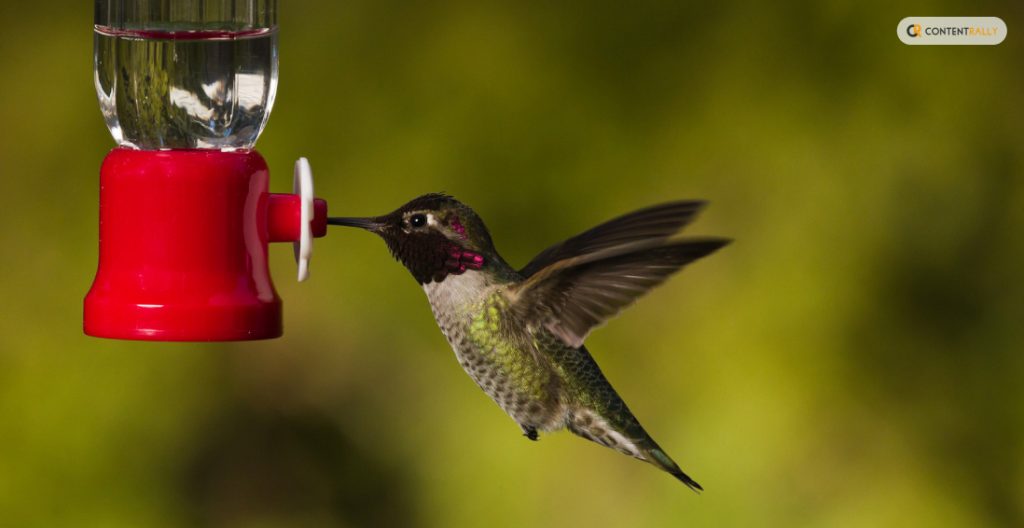
Enhancing the hummingbird experience, you can attract more hummingbirds to your garden/balcony/porch.

The following are some of the steps you must follow if you want to enhance the hummingbird experience:

1. Change The Food Regularly

Make sure to change the food every 3-4 days. This is because nectar spoils quite fast, especially when the weather is hot. In fact, if the weather is above 30 degrees Celsius, make sure to change the nectar regularly. Also, make sure to keep the feeder in the shade. This will prevent the sugar from fermenting.

2. Use The Right Amount Of Ingredient

You can make hummingbird nectar with just water and sugar. However, you must ensure the water-to-sugar ratio is 4:1. Then, boil the water and add the sugar. After that, mix them until the mixture is perfect. After that, you must let the mixture cool before you add it to the feeder.

3. Avoid Honey

Generally, honey can ferment fast and becomes a great place for mold to grow quickly. Moreover, they can be sticky and get on the feathers of hummingbirds. Hence, it is better to avoid honey.

4. Add Another Feeder

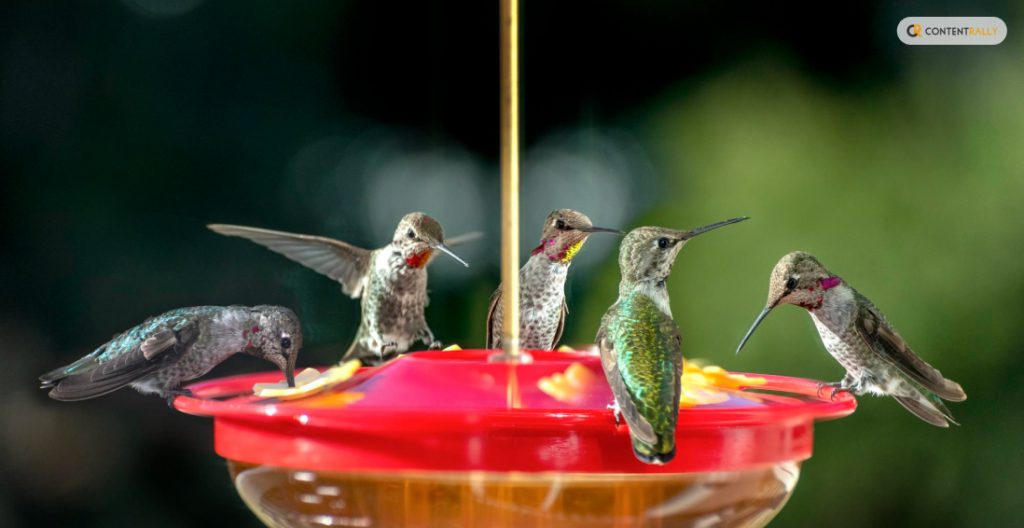
Although hummingbirds are small and cute, they can be incredibly aggressive and territorial when confronting other hummingbirds. Hence, to avoid conflict among hummingbirds, it is better to add a second feeder if you want to ensure every hummingbird gets the opportunity to have the nectar.

5. Clean The Feeders

Make sure to clean the feeders every week. Moreover, if you have hot weather around, clean the feeders twice every week. While you clean, ensure the vinegar-to-water ratio is 1:4. Also, rinse the feeders well before you refill. Furthermore, while rinsing, do not use dish soap. This is because they can leave harmful residue on the feeders.

Setting Up Your Hummingbird Feeder
Setting Up Your Hummingbird Feeder

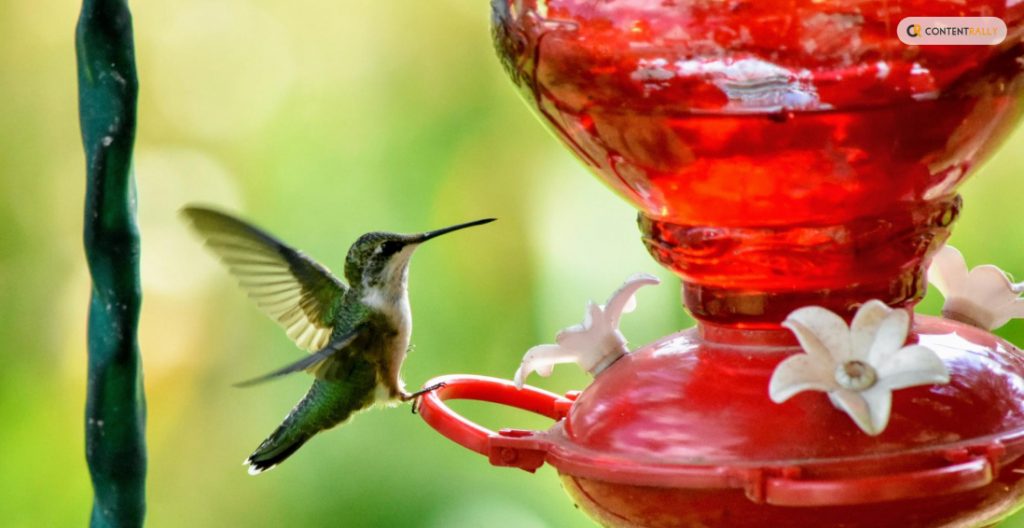
The following are the steps you must take to set up your hummingbird feeder:

  1. Make the nectar by checking the hummingbird food recipe in the previous section.
  2. Hang the feeder in your garden at the start of spring. Generally, hummingbirds migrate through your area in the spring. Also, leave the feeder up after the hummingbirds migrate in the fall.
  3. Hang the feeder in a place where it is visible for hummingbirds to see. Also, make sure to place the feeder in an area where you can have a good look.
  4. Clean the nectar every 3-4 days and clean the feeder thoroughly each time you change the nectar. This way, you can prevent dust and mold from getting into the feeder.
  5. Sugar water is safe and helpful for hummingbirds. Basically, it is quite similar to the natural nectar that hummingbirds find in flowers.
  6. If you want to make your own feeder, use an old spice container, bottle, mason jar, or wine bottle.

Attracting More Hummingbirds
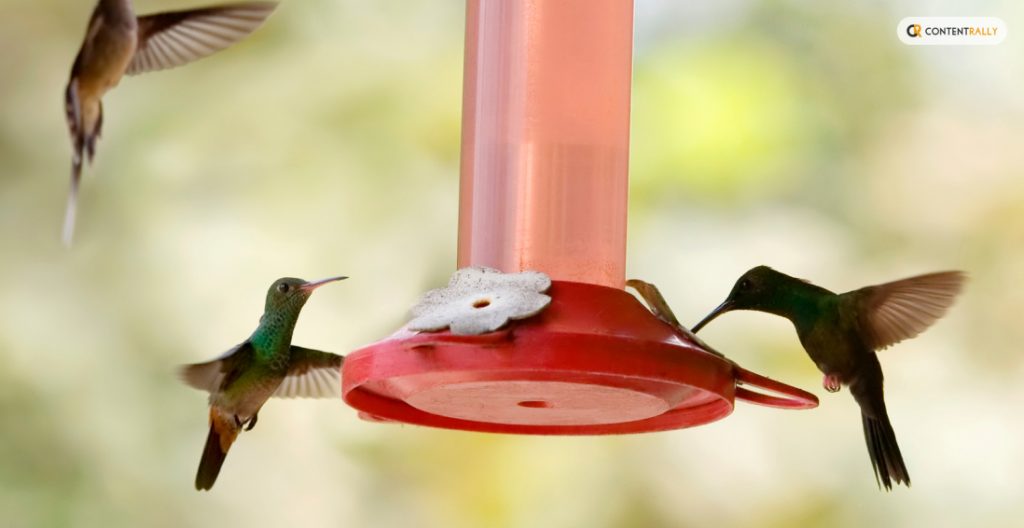
Attracting More Hummingbirds 

Here are some of the major ways you can attract hummingbirds to your garden:

1. Offer Hummingbird Food/Nectar: If you make sugar water and keep it in a feeder in your garden, you can attract many hummingbirds in your area. To make this item, you can see the hummingbird food recipe above.

2. Keep Water: Generally, hummingbirds also like to bathe. Hence, you can keep some water in a pot/jar to allow hummingbirds to access water for bathing and drinking.

3. Perch Area: You can leave small branches and sticks on your trees and plants. This will allow hummingbirds to perch on.

4. Plant Flowers: There is no alternative to pure nectar that flowers have. Hence, this attracts hummingbirds a lot. For instance, you can use hummingbird sage, honeysuckle, bee balm, and more. Also, you can add other types of flowers to your garden.

5. Keep Other Animals Out: If you have a pet cat/dog in your home, keep them inside. This is because they can bother hummingbirds or even end up killing them.

6. Avoid Pesticides: Pesticides are repellants for hummingbirds as well as insects. Hence, make sure not to use them or use them minimally.

Make Your Hummingbird Food Now
Make Your Hummingbird Food Now

Now, you can make hummingbird nectar with the help of the hummingbird food recipe in the article. However, make sure to change the food every 3-4 days. Also, ensure to clean the jar every time you change the food. This way, you can ensure clean food for hummingbirds.

Do you have more suggestions on how to make hummingbird food? Please share your ideas and opinions in the comments section below.

Additional Resources:

A passionate writer and an avid reader, Soumava is academically inclined and loves writing on topics requiring deep research. Having 3+ years of experience, Soumava also loves writing blogs in other domains, including digital marketing, business, technology, travel, and sports.

View all posts

Leave a Reply

Your email address will not be published. Required fields are marked *

Related

vegans

What dressings Are Good For Vegans – Mimi’s Laphet  

Vegans prepare salads as an important part of their staple diet putting greens, vegetables, beans, and fruit inside. After stirring the mixture, the question appears on what seasonings to use. The color and the fresh textures are the most fantastic attractions of the vegan’s salad platters. Flavoring should be salubrious for providing the benefits of elements to the body in the complete form without increasing calories. People can buy easy vegan salad dressing, select ingredients independently, or order the ready useful products created by others.  The second variant saves time because that is not needed to search for fresh qualitative compounds everywhere and to process for further adding to food.  3 Key Benefits Of The Salad Dressings For Vegans With the proper application of dressings, salads will be rich in fiber and nutrients. It is possible to use multiple bases such as olive oil, tofu cheese, Greek yogurt, lemon juice. Each named component has obvious benefits.  Here are three key benefits of well-balanced salad dressings for vegans. 1. The Choice Of Natural Vegan Salad Dressing It is a failure to think that all healthy vegan salad dressings are plain in their taste because there is a great variety of available products nowadays. The Vegans can feel the notes of spiciness, light tartness, and sourness.  However, the most impressive is the combinations of different relishes in one seasoning. Everything is plant-based and full of the goddess of earth and nature, from the seasoning to the dipping sauce. Today the market offers are extended, and vegans can open new facilities for themselves. For instance, not every Australian knows what Laphet is. These are tea leaves that are popular in Myanmar, where they indicate the symbol of hospitality. Mimi’s Laphet provides healthy vegan salad dressings that also include other natural ingredients.  2.The Effectiveness Of Vegan Salad Dressings     The eye-pleasing colorful platter is the primary feature of the salad dressings for vegans. An easy vegan salad dressing positively influences the whole body. Eaters notice the changes over time of consuming the flavoring. They manifest both visually and physically. When you want to beat the summer heat, the plant-based vegan salad is quite effectively keeping you cool. The salad for the vegans is not only looking delicate and gorgeous.  For beating the summer heat and when you want to preserve the glow of your face, the plant-based vegan salad is the ultimate choice. All ingredients of the vegan salads are edible and full of health benefits. So for the summer, do not forget to order some vegan salad to spice up your meal in Mimi’s Laphet. 3.Vegan Salad Full Of Goodness  Progressive seasonings are an alternative to vinegar, fat sour cream, and other substances. By selecting healthy food, you put well-being first place. Robustness is something people shouldn’t save on. Therefore, purchase your own jar of condiment to receive satisfaction by virtue of delicious relish and attractive texture.     Affirmative features lie in the following sighs: Reducing weight thanks to burning fat, vegans get the result of a quicker metabolism. Harmful elements are rapidly excreted from the stomach and intestines. Biotic components soften the work of the digestive system. Anti-inflammatory and antibacterial action. The presence of garlic eliminates viruses that threaten favorable microflora and cells and strengthens vegans’ body immunity and ability to fight irritants.  The stopping temps of aging. Tea leaves affect the condition of the brain and nervous system. The brain controls all operations inside and stimulates the excellent work of organs. The decline of stress is an additional advantage too.  Lowering the level of sugar inside helps prevent diabetes. The practical opposition to cancer and other oncology diseases because of the antioxidants. Sesame seeds with extra herbs contain protein supporting the development of muscles.   Conclusion: The vegan salads are keeping your energy balance. A vegan dressing maintains the necessary saturation of the organism. People feel more lively after consuming a vegan salad. At the same time, heaviness in the stomach is not characteristic. It is able to increase powers on physical activity as well. These salads are keeping the vegans energetic and physically active by providing a balanced diet. Read Also: 5 Best Vegetables You Should Try Growing In Your Garden Looking for a Gardener: 8 Questions to Ask Before Hiring a Professional DIY Ways to Control Pests in Your Garden

READ MOREDetails
how to thicken chili

How to Thicken Chili – Tried and Tested

A cold winter night with a delicious dish of chili is all you need to enjoy your moment. But wait, Are you left with too much liquid in your chili? Ah! No need to worry at all. There are numerous ways on "how to thicken chili". Honestly, you don’t want a thin chili because there is nothing better than a cheerful bowl of thick chili as your winter dish. Many times, just to thicken the chili, people cook it more than it is necessary. Later, other ingredients in it fall apart and turn to mush.  Don’t panic. There are effective and easy ways to thicken chili at your home, and all of these methods are tried and tested. Just be sure to use at least some of these methods to thicken chili before your precious moment turns into sour. How To Thicken Chili - Tried and Tested You may be wondering that cooking your dish for a little longer will make your chili thick. But do you know that you are mushing other ingredients in it? So, you must know other effective ways about how to thicken chili. Below listed are the perfect ways to thicken chili for the perfect night. 1. Flour - Standard Thickening Method: Wheat flour is composed of proteins, sugars, lipids, starch, and enzymes. It is used for making different types of foods. Flour is widely used for thickening chili in most of the kitchens. It really works great. Now its time to try for yourself as well. Ingredients:  30ml or two tablespoons of flour and 60ml or ¼ cup of cold water. How to Use? Take a separate bowl. Mix flour and water thoroughly in it.  Make sure that the resulting mixture has no lumps and is smooth. Then add the flour mixture in your thin chili while cooking it in medium-high heat. Stir constantly. Let the mixture boil and thicken well. It will hardly take few minutes. Make sure to continue stirring an additional few seconds to see if you are able to detect flour in your chili flavor.  So, here is your hearty chili dish! Now, it is much thicker and tastier than before. You can even serve this to your guests. 2. Arrowroot- Best Thickening Agent: Arrowroot contains Vitamin B, Iron, Potassium, low-protein, starch, etc. It is widely used as a thickening agent in all household kitchens. It is a starch that is extracted from the arrowroot plant. When you will use arrowroot in your dish, then it will give an amazing surface gloss to your liquid chili.  Ingredients: 5ml or 1 tablespoon of Arrowroot and 5ml or 1 tablespoon of cold water. How to Use? Take a separate bowl. Mix thoroughly water and arrowroot to turn it into a smooth paste. Make sure that you add only a small amount of arrowroot as it is potent and flavorless. Then add slurry into your thin chili cooking it in medium heat. Stir constantly below the boiling point. Then after 1 to 2 minutes, your thin chili will thicken instantly. Arrowroot adds gloss like appearance to your chili dish making your dish thicker and delicious. I have used this method and got the result, so now it’s your time! 3. Cornstarch- Anti-sticking Agent: Cornstarch is also known as Maize starch which is extracted from the maize grain. It is a food ingredient that is used in thickening soups and sauces. Cornstarch gives a moderate glossy appearance and when mixed with liquid, it rearranges itself.  Ingredients: 15ml or 1 tablespoon of cornstarch and 15ml or 1 tablespoon of cold water. How to Use? Take a separate bowl. Mix thoroughly cornstarch and water before mixing it to chili. After adding cornstarch paste to chili, heat it in a medium to high flame. Stir it well until the bubbles start appearing. Wait for few minutes to see the results. If you still feel that your chili should be thicker then you can add more cornstarch and water on it.  Then let it cook for an additional few minutes. You can use cornstarch to thicken your chili because it will not alter the taste of your dish of chili as cornstarch is flavorless. Other Simple Ways to Thicken Your Thin Chili: 4. Mix it in Tomato Paste Now, no need to worry about how to thicken chili. If you want your chili only a little thick then you can use this method. Tomato is one of the main elements in chili. So adding it to your mixture won’t alter its taste and makes your chili thicker. Ingredients: 170 grams of tomato paste. How to Use? I am suggesting that you should use fresh handmade tomato paste. Since tomato paste is recognized as bitter in taste, so you can add a pinch of sugar in it. Sugar will add a mild sweetness to your dish by removing tomato’s bitterness. During the final thirty minutes of cooking add 170 grams of tomato paste into your thin chili. Slowly add tomato paste to your thin chili. You can also add it after every ten minutes if you wish (⅓ of the tomato paste). Stir constantly to combine it well. You can use tomato paste to thicken your thin chili dish. But keep all the instructions in mind so as not to make any mistakes while preparing it. 5. Use More Beans to Thicken Your Thin Chili: A bean is a seed of numerous genera of the flowering plant. They have the ability to curl up on any medium. Beans can be use to thicken your thin chili. Do you know that India is the largest producer of dry beans in the world? Yes, it is.  Ingredients: 125ml or a half-cup beans. How to Use? If your chili contains beans then strain half cup of beans. Then refry and blend it. Then again mix this mixture to your chili and cook for a few minutes. Stir occasionally to warm it well. You can use canned or home-cooked beans as per your wish.  If you still feel that your chili is thin, you can add extra beans in it but make sure you blend it well. Here you go! Your thick chili dish is ready now to serve your family. If you don’t like beans then no need to worry. You can add meats to make your chili thicker. Wrapping it Up "How to thicken chili" is one of the major problems for all the cook masters. Even I have used many methods to thicken my thin chili but all went in vain! Therefore, all the above methods are tried and tested about how to thicken chili. So, you can use it to thicken your thin chili. I know nobody likes to serve thin chili to their family or guests. Even I don’t like it. Do you?  Image source: wikihow Read Also: 3 Variants of Thin Crust Pizzas How You Can Increase the Value of Your Home with Stone Veneers

READ MOREDetails
World Of Fish Fillets

From Sea To Skillet: A Deep Dive Into The World Of Fish Fillets

Fish fillets are a versatile and convenient seafood option, offering a healthy and delicious base for countless dishes. Their popularity stems from their ease of preparation, having already been cleaned, deboned, and portioned, ready for the pan or oven. But beyond their culinary appeal, fish fillets offer a fascinating journey from the ocean's depths to our plates. Understanding the world of fish fillets involves delving into various aspects, from the different types and their origins to the various factors that influence fish fillets prices. This article will serve as your guide, uncovering the secrets of this delicious and nutritious food source. A Variety Of Flavors And Textures Fish fillets come in a dazzling array of varieties, each boasting unique flavors, textures, and nutritional profiles. Some of the most popular choices include: Salmon: Renowned for its rich, oily texture and vibrant pink hue, salmon fillets are a versatile option for grilling, baking, or pan-frying. They are also an excellent source of omega-3 fatty acids, crucial for heart health. Cod: This mild-flavored white fish offers a firm texture and versatility in cooking methods. Cod fillets are perfect for fish and chips, baking with herbs and lemon, or incorporating creamy sauces. Tilapia: A light and flaky fish, tilapia is a budget-friendly option with a delicate flavor. It absorbs marinade well, making it ideal for experimentation with various spices and herbs. Dory: This white fish boasts a firm texture and a slightly sweet flavor. Dory fillets are often used in fish tacos, baked en papillote, or served with a simple lemon butter sauce. Snapper: This firm-fleshed fish features a sweet and delicate flavor. Snapper fillets shine on the grill or baked with fresh herbs and vegetables. Exploring Different Origins The origin of a fish fillet can significantly impact its flavor, texture, and even price. Here's a brief overview of some prominent fishing regions: Atlantic Ocean: This vast body of water provides popular species like cod, salmon, and haddock. Pacific Ocean: A haven for tuna, mahi-mahi, and numerous other flavorful fish. Mediterranean Sea: Renowned for its abundance of sea bass, dorada, and branzino. South China Sea: Offers a diverse range of fish, including tilapia, grouper, and bream. Unveiling The Factors Affecting Fish Fillet Prices Understanding the various factors influencing fish fillet prices allows for informed decision-making. Here are some key considerations: Species: Certain types like salmon and tuna generally command higher prices due to their popularity and demand. Fishing method: Sustainable practices like line-caught or wild-caught fish often carry a premium compared to farmed fish. Freshness: The fresher the fish, the greater the price, as it ensures optimal flavour and quality. Processing: Filleting and packaging processes can add to the cost of the final product. Seasonality: Some fish are available year-round, while others have specific peak seasons, impacting prices. What To Look Out For When Procuring Fish? When you are procuring fish fillets from the market, be it for regular use of special domestic occasions, you have to be mindful of some of the important points. It helps you understand your requirements. The following guide can help you get the best fish fillet from the store. Firstly, you must get the fresh fishy smell when you walk into the store. It is one of the main indications for getting the best fish from the store. Secondly, look that the fish is on the ice and the ice is clean. You must take a look at the elements that have a direct relationship with the hygiene and taste of the fish. The fillets must look firm and not rugged. Rugged marks on the fish indicate that they are mishandled. Also, try to learn when the fish is frozen. This way, you could understand your needs and requirements. It is one of the ways to get fresh fillets. You can also get an idea of the freshness of the fish by giving a good look at the different body parts.  Fishes with a shiny surface and also slime on the surface is one indication that it is fresh fish. The fins of the fish must be clearly defined. It is one of the hallmarks of getting fresh fish. Moreover, getting the best quality is undoubtedly one of the hallmarks of great taste. Hence, you have to understand it here to better understand it. Maintaining The Quality Fish Back Home It might be that you procured fresh fish from the store. But that does not imply, you are consuming it that very day. So you must preserve it well in your home when buying the best fish. Here, we discuss some ways you can maintain the high quality of the fish by storing them back in your home. Once you have made your purchase, you must ensure that you give the fish the ice it requires. You can take containers with ice. After buying them from the freezer, you can offer them freshness. Whenever the fish is brought out from the ice, it starts degrading. Store your fish in the coldest parts of your freeze. It is one of the ways to keep your fish fresh for a longer time. You can also use the salt to preserve the freshness of the freezer for a couple of days before eating. However, you must try to use your fish fillets as soon as you buy them from the store. It is the best way to consume them. It's simple… eat the fish when it is fresh. Sustainability And Ethical Considerations As with any food choice, it's crucial to consider the environmental and ethical implications of our seafood consumption. Opting for sustainably sourced fish fillets, certified by organizations like the Marine Stewardship Council, ensures a healthy ocean for future generations. Conclusion Fish fillets are a delicious and convenient way to incorporate seafood into our diet. By understanding the diverse varieties, their origins, and the factors influencing their prices, we can make informed choices while enjoying the bounty of the sea. Remember to prioritize sustainability and ethical practices to ensure a healthy and vibrant ocean for years. Read Also: The Diet To Follow For A Healthy Gut Why A Pescatarian Diet Is Beneficial Why have a diet chart for weight loss?

READ MOREDetails