Whether you’re a passionate mocktail mixer, an expert bartender, or just looking to add some flavor to your favorite dishes, non-alcoholic bitters are the perfect way to add a layer of complexity and depth. Not sure where to start? That’s ok.
We’ve put together this comprehensive guide on five things you should consider when shopping for non-alcoholic bitters, including their unique health benefits.
Here Are Five Prime Things To Consider When Shopping For Non-Alcoholic Bitters
Read on as we show you everything you need to know about buying the best non-alcoholic bitters around.
1 - Don’t Mistake Alcoholic Bitters For Non-Alcoholic
We'll start with the most obvious point. It's essential to make sure you’re buying non-alcoholic bitters, like the ones that can be found at All The Bitter. Most bitters look alike when shopping at the grocery store, so sometimes it’s hard to tell the difference between the two. Shopping online for non-alcoholic bitters is probably your best bet because these niche stores have exactly what you’re looking for.
2 - Organic and Wild-Foraged Ingredients
Make sure that the ingredients in your non-alcoholic bitters are organic and wild-foraged. This means that they haven’t been exposed to harsh chemicals or synthetic additives, so you can be confident that they are as natural as possible.
This also ensures that your drink is free from artificial flavors and colors, which can take away from the authentic taste of a mocktail. Mom-and-pop stores do better with this versus big-name brands that can be found at your local grocery store. Let’s face it, handmade is always better than processed.
3 - Beneficial Botanicals And Health Benefits
Finally, consider what beneficial botanicals and health benefits each non-alcoholic bitter has included in its recipe.
Such as the following:
gentian root (helps digestion)
dandelion root (a natural diuretic)
Burdock root (anti-inflammatory properties)
milk thistle seed (liver detoxifier)
holy basil (antioxidant effects)
orange peel (to aid digestion)
ginger root (anti-nausea effects)
yellow dock root (rich in iron)I
Not only can these ingredients help support well-being, but they also bring an added depth of flavor and complexity to any mocktail – so choose wisely.
4 - Vegan
If you follow a vegan lifestyle, you will want to check if the non-alcoholic bitters have been made with vegan ingredients, as some may contain animal products such as honey or beeswax. Even if you’re not vegan, it’s always good to keep vegan-friendly bitters on hand for guests who may follow that lifestyle.
5 - Gluten-Free
If you follow a gluten-free diet, check if the bitters are gluten-free before adding them to your cart. While many brands use gluten in their recipes, there are some options available that don't contain gluten at all, so be sure to thoroughly check the label before making a purchase.
Consider These Tips When Shopping For Non-Alcoholic Bitters
As more people switch from alcoholic drinks to mocktails, there is an ever-growing demand for good quality non-alcoholic bitters. But not all products are created equal. So when shopping for them, make sure you keep these five things in mind.
This way, you can guarantee yourself an enjoyable mocktail experience every time. With so many great options available, it shouldn't be too hard to find something perfect for you – happy sipping, and thanks for reading.
Arnab is a professional blogger, having an enormous interest in writing blogs and other jones of calligraphies. In terms of his professional commitments, He carries out sharing sentient blogs.
It always feels good to see a hummingbird in your garden. To see more of them in your garden, you can keep hummingbird nectar/food in a jar in your garden.
In fact, with a simple hummingbird food recipe, you can make their lives easier. All you need is a few simple ingredients.
In this article, you will learn how to make hummingbird food with simple ingredients. Apart from that, this article also discusses hummingbird nutrition and the steps you can take to set up your bird feeder.
Finally, you will learn how to attract more hummingbirds to your garden. Hence, to learn more, read on to the end of the article.
Understanding Hummingbird Nutrition
There are a variety of food options a hummingbird needs to meet its nutrition. Although they are one of the smallest birds in the world, they burn a lot of their calories by fluttering their tiny wings. Generally, a hummingbird flutters its wings 90 beats per second to maintain its momentum.
Hence, you can see that hummingbirds need to eat a lot. In fact, to satisfy their daily calorie requirements, these birds even consume half of their body weight. Basically, they feed on bugs and nectar every 10-15 minutes. Also, they visit 1000-2000 flowers per day.
The following are the things that hummingbirds feed on:
1. Nectar: This is the primary food source of hummingbirds. Basically, it consists of 20% sugar and 80% water. Generally, hummingbirds get their nectar from cardinal flowers, bee balm, salvia, and petunias.
2. Insects: For their protein needs, hummingbirds feed on insects. This is also a source of fat and salt for hummingbirds. In fact, nectar does not provide those nutrients. Basically, hummingbirds hunt insects by finding them from flowers, leaves, or tree bark. Sometimes, they also attack insects midair or pluck them from sticky saps.
3. Spiders: Generally, hummingbirds also feed on spiders for protein. However, they are generally small spiders.
4. Tree Sap: When the amount of nectar is low, hummingbirds drink tree sap from tree bark. Generally, woodpeckers drill wells on tree barks to get tree saps.
Hummingbird Food Recipe
Basically, by offering hummingbird nectar, you can help them with their post-workout meal.
Hence, follow the below hummingbird food recipe to make nectar:
Ingredients
The following are the ingredients you need to make hummingbird nectar:
Filtered Water: 4 Cups
Regular White Sugar: 1 Cup (If possible, use organic sugar for the recipe)
Procedure
Here are the steps you must follow to make hummingbird nectar:
1. Get four cups of water in a saucepan and bring it to a boil.
2. Once the water reaches the boiling point, take the water off the heat. Add sugar to the boiling water.
3. Stir the mixture until the sugar completely dissolves in the water.
4. The nectar is ready. Now, you must let the nectar cool completely.
5. Get a hummingbird feeder and place the mixture inside the feeder. Make sure to hang the hummingbird feeder outside (in your garden) to attract hummingbirds.
Essential Factors To Consider
The following are some of the major factors you must consider before you start making nectar with the hummingbird food recipe:
Make sure to change the nectar every four days with a new nectar. This will ensure that the nectar is fresh. Also, remember not to use food coloring in the nectar. Let it be as natural as you can.
Regularly check the bird feeder every time you change the nectar inside it. Look whether there is a gray mold inside the feeder base or not. Also, check whether any ant has crawled inside the feeder to consume sugar water.
If you check any dirt or ants inside the hummingbird feeder, throw the bird food away. Basically, it is not good for the birds to drink dirty nectar. In fact, there is a high chance that the birds will not feed on the nectar anyway.
To clean the feeder, rinse it with warm water. Then, put some bleach into the water inside. This will allow you to clean the feeder with a brush easily.
Once you clean the feeder, rinse it thoroughly with fresh water. Moreover, allow the water to dry.
After that, please fill up the feeder with food and place it outside.
Enhancing The Hummingbird Experience
Enhancing the hummingbird experience, you can attract more hummingbirds to your garden/balcony/porch.
The following are some of the steps you must follow if you want to enhance the hummingbird experience:
1. Change The Food Regularly
Make sure to change the food every 3-4 days. This is because nectar spoils quite fast, especially when the weather is hot. In fact, if the weather is above 30 degrees Celsius, make sure to change the nectar regularly. Also, make sure to keep the feeder in the shade. This will prevent the sugar from fermenting.
2. Use The Right Amount Of Ingredient
You can make hummingbird nectar with just water and sugar. However, you must ensure the water-to-sugar ratio is 4:1. Then, boil the water and add the sugar. After that, mix them until the mixture is perfect. After that, you must let the mixture cool before you add it to the feeder.
3. Avoid Honey
Generally, honey can ferment fast and becomes a great place for mold to grow quickly. Moreover, they can be sticky and get on the feathers of hummingbirds. Hence, it is better to avoid honey.
4. Add Another Feeder
Although hummingbirds are small and cute, they can be incredibly aggressive and territorial when confronting other hummingbirds. Hence, to avoid conflict among hummingbirds, it is better to add a second feeder if you want to ensure every hummingbird gets the opportunity to have the nectar.
5. Clean The Feeders
Make sure to clean the feeders every week. Moreover, if you have hot weather around, clean the feeders twice every week. While you clean, ensure the vinegar-to-water ratio is 1:4. Also, rinse the feeders well before you refill. Furthermore, while rinsing, do not use dish soap. This is because they can leave harmful residue on the feeders.
Setting Up Your Hummingbird Feeder
The following are the steps you must take to set up your hummingbird feeder:
Make the nectar by checking the hummingbird food recipe in the previous section.
Hang the feeder in your garden at the start of spring. Generally, hummingbirds migrate through your area in the spring. Also, leave the feeder up after the hummingbirds migrate in the fall.
Hang the feeder in a place where it is visible for hummingbirds to see. Also, make sure to place the feeder in an area where you can have a good look.
Clean the nectar every 3-4 days and clean the feeder thoroughly each time you change the nectar. This way, you can prevent dust and mold from getting into the feeder.
Sugar water is safe and helpful for hummingbirds. Basically, it is quite similar to the natural nectar that hummingbirds find in flowers.
If you want to make your own feeder, use an old spice container, bottle, mason jar, or wine bottle.
Attracting More Hummingbirds
Here are some of the major ways you can attract hummingbirds to your garden:
1. Offer Hummingbird Food/Nectar: If you make sugar water and keep it in a feeder in your garden, you can attract many hummingbirds in your area. To make this item, you can see the hummingbird food recipe above.
2. Keep Water: Generally, hummingbirds also like to bathe. Hence, you can keep some water in a pot/jar to allow hummingbirds to access water for bathing and drinking.
3. Perch Area: You can leave small branches and sticks on your trees and plants. This will allow hummingbirds to perch on.
4. Plant Flowers: There is no alternative to pure nectar that flowers have. Hence, this attracts hummingbirds a lot. For instance, you can use hummingbird sage, honeysuckle, bee balm, and more. Also, you can add other types of flowers to your garden.
5. Keep Other Animals Out: If you have a pet cat/dog in your home, keep them inside. This is because they can bother hummingbirds or even end up killing them.
6. Avoid Pesticides: Pesticides are repellants for hummingbirds as well as insects. Hence, make sure not to use them or use them minimally.
Make Your Hummingbird Food Now
Now, you can make hummingbird nectar with the help of the hummingbird food recipe in the article. However, make sure to change the food every 3-4 days. Also, ensure to clean the jar every time you change the food. This way, you can ensure clean food for hummingbirds.
Do you have more suggestions on how to make hummingbird food? Please share your ideas and opinions in the comments section below.
Additional Resources:
Is Indian Food Healthy? – Major Nutritional Benefits of Indian Cuisine
15 Healthy Mexican Food Items With Immense Health Benefits
The Importance Of Proper Cutting When Preparing Meals
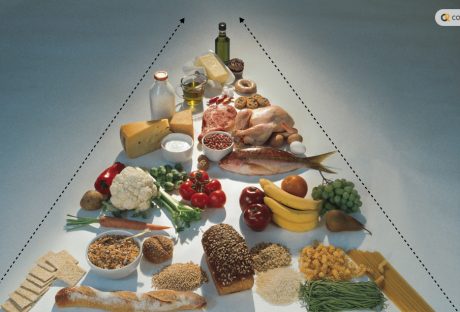
If you want a guide to healthy eating habits, the USDA Food Pyramid 2024 is one of the best sources you must refer to. To stay healthy, you need different types of nutrients in your body.
Hence, you must consume a variety of foods from each of the major food groups. Basically, the food pyramid makes healthy eating easier.
In this article, you will learn about the food pyramid and how it works. Here, the article will contain a brief explanation of each shelf in the pyramid. Moreover, you will learn about the major changes in Food Pyramid 2024.
Finally, you will get essential tips to follow the pyramid for a healthy lifestyle. Hence, to learn more, read on to the end of the article.
Food Pyramid 2024: What Is It?
With the help of a food pyramid, healthy eating will be easier for you. Basically, it shows different groups of food and how much food in these food groups you need to have a healthy diet. For instance, if you eat the right amount from each food group, you will have a balanced diet.
It is important to eat well. This has both short-term and long-term benefits. By eating well, you can feel good, look your best, and maintain a healthy weight.
Moreover, in the long term, with the help of a healthy and balanced diet, you can reduce heart risks. Apart from that, eating healthy will also help you deal with diabetes, osteoporosis, and some types of cancers.
The recent food pyramid has equal parts of healthy fats, fruits, vegetables, and whole grains at the base. However, almost three decades ago, the base had carbohydrates.
Currently, the food pyramid is an improved version and caters to the actual needs and demands of an actual person.
Basically, when you are looking at the food pyramid, use it as a guideline for your diet. Do not use it to follow a strict diet.
Hence, if you want a diet chart as your starting point to lead a healthy lifestyle, the pyramid is a good option. However, you must modify it as per your diet, lifestyle, and eating habits.
Explaining Each Shelf of the Food Pyramid 2024
The food pyramid consists of five main shelves. Basically, there is a shelf for every food group. Here, the most important shelf is at the bottom of the pyramid, while the least important is at the top of the pyramid.
The following are some basic details of each of the shelves on the food pyramid:
Level 1
This level consists of vegetables, fruit, and salad. Basically, you can eat plenty of these food items every day.
Level 2
Here, you have starchy foods. These consist of whole-meal cereals like bread, pasta, potatoes, rice, etc., which you can have with every meal. In fact, having a wholegrain diet is one of the best options to consider for a healthy diet.
Level 3
The next level of diet belongs to dairy. Here, you must focus on consuming milk, yogurt, and cheese. Moreover, to choose the level of fat, you can go with reduced fat or low fat.
Level 4
This level consists of meat, chicken, poultry, eggs, fish, and nuts. Here, you must ensure that you choose lean meat options. Also, make sure to have fish at least twice a week, especially if it is oil. This will help you consume essential fatty acids and protein.
Level 5
The fifth level consists of fats, spreads, and oils. Basically, these are not fully essential, and you must consume them in small amounts. Moreover, choose unsaturated or reduced-fat oils only.
Level 6
These are non-essential foods and have high amounts of salt, sugar, and fat. Hence, this shelf is of the least importance. You must have these foods at least once or twice a week.
Major Changes in the Food Pyramid 2024 from Earlier Ones
The following are some of the major changes you can find in the Food Pyramid 2024 from earlier food pyramids:
1. Plant-Based Proteins
Modern science and nutrition understand the importance of plant protein such as legumes, tofu, and tempeh. These protein sources are not only beneficial for your health, but they also have a lower environmental impact.
2. More Refined Sugars
Sweets, sugary beverages, processed snacks, and desserts are on the top shelf of the pyramid. Hence, it is better to avoid them. However, if you have a sweet tooth, look for natural options like fruits.
3. Less Dairy Products
A few years ago, people considered a glass of milk as a healthy option. However, the Food Pyramid 2024 suggests you cut full-fat dairy products. Rather, it suggests you stick to low-fat dairy products or plant-based dairy alternatives.
4. More Whole Grains
The old days of refined grains are over. Now, the food pyramid suggests you include whole grains as the base of your diet.
For instance, you can include quinoa, buckwheat, brown rice, and whole wheat bread. Basically, these items are rich in fiber and nutrients. Hence, these should be an important part of your diet.
5. A Higher Number of Fruits and Vegetables
The importance of green vegetables and fruits is increasing with time. Hence, you must include veggies that are rich in nutrients. Apart from that, you must also include fruits in your daily diet for better health.
6. More Healthy Oils
Earlier, oil was present on the top shelf of the food pyramid. However, experts now encourage the use of healthy oils. For instance, to include healthy oils in your diet, you must consider virgin oils, nuts, seeds, olive oil, etc. However, you must not overuse them.
7. Inclusion of Supplements
The world of health and nutrition is understanding the importance of food supplements like multivitamins and multi-minerals.
In fact, these supplements help fill up the shortage of nutrients in your body. Moreover, you also need Vitamin D in your body, which you can only get from certain food options.
8. The Importance of Exercise
No matter how much healthy you eat, you must exercise your body. Actually, exercise and diet go hand in hand. Hence, always exercise when you are following the Food Pyramid 2024.
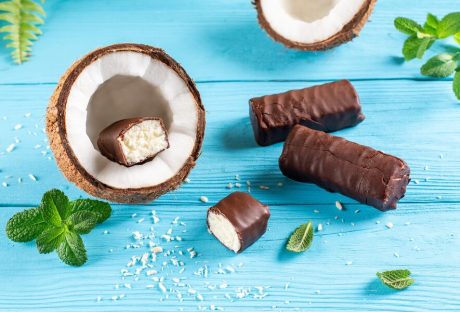
Related: Great Health Benefits You Get From A Protein Coconut Bar
Tips To Follow Food Pyramid 2024
One of the first things you must understand regarding the USDA Food Pyramid 2024 is that you do not need to strictly follow it. Here, all you need to do is integrate it with what your diet already is.
The following are some simple tips you must consider in this case if you want to have a healthier lifestyle:
1. Cook Meals At Home
Of course, you might not have enough time to cook your meals at home. However, to start with, you can cook one meal per day. Moreover, if you cook at home, you can use fresh products and will also have control over portion sizes.
2. Plan Your Meals Beforehand
By planning your meals, you can save a lot of time and money. However, if you consider planning for the week too much, you can start by planning what you need to buy from the grocery store. Here, you can refer to the pyramid. Also, by sticking to the pyramid, you can save yourself from impulsive purchases.
3. Try New Recipes
By trying new recipes, you can include food that you have not tried before. As a result, you can expand your food pyramid. Also, this will give you a chance to include healthy options in your meals. Moreover, you might end up discovering a recipe that you really enjoy.
4. Hydration
Apart from a healthy diet, you also need to drink enough water. Make sure to drink plenty during the day. This will help your body stay hydrated. Moreover, it will support your overall health as well.
Start Following Food Pyramid 2024 Now
The Food Pyramid 2024 offers a nutritious, balanced, and environment-friendly diet. Hence, if you incorporate each level of food into your diet, you can benefit a lot in the long run.
However, you do not need to strictly follow the diet. All you need is to align your current diet with the Food Pyramid and change slowly.
Do you have more suggestions on how to follow the Food Pyramid 2024? Please share your ideas and opinions in the comments section below.
Read Also:
7 Benefits Of Eating Protein Rich Snacks
15 Healthy Mexican Food Items With Immense Health Benefits
What Are the 5 Components of Fitness? – Let’s Find Out
Let’s begin with discovering some facts. In 2022, the total revenue of the global protein snacks market share was valued at USD 4.1 billion and is expected to cross USD 10 billion by 2032. There are a whole lot of reasons why we are witnessing a boom in the protein snacks market. A lesser known fact is that protein is the most important macronutrient required by the body.
Even though people are aware of how important protein is for maintaining a healthy and balanced diet, they often forget to include enough protein in their diets. And that’s when protein rich snacks play an important role. It's like having a nutritious pack by your side at all times.
Let’s look into the remarkable benefits of including protein-rich snacks in your diet.
7 Benefits of Eating Protein Rich Snacks
While everyone’s busy watching their sugar and calorie intake, people forget to keep a check on the protein intake. High protein snacks play a key role in fueling our cells and powering our body. The beauty of these protein-packed treats lies in their versatility, catering to both fitness and non-fitness enthusiasts. Now, let's delve into the myriad of benefits of protein rich snacks.
Weight Management
Protein-rich snacks are a great addition to a weight management plan. Protein is a macronutrient and therefore these snacks are hard to digest. This is responsible to increase satiety and help curb hunger, reducing the chances of unnecessary snacking. Also, those moments of sudden hunger pangs, overeating and feeling tempted to munch on chips can be put to ease. Including protein-rich snacks in your diet can help in controlling cravings, promoting a feeling of fullness and making healthy food choices. Additionally, protein also has a modest play in boosting metabolism and burning more calories.
Muscle Growth & Repair
Protein packed snacks play a vital role in muscle growth and repair by providing the necessary amino acids. It is one of the most essential food items for those seeking to build or maintain muscle mass. These superhero of nutrients are the building block of muscles and also promote regeneration of lost muscle. Protein rich-snacks can be a great go to post-workout meal as it helps in muscle recovery and development.
Blood Sugar Regulation
In the present times, maintaining a stable blood sugar level is quite a challenge. However, it is the most important thing to do, especially for people with diabetes and for those who are at risk of developing it. High protein snacks have the ability to prevent sharp spikes and drops in blood sugar, providing a controlled sugar level. Research suggests that when protein is combined with a source of healthy fats or fiber, protein can slow down the absorption of glucose into the bloodstream, preventing sudden blood sugar fluctuations.
Sustained Energy Levels
Protein is a powerhouse of macronutrients. Since it takes a long to digest unlike carbohydrates, protein-rich snacks can effectively keep you energized and focussed. Snacks like protein puffs, Greek yogurt and protein bars are not just satisfying but also offer sustained energy. Protein loaded food can stimulate energy production in the cells and up the breakdown of fat to produce energy.
Improves Heart Health
Incorporating protein-packed snacks to your daily routine can potentially safeguard your health. Some findings from an American study reveals that people who consume a good amount of protein have a remarkable 40% reduced risk of developing high blood pressure, compared to those who skimp on this nutrient. So, why not take a proactive approach to your health and make sure you're getting enough protein?
Good For The Bones
There’s a common misconception that eating too much protein is bad for the bones. This is based on the theory that protein increases acid levels in the body, leading to reduced Bone Mineral Density (BMD). However, in reality, consuming an adequate amount of protein actually helps maintain strong bones as you get older. So, here's some food for thought: snacking on protein-rich foods can truly work wonders for your overall health.
An Improved Immune System
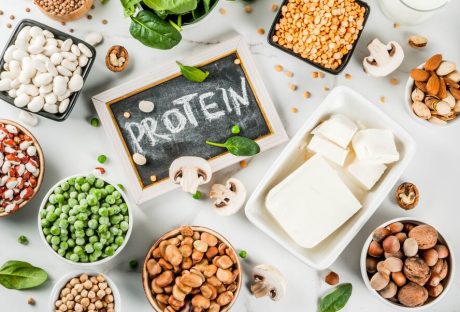
And here’s what we are all looking for -an improved immune system. Protein-rich snacks play a crucial role in building a strong immune system and production of powerful antibodies to combat a range of illnesses. Including protein-rich snacks in our daily routine can provide the necessary amino acids needed for the synthesis of antibodies. These snacks can include a variety of options such as nuts, seeds, yogurt, lean meats, and legumes. As mentioned, these nutrients also stabilize blood sugar levels that indirectly support the immune system.
One Last Thought:
With so many incredible benefits, including protein rich snacks in your diet is a smart choice. While you do so, it’s important to choose snacks that are not only high in protein but also balanced in terms of other essential nutrients like healthy fats, fiber, vitamins, and minerals. This will ensure that you are getting a well-rounded snack that provides sustained energy and supports overall health.
By prioritizing protein-rich snacks , you can enjoy an appetizing and nutritious way to fuel your body throughout the day.
Read Also:
How To Cook Sausage That Tastes Like Heaven
Best Summer Lunch Options
How to Choose the Right Wine: Sommelier Tips