












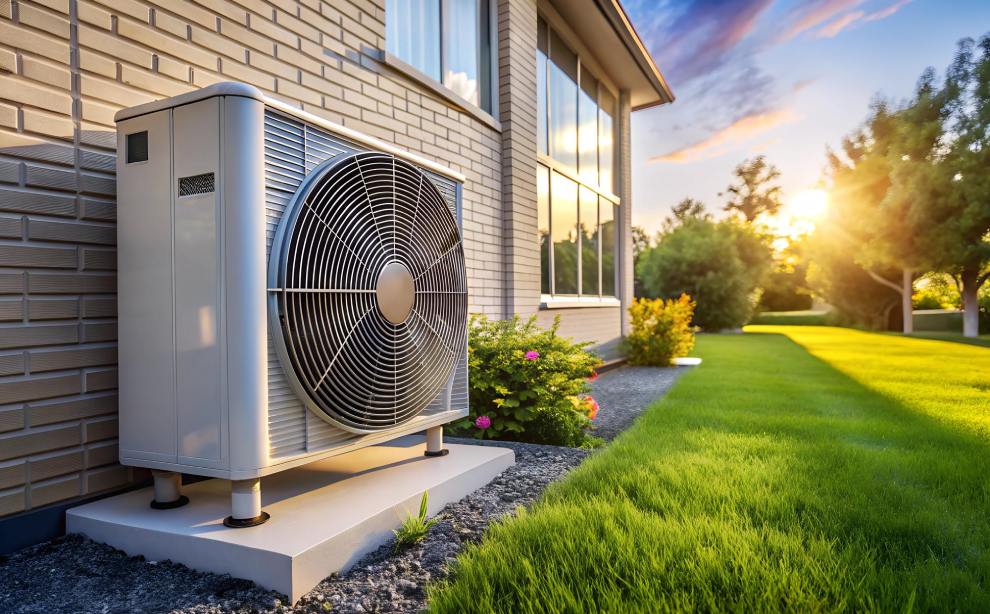
How to Choose the Best Heat Pump for Your Home?

Published on: 04 October 2024 Last Updated on: 18 May 2026
Best Heat Pump

Heat pumps serve dual purposes. They heat the home when it is cold outside and cool it when the temperature rises. These units are energy efficient and good for the environment because they don't burn fuel. However, the homeowner needs to ensure they get the correct unit for the home. 

The Concept Of A Heat Pump 
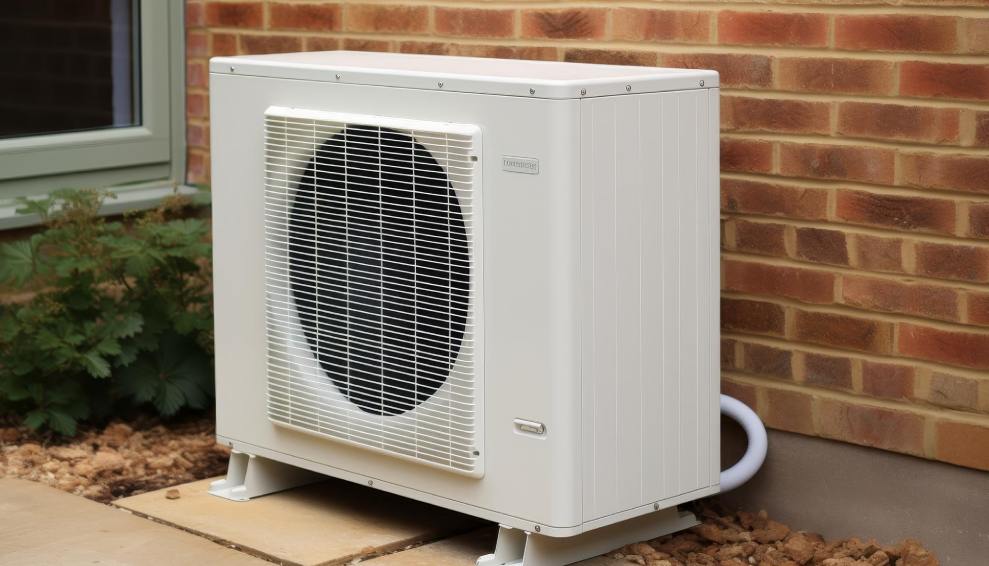
The Concept Of A Heat Pump

The heat pumps are becoming more and more popular these days. If you still don’t know about them and are trying to look for more information before buying a heat pump for your house, then you have landed yourself on the right page. 

An electric air source heat pump is an outdoor unit. You can use this unit to keep your home both heat as well as cool your home. This totally depends on the weather. 

The heat pumps are a great alternative to your central air conditioner or your furnace systems. This technology is specifically used in a refrigerator or an air conditioner. The unit extracts heat from a specific source. 

It can be from the surrounding air, nearby sources of water, or eleven geothermal energy. Once it is done collecting the heat, it further amplifies it and then transfers it to the space where it is necessary.    

How Do Heat Pumps Work? 
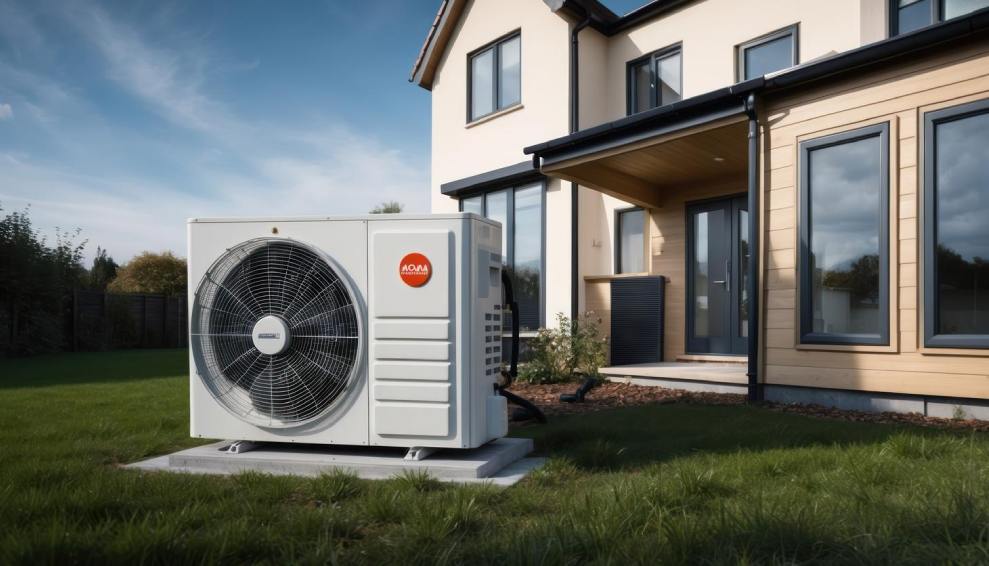
How Do Heat Pumps Work

Most heat pumps pull heat from the air and move it to the desired location. When heating the home, the unit takes the hot air from outside and brings it indoors. When cooling the house, the unit removes hot air from the home and transfers it outside. 

They use less carbon than other heating options and work best when set at a consistent temperature. To see the optimal results, homeowners must ensure their houses are properly insulated and sealed. What else should they know before requesting a heat pump installation

Heat Pump Options

Air-to-air heat pumps are the most common air-source heat pumps used in America today. They come in two forms. 

Ducted air-source heat pumps function like central AC units. Treated air is distributed throughout the home with the help of ductwork. 

Ductless or mini-split air-source heat pumps are the second option, increasing in popularity. No ductwork is needed when a homeowner selects this option. However, other options exist. 

Geothermal heat pumps pull heat from the ground to warm a home and release heat into the ground to cool the house. 

These systems are highly efficient, but they often cost more to install. Water-source heat pumps are similar to ground-source units but are installed at the bottom of a pond. Air-to-water heat pumps use a hot-water radiator system to distribute heat throughout the home. 

The Benefits of Heat Pumps
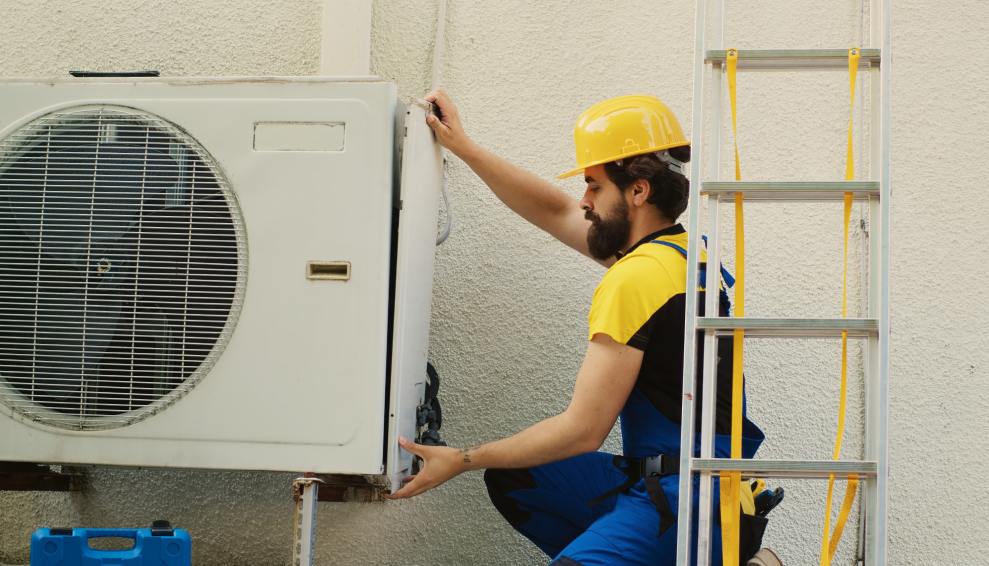
The Benefits of Heat Pumps

Heat pumps are easy to install and work in most homes. The mini-split system is ideal for those without ductwork because the house won't have to be modified during installation. 

Moving to a heat pump will significantly reduce the owner's carbon footprint, and many areas offer subsidies for those who choose to upgrade to this type of unit. 

Let’s learn about the benefits of the best heat pump: 

Energy Efficiency 

Many users have agreed that heat pumps show more efficiency than all traditional furnaces. These heat pumps help to move the heat from the outside air or ground into your home. 

As a result, you can easily save a lot of money on the overall energy bills. 

Improved Air Quality 

The heat pumps can both filter and then deodorize the air. This helps you to reduce allergies as well as asthma. 

Quiet Operation 

The heat pumps are an excellent choice for your home and businesses as they generate less noise and are typically quieter than the other systems.  

Easy Maintenance Process  

The heat pumps do not require much attention and are very simple to manage. It does not need regular servicing. 

P.S. Heat pumps can be expensive, and you may face difficulties installing the system. Otherwise, the system and its benefits make it a perfect long-term investment. 

When Not to Install Heat Pump?
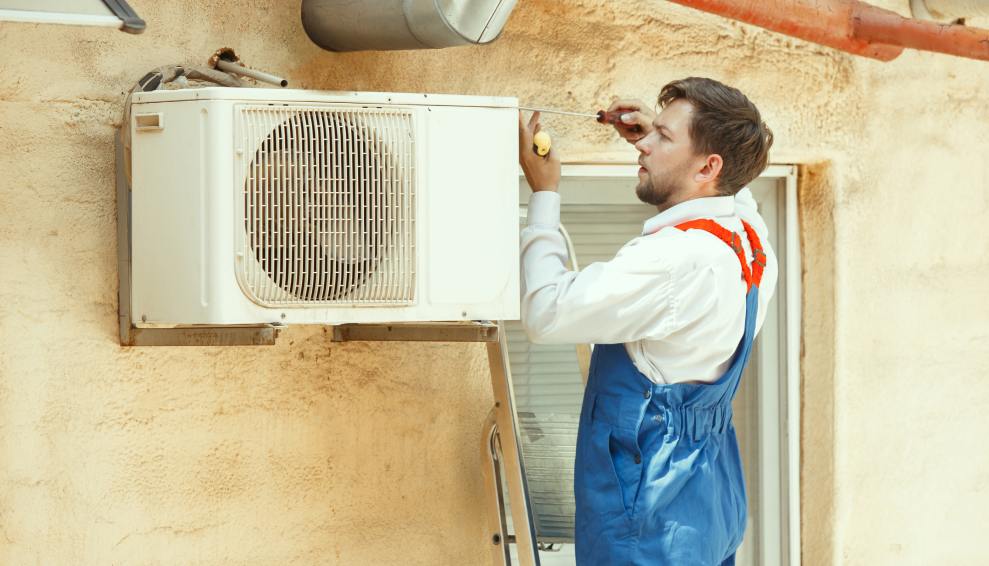
When Not to Install Heat Pump

A poorly insulated home or a leaky one will not benefit from a heat pump because drafts and cold spots are often an issue. 

Homeowners must research their electrical service to ensure it can handle the heat pump load, as upgrading the electrical system to install this unit will add to the cost. 

Finally, individuals in cold climates may find their heat pumps cannot keep up. The Department of Energy has established eight climate zones for the United States. In zones 7 and 8, homeowners need to consider other options. 

Choosing a Heat Pump

Homeowners must consider several factors when choosing a heat pump. You must consider the size and capacity of your space. If you fail to choose the best heat pump of the proper size, it will cost more to run. Moreover, it won't keep the home at the desired temperature. 

The determination of the right size heat pump involves two kinds of measurements: 

1. Manual J Load calculation 

HVAC technicians widely use this specific kind of calculation. They consider certain factors that help them to understand how much heating and cooling your home needs before choosing the best heat pump. These factors are as follows: 

  • The square footage measurement of your home
  • Ceiling height 
  • Insulation of your house 
  • The climate type and the number of days you might need the heating or cooling 
  • How often the space is being used? 
  • The number of people who use the space
  • The total number of heat-producing appliances that you have in your room 
  • Number of windows and doors. 

The technicians consider these values and further enter them into a formula to get the precise result. 

2. Square Footage Calculation

The calculator might seem a bit simpler, but it is not precise enough to calculate the required heat pump capacity. 

For instance, if your total house space is around 1500 square feet, then you would need a 3-ton unit. BTUs, or British Thermal units further measure these ton units. 

An experienced technician can help the homeowner determine the BTUs needed for the house.  

Home size (sq. ft.)Size of the heat pump (in tons)Size of the heat pump (in BTUs)
500 sq. ft.1-ton 12000 BTUs. 
1500 sq. ft.3-ton36,000 BTUs
2500 sq. ft.5-ton 60,000 BTUs

Apart from these calculations, compressor type is important when choosing the best heat pump. Most homeowners choose a variable-speed compressor, which automatically adjusts to maintain the selected temperature. 

Efficiency is also a consideration when choosing the best heat pump. Look for a high SEER rating to save on energy bills. 

Learn about each unit's climate performance and research the noise level. Finally, the reliability of each unit must be considered to ensure the heat pump will work when needed. 

Once a heat pump has been selected, choose a contractor. Ensure they are trained to handle this task and have been in business for a while. 

Doing so ensures best heat pump will be installed correctly, and help will be available if problems arise. When homeowners take these steps, they will have peace of mind knowing their unit will work when needed.

Additional Reading:

Content Rally wrapped around an online publication where you can publish your own intellectuals. It is a publishing platform designed to make great stories by content creators. This is your era, your place to be online. So come forward share your views, thoughts and ideas via Content Rally.

View all posts

Leave a Reply

Your email address will not be published. Required fields are marked *

Related

Securing A Home Renovation Loan

10 Crucial Points To Master The Art Of Securing A Home Renovation Loan

When it comes to enhancing the appeal and functionality of your property, a home renovation loan can be a valuable financial tool. Undertaking a property valuation is a crucial initial step in this journey. Whether you plan to remodel your kitchen, expand your living space, or add energy-efficient features, securing a home renovation loan can make your dreams a reality. In this article, we will delve into the process of successfully applying for a home renovation loan in the UK, exploring the steps involved and providing essential tips to help you navigate the process smoothly. What's A Home Renovation Loan?  Prudence dictates a harmony of fiscal discipline, for creditworthiness unlocks the portal to favorable terms. Whether seeking refuge in collateral's embrace or coalescing with a guarantor's benevolence, fortify your stance. Armed with a tenacious spirit, let the hammers sing the symphony of dreams materialized. Also known as the home improvement loan, the home renovation loan refers to a type of loan that lets you carry out any renovation to your house. This category of Home Loan is the one through which an individual can make both small and big changes to their house.  Here are a few important tips to keep in mind when you want to secure your home renovation loan.  1. Assess Your Home Improvement Needs: Before applying for a home renovation loan, take the time to thoroughly assess your property's renovation requirements. Identify the areas that require improvement and prioritize your projects based on urgency and feasibility. This evaluation will help you determine the estimated cost of the renovations and the loan amount you may need. 2. Research Loan Options: There are various types of home renovation loans available in the UK market. Each option caters to different financial needs and qualifications. Research other lenders and loan products to find the best fit for your renovation project. Consider factors such as interest rates, loan terms, and repayment options. 3. Gather Your Financial Documents: To increase your chances of loan approval, it's crucial to present a comprehensive financial profile to the lender. Gather essential documents, including proof of income, tax returns, bank statements, and other financial records. A strong financial background will demonstrate your ability to repay the loan. 4. Understand The Loan Terms And Conditions: Before committing to any loan, carefully read and understand all the terms and conditions associated with it. Pay close attention to the interest rates, repayment schedule, and any potential penalties for early repayment. Seek professional advice if needed to ensure you comprehend the agreement fully. 5. Enhance Your Credit Score: The benefit of having an enhanced credit score is undeniable. In order to improve your chances of securing a favorable loan, work on enhancing your credit score. Pay off outstanding debts, avoid new credit applications, and regularly monitor your credit report for inaccuracies. 6. Create A Detailed Renovation Plan: A well-structured renovation plan not only keeps you organized but also impresses lenders. Include detailed information about your renovation project, such as contractor estimates, timelines, and materials. A comprehensive plan demonstrates your commitment and preparedness to complete the renovations successfully. 7. Provide Collateral Or Guarantor: If you have a less-than-ideal credit score or face challenges in securing an unsecured loan, consider providing collateral or having a guarantor co-sign the loan. Offering an asset as collateral or having a trusted guarantor with a strong financial background can boost your loan application's credibility. 8. Apply For The Loan: Once you’ve gathered all the necessary documents and prepared a solid renovation plan, it’s time to apply for the loan. Submit your application to the chosen lender and be patient during the approval process. Keep track of any additional information the lender may request so that you get immediate assistance on the loans. 9. Execute Your Renovation Plans: After your loan is approved and the funds are disbursed, it's time to set your renovation plans in motion. Work closely with contractors, stay within budget, and ensure that the project progresses smoothly. Effective communication and careful planning will help you achieve the desired results. 10. Monitor Your Finances: During the loan repayment period, it's essential to manage your finances responsibly. Stick to your budget, make timely loan payments, and avoid unnecessary expenses. Maintaining a healthy financial routine will build your creditworthiness and open up opportunities for future financial endeavors. Eligibility For Availing A Home Renovation Loan To secure almost any loan, you must have a certain eligibility. Here are a few criteria that must be fulfilled in order to avail a loan for your home improvement: Age If you are a fresh loan applicant or a contemporary borrower, you are most likely to receive home improvement loans from lenders. All in all, people above 18 years can easily apply for this loan until the age of 70 years.  Credit Score As mentioned already, credit score plays an integral role in home renovation loans. If you are a loan applicant with 750 credit scores or more, congratulations. You can easily get approved for a home improvement loan.  Co-Borrowers As a borrower, you can easily improve your home loan eligibility by combining co-borrowers. All you have to do is select a longer tenure for a loan or offer an additional income source.  Don’t forget to consider all three of them when it comes to applying for home renovation loans. The Bottom Line Keeping these invaluable considerations close to heart, homeowners can unfurl the wings of their aspirations, soaring towards an enchanting metamorphosis of their abode. With an astute grasp of your property valuation, embarking on this transformative odyssey becomes a rhapsody of possibilities. Ponder the nuances of loan options, allying with the most suitable financial conduit. Embrace the ardor of meticulous planning, for a well-wrought blueprint lays the cornerstone of triumph. Thus, as the phoenix rises from the embers, dare to envision the phoenix of your dwelling's metamorphosis. Embrace this moment, breathe life into your aspirations, and witness your homestead bloom under the enchantment of a successful home renovation loan. Additional Resource: Buying or Selling a Home in Seattle? Best Home Buying Tips for First-Time Buyers Things to Know Before Applying for a Vermont Mortgage Loan

READ MOREDetails
flat roof

Does Your Flat Roof Need To Be Replaced? Spot The Warning Signs

Most homeowners with flat roofs know that summer is the perfect time to inspect flat roof membranes to ensure there are no tears, rips, or punctures. But if you don’t have a lot of experience with membranes, it isn’t always easy to know what damage looks like.  Understanding the warning signs that your roof may need to be replaced is essential for all homeowners, but especially for those whose houses include areas of flat roof: while flat roofs have many distinct advantages, they do wear out more quickly, so being able to monitor the state they are in is important.  4 Warning Signs Of The Problematic Repair Need Roof  Needless to say, if you are experiencing ceiling leaks, the spread of mold, or other internal issues related to the roof, you should call an expert in flat roof repairs to address the problem immediately. But if you want to be proactive about your roof, here are some things you can look for: Check out the four signs, which are quite serious clear signs for repairing your flat roof. You should not neglect the repair work if you are finding any of these signs. 1. Ponding Water The first warning sign that repairs will soon be needed is drainage issues. If water stays on your roof for days after it rains, then your roof is probably in trouble. Flat roofs are designed to channel water through internal and external drains quickly, and if you have noticed little ponds forming on the roof deck, you'll want to get the problem looked at. The main reason for the ponding water is the uneven surface of the roof and mismanagement of the drainage system. So to prevent it, always pay attention to smooth out the surface of the roof. And if your roof is showing these types of ponding problems. Start the repairing process as soon as possible. One of the most common types of roofing membrane is EPDM rubber. These membranes are meant to adhere tightly to the roof deck, but over time they can grow loose in certain areas, leading to wrinkles or bubbles. While these problems do not pose an immediate threat, they do indicate that your membrane will soon need to be replaced. These types of cracks are very hard to find, especially with your naked eyes. For finding the cracks and the damaged parts, water is the best medium. If you find small bubbles in certain areas of the flat roof in the rainwater. Pay immediate attention to solve the issues. Because from here the problems are going to start. Small issues often lead to bigger problems for homeowners as well as business owners. When water gets under the membrane, it rots the decking and ruins insulation. A professional crew has the tools for immediate leak mitigation to stop moisture from spreading. This is a way to save money before a full replacement is needed. It keeps the property dry while you plan for a permanent fix. You may also like: Top Roofing Tips 2. Wrinkles In The Membrane One of the most common types of roofing membrane is EPDM rubber. These membranes are meant to adhere tightly to the roof deck, but over time they can grow loose in certain areas, leading to wrinkles or bubbles.  While these problems do not pose an immediate threat, they do indicate that your membrane will soon need to be replaced. These types of cracks are very hard to find, especially with your naked eyes. For finding the cracks and the damaged parts, water is the best medium. If you find small bubbles in certain areas of the flat roof in the rainwater. Pay immediate attention to solve the issues. Because from here the problems are going to start. 3. Flashing Separating From Roof In places where your roof abuts a wall or parapet, it is common to reinforce the seam using metal flashing. While this flashing is designed to last for decades before it needs to be replaced, it can start to separate from the roof over time, opening a gap that can lead to leaks.  If you have noticed problems with your flashing, you should call a flat roof repair company for a professional inspection.  You may also like: Roof Repair: Should You Hire Roofers or DIY? 4. Open Seams Most roofing membranes are applied in strips with overlapping seams that are closed using a sealant. But in cities like Toronto that see major seasonal shifts in temperature, these seams can open over time.  Even a small open or torn seam poses an immediate risk, so if you’ve noticed this problem on your roof, call flat roof repair Toronto experts who can help you reseal the hole or replace the damaged section. Flat roofs have many advantages over pitched roofs — they’re cheaper, more efficient, and easier to replace. But they also require more regular maintenance, especially in spring and fall.  Conclusion: You should inspect your flat roof regularly, and if you notice any of the problems above, get in touch with a professional roofing company for a professional consultation to see whether or not the time has come for it to be replaced. Once you start repairing in time, your entire house repairing cost is going to reduce in seconds. Small cracks are repairable. But the big gaps are challenging. So it is better to start repairs in time. Read Also: Roofing Painting Contractor Leads: Ask Before Hiring One 5 Myths about Roofing Services to Avoid Foundation Moisture Maintenance: 6 Tips for Home Repair

READ MOREDetails
Toilet Flush Button

Toilet Flush Button: Understanding The Nuts And Bolts

Though our bathrooms play a critical role in daily life, they're often forgotten until a problem arises. Of all its components, one that stands out is the toilet flush button's use - and understanding. This article looks closely at its workings, maintenance needs and replacement considerations. The Fundamentals Of The Toilet Flush Button What Exactly Is A Toilet Flush Button? A toilet flush button is the mechanism responsible for initiating the flushing process in your toilet system. Situated on the tank's exterior, we press or push this component when using our toilet to flush out its contents into the sewage system. By activating this flush button, we begin an action chain within our bathroom that sends water from its tank into our bowl to flush away its contents into sewer lines. How Does The Flush Button Work? The magic of the toilet flush button lies in its ability to control a more complicated mechanism. Pressing it lifts a lever connected to a chain inside the tank; that chain connects to a flapper (or flush valve seal), covering up drain holes at the bottom. When the flapper is raised, water stored in the tank begins rushing from its source into the bowl through its drain hole and siphon tube into the sewage system. As soon as this process completes, however, the flapper falls back down, sealing off its drain hole once more - and replenishing its supply in readiness for another flush cycle. Maintenance Of The Toilet Flush Button Regular Cleaning Regular cleaning of your toilet flush button is vital to its optimal operation, as dirt can clog the switch and make it less responsive, leading to inconvenient situations for users. A non-abrasive cleaner and soft cloth should be used for exterior cleaning; internal components should be checked regularly to avoid build-up and potential mechanical problems. Checking For Wear And Tear Given how often flush buttons are used, wear and tear are inevitable. Look for signs of damage, such as cracks or looseness. If the control becomes less responsive when pressed or sticks down without returning up when released, this may indicate internal components need to be reviewed for potential problems. Troubleshooting Common Problems Is The Button Hard To Press, Or Is It Sticking A toilet flush button that is difficult to press or sticks down often points to a problem with the connected lever or chain inside the tank. It could be that the chain is too tight or too slack, or the lever needs to be aligned or fixed. A careful inspection and adjustment of these components usually solve the issue. The Button Doesn't Activate The Flush If the button doesn't activate the flush, the issue could be that the switch is no longer effectively connected to the lever, or the flapper isn't lifting. A look inside the tank should reveal the issue. The button, lever, or flapper may need to be replaced. Replacing The Toilet Flush Button When Should You Replace The Button? As with any mechanical component, toilet flush buttons have a finite lifespan. Over time and through regular use, their controller may wear out or become damaged, requiring replacement. Signs to replace it include physical damage to its housing and sticky buttons or ones that no longer activate flushing actions. Looking for a portable toilet rental might also be necessary if you need to fix your toilet for a couple of days. Toilet Flush Buttons: More Than Meets The Eye Though seemingly simple, toilet flush buttons are critical in maintaining sanitation in homes and public spaces. Understanding their inner workings helps us better appreciate their importance, maintain them properly, and effectively troubleshoot any potential issues with them. So next time you press one, remember its critical function while giving it some love and consideration. Conclusion: Understanding how a toilet flush button works may initially seem complicated, but understanding its mechanics is crucial to efficient bathroom operations and sanitation practices. Knowing their inner workings could save us from future inconvenience or repair costs. Maintaining the toilet flush button regularly is vital to prolonging its lifespan and guaranteeing reliable performance within a plumbing system, thus streamlining home maintenance. By periodically inspecting it for signs of wear and tear, individuals can identify and address potential issues early on and prevent more significant ones from developing into larger problems later. By taking proactive measures like this one, individuals save both time and money on costly repairs and ensure an effortless toilet operation experience. Maintaining a flush button is an accessible DIY project for anyone, provided they possess basic knowledge and the appropriate tools. Even if it eventually succumbs to wear or damage despite regular maintenance efforts, replacing the button remains straightforward, making this an achievable DIY project for homeowners. Read Also : Mirror Decorating Ideas To Style Your Bathroom Using Feng Shui In Your Bathroom Design The Different Kinds Of Toilets

READ MOREDetails