If you need to move from one place to another from work or for any other relatively urgent reason, chances are you don’t really have much say in what season you will be moving. However, if you can choose, you should think carefully about which is the Best Season to Move.
In order to get some inside info, we asked Miracle Movers to share their insight from their years of experience in moving in all seasons, even notorious Canadian winters.
The Best Season to move:
Spring
Early in spring, the price quotes you can expect from moving companies will be somewhat cheaper, since the peak season starts somewhere in mid-May. That means that if you can nab an April date with fair weather, you basically get the best of both worlds – your move will be relatively cheap, and you won’t have to contend with extreme weather (be it hot or cold).
On the other hand, you will have to schedule your move in advance, and knowing the weather that far in the future might be impossible. Additionally, if you have children, spring is peak exam season. Putting your children through the stress of moving in this period is something you should think twice about.
Summer
The proverbial best season to do pretty much everything is the summer. Some research has found that homes sold in the summer fetch higher prices, so that might be an incentive to consider a summer move. Furthermore, the weather in most places promises to be fair most days, so picking any date will likely result in a nice day. With the summer break, your children will not only not have to worry about school, they will also be available to help you – get them to pack their own things.
When it comes to the downsides of a summer move, one of the most obvious ones is that everyone will pick summer, making your favorite moving companies pretty tightly scheduled – meaning the prices will be higher and their availability will be limited. Finally, extreme weather such as heatwaves and hurricanes in certain regions may also give you pause.
Fall/Autumn
Despite the stereotypical idea of a foggy and rainy season, the fall is actually generally a nice season with plenty of nice days that are ideal for outdoor activities, moving among them. Depending on your region, you may find that the fall is the most suitable season for a strenuous activity outdoors. Additionally, lower prices of homes in the fall may be better for you if you’re buying a home.
Finally, if you move in the early fall, you will be all set in your home by the holiday season with Thanksgiving and Christmas in your new home.
A major drawback of a fall move is that the school starts then, so moving just as your children start the school year may be less than ideal. With changing schools, leaving friends behind, it’s a lot of stress.
Winter
Finally, winter is the season when the least moves occur, especially in the regions where heavy snow is common. That, however, means that your move is likely to be much cheaper compared to other seasons. Additionally, with less work, moving companies will probably have more time to adapt to your schedule.
On the other hand, the biggest problem with moving in the winter is certainly cold. Furthermore, you may also need to insulate your boxes and protect them from the cold and water to prevent any kind of damage to your things while moving.
Ultimately, whichever season you pick, there are clear advantages you will get, and some disadvantages that you will have to contend with. Make sure to pick the season which suits your needs.
Read Also:
Content Rally wrapped around an online publication where you can publish your own intellectuals. It is a publishing platform designed to make great stories by content creators. This is your era, your place to be online. So come forward share your views, thoughts and ideas via Content Rally.
Gift giving can be a tricky business, especially if it's your best friend. They’re someone that holds a special place in our lives. We want to give them the best, but sometimes we get too far in our own heads and overcomplicate the process. Of course, this is normal. It’s our brain’s way of making sure that we don’t let down our friends.
Buying a gift for a friend doesn’t have to be a major financial investment. Some of the best gifts are the ones that come from the heart, among other places. This is the best motivation to keep in mind when searching for a gift. It’s easy to figure out if a good amount of thought and planning went into the gift. A good combination of aesthetic appeal, personal connection to the friend, and the sentimental value will deliver the best results.
The most convenient way to go about buying a gift for your friend is by doing it online. This will save time and there will be a larger selection available. A site that specializes in gift giving like weloveshag.com will offer very interesting gifts for special occasions.
7 Interesting Gifts for Your Best Friends:
Jewelry:
We’re not talking about getting engaged, but something as simple as a necklace can mean a lot. People are been fascinated with jewelry since our encounters with shining rocks. Accessories like watches, rings, or other trinket serve as great memorabilia. Jewelry is one of the most versatile gifts. Some may use it as a fashion statement. Others use it for many gestures. Check out the glamorous jewelry collection at www.adinaeden.com. One thing to keep in mind is the size of the jewelry. Ring sizes tend to be a bit harder to estimate. Anything that goes around the neck is usually easier to pick.
High Heels:
For girls or guys, high heels can be a boast of self-confidence. They add an air of grace and elegance. If you know someone who always likes to always look their best, then consider buying stunning heels. If paired with the right style, they may just be looking at a new opportunity to be hired as a model.
Coffee Mugs:
There are so many ideas that can be put on a coffee mug. It’s like a blank canvas for ideas to be written on. Many people use coffee mugs to celebrate events, loved ones, and personal memories. Coffee mugs can be bought in a variety of designs, or they can be decorated. They also don’t just have to be for drinking just coffee. There are no rules for pouring other beverages in a coffee mug to have a good time.
Art:
This is open to interpretation. Art is completely subjective and can offer perspectives that may be hard to come across elsewhere. For this reason, gifts in art and culture are excellent choices for a friend who is very open-minded. For some people, the art may transcend its physical appeal. Many people find representation and empowerment in art. It can be central to their lifestyles or core beliefs. Buying something based on your friend's belief sends a strong message that you support them and value their beliefs.
Caution should be exercised for art. They say a picture is worth a thousand words, and not all the words may agree. In some cases, you can buy something obscure to confuse your friend, which will also make a great gift.
Gift Cards:
Gift cards are always a good fail-safe. It allows the friend to make their own decisions and it saves you time on figuring out what to buy. While your best friend may not tell, sometimes they may prefer a gift card. You may want to take the cost into account. Like any gift, buying something that is too expensive might make the friend feel guilty. Of course, you know your friend better than most people so buy whatever suits them best.
Party:
If you really want to go all out, consider getting a party together for your friend. There are services that specialize in different events, including private parties. This is more for the outgoing type of friend but is open to everyone. It may also be a good way to get your friends out of their comfort zone. Another appeal to this gift is that other friends can join in. This takes pressure away from you because other people can help you out. Then everyone can enjoy the festivities by the end. This is a great gift for celebrating big events or to have an excuse to throw a party.
Gifts for Sexual Wellness:
Life can be mundane. That’s why it’s important to take care of ourselves, including sexually. A decrease in sexual libido is also linked to decreased enthusiasm, which is not good for work productivity. It’s easy to get caught up in the fast-paced work lifestyle, but at a certain point, our drive for work begins to diminish.
Depending on your relationship with your best friend, buying them a gift that speaks to their primal side with elevating the relationship to another level. The best part is that there are no limits on these types of gifts. The only limits are the ones that exist between you and your friend. This is a great way to feel rejuvenated. The mind and body are one entity. Therefore it is important to take care of intimate desires that are fun and enjoyable.
What Your Gift Means to Your Friend:
Regardless of how bizarre the gift, if it's your best friend, they’ll appreciate it because it came from you, At the very least, they’ll be amused. Who knows, you may discover something between you and your best friend that you never knew existed. Life is too short to buy mundane gifts, so feel free to let your imagination run wild. There is no secret when it comes to gift giving. The only thing that matters is how far you are willing to push the boundaries of your friendship.
Read Also:
7 Of The Most Funny, Geeky & Cool Star Wars Gifts For Him
Unique Christmas Gifting Ideas- Gifts For Everyone
The Best Star Wars Gifts This Christmas
5 Exciting Father’s Day Gifts For The Tech-Obsessed Dad
Creating a home gym can be a convenient and effective way to stay fit and pursue your fitness goals on your own terms. However, there are more considerations in doing this than you may think. This is because there are several options available in the market for home gym equipment.
First of all, you will have to assess things like your fitness goals and available space to help you make informed decisions that suit your needs and budget. So, let’s dive in and explore the tips for choosing the right gym equipment for both beginners and fitness enthusiasts.
1. Find Space for Your Equipment
Before you even begin considering the specific types of gym equipment you want, it's essential to identify the appropriate area within your home to accommodate your fitness equipment. By designating a specific area for your gym equipment, you ensure optimal utilization of the space.
It allows you to organize and arrange the equipment in a way that maximizes functionality and efficiency. Additionally, having the equipment readily available in a designated space saves you time and effort in setting up and dismantling the equipment for each workout session.
Moreover, consider a space where there is proper noise cancellation, so you are not disturbed by the outside noise, nor are others disturbed by the sound of music you may be playing in that area.
2. Choose the Equipment Based on Your Needs
Choosing the right gym equipment is crucial to ensure effective workouts and maximize your results. By understanding your needs and goals, you can select equipment that specifically caters to your desired workouts.
Ask yourself questions like are you looking to build strength, improve cardiovascular fitness, enhance flexibility, or a combination of these? Knowing your focus areas allows you to choose equipment that targets those specific aspects of fitness.
However, during this consideration, make sure to choose the equipment that can be used for multiple workouts. For example, functional trainers can be used for multiple workouts by adjusting the cable angles and weights. That’s why we recommend you find functional trainers online based on your needs and goals.
3. Look for High Quality and Versatile Equipment
When considering your needs, look for equipment that offers versatility. Opt for pieces that allow you to perform multiple exercises and target different muscle groups, as mentioned above. Plus, make sure to look for equipment that is built to last and is contracted with robust materials, and ensures durability.
Choosing high-quality equipment also prioritizes safety during your workouts. Sturdy construction and reliable mechanisms reduce the risk of accidents or equipment failures. So, make sure to look for equipment with appropriate weight capacities and safety features, such as secure locking mechanisms and non-slip surfaces.
4. Seek Professional Advice
If you're unsure about which home gym systems are best for your fitness goals or how to use specific machines properly, seek advice from fitness professionals or personal trainers. They can offer guidance based on how fit you are, your goals, and any exact needs or limitations you may have.
Read Also :
What Are Popular Mind And Body Exercises Available At A Gym?
Top 10 Muscle And Strength Building Exercise At Home
You Can’t Out-Diet Your Training
In the ever-evolving world of vaping, the popularity of dry herb vaporisers has been on the rise. As enthusiasts seek healthier alternatives to traditional smoking, these devices have emerged as a natural and efficient way to enjoy herbs. Dry herb or weed vaporisers provide a unique experience that combines convenience, flavour, and the potential for reduced harm. So in this article, you can learn about dry herb vaporisers, uncovering the benefits that make them a preferred choice among those who appreciate a more natural vaping experience.
What Are The Benefits Of Dry Herb Vaporization?
There is nothing better than natural products as they come directly from the womb of mother nature.
Realising the benefits of these natural vapes, people are looking to take the benefit of these natural products. Their popularity is increasing with time. Here we discuss some of the core benefits of these natural products. So, let's get started with the discussion.
Convenience
Extracting the benefits of natural products has its own satisfaction. People often question the different approaches to enjoying the benefits of marijuana and other natural vaping agents.
You can consider some of the traditional approaches to taking them. They include bongs. They are an age old technique for taking vapes. You can fill these bongs with water. What you need to consider is feeling the chamber of these bongs before you leave your home.
A Gentle Approach To Vaporisation
Unlike traditional smoking methods that involve combustion, dry herb vaporisers use convection or conduction heating to release the active compounds present in herbs gently. This results in vapour production without the harmful byproducts associated with burning. The absence of smoke means that users inhale fewer toxins, making dry herb vaporisers a potentially less harmful option for those concerned about their respiratory health. By avoiding the combustion process, users can enjoy the benefits of their herbs without exposing themselves to the harmful substances that arise from burning.
You Can Use Different Devices To Take These Vapes
Another core benefit that you can seek using herb vaporisers is that you can use different devices. If you enjoy consuming cannabis in a larger quantity, in that case, you can make use of desktop vaporisers. They are indeed effective. You can consume them using the bongs.
Hence, you have different options when it comes to consuming the benefits.
Saving Money
Smoking dry herbs has its own benefits, but among the range of benefits, money saving is one of them. The dry vaporisers activate more cannabinoids. When you smoke cannabis, many cannabies are destroyed. You can not reap the full effect of them. It denotes you do not need more amounts of cannabis to keep you calm.
Moreover, with lesser spending, you have a far better advantage as you can save on the cost. Therefore, you can say that you are saving on the cannabis.
Preserving The Flavour Profile
One of the standout benefits of dry herb vaporisers is their ability to preserve the herbs' natural flavours. The controlled heating process ensures that the terpenes—the aromatic compounds responsible for herbs' distinct flavours and aromas—are released without being destroyed by high temperatures. This allows users to fully appreciate the intricate and authentic taste of their chosen herbs, enhancing the overall sensory experience of vaping. As such, with each inhale, you can savour the true essence of the herbs without the interference of harsh burnt flavours.
Efficient And Economical
Dry herb vaporisers are known for their efficiency in herb consumption. The vaporisation process extracts the active compounds from herbs without wasting them through combustion. As a result, you can achieve the desired effects with fewer herbs than with traditional smoking methods. This efficiency translates into cost savings over time, making dry herb vaporisers an economical choice for herb enthusiasts who value both quality and frugality. Your herbs are used more effectively, ensuring you get the most out of each session.
Customisable Experience
Modern dry herb vaporisers offer a range of temperature settings, allowing users to customise their vaping experience. Different compounds in herbs vaporise at different temperatures, and by adjusting the heat, users can tailor the effects and flavours they experience. This level of control adds a personalised touch to each session, enhancing the overall enjoyment and satisfaction of using a dry herb vaporiser. So whether you prefer a mild and flavorful experience or a more potent vapour, customising the temperature empowers you to create the perfect vaping session to suit your preferences.
Less Odour And Discreet Vaping
The vapour produced by dry herb vaporisers tends to be less pungent than smoke, resulting in reduced odour. This makes vaping with a dry herb vaporiser a more discreet option, especially in environments where strong odours are a concern. Whether you're at home, in public, or socialising with friends, you can enjoy your favourite herbs without drawing unwanted attention or causing discomfort to others. The minimal odour produced by dry herb vaporisers allows for a more subtle and enjoyable vaping experience that respects the space and comfort of those around you.
Conclusion
As the vaping landscape continues to evolve, dry herb vaporisers have solidified their place as a natural and beneficial option for herb enthusiasts. With their gentle vaporisation process, preservation of flavours, efficiency, customisation, and discreet nature, these devices offer a unique and fulfilling vaping experience. For those seeking a healthier alternative to traditional smoking, these weed vaporisers provide a pathway to enjoy herbs without the harmful effects of combustion. So, embrace the natural choice and explore the world of dry herb vaporisers—a realm where convenience meets authenticity, and vaping becomes a natural delight for your senses while keeping your respiratory health in mind.
Read Also:
Vaping: More Than Just a Fad
Vaping in the Workplace: Legal Considerations
Vaping is Fighting the Deadly Consumption of Nicotine














 Early in spring, the price quotes you can expect from moving companies will be somewhat cheaper, since the peak season starts somewhere in mid-May. That means that if you can nab an April date with fair weather, you basically get the best of both worlds – your move will be relatively cheap, and you won’t have to contend with extreme weather (be it hot or cold).
On the other hand, you will have to schedule your move in advance, and knowing the weather that far in the future might be impossible. Additionally, if you have children, spring is peak exam season. Putting your children through the stress of moving in this period is something you should think twice about.
Early in spring, the price quotes you can expect from moving companies will be somewhat cheaper, since the peak season starts somewhere in mid-May. That means that if you can nab an April date with fair weather, you basically get the best of both worlds – your move will be relatively cheap, and you won’t have to contend with extreme weather (be it hot or cold).
On the other hand, you will have to schedule your move in advance, and knowing the weather that far in the future might be impossible. Additionally, if you have children, spring is peak exam season. Putting your children through the stress of moving in this period is something you should think twice about.
 The proverbial best season to do pretty much everything is the summer. Some research has found that homes sold in the summer fetch higher prices, so that might be an incentive to consider a summer move. Furthermore, the weather in most places promises to be fair most days, so picking any date will likely result in a nice day. With the summer break, your children will not only not have to worry about school, they will also be available to help you – get them to pack their own things.
When it comes to the downsides of a summer move, one of the most obvious ones is that everyone will pick summer, making your favorite moving companies pretty tightly scheduled – meaning the prices will be higher and their availability will be limited. Finally, extreme weather such as heatwaves and hurricanes in certain regions may also give you pause.
The proverbial best season to do pretty much everything is the summer. Some research has found that homes sold in the summer fetch higher prices, so that might be an incentive to consider a summer move. Furthermore, the weather in most places promises to be fair most days, so picking any date will likely result in a nice day. With the summer break, your children will not only not have to worry about school, they will also be available to help you – get them to pack their own things.
When it comes to the downsides of a summer move, one of the most obvious ones is that everyone will pick summer, making your favorite moving companies pretty tightly scheduled – meaning the prices will be higher and their availability will be limited. Finally, extreme weather such as heatwaves and hurricanes in certain regions may also give you pause.
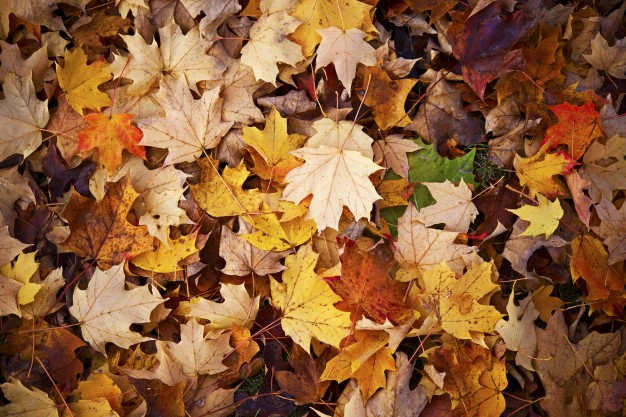 Despite the stereotypical idea of a foggy and rainy season, the fall is actually generally a nice season with plenty of nice days that are ideal for outdoor activities, moving among them. Depending on your region, you may find that the fall is the most suitable season for a strenuous activity outdoors. Additionally, lower prices of homes in the fall may be better for you if you’re buying a home.
Finally, if you move in the early fall, you will be all set in your home by the holiday season with Thanksgiving and Christmas in your new home.
A major drawback of a fall move is that the school starts then, so moving just as your children start the school year may be less than ideal. With changing schools, leaving friends behind, it’s a lot of stress.
Despite the stereotypical idea of a foggy and rainy season, the fall is actually generally a nice season with plenty of nice days that are ideal for outdoor activities, moving among them. Depending on your region, you may find that the fall is the most suitable season for a strenuous activity outdoors. Additionally, lower prices of homes in the fall may be better for you if you’re buying a home.
Finally, if you move in the early fall, you will be all set in your home by the holiday season with Thanksgiving and Christmas in your new home.
A major drawback of a fall move is that the school starts then, so moving just as your children start the school year may be less than ideal. With changing schools, leaving friends behind, it’s a lot of stress.
 Finally, winter is the season when the least moves occur, especially in the regions where heavy snow is common. That, however, means that your move is likely to be much cheaper compared to other seasons. Additionally, with less work, moving companies will probably have more time to adapt to your schedule.
On the other hand, the biggest problem with moving in the winter is certainly cold. Furthermore, you may also need to insulate your boxes and protect them from the cold and water to prevent any kind of damage to your things while moving.
Ultimately, whichever season you pick, there are clear advantages you will get, and some disadvantages that you will have to contend with. Make sure to pick the season which suits your needs.
Read Also:
Finally, winter is the season when the least moves occur, especially in the regions where heavy snow is common. That, however, means that your move is likely to be much cheaper compared to other seasons. Additionally, with less work, moving companies will probably have more time to adapt to your schedule.
On the other hand, the biggest problem with moving in the winter is certainly cold. Furthermore, you may also need to insulate your boxes and protect them from the cold and water to prevent any kind of damage to your things while moving.
Ultimately, whichever season you pick, there are clear advantages you will get, and some disadvantages that you will have to contend with. Make sure to pick the season which suits your needs.
Read Also: