Best Small Business Loans To Look Into In 2024– Are You Eligible For The Loan?

by

12 September 2024

Finance

Small Business Loans

Planning to investigate some small business loans? What are the best options out there?

Most importantly, how can these loan options help you?

Contrary to popular belief, it is more complex than filling out a form and getting your loan approved. That too from the very first source!

There is eligibility, which you must fulfill from your end, and criteria that the small business loan providers must ensure.

These are subjective to individuals and the business they are trying to build.

For example, which provider should you go for when you need a quick loan of a larger or smaller amount?

So, without any further ado, let’s get into the blog post

What Are Small Business Loans?
What Are Small Business Loans

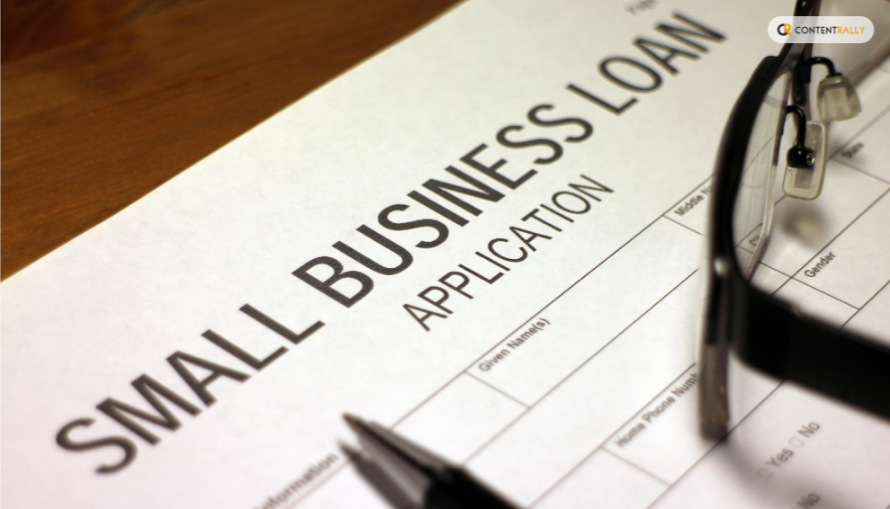
What are exactly small business loans? The criteria? Is it different than other forms of business loans?

Small business loans are classified under money lending for commercial purposes Like any other business loan.

There are several reasons why you would consider lending. Do not worry if it is for operational expenses and you fall short!

Not everyone accesses such loans just for their initial business investment or to extend their business to new grounds. In fact, it is common for people to underestimate their expenditure margin when they are starting their business.

In fact, in 2020, 56% of all small business loans were to manage operational costs. While only 31% of loans were for expansion opportunities.1 

The Best Small Business Loans

Here are the best small business loans to investigate:

1. SBA 7(a) Loan
SBA 7(a) Loan
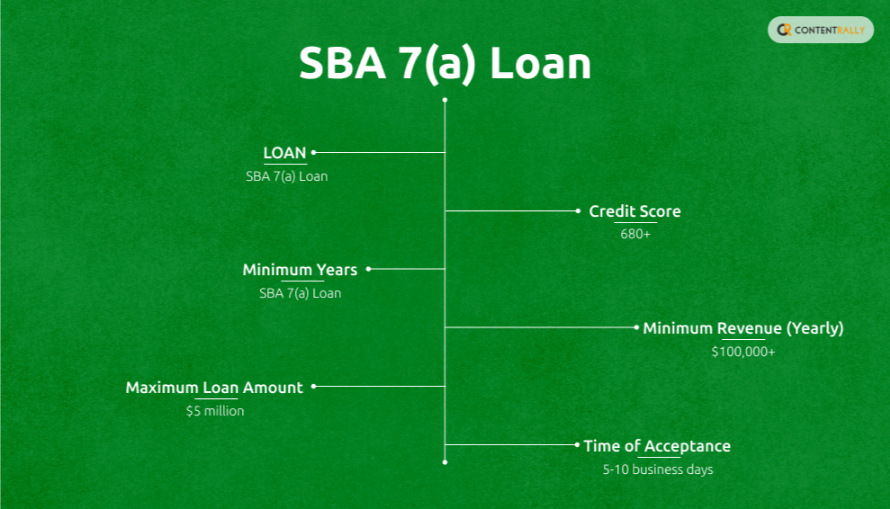
LoanCredit ScoreMinimum YearsMinimum Revenue (Yearly)Maximum Loan AmountTime of Acceptance 
SBA 7(a) Loan680+Two years$100,000+$5 million5-10 business days 

This government-backed loan program offers competitive rates and long terms for various needs.

Pros:

  • Low interest rates
  • Long repayment terms

Cons:

  • Lengthy application process
  • Strict qualification criteria

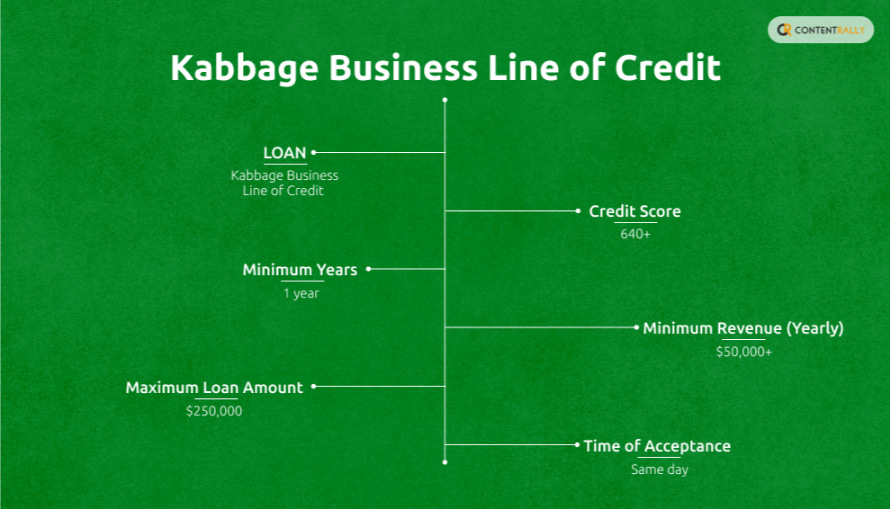
2. Kabbage Business Line Of Credit
Kabbage Business Line of Credit
LoanCredit ScoreMinimum YearsMinimum Revenue (Yearly)Maximum Loan AmountTime of Acceptance
Kabbage Business Line of Credit640+1 year$50,000+$250,000 Same day 

This is a revolving line of credit with a quick application process for managing cash flow.

Pros:

  • Fast funding
  • Flexible access to funds

Cons:

  • High APR     
  • Limited revolving credit line (although that is how they advertise).

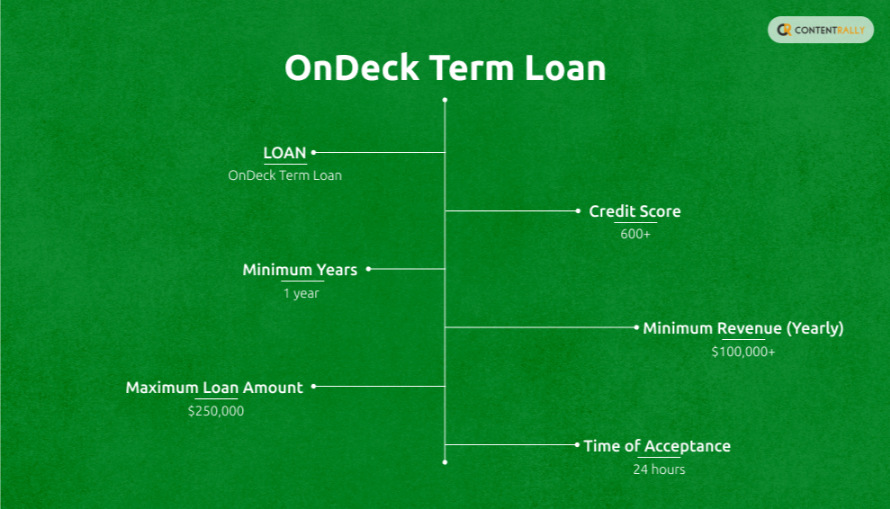
3. OnDeck Term Loan
OnDeck Term Loan
LoanCredit ScoreMinimum YearsMinimum Revenue (Yearly)Maximum Loan AmountTime of Acceptance
OnDeck Term Loan600+1 year$100,000+$250,000 24 hours 

This loan offers short-term loans with quick approval, which is ideal for fast access to capital.

Pros

  • Fast Funding
  • Discounts for repeat customers

Cons

  • High interest rates
  • Frequent repayments

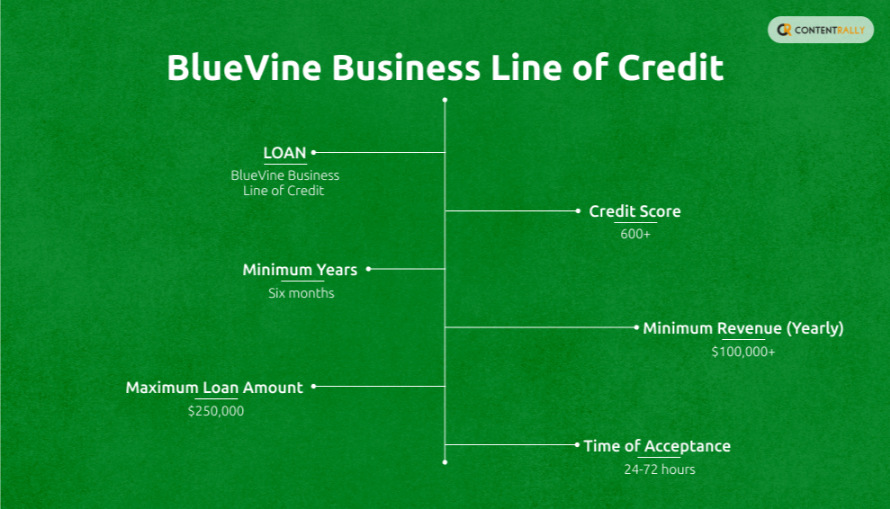
4. BlueVine Business Line Of Credit
BlueVine Business Line of Credit
LoanCredit ScoreMinimum YearsMinimum Revenue (Yearly)Maximum Loan AmountTime of Acceptance
BlueVine Business Line of Credit600+Six months$100,000+$250,000 24-72 hours 

Flexible line of credit with fast approval, useful for managing cash flow.

Pros

  • Quick funding
  • No early repayment fees.

Cons

  • Higher rates for lower credit scores.
  • Limited to revolving credit.

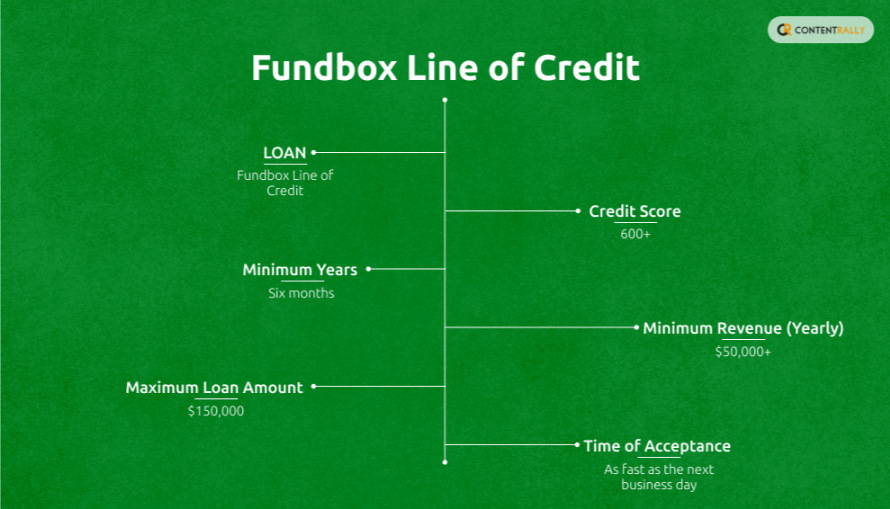
5. Fundbox Line Of Credit
Fundbox Line of Credit
LoanCredit ScoreMinimum YearsMinimum Revenue (Yearly)Maximum Loan AmountTime of Acceptance
Fundbox Line of Credit600+Six months$50,000+$150,000 As fast as the next business day

It provides a simple, quick line of credit ideal for immediate cash flow needs.

Pros

  • Easy qualification
  • Quick access to funds

Cons

  • Lower Loan Amounts
  • Shorter Repayment terms

6. Lendio Loan Marketplace
Lendio Loan Marketplace
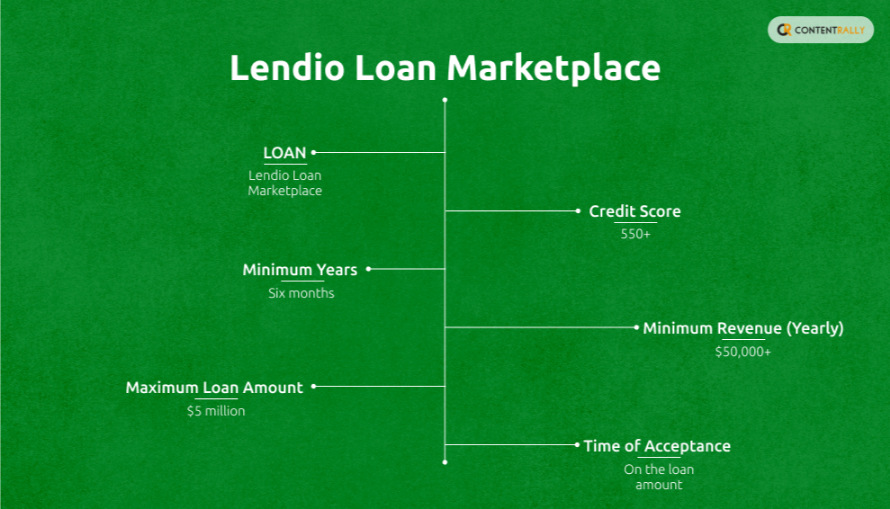
LoanCredit ScoreMinimum YearsMinimum Revenue (Yearly)Maximum Loan AmountTime of Acceptance
Lendio Loan Marketplace550+Six months$50,000+$5 million On the loan amount 

This type of loan is a great help to small business owners. Rather than just one loan, this is a marketplace that connects businesses with multiple lenders for various loan types.

Pros

  • Wide range of loan options.
  • Easy comparison of the offer.

Cons

  • Can receive multiple calls from lenders, which can be irritating.
  • Not all lenders have favorable terms.

7. American Express Business Loan
American Express Business Loan
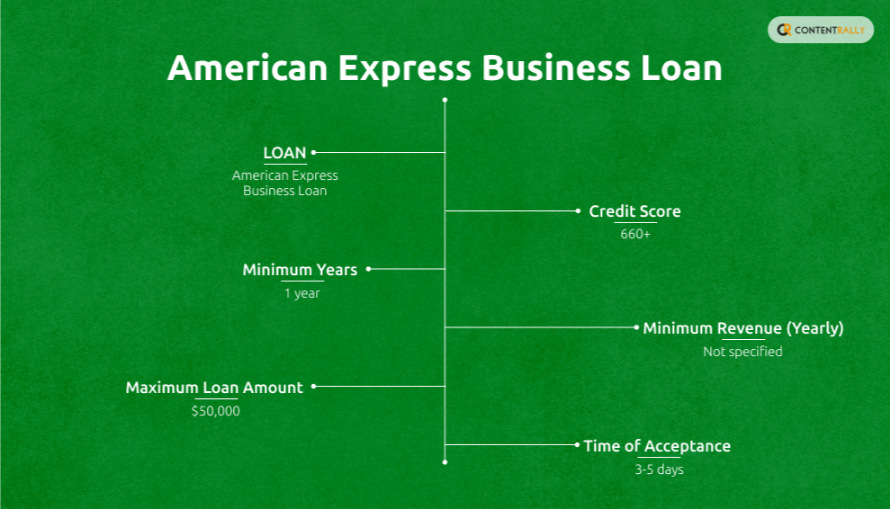
LoanCredit ScoreMinimum YearsMinimum Revenue (Yearly)Maximum Loan AmountTime of Acceptance
American Express Business Loan660+1 yearNot specified$50,000 3-5 days 

This fixed-rate loan is available only to pre-approved American Express Business Card members.

Pros

Cons

  • Only available to pre-approved members.
  • Relatively small maximum loan amount.

Therefore, if you plan to get a small business loan in the foreseeable future, getting an American Express Business Card is better.

8. Accion Opportunity Fund
Accion Opportunity Fund
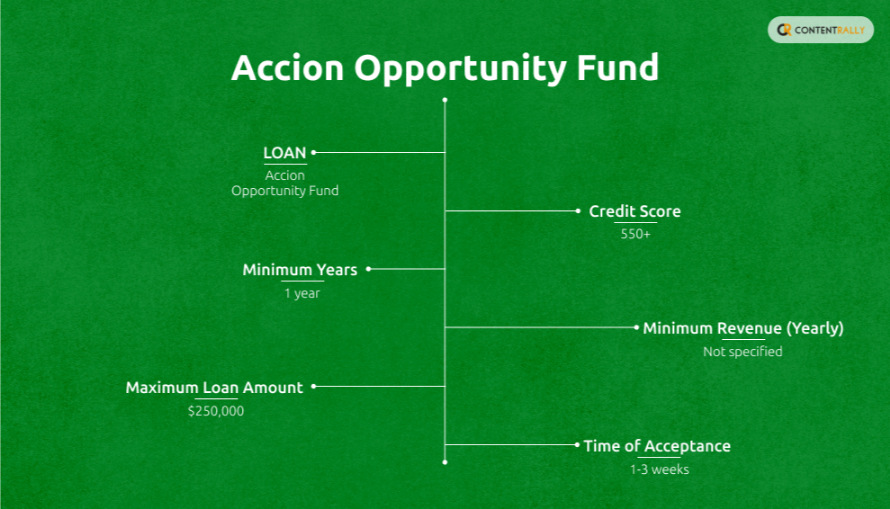
LoanCredit ScoreMinimum YearsMinimum Revenue (Yearly)Maximum Loan AmountTime of Acceptance
Accion Opportunity Fund550+1 yearNot specified$250,000 1-3 weeks 

Offers loans to underserved small business owners, including minorities and women.

Pros

  • Focus on underserved businesses.
  • Personalized support

Cons

  • Longer approval process.
  • It may have a higher interest rate.

9. Credibly Small Business Loan
Credibly Small Business Loan
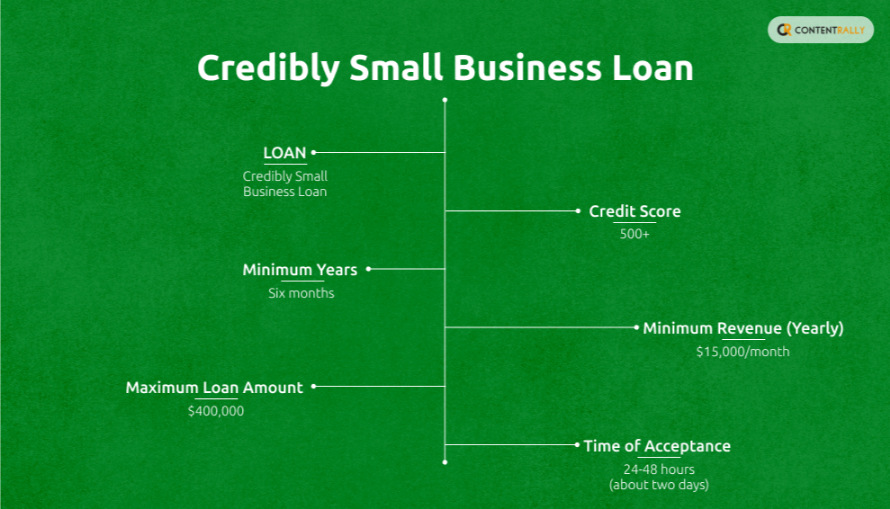
LoanCredit ScoreMinimum YearsMinimum Revenue (Yearly)Maximum Loan AmountTime of Acceptance
Credibly Small Business Loan500+Six months$15,000/month$400,000 24-48 hours (about two days) 

Provides working capital loans and merchant cash advances with flexible terms.

Pros

  • Fast funding
  • Flexible repayment options

Cons

  • Higher cost of financing.
  • Frequent repayments

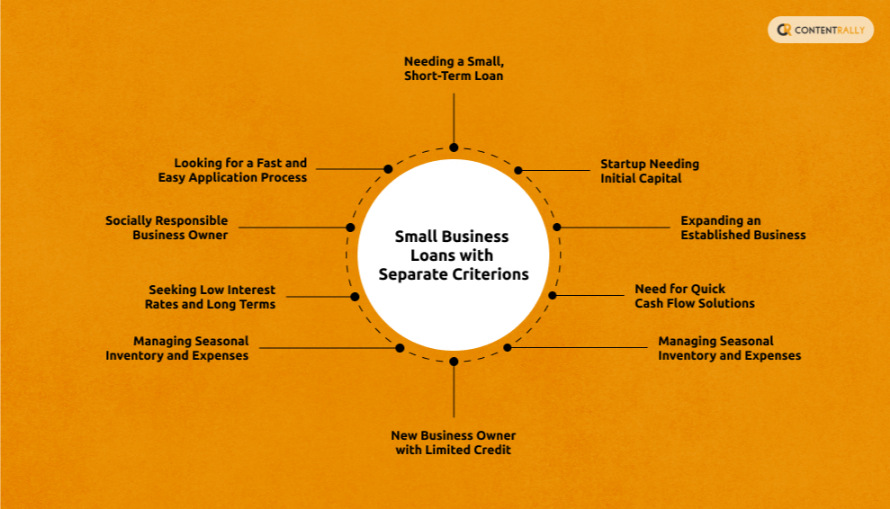
Small Business Loans With Separate Criterions
Small Business Loans With Separate Criterions

Now, we will be delving into the different criteria and which small business loan provider would be best!

1. Startup Needing Initial Capital

“I just started my business and need funds to get it. What are my options?”

Best Loan: Fundera by NerdWallet

Offers access to multiple loan options, including startup loans, even with lower credit scores and minimal business history.

2. Expanding An Established Business

“I’ve been in business for two years and want to expand. What loan should I consider?”

Best Loan: SBA 7(a) Loan

Ideal for established businesses needing significant funding for expansion, with favorable terms and interest rates.

3. Need For Quick Cash Flow Solutions

“I need quick access to cash to manage cash flow. What’s the fastest option?”

Best Loan: Kabbage Business Line of Credit

Offers quick application and approval processes, with funds available on the same day for urgent cash flow needs.

4. Managing Seasonal Inventory And Expenses

“My business is seasonal, and I need funds to purchase inventory before the busy season. What loan fits this need?”

Best Loan: OnDeck Term Loan

It provides short-term loans with quick funding, ideal for managing seasonal inventory purchases and expenses.

5. New Business Owner With Limited Credit

“I have a low credit score and a new business. Are there any loan options available for me?”

Best Loan: Credibly Small Business Loan

Accepts lower credit scores and offers working capital loans, making it accessible to newer businesses with limited credit.

6. Needing A Flexible Line Of Credit

“I want a flexible financing option. This is to cover unexpected expenses as they arise. What should I look for?”

Best Loan: BlueVine Business Line of Credit

It offers a flexible line of credit with fast approval. Plus, it is suitable for covering unexpected expenses.

7. Seeking Low Interest Rates And Long Terms

“I’m looking for a loan with low interest rates and long repayment terms. What’s the best choice?”

Best Loan: SBA 7(a) Loan

It is known for its low interest rates and long repayment terms. Therefore, it is ideal for businesses seeking cost-effective funding.

8. Socially Responsible Business Owner

“I want to support a loan provider that helps underserved communities. What are my options?”

Best Loan: Accion Opportunity Fund

Focuses on providing loans to underserved small business owners. In fact, it also includes minorities and women, with personalized support.

9. Looking For A Fast And Easy Application Process

“I need a loan. However, I don’t want to go through a long application process. Which loan is easy to apply for?”

Best Loan: Fundbox Line of Credit

Offers a simple, quick application process with funds available before the next business day.

10. Needing A Small, Short-Term Loan

“I need a small amount of money quickly for a short-term need. What’s the best option?”

Best Loan: American Express Business Loan

It provides small, fixed-rate loans with a quick approval process, which is ideal for short-term financial needs.

Related: How To Use An SBA Loan For Business Purchase

Eligibility For Small Business Loans
Eligibility For Small Business Loans

You might find the best loan provider. However, when it comes to eligibility, rejection can be common.

 Regarding personal loans, good mortgage lending (a property that you place as collateral when taking the loan) makes loan acceptance easier.

However, when it comes to business loans, the rules are a little different. The loan lender (bank or private) must closely investigate your business expenditure, cash flow, and profit margin.

If you do not have a steady personal and business credit score (unless you are building your business from scratch, in which case the rules will be different), getting your small business loan approved can be challenging.

Do not worry; this is not to scare you. However, ensure you take the time to investigate your and improve financial health.

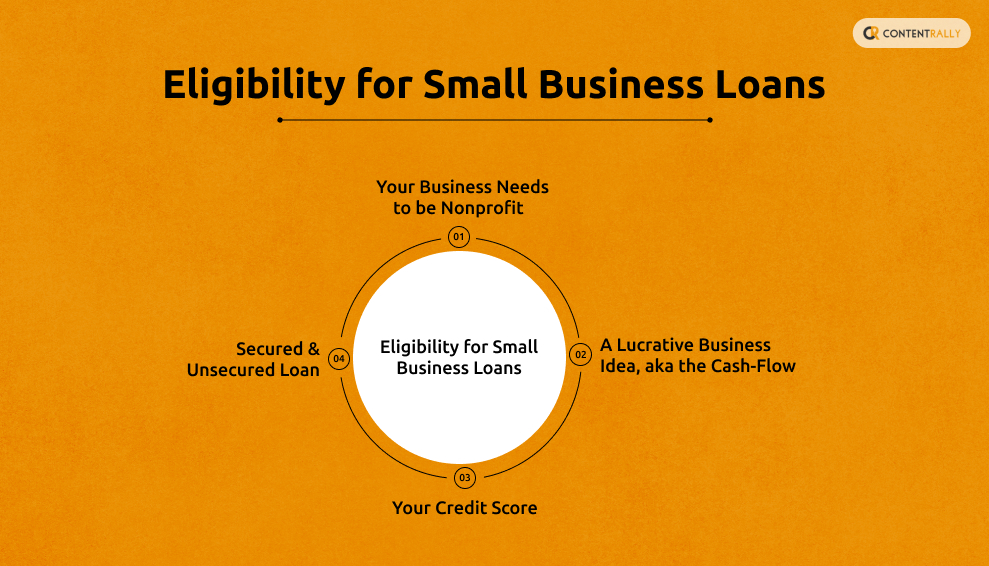
Here are some of the absolute eligibilities when it comes to small business loans.

1. Your Business Needs To Be Nonprofit

Unfortunately, you cannot have a nonprofit organization and demand a small business loan. Your business must be making some profit through a steady income.

2. A Lucrative Business Idea, Aka The Cash-Flow

Since business loans do not depend on collateral submission, lenders are mostly concerned about the business idea.

Most importantly, is there a demand for such business in the market?

Will there be enough opportunities to build a steady cash flow?

Is there any stock market share for businesses with the same ideation?

The loan they offer you will depend on the potential profit you can make from that base. Plus, it must be backed by solid data.

3. Your Credit Score

Although we have already mentioned the credit score for each loan provider, you need to be serious about your creditworthiness.

Any loan provider will scrutinize your personal and business credit score. Any suspicious activity (including something as simple as an unpaid credit card bill) can put you under the radar. Eventually, it does not make you a good candidate for a loan.

In other cases, your business credit score also plays a crucial role.

What is your total business income?

Is it holistic with your business expenditure?

What is your business credit card transaction history? Are you able to balance your bills alongside your monthly operational costs?

…and many more.

You must submit all your financial documents, especially if you are planning to expand through different business locations and real estate. How your business funds are handled becomes crucial in such a case.

Secured & Unsecured Loan

Starting a business? Want a small business loan? Then, you should understand the importance of collateral in such a business.

Most importantly, do you even need to submit collateral to get your loan sanctioned?

Secure business loans will charge you some collateral (cash money, real estate property, gold bonds, etc.).

Meanwhile, unsecured loans do not charge any collateral.

Which is better as Small Business Loans

As someone just starting a business, I know the advantages/disadvantages of both kinds of loans will depend on your criteria and loan amount.

So, let’s discuss the overall pros and cons of both!

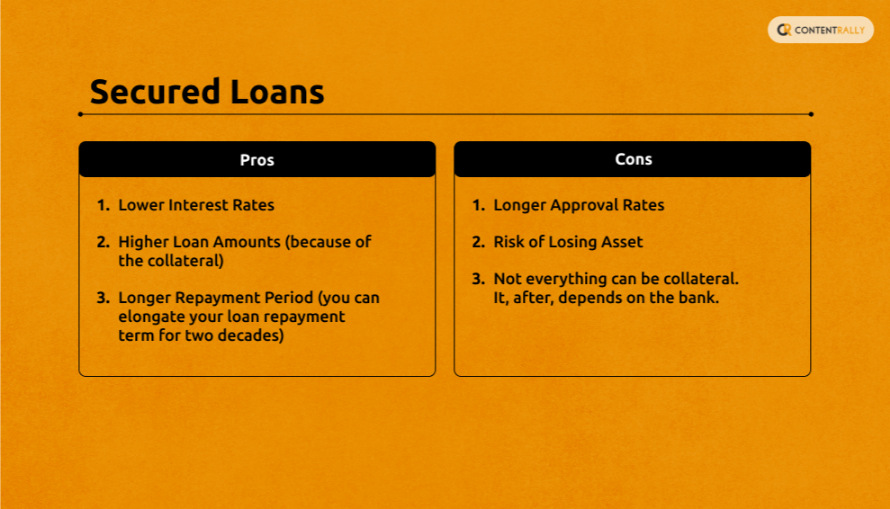
Secured Loans
Secured Loan

Let’s begin with the kind of loans that require collateral.

Pros Cons
Lower Interest RatesLonger Approval Rates
Higher Loan Amounts (because of the collateral)Risk of Losing Asset
Longer Repayment Period (you can elongate your loan repayment term for two decades)Not everything can be collateral. It, after, depends on the bank.
Unsecured Loans
Unsecured Loans

Now, let’s talk about loans without collateral.

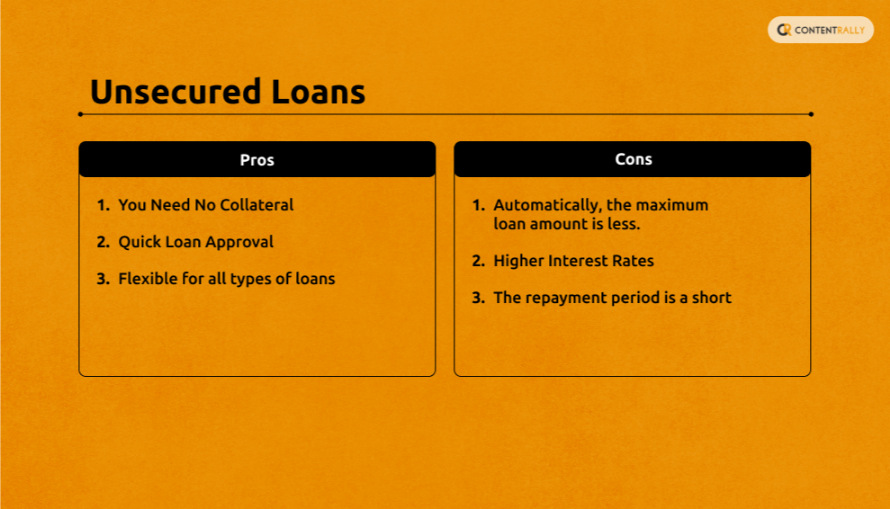
ProsCons
You Need No CollateralAutomatically, the maximum loan amount is less.
Quick Loan ApprovalHigher Interest Rates
Flexible for all types of loansThe repayment period is a short

When Should You Get What?

For the ease of your own understanding, here is when you should get what!

Secured Loans Might Be Better If
  • You need a larger loan amount.
  • Can provide valuable collateral.
  • You want lower interest rates and longer repayment terms.
  • If your business has significant assets that can be used as collateral.
Unsecured Loans Might Be Better If
  • You do not have assets to offer as collateral.
  • Need funds quickly.
  • You prefer not to risk losing business or personal assets.
  • The business needs a smaller loan amount.

You can check the listicle above for a good idea of which secure/unsecured small business loans would be better for you.

Types Of Small Business Loans

These are the types of small business loans which you should investigate:

  • Term Loans: You borrow a set amount and pay it back over time with fixed payments.
  • SBA Loans: The government backs these loans, giving you good terms for your business.
  • Business Lines of Credit: You get access to a credit line like a credit card.
  • Invoice Financing: You can get cash based on your unpaid invoices.
  • Equipment Loans: This loan helps you buy business equipment.
  • Merchant Cash Advances: You get an advance on your future credit card sales.
  • Microloans: These small loans are often given by nonprofits to help you start.
  • Commercial Real Estate Loans: Use these loans to buy or fix up your business property.
  • Personal Loans for Business: You can use your personal credit for business needs.
  • Franchise Loans: These loans help you start or grow a franchise business.

The Final Note!

The choice between a secured and an unsecured small business loan ultimately depends on your specific needs and circumstances.

a secured loan might be more suitable If you have valuable assets and prefer lower interest rates.

On the other hand, if you need quick access to funds and prefer not to put up collateral, an unsecured loan could be the better option.

Always consider the terms and conditions carefully and consult a financial advisor to make the best decision for your business.

Things to remember before you get a small business loan:

Have a solid, chalked-out plan for how you will repay it. You wouldn’t want to lose your collateral.

Do not take hasty loans because you have fulfilled a business milestone. Remember, a loan is not a temporary fix; it is a debt for years to come. Therefore, be careful before sanctioning a loan.

Finally, be candid about your financial decision. Keeping it discreet to get a quicker loan approval will only cause you trouble later.

What do you think? Should getting a small business loan come after so many considerations, or should it be a little easier?

Do let us know in the comment section below!

Read Also:

Content Rally wrapped around an online publication where you can publish your own intellectuals. It is a publishing platform designed to make great stories by content creators. This is your era, your place to be online. So come forward share your views, thoughts and ideas via Content Rally.

View all posts

Leave a Reply

Your email address will not be published. Required fields are marked *

Related

Merchant Account Issues

Most Common Merchant Account Issues Explained

Whether you are just considering the prospect of setting up an online store or looking for ways to enhance your efficiency as an existing business on the web, knowing what problems you are likely to come across as a merchant account owner will help your decision-making on the way. This article will be useful for anyone daunted by the possibility of creating and running a high-risk merchant account. Here, we explore four frequently occurring problems with bank accounts for credit card payment and how to avoid and/or fix them. What Is Considered High-Risk? The degree of risk associated with your merchant account is largely determined by what kind of goods and services you offer. This is part of a common classification used by banks and other financial institutions to work out the most fitting approach for their corporate customers. Traditionally, businesses in agriculture and gardening, education, drop shipping, SMM, babysitting, and other similar areas are labeled relatively safe and enjoy favorable treatment by banks. However, this doesn’t mean they won’t suffer from fraudulent transactions, chargebacks, and more documentation that they can manage when they go online. Contrary to these activities, the following areas are believed to be high-risk: betting forex brokerage booking online dating adult goods and services food sales pharmaceutical sales. If your prospective or existing business belongs to one of the categories on the above list, it means you have a greater than average chance of facing fraudulent activity and other risks that are typical of online payments. Fortunately, though, there are solutions to relieve the hazards for both you and your customers. High Fees and Restrictions on the Part of the Bank As mentioned above, financial institutions seem reluctant to partner with companies in high-risk sectors such as forex brokers. This is not to say that such a partnership is impossible. Instead, you are more likely than not to be charged high fees for the cooperation, which might drain your revenue and are often combined with further restrictive practices. For instance, banks often limit the total transaction amount per unit of time, causing many startup owners to either switch to costlier plans or start multiple accounts. Credit Card Fraud One of the merchant’s biggest fears, fraudsters have many opportunities to rob your business of its honest earnings. Payment card fraud comes in numerous forms, with new practices being developed every moment. This applies to low- and high-risk businesses, although the latter might need more serious measures to protect themselves and their clients from online scams. Common solutions include layered user authentication and payment verification systems as well as dynamic restrictions to exclude certain countries, banks, or partner companies from potential transactions. Overwhelming Documentation Financial institutions will most probably ask you for extensive reports to prove your credibility as a partner. This is especially true if your business has been classified as high-risk. In this case, it is vital to keep a clear and complete record of your activities under the specific requirements of the banks and/or payment providers that you are willing to work with. Too Many Chargebacks Frequent requests for chargebacks, or refunds, can damage your reputation as a business, undermining customer trust and the banks’ willingness to cooperate. The disputes that often arise in such cases tend to be costly to process, too. One way to minimize chargebacks is to provide accurate and clear descriptions of your goods and services, always meet your delivery deadlines, and ensure your overall customer service is decent. However, it is also advisable to incorporate automatic chargeback prevention tools that will identify high-risk transactions and deal with the problem before a dispute is initiated. An All-Round Solution to Manage All the Risks at Once While navigating the difficult landscape can be confusing, especially with little experience in the field, business owners do have a choice. Intelligent payment gateways such as Maxpay offer automation as well as flexibility. Consider investing in an online payment product that will enhance your payment security and prevent overwhelming chargeback numbers without taking too much time to set up and manage. What you are likely to get is a smooth, trouble-free merchant account. Read Also: How New POS Technology is Advancing Merchant Processing How To Know If Your Health Insurance Covers Visits To The Chiropractor

READ MOREDetails
Understanding Funeral Insurance

Understanding Funeral Insurance: Protecting Loved Ones

Insurance for funerals is a specialized form of coverage that addresses the inevitable event of one's passing. It's crucial in financial planning to offer financial security during emotionally challenging times. This article explores the significance of funeral insurance and how it operates, shedding light on various essential aspects for individuals and families. Importance Of Funeral Insurance Insurance is pivotal in financial planning due to its ability to address a fundamental aspect of life - preparing for the expenses associated with end-of-life arrangements. Funeral costs can be substantial, encompassing fees related to caskets, burials, memorial services, and legal matters. These financial burdens can compound the emotional challenges that families face during a difficult period. This insurance serves as a solution to this predicament. Thus offering a safety net that ensures that no loved one has to face the burden of funeral arrangement expenses How The Insurance Operates? Understanding the mechanics of this insurance is vital for making informed decisions. Here's a breakdown of how it operates: Choosing Coverage Level: Insurance policies provide policyholders with the flexibility to select a coverage amount that aligns with their anticipated funeral expenses. These policies typically offer various coverage options to cater to individual needs. Hence, it allows individuals to tailor their coverage based on their preferences and financial circumstances. Premium Payments: To maintain the insurance policy, policyholders must make regular premium payments. The specific premium amount can vary based on age as well as the chosen coverage amount. These premium payments ensure the policy remains in force, ready to provide financial assistance. Beneficiary Designation: A crucial aspect of this insurance is the designation of beneficiaries. Policyholders specify individuals who will receive the policy's payout upon their passing. These designated beneficiaries are often family members or trusted individuals responsible for final expenses. Moreover, this designation ensures that the funds are disbursed to the intended recipients efficiently. Lump-Sum Payout: In the event of the policyholder's death, the insurance company disburses a lump-sum payment to the designated beneficiaries. This payout can be utilized to cover various expenses, including funeral costs, outstanding bills, or any other financial obligations that may arise. The flexibility of the payout allows beneficiaries to address the immediate financial needs that arise during this challenging time. No Medical Exams: This insurance is known for its accessibility. Unlike many other insurance policies, it typically requires no medical examination or extensive underwriting for approval. This accessibility means that individuals of varying health conditions and ages can secure coverage without the hassle of medical assessments. Levels Of Coverage The policies offer several levels of coverage, ensuring that people can find a suitable option that aligns with their needs and financial capacities: Basic Coverage: Basic coverage is an entry-level option, offering a minimal payout. While it can cover essential funeral expenses, it may not extend to additional costs or outstanding debts. This level of coverage is ideal for individuals seeking to alleviate the financial burden of a basic funeral. Intermediate Coverage: Intermediate coverage increases financial support by providing a more substantial payout. Policyholders with intermediate coverage receive a higher sum, offering greater assistance in covering funeral expenses and potential outstanding bills. Comprehensive Coverage: Comprehensive coverage represents the highest level of protection. It offers a substantial payout, accommodating elaborate funeral services and providing financial security for various expenses. Policyholders with comprehensive coverage have the peace of mind that even complex funeral arrangements are well-supported financially. Customized Coverage: Some policies allow for customization, allowing policyholders to tailor the coverage amount to their specific needs. This customization ensures that the policy aligns precisely with the anticipated funeral expenses, eliminating unnecessary costs. Benefits Of Funeral Insurance The insurance offers numerous benefits that extend beyond financial support: Financial Protection: The primary benefit of this insurance is the assurance that loved ones do not bear the financial burden of funeral and final expenses. By providing a lump-sum payment, this insurance ensures that the immediate costs associated with end-of-life arrangements are covered. Thereby offering peace of mind to both policyholders and their families. No Medical Exams: Its accessibility is a significant advantage. Policy approval typically does not hinge on the results of medical examinations or extensive underwriting. This feature makes it a viable option for individuals with varying health conditions and ages, ensuring that coverage is accessible when needed. Quick Payouts: The policies are designed to offer timely financial assistance to beneficiaries. Claims are processed promptly, often within days of submission. This expeditious processing ensures that beneficiaries receive the necessary funds without delay, allowing them to address immediate financial obligations. Peace of Mind: Knowing that final expenses are covered provides a significant source of peace of mind to both policyholders and their families. It eliminates the stress of managing these financial obligations during an emotionally challenging period. It allows loved ones to focus on grieving and honoring the memory of the deceased without the added worry of financial burdens. Support for Loved Ones: It is a practical way to support loved ones during a challenging time. It ensures the proper management of your finances. Thereby allowing family members to concentrate on processing their grief and commemorating the individual. By alleviating financial concerns, it enables a smoother transition during this emotionally charged period. Customizable: Many policies offer customization options, enabling policyholders to choose coverage amounts. Most of them precisely match their expected expenses. This customization ensures that your policy is exactly what you want. Thereby providing the necessary financial support without excess coverage or unanticipated costs. Considerations When Choosing Funeral Insurance While it offers many advantages, several vital considerations are essential for individuals contemplating this coverage: Premium Costs: The policies come with varying premium costs. Individuals should select a policy that aligns with their budget, considering age, coverage amount, as well as the insurance provider. Evaluating premium costs ensures that the chosen policy remains sustainable in the long term. Coverage Limits: Understanding coverage limits is crucial to ensure the selected policy adequately covers anticipated expenses. Some insurance policies may have a maximum payout amount. Individuals should verify that the policy's limits align with their financial expectations for funeral and final expenses. Waiting Periods: It's essential to be aware of waiting periods associated with these insurance policies. Many policies have waiting periods before full coverage takes effect. Policyholders should understand the duration of these waiting periods and how they may affect potential claims. Beneficiary Designation: Effective communication with designated beneficiaries is vital. Policyholders should ensure that their chosen beneficiaries know their roles and responsibilities in the claims process. Clear communication helps expedite the disbursement of funds to the intended recipients. Exclusions: Reviewing policy exclusions is a critical step in understanding coverage. These insurance policies may exclude specific circumstances or pre-existing conditions. Individuals should know these exclusions to avoid surprises when filing a claim. Conclusion Funeral insurance is a vital component of financial planning, offering peace of mind and financial protection for policyholders and their loved ones. Providing a safety net for funeral and final expenses ensures that the financial burden is free from the shoulders of grieving families.  Understanding how this insurance operates and carefully considering coverage options empowers individuals to make informed decisions that benefit themselves and their families during challenging times. Read Also: How Artificial Intelligence Is Helping Banking and Financial Institutions? How to Start Your Career as a Financial Advisor? 10 Estate Planning Tips to Help You Prepare for the End

READ MOREDetails
Embracing Crypto-Backed Lending

What Embracing Crypto-Backed Lending Means for the Finance Industry

You probably know that cryptocurrency is becoming more in-demand with each passing year. Bitcoin is extremely popular, but other forms, such as Ethereum, are also making a splash. However, some financial institutions are reluctant to fully embrace cryptocurrency, thinking it’s just a flash in the pan. In time, they may want to change their tune since the finance industry seems poised to allow companies and individuals to use cryptocurrency for more mainstream transactions. Once they do so, they can take on new clients in a variety of industries and niches. The LQD Business Finance company is one that recently started embracing crypto-backed lending. Let’s look at what they have to gain by doing so and what this strategy means in the larger finance industry context. The First Bitcoin-as-Currency Commercial Lending Platform: For LQD Finance, transforming the finance industry is nothing new. They periodically use emerging technology as it becomes available if they feel it will benefit their would-be clients. By setting up the first Bitcoin-as-currency lending platform, they can take away the mindset that it’s strictly a digital asset. If you’re a business owner, and you have invested in Bitcoin heavily, as so many have, this is probably what you have anticipated. Now, you can utilize that cryptocurrency for buying and selling various business assets that your company needs. There are three particular ways this step by the LQD Business Finance company will alter the financial industry’s cryptocurrency outlook. Let’s go over each one. Broader and More Wide-Ranging International Applications: Many businesses want to take their sales to the next level, which means going international. US-based companies often take this approach at a certain point, but so do foreign ones. Either way, these businesses can face logistical challenges. For instance, they might generally utilize their own country’s currency, and they find that foreign suppliers are reluctant to accept it. They can use banks or finance companies to exchange their currency, but that’s time-consuming and potentially frustrating since they must pay fees if they go this route. Cryptocurrency like Bitcoin is an international monetary form. When a well-known company like LQD Business Finance says they’re setting up a lending platform using it, many businesses are likely to want to jump on that opportunity. They know they can use Bitcoin in any market because the world decides its worth. Customer Satisfaction is More Likely: The second way this decision will shake up the finance industry is that customer satisfaction with this type of lending platform is highly likely. Cryptocurrency investors have certainly made plenty of money off trading this commodity up to this point, but they have more ambitious plans for it. This is the first huge sign their patience is paying off. Bitcoin reaching the mainstream market through a lending platform in this way means the larger and more prominent lending companies are starting to come around. Many small and mid-sized businesses that own Bitcoin and have waited for this day are going to move aggressively within their niche because they know they have a reputable financial institution backing them. Individuals Can Diversify Their Portfolios Like Never Before: The third shakeup that’s likely to occur is that investment-minded individuals can diversify their portfolios more aggressively than they could previously. A major commercial lender treating Bitcoin as actual currency instead of a mere niche investment means that clients can completely rethink their investment strategies. For instance, someone who would not sink any real money into Bitcoin up to this point might make their move now and buy up quite a bit of it. Cryptocurrency mainstream success is something that serious investors can’t ignore. You might have an individual investor or day trader who buys Bitcoin aggressively now. You may have a hedge fund manager who has hundreds or thousands of clients in tow, and they decide Bitcoin is the new must-have. Either way, a diverse portfolio from this point forward is almost always going to be the one that includes Bitcoin. This is probably far from the last lending company that will accept Bitcoin in this broader way. It was likely to happen at some juncture, and the moment has come. It will certainly be fascinating to see which other cryptocurrencies will reach this favored status. Some seem to be on the mainstream success borderline, but watching lending companies like LQD Business Finance will always be a strong indicator. You know they would not make this move unless they were certain of Bitcoin’s newfound legitimacy. Read Also: How To Become A Successful Cryptocurrency Trader In 5 Easy Steps The Profit Revolution: The Best Bitcoin Trading And Investing Platform Most Common Bitcoin Trading Blunders – You Must Avoid  

READ MOREDetails