Published on: 14 April 2021
Last Updated on: 30 December 2024
Bongs are water pipes cannabis smokers use to smoke. The word bong is believed to have originated from the word ‘baung’, a Thai name for a bamboo tube used for smoking marijuana.
While bongs have been used for centuries, modern bongs look a bit more complex than a simple bamboo tube. They are available in all shapes and sizes, with some being colorful works of art and others with a basic bowl and chamber.
How Do Bongs Work?
Bongs work to filter and cool the smoke produced from burning cannabis. They have a small open bowl that holds dried cannabis. The user sets fire to the cannabis and inhales, causing smoke from the combustion to rise up through the water chamber where it goes to the user’s mouth and lungs.
The water gets rid of the dry heat and purifies the smoke, making the hit very smooth for the smoker.
If you’re still wondering why you should choose a bong over papers, click here to see more, here are a few reasons that show why bongs are a superior smoking alternative method.
1. Makes Smoking an Easier Process:
Smoking from a bong makes smoking an easier process. As explained above, the water present in the bong cools the smoke and removes its dryness and ruggedness, making it a lot smoother to inhale.
The newer bongs come with a side chamber where you can store some ice to reduce the heat of the smoke even further.
2. Bongs Are Easy to Use:
For beginners, bongs can prove to be quite intimidating. The smoke and the bubbling water can make a bong seem more complex than it truly is. However, bongs are so easy to use.
If you’re used to rolling papers, you must know how frustrating it can be to find you’re fresh out of papers just as you feel the need to smoke up. But with bongs, there’s no running out to the store for a fresh supply since your bong will always be there.
3. Convenient for Group Smoking:
Bongs are highly suitable for solo smoking sessions as well as with your friends. The hit is more direct compared to smoking joints, meaning you’ll all feel a powerful high instantly. And since the smoke is purified by the water, the smell of marijuana smoke doesn’t go too far as compared to smoking joints.
4. Involves Less Preparation:
Preparing a bong requires significantly less prep work as compared to rolling a joint. A bong can be very convenient when you don’t have the time to sit and roll a joint. After all, not every smoker looks forward to making each smoke session a long-awaited event.
Make A Bong Your Best Bud:
If you’re a timid beginner or an experienced marijuana smoker, it’s safe to say that smoking is only as good as the method you use to smoke. If you’re new to smoking, you should consider using a bong over the other numerous available methods.
There’s more to a bong than its crystal glass enticing appearance and its flashy exterior. Not only does it provide a smoother hit, but it is also a healthier method for smoking and is readily available for use.
Content Rally wrapped around an online publication where you can publish your own intellectuals. It is a publishing platform designed to make great stories by content creators. This is your era, your place to be online. So come forward share your views, thoughts and ideas via Content Rally.
Platinum DJ services can make all of the best parts of your wedding even better. From creating tasteful, heartfelt moments at your ceremony to masterfully blending tracks at your reception, a platinum DJ is uniquely qualified to elevate your wedding in a meaningful way.
Here are the top 5 reasons why a platinum DJ is the perfect pick for your wedding.
What Is A Platinum DJ?
A platinum DJ is an elite DJ who has performed at many weddings, comes highly rated, is an experienced public speaker, and has their own event insurance. Platinum DJs blend experience and expertise to give you the perfect wedding-day service. When it comes to your special day, a platinum DJ can deliver an experience like no other.
Top Reasons To Hire A Platinum DJ For Your Wedding:
1. Quality
One of the first trademarks of a platinum DJ is quality. As mentioned, they’ve got a fair bit of wedding experience. That means no stage fright when they announce your first dance or fumble the track in between dance-offs.
If you want a specific song, genre, or event at your wedding, a platinum DJ has the track record to ensure they execute their performance to the letter.
A platinum DJ brings their own sound equipment, so you don’t have to worry about whether your venue’s setup is compatible with your DJ’s equipment. They’re technical wizards regarding audio equipment, setting the tone, volume, and mix to the perfect level for the acoustics in the room.
All in all, platinum DJs deliver the highest-quality experience you can expect, and they often double as makeshift coordinators if something isn’t going according to schedule.
2. Pacing
A critical aspect of your wedding, particularly during the reception, is the pacing. You might have the perfect schedule outlined in your head for every little event, but when it comes to the wedding day, you might find that your best-laid plans go astray.
That’s one underutilized skill set of a DJ—especially a platinum DJ. They know the game well, which grants them plenty of familiarity with the structure and natural flow of a wedding.
As a result, not only can they help pace your background music, dances, and partying based on their intuition, but they can also emcee for you to make sure everything stays on schedule throughout the evening. The last thing you want is to overstay your welcome at the reception and have an angry venue staff trying to usher out the guests.
On that topic, these special invitees—in the politest possible way—often need coaxing in the right direction. A platinum DJ can emcee your important announcements, let the party know when dinner is ready, and give the audience a heads up when they need to sit down or get on the dance floor.
You can expect every aspect of a platinum DJ’s role to be executed with flair and professionalism, giving you time to focus on enjoying the moment.
3. Peace Of Mind
Weddings are joyous but stressful. Planning a wedding is a logistical nightmare, and whether you’ve got a planner or not, odds are you’ll be nervous when the big day arrives.
A platinum DJ is peace of mind exemplified. All you need to do is explain what type of music you’d like, tell them what to wear, and give any other specific instructions. You can rest assured they’ll show up in appropriate attire, kitted out with all the necessary equipment to make your wedding run as smoothly as possible.
Coordinating your own music and planning who will emcee each important wedding event is an additional hassle that you probably don’t want to deal with. Handing over the reins to a trusted platinum DJ is extremely helpful to ease your mind. Remember, weddings aren’t an everyday occurrence; it’s worth the extra expense to ensure your big day is memorable for all the right reasons!
4. Perspective
Some moments in your wedding are intimate to your wedding party, such as the toasts. Others require a careful, professional approach to unfold at the right pace. Such is the case with a wedding DJ.
The difficulty with impromptu DJs—besides the fact they may not know what they’re doing—is that they may be too involved or invested in the wedding events to carry out their duties properly. A relative or friend might forget when they’re supposed to emcee or be too bashful to interrupt and let you know when the party is off schedule.
A little perspective helps. Platinum DJs bring a cordial, detached approach to everything they do; their reputation depends on your approval, after all. That’s why some distance between your party and the professional managing your music is a solid step of faith in the right direction, ensuring that the reception stays on track through the watchful eye of a professional third party.
5. Variety
Lastly, platinum DJs offer unparalleled variety in music. Depending on how you want to structure the night, they can line up just about any song you or your wedding party want to hear so that you can dance the night away.
You can set this up beforehand, too. Just let the DJ know what genre you’re into and a couple of specific songs you’d like played throughout the night, and you’re all set to enjoy the variety and creativity of your DJ. Better yet, a DJ knows how to read the room and can cue up the right song for the right moment, making your special day one to remember.
The Bottom Line
A platinum DJ brings professional etiquette and musical know-how to bear in their services, delivering a premium quality service to make your wedding even better. Music is an integral part of celebrations around the world, and marriage is one of the most exciting and meaningful human traditions—all the more reason to invest in a professional who can bring that aspect of your wedding to fruition in the best way possible.
Whether it’s keeping your wedding party on track throughout the evening or cueing up the right song at the right time, platinum wedding DJs are well worth considering for any wedding event.
Read Also:
Wedding Planners in Berkshire
How to Organize an Eco-Friendly Wedding with Zero Waste?
6 Tips For Having A Perfect City Hall Weddings!
With more and more people resorting to dating apps and sites to meet potential romantic partners, safety becomes an important factor. Online dating is an industry that has immensely grown over the past few years. While dating sites were frowned upon a few years ago, today they are the most common space to meet new people. There are a lot of options to choose from. You can find niche dating sites that cater to specific religions, hobbies or interests. Some apps work better for those who are on the look for a committed relationship.
Other options work best for people looking for a good time with no strings attached. If you are considering giving online dating a try, a good place to start is to decide which of them suits your needs best. A first recommendation is to always go to reputable sites.
Check out reviews and user comments before making a decision, as one of the first steps is to enter personal information. While most dating apps will gather general data on users and perform some security checks, tricking them is really easy.
Why do you need to Research People Online Before a Date?
So, after you swipe right, or agree to a first chat, what should you be on the look for? From the tone to the content of a conversation, first exchanges are really important. Take your time to know more about someone before committing to an actual first date. While during these first conversations people may want to highlight their best traits, they can be really useful in deciding if you really want to meet in person. Online dating has its dangers, and being cautious is the best way to stay safe. Red flags at this stage may include rudeness, racist or hateful comments, or any other situation that you may consider out of norm or that makes you feel unsafe.
Pre-relationship Checklist Ideas:
Creating a pre-relationship checklist is probably a good idea, and it may include things like:
Are all your conversations civil and respectful?
Are you on the same page on issues you consider important? (from political views to gender-related matters or whatever else is important to you).
If you feel the other party is hiding something or not disclosing information, continue asking. If you don’t get the answers that you want, it’s probably better to move on.
Never agree to meet in a place where you don’t feel safe. If you say you don’t feel safe and they continue to ask, it is probably not a good fit.
Avoid disclosing delicate information. Never trust someone who asks for things such as your social security number or financial details.
If after considering these factors, you are still leaning towards a first date, a quick online search will offer a broader image. While we are not talking about online stalking, contrasting the information you already have to what’s freely available online is helpful. Remember that we all have a “digital fingerprint” and taking a look does not hurt. But be wary of going too far. More information on the pros and cons of googling your potential date can be found on google. One thing is to look for red flags and contradicting information but doesn’t become obsessed. In the end, the actual in-person meeting will be what can best help in order to determine if you are actually compatible.
During the actual date
Going on a date with someone you’ve never met is exciting but it can pose threats. If you have made up your mind and decide to go forward with a first date, remember that safety should always be a priority. Some tips to stay on the safe side may include:
Meet in a public place. Fleeing from an uncomfortable situation or asking for help if you feel in danger is easier if you are surrounded by more people.
If you are not feeling okay, don’t hesitate to leave. You are not obliged to stay when you know things will not work out.
Never hesitate to ask for help if you feel endangered in any way. Most bars and cafes have protocols to deal with someone who is feeling in danger during a first date.
An online search and the information available on apps and dating sites are definitely a useful start. But when you are considering whether or not to date (online dating) someone in the long run, always trust your gut.
Read Also:
The Best Dating Sites in 2019
7 All-Time Romantic Gestures That Never Go Wrong
Alright, my fellow cannabis enthusiasts, let's talk about something we all know is essential but often overlooked – cannabis storage.
Whether you're a seasoned stoner or just a casual user, you've probably heard the rumors about how improper storage can turn your beloved herb into a sad, dry, and less potent version of itself.
But fear not, for I'm here to guide you through the art of cannabis storage in a creative and casual way. So keep reading this blog till the end to learn more…
Why Does Cannabis Storage Matter?
Image Source: images.squarespace-cdn.com
Now, you might be wondering, "Why should I care about how I store my stash?" Well, here's the deal: cannabis isn't just a plant; it's an experience. And to get the most out of that experience, you need to keep your green goodness fresh and potent. Proper storage preserves those precious cannabinoids and terpenes, ensuring that every hit is as flavorful and effective as the first.
Picture this: You've just scored a beautiful batch of bud, and it's sticky, aromatic, and practically begging to be smoked. But life happens, and you can't blaze through it all in one night (or can you?). So, you need a way to make sure your cannabis stays in tip-top shape until you're ready to indulge again.
The Enemies Of Freshness
Before we dive into the how-to of cannabis storage, let's identify the culprits that threaten the freshness of your precious herb
1. Light:
UV rays are your herb's sworn enemy. They degrade cannabinoids and terpenes faster than you can say "420." Keep your stash away from direct sunlight.
2. Air:
Oxygen can cause your cannabis to dry out and lose its potency. Airtight containers are your best friends in this battle.
3. Temperature:
Extremes in temperature can wreak havoc on your stash. Avoid storing your cannabis in the freezer or near a heat source.
4. Humidity:
Too much or too little humidity can turn your herb into a crumbly mess or a moldy disaster. Maintaining the right moisture level is crucial.
Now that we know what we're up against, let's get into the nitty-gritty of proper cannabis storage.
The Essentials Of Cannabis Storage
You might be wondering about the things that you can keep in mind while looking for cannabis storage options. Well, I have you covered! Take a look at the ones below:
1. Choose The Right Container: The ideal storage container for cannabis is an airtight, opaque jar. Mason jars or specialty cannabis containers work wonders. These containers keep the air out, maintain the right humidity, and protect your stash from light.
2. Temperature Control: Store your stash in a cool, dark place. Room temperature is perfect – avoid extremes like the freezer or a windowsill.
3. Humidity Matters: Maintaining the right humidity level is essential. Aim for a relative humidity of around 55-62%. You can use humidity packs (like Boveda packs) to help regulate this.
4. Keep It Clean: Always ensure your storage container is clean and dry before adding your cannabis. Residue or moisture can lead to mold growth.
5. Avoid Plastic Bags: Are those plastic baggies you get from your dealer? They're not ideal for long-term storage. They allow air to seep in and can lead to a squished, dry mess.
6. Label Your Stash: If you have multiple strains, label your containers. You don't want to mix up your relaxing indica with your energetic sativa.
7. Glass Is Class: If you're feeling fancy, invest in some UV-resistant glass jars. Glass is definitely one of the best ways to store weed. They provide an extra layer of protection against light degradation.
How To Keep Weed Fresh: The Cannabis Storage Hacks!
Alright, now that we've covered the basics, let's talk about some creative cannabis storage hacks that can elevate your stash game:
1. Herb Humidor: Ever heard of a humidor for cigars? Well, you can use a similar concept for your cannabis. Humidors are designed to maintain the perfect humidity level, keeping your bud fresh and flavorful.
2. Freeze the Grind: If you prefer pre-ground cannabis for convenience, grind your herb and store it in the freezer. This can help preserve freshness while allowing for easy access.
3. Tin Foil Trick: Wrap your stash in tin foil before storing it in a jar. This adds an extra layer of protection against light and air.
4. The Orange Peel Revival: If your herb has become a little too dry, toss a small piece of citrus peel into your storage container. The peel will release moisture and revive your cannabis.
5. DIY Humidity Packs: If you're in a pinch, you can make your humidity packs by sealing a wet cotton ball or piece of sponge in a plastic bag. Just be cautious not to make it too wet.
A Guide To Storing Your Cannabis Flower Right!
Image Source: admin.leafwell.com
Alright, let's talk about storing your precious cannabis flower. Whether you're a seasoned smoker or a curious newbie, proper storage is crucial to keeping your bud fresh and potent.
First things first, choose your container wisely. Opt for an airtight jar, like a trusty mason jar or a dedicated cannabis container. These will keep your stash safe from the air, which can dry it out and diminish its potency.
Now, location matters. Find a cool, dark place for your stash. Room temperature is your best bet. Avoid extremes like the freezer, which can introduce unwanted moisture, or a windowsill, where the sun's UV rays can wreak havoc on your herb.
Humidity control is your secret weapon. Aim for a relative humidity of around 55-62%. Use humidity packs, like those nifty Boveda packs, to help you maintain this sweet spot.
Cleanliness is key. Always ensure your storage container is clean and dry before introducing your precious herb. Any residue or moisture can invite mold, and that's a no-go.
Steer clear of those flimsy plastic baggies. They might be convenient, but they allow air to seep in and can turn your stash into a dry, crumbly mess.
If you're a fan of pre-ground cannabis, here's a tip: grind your herb and store it in the freezer. This can help preserve its freshness while keeping it easily accessible.
Lastly, don't forget to label your containers, especially if you have multiple strains. You wouldn't want to mix up your relaxing indica with your energetic sativa.
Keep Your Cannabis Fresh!
In the world of cannabis, the key to an enjoyable experience lies not just in the strain you choose but also in how you store it. Whether you're a seasoned smoker or a curious newbie, understanding the art of cannabis storage is essential to keeping your stash fresh, potent, and ready to deliver the euphoria you seek.
So, next time you score a bag of your favorite herb, treat it with the respect it deserves. Invest in some quality storage containers, control the temperature and humidity, and keep your stash away from the prying eyes of light and air. With these simple but effective tips, you'll ensure that your cannabis remains as delightful as the day you first laid eyes on it.
In case you were searching about how to keep cannabis and its storage options, I hope that this blog has been of help to you. If there are any queries related to the same, please feel free to let me know. All that you need to do is scroll down till you reach the bottom of the page. Then leave your comments and queries in the box below. Till then, happy toking!
Keep Learning:
What Is Cannabis Oil And How Does CBD Oil Work?
Cannabis Can Help In The Fight Against Drug Addiction
The Most Popular Cannabis Strains And Where They Came From














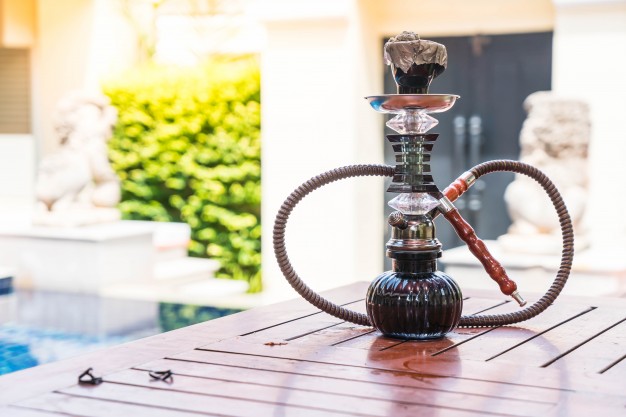 Bongs work to filter and cool the smoke produced from burning cannabis. They have a small open bowl that holds dried cannabis. The user sets fire to the cannabis and inhales, causing smoke from the combustion to rise up through the water chamber where it goes to the user’s mouth and lungs.
The water gets rid of the dry heat and purifies the smoke, making the hit very smooth for the smoker.
If you’re still wondering why you should choose a bong over papers, click here to see more, here are a few reasons that show why bongs are a superior smoking alternative method.
Bongs work to filter and cool the smoke produced from burning cannabis. They have a small open bowl that holds dried cannabis. The user sets fire to the cannabis and inhales, causing smoke from the combustion to rise up through the water chamber where it goes to the user’s mouth and lungs.
The water gets rid of the dry heat and purifies the smoke, making the hit very smooth for the smoker.
If you’re still wondering why you should choose a bong over papers, click here to see more, here are a few reasons that show why bongs are a superior smoking alternative method.