












How To Shop For A Car With Your Teen Driver?

Published on: 08 October 2016 Last Updated on: 04 September 2024
Car shopping

For most parents, buying a car for their teenager is a necessity to encourage independence and free up your schedule from having to drive them everywhere. Guess what? Your child feels the same.

Upon receiving their driving license, they cannot wait to put those skills to good use. If your teen is not persistently nagging you for a set of wheels, count yourself lucky!

Pondering what type of car to buy can become an arduous task and may often lead to frustration. Selecting the perfect car model to gift your teenager is further complicated with varying tastes.

You, being the parent, wish to find an economical car that is safe to drive. If you are planning to buy a car for your teen, you have probably encountered different opinions that left you a tad confused. In this article, we aim to share insights on how to shop for a car with your teen driver.

Car shopping

1. Prepare A Budget

While buying a car for your teen is an adventure, do not get carried away by expensive models at your local dealership. Start by deciding how much money is available to spend.

Think about other pressing needs in the future while allocating the family budget. Remember, college tuition is right around the corner. Discuss the final budget with your teen and explain the argument behind it.

Talk about the various options that can fit your budget. Old cars are cheaper, while new vehicles may not need much maintenance. Understandably, your teen may be upset if they expected a fancy ride only to have the budget slashed by half. Reason with them and reach a compromise.

2. Safety Features

When choosing between different car models, safety should be the top of the list of concerns. You want your child to be safe as they drive to school or their summer job at the local fast-food joint. Inspect the car to ensure it has updated safety features such as electronic stability control and front and side airbags.

Even the best-trained drivers can get into a fender bender in traffic or worse, a car wreck on the highway. Naturally, you fear more for your teen as they are new to driving and you want to be sure they are safe while on the road.

Request the dealer to give you the car safety report that indicates what happens in the event of an accident. Do not forget to purchase sound insurance over. Compare different options and select wisely.

3. Other Features

Once you have the handle on safety, you can get down to the fun part. Your teen is likely to suggest a car with modern interiors and high-quality sound.

If you are buying an old car, they may not have advanced features that your child desires such as door speakers for bass. No worries, you can install quality door speakers at an affordable price. This upgrade is bound to make your teen happy!

4. Establish Ground Rules

As you may have observed, teenagers are prone to distractions even while doing mundane tasks like watering the plants, washing the family dog or even putting cereal in a bowl. Do not fault them; their frontal lobes are still developing. Driving a car is not a mundane task. Each time you get behind the wheel, you stand the risk of getting involved in minor or major accidents.

Your newly minted teen driver needs to understand that owning and operating an automobile calls for a high sense of responsibility at all times. Make it crystal clear that they are not allowed to take calls, read or respond to messages or any social media. All this can wait till they get to their destination safely. Agree on what time they need to get home by and the consequences of failing to adhere to stipulated curfews.

As difficult as it may sound, your teen could easily be drinking behind your back. Add this to the column of DONT’S! Drunken driving will not only earn them a DUI and probably ruin their chances of getting into a good college; it can cause permanent damage or worse.

Conclusion

Buying a car for your teen can be difficult with the different choices available. Make a list of possible models they are interested in and investigate each model. Bring your teen to the dealership, so that they can get firsthand information from a car expert. Be open to making a few adjustments like installing door speakers for bass, so your teen can enjoy his favorite jams.

Read More:

  1. Invest In A New Car, Without A Financial Liability
  2. Will Self-Driving Cars Replace Human Error?
  3. Tips To Keep Your Kids Safe In A Car
  4. Turn The Tables For Helpless Children With Car Donation In New Jersey

Abdul Aziz Mondol is a professional blogger who is having a colossal interest in writing blogs and other jones of calligraphies. In terms of his professional commitments, he loves to share content related to business, finance, technology, and the gaming niche.

View all posts

Leave a Reply

Your email address will not be published. Required fields are marked *

Related

Potholes Formation

Helpful Tips to Prevent the Formation of Potholes

A large number of public roadways, parking lots, and even privately owned driveways need pothole repair. What many people don’t realize is that there are steps they can take to prevent the formation or worsening of potholes; regardless of where they develop. Understanding How Potholes Develop Before diving into how to prevent potholes, it’s a good idea to get to know how they form. Similar to cracks in your walls, potholes usually begin as a blemish or crack on the surface of the road. This is a clear indication of wear and tear. Understanding how they form gives a baseline to know how to prevent them. Some of the most common methods used for preventing potholes are found here. Plastic Roads A few years ago, Popular Mechanics released an article describing “the future of roads.” This article outlined how using large, hollow, plastic blocks to create the road network would minimize the dips made in the ground. The particular design mentioned also featured a hollow cavity inside of the road slabs for the wiring and pipe. Because of the durability and strength of this material, the surface of the road or driveway is much less likely to develop potholes. A plastic road aims to make any repairs needed faster and easier. Also, the damaged areas can be replaced by adding a new “slab” of road. Even though no prototypes have been tested yet, it’s assumed the work needed to maintain these types of roads would be much easier and less involved than with asphalt roads. Crack Infill As previously mentioned, the majority of potholes start with a small crack in the surface of the road or driveway. If this issue is repaired quickly, the likelihood of a pothole being created is reduced significantly. To prevent potholes, it’s essential that no water can get in through the cracks in the road. Crack infill fills in these cracks, preventing water ingress. Fog Seals Another way to prevent potholes is to apply a light, slow-setting, diluted asphalt emulsion to the surface of the asphalt. This layer of protection helps to prevent water intrusion, slow down the deterioration of the pavement, and improve aggregate retention. Chip Seals This is another type of thin surface treatment. It combines the use of one or several layers of asphalt with several more layers of fine aggregate. When applied, chip seals can help to prevent water intrusion, fill and seal distress in the pavement, and minimize reflective cracking. Micro Surfacing With micro surfacing, a thin surface treatment is applied, which includes a layer of finely crushed stone and asphalt emulsion. When applied properly, micro surfacing helps to prevent water intrusion and correct minor cases of rutting. It has the added benefit of fast set and cure times compared to other prevention methods. Preventing Potholes Before They Form The best way to prevent vehicle damage due to potholes is by taking notice of a problem and addressing it promptly. Failure to do this can result in serious potholes and, in extreme cases, the need to replace the entire paved surface. Make sure to take action as soon as a problem is seen. This is going to prevent a small crack, divot, or rut from becoming a severe and damage-causing problem that is only going to cost more to repair in the long-run. Read Also: 10 Fabulous Ways To Update Your Home Interior Using Wallpaper Find The Right Painters For Your Ann Arbor Home This Painting Season Important Things To Know Before Starting A Home Improvement Project

READ MOREDetails
Quad Bike

Are You Thinking About Buying Quad Bike For Your Kid?

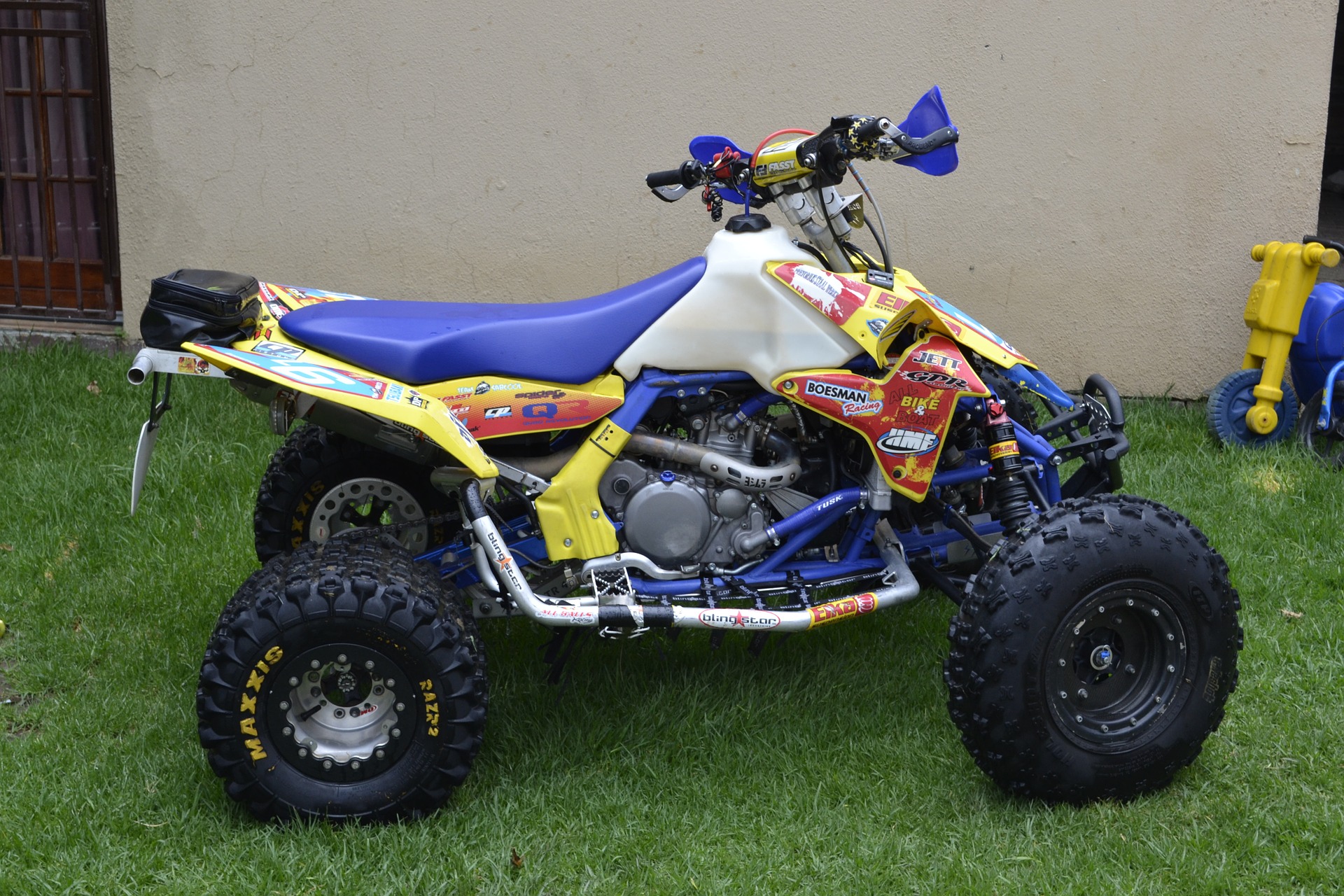
Every child's wish is to have one at some point in his childhood. Can you blame them? Just as you look at them, you will realize how exciting they look for us adults let alone that fun that kids imagine having on them. The million-dollar question that haunts most parents is- are they safe as they are impressive? What specifications do you need to know before getting this best birthday gift for your child? Let us give a brief overview of everything regarding these thrilling vehicles. If you are a parent that is concerned about giving your children high-performance machines, you can start with the smaller 49cc quad bike. They are safer and will ensure that your kids get a hang of riding these machines before progressing to bigger and higher displacement machines. Quad bikes for children need to be fun, exciting as well as ensure the maximum amount of security. If the quad bike is satisfying all those parameters, as parents, you need not be worried about them getting injured riding one. Here Is What You Need To Know Before Purchase: In recent years, children's quads have been increasingly successful. A 4 wheeler for 6-year-old will be one of the most memorable things from his childhood regardless of any present that you gave him. These four-wheel vehicles are the passion for motor enthusiasts and outdoor adventures, in any type of terrain. These vehicles are also very beautiful from the aesthetic point of view and we do not find any compromises in terms of design or functionality even though they are produced for children. The manufacturers of vehicles for children have immediately launched many models to amaze our children and their parents. From their earliest age, they have the opportunity to imitate the maneuvers that their father or uncle is able to do with the real quad. We need to take careful consideration of the fact that these machines are very close to being or are identical to the real quad-bikes. There are even models with internal combustion engines, but they are dedicated to older children. Nevertheless, what you are probably interested in are four-wheelers with an electric motor ranging from 6V for smaller kids to 12V models that are able to reach speeds a little higher than every 10-year-old child would give everything to have. Many models follow the lines of the already famous quad bike models. Others replicate the design of automobiles and cars, and there are even models that have designs and colors dedicated only to the girls, while still others have a futuristic look and seem to come out of one of those post-apocalyptic films. In terms of engineering, the smaller quad vehicles come with low-pressure tires, and steering the quad is enabled through manual handlebars. In engineering terms, the smaller quads are quite a marvel in terms of design and handling capabilities. Most of the vehicles on the market for children can be enjoyed and operated by one person only (they are equipped with one seat). However, there are a few optional extras and models where customers can have the extra seat option available. If we are to compare the smaller quads, which have specifically been built for children to enjoy with the quads of their adult counterparts, we find that in addition to enjoying them for adventure sports, adults often use the practical machines for farm use. If you are wondering about how efficient these quad machines are and are somehow concerned about their energy consumption, we would be happy to point out that unlike similar machines for adults, manufacturers engineer the smaller quads in a way, that they consume significantly lesser energy on account of their smaller engines (lesser cubic capacities). The Best “Toy” That Your Child Will Ever Have: Children who are new to the field of riding are usually between 4 and 7 years old, while children with more experience are usually between 8 and 12 years old. While these age groups are merely a consideration, consider your child's experience and level of maturity when driving a vehicle before committing to purchase one. Electric quads maintain a lower throttle and speed limit, with a better driving experience. It is also advisable to check the reliability of the electric brakes, the high-speed locking options, and the padded handlebar, especially for the amateurs. Many kids are more geared towards exploration and adventure than others are. Some of them are even daring enough to take these vehicles out at night to explore newer terrains, and experiences. For such adventurers, manufacturers have armed the machines with nightlights and reflectors that end up guaranteeing not only a more satisfying experience but more importantly, they ensure a far superior level of security. Other important safety features to consider are speed limiters, controlled access through a key ignition, remote control, or switches. Depending on your needs, there are specific models that allow additional add-ons such as an extra seat for the passenger or additional storage space. In the end, I know very well what you might be thinking right now. Since that there is no reason not to buy such an amazing gift for your child if you can afford it, the only worry that you might have is the overall safety of your child while on the road. However, we would like you to remember, that with such safety measures with only one click the bike can be turned off and everything that has been done to improve these machines in the present is oriented to their safety. The most important thing for a parent is to ensure the utmost security for their loved ones. With this in mind, we strongly suggest investing in added accessories and other safety add-ons like helmets, riding gloves, protection pads for the elbows and knees, and any other requirement that would be individually suited to your child. If you really want a child to feel special, a quad bike is definitely going to crown you undisputedly, as the coolest parent in the neighborhood. Read Also: Ways To Improve Children’s Parties How Does It Feel Like Riding A Bike As Your Passenger?

READ MOREDetails
Motorhome Servicing

Motorhome Servicing and Maintenance: Your Complete Guide

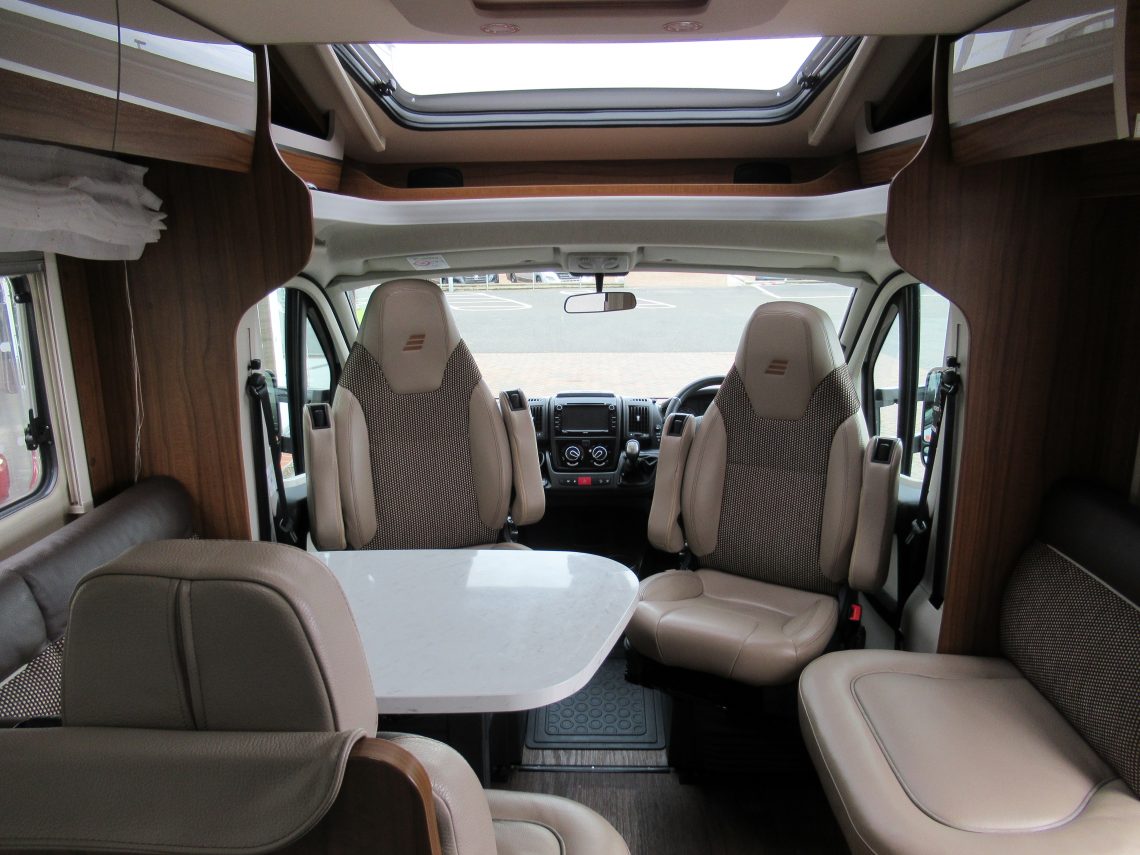
Your motorhome is not only your gateway to holiday fun, but it is also a road vehicle. To keep yourself and your passengers, and others on the road safe, you need to have your motorhome serviced regularly. Regular servicing helps maintain safe operation as well as the longevity of your vehicle and keeps it in better condition so it retains its value for longer. Here’s what you need to know about motorhome servicing and maintenance. Where Can I Get My Motorhome Serviced? A workshop specializing in motorhomes carries out the servicing. Servicing can often be arranged through the dealership where you purchased your motorhome, and this is usually the most efficient way to get a professional and reliable service. Make sure you carry out the service at the times and mileages recommended by the motorhome manufacturer. In addition to the chassis and mechanical checks, you need to service the living area, which is often called a habitation check. This should also be carried out by a specialist workshop of the motorhome dealership. During this service the engineer should check the heating systems, water supply, gas, and electric systems and the fixtures. They will also check for signs of damp or dangerous wear and tear. It is important to have a regular habitation check since this keeps the vehicle safe as well as making it more comfortable. Don’t forget to book your service early as many workshops are busy during the spring months before the season starts. What Can I Check at Home? As well as the regular professional servicing and habitation checks, you can also keep your motorhome in top condition with maintenance checks. Set up a schedule to spring clean your vehicle on an annual basis; you give the van a thorough clean to remove any build-up of dirt and grime that could lead to deterioration over time. Check the windows and doors for leaks or damaged seals. Damp inside the van can be a problem. If you notice any musty smell or any signs of mould, open all the windows and doors, remove the mould, and give the van an effective airing. Check the water and power systems. Clean water tanks with recommended cleaners and sterilizers. Check the gas system so that everything remains properly connected and there is no damage to any fixtures. Look over the appliances to make sure everything works correctly. Open out the beds and air any soft furnishings. Look at the oil and coolant levels and check the battery of the motorhome. If you don’t use your vehicle over the winter, keep the battery charged by turning on the engine or running the van every six weeks or so. Start the vehicle to check the wiper blade work and that the blades have not perished. You can also check, before you start your first trip of the season, that your paperwork is in order and you have the correct MOT certificate and evidence of regular servicing. Make sure your breakdown cover is up to date and you have the correct insurance cover. Once you have completed all these checks, you’ll enjoy a more relaxing and safer season in your motorhome. Read also: How Car Detailing Can Keep Your Vehicle in Top Shape Contemplating an Aluminium Ute Canopy For Your Four-Wheel Drive Vehicle?

READ MOREDetails