Published on: 04 June 2021
Last Updated on: 03 January 2025
Whether you need a solution for pain management, a sleeping issue, anxiety, or general health maintenance, there are a host of cannabidiol products that can serve as a treatment option. One of the most potent options is CBD oral drops, which can be infused into food and beverages or be used on their own. The best palace to source the tincture from are online pharmacy stores.
These stores are made up of large pharmaceutical chains, smaller local pharmacies, and other lawful organizations that sell medication online. Although physical pharmacies and specialty stores stock cannabis-based products, the inconvenience of visiting these stores and following ques and filling forms is daunting. This is the main reason why most patients prefer online shopping.
Online medication orders require no paperwork and usually take only 5-10 minutes to complete. Besides supplying medication to consumers at low prices, these platforms are accessible 24-7 which provide patients with the flexibility of ordering medication at any time.
These platforms also give patients a complete look at the benefits of using products such as CBD oral drops and their effects on the physical and mental being.
Mistakes to Avoid When Buying CBD Oral Tincture:
In the old days, when people felt even an inkling of an illness, they would instinctively visit the local apothecary for a solution. These stores stocked naturally derived/based treatments that could manipulate both the body and mind into a state of wellness.
Since then, a lot has changed as now we look to chemical or synthetic based treatments to heals what ails us. However, the prevalence of side effects has been soaring into the nerve-wracking territory, which deters patients from getting treatment.
The discovery of the cannabidiol compound in cannabis plants came as a welcomed relief at the time as patients now had a naturally-based treatment solution that is both effective and safe. The cannabidiol compound was originally processed or transformed into a handful of products, one of them being cannabidiol tinctures.
Tinctures are liquid substances that contain varying amounts of the cannabidiol compound along with other naturally derived products. The CBD drops gained traction in the industry quite quickly, which made way for counterfeit products.
Thus, experts advise that the following guidelines be followed when buying cannabidiol tinctures:
Do not buy the cheapest tincture available
Do your homework, expand your knowledge on essential aspects of a product before purchase
Make sure the tincture is non-GMO & organically sourced
Do not assume all CBD drops are the same as some can be sourced from the hemp plant while others are sourced from the marijuana plant. This results in differing compound content
Ensure that the tincture you choose to purchase has certification or verifiable proof of its compound's origin
Our CBD Oil Drops and Tinctures Different?
Most consumers assume that cannabidiol oil and tinctures are the same product because of their visual appearance however, this assumption is misguided. These products cannot be used interchangeably and should be used following each product's dosage and usage practice. Unlike cannabidiol oil, tinctures contain lower levels of the active CBD compound, making them ideal for beginners.
Tinctures have a longer shelf life–between 14 and 24 months and have a higher bioavailability than CBD oil drops. This means that more significant amounts of the CBD compound are absorbed by the body rather than eliminated. The cannabinoid compound is essentially extracted from the cannabis plant and processed into a liquid form.
Various substances such as glycerine, cinnamon, and peppermint oil are added to the liquid-based to create a tincture. The CBD oral tincture is suspended under a 60-70% ratio of distilled alcohol. The alcohol content in the tincture serves as a preservative and increases the rate at which the product is absorbed by the system as well.
Other ingredients included in tinctures are:
Essential vitamins like B12, D, C, etc
Essential oils like basil, lavender, etc
Water
Herbs
Melatonin
Sweeteners
Origins of the CBD Oral Tincture:
Cannabidiol compounds can be administered in many ways, as shown by the several forms it is available. The cannabidiol compounds therapeutic benefits can be extracted by dabbing, eating, drinking, or applying it topically to the skin.
Among the most popular administration practices are all methods that involve cannabidiol tinctures. Unlike other cannabidiol products primarily made from cannabis leaves and stems, tinctures are produced from cannabis flowers. It is made by steeping flowers or cannabidiol isolates in high-proof grain alcohol, then leaving the brew on low heat for an extended period of time.
This procedure allows the active compounds in the cannabis flower to infuse with the neutral alcohol spirit, much of which is boiled off thereafter. The result is a potent liquid tincture that can deliver the effects of the cannabinoid molecules without using smoking or other forms of combustion as a delivery method.
Tincture Dosing:
When it comes to cannabidiol products, most consumers discard dosing guidelines due to the compound's natural origins. Although using the cannabidiol products acutely or chronically is relatively safe, adverse effects are still a possibility.
These adverse effects are commonly induced by non-adherence to dosage or usage instructions. Cannabidiol-infused products such as tinctures should be used according to dosage guidelines as the agent is concentrated.
Tinctures were designed to be taken in small doses thus, each bottle comes with a built-in dropper. This administration tool helps users take small, carefully measured doses. Since tincture doses are small, they can be administered in a variety of ways.
The most popular being food or beverage incorporation. No matter which administration method you choose, the standard recommended starting dose is 1-2 drops a maximum of 3 times a day. Once ingested, the tincture is absorbed rapidly into the bloodstream, which means it produces effects pretty fast.
According to experts, patients will experience effects just 15 minutes after consumption however some users may feel effects at a later stage, up to 45 minutes later. The delayed effects are often due to several factors such as body weight, age, underlying conditions, medication currently being used, and more.
Read Also:
Content Rally wrapped around an online publication where you can publish your own intellectuals. It is a publishing platform designed to make great stories by content creators. This is your era, your place to be online. So come forward share your views, thoughts and ideas via Content Rally.
There has been no time more integral to the advancement of our society than the 21st century. The past 20 years have been essential to the technological increases that are impacting billions of people all across the globe. Many facets of our society have been affected in the modern era, and healthcare is one of the most impacted elements. There has been a transformation throughout the healthcare industry, as new technologies like procedural telemedicine, as well as new regulations, have become commonplace throughout the medical system. There is a multitude of different specialties in healthcare, but one of the top aspects is physical and occupational therapy. This facet is involved in helping people fix their bodily ailments without the use of more invasive procedures.
What is Physical and Occupational Therapy?
Physical and occupational therapy has become increasingly popular throughout the 21st century, as advancements in the field and a greater understanding of the body have helped to improve peoples’ wellbeing. Patients who frequently attend physical and occupational therapy often have chronic pain or muscular-skeletal issues that can be aided with different exercises and stretches that help to heal the body. Working as a physical or occupational therapist allows you to more effectively treat patients who need help and requires immense knowledge of the human body. As 2020 has already gotten underway, it has become evident that the many changes to the system, especially for Medicare patients, are continuing to affect physical and occupational therapy offices. Understanding these changes is essential if you work in this field.
Learning about the 2020 Medicare Changes for PTA & OTA Modifiers
Working as a PTA (physical therapy assistant) or OTA (occupational therapy assistant) has undergone immense change since the beginning of the new decade in 2020. The Centers for Medicare and Medicaid Services (CMS) has altered its billing policies, which has impacted the modifiers used in your office as well as the reimbursement procedures provided by PTAs and OTAs. Medicare changes 2020 has been implemented as a payment differential in the ways that PTAs and OTAs are paid.
The payment rate is now 85% of the rate of what assistants are paid. CMS has noted that any care that exceeds 10% of the total time of care would now be subject to reduced billing. The payment differential has to be applied to all private practice facilities, home health agencies, hospital outpatient departments, as well as rehabilitation agencies.
The codes that this can be applied include therapeutic services, as well as administrative or non-therapeutic services. Any timed or untimed coded procedures and modalities are also included, such as re-evaluations and initial evaluations. These many changes also include new documentation which provides a short description of the application of modifiers.
While many of these changes may sound a bit challenging, understanding them is essential for the success of any physical or occupational therapy office.
Final Thoughts
Working in the physical or occupational therapy field can be very complex, especially when dealing with Medicare billing. Learning about the 2020 changes in Medicare billing is essential when running a physical or occupational therapy firm.
Read Also:
What Transaction Management Software Will Do to Aid Your Real Estate Business
Recognizing How Important Inventory Management is to Your Ecommerce Store
We’ve all had times when we’re under the weather and have to call in sick from your office. However, after such a tough 18 months or so due to a global pandemic, economic and political uncertainty, civil unrest, and more, many of us face more physical and mental illnesses leading to the need for time off work and calling in sick from the duty.
If you worry about what consequences could arise for calling in sick or how to do so in the most appropriate manner, here are tips to follow next time you need to have that conversation with your boss.
5 Tips For Calling In Sick From Your Work
Your message(s) may need to communicate urgent work information, too. You may need to let people know how to handle a time-sensitive matter or how to locate documents or other information. Giving the team the necessary data will show you respect your responsibilities and the needs of the company
Here are five tips for calling in sick from your work:
1. Know What You Can Take a Sick Day For
It’s helpful if you’re clear about what you can feasibly take a sick day for within your company. Ideally, read up on your firm’s policies regarding this matter before you end up unwell. In general, though, people are advised to avoid going to work if they could be contagious. Bad migraines, flu, food poisoning, and the like are also things it’s valid to stay home for.
Also, some employers have policies regarding calling in sick family members that mean staff members can take days off if they need to be at home to look after unwell children, parents, etc. Check the HR policies for your company to see if there’s a formal policy in place around this topic.
you may go through: How to Increase the Safety of Your Employees
2. Understand the Procedure to Follow
You should know how to calling in sick in a way that’s effective for your employer. Understand the procedures put in place so you can go straight to the right person and communicate the necessary things in the desired way.
Some firms need employees to contact the human resources department or submit a form online, while others, especially smaller ventures, will have unwell team members call their direct supervisor or the business owner.
The contact method depends on the company and the person you need to inform about your condition. Often people expect a phone call, but some managers who are on email often and get distracted by calls prefer short email communications or even text messages. Plus, some companies also have intranet setups where you can advise if you're sick online.
If there aren’t any hard and fast rules in your company, consider how, when, and where people work and what communication method might suit best. Generally, though, a phone call tends to be your best option if you’re unsure.
3. Don’t Delay To Inform
Businesses need to know ASAP that employees can’t come in. They need to redirect resources and make plans for how else tasks may get completed that day. As such, don’t delay when informing your organization of your health complaints.
Make contact as soon as you’re able, though do wait until a reasonable hour in the morning, so you don’t wake people. The more notice you give your manager and colleagues, the easier it will be for them to cope without you, and the less likely it is that they get annoyed about your absence.
You may go through: Can an Employee Claim for a Personal Injury When Working From Home?
4. Be Concise And Clear
When letting people know you’re sick, be concise and clear. Don’t feel like you have to waffle on justifying your calling in sick, as excessive explanations make it seem like you’re faking the illness. Be brief and direct, and keep the language and tone of messages professional.
Provide enough details to explain you can’t come in and, if you know, how long you might be off work. Convey urgency but also keep your privacy where you want. You do not have to give your employee detailed information about what’s wrong with you.
5. Consider Paperwork
Depending on your organization’s policies, you may need to submit some documentation to your boss or an HR manager upon your return to work. Many companies require employees to obtain evidence of their calling in sick, especially when people need to take many days off in a row.
You may need to contact a health practitioner for an urgent care doctor’s note that indicates your health condition, how long you’ll be absent, and if you require any work changes (such as shorter hours or altered equipment) when you’re back. You might need to show your employer a police report if you were in a car or other type of accident or a hospital or clinic admission report for surgery.
Conclusion:
None of us like feeling under the weather or having to let our supervisors know we’re unable to work. However, if you go about calling in sick in a responsible manner, you shouldn’t have anything to worry about and can concentrate on getting well, instead.
Read Also:
5 Ways to Get a Better Work-Life Balance for Remote Employees
7 Ways to Boost Employee Productivity and Create a Positive Culture
Understanding How Employee Recognition Can Aid Your Consulting Firm
We live in a time when our health and the environment are subjects of intense focus. In a world grappling with the complexities of climate change and wellness, how do we strike the balance between taking care of ourselves and the Earth?
One surprisingly simple but effective way is by choosing the right plants for our gardens. Could the secret to a balanced life be right in our own backyards? In this comprehensive guide, we'll explore why native plants are not just a trendy gardening choice but an essential element for fostering personal and ecological well-being.
The Symbiotic Relationship between Native Plants and Local Ecosystems
Native plants have evolved over thousands of years in specific areas, forming complex relationships with local wildlife and insects. Unlike non-native species that are often cultivated for their aesthetic appeal alone, native plants play a crucial role in local ecosystems.
Ecological Benefits of Native Plants
Water Conservation: Native plants are naturally adapted to local rainfall patterns and soil types, requiring less irrigation.
Soil Health: These plants often have deep root systems that hold the soil together, reducing erosion and improving soil structure.
Supporting Local Biodiversity: Native plants provide essential habitats and food sources for local wildlife, including pollinators like bees and butterflies, birds, and other small mammals.
By introducing native plants into your garden, you're actively participating in ecological conservation from the comfort of your home.
The Psychological and Physical Health Benefits of Native Plants
Gardening is therapeutic, but its benefits can be further amplified when incorporating native plants.
Aesthetically Pleasing Environments
Native plants, with their varied forms, colors, and textures, can create a pleasing visual tapestry throughout the year, enhancing psychological well-being.
Encouragement for Outdoor Activity
The appeal and ease of maintenance of a native garden often entices people to spend more time outdoors, encouraging physical activities such as walking and gardening, which are known to improve mental and physical health.
Why Many People Overlook Native Plants
Despite their myriad benefits, native plants are often overlooked for more ornamental, non-native species.
Common Misconceptions
Limited Variety: Many people think native plants offer less variety, which is not true.
Aesthetic Limitations: The misconception that native plants are less attractive than exotic species also discourages people from incorporating them into their gardens.
A Paradigm Shift: How Organizations Are Making a Difference
There are several organizations dedicated to the cause of promoting native plants. One such organization is Garden for Wildlife, which provides extensive resources for homeowners looking to make a difference through informed gardening choices. From articles to plant databases, Garden for Wildlife helps you make knowledgeable decisions on incorporating native plants into your personal spaces.
How to Get Started with Native Plants
Creating a garden of native plants isn't difficult; it just requires some planning and know-how.
Identify Native Plants for Your Area: Research which plants are native to your location. Garden for Wildlife has some great resources for this, including their ZIP code native plant finder.
Planning: Map out your garden, considering the sun and shade patterns.
Planting: Get the plants and plant them according to the specific needs of each species.
Maintenance: Follow appropriate watering, pruning, and care guidelines.
Challenges and How to Overcome Them
Switching to a native plant garden comes with its own challenges, but these can be managed with the right approach.
Knowledge Gap: It can be daunting to start from scratch. Overcome this by researching through credible sources.
Adapting to New Maintenance Practices: Native plants may require different care practices compared to the plants you're accustomed to.
Why Native Plants Are a Game-Changer
As we navigate the complex terrains of health and ecology, it's heartening to know something as simple as choosing the right plants for our gardens can make a difference. By opting for native plants, we are not just making a conscious choice for our well-being but are also contributing to a larger ecological balance. Garden for Wildlife is here to guide you through this rewarding journey. Let's take a step toward a more sustainable and healthier lifestyle today.
Ready to embark on a transformative gardening journey that benefits you and the environment? By following the insights and guidelines in this article, you're not just planting a garden; you're sowing the seeds for a healthier, more sustainable future.
Read Also:
3 Best Indoor Plants For The Dining Room
Unlocking Plant-Based Protein Potential: Exploring A Leading Supplement
Enhancing Spaces With Greenery: The Art Of Plant Styling In Interior Design













 Most consumers assume that cannabidiol oil and tinctures are the same product because of their visual appearance however, this assumption is misguided. These products cannot be used interchangeably and should be used following each product's dosage and usage practice. Unlike cannabidiol oil, tinctures contain lower levels of the active CBD compound, making them ideal for beginners.
Tinctures have a longer shelf life–between 14 and 24 months and have a higher bioavailability than CBD oil drops. This means that more significant amounts of the CBD compound are absorbed by the body rather than eliminated. The cannabinoid compound is essentially extracted from the cannabis plant and processed into a liquid form.
Various substances such as glycerine, cinnamon, and peppermint oil are added to the liquid-based to create a tincture. The CBD oral tincture is suspended under a 60-70% ratio of distilled alcohol. The alcohol content in the tincture serves as a preservative and increases the rate at which the product is absorbed by the system as well.
Other ingredients included in tinctures are:
Most consumers assume that cannabidiol oil and tinctures are the same product because of their visual appearance however, this assumption is misguided. These products cannot be used interchangeably and should be used following each product's dosage and usage practice. Unlike cannabidiol oil, tinctures contain lower levels of the active CBD compound, making them ideal for beginners.
Tinctures have a longer shelf life–between 14 and 24 months and have a higher bioavailability than CBD oil drops. This means that more significant amounts of the CBD compound are absorbed by the body rather than eliminated. The cannabinoid compound is essentially extracted from the cannabis plant and processed into a liquid form.
Various substances such as glycerine, cinnamon, and peppermint oil are added to the liquid-based to create a tincture. The CBD oral tincture is suspended under a 60-70% ratio of distilled alcohol. The alcohol content in the tincture serves as a preservative and increases the rate at which the product is absorbed by the system as well.
Other ingredients included in tinctures are:
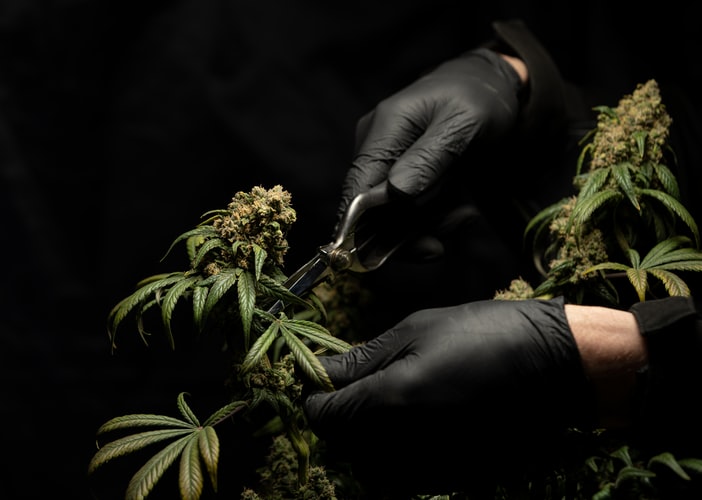 Cannabidiol compounds can be administered in many ways, as shown by the several forms it is available. The cannabidiol compounds therapeutic benefits can be extracted by dabbing, eating, drinking, or applying it topically to the skin.
Among the most popular administration practices are all methods that involve cannabidiol tinctures. Unlike other cannabidiol products primarily made from cannabis leaves and stems, tinctures are produced from cannabis flowers. It is made by steeping flowers or cannabidiol isolates in high-proof grain alcohol, then leaving the brew on low heat for an extended period of time.
This procedure allows the active compounds in the cannabis flower to infuse with the neutral alcohol spirit, much of which is boiled off thereafter. The result is a potent liquid tincture that can deliver the effects of the cannabinoid molecules without using smoking or other forms of combustion as a delivery method.
Cannabidiol compounds can be administered in many ways, as shown by the several forms it is available. The cannabidiol compounds therapeutic benefits can be extracted by dabbing, eating, drinking, or applying it topically to the skin.
Among the most popular administration practices are all methods that involve cannabidiol tinctures. Unlike other cannabidiol products primarily made from cannabis leaves and stems, tinctures are produced from cannabis flowers. It is made by steeping flowers or cannabidiol isolates in high-proof grain alcohol, then leaving the brew on low heat for an extended period of time.
This procedure allows the active compounds in the cannabis flower to infuse with the neutral alcohol spirit, much of which is boiled off thereafter. The result is a potent liquid tincture that can deliver the effects of the cannabinoid molecules without using smoking or other forms of combustion as a delivery method.
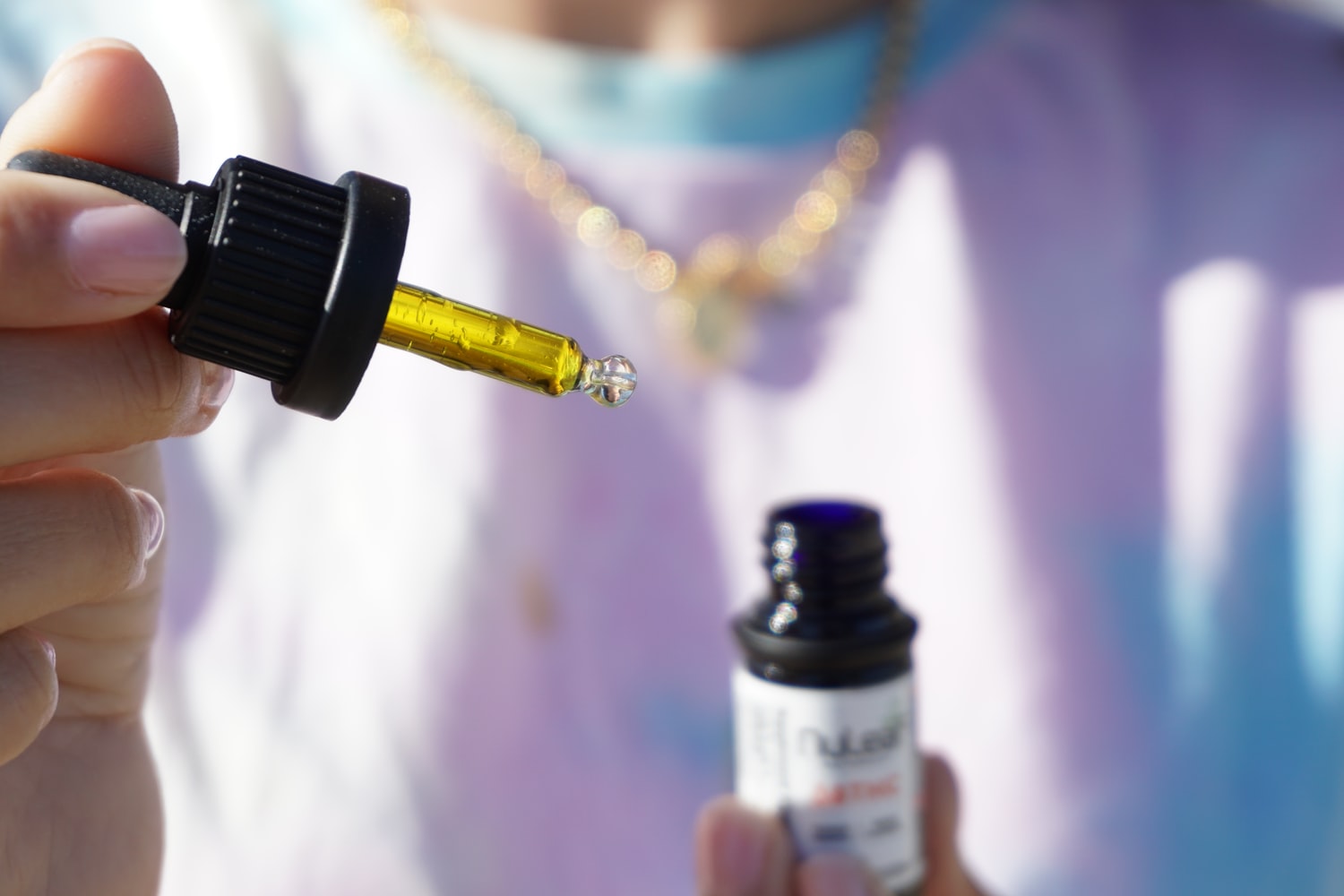 When it comes to cannabidiol products, most consumers discard dosing guidelines due to the compound's natural origins. Although using the cannabidiol products acutely or chronically is relatively safe, adverse effects are still a possibility.
These adverse effects are commonly induced by non-adherence to dosage or usage instructions. Cannabidiol-infused products such as tinctures should be used according to dosage guidelines as the agent is concentrated.
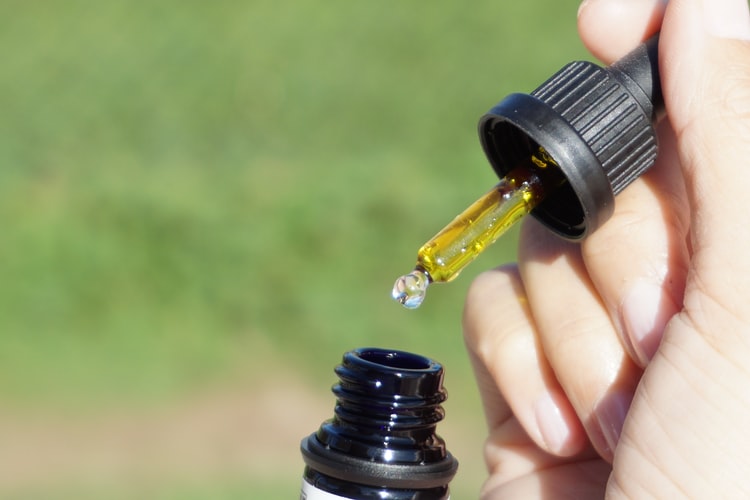
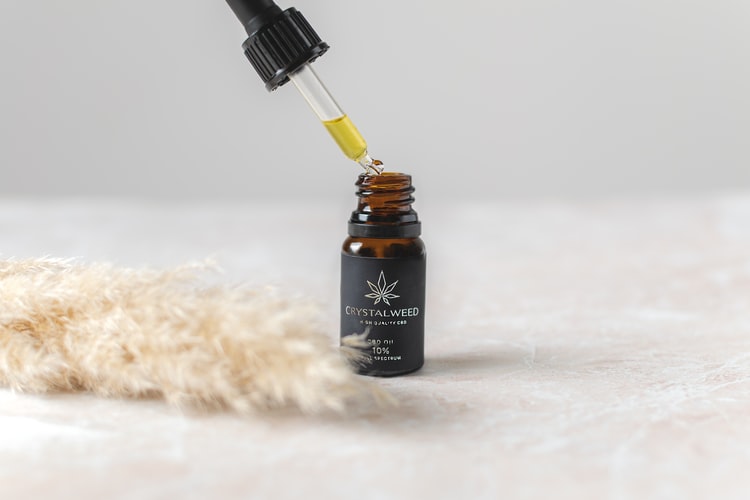
Tinctures were designed to be taken in small doses thus, each bottle comes with a built-in dropper. This administration tool helps users take small, carefully measured doses. Since tincture doses are small, they can be administered in a variety of ways.
The most popular being food or beverage incorporation. No matter which administration method you choose, the standard recommended starting dose is 1-2 drops a maximum of 3 times a day. Once ingested, the tincture is absorbed rapidly into the bloodstream, which means it produces effects pretty fast.
According to experts, patients will experience effects just 15 minutes after consumption however some users may feel effects at a later stage, up to 45 minutes later. The delayed effects are often due to several factors such as body weight, age, underlying conditions, medication currently being used, and more.
Read Also:
When it comes to cannabidiol products, most consumers discard dosing guidelines due to the compound's natural origins. Although using the cannabidiol products acutely or chronically is relatively safe, adverse effects are still a possibility.
These adverse effects are commonly induced by non-adherence to dosage or usage instructions. Cannabidiol-infused products such as tinctures should be used according to dosage guidelines as the agent is concentrated.
Tinctures were designed to be taken in small doses thus, each bottle comes with a built-in dropper. This administration tool helps users take small, carefully measured doses. Since tincture doses are small, they can be administered in a variety of ways.
The most popular being food or beverage incorporation. No matter which administration method you choose, the standard recommended starting dose is 1-2 drops a maximum of 3 times a day. Once ingested, the tincture is absorbed rapidly into the bloodstream, which means it produces effects pretty fast.
According to experts, patients will experience effects just 15 minutes after consumption however some users may feel effects at a later stage, up to 45 minutes later. The delayed effects are often due to several factors such as body weight, age, underlying conditions, medication currently being used, and more.
Read Also: