Published on: 11 February 2021
Last Updated on: 26 December 2024
If you have ever wondered if celebrities and all the successful people you know ever had to deal with stress and all the negativity “normal people” struggle with daily? The truth is they also do. They suffer pain, loss, and depression, just like everyone else.
It’s possible you have heard of celebrities with depression or who even suffered from mental breakdowns; they had to be checked into rehab.
But this article isn’t about famous people who have visited rehab before but those who have one time dealt with depression. So without wasting time, below are some of the celebrities you know who have suffered depression in their lives.
Dwayne Johnson
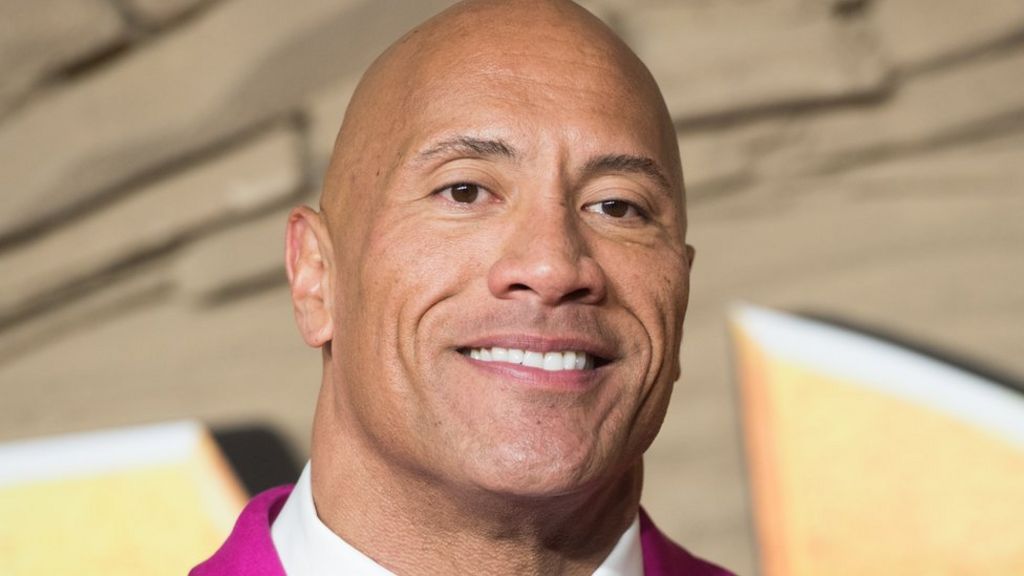
Now, if you think ‘’The Rock” is one stone-cold machismo character, well, he is when he is on screen. But when the 6ft 4inches tall celebrity is off-screen, he certainly has a lot to contend with like everyone else.
In a recent talk with British newspaper Express, he opened up to being depressed, and the dude didn’t have any serious reasons for being so, aside from being human. And he encouraged guys specially to do better than bottle everything in. “Depression Never Discriminate.” He shared later on his tweeter page.
Katy Perry
American female pop sensation Katy Perry has also revealed on time on a live stream tour on YouTube about how she too fights depression and is never ashamed to say so. She urged her fans to keep it real with themselves and everyone watching the need to take mental health seriously.
Lady Gaga
With many hit songs and billboard toppers to her name, one wouldn’t be surprised that her royal highness Lady Gaga would have had to weather through stormy days. And if there is anything to learn from the celebrity is that we can rise above our challenges.
She opened up about how she uses medication to battle depression and anxiety and advised her fans to be open about their health. You can find out here what you should do when you are faced with a nervous breakdown.
Michael Phelps
If you have won a series of gold medals for competitive swimming, you would surely know how to recover from any drowning situation. But it will interest you to discover that the world record swimmer Michael Phelps almost ended his life sometime after the 2012 Olympics.
And if there is anything we’ve found out from successful people is that success comes at a price. So Phelps had to sober up and get the help he needed. So if you want to conquer depression, you want to pay the price and get the right help.
J.K Rowling
It is no surprise that celebrity author of the Harry Potter Books, J.K Rowling, would appear on the list of celebrities who have battled depression. For someone who has put smiles on the faces of millions could only have done so by sacrificing a bit of theirs. And for J.K, it wasn’t that she was sad, as she described it on Oprah, “it’s that cold absence of feeling.”
Jim Carrey
The only man crazy enough to pull off the stunts in ‘’The Mask.” And also stared in some of the funniest character movies of all time, Ace Ventura comes to mind is also on the list of celebrities who have suffered from depression.
And what’s interesting about Carrey’s situation is that he doesn’t use medication such as anti-depressants or alcohol to help deal with life's issues. He faces them squarely and urges you to do so too. There are useful tips on this page https://www.verywellmind.com/overcoming-addiction-4157285 about fighting addiction.
Johnny Depp
Actor Johnny Depp could be one of Hollywood’s most anxious celebrities, and it is no secret that he works with therapists even while on movie sets to help manage his anxiety. Although he does a fine job with his character while on stage, he easily shows his anxiety during interview sessions.
Eminem
Another famous celebrity on the list is Eminem, and it is no secret that the rapper has had to battle with a lot of challenging situations. One of them is the unending conflict with his ex-wife, which the artist often rapped about in some of his verses.
Depression can affect your health negatively and should not be taken likely. You want to look out for signs that you may be in a depressive state and seek expert help if you are too deep.
Read Also:
Content Rally wrapped around an online publication where you can publish your own intellectuals. It is a publishing platform designed to make great stories by content creators. This is your era, your place to be online. So come forward share your views, thoughts and ideas via Content Rally.
Australia's diverse climate encompasses a wide range of humidity levels, varying across regions.
When women take a caregiver’s role, they often forget themselves. This is not how it should be. Here are some amazing beauty tips that all women should follow to attain a healthy lifestyle that manifests through a healthy body and radiant mind. And, also, let’s understand the beauty of joseon products in Singapore.
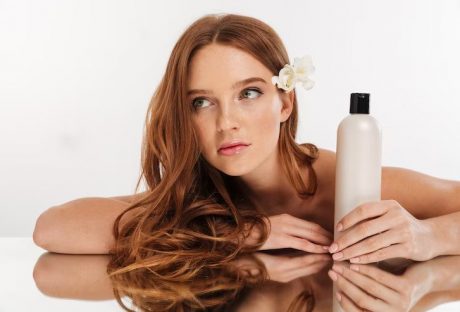
Those unruly strands and the perpetual feeling of moisture in the air can make maintaining a sleek and polished hairstyle seem like an elusive dream. However, fear not, for the beauty industry has embraced the quest to conquer frizz and humidity, offering a range of effective products that act as your armor in this battle.
So, this post explores the essential hair care products from brands like Muk hair products in Australia that are your trusted companions in taming frizz and defying humidity.
Smoothing Shampoo and Conditioner: The Foundation
The journey to frizz-free hair begins in the shower. So, opt for a smoothing shampoo and conditioner duo that is formulated to tame frizz while nourishing your strands. These products work together to create a smoother surface for your hair, making it less susceptible to humidity-induced frizz. As you massage the products into your scalp, envision washing away your hair's worries and preparing it for the day ahead.
Anti-Frizz Serum: Your Secret Weapon
Anti-frizz serum is like a secret weapon tucked in your beauty arsenal. This lightweight elixir helps to seal the hair cuticles, preventing moisture from infiltrating and causing frizz. A small amount goes a long way – simply distribute a dime-sized portion through your damp hair before styling. As you do so, imagine creating an invisible shield that keeps frizz at bay, leaving you with a smooth and polished finish.
Leave-In Conditioner: Nourishment and Defense
A leave-in conditioner is more than just a nourishing treat for your hair; it's also a defense against frizz and humidity. As such, choose a formula that offers both hydration and protection. Apply it to your damp hair, focusing on the ends, and then proceed with your styling routine. As you work the product through your hair strands, visualize each strand becoming fortified, ready to face the challenges of the day.
Heat Protectant Spray: Guarding Against the Elements
Heat styling tools are often essential for achieving the desired hairstyle but can also contribute to frizz when humidity strikes. A heat protectant spray shields your hair from heat damage and creates a barrier against humidity. So before reaching for your styling tools, spritz the protectant onto your hair, imagining a protective shield enveloping each strand, safeguarding it from frizz-inducing factors.
Related: Excellent Hair Volume On The Photo — No Problem
Flexible Hold Hairspray: The Finishing Touch
As you put the finishing touches on your hairstyle, reach for a flexible hold hairspray. This product keeps your style in place and provides an extra layer of defense against humidity. Unlike heavy-duty hairsprays that can leave your hair feeling stiff, a flexible hold spray allows your hair to move naturally while maintaining its polished appearance. As you mist the hairspray, envision a delicate veil settling over your hair, ensuring that frizz remains at bay throughout the day.
Conclusion
The battle against frizz and humidity is not a solitary one. With these essential hair care products from reputable brands like Muk Hair Products in Australia by your side, you're armed with the tools you need to achieve the sleek, frizz-free look you desire.
As you incorporate these products into your hair care routine, remember that it's not just about appearance; it's about embracing the confidence that comes with taming those unruly strands. With each application, you're enhancing your hair's beauty and fortifying its resilience against the challenges that nature presents. So go ahead, embrace your frizz-free confidence and step out into the world with hair that's ready to conquer any climate.
Read Also:
Understanding Certifications In Organic Haircare Products: Ensuring Transparency And Quality
How To Choose The Right Hair Transplant Clinic For You
Can Luvme Hair Transform Your Look With Short Wigs?
In a world where healthcare and technology converge unprecedentedly, investors seek avenues aligning with this transformative trend. The Harvest Tech Achievers ETF (HTA ETF) emerges as a strategic choice that navigates the dynamic landscape of healthcare and technology and offers a unique opportunity to participate in their combined growth story.
Confluence Of Innovation
Healthcare and technology have fused, giving birth to a new era of innovation. The HTA ETF reflects this convergence, a financial vehicle that captures the potential of companies actively contributing to this synergy. It's more than an investment; it's an insight into the heart of industries reshaping how we access, deliver, and experience healthcare.
Understanding The Concept
At its core, the Harvest Tech Achievers ETF is a basket of carefully selected companies at the crossroads of healthcare and technology. These companies leverage technological advancements to drive transformative changes in healthcare delivery, diagnostics, treatment, and management. Investing in the ETF means investing in a future where health and technology intersect seamlessly.
Pioneering A Health-Tech Revolution
The companies within the ETF aren't merely chasing trends; they're pioneering a revolution. From digital health platforms that offer telemedicine services to biotech firms engineering groundbreaking therapies, these companies are at the forefront of turning possibilities into realities. This ETF grants investors a front-row seat to the evolution of healthcare and the technological innovations driving it.
Capitalizing On A Growth Nexus
The convergence of healthcare and technology isn't just a trend; it's a growth nexus. The ETF positions investors to capitalize on this growth, with its holdings encompassing companies developing cutting-edge treatments, enhancing patient care through digital platforms, and revolutionizing the way medical information is accessed and utilized.
Investing In Innovators
Innovation is the hallmark of the HTA ETF. The companies within its portfolio are the innovators – the trailblazers transforming how we perceive healthcare. These companies harness technology to tackle healthcare's most pressing challenges, from personalized medicine that tailors treatments to individuals' genetic makeup to wearable devices that monitor health in real-time.
Diverse Holdings, United Vision
Diversification is a pillar of smart investing, and the ETF adheres to this principle. While the ETF centres around healthcare and technology, its holdings span a spectrum of sub-industries, ensuring that investors are exposed to a variety of opportunities. From pharmaceutical giants developing cutting-edge drugs to tech startups reimagining patient engagement, the ETF captures the diversity of health-tech innovations.
Investing In Progress
The HTA ETF isn't just about financial returns; it's about investing in progress. The convergence of healthcare and technology propels humanity towards improved patient outcomes, streamlined processes, and enhanced disease management. By investing in this, you're supporting companies that are driving progress in their balance sheets and the well-being of individuals worldwide.
Seizing The Opportunity
The convergence of healthcare and technology isn't just a fleeting trend; it's a paradigm shift. The ETF offers a strategic opportunity to ride this wave of transformation. It allows you to allocate your investments toward sectors that have demonstrated a remarkable ability to adapt, innovate, and create lasting impact.
Shaping The Landscape
Companies within the ETF are shaping the healthcare landscape. From telemedicine service that connects doctors with patients virtually to bioinformatics companies deciphering complex genetic data for precision medicine, these innovators are driving change in ways that were once unimaginable. By investing in this, you're contributing to their endeavours and becoming a part of this transformative narrative.
The Quest For Solutions
Healthcare has always been about finding solutions to diseases, disorders, and medical challenges. This captures this quest for solutions within its holdings. These companies are at the vanguard of addressing healthcare's most pressing issues, whether developing breakthrough therapies or utilizing artificial intelligence for quicker and more accurate diagnostics.
Balancing Opportunity And Risk
As with any investment, the ETF has its share of opportunities and risks. The inherent volatility of technology and healthcare sectors counterbalances the potential for a substantial return. Investors must approach the ETF with a long-term perspective, recognizing that innovation takes time to materialize and that the road to progress may have its share of bumps.
Research And Informed Decisions
Delving into an investment opportunity like the ETF requires research and informed decision-making. Familiarize yourself with the companies' innovations, financial health, and growth potential. Consider consulting financial professionals who can provide insights and guidance tailored to your investment goals.
Conclusion
The Harvest Tech Achievers ETF is a bridge to the future – a future where healthcare and technology synergize to redefine possibilities. As you navigate your investment journey, remember that the HTA ETF isn't just about numbers on a screen; it's about aligning yourself with industries that are changing lives, propelling innovations, and shaping the future of human well-being.
The HTA ETF offers more than financial returns; it offers a stake in the evolution of industries that matter deeply to humanity. It's an opportunity to invest in a world where technology amplifies healthcare's potential and companies are pioneering solutions that improve lives. With the HTA ETF, you're investing in the synergy of health and tech, where innovation is the currency and progress is the destination.
Read Also:
How Can A Dallas Functional Medicine Doctor Help You?
How Can Healthcare Staffing Benefit You?
American Healthcare and its Woes
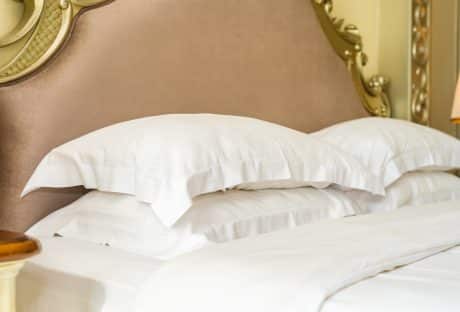
Comfort and quality are very important when it comes to bedding, particularly for people who have sensitive skin. Egyptian cotton sheets are among the finest available on the market. These particular sheets have been people's choice because they are luxurious, durable, and skin-friendly.
In this article, we will discuss reasons these cotton sheets give special advantages to sensitive-skin people.
What Is Egyptian Cotton?
You guessed it right—Egyptian cotton is cotton grown in Egypt. The Nile River's delta offers the most perfect cotton growing conditions.
Egypt's nutrient-rich soil and climatic conditions produce the highest-quality cotton. This helps produce the much-valued, long-stapled, and strong fibers. It denotes that weavers can make more durable and luxurious textiles of the highest quality in the world.
In addition, the long stapled cotton has an unmatched feel of ultimate luxury. Hence, all these attributes make the sheets the most premium, longer-lasting fabric.
Alongside durability, these cotton sheets have a reputation for their beautiful luster and absorbent capabilities. This is how you get these luxury bedding sheets.
Egyptian cotton sheets are a hallmark of quality, and they easily distinguish themselves from common mediocrity. This is why experts rate them high on the list of high-quality cotton.
The Advantages Of Egyptian Cotton Sheets
The Egyptian cotton sheets have a reputation of being of the highest quality. This is why they are the preferred choice for people seeking the ultimate luxury.
You can call it a gold standard for quality. The cotton sheets are the perfect blend of quality, comfort, and luxury. However, we discuss some of the key reasons why Egyptian cotton is ideal for sensitive skin:
Superior Softness
When you think of exceptionally soft fabric, one name comes to mind: Egyptian cotton! This is wholly attributed to the fact that this material comprises long staple fibers. This makes up its composition, unlike other types of cotton, whose fibers are shorter and coarser.
Hence, they are less prone to being woven into thin threads.
That means we now have fabrics that are smoother upon touch than all others. That is the reason you get more comfort during sleep.
Besides, its softness also creates an environment conducive to relaxation at bedtime for those with skin sensitivity.
Hypoallergenic Properties
People with sensitive skin are most concerned about allergic reactions. These may occur due to various causes, including anything touching or rubbing against their body parts.
Furthermore, this fabric is so tightly woven that it excludes dust mites and some other typical allergens like molds.
Thus, all these factors help reduce the chances of getting an allergy. Hence, Egyptian cotton enhances sleep quality by ensuring a person breathes in cleaner air at night. Therefore, while sleeping on hypoallergenic Egyptian cotton sheets, those with sensitive skin do not need to bother. These sheets of linen guard them against any kind of discomfort or allergic reactions that might arise during the night
Higher Thread Count
One of the key indicators of high quality is the thread count. It is the number of threads that are woven to create one single square inch of sheet.
You have the thread count by counting the width-wise threads called weft and the lengthwise thread counts or the warp.
The higher thread count is one of the key indicators of higher-quality sheets. The Egyptian Cotton Sheets are known all around for their higher thread counts compared to the other thread counts. This happens as a result of the staples' length.
You can get a diverse range of thread counts in the Mediterranean climate. It includes a super soft 200 thread count, a sumptuous 400 thread count, and also the 5-star quality 600 thread count Egyptian cotton bed linen.
Breathability And Moisture-Wicking
Egyptian cotton sheets are highly breathable because they are made from natural fibers. Their composition allows free air circulation within them, thus regulating the human body's warmth while asleep.
Moreover, this characteristic is essential for people who have fragile surfaces. Excessively high temperatures and sweating make their skin more harmful than before.
Egyptian cotton has excellent moisture-wicking abilities. It enables the sheet to soak, dry sweat faster, and keep skin dry throughout the process. However, proper moisture regulation makes Egyptian cotton bedding the right choice for a cool sleeping atmosphere.
Anti-Pilling Properties
Pilling is the formation of small balls of fiber on fabric due to friction. It can be especially disturbing for those with sensitive skin because it creates a rough and uneven texture.
Moreover, Egyptian cotton that has long staples does not pill excessively, hence maintaining a consistently soft and smooth surface.
This implies that even with frequent use, the development of comfortable and non-irritating bed sheets will take longer. Resistance to pilling helps maintain the luxuriousness of the sheets by ensuring a constantly soft touch, which is very important when dealing with delicate skin.
Durability And Longevity
For comfort and long-term value, top-quality bedding should be considered a must-have as durability and long-lastingness are the two characteristics that make Egyptian cotton sheets trendy.
Forgetting their softness or integrity, the fibers of Egyptian cotton are strong enough to endure many washes and maintain their original touch even after being used over time.
This means that people with sensitive skin can enjoy gentle sleep for many years into the future by simply keeping their bedsheets intact.
Smooth And Lustrous Finish
The fabric's smoothness is particularly useful for people suffering from delicate skin since it minimizes friction while providing relief by touching a soothing material across it.
The sumptuous feel of Egyptian cotton beddings enhances the overall sleep experience, making you look forward to sleeping on them every night.
Such enhancement ensures that your surfaces remain delightful regardless of whether you have sensitive skin to worry about or not.
No Piling
Cotton usually tends to piling. This means the piling of cotton fiber creates little pills, which can be uncomfortable for users.
You will often find them in sheets of lower quality or lower thread count. But with Egyptian Cotton Sheets, you won't find them.
The Fibres from Egyptian cotton plants are longer. Moreover, they produce lints, which stops the development of piling on the sheets.
Cost Effectiveness
As we discussed, Egyptian cotton sheets are of the highest quality, and it is natural that they may look expensive initially. However, there is no denying that these cotton sheets are an investment.
You can not mingle them with cheap sheets. With adequate impetus on the care and maintenance of the cotton sheets, you can extend their longevity.
They last much longer than ordinary cotton sheets. Not that the cotton sheet lasts long, but it turns out to be cost-effective in the longer span of a lifetime.
The Mediterranean linens offer quite a choice of styles, colors, and textures. You can get a range of products, which include Egyptian cotton fitted and flat sheets, Egyptian cotton duvet covers, and also the Cotton Oxford Pillowcases. The vast choices make these sheets unique in their own realm.
Conclusion
Egyptian cotton sheets have various advantages, which make them perfect for persons with delicate skin.
For people with sensitive skin and those who want to select environment-friendly products, choosing these cotton sheets means supporting sustainable farming methods and avoiding harmful chemicals found in other types.
This can be achieved by getting your Egyptian cotton sheets at Pure Parima store because their sleeping materials do not harm or cause irritation to delicate skin.
Read Also:
How To Pick The Best Towels
A Complete Guide on Using IRON on Transfer Paper
6 Upgrades to Make Your Bedroom Seem Like a Luxury Hotel














 Now, if you think ‘’The Rock” is one stone-cold machismo character, well, he is when he is on screen. But when the 6ft 4inches tall celebrity is off-screen, he certainly has a lot to contend with like everyone else.
In a recent talk with British newspaper Express, he opened up to being depressed, and the dude didn’t have any serious reasons for being so, aside from being human. And he encouraged guys specially to do better than bottle everything in. “Depression Never Discriminate.” He shared later on his tweeter page.
Now, if you think ‘’The Rock” is one stone-cold machismo character, well, he is when he is on screen. But when the 6ft 4inches tall celebrity is off-screen, he certainly has a lot to contend with like everyone else.
In a recent talk with British newspaper Express, he opened up to being depressed, and the dude didn’t have any serious reasons for being so, aside from being human. And he encouraged guys specially to do better than bottle everything in. “Depression Never Discriminate.” He shared later on his tweeter page.
 With many hit songs and billboard toppers to her name, one wouldn’t be surprised that her royal highness Lady Gaga would have had to weather through stormy days. And if there is anything to learn from the celebrity is that we can rise above our challenges.
She opened up about how she uses medication to battle depression and anxiety and advised her fans to be open about their health. You can find out here what you should do when you are faced with a nervous breakdown.
With many hit songs and billboard toppers to her name, one wouldn’t be surprised that her royal highness Lady Gaga would have had to weather through stormy days. And if there is anything to learn from the celebrity is that we can rise above our challenges.
She opened up about how she uses medication to battle depression and anxiety and advised her fans to be open about their health. You can find out here what you should do when you are faced with a nervous breakdown.