










How Can Master Data Management Help Your Business?
Published on: 12 November 2020
Last Updated on: 18 May 2026
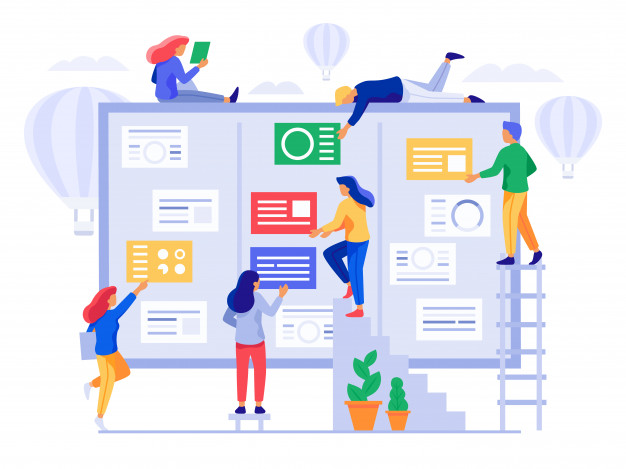
We have already stepped into the digital era. And when we are talking about the digital era, we are talking about all the digital information audiences consume every day, and all the data companies collect daily. All these data fall under an umbrella term, Master Data.
Over the last couple of years, companies had a hard time managing all the data effectively. As most companies are taking the digital approach to engaging with their audiences, data has become the only source of information to understand their audiences better.
Master data is the most powerful asset of the company that helps the company make business decisions. All the collected data are categorized and pruned according to the need. Then the data are filtered out department wise.
Given how effective data has become in the modern era, Master Data Management has become an important aspect of business irrespective of any size.
The whole process deals with the need to end data monitoring. The process starts with collecting the data from the relevant sources, and then the data are categorized according to the needs—these data are then used in the business strategies.


Popular

Technologies For Creating A Startup Idea
20 Feb 2023

How to Download Facebook Videos on Android?
07 Feb 2019

7 Rules of Effective Ecommerce Web Design
28 Jan 2021

Why Are Online Transactions Convenient?
07 Dec 2023

Recent


Related

How To Reduce The Operating Cost of Your Business?
You might come across account words you're unfamiliar with when looking at papers like the balance sheet and income statement. Understanding these operating cost concepts, on the other hand, is critical. This can help you better comprehend your financial accounts and improve the financial health of your company. Are you interested in learning more about operating costs and how they affect your company? We'll give you a detailed breakdown of running costs. Then, following a definition and explanation of the phrase, we'll go over some of the things you can do to lower your operational costs. If you are just starting your business, then you might even need to consider a startup mentor. What Are The Operating Costs? The costs of running your firm on a day-to-day basis are referred to as operating costs. Therefore, the operating expenses, operating expenditures, and all terms of OPLEX are used to describe the operating costs. The cost of products sold is one of the most important components of operational costs (COGS). The direct costs of manufacturing your company's goods or services are referred to as COGS. Operating expenses include the following items: ● Payroll and other labor costs related to operating costs ● Employee benefits like employee health insurance, pensions, and other facilities ● Commissions on sales ● Depreciation ● Amortization ● Costs of upkeep It's critical to understand how to calculate operating costs because it allows you to boost your bottom line. If you run a for-profit company, lowering operating costs will directly affect your profitability. 6 Things You May Do To Reduce Your Operating Costs You will be able to stay ahead of the competition by minimizing your operating costs. Therefore, small business owners should always look for ways to reduce costs without sacrificing product quality or making life more difficult for their employees. So, what are the most effective methods for lowering operating costs? Here are eight suggestions for lowering your business's running costs, allowing you to reduce overhead and increase income. 1. Adopt A New Technological Mindset There is a plethora of internet tools and software packages available to help small businesses automate and optimize their operations. Accounting, website hosting, marketing communications, pay stubs, and other areas of business can all be covered by these platforms. Technology is beneficial not only because it increases productivity but it also leads to a reduction in OPEX in sectors like direct labor. Robots and artificial intelligence can work faster and with fewer errors than humans. The technology could also help to improve supply chain procedures, such as lowering the cost of delivering raw materials. Ask yourself the following questions to help you find the proper program for operating cost or service for you: ● What am I exceptionally skilled at? (For example, if you have a background in accounting, you might want to try employing technology for marketing rather than finance.) ● What do I find myself devoting an inordinate amount of time to each week? ● What would I do if I could eliminate one of my most time-consuming responsibilities? Hopefully, your responses to these questions will reveal the task or subject matter area in which you should employ technology. 2. Outsourcing Outsourcing the key business activities to a third-party specialist is an alternative option for increasing work efficiency. If you don't have a background in real estate or tax law, it may be difficult to identify strategies to lower your lease payments or property taxes. Someone with specific training in this area might be able to assist. Advertising and marketing appear to be one area where outsourcing appears to be particularly beneficial. This is a source of frustration for many entrepreneurs if they are not having a good grip over that. They discovered that the amount of time they spend on advertising and marketing is related to the amount of money they make. However, they may not have the time to devote to a marketing strategy. While it may appear that hiring an outside vendor would cost more money, assigning specific duties to subject matter experts will save you money and produce even better outcomes in the long run. Outsourcing specific functions is a sound long-term investment in the operating cost. 3. Shop Around For The Best Deals If you work with vendors regularly, you might wish to put up a project and work bidding system. If you ask three separate vendors for quotes, you can pit them against each other to drive down pricing for an operating cost. Make sure you create an appropriate scope of work or request a proposal (RFP) for suppliers to bid on since missing information or increased complexity can substantially impact the stated fee. In addition, you can better plan for anticipated operational expenses if you get an accurate quote. 4. Cancel Unused Services Examine your variable operating cost to find out which services you are no longer using. Look for a cheaper plan or cancel them completely if you haven't used them in a few months. If you're not using them, they're not helping you make more money. It's easy to lose track of unused services, especially if you have them set up on auto-pay with your credit card. If you do decide to keep service, do some comparison shopping to see if there are any cheaper options. 5. Go green If you have an office, think about making it as environmentally friendly as feasible. To save energy, replace incandescent light bulbs with compact fluorescent bulbs, enhance your insulation and windows to save money on heating and cooling, and reduce the amount of bodily waste you make. Not only will you save money on electricity, but you'll also save money on office supplies on a monthly basis for an operating cost. 6. Telecommute Leasing office space, paying utility bills, and keeping a physical workplace can all put a strain on your budget. Allowing your workers to telecommute can help you save money overall. In the United States, telecommuting is becoming increasingly popular. In 2005, 1.8 million employees in the United States reported they worked from home for half of the week. That number had risen to 3.9 million in 2015, and it has continued to rise up. With today's level of connectivity, the difference between a person working in an office and one working from home is almost indistinguishable. Employees will often benefit from this as well since they will be able to reduce their commute times and expenses. Take Charge Of Your Company's Money Are you the type of business owner that simply watches spending and income without delving into the details? If that is the case, it is time to make a change. Understanding things like running costs will become increasingly crucial as your company expands. Operating costs allow you to examine how your spending affects your profitability in greater detail. Once you understand your expenses, you can start decreasing costs and increasing earnings using the strategies we've offered. Read Also: 5 Financial Risks of Starting a Small Business and How to Avoid Them Why Virtual Offices Are The Future Of Business
READ MOREDetails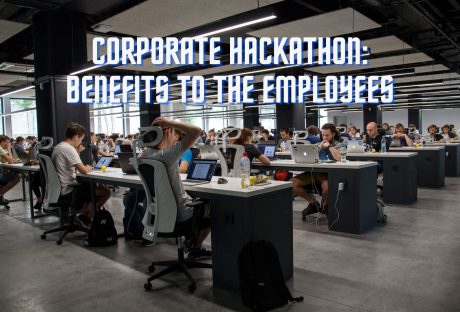
Corporate Hackathon: Benefits To The Employees
Hackathons are becoming a growing hit in the business world as a tool to encourage employee innovation and collaboration. A hackathon is an event where employees from different departments come together to work on specific projects. It is usually a time-bound event, ranging from a few hours to several days. The objective is to come up with creative solutions that businesses may use and leverage. Hackathon events offer various advantages to workers. In this post, we'll talk about a few of these benefits and how they might raise an organization's general productivity and efficacy. Virtual Hackathon Platform An online platform that allows businesses to hold hackathons remotely. Regardless of their geographical location, it offers a digital environment for participants to interact, share ideas, and work on projects together. Benefits of Virtual Hackathons Flexibility: Virtual hackathons can draw a more excellent range of participants from different locations. Businesses hosting a Corporate Hackathon where employees are globally located benefit from Virtual hackathon platforms. As it involves multinational teams, participants can work from anywhere with an internet connection. Scalability: Compared to physical events, virtual hackathons are not limited by venue capacity or logistical problems. Supports collaboration: This includes video conferencing, chat rooms, project management tools, and real-time feedback mechanisms. Exciting and engaging experience: It makes sharing ideas, working together, and building innovative solutions easier. In general, virtual hackathons offer a practical and effective approach to organizing hackathons. One of which is corporate hackathons. With a virtual hackathon platform, businesses can use the power of cooperation and creativity to advance their operations. How to Host a Hackathon at Your Organization? Set specific goals and objectives for your hackathon. Decide on a theme or problem statement to focus on. Invite participants from across your organization. Think about opening up participation to outside parties as well. Choose the right hackathon software to facilitate the event. Consider from idea submission and team formation to project management and presentation. Provide appropriate resources and support, such as access to technology, mentors, and refreshments. Encourage teamwork and communication amongst participants. Set realistic deadlines for the hackathon. Ensure that teams have enough time to develop their ideas. Plan for a post-hackathon review and feedback. Determine future steps to be taken. Benefits of Corporate Hackathons to Employees Advancement in the Workplace Corporate hackathons are an essential tool for the professional development of employees. Through hackathons, employees can acquire new skills and approaches that can help them advance in their careers. Here are some of the ways that corporate hackathons can promote professional growth: Exposure to new technologies: Participants can learn about new technologies and hackathon software, which can broaden their skillset and improve their problem-solving abilities. Project management: Hackathons often have tight deadlines, which can help employees learn to deal with pressure and improve their resilience and adaptability. Leadership development: Leading a project during a hackathon allows participants to develop their leadership abilities and hone their decision-making skills. Encourages Creativity and Innovation In today's fast-paced corporate world, it's easy for employees to get bogged down with daily tasks and lose sight of their creative potential. However, hosting a hackathon can provide a platform for employees to unleash their creativity and come up with innovative ideas. By using hackathon software, employees can collaborate and build on each other's ideas. Together, they can generate unique and novel approaches. This kind of environment creates a space where employees can think beyond their comfort zones. It allows them to push the boundaries of traditional problem-solving methods. Additionally, a hackathon can help identify the creative members of your team and encourage professional development in those areas. Example: A company wants to improve its customer service experience. Employees from several departments collaborate to enhance customer support's efficiency and engagement. One employee introduces gamification components to make the experience more interactive. Another employee suggests utilizing chatbots to respond to frequent consumer inquiries. Then the team combines these ideas and creates a prototype for a chatbot. This chatbot uses gamification to make the customer service experience more enjoyable. Advocates Cooperation and Teamwork Teamwork and cooperation are vital for a successful and productive workplace. Corporate hackathons provide an opportunity to promote these values and foster a collaborative culture. Corporate hackathons provide a platform for networking ideas. This exposure to various viewpoints and skill sets can lead to new solutions. Thereby, directing to a better understanding of business operations. Employee skill development is possible through this cross-functional cooperation. It promotes a culture of collaboration and knowledge sharing. For example, a developer may learn about the user experience from a designer, whereas a marketing employee may work with a software engineer and learn to code. The team-building component of a hackathon enables staff members to train in resolution techniques, enhancing interpersonal competencies. Employees can leverage their individual strengths to achieve a common goal. This saves time, considering the pressure of time constraints and the need to produce a functional prototype. Employees feel good that their ideas and contributions are acknowledged. They will likely have a positive attitude toward their work and the company. Favors inclusion and diversity. By encouraging participation, hackathons can help break down barriers and promote a more inclusive work environment. Boosts Morale and Motivation Participating in a hackathon can be a great morale booster for employees. They feel satisfaction in their work and a sense of success. Staff members are motivated to put in more effort and advance the company. Hackathons also provide employees with a break from their routine work. Staff members get to work on something different and exciting. This is helpful in reducing boredom and burnout. Increased job fulfillment and employee retention may also follow from this. Hosting a corporate hackathon demonstrates the organization cares about its employees' growth and creative potential. Creating a fun and exciting work atmosphere can increase employee engagement. Safe Space: Hackathons give workers a place to try out novel ideas and take chances without worrying about failing. Employees from discriminated groups who might be reluctant to speak up in traditional workplaces may find this beneficial. Summing Up Corporate hackathons are a remarkable resource for professional development overall. Corporate hackathons are a fantastic method to promote innovation and creativity among employees. They offer a distinctive setting for workers to cooperate and devise original answers to challenging issues. Employees can gain new talents, improve their interpersonal skills, and network with coworkers from various departments. It is a powerful tool for promoting a culture of inclusivity in the workplace. The benefits of hosting a corporate hackathon include professional development, innovation, collaboration, employee morale, and diversity and inclusion. Hackathon software has made it more exciting and enjoyable for participants. Moreover, hackathon software allows companies to make these events more accessible and streamlined. Hosting a corporate hackathon has advantages for businesses trying to stay competitive in today's fast-paced business world. Read Also: 5 Intelligent Sources to Boost Business Strategies all Over the World Are There More Doors Or Wheels In The World? Business To Business [B2B] Content Guide
READ MOREDetails
Eco-Conscious Insights And Innovations From Emerging Trade Show Trends
In a world increasingly attuned to the urgency of environmental sustainability, trade shows have become crucial platforms for showcasing eco-conscious insights and innovations. According to Sustainable Review, Sustainable Live London, SDG Summit, and Climate Week NYC are some of the biggest sustainability conferences and exhibitions. These exhibitions not only provide a glimpse into the future of sustainable practices but also serve as catalysts for change within industries. As we navigate the challenges of climate change, emerging trends in trade shows shed light on groundbreaking initiatives that prioritize the planet. In this article, we will explore the evolving landscape of eco-consciousness within the world of trade shows. Sustainable Materials Redefining Exhibits Travel trade show is witnessing a transformative shift in booth aesthetics as sustainable materials redefine the exhibitor landscape. Gone are the days of disposable plastic and wasteful displays. Exhibitors are increasingly turning to eco-friendly alternatives like recycled cardboard, bamboo, and even mushroom-based materials to construct visually striking and environmentally responsible booths. As noted by Bis Research, mycelium-based materials have the potential to significantly contribute to the green economy and environment. They save energy and offer insulation. These materials not only reduce the overall carbon footprint of the event but also serve as powerful statements on the viability of sustainable design. From modular structures to biodegradable banners, the creative use of sustainable materials is fostering a new era of conscious exhibition design. This inspires both exhibitors and attendees to consider the ecological impact of every element in their displays. Energy-Efficient Booth Designs Innovative booth designs are taking center stage at trade shows, with a spotlight on energy efficiency. According to Exhibits Northwest, exhibitors are incorporating cutting-edge technologies such as solar panels and energy-efficient LED lighting to power their displays. As noted by the Department of Energy, LEDs consume up to 90% less energy than standard lights while lasting up to 25 times longer. This move toward sustainable energy not only minimizes the environmental impact of events but also sets a precedent for practical, eco-friendly solutions. These energy-efficient designs serve as a visual spectacle while demonstrating the feasibility and benefits of incorporating green technologies into everyday business practices. As attendees experience the visual impact of renewable energy solutions firsthand, the ripple effect is a heightened awareness of the potential for sustainable practices. Sustainable Innovation With Local Trade Shows Across the United States, locals are leading the charge in embracing sustainable innovation. Cities and states are increasingly recognizing the importance of environmental responsibility, with communities actively engaging in eco-conscious practices. From the adoption of renewable energy sources to the implementation of green building standards, the commitment to sustainability is evident. Certain cities and states have become pioneers in this movement, setting ambitious goals and implementing comprehensive plans to reduce their ecological footprint. From California's stringent emissions standards to New York's initiatives promoting green infrastructure, these regions are at the forefront of the sustainability revolution. To further champion eco-conscious practices, trade shows focused on sustainability have become a hallmark across the United States. These events serve as platforms for sharing knowledge, showcasing innovations, and fostering a nationwide dialogue on the collective journey toward a more sustainable future. Nestled in the heart of the Pacific Northwest, Portland stands as a beacon of sustainable living and innovative environmental practices. Portland's residents have long embraced a lifestyle that prioritizes nature, sustainability, and community engagement. This extends to businesses and public institutions, making the city an ideal host for events dedicated to environmental responsibility. Known for its commitment to eco-conscious urban planning, Portland has earned its reputation as one of the greenest cities in the United States. According to Green City Times, Portland has created almost 92,000 acres of green space. This includes a network of pathways and parks excellent for walking and riding. Against this backdrop of eco-awareness and forward-thinking, the Oregon Convention Center (OCC) has emerged as a cornerstone of sustainability within the city. The OCC embodies the city's values through its commitment to green building and sustainable business practices. It frequently holds trade shows with numerous eco-friendly Portland trade show displays. As we explore the OCC's dedication to sustainability, it's essential to recognize how it integrates into the broader landscape of Portland's eco-friendly initiatives. Virtual Experiences for Reduced Carbon Footprint In response to the global call for reduced carbon emissions, trade shows are embracing virtual and hybrid experiences. This evolution allows for broader participation while significantly decreasing the carbon footprint associated with travel and logistics. Virtual components include interactive online exhibits and virtual networking spaces. This enhances accessibility while underscoring the importance of adopting eco-friendly alternatives in the face of climate challenges. As industries set sail toward more sustainable event formats, the positive environmental impact becomes evident. The shift toward virtual and hybrid experiences represents a dynamic step forward, proving that connectivity and eco-consciousness can go hand in hand. Circular Economy Initiatives in Product Showcases Trade shows are becoming key battlegrounds for the promotion of circular economy principles, particularly evident in product showcases. Exhibitors are spotlighting products designed for longevity, repairability, and recyclability, challenging traditional linear production models. From electronic gadgets with easily replaceable components to fashion items made from recycled materials, the emphasis is on creating a closed-loop system. This shift not only aligns with consumer preferences for sustainable products but also compels industries to reevaluate their approach to production. With circular economy principles, trade shows are driving home the message that sustainable consumption is not just a preference but a necessity. Eco-Friendly Packaging Solutions The spotlight on sustainability extends to the very packaging that houses products exhibited at trade shows. Exhibitors are increasingly adopting eco-friendly packaging solutions that prioritize biodegradability, recyclability, and minimal environmental impact. From compostable wrapping to innovative designs that reduce excess packaging, the emphasis is on minimizing waste throughout the supply chain. This commitment not only resonates with environmentally conscious consumers but also prompts industries to rethink their packaging practices. The ripple effect is a broader shift toward a more sustainable and mindful approach to how products are presented and consumed. Collaborative Sustainability Initiatives Among Exhibitors The ethos of sustainability is thriving in trade show spaces, where exhibitors are forging collaborative initiatives to champion environmental responsibility. Shared efforts include waste reduction programs, carbon offset partnerships, and the establishment of industry-wide sustainability standards. This collaborative spirit not only amplifies the impact of individual exhibitors but also fosters a culture of environmental responsibility across diverse sectors. Exhibitors are pooling resources, sharing best practices, and collectively working toward a common goal of reducing the ecological footprint of trade shows. As this collaborative momentum grows, trade shows are no longer just platforms for individual businesses. They have become hubs for collective action toward a more sustainable and resilient future. In conclusion, trade shows are driving transformative change through eco-conscious trends. From innovative booth designs with energy-efficient technologies to virtual experiences reducing carbon footprints, the industry is evolving. Local initiatives, like Portland's commitment to sustainability and collaborative efforts among exhibitors, highlight a collective dedication to environmental responsibility. Trade exhibitions have evolved into more than just a platform for businesses. They have also become focal points for collaborative efforts toward a more sustainable future. As the industry continues to prioritize greener practices, it contributes significantly to a broader global movement for sustainable business models and conscious consumer engagement. Read Also: What Type Of Inflatables Should You Opt For At Your Business Event Getting a Return on Investment From Using a Trade Show Booth A Well-Oiled Trade Show Machine: The Ones Running the Show
READ MOREDetails