












Why Is It Important To Study Masters’ Degree In Data Analytics?

Published on: 22 January 2020 Last Updated on: 13 September 2024
data analytics

What is Data Analytics? The word big data has been the buzzword for years now. Whether the data being produced by an individual or the large-scale enterprise, every phase of data requires to be analyzed for benefitting from its Data is gathered from various sources and categorized to analyze different behavior patterns. 

 The question arises – How do we use that data? That is where Data Analytics comes in to enhance the productivity and business gain.

Here are 4 main reasons which signify the need for Data Analytics:
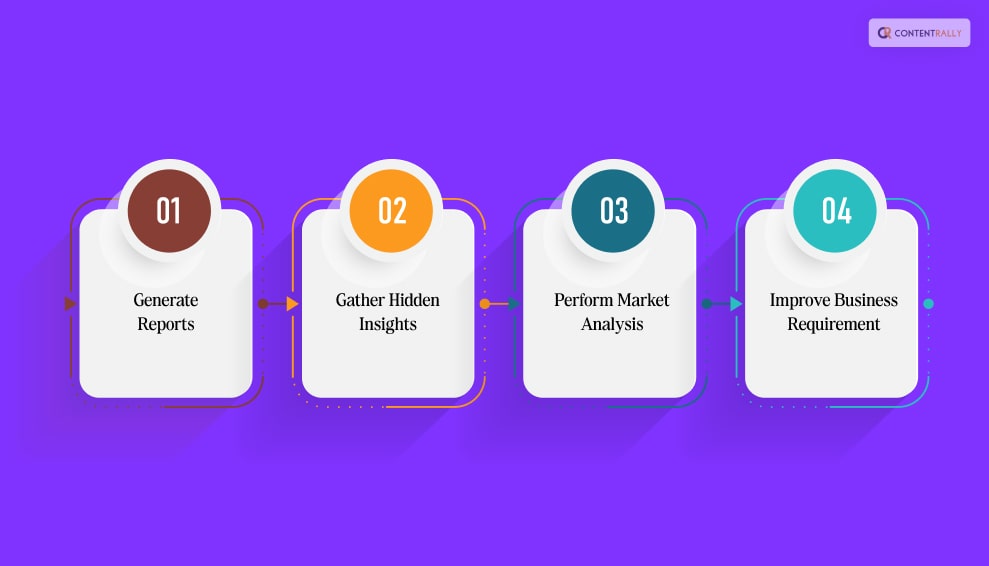
Here are 4 main reasons which signify the need for Data Analytics

After researching the fact this has been seen that Data Science is a great field to enter right now. Above all the demand for data science is high. Even more, you can get data science jobs easily once you are done with a bachelor’s degree. Below I am going to discuss the 4 main reasons that will signify the requirement for Data Analytics.

Generate Reports

Reports are created from the data and are passed on to the respective teams to further action upon for benefits in business.

Gather Hidden Insights

Hidden information from data is gathered and then analyzed as per the business requirements.

Perform Market Analysis –

Market Analysis can be done to know the strengths and weaknesses of counterparts.

Improve Business Requirement

Analysis of Data helps in improving business as per customer requirements and experience.

Reasons to consider data analytics course:

Reasons to consider data analytics course

Well, the Data Analytics course has some significant benefits. Furthermore, the Data Analytics course will enable you to stay in such a domain where you can easily get significant and relevant working experience. Here are the reasons why the data analytics course needs to be considered.

1) Data analytics is important for organizations

A sudden rise in data is changing industries. Businesses big or small – are now looking forward to their business decisions being based on data-led comprehension. Data specialists have a huge impact on business strategies and marketing tactics.

2) Gain mastery in Data Management Technologies

Data Management Technologies

The first and foremost benefit of getting a master’s degree in analytics gives you the opportunity to become proficient in data management technologies that are essential to know. These technologies are quite hard and challenging to learn outside of regular work hours if your current job doesn’t already need them. Having an expert teach these technologies is the most straightforward way to gain mastery of them.

3) Job opportunities on the rise

The demand for data analytics is on the rise thus creating great job opportunities for individuals within this field. In today’s time, it is nearly impossible to find a brand or company without a social media presence. Shortly, every company will need data analytics professionals. So getting a master’s degree in data analytics is a wise career move that has a destiny in business.

4) High pay scale for professionals of data analytics 

As time passes, and one gets more experience, the salaries can rise to between £30,000 and £35.

Do you know the entry-level salaries for a data analytics professional range between £24,000 and £25,000?

5) Work opportunities in a spectrum of businesses

As the requirement for big data has increased in almost every business today, one can decide to work across wide-ranging areas, including business capacity, sales, marketing, finance, data quality, data assurance, and more.

Completing a Master’s Degree in Data Analytics with project experience adds greater credibility and makes you readily employable. It also opens up a window of possibilities with jobs ranging from a statistician to a Data Architect. Shape your career effectively with a Master’s degree in it.

6) Enter An Exciting and Future-centric Field   

Undoubtedly, Data Science is an incredible and exciting field of study. If you are getting a master’s degree, you will get a more significant chance in data science than in your undergraduate studies.   

It means you must explore significant topics that you have yet to have a chance to explore. In this way, you can find an expertise area that intrigues you.   

If you think that data scientists are involved in the right way, then there are things that you must know. This includes things like AI, predictive analytics, and self-driving cars. This compelling project will help you determine what will work within five to ten years.   

In this case, a master’s degree will also help you develop the skills that enable you to pursue data science. In this regard, you also think about a master’s degree as a tool you can easily use as your future proof throughout your career.   

7) You Can Learn Online   

There are several benefits of studying for a master’s degree in data analytics. In this case, it will offer you your future career. Aside from that, it gives you a significant and remarkable chance to learn quickly from the entire online environment.   

Not all colleges and universities offer master’s degrees in data science, but alone, you can do it in a fully online course. However, this is becoming a more popular option. You will have several other opportunities to get a master’s degree.   

In addition, several online programs are asynchronous; apart from that, these programs don’t have a set of course schedules. It will give you further flexibility in taking courses in the order most suitable for you.   

8) Data Science is a Great Career Choice

In recent times, several excellent reasons will help you launch a career in data science. Above all, this is a fascinating area with endless prestigious and lucrative opportunities to pursue.   

In addition, you will encounter such a skills shortage in the field, which will be worth providing significant thoughts on. Here, you can get multiple benefits to obtain a master’s degree in data science.   

There are several fields of data science and other specializations beyond this. While looking for a master’s program, it is wise to consider what areas of interest you want most.   

In Conclusion  

I have discussed why it is essential to study Master’s Degree in Data Analytics above in this article. In this case, pursuing a master’s degree in data analytics will open new doors to careers and higher income levels. This happens when the thought is possible.  

There are several fields of data science and other specializations beyond that. It is wise to think about the areas of the field that interest you the most. Doing this will also help you find potential and vital programs that fit your requirements.   

I hope you find this article helpful. If you have queries, please comment below! 

Read Also About:

Content Rally wrapped around an online publication where you can publish your own intellectuals. It is a publishing platform designed to make great stories by content creators. This is your era, your place to be online. So come forward share your views, thoughts and ideas via Content Rally.

View all posts

Leave a Reply

Your email address will not be published. Required fields are marked *

Related

Mold Inspection

Mold Inspection And Testing

An initial visual mold inspection is the ideal way to quickly detect potential issues with moisture-rich areas in your home and identify those that need further investigation or sampling. Mold testing can be accomplished using various approaches: air testing, bulk sampling (tape lifts and swab samples), laboratory analysis, or both. Lab results may sometimes be vague and misleading. Moisture Mapping Moisture is key to mold growth, and managing moisture is therefore one of the cornerstones of mold prevention or remediation plans. Mold spores can aggravate the respiratory systems of people who are sensitive, leading to symptoms ranging from congestion to wheezing. Some fungi also release toxic compounds which can be hazardous for humans, pets, and livestock - thus it is critical that any suspected mold problem be addressed promptly in order to stop its further spread and the formation of toxic colonies. You can click here for more information on these health concerns. Mold spores float freely through the air and when they land on moist surfaces they quickly form an active colony that threatens both structures and human health. When left unchecked this can create serious structural and health issues; mold inspectors employ various tools to identify mold and moisture problems. These tools include moisture meters for structural components; non-invasive thermal imaging technologies; borescopes to visually identify problem areas inside plumbing pipes or other components; as well as various mold testing kits which enable them to determine type concentration levels of mold in an area. Inspectors often utilize a moisture mapping system to gain an accurate and detailed picture of moisture levels within structures. This tool offers a straightforward method for tracking changes in building materials' moisture over time by comparing temperature with water absorption rate at each point - this way they can easily spot areas with high or low levels, and gather vital data necessary for managing drying processes more effectively. An inspector conducting a mold inspection will examine for moisture in unexpected places - such as behind walls, under sinks, attics, crawl spaces, and basements - where mold typically hides out of sight and often signals something is amiss. You can visit this homepage for more information on this testing. Furthermore, a visual inspection must take place to detect mold hiding behind ductwork, on windowsills, and in other difficult-to-reach places. Air Sampling Air testing can be an invaluable asset in finding and eliminating mold issues, but it should not be seen as the sole tool in an inspector’s arsenal. A visual inspection, other types of testing and taking surface samples should all be used together for effective mold investigation and elimination. Air sampling provides spore counts from various species of mold or mildew; however, results may not always reflect accurate representation; there can be many factors which skew results and alter them over time. Some factors are easily controllable, like weather conditions at the time of sampling. Windy conditions can alter air pressure differences inside and outside a building and thus alter how quickly mold spores enter it, potentially misdiagnosing any mold problem. Rapid changes in barometric pressure can similarly lead to inaccurate readings due to rapid air movement between rooms; similarly, these fluctuations may alter mold growth rates within buildings as well as alter spore loss rates. You can visit this helpful site to learn more about barometric pressure. Also important in air samples is the length of chains of spores left intact in them, as these chains will normally dissipate as they travel through the atmosphere - giving a good indication of the size and direction of the source(s). If too many chains remain intact they could provide misleading data, giving a false reading on the size and direction of the source. Surface samples may be collected using a tape lift, sterile swab, or by taking pieces from suspect materials. This allows an inspector to identify the genera of mold present, assess the spore count and pinpoint possible reservoirs where mold has yet to become airborne. Related: Mold Growth At Home: What You Should Know And What You Can Do Surface Sampling Assorted methods exist to test for mold spores on surfaces, including bulk, swab, and tape samples. When taking bulk samples from suspect surfaces and sending them off for analysis in a lab, bulk sample removal and lab analysis are both done simultaneously; when taking swab samples against those surfaces a sterile swab rubbed against it collects microbes which is subcultured to growth media such as Trypticase Soy Agar. These methods of testing mold can identify some of the more prevalent types of mold; however, they may miss or undercount spores that don't grow on an incubation medium used during testing. Experienced inspectors understand their limitations and will avoid using such tests in situations when they're inappropriate. Homeowners typically arrange for mold inspection prior to buying an older home while newcomers might request one after experiencing problems with moisture or mold in their new residence. Testing for mold does not indicate whether it is harmful, will grow, or how many spores will need to enter a person's system for health problems to occur; that depends on their susceptibility and exposure levels. Because of this, an experienced inspector should conduct assessments and report on any visible mold present in a space. Laboratory Testing Laboratory-based analyses specialize in testing biological specimens and provide written reports with their findings, which help determine both genus and species identification of any found molds. Some companies sell Do-It-Yourself (DIY) mold testing kits, but these can often lead to false positives and should only be performed by certified mold inspectors. It is strongly advised that those conducting mold tests in their home or business contact a certified inspector for these assessments. Read Also: How to Prevent Mold Damage In a Building Top 6 Reasons To Use Soft Washing Services Selecting The Perfect Real Estate Agent Is Essential For Home Buyers

READ MOREDetails
Intrapreneur

Who Is An Intrapreneur? Definition, Characteristics, Pros/Cons, More

Intrapreneurs and Entrepreneurs - they sound similar right? Yeah, they do, but their definition, meaning, and characteristics are totally different from one another. Here is what we know about entrepreneurship. Read the guide till the end to grab some rich insights. Who Is An Intrapreneur? Here is a concise definition. An intrapreneur is the one who is responsible for developing an innovative project or idea within an organization. He/she doesn’t face the outsized risks that an entrepreneur doesn’t. However, he possesses the major access to all the capabilities and resources of an established company. To be very specific, the intrapreneur gets the autonomy to work on projects having a considerable impact on organizational development. The term intrapreneur is an amalgamation of two words like “internal” and “entrepreneur.” In 1978, it was first coined by Elizabeth S. Pinchot and Gifford Pinchot II in a white paper. How Does Intrapreneurship Work? You are now well aware of what is an intrapreneur. They are the employees of an organization who are given the responsibilities of working on special ideas and projects. In addition, they are given the freedom and time to develop and grow the project that an entrepreneur would. Does this sound like they work solo? Well, not really because intrapreneurs have all the capabilities and resources of the firm at their disposal. Additionally, they have different objectives. While an entrepreneur envisions the creation of a company from level 0, the intrapreneur has a broader vision for an established entity. The visions mainly involve radical changes to company processes, products, or traditions. He applies his skills and experiences directly to implement them on the job. What Are The Characteristics Of A Good Intrapreneur I hope, by now the meaning is pretty clear to you? Now, Intrapreneurship has some roles and responsibilities which require some special characteristics. Below, I have listed some of the characteristics an efficient intrapreneur must possess. 1.They Are Passionate About Problem Solving Angels and Intrapreneurs will agree on this one. Focused intrapreneurs are the ones who are passionate about solving problems and set forth to resolve business-oriented issues. 2.They Are Curious, And Adaptable Enough When it’s the start of a business, the intrapreneur has to play roles in several sectors such as product management, engineering, and marketing. Hence, angels look for people who are curious, adaptable, and respond to learning and development. 3. They Are Transparent As an intrapreneur, the fastest and most efficient way to gain the confidence of your sponsors is by showing transparency. If any unwanted circumstance happens, then also, transparency needs to be maintained. 4. They Are Resilient Intrapreneurs starting a business simply have an idea which they have to work super hard to give a shape. That’s why they need to be highly resilient since it’s likely they would come across a plethora of obstacles throughout their journey. Pros And Cons Of Intrapreneurship Here is a critical analysis of Intrapreneurship I have explained through an evaluation of its pros and cons. Take a look at the table below: Pros Of IntrapreneurshipCons of IntrapreneurshipIt decreases the financial risk on the innovatorThe glory you enjoy is not for you only, it’s shared.Makes use of all the organizational talent and resourcesThere is high potential for conflicts with the other members.Increases the delivery of better services, products, or support.Returns are generally less in comparison to the entrepreneurs.Enlarges your reputation and develops your network.There are a myriad of risks pertaining to failureIt’s a stepping stone to entrepreneurshipYou will still have a boss monitoring you Companies Around The World Having Intrapreneurs Here are some leading tech giants around the world who support Intrapreneurship just like different types of entrepreneurs: GoogleMicrosoftShutterstockIntelFacebookAppleGeneral MotorsVirgin  Frequently Asked Questions (FAQs): Q1. What Does Intrapreneur Mean? An Intrapreneur is an employee who is given the support and authority to create a new service or product. Unlike entrepreneurs, they have no concern about whether or not the product would become a revenue source for the company. Q2. What Is Intrapreneur Example? One of the greatest examples of Intrapreneurship is Dreamworks Animation. It’s a media behemoth that gave classic works like Madagascar and Kung Fu Panda. They also offer classes on script writing to the animators. Q3. What Are The Types Of Intrapreneurs? The 3 types of Intrapreneur are as follows:1. Advocate, coming from a customer-facing role 2. The creator coming from an internal-facing role3. The change maker coming from an external-business-facing role.  Q4. What Is The Difference Between Intrapreneurs And Entrepreneurs? The main difference between Intrapreneur and Entrepreneur is that an entrepreneur is a ground-up-and-go person when it comes to their own money. On the other hand, an intrapreneur is someone who starts steaming from inside a large company. That’s all about Entrepreneur Vs Intrapreneur. The Bottom Line That’s all we had to say about Intrapreneurs. They are overlooked often in the realm of entrepreneurship. However, with the world-changing innovation coming up, established corporations are prioritizing them. Wanna learn how to become an intrapreneur and Intrapreneur Vs Entrepreneur in more detail? Then keep an eye out on our website as we will be coming up with a guide to that. Read More: What is an Airsoft Gun?How Gun and Security Gear Advanced through the YearsParts of a Gun: All You Need to Know About the Components of Your Firearm

READ MOREDetails
Warehouse Construction

Is Prefabricated Metal The Future Of Warehouse Construction?    

With technological advancements and building techniques revolutionizing the industry, warehouse construction has come a long way in recent years. One such innovation that has gained significant attention is prefabricated metal construction. Warehouse prefab appears to be the sensible method to build currently, with its multiple perks and advantages. This article will explore the principles and advantages of prefabricated and why it is becoming increasingly popular in the industry. The Evolving Landscape Of Warehouse Construction The warehouse construction industry is continuously evolving to meet the growing demands of businesses worldwide. Traditional construction methods have their limitations, including time-consuming processes and higher costs. As a result, alternative solutions like prefab construction have emerged to address these challenges and offer a more efficient and cost-effective approach. Understanding Prefabrication Prefabricated involves the fabrication of building components off-site, which are then transported to the construction site for assembly. These components, commonly made of steel or other metals, are manufactured in a controlled environment, allowing for greater precision and quality control. Benefits Of Prefabricated Metal Construction Prefabricated metal construction offers several advantages over traditional construction methods. Here are some key benefits: Speed And Efficiency Prefabricated metal components can be manufactured simultaneously with site preparation, reducing construction time significantly. The streamlined process enables faster project completion, allowing businesses to start operations sooner. Cost Savings Due to the controlled manufacturing environment and the ability to optimize material usage, prefab often leads to cost savings. The reduced labour and construction time can lower overall project expenses, making it an attractive option for businesses with budget constraints. Durability And Strength Metal structures are known for their durability and strength. Prefabricated metal components undergo rigorous quality checks and withstand harsh weather conditions, seismic activities, and heavy loads. This makes warehouse prefab an ideal choice for projects that require long-term reliability and structural integrity. Sustainability And Eco-Friendliness Prefabricated metal construction promotes sustainability by minimizing waste and optimizing energy efficiency. The controlled manufacturing process allows for precise material usage, reducing scrap and minimizing the environmental impact. Metal structures can also be recycled, further contributing to eco-friendliness. Overcoming Challenges With Prefabricated Metal Construction While prefabricated warehouse construction offers numerous benefits, some challenges must be addressed to ensure successful implementation. By understanding these challenges, stakeholders can make informed decisions and maximize the potential of prefabricated metal construction. Transportation And Logistics Transporting significant prefabricated metal components to the construction site requires careful planning and coordination. Specialized equipment and logistics support is necessary to ensure these components' safe and timely delivery. However, with proper planning and experienced contractors, transportation challenges can be effectively managed. Skilled Workforce The prefab construction process requires skilled labour familiar with the specific assembly and installation techniques. Training and education programs can bridge the skills gap and equip workers with the necessary expertise to handle prefabricated metal components. Investing in a skilled workforce is crucial for successfully adopting this construction method. Conclusion As the demand for efficient and cost-effective construction methods grows, prefabricated metal construction is emerging as a leading solution in the warehouse industry. With its inherent benefits of speed, cost savings, durability, and sustainability, prefabricated metal offers a promising future for warehouse construction. Stakeholders can unlock their full potential and reshape the industry by addressing the challenges associated with this construction method. Read Also: Project Management in a PRINCE2 setting How Can BYOD Improve Your Productivity? The New Global Project PRINCE2 Management Forum Commercial Construction After COVID-19: How Developers Can Adapt

READ MOREDetails