











5 Perfect Ways to Create Size Illusion in Room with Home Accessories

Published on: 09 July 2016 Last Updated on: 03 September 2024
Home Accessories

In modern times, when people are flocking towards cities, the demand for homes has increased like anything. Builders have perfectly met this demand, but with some tricks. The sizes of the homes have gone smaller. Just look at the room sizes of rooms in the cities like Mumbai; these are really very small.

Small room size doesn’t mean that it has to really look small. Every problem comes with a solution, and the expert interior designers and creative people have found the solution to this problem as well. There are so many tips and tricks to create an illusion of larger room sizes.

5 Perfect Ways to Create Size Illusion in Room with Home Accessories

You just need some specific home furnishing accessories suitable as per Indian homes, right paint colors, and furniture to make your small bedroom look large.

1. Mirrors are the ultimate solution to create an illusion

Wall mirror

By adding some mirrors to the bare wall in the bedroom, you can make it look bigger. If you want to create depth or height, you can buy an angled mirror. When talking about mirrors in the bedroom, most people find the solution in the mirrored closet doors. But this is not the right trick for every bedroom. If you want to create an illusion of a wider space, you should place the mirror near the window.

Read also:

2. Smaller lamps

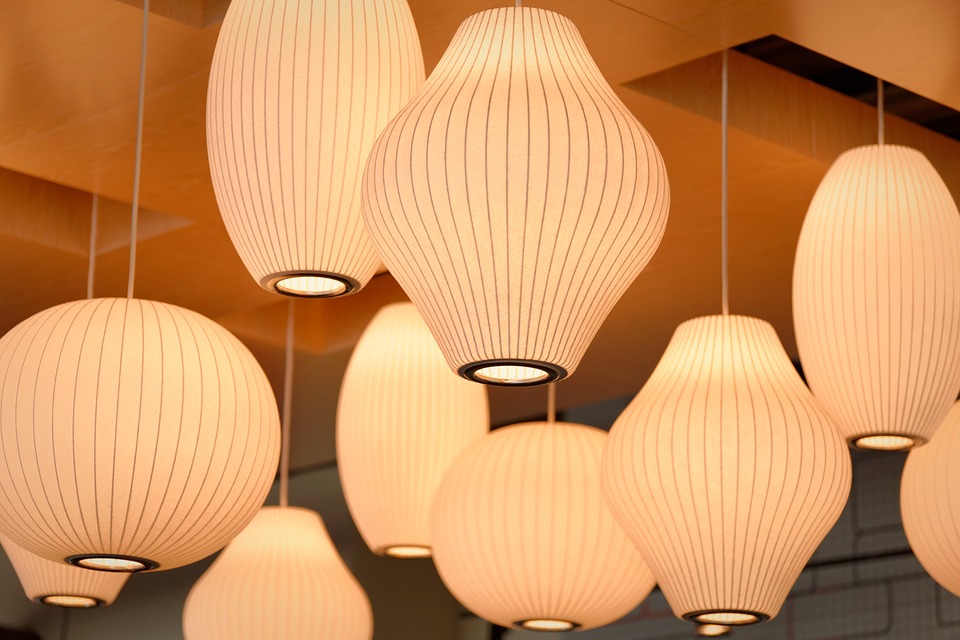
When buying lighting fixtures or lamps for the bedroom you should not rely only on the single source that hangs in the middle of the ceiling. Instead, you can use a combination of different smaller lamps to draw attention to the room. The best way for this is to place the lamps on the bedside table.

Read also: A Rundown of the Basic Led Lighting

3. Carefully decide the height and color of the curtains

Curtains make in important home decoration and furnishing item. The best way to use curtains that are a few inches above the floor. Drapes that run all the way to the floor disturb the flow of the room and make it look more congested. For the best effect, you can also tie them with designer curtain tiebacks.

Further, the color of the curtains also makes an impact on the size of the room. You should buy light-colored curtains. If nothing matches your style, it is better to avoid using curtains.

4. Simple Carpets

Today’s homeowners love to buy patterned carpets due to their beautiful designs and themes. But for small rooms, you should avoid rugs or carpets with heavy patterns. If you don’t want completely plain carpets for your living room or bedroom, you can look for the ones with vertical stripes. These help you create an illusion of a longer room.

Though carpets make the room look beautiful, there is no compulsion of using them. Sometimes these can make the room look more cluttered. Instead, you can try for solid continuous flooring to make the room look bigger.

5. Try something bold to divert the attention

Most people suggest bright colors for small spaces, but sometimes the opposite can work wonders. Experiment with some accessories in bold and loud colors to divert the attention from the space to other things. You can either use some different colored furniture or just small cushions in bold and big prints. These are just a few tips to make your small bedroom look larger. Above all the tips, you need to keep your room clutter-free and organized.

Conclusion

No matter how much you spend on online shopping of home accessories, these are useless until your room is clean. So use the tips, opt for the right color coordination, experiment with different home accessories and you are ready to surprise the guests by creating an illusion of a bigger room.

Abdul Aziz Mondol is a professional blogger who is having a colossal interest in writing blogs and other jones of calligraphies. In terms of his professional commitments, he loves to share content related to business, finance, technology, and the gaming niche.

View all posts

Leave a Reply

Your email address will not be published. Required fields are marked *

Related

Trailing Indoor Plants

10 Best Trailing Indoor Plants To Buy In 2022

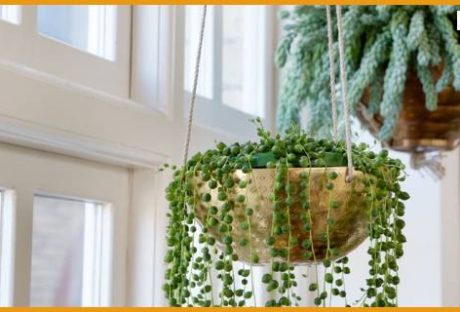
Your dream house needs some ornaments and decorations to stand out as the queen of all houses in your neighborhood. With trailing indoor plants, you can add the green your beautiful home was missing all this time. For the urban dwellers, it is almost impossible to live inside the greenery. But, using indoor trailing plants, you can bring the green into your house. Indoor plants are the lively jewelry of your home decoration, and it is no secret. It is only with the green plants that the brick walls and your house's concrete get the touch of life. Hanging a few vines here and there from the pots can add the touch of the goddess of green vines to your home. You can keep a trail of the indoor plants on the railing of the staircase. You can hang some of them from the porch ceiling of your house. Maybe you can keep one or two containing some low-light plants for the interior? As you start to live with the green, you add extra life and vivacity to your life. So now, if I have got you even a little bit interested in the indoor trailing plants, allow me to introduce you to the best trailing indoor plants that you can decorate your house with. 10 Best Trailing Indoor Plants You can invite the wild indoors with these incredibly pretty green trailing indoor plants mentioned in this article. 1. Trailing Indoor Plants: Golden Pothos Golden pothos is just as beautiful as healthy for your surrounding environment. Not only can they thrive in the low light, but they also keep the air around you pure and refreshed. They help eliminate odors and cleanse the air within your home with formaldehyde, benzene, and carbon monoxide. If you have to stare at the computer screen all day long, you can look at them to reduce the irritation. As for decorating the interior, it is one of the most beautiful trailing indoor plants that you can hang from the ceiling of your room or the balcony. Read More: Grow these flowering plants in your home garden 2. Trailing Indoor Plants: Satin Pothos Scindapsus pictus' Exotica' or satin pothos is another vine you can keep within your home. It grows slowly, and the beautiful green leaves are splashed with silver color. This plant takes only a little water to grow within low light. When 2 cm of the compost goes dry, you can water them. Even NASA recommends these plants for the refinement of indoor air. The satin pothos are easy to propagate, and they are low maintenance. Many people keep them as good luck charms. If you have a flower vase with a stand in the drawing-room, you can place one of these plants there. 3. Trailing Indoor Plants: String Of Pearls One of my favorites, Senecio Rowleyanus, or String of pearls, is another pretty member that you can add to your drawing room. The skinny stems of this plant grow green bubbles as if they are green pearls. During winter, tiny white flowers grow out of the String of pearls plants. These are cascading plants, and they can be the attraction of your home decor. It is a pretty trailing indoor plant that grows in low light and dry air. I will suggest you make a trail of these indoor green pearls. You can hang them from baskets or use a shelf to arrange a trail of baskets containing the String of pearls. 4. Trailing Indoor Plants: Burro's Trail You can easily grow, propagate, and maintain the Burro's trails. However, if you are worried about your children and pets, then allow me to assure you that these trailing indoor plants pose no harm to them. They are nonpoisonous plants and are easy to grow and maintain. You can lay them on top of a pot full of compost and grow them quickly within a few days' notice. The plant also requires minimal watering. You can water them when the 2 cm of the compost is dry. You can decorate the interior with a few small baskets of the Burro's tail hanging from the ceiling. Or, you can also keep them on top of the tables in the dining room. You May Like To Read: 4 Essential Tools Needed to Maintain Your Garden in the Winter 5. Trailing Indoor Plants: Red Herringbone Plant Maranta leuconeura, Red herringbone plant, also known as the prayer plant, is another beauty to decorate your interior. The attractive patterns of this plant will amaze you both during the day and at night. Growing this plant may take a little experience. They require only a little water, but you need to water these plants when the pot is dry. The prayer plant is one of the most common trailing indoor plants, which you can place on the table. 6. Trailing Indoor Plants: String Of Hearts Also known as the Chain of hearts, sweet vines, rosary vines, String of hearts is another pretty indoor trailing plant. These are easy to grow and propagate. They have tiny leaves with pink and purple shades, making your interior look prettier as they grow and thrive across your balcony. In addition, they create the best contrastive combination with a white wall or ceiling. If you are a beginner and not much of a career giver, the String of hearts will bear with you. This plant grows within low light and requires minimum water. 7. Trailing Indoor Plants: Boston Fern Do you want to keep a vase full of green and lively ferns on the tea table? If your need is something similar, you can consider giving the Boston ferns someplace within your house. You can hang them from the ceiling or shelves. But unlike the other plants here, they are attention seekers. They need your daily care; from ample lights, humidity and regular watering are a must. Do you have space beside your window? If you do, you can put them there. They shed dead leaves, so you also need to groom them occasionally. They are also excellent givers. And they keep the interior air fresh and maintain the moisture within the house. 8. Trailing Indoor Plants: Chain Of Cactus Rhipsalis paradoxa minor, or the Chain of cactus, grows pretty-looking white flowers during the spring. However, the winter stimulates the growth of these pretty flowers. These trailing interior plants are rich in antioxidants and vitamin C. These are best for big hanging pots. You can keep a wide vase full of the Chain of cactus and let them grow wildly. They require minimum water and light, although you need to be a little experienced to grow them properly. You May Also Like This: Best Material for Garden Sheds: A Guide for Everyone 9. Trailing Indoor Plants: Grape Ivy These trailing indoor plants are pretty underrated. The grape ivy is a good air purifier; they require moderate or low light to thrive within your interior. They also have antioxidant and anti-inflammatory benefits. You can hang one or two baskets of the grape ivy inside and be amazed as they keep shining while getting older. 10. Trailing Indoor Plants: Maidenhair Fern The cousin of the Boston ferns, not too distant from its relative, the maidenhair ferns take after the qualities of the Boston ferns. They also require lots of care, ample light, and regular watering. They indeed maintain the various hues of greenkeeping a dazzling look within the interior of your house. These trailing indoor plants possess anti-thyroidal, anti-diabetic, antifungal, wound healing, and anti-hair loss properties. So not only are they pretty, but they are quite beneficial for your health as well. Let The Trailing Indoor Plants Decorate Your Home Most of these plants only take a little care and light to grow healthy within the interior of your house. You can go from little pots of green plants to large vases full of them to decorate your interior wildly. These plants have some health benefits like refreshing the interior air or cleansing it. They are also good at keeping the air humid. If you are looking for such plants, I suggest you choose from any of these vines, pothos, cactuses, and ferns. Also, if you think that we have missed out on any valuable plant, you can let us know through the comment. Read Also: Garden Edging for Beginners How To Arrive At The Perfect Choice Of A Potting Bench For Your Gardening How To Install Artificial Grass In Your Garden – Installation Guide Step By Step

READ MOREDetails
how to harvest dill

How to Harvest and Preserve Dill for Year-Round Use?

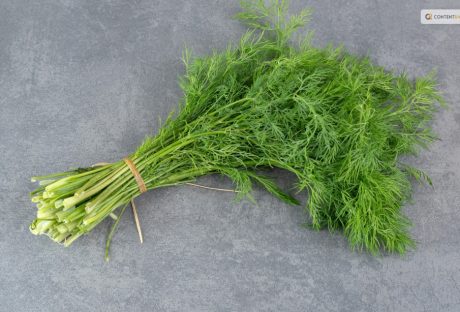
The tender, fern-like leaves of dill almost beg to be touched. If you want to cook them, trim the fresh dill foliage and gather the seeds for pickling. Or you can chop the feathery leaves and yellow umbels for attractive bouquets of homegrown flowers. In addition, black swallowtail caterpillars love to feed on it. Its tiny yellow blooms are great at drawing in a wide range of pollinators. Dill grows as an annual for summer harvests in USDA Hardiness Zones 2–8. In other parts, it may self-seed and is hardy in the winter in Zones 9–11. Here is everything you need to know about how to harvest dill. Keep reading for a comprehensive guide. How to Harvest Dill? Fresh dill clips easily, but it soon starts to droop. Sounds familiar to Cilantro, right? Its flower umbels may look lovely in a mixed bouquet, but after a few hours, don't be shocked if they start to wilt. When harvesting dill for recipes, use it as soon as possible because its flavor starts to fade after a few days. Cut off the flower stalks of dill after the yellow blooms have faded but before the seeds start to ripen and come away from the umbel. Cover the entire flower head with a small paper bag that has a few tiny holes for ventilation. Hang the plant upside down in a cool, dry place. Watch for the seeds to fall and collect them in the bag's bottom. The seeds should be kept in a cool, dry, and dark area in an airtight glass container. When and How to Plant Dill? Dill grows best outside and is simple to start from seed. Plant the seeds directly into the ground, 1/4 inch deep and spaced 1 to 2 inches apart, in the springtime following the last frost. If you want the dill plants to be able to self-sow, plant the seeds in tufts so the seeds can fall and sprout the following year. Or you can plant them in rows spaced about 6 inches apart. You might want to think about succession planting if you want a reliable supply of dill. During the growing season, start by planting a small number of seeds from the packet at a time and then a few more every week. Typically, seeds take 7 to 14 days to germinate. Also, dill can be grown from transplants grown in nurseries planted in the ground or in containers in spring. You can plant dill outside a few weeks before the last predicted spring frost because it can withstand light frost. To achieve lush growth and stop crowded seedlings from producing seed heads, which stops the production of foliage, thinning is essential. Every 12 to 24 inches, reduce the number of seedlings to just the strongest one once they reach 3 or 4 inches in height. As they get bigger, some start to flop. Plants can be kept upright by placing a stake or a sturdy twig in the ground close to the plant's base. To loosely secure the plant to the stake, use garden twine. You can start the dill seeds indoors four to six weeks prior to the last frost. And you can move the seedlings to the ground once the risk of frost has passed. Transplanting mature dill does not work well, so plant your seedlings where they will be able to grow and thrive. Where To Plant Dill? Dill should be planted in a spot with well-drained soil and at least 6 to 8 hours of daily full, direct sunlight. Particularly for cottage gardens, the delicate foliage gives garden beds and borders textural interest. Choose a location for your dill that will shield it from the wind if possible. Just like spinach, high winds can easily damage its stalks if you do not stake the dill. You can plant dill's fragrant foliage in perennial garden container plantings. Or you can plant them alongside other herbs or vegetables in a traditional kitchen garden. In an edible garden, cruciferous vegetables such as Brussels sprouts, collard greens, broccoli, and cabbage are good companion plants for dill. Dill draws beneficial insects like ladybugs and bees and drives away common brassica pests like loopers and cabbage worms. But avoid planting dill close to carrots. Carrots can be stunted by dill, and because they are closely related, dill can cross-pollinate with carrots to produce inferior hybrid plants. Planting dill close to tomatoes is also not recommended. Mature dill will probably stunt your tomatoes' growth, even though some studies have indicated that tomatoes and dill can be beneficial companions when they are young. How to Propagate Dill? Seed is the most effective method of dill propagation. Cuttings can also propagate Dill, though this isn't as dependable. Seed: Direct sow the dill seeds in early spring at a depth of 1/4 inch in a prepared garden bed. Dill does not tolerate transplanting well. Thin the seedlings so they are 12–24 inches apart when they are 3–4 inches tall. Cuttings: Using shears or scissors, cut off the stem with at least 3 to 4 inches of new growth to take a dill cutting. Place the cutting in a water-filled container, making sure to remove any leaves below the water's surface, and allow the roots to grow for two to three weeks. Fertilizer and rooting hormones are not required. Plant the dill in a container or on the ground once the roots are 2 to 3 inches long. Is Dill a Type of Weed? No, I am not talking about WEED weed (read: marijuana). Although dill isn't technically a weed, some individuals and spice companies call the plant dill weed, possibly due to its feathery leaves. Dill weed is a dried or fresh foliage plant. Flower umbels are yellow and used to make dill seeds. How Should Dill Be Stored for Optimal Quality? You can keep fresh dill in the fridge by wrapping its leaves in a moist paper towel. Or you can tuck its stems into a container of water. Fresh dill can be frozen by submerging it in water in ice cube trays. Place the cubes in cooked dishes that have enough moisture to withstand them. Dill seeds and leaves can also be easily dried for later use, though the flavor is a lot more muted. Water and Soil Sow dill in soil that is moist but well-drained. If there is a lot of clay in your soil, add organic matter to the top few inches to aid in drainage. If you have trouble with poor soil drainage, plant this herb in raised beds or containers. Growing dill requires proper irrigation. As the seeds germinate, keep the soil evenly moist. Dill plants require one to two inches of rain or extra water each week once they begin to grow. Humidity and Temperature Dill tolerates temperatures as low as 25ºF, but 70ºF is the ideal temperature for it. Dill often bolts, sending up flower stalks to set seeds when temperatures rise. This annual herb dies after it flowers and produces seeds. Get rid of the flowers to prolong the plant's growing season. Apply Fertilizer While most herbs, including dill, don't require extra fertilizer, you can give them once or twice during the growing season by applying a balanced 10-10-10 fertilizer. When planting, either mix a liquid fertilizer with water or etch a time-release fertilizer into the soil. Refer to the product label for instructions on how much to use. Trimming Dill should be pruned early in the growing season to prevent limb bending. Cut off the top leaves of the plant to promote more growth of the lower leaves. Food preparation and cooking can be done with anything that has been pruned. Repotting and Potting You can grow dill in pots on a sunny balcony or deck, even if you don't have an outdoor garden. Due to the deep taproot that dill plants have, choose a container that is at least 12 inches deep. Because clay and terracotta pots don't retain as much moisture as plastic or glazed ceramic pots. They are ideal for growing dill. Make sure the container you select has good drainage and is big enough to allow you to space your plants 12 to 24 inches apart. It is best to start over in a new, larger container. Especially if your dill plant outgrows its current one because it does not take well to transplant. If the temperature where you are planting is not too high, you can keep planting seeds into the summer. Types of Dill Dills can be of many types with each of their distinct looks and flavors. Here are the three different types of dill you can grow in your kitchen or backyard. Long Island Mammoth Also known as Long Island Mammoth this one is an old-time favorite. Its fern-like leaves can be dried and stored for a long time, or they can be harvested fresh. It produces big clusters of yellow flowers with flat tops. They turn into brown seed heads, and they can reach a height of five feet. Fernleaf Grown to a height of only 18 inches, Anethum graveolens, or Fernleaf, is a highly productive dwarf variety. It works well in container gardens or small in-ground beds. Its feathery, delicate foliage has a great flavor of dill. From midsummer into fall, it blossoms. Bouquet The 'Bouquet' cultivar produces plants up to thirty inches tall with fine bluish-green foliage. The enormous, six-inch-diameter yellow flower heads are ideal for drying, creating an enduring arrangement. Or you could chop them for fresh floral arrangements. How to Keep New Dill Fresh? Dill weed quickly wilts after harvesting and gradually loses its distinctive flavor and aroma. If you know how to store your freshly harvested dill, this shouldn't be a problem. Here are two straightforward techniques that you can use: Put It in the Crisper Drawer of the Refrigerator Loosely wrap the recently cut and cleaned leaves in damp kitchen towels before putting them in a container or sealed bag. Put the container in the crisper drawer of the refrigerator, which has a lower humidity than the other sections of the appliance. Utilize the herbs before they begin to wilt and dry out, which should happen in a few days. Put It in Water To make this method function, when harvesting the herb, you must cut off the entire stem. After gathering the stems, put them in a glass of water and seal the opening with a plastic bag. Every day, change the water. Unlike potatoes, dill leaves can remain fresh for up to a week when stored in this manner. How to Freeze Fresh Dill? Freezing is the best way to preserve extra dill for later use if you've harvested more than you can use at once or in a few days. Dill freezes most effectively when chopped into smaller pieces and added to ice cube trays with just enough water to cover the freshly minced dill. This allows the herbs to be kept for four months or longer. This will ensure you always have dill on hand for when a recipe calls for it. How to Dry Fresh Dill? Dried fresh dill is a popular method if you're searching for another way to store dill for a long time. The herb has many uses, even though it won't have as much flavor as when it's fresh or frozen. All year long, you can use it as a herb in cooked dishes or to make tea. Stick to hang-drying if you don't want much of the flavor to be lost. This is a very easy method to use. All you must do is gather a few dill leaves and then bind them with a string. Later, place them in an area with adequate ventilation upside down.  Place them in an airtight container once they're crumbling and dry. Even though fresh dill is always preferable, make sure to save some for later use. Particularly if you don't have a year-round indoor herb and spice garden. Wrapping Up Growing dill is a great way to add flavor to fish and seafood dishes. A little goes a long way because fresh dill leaves have a strong licorice flavor. It is best that you add dill toward the end of cooking, in salads, or as a garnish for soups. Because once cooked, it tends to lose its flavor. If you have thoughts to share or questions to ask about how to harvest dill, please leave a comment below. We would love to hear from you! Read Also: Asparagus 101: When, How, And How Often To Harvest? How To Harvest Sunflower Seeds: A Fun And Easy Activity For The Whole Family How TO Harvest Lemongrass: Tips AND Tricks FOR Growing AND Using This Versatile Herb

READ MOREDetails
Best Furniture Stores

The Ultimate Guide To Finding The Best Furniture Stores

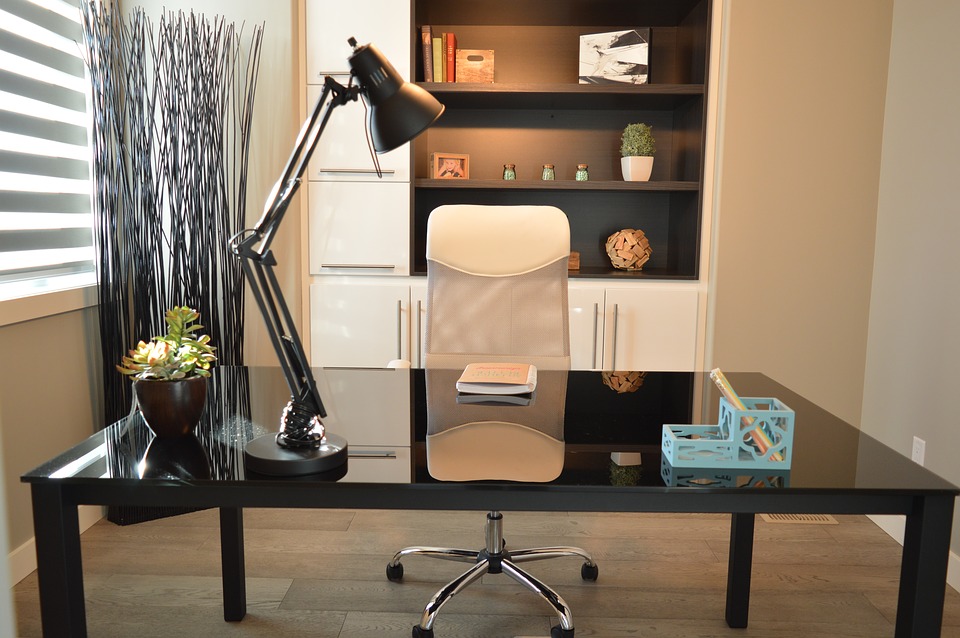
When it comes to furnishing your home, looking for an optimum furniture store is crucial. There are plenty of options available, but it might be a bit overwhelming to make the best choice for your needs and style preferences. In this comprehensive guide, we will walk you through the essential aspects of selecting the perfect furniture store, ensuring you get the best value for your investment. Why Choosing The Right Furniture Store Matters Your choice of furniture store can significantly impact the quality, style, and overall satisfaction of your furniture purchase. Here's why it matters: Quality Assurance High-quality furniture ensures durability and longevity. Reputable furniture stores toronto source their products from trusted manufacturers, guaranteeing top-notch craftsmanship. Style And Variety Each furniture store has its unique style offerings. Finding one that aligns with your taste and home decor is essential for a harmonious living space. Budget Considerations Furniture prices can vary significantly from store to store. Choosing a store that fits your budget without compromising on quality is vital. Customer Service Excellent customer service can make your shopping experience enjoyable and hassle-free. Friendly and knowledgeable staff can help you make informed decisions. Factors To Consider When Choosing A Furniture Store Reputation Look for stores with a strong reputation in the market. Reading reviews and asking for recommendations can help you identify trustworthy options. Product Quality Inspect the furniture's materials and construction. Solid wood and high-quality upholstery are signs of a good product. Style And Aesthetics Consider your personal style and the overall look you want for your home. Choose a store that aligns with your aesthetic preferences. Budget-Friendliness Set a budget beforehand and stick to it. Compare prices from different stores to find the best deal for your budget. Return Policy And Warranty Ensure the store offers a reasonable return policy and a warranty on their products. This provides peace of mind in case of any issues. Delivery And Assembly Check if the store provides delivery as well as assembly services. This can save you time and effort in setting up your furniture. Top Furniture Store Chains IKEA Popular for its affordable as well as modern furniture sets, IKEA is a favorite among budget-conscious shoppers. Ashley HomeStore Ashley HomeStore offers a massive range of stylish and well-crafted furniture pieces suitable for various tastes. Wayfair Wayfair is an online retailer with an extensive choice of furniture, making it easy to find unique pieces for your home. Crate & Barrel Crate & Barrel is known for its contemporary and elegant furniture, perfect for those with a taste for sophistication. Making Your Final Decision Once you've considered all the factors and explored various options, it's time to make your final decision. Trust your instincts and choose the furniture store that aligns best with your needs and preferences. Selecting the right furniture store is a crucial step in creating your dream home. With careful consideration of factors like reputation, product quality, style, and budget, you can look up for the best store to fulfill your furnishing needs. Read Also: 10 Best Bedroom Plants To Buy In 2022 How You Can Update Your Home with Cream Color Is Home Furnishings A Good Career Path In 2021?

READ MOREDetails