Published on: 07 November 2019
Last Updated on: 11 November 2019
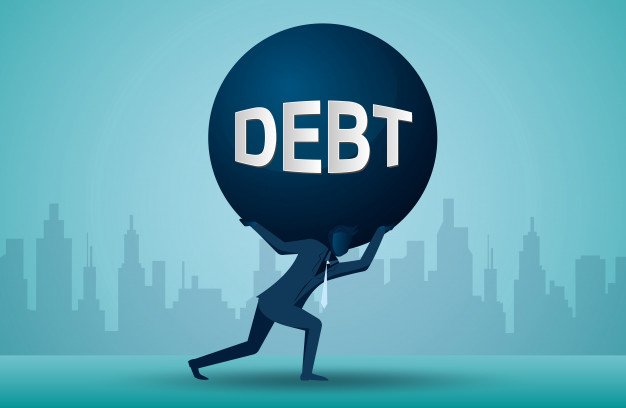
Debt usually begins with a single loan that you think will be quite manageable, then another purchase adds to the monthly outgoings, and very often an unexpected expense arrives, which you naturally charge to your credit card. It only takes a little bit of bad luck to find yourself in a position where you are struggling to make ends meet, and if expected income increases do not materialise, you can quickly find yourself heavily in debt, with seemingly no way out.Debt management providers are highly skilled and can offer you the very best advice.
Hoping It Will Go Away
For many people in debt, the natural reaction is to ignore it, and after a while, you get used to throwing away the final demands and not answering the phone when you think it is a creditor. Yet this approach is not only putting off the obvious, you are incurring more interest by refusing to deal with an escalating situation, which you will have to deal with eventually.
Seeking Professional Help
Being in debt can be extremely stressful, and rather than doing nothing, you are much better off approaching Debt Fix, an experienced debt management company. They can really help you to become debt-free. They have special debt consolidation programs and other solutions that can help you to pay off your outstanding debts, and their experienced staff have helped thousands of Australians to become debt-free.
Bad Debt Management Can Affect Your Credit Score
If at any time in the future you wish to take out a mortgage or another type of loan, having a bad credit score will certainly not help, and even if you have a less than perfect credit score now, the debt specialists can still manage to find a lender who will take you on.
What Is A Debt Consolidation Loan?
If a person has 3 or 4 monthly repayments that are due at different times of the month, it can be a real struggle to make the payments, and for many people, taking out a debt consolidation loan is the best solution. This would involve borrowing enough money to clear all outstanding debts, leaving you with a single, affordable monthly repayment. You can say goodbye to the red-letter final demands and the persistent phone calls from concerned creditors, as your slate will be wiped clean, and it is advisable to terminate all credit avenues that could lead you back to the same state.
Working With Professionals
Those who work for debt management providers are highly skilled and can offer you the very best advice, and rather than keeping it to yourself in the hope that somehow your debts will magically vanish, discussing all of your options with a debt management specialist is a far better solution. The sooner you begin to address the problem, the quicker you will be debt-free and can start looking at investment options.
Debt consolidation is not a solution for every case, and it is only by discussing your circumstances with a trained debt management person that you can discover the best way to deal with the issue.
Read Also :
Content Rally wrapped around an online publication where you can publish your own intellectuals. It is a publishing platform designed to make great stories by content creators. This is your era, your place to be online. So come forward share your views, thoughts and ideas via Content Rally.
Passive income is the lifeblood of any investor's portfolio. It provides you with a reliable and consistent stream of income while you take some time away from work.
Having a passive income stream is a great way to supplement your existing income or build a retirement fund. As tax season approaches, now is the time to evaluate your current situation and determine if you are taking advantage of this amazing opportunity.
Checkout Five Prime Ways Of Passive Income You Need To Learn Now
Here are a few examples of passive income sources you should explore now:
1. Real Estate Investments
Real estate investments can be a great way to generate passive income. Most real estate investments are done through rental properties. You buy a property and then rent it out for a monthly fee. Property owners may be able to collect enough rent to cover their mortgage payments, leaving them with a steady stream of income.
Real estate investors may also want to consider buying pre-construction developments and flipping houses. With pre-construction development, you can purchase a property before it's built and then sell it for a profit when it's done.
Flipping houses involves buying a home and making improvements to it before reselling it for a higher price. Both pre-construction developments and house flips can yield considerable profits in a short amount of time.
Real estate investors should also look into commercial real estate investments. This type of real estate involves investing in multifamily, industrial, and retail properties. Owning commercial real estate can be a great way to generate income as well as appreciation when done right. Investors may also want to consider investing in REITs, or real estate investment trusts.
REITs are investments that pool a variety of real estate assets and offer investors exposure to the real estate market without owning physical properties. Real estate investments come with the potential for great rewards but also come with their own unique set of risks. Investors should consider consulting a financial professional before pursuing a real estate investment.
2. Dividend Investing
Dividend investing is another popular way to generate passive income. When you invest in a company through a stock, you become a shareholder and may receive regular dividend payments from them. Dividend payments can vary from company to company and are a great way to make a reliable income without having to actively manage any assets.
Dividend payments are usually paid quarterly, but some companies can pay them more or less often. The amount of the dividend payment you receive is dependent on the number of shares you own, the type of stock you purchase, and the amount of capital growth the company's assets have achieved.
In addition, dividends are also paid in proportion to how long you've owned the stock. Dividend investing can help to diversify your income stream and reduce the volatility of your investments. Dividend investing also has tax advantages and can be used to help you reach your financial goals.
3. Investing in Index Funds
Index funds are a type of mutual fund that tracks a particular market index. By investing in these funds, you’re basically buying an entire portfolio of stocks without having to actively pick and choose which ones to invest in. Index funds offer a great way to get passive income while diversifying your portfolio.
Index funds also typically have lower management fees than actively managed funds, which helps reduce the overall expense of your investments. The main benefit of investing in index funds is to get exposure to the broader stock market without having to pick individual stocks.
By following an index, you benefit from its diversification and protection against individual stock risk. Additionally, indexes often have a good return on investment and tend to outperform actively-managed mutual funds over time.
4. Peer-to-Peer Lending
Peer-to-peer lending is a type of lending that takes place between two individuals. It involves lending a certain amount of money to someone else and then receiving regular payments in return. Peer-to-peer lending is a great way to generate passive income without putting your money at unnecessary risk.
It is often used to finance investments and small businesses. As the lender, you can decide how much to loan, the repayment terms, and the interest rate. Peer-to-peer lending helps to diversify your investments and can provide you with returns and future income.
5. Online Businesses
Finally, starting an online business can be a great way to generate passive income. Whether it’s an e-commerce store, a blog, or a subscription service, an online business can be scaled up to generate a significant amount of income. Plus, it can be done from the comfort of your own home.
An online business can be a great way to create a passive income stream, as it can be scaled up over time to generate more revenue. With an online business, you have the potential to reach a wider audience from all over the world, as the internet doesn’t have any geographical restrictions.
You’re also able to work from the comfort of your own home, set your own hours, and have the flexibility to work when and where you want. Depending on the type of business you set up, some possible revenue streams include selling products, offering services, advertising, membership fees, and affiliate marketing.
Setting up an online business takes time, dedication and effort, and a solid business plan. It’s also important to have a clear understanding of local and international laws, taxes, and regulations so you remain compliant.
No matter which type of passive income you choose to pursue, make sure you understand the ins and outs of government regulations around the area. During tax season, it is important to ensure you complete all the required paperwork and pay taxes on any income you might generate.
It is also important to ensure that any sources of passive income are reported on your paystub, otherwise, you could end up owing a lot of money in unexpected taxes.
By learning what passive income sources are available, you can start to build a reliable and consistent stream of income quickly and easily. Explore the different options outlined above and determine what works best for you and your financial situation. The rewards can be great and you'll thank yourself in the long run.
Read Also:
How To Choose A Great Managed Fund
4 Fun Jobs After Retirement That Offer You a Monthly Income
A Beginners Guide to Investing: Getting Started in 8 Simple Steps
In order to easily increase your cash flow in your business, there are some proven methods you can use. Although there is no "magic bullet" that guarantees success, it's possible to use these tips to improve your cash flow and make it more manageable.
In this post, we'll talk about 8 of the best ways you can increase your cash flow in your business by looking at, The importance of stable cash flow, Identifying sources of revenue, and where they come from. We'll also talk about how often you should look for new sources of income and what factors play into that decision.
Cash flow is a very important aspect of running a business. You'll need to know how much money you have at any given time and what bills you need to pay in order to keep your company afloat.
If you're in the midst of preparing payroll, trying to buy some inventory, or simply trying to maintain your office building, it can be difficult if there isn't enough money coming in by the end of the day.
Checkout Eight Prime Tips To Increase Your Cash Flow In Your Business:
Here are a few tips to increase your cash flow in your business.
1. Review your pricing strategy:
If you're selling a product or service, you're going to need to know what the market will bear. Look at your competitors and see what they're doing and how much they charge for their products.
You can also look at other businesses that offer similar products or services and see how they price those items. It's critical to periodically review your pricing strategy in order to ensure that you're making enough money off of each transaction in order to keep it profitable, but also not being too greedy so you scare away potential customers.
2. Involve cryptocurrencies in payment:
You can use cryptocurrencies to accept payments for products and services. For example, you may want to sell your book on Amazon and accept payment in bitcoin. You can also accept payment in another cryptocurrency so long as the customer has a way to convert that currency into bitcoin.
Having different payment options available makes it easier for customers to pay you, so make sure you take advantage of digital currencies if you're still accepting only fiat currency.
You can use bitcoin as a payment gateway for your business and lots of companies are already doing so. Visit bitcoin code for more information.
3. Improve your collection process:
It's important to know how much money you owe your vendors in order to make sure they know their payments are due. You can do that through a variety of methods, from negotiating payment terms to referring your customers directly to your creditors.
You can also look for new ways to get paid by offers or discounts for prompt payments. In order to improve your collection process, look at what is working and what isn't.
4. Cut costs:
You can always find a way to cut costs, especially if you're in the middle of a cash crunch. If you need to conserve cash, try cutting back on the costs that aren't necessary.
Start by eliminating non-essential personnel or outsourcing those positions to save money. You can also decrease your rent and your utility bills by looking for cheaper sources for these services as well.
5. Increase your inventory turnover:
Inventory turnover is a mathematical formula that shows how often you have to buy and sell inventory in order to make a profit. You probably already do some maths when you're selling the product or service, but if you're doing it manually, it's a good idea to run the numbers again and see if they're convenient and profitable for your business.
If you're not turning your inventory over at a satisfactory rate, try to discover why and see if there's something you can change to improve that number and make more money.
6. Get creative with financing:
There are many different ways to finance a business. Many of the financing options you have will depend on your credit score and where you're applying.
For example, applying for a loan at a bank is probably one of the more difficult forms of financing because it's extremely competitive. You may want to try smaller banks that keep less debt or seek out alternative options like peer-to-peer lending or crowdfunding campaigns on sites like Kickstarter.
7. Manage your tax liabilities:
It's important to know what you owe the IRS and what your tax liabilities are. If you miss a bill or if something in your business changed that affected your tax liability in some way, it's important to review your documents to see if there are any errors.
You can also run a financial audit by yourself or hire an accountant to check for problem areas that may lead to increased taxes.
8. Review your insurance coverage:
It's important to review your insurance coverage and see if you need more of it. For example, there may be a gap between what you have now and what your policy covers.
There are a lot of people that don't understand why they have insurance, but it's crucial to have a policy in place to protect your assets. If you're not sure whether you need more insurance, contact the provider and ask them what you should do.
Conclusion:
In conclusion, it's very important to have a good cash flow, especially if you're looking to expand your business. In order to increase your cash flow, you need to identify where all of the money is going and where it needs to go so that you can make sure everything is covered.
You'll also need to keep track of how much money you owe in different areas of your business so that you know when you're falling behind.
Read Also:
Are Commercial Banks A Good Career Path In 2022?
Quality Of E-Commerce Data Entry Services- Whether You Should Invest In Them?
Starting Your Rare Coin Collections: A Beginners Guide to the 1794 Flowing Hair Half Dime
For new residents in Canada, it is not unusual to incur debt. Moving and settling in a new country often involves a lot of money, after all. If you are not careful, you will find yourself coping with unmanageable dues, dealing with bouncing checks, and avoiding calls from collection agencies. There is no absolute way to get rid of debts altogether, but with proper planning and execution, you will be able to get your finances back on track.
Freeing Up Money To Reduce Debt
The first thing to do to take control of your debts is to free up some money. This will involve creating a spending plan, paying your debts consistently, and tracking your progress. With a spending plan, you will be able to determine how much money you can work with. Start by summing your monthly expenses and removing them from your income. The money left over is the money you will use to pay down your debt.
If you are spending more than you earn and have no spare money, you need to review your spending habits and determine which ones you have to cut down. Sitting down with a budgeting expert may be advantageous. One way to reduce spending is by not using credit, at least until you have paid off your debt. This includes your overdraft. If you have to use it, you must treat it like a bill that you need to settle.
Another way to free up money is by spending less than you plan to spend. Many people get into debt because they buy things they cannot afford. Follow a simple rule – if you do not have money, do not purchase it. If you can be gratified with less than what you usually want, you can use the cash you saved and pay down your debt. Eventually, you will have adjusted to your new setup and learn to put away money for other financial priorities.
Tracking your spending and identifying which areas to cut back from also helps. You need to exercise honesty in doing this, otherwise, it will not work. Many people end up being surprised by how much they actually spend daily. Once you have mapped out your spending habits, it will be easy to pinpoint areas where you can cut back. The next step will be to allocate the money you found and settle your debts.
Using Funds Strategically To Eliminate Debt
Once you have freed up money, you can use it to pay down your debts. There are different ways to do it strategically. New residents in Canada typically apply for a mortgage to be able to afford a home. Banks and lending institutions require a minimum of 35% down payment, paid in cash, with a maximum of 65% of the value of the home provided as a mortgage. Monthly payments will be based on the mortgage option they will choose.
In paying a mortgage, a bi-weekly payment may be better than a monthly option to accelerate the process. It may seem like you are paying the same amount of mortgage, but you are actually settling your debt faster by including an equivalent of one extra payment annually. This way, you will be able to pay everything off several years earlier. For more information about the mortgage, visit this page: https://alpinecredits.ca/home-equity-line-of-credit-vs-mortgage/
Another smart way to settle your debt is by paying as much extra as you can afford. With a minimum credit card payment per month, it will take a long time to pay off the balance. Meanwhile, some borrowers choose to settle their most expensive debts first, then work their way to the least. In this snowball method, you will be focusing all your extra payments on the debt with the biggest rate, while making minimum payments on all the others.
First, arrange your debts in the order of their interest rates. Then, pick the one that is charging you the most and prioritize it. Once your most expensive debt is settled, use all the money you were reserving and allocate it to the next highest loan. Continue this scheme until you are left with the least expensive debt to pay down. Many attest to this strategy as very effective in getting out of debt quickly.
If your debts are becoming too unmanageable and you are really struggling with your financial obligations, it may be time to start speaking with a credit counselor. Credit counselors are experts in helping people assess their situation and eventually put together a working plan to set their finances back on track. They will also negotiate with your creditors to explore your options. Credit counseling is a legal process that is usually for free or at a very low cost.
Other Ways To Cope-Up With Debt
Having your own vehicle when living in Canada is useful as there are places where public transport is limited. When buying, it is better to choose a quality used car rather than a new one. You can go to a local library or read reviews online to see your options. Meanwhile, if you do choose to buy a new car, pick one with good fuel economy. By keeping it for 15 years, you can stretch your dollars and have plenty of time to save for another vehicle.
Reducing your grocery bills also helps. Watch out for sales then stockpile your cupboard with non-perishable items like canned goods, rice, and cereals. Freeze bread and meat properly. Live off your stocks and skip doing groceries every month. This way, you can save up to 25% of your annual bill. If this is not manageable, try skipping once every other month. You can still save a good amount of money.
Finally, if you want, you can get a second job or pick up additional shifts to earn extra money. For this to work, you have to consistently allot all your extra income to pay your debts. This does not always suite everyone, but if you can do it, you will find yourself free of debt faster. You also do not need to work extra shifts forever, just until all your debts are paid off. After that, you can consider scaling back again.
More Resources:
How to Eliminate Hassles of Outstation Travels
The Five Most Important Things to Know Before Moving
How to Save Time During Your Workday?














 Being in debt can be extremely stressful, and rather than doing nothing, you are much better off approaching Debt Fix, an experienced debt management company. They can really help you to become debt-free. They have special debt consolidation programs and other solutions that can help you to pay off your outstanding debts, and their experienced staff have helped thousands of Australians to become debt-free.
 If at any time in the future you wish to take out a mortgage or another type of loan, having a bad credit score will certainly not help, and even if you have a less than perfect credit score now, the debt specialists can still manage to find a lender who will take you on.
 If a person has 3 or 4 monthly repayments that are due at different times of the month, it can be a real struggle to make the payments, and for many people, taking out a debt consolidation loan is the best solution. This would involve borrowing enough money to clear all outstanding debts, leaving you with a single, affordable monthly repayment. You can say goodbye to the red-letter final demands and the persistent phone calls from concerned creditors, as your slate will be wiped clean, and it is advisable to terminate all credit avenues that could lead you back to the same state.
 Those who work for debt management providers are highly skilled and can offer you the very best advice, and rather than keeping it to yourself in the hope that somehow your debts will magically vanish, discussing all of your options with a debt management specialist is a far better solution. The sooner you begin to address the problem, the quicker you will be debt-free and can start looking at investment options.
Debt consolidation is not a solution for every case, and it is only by discussing your circumstances with a trained debt management person that you can discover the best way to deal with the issue.
Read Also :
Those who work for debt management providers are highly skilled and can offer you the very best advice, and rather than keeping it to yourself in the hope that somehow your debts will magically vanish, discussing all of your options with a debt management specialist is a far better solution. The sooner you begin to address the problem, the quicker you will be debt-free and can start looking at investment options.
Debt consolidation is not a solution for every case, and it is only by discussing your circumstances with a trained debt management person that you can discover the best way to deal with the issue.
Read Also :