











From Sea To Skillet: A Deep Dive Into The World Of Fish Fillets

Published on: 31 January 2024 Last Updated on: 12 September 2024
World Of Fish Fillets

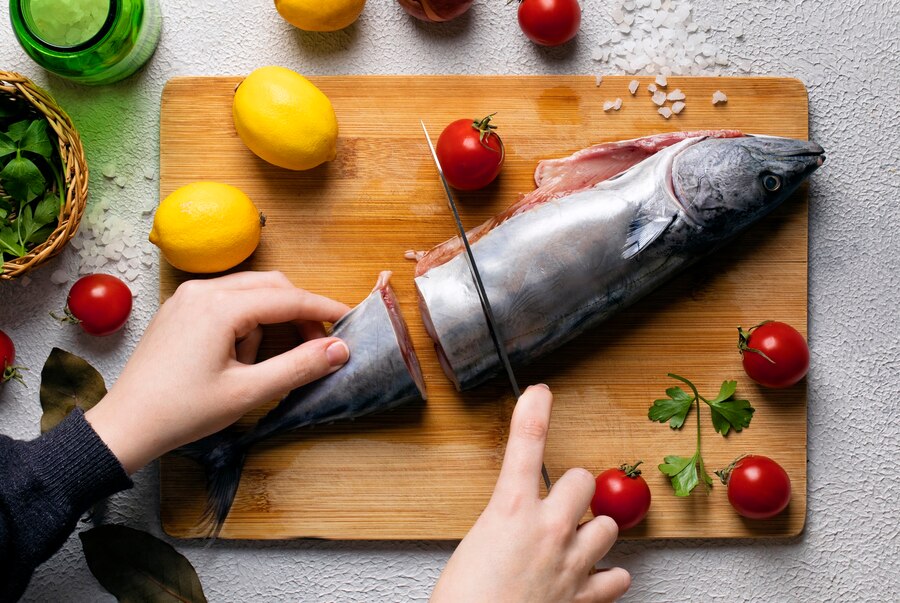
Fish fillets are a versatile and convenient seafood option, offering a healthy and delicious base for countless dishes. Their popularity stems from their ease of preparation, having already been cleaned, deboned, and portioned, ready for the pan or oven. But beyond their culinary appeal, fish fillets offer a fascinating journey from the ocean’s depths to our plates.

Understanding the world of fish fillets involves delving into various aspects, from the different types and their origins to the various factors that influence fish fillets prices. This article will serve as your guide, uncovering the secrets of this delicious and nutritious food source.

A Variety Of Flavors And Textures
A Variety Of Flavors And Textures

Fish fillets come in a dazzling array of varieties, each boasting unique flavors, textures, and nutritional profiles. Some of the most popular choices include:

  • Salmon: Renowned for its rich, oily texture and vibrant pink hue, salmon fillets are a versatile option for grilling, baking, or pan-frying. They are also an excellent source of omega-3 fatty acids, crucial for heart health.
  • Cod: This mild-flavored white fish offers a firm texture and versatility in cooking methods. Cod fillets are perfect for fish and chips, baking with herbs and lemon, or incorporating creamy sauces.
  • Tilapia: A light and flaky fish, tilapia is a budget-friendly option with a delicate flavor. It absorbs marinade well, making it ideal for experimentation with various spices and herbs.
  • Dory: This white fish boasts a firm texture and a slightly sweet flavor. Dory fillets are often used in fish tacos, baked en papillote, or served with a simple lemon butter sauce.
  • Snapper: This firm-fleshed fish features a sweet and delicate flavor. Snapper fillets shine on the grill or baked with fresh herbs and vegetables.

Exploring Different Origins

The origin of a fish fillet can significantly impact its flavor, texture, and even price. Here’s a brief overview of some prominent fishing regions:

  • Atlantic Ocean: This vast body of water provides popular species like cod, salmon, and haddock.
  • Pacific Ocean: A haven for tuna, mahi-mahi, and numerous other flavorful fish.
  • Mediterranean Sea: Renowned for its abundance of sea bass, dorada, and branzino.
  • South China Sea: Offers a diverse range of fish, including tilapia, grouper, and bream.

Unveiling The Factors Affecting Fish Fillet Prices
Unveiling The Factors Affecting Fish Fillets Prices

Understanding the various factors influencing fish fillet prices allows for informed decision-making. Here are some key considerations:

  • Species: Certain types like salmon and tuna generally command higher prices due to their popularity and demand.
  • Fishing method: Sustainable practices like line-caught or wild-caught fish often carry a premium compared to farmed fish.
  • Freshness: The fresher the fish, the greater the price, as it ensures optimal flavour and quality.
  • Processing: Filleting and packaging processes can add to the cost of the final product.
  • Seasonality: Some fish are available year-round, while others have specific peak seasons, impacting prices.

What To Look Out For When Procuring Fish?

When you are procuring fish fillets from the market, be it for regular use of special domestic occasions, you have to be mindful of some of the important points. It helps you understand your requirements. The following guide can help you get the best fish fillet from the store.

Firstly, you must get the fresh fishy smell when you walk into the store. It is one of the main indications for getting the best fish from the store.

Secondly, look that the fish is on the ice and the ice is clean. You must take a look at the elements that have a direct relationship with the hygiene and taste of the fish. The fillets must look firm and not rugged.

Rugged marks on the fish indicate that they are mishandled. Also, try to learn when the fish is frozen. This way, you could understand your needs and requirements. It is one of the ways to get fresh fillets.

You can also get an idea of the freshness of the fish by giving a good look at the different body parts.  Fishes with a shiny surface and also slime on the surface is one indication that it is fresh fish. The fins of the fish must be clearly defined. It is one of the hallmarks of getting fresh fish. Moreover, getting the best quality is undoubtedly one of the hallmarks of great taste. Hence, you have to understand it here to better understand it.

Maintaining The Quality Fish Back Home

Maintaining The Quality Fish Back Home

It might be that you procured fresh fish from the store. But that does not imply, you are consuming it that very day. So you must preserve it well in your home when buying the best fish. Here, we discuss some ways you can maintain the high quality of the fish by storing them back in your home.

Once you have made your purchase, you must ensure that you give the fish the ice it requires. You can take containers with ice. After buying them from the freezer, you can offer them freshness. Whenever the fish is brought out from the ice, it starts degrading.

Store your fish in the coldest parts of your freeze. It is one of the ways to keep your fish fresh for a longer time. You can also use the salt to preserve the freshness of the freezer for a couple of days before eating. However, you must try to use your fish fillets as soon as you buy them from the store. It is the best way to consume them. It’s simple… eat the fish when it is fresh.

Sustainability And Ethical Considerations

As with any food choice, it’s crucial to consider the environmental and ethical implications of our seafood consumption. Opting for sustainably sourced fish fillets, certified by organizations like the Marine Stewardship Council, ensures a healthy ocean for future generations.

Conclusion

Fish fillets are a delicious and convenient way to incorporate seafood into our diet. By understanding the diverse varieties, their origins, and the factors influencing their prices, we can make informed choices while enjoying the bounty of the sea. Remember to prioritize sustainability and ethical practices to ensure a healthy and vibrant ocean for years.

Read Also:

Ankita Tripathy loves to write about food and the Hallyu Wave in particular. During her free time, she enjoys looking at the sky or reading books while sipping a cup of hot coffee. Her favourite niches are food, music, lifestyle, travel, and Korean Pop music and drama.

View all posts

Leave a Reply

Your email address will not be published. Required fields are marked *

Related

proper way to cut an onion

The Importance Of Proper Cutting When Preparing Meals

When you're preparing meals, there's a lot to get done. You might not think too much about how you're cutting up the foods that you use, but it can make a difference in how your dinner looks and tastes. Some of the reasons why it's important to make sure you're using proper cutting techniques when you're prepping foods include the following. If you are planning to cook something, you probably will need to chop onions! onions play an important role with regards to bringing flavor and crunch to the dish. You can cut the vegetables into nice little cubes along with vertically chopping the food. Read about the different ways in which you will learn to cut the onions along with keeping yourself safe! See that you don’t cut yourself. Keep Yourself Safe When Cutting Of course, safety should be a top priority when you're preparing meals. Knowing how you should cut an onion can help keep you safe. When you are cutting any vegetables, using the right techniques keeps your fingers out of the way, so you can cut every piece of the vegetable without getting your fingers. This could save you from a trip to the hospital or being out of commission for a while as you let your hand heal.  Make Sure Pieces Are Uniform In Size It is important to make sure the pieces you cut are uniform in size, as this can help make sure the food all cooks evenly. There are many different methods for cutting carrots, but with any of them, if you cut some pieces large and some small, the small ones will be done cooking long before the large ones are finished. This can lead to the food not tasting as good as well as to the meal being served with some pieces that are overdone and some that might not be cooked all the way through.  Food Cut Properly Looks More Attractive Cutting the food properly and making sure they're the right size can make the food more attractive. When you use safe cutting methods, you can do unique shapes or cut them in ways that are a little more fun or add to the presentation. Since food that looks better tends to taste better, making sure you're cutting the foods properly can mean everyone enjoys your meals more.  Make Sure Portions Are Precise When the cut foods are plated, if there are some that are much bigger than others, it can mean that it's more difficult to get the proportions right. The plate might look more full with bigger pieces on there, but you might not be getting as much because you're only having a few of the big pieces instead of lots of the small ones. If you're portioning your plate for weight loss, this can be even more important, as you'll want to make sure you are eating enough healthy foods.  Ensure The Meal Tastes Right Along with being more attractive and tasting better, if the pieces aren't cut properly, it can impact the overall taste of your meal. When you cut pieces that are too large for the recipe or too small, they will cook differently, even if they're all the same size. Smaller pieces when cooked may impart more flavor to the meal, so your soup could end up tasting a little too much like onions and you won't be able to taste the other flavors as much. What Are The Types Of Cutting Techniques That Every Chef Must Know?  In the previous sections, we have discussed the important aspects to consider with the proper cutting technique. If you are a chef taking intensive training, you have to consider some of the most important aspects linked with proper technique techniques. Therefore, you have to consider some of the important aspects linked with cutting techniques. However, here are some of the top cutting techniques that you  need to master as an evolving chef So let discuss them here in this very section to get a better understanding of the entire subject.  Dice  Cut Are you looking for a proper way to cut an onion? Then you may master this very technique effective;y to get it done. This is a classic cutting technique. It involves making the fruit or vegetable small squares. In this process, you need to integrate the onion by slicing it horizontally along with keeping the roots intact! Significance Of Cutting Onions In Different Ways! One of the most important vegetables, onions is used in about every dish for breakfast, lunch and dinner! We also use onions in a lot of snacks, hence, you should learn how to chop onions. The flavour of onions plays an important role in chopping the pieces along with cutting them into strips. Mincing is the first way of chopping which you can use to cook soups, raita, Manchurian balls and marinades. If you do not want to learn how to mince onions, you can use a food processor to finely mince the onions. Chopping is another process where the size of the onions is medium. This is mostly used in dal, stir-fried veggies as it gives a delicious and nice flavour to the overall food intake. Dicing is another process where the onions are used in cutlets, dosa stuffings, paratha stuffings and omelettes. When onions are diced, there is prominence in the dish along with the flavorful deliciousness of food. we often use half-moon cutting which is of the layer from thin or thick based on your requirements. This is mostly used in sandwiches, burgers and salads. Furthermore, the onions can be used to add a crunchiness to the food item! Onion rings are one of the most popular food items as a lot of people eat it as a snack! You can peel the onion trim the edges and then cover it in a flour batter with salt, spices and pepper, thus creating rings of onions. When it is fried, the deliciousness is great because it can go with any sauce. Conclusion To sum it up, it is an important part of cooking especially when knowing the right way of chopping vegetables. If you are a cook, you will know the significance of chopping vegetables along with adding them in the form of strips. Onions are an important part of most food items, be it a sandwich, be it any protein, starting from chicken to meat, to dressing of other food items, onions are a must! After you read the article, there are six ways to know the proper way to cut an onion and accordingly, they will help you cook different recipes. You can cook soups with onion chopping hence, after reading the article, get to learn about these different ways. If you'd like to improve your meal prep, start by learning how to cut vegetables and other foods properly. Knowing how to cut them and the different methods you can use can help keep you safe, help ensure the food is uniform in size, and help ensure your meals always taste amazing.  Additional Reading: 8 Campfire Cooking Essentials For a Camp Kitchen That Crackles 10 Unique Kitchen Hacks to Save your Time in Kitchen and Cooking Lift Your Home Cooking: Mysteries From HMD Bar And Grill’s Kitchen

READ MOREDetails
slider-img

How to Harvest Potatoes: A Complete Guide from Planting to Storage 

If there is something that I have learned in life, it is about gardening. Well, almost everything if not all. And if there is one thing that took me some time to master, it was knowing how to harvest potatoes at home!  Potatoes are one of the most versatile and popular vegetables in the world. They can be cooked in many different ways, such as boiled, baked, fried, mashed, or roasted. Moreover, they are also rich in carbohydrates, fiber, vitamin C, potassium, and antioxidants. But how do you grow and harvest your own potatoes at home? You see, potatoes are not like cilantro or other plants. These are tubers.  In this article, I will show you everything you need to know about how to harvest potatoes, from planting to storage. So, if that is something that you are interested in knowing, then I have you covered! Keep on reading this blog till the end to learn more...  How to Plant Potato Seeds or Tubers?  The first step in how to harvest potatoes is to plant them. You can start with either potato seeds or tubers. Potato seeds are small, round, and black, and they are usually sold in packets. Potato tubers are the actual potatoes that you eat, and they have eyes or buds that can sprout new plants. You can buy certified seed potatoes from a nursery or garden center, or use organic potatoes from the grocery store.  Here are some if the steps that you must take to plant them:  Planting Potato Seeds  To plant potato seeds, you need to sow them indoors in pots or trays filled with moist potting soil. Place them in a sunny spot and keep the soil moist but not soggy. The seeds will germinate in about two weeks and produce small green shoots. When the shoots are about 3 inches tall, you can transplant them outdoors in your garden or in containers.  Planting Potato Tubers  To plant potato tubers, you need to cut them into pieces, each with at least one eye. You can do this a few days before planting to let the cut surfaces heal and prevent rotting. Alternatively, you can plant whole small potatoes with several eyes. To prepare the soil, you need to loosen it and add some organic matter, such as compost or manure.   You also need to make sure the soil is well-drained and slightly acidic, with a pH of 5.0 to 6.0. You can use a soil test kit to check the pH level and adjust it with lime or sulfur if needed.  Planting Potato Pieces  To plant the potato pieces, you need to dig a trench about 4 inches deep and 12 inches wide. Place the pieces about 12 inches apart, with the eyes facing up. Cover them with 3 inches of soil and water well. As the plants grow, you need to hill up the soil around them to cover the lower stems and prevent the tubers from being exposed to sunlight, which can turn them green and bitter. You can also mulch the soil with straw, leaves, or grass clippings to retain moisture and suppress weeds.  How to Care for Your Potato Plants?  The second step in how to harvest potatoes is to care for your potato plants. You need to water them regularly, especially during dry spells, to keep the soil moist but not waterlogged. You also need to fertilize them every two weeks with a balanced organic fertilizer, such as fish emulsion or seaweed extract. Also, you can add some wood ash or bone meal to provide extra potassium and phosphorus, which are essential for tuber formation.  You also need to protect your potato plants from pests and diseases, which can reduce your yield and quality. Some of the common potato pests are:  Colorado potato beetles, which are yellow and black striped insects that feed on the leaves and can defoliate the plants. You can handpick them and drop them in a bucket of soapy water, or use an organic insecticide, such as neem oil or pyrethrin.  Potato leafhoppers, which are small, green, winged insects that suck the sap from the leaves and cause them to curl and yellow. You can spray them with a strong jet of water, or use an organic insecticide, such as garlic or hot pepper spray.  Wireworms, which are thin, brown, worm-like larvae that bore into the tubers and cause holes and tunnels. You can trap them with pieces of carrot or potato buried in the soil, or use beneficial nematodes, which are microscopic worms that parasitize and kill the wireworms.  Common Potato Diseases  One of the most common reasons why a potato cannot grow or survive is the diseases. If you were wondering what some of these can be and how to deal with them, I have you covered!  Some of the common potato diseases are:  Late Blight: It is a fungal disease that causes brown spots on the leaves and stems, and black or brown lesions on the tubers. It can spread rapidly and destroy the entire crop. You can prevent it by planting resistant varieties, avoiding overhead watering, and removing any infected plants and tubers. You can also use a fungicide, such as copper or sulfur, as a preventive measure.  Scab: This is a bacterial disease that causes rough, corky patches on the tubers. It does not affect the taste or edibility of the potatoes, but it reduces their appearance and storage quality. You can prevent it by planting resistant varieties, maintaining a slightly acidic soil pH, and avoiding excessive nitrogen fertilization.  Potato Virus Y: Lastly, this is a viral disease that causes mosaic patterns, mottling, or yellowing on the leaves, and misshapen or knobby tubers. It can reduce the yield and quality of the potatoes, and it can be transmitted by aphids or infected seed potatoes. You can prevent it by planting certified virus-free seed potatoes, controlling aphids, and removing any infected plants and tubers.  How to Determine When Your Potatoes Are Ready to Harvest?  The third step in how to harvest potatoes is to determine when they are ready to harvest. This depends on the type and variety of potatoes you planted, and the size and maturity you want. There are two main types of potatoes: early and late. Early potatoes are ready to harvest in about 10 to 12 weeks (about 3 months) after planting, and they produce small to medium-sized tubers that are tender and thin-skinned. They are best for boiling, steaming, or roasting.  Late potatoes are ready to harvest in about 15 to 20 weeks (about 4 and a half months) after planting, and they produce large, starchy tubers that are firm and thick-skinned. They are best for baking, mashing, or frying.  Early Harvesting  To harvest early potatoes, you can start digging them up when the plants begin to flower, or when the lower leaves start to yellow. You can use a garden fork or a spade to gently lift the plants and tubers from the soil, or you can use your hands to feel for the tubers under the soil. You can harvest as many or as few potatoes as you need, and leave the rest in the ground until you are ready to use them. You can also harvest some of the young, tender leaves and stems, which are edible and nutritious.  Late Harvesting  To harvest late potatoes, you need to wait until the plants have died back completely, or until the first frost. This allows the tubers to develop a thicker skin, which helps them store better. You can use a garden fork or a spade to dig up the entire row of plants and tubers, or you can use a potato digger, which is a special tool that lifts and separates the tubers from the soil. You need to be careful not to damage or bruise the tubers, as this can cause rotting or spoilage.  How to Dig Up, Cure, and Store Your Potatoes?  The final step in how to harvest potatoes is to dig up, cure, and store your potatoes. This is important to preserve the quality and shelf life of your potatoes, and to prevent them from sprouting, rotting, or shrinking. Here are the steps to follow:  Digging Up  After digging up your potatoes, you need to brush off any excess soil and remove any damaged, diseased, or green tubers. Do not wash your potatoes, as this can remove the protective skin and invite bacteria and fungi. You can wash them just before cooking or eating them.  Curing  You need to cure your potatoes for about two weeks in a cool, dark, and well-ventilated place, such as a basement, garage, or shed. This allows the skin to harden and heal any minor cuts or bruises and enhances the flavor and texture of the potatoes. The ideal temperature for curing is between 50°F and 60°F, and the ideal humidity is between 80% and 90%. You can spread your potatoes in a single layer on a newspaper, cardboard, or wooden crate, and avoid exposing them to light, which can turn them green and bitter.  Storing  You need to store your potatoes in a cool, dark, and dry place, such as a cellar, pantry, or closet. The ideal temperature for storage is between 40°F and 50°F, and the ideal humidity is between 65% and 70%. You can store your potatoes in paper bags, cardboard boxes, mesh bags, or wooden crates, and check them regularly for any signs of sprouting, rotting, or shriveling. You can also store your potatoes in a root cellar, which is an underground or partially underground structure that maintains a constant temperature and humidity. Additionally, you can also store your potatoes in a clamp, which is a mound of straw, hay, or leaves covered with soil, that insulates and protects the potatoes from frost and rodents.  Wrapping It Up!  If you want to know about how to harvest potatoes, I hope that this blog has been of help to you. However, if there are any other queries related to the same, please feel free to let me know. All that you need to do is scroll down till you reach the bottom of the page. Then leave your comments and suggestions in the box below. And I will be there to answer them all for you! Read Also: How to Harvest Lettuce: A Step-by-Step Guide for Fresh and Crispy Salads Everything You Need To Know About Harvesting Basil!

READ MOREDetails
Seafood Online

Buy the Best-Tasting & Freshest Seafood Online in 2021

When it comes to buying some tasty seafood raw ingredients, freshness comes first. But every time it is not possible you are visiting the nearest fish market to buy the fresh fish. It is full of obstacles when it comes to finding high-quality, most delicate, and freshest seafood online. If you have been experiencing the same trouble, then read this piece of blog. It is dedicated to seafood lovers. Here I’ve listed a few best recommendations to find seafood online.  7 Best Tasting Fresh Seafood Online Services: Seafood ingredient’s freshness is the main key factor to cook a perfect delicious seafood dish. This is the reason most customers prefer shop buying. But it is 2021.  Here is the list of the seven best seafood online services, which will supply fresh ingredients on your doorstep. 1.Fish Me: Fish Me was introduced during COVID lockdowns when die-hard seafood lovers couldn’t have their favorite seafood dinners at fancy restaurants. They were like “where to buy fresh fish” and “how to prepare the best seafood at home.” Fish Me! It was launched in Australia in 2020, and in 2021, it is officially launching to deliver the freshest seafood.  For Australian seafood lovers, FishMe is the ultimate destination for the finest seafood online. The brand specializes in prawns, whole fish, fillets, octopus, lobsters, crabs, oysters, mussels, and squid.  2.Wulf's Fish: Up next, I’ve got Wulf’s Fish on my list. The seller is primarily based in Boston, Massachusetts. This online site is one of the best when it comes to getting quality seafood for specialized dishes. You can expect to shop for various fishes like tuna, whole fish, fillets, shellfish, etc.  You can also get your hands on a variety of farmed fishes and roses. Recently, this brand has been widely recognized owing to plucking tilefish, Acadian redfish, scallops, and cod from the Atlantic coast. Further, this brand also supplies seafood to a long list of high-profile chefs, including those at Per Se and Nobu.  3.Ōra King: If you are someone like me who is more into the freshest farmed salmon, then this website is best to spend your money on. Ora King’s New Zealand salmon fish is a unique breed that has to offer culinary experience.  It is fatty and rich in taste. And is always delivered fresh, not frozen. You can expect a great fish fillet at a reasonable price. Nobu Matsuhisa, Daniel Boulud, and Thomas Keller have always been fans of Ora King’s salmon.  4.Sizzlefish: Up next, I’ve Sizzlefish on my list, which is actually a subscription-based service. But, it is quite affordable. Sizzlefish specializes in delivering clean fish, cut, and fillet for the sizzler. Among the seafood online, this is the best place to order the fillet for making sizzlers. This brand specializes in North Atlantic Seafood like black cod and true cod. And being a seafood lover, you may agree that it is not easy to find the best cod. The brand also has to offer other species like halibut, blue mussels, sea scallops, diver, soft shell crabs, calamari, Chesapeake, and Alaska-caught salmon.  5. Wild Alaskan Company: The wild Alaskan company is top-rated among the seafood online supplies for their excellent collections, especially Alaskan fish. They offer monthly subscriptions to their customers. The online buying facility is also here. Wild Alaskan company miny have a wild fish stock like Halibut, Cod, Salmon, and white-fleshed fish. Every pack is carefully packed. You only have to give the order. And fresh, clean fish is going to be supplied in your house in a vacuum package. Every package is filled with perfectly boneless and skinless fillet. 6.PureFish: In the online seafood suppliers, Purefish is well-recognized for its high-quality packaging. The brand uses a soft aluminum tray to deliver fish pieces. The tray comes with portions of two.  You just need to unwrap your fish, put seasoning, and put it right in the oven. If you have always been a fan of well-trimmed, incredibly processed, and conveniently packaged food, then you must try buying fish online from PureFish.  Everything at PureFish is clean, farm-raised, and high-quality. And you can expect great nutritional value. PureFish is a growing brand and currently establishing its inventory, so you may find limited fish species like cobia, yellowfin tuna, Pacific black cod, and wild-caught striped bass.  7.Crab Place: You are a lover of exotic seafood like crab, oysters, or shrimps? For seafood online, your best destination is the crab place. Sometimes the fishes are becoming monotonous. And Crab place is providing you the opportunity to taste something different. The Maryland blue crab is the customer favorite. And the crab place is famous for supplying fresh ingredients. After placing the order within a few hours, you will get your order at your doorstep. From the crab, oyster, and shrimps, every type of seafood is available here. Conclusion: These all seven are the best suitable choice for ordering online seafood. We agree that online seafood purchasing is a little bit tricky. But if you know your right destination, your work is going to be easier. Order from these and enjoy the taste of fresh seafood. Read Also: How To Cook Sausage That Tastes Like Heaven Best Summer Lunch Options How to Choose the Right Wine: Sommelier Tips

READ MOREDetails