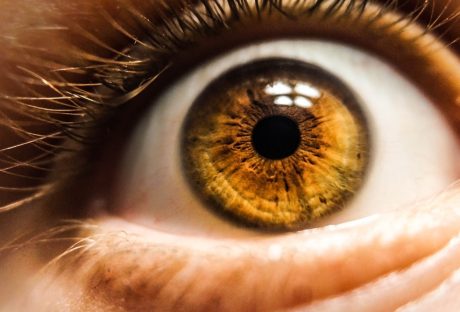
Our eyes are often referred to as the windows to our soul, and taking care of them is essential for maintaining eye beauty. Among the various elements that contribute to alluring eyes, our eyelashes play a crucial role in framing and enhancing their beauty.
Maintaining good hygiene of your eyelashes is essential not only for beauty but also from a health point of view. Here are some tips that you can follow to maintain good eyelash hygiene.
Gentle Makeup Removal
Properly removing eye makeup at the end of the day is crucial for maintaining the beauty and health of your eyes and lashes. Use a gentle eye makeup remover or micellar water to dissolve the makeup without harsh rubbing or tugging. Be especially careful when removing mascara, as rough handling can lead to lash breakage and fallout.
Adopt A Regular Cleansing Routine
To maintain eye beauty, including your lashes, embrace a regular cleansing routine. Use a mild cleanser or specially formulated eye cleanser to wash away dirt, debris, and excess oils from your eyelids and lashes. You can achieve pristine lash hygiene with Lashes by RK's best lash shampoo. Moreover, Keeping the area clean reduces the risk of eye infections and promotes lash health.
Avoid Waterproof Mascara For Daily Use
While waterproof mascara offers excellent longevity, using it daily can be harsh on your lashes. Waterproof formulas often require more rubbing and tugging during removal, which can weaken and damage your lashes over time. Reserve waterproof mascara for special occasions and opt for regular, non-waterproof mascara for daily use.
Nourish With Lash Serums
Eyelash serums enriched with vitamins and nutrients can work wonders for maintaining the beauty of your lashes. These serums help to strengthen and nourish the lashes, promoting healthy growth and reducing the risk of breakage. Look for serums that are ophthalmologist-tested and safe for sensitive eyes.
While an eyelash curler can add a beautiful lift to your lashes, over-curling can lead to damage and breakage. Use an eyelash curler sparingly and avoid applying too much pressure. If you prefer a more natural look, skip the curler altogether and opt for a volumizing mascara instead.
Refrain From Rubbing Your Eyes
Rubbing your eyes vigorously, especially when they are irritated or itchy, can cause lash breakage and even lead to lash loss. Be mindful of this habit and avoid rubbing your eyes whenever possible. If you experience eye irritation, try using a cool, damp cloth or artificial tear drops to soothe the area gently.
Final Words
Maintaining eye beauty encompasses a range of practices, with a particular focus on eyelash care. By adopting a gentle makeup removal routine, embracing regular cleansing, and avoiding harsh waterproof mascaras for daily use, you can protect the health and beauty of your eyes and lashes. Nourishing your lashes with lash serums and natural oils promotes healthy growth and reduces the risk of breakage. Additionally, being mindful of eyelash curling and refraining from rubbing your eyes will further ensure the allure of your eye beauty.
Abdul Aziz Mondol is a professional blogger who is having a colossal interest in writing blogs and other jones of calligraphies. In terms of his professional commitments, he loves to share content related to business, finance, technology, and the gaming niche.
Early signs of oral cancer are persistent mouth sores, unexplained bleeding, difficulty swallowing, and changes in voice. In such cases, you must visit an oncologist, an expert who deals with cancer diagnosis and treatment.
Oral cancer is one of the most common cancers worldwide. It can affect the mouth, tongue, gums, and throat. In fact, there are several factors that contribute to its development. These include tobacco use, excessive alcohol consumption, prolonged sun exposure, and infections like HPV.
However, early detection plays a crucial role in increasing the chances of successful treatment. Also, it helps in improving outcomes. In this article, you will get details about the early signs of oral cancer and what you should be mindful of. Hence, to learn more, read on to the end of the article.
What Is Oral Cancer?
Oral cancer is one of the most common forms of neck/head cancer. Generally, it affects people above 60 years of age. In fact, oral cancer first affects your lips, tongue, mouth roof, and mouth floor. Apart from that, it also affects your oropharynx, which is the last part of your tongue. Also, it might affect the roof of your mouth, the sides and the back of your throat, and your tonsils.
At first, oral cancer can look like a common problem in your mouth and your lips. For instance, you can see white patches or bleeding sores. Basically, the difference between a common problem and a potential cancer is that the problems do not go away.
Here, if you leave the problems without any treatment for a long time, it can spread through your mouth and your throat. Moreover, it will also spread to other areas of your head and neck.
8 Common Warning Signs of Oral Cancer You Shouldn't Ignore
Recognizing the early signs of oral cancer can significantly improve treatment outcomes. Here are eight common symptoms you must watch for and discuss with a cancer specialist promptly.
1. Presence of White/Red Patches in the Mouth
A classic sign of potential oral cancer is the presence of white or red patches in the mouth without any reason. Patches can occur on the tongue, roof of the mouth, inner cheeks, or gums. Patches can be painful sometimes but are usually asymptomatic.
However, you must not ignore them. If you see any of these patches extending more than a few weeks, visit an oncologist for a checkup at Apollo Hospital Belapur. Here, you will get a thorough examination.
2. Persistent Mouth Sores
Oral cancer can be indicated by mouth sores that do not heal within two weeks. The sores may be on the tongue, inside the cheeks, or gums, or on the roof of the mouth. However, getting sores in the mouth is quite common.
Still, you must let an oncologist evaluate sores that don’t improve. Don’t ignore the sores if they are painless or persistent. It could mean something more serious.
3. Difficulty Swallowing or Chewing
Pain or discomfort when swallowing or chewing food may be a sign of oral cancer. When there is a tumor blocking the throat or esophagus, difficulty swallowing or dysphagia often occurs. In some cases, this symptom may be accompanied by a feeling that food gets stuck in the throat or chest.
However, if this continues, it is important to see a specialist to help diagnose any underlying health issue early on.
4. Unexplained Bleeding
Unexplained bleeding on the inside of the mouth is a cause for concern. It could be blood in your saliva or while you brush your teeth. However, if there is any unexplained bleeding from the gums, tongue, or mouth, you must immediately visit a healthcare professional.
Apart from that, bleeding from your gums can be a sign of a minor gum problem. However, if it’s consistent or unusual, it could mean something more serious, such as oral cancer. If you are bleeding, don’t hesitate to visit the best oncologist in Mumbai to get it evaluated.
5. Numbness or Pain in the Mouth or Jaw
If you have numbness or persistent pain in the mouth or jaw that doesn’t go away with over-the-counter pain relief, don’t ignore it. This may mean that cancer is affecting the nerves in your mouth or jaw area. This pain can get worse over time and often comes with other symptoms, such as difficulty moving the jaw or feeling fullness in the mouth.
Hence, you must consult a medical expert. Basically, the expert can help in figuring out the reason behind it and suggesting reasonable treatment alternatives.
6. Unexplained Weight Loss
Sudden weight loss, especially if it is unintentional, can be a sign of a number of health conditions, including oral cancer. Cancer cells can interfere with your body’s metabolism, leading to weight loss.
Moreover, if you get sudden weight loss along with other symptoms such as mouth sores, pain, or difficulty swallowing, see a medical expert as soon as possible. Early diagnosis can enhance the prognosis and treatment options for oral cancer.
7. Changes in Voice or Hoarseness
If you find that your voice or hoarseness doesn’t go away, it could be because oral cancer is affecting your vocal cords or the area around them. If the hoarseness lasts more than a couple of weeks, it’s a good idea to consult an oncologist. Any change in voice should be evaluated to rule out any serious condition, including oral cancer.
8. Lumps or Swelling in the Neck
Signs that the cancer may have spread to nearby lymph nodes include swelling or lumps in the neck. At first, these lumps may be painless, but they can become tender as the disease progresses. If you see any lumps or swelling in your neck, you should see a doctor right away.
An oncologist will evaluate these lumps. Also, the expert will ensure an accurate diagnosis to find whether these lumps are cancerous.
Activities that Increase Oral Cancer
The following are some of the major activities that increase oral cancer:
Smoking (cigarettes, pipes, and cigars)
Other tobacco products include chewing tobacco, snuff, water pipes, dip, etc.
Drinking excessive amounts of Alcohol daily.
Spending a lot of time under the sun without protecting the lips.
Having the Human Papillomavirus (HPV).
Having a history of oral cancer in the family.
Detecting Oral Cancer: The Way Forward
Recognizing the early signs of oral cancer is critical for effective treatment and improving your overall prognosis. If you notice any of these symptoms, it’s essential to seek professional medical advice promptly.
For instance, the Apollo Hospital Belapur, located in Navi Mumbai, is equipped with state-of-the-art facilities. It has expert oncologists who specialize in diagnosing and treating oral cancer. You can consult the best oncologist at Apollo Hospital for a thorough evaluation and a personalized treatment plan.
Basically, you must stay vigilant and consult an expert as soon as you notice unusual symptoms. This way, you can increase your chances of early detection, ensuring that your oral health remains in the best condition possible.
Do you have more suggestions to add on how to detect oral cancer? Please share your ideas and opinions in the comments section below.
Read Also:
5 Skin Cancer Warning Symptoms & Early Signs to Know
How Talcum Powder & Ovarian Cancer Is Related?
You're staring at a computer screen all day, and you think you're taking good care of your eyes. Your eyes feel fine, after all. And when it comes to proper eye care, you get regular checkups from NewVision Clinics - Eye Specialist in Melbourne and take the right steps to keep your vision in top shape.
If you're not careful, however, you could be making a few eye mistakes that might be hurting your vision.
How To Identify The Eye Problems?
If your eyes are dry and irritated, there's a good chance you're overdoing it with eye drops. That's because many of these drops contain chemicals that get your eyes producing more tears than normal — but only for a short period of time.
But once the effect wears off, your body compensates by producing even fewer tears than before. You can become dependent on eyedrops just to see clearly for a few minutes at a time. This is why using artificial tears for more than two or three days in a row is generally not recommended.
Instead, use preservative-free eye drops sparingly (usually no more than four times per day). Our eyes are the only pair we've got, and many of us don't take proper care of them.
Whether it's sleeping in our makeup or not wearing sunglasses on a sunny day, there are many ways we can hurt our eyes on a daily basis. Here are three eye mistakes that could be making your vision worse — and what to do about them.
6 Common Eye Mistakes Which Makes Your Vision Worse
You are making many eye mistakes throughout life, from wrong power eyeglass wearing to applying bad eye drops. But apart from these, many more common mistakes hamper your eye's vision.
Here are six mistakes that have an adverse effect on your eyesight.
1. You're Skipping The Sunglasses
When you're walking around in bright conditions, like snow or bright sky during the summer, it's important to wear sunglasses. Not only is this a good idea for your general health-protecting your eyes from UV rays — but it can also help keep you from blinking. Going out without proper protective sunglasses is one of the common eye mistakes. But it can happen at any time. So it is better to take the tap and remember to wear sunglasses.
Constant squinting can lead to the development of crow's feet, which are fine lines around the eyes that can make you look older than you really are.
If that isn't enough reason to wear them, consider this: According to a study published in JAMA Ophthalmology, long-term exposure to UV radiation has been linked with cataracts in middle-aged adults. And if you're worried about how they look on you, check out these five tips to find the perfect pair of sunglasses for your face shape.
2. Not Eating Right
A healthy diet is good for your whole body, including your eyes. "There are certain nutrients — carotenoids, vitamins C and E and omega-3 fatty acids — that have beneficial effects on our eyes," Dr. Ritterband says.
Improper diet maintenance is solid eye mistakes. You probably do not know the right nutrition, which is keeping your eyes healthy. But the fish and green vegetables have the right vitamin A and D sources, which are eye boosters.
3. Not Wearing Sunglasses Outside
It’s easy to think that sunglasses are just another fashion accessory, but they’re really an essential tool for protecting your eyes from the sun’s ultraviolet radiation (UVR). Exposure to UV light can cause cataracts and age-related macular degeneration, two of the leading causes of blindness in older adults.
UVR also can damage the skin around the eyes, which can increase your risk of developing basal cell carcinoma and squamous cell carcinoma, two common types of skin cancer.
Wear sunglasses labeled with “UV 400” or “100% UVA/UVB protection” every time you go outdoors — even on cloudy days — to protect your eyes from damaging UVR.
4. Using Antibiotics Too Much
"There is a fear that if you have an inflamed cornea, people worry that it might get infected," Melmed said. "In most cases, it doesn't get infected." Antibiotics have eye mistakes effects; they can cause allergic reactions and sometimes even bacterial resistance, he said.
5. Not Getting Regular Eye Exams
It's important to see an ophthalmologist every year, Melmed said. During the exam, he or she will check for early signs of glaucoma and macular degeneration, which can be treated if caught early enough. Avoiding the scheduled eye check-ups are eye mistakes.
Try to avoid it consciously. We all know going for the regular check-up is a little time taking process. But to maintain eye health, you have to do it.
6. Using Artificial Tears
The reason many people have dry eyes is not that their tear glands aren't producing enough tears. Rather, it's because their blink reflex doesn't work properly, and their tears evaporate too quickly from the surface of their eyes.
In this case, artificial tears only worsen the situation by drying out the surface of your eyes even more. Instead of using over-the-counter artificial tears, try to blink more often and learn how to massage your eyelids properly in order to improve the blink reflex (you can find instructions in my Natural Vision Improvement Kit).
Conclusion:
All of these six eye mistakes are common. But on your regular days, you are making these mistakes without knowing them. So it is better to tap on and avoid making mistakes. If you are facing troubled vision. First, identify the problem systems and then ask the consults from the eye doctor.
Read Also:
3 Top Tips to Keep Your Eyes Healthy
How To Care For Your Eye In 5 Medically Proven Ways
How To Buy Glasses With Vision Direct
Contacts vs Glasses: Which of These Two Eyesight Improving Methods
Rush poppers have long held a place in popular culture, often surrounded by curiosity, misinterpretation, and a hint of intrigue. These small bottles, typically found in adult novelty stores, online or on rump-pump.de, promise their users a brief rush of euphoria. Over the decades, rush poppers have seen varied responses from the public, leading to numerous myths and misconceptions. Understanding its chemistry and effects on the body is crucial, as with any substance. This article delves into the science behind rush poppers, breaking down what every user—and potential user—should know about their composition and impact.
What are Rush Poppers?
Rush poppers, often referred to as 'poppers,' have a history dating back to the late 19th century. Initially introduced as a treatment for angina, their medicinal use dwindled with the advent of more advanced cardiac medications. However, their recreational popularity surged during the 1970s and 1980s, particularly within the gay community.
Most commonly, rush poppers are found in small liquid-filled bottles under various brand names, with "Rush" being one of the most recognized. When inhaled, these volatile liquids produce a short-lived, euphoric 'rush,' contributing to their enduring allure. The primary ingredient in these formulations is alkyl nitrites. While they were once primarily amyl nitrites, the composition has shifted over the years, with isobutyl nitrite now being more prevalent in today's market.
Their legal status varies globally, with some countries allowing their sale as 'room odorizers' or 'leather cleaners' to bypass health regulations. Nonetheless, the cultural footprint of rush poppers remains significant, prompting occasional and regular users to delve deeper into their chemistry and effects.
The Chemistry Behind the Rush
The potent effects of rush poppers can be attributed to their chief chemical constituents: alkyl nitrites. Alkyl nitrites, whether amyl, butyl, or isobutyl, are volatile organic compounds that, when inhaled, rapidly enter the bloodstream. Their fundamental action revolves around the relaxation of smooth muscles found throughout the body, including the walls of blood vessels.
When an individual inhales the fumes from rush poppers, the alkyl nitrites lead to vasodilation or the widening of blood vessels. This sudden expansion causes a rapid decrease in blood pressure, resulting in the characteristic 'head-rush' sensation. The brain experiences a brief influx of oxygen, producing euphoria and lightheadedness. This effect is often accompanied by sensations of warmth, dizziness, and an increased heart rate.
But what's the chemistry making this happen? Alkyl nitrites function as a source of nitric oxide, a signaling molecule in the body. Nitric oxide's release prompts the relaxation of vascular smooth muscles, creating the vasodilatory effect.
While the experience may be exhilarating for some, it directly results from a chemical interaction with the body's physiological systems. The fleeting nature of rush poppers' effects, which usually last just a few minutes, is due to the rapid metabolism and elimination of alkyl nitrites from the system.
How Do Rush Poppers Work in the Body?
To fully grasp the rush and allure of poppers, one must delve into their interaction with our physiological systems. Upon inhalation, the vapors from rush poppers are rapidly absorbed by the lungs into the bloodstream. Once in the blood, alkyl nitrites exert their primary effect: relaxing smooth muscles. This is not limited to vascular muscles but extends to other body areas, which explains some of the sensations users report.
The immediate dilation of blood vessels causes a swift drop in blood pressure, inducing a feeling of lightheadedness. This 'head rush' is, in essence, a surge of oxygenated blood to the brain, accompanied by a warm sensation, potential facial flushing, and an accelerated heart rate.
Additionally, the relaxing effect of rush poppers on other smooth muscles can lead to enhanced sensations, particularly during intimate activities, which contributes significantly to their recreational appeal.
While the sensations might be described as intense by users, they're typically short-lived, often waning within a few minutes. This transient nature results from the body's efficient processing and elimination of the inhaled alkyl nitrites.
The Risks and Safety Concerns
Like any substance that has a profound effect on the body, rush poppers come with their set of risks and safety concerns. While many users report minimal adverse effects when used sporadically and responsibly, potential dangers can emerge with misuse.
One immediate concern with rush poppers is the potential for a sharp drop in blood pressure. The additive effect can lead to fainting, dizziness, or even more severe cardiovascular issues for individuals already on medications or with conditions that lower blood pressure.
Moreover, alkyl nitrites can produce harmful effects when combined with other substances. For instance, when used alongside erectile dysfunction medications like Viagra or Cialis, there's a heightened risk of a dangerous drop in blood pressure.
There's also the concern of chemical burns. Given the volatile nature of the liquid, if it comes in direct contact with the skin, it can cause irritation or burns. Plus, ingestion or swallowing can lead to severe poisoning and requires immediate medical attention.
On the legal front, the sale and possession of rush poppers vary by jurisdiction. In some regions, selling them for human consumption is prohibited, leading vendors to market them as 'room deodorizers' or 'cleaning agents'. This guise, however, does not reduce the risks associated with their misuse.
While rush poppers might promise a fleeting euphoria, users should approach with informed caution, understanding the potential ramifications on their health.
Common Misconceptions and Myths
The allure and mystique surrounding rush poppers have created many myths and misconceptions. One common fallacy is that poppers are entirely harmless, a belief stemming from their short-lived effects. While they might not lead to long-term dependency like other substances, their misuse can pose significant health risks, as previously discussed.
Another myth is that they're aphrodisiacs. While rush poppers can heighten sensations and relax muscles, attributing aphrodisiac properties to them is misleading. Their physiological effects might enhance intimate experiences but don't inherently increase sexual desire.
Being armed with facts over fiction is essential when considering or using poppers.
Conclusion
The world of rush poppers, veiled in intrigue, promises a brief, euphoric escape. Yet, understanding their chemistry, physiological impact, and associated risks is paramount. By being informed, users can make safer decisions, ensuring their experiences with poppers are enjoyable and without undue harm.
Read Also:
How To Make Doing Yoga At Home Interesting
11 Effective Ways To Improve Testosterone Levels In Your Body
What Is Garcinia Cambogia And How It Can Help Your Health?
What Are Virtual Reality Workouts And How Will They Affect Exercise?














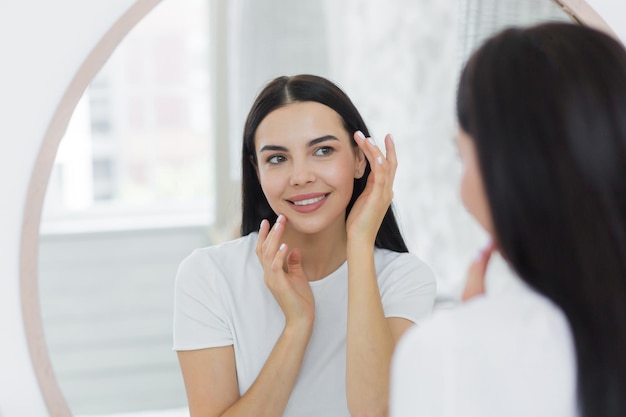 Properly removing eye makeup at the end of the day is crucial for maintaining the beauty and health of your eyes and lashes. Use a gentle eye makeup remover or micellar water to dissolve the makeup without harsh rubbing or tugging. Be especially careful when removing mascara, as rough handling can lead to lash breakage and fallout.
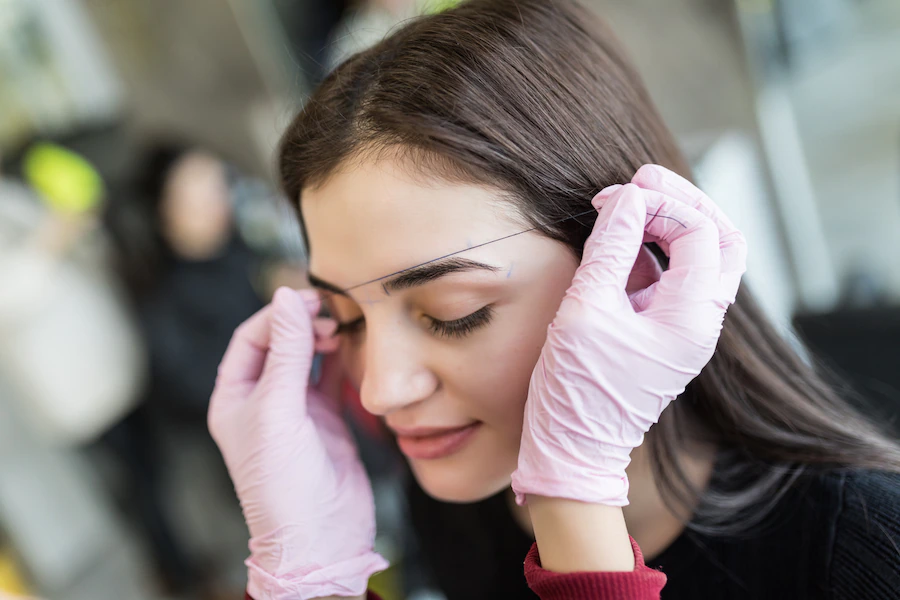 While an eyelash curler can add a beautiful lift to your lashes, over-curling can lead to damage and breakage. Use an eyelash curler sparingly and avoid applying too much pressure. If you prefer a more natural look, skip the curler altogether and opt for a volumizing mascara instead.