

How Long Can You Go Without An Oil Change?

Published on: 13 February 2023 Last Updated on: 11 September 2024
How Long Can You Go Without An Oil Change_

How long can you go without an oil change? Is this something that you have been searching for? If yes, then you have reached the right place for an answer.

We all know that we need to change the oil of the engine once in a while. But, really, how long can we go on without changing it? And what happens if we don't do it for a very long time? There are so many things that you will learn in this blog. So there is one thing you need to do!

Keep reading this blog till the end to learn more…

How Long Can You Go Without An Oil Change?
How Long Can You Go Without An Oil Change
Image Source: di-uploads-pod27.dealerinspire.com

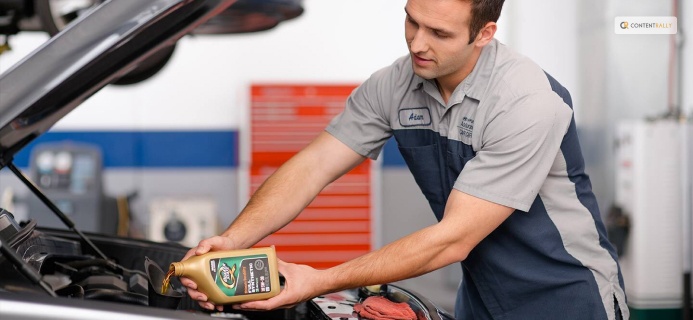
If you are searching for the answer to "how long can you go without an oil change," you have come to the right place. The answer is simple, yurt not! So bare with me, and let me explain.

Previously, car owners were advised to go for an oil change after every 3,000 miles. This was long back when the condition of the engines was not as high as they are now.

Technology has changed the way we live now. And it has also been able to improve the quality of the vehicle engines. That is the reason why now, cars can generally go from 5,000 miles to 7,000 miles without an oil change. However, this also depends on the quality of the oil.

For example, if you are using synthetic oil for your vehicle, you might not need an oil change for a very long time. Most people who use synthetic oil for their car can go on for 10,000 miles to 15,000 miles without an oil change.

So, the shortest answer to "how long can you go without an oil change" will be 5,000 miles to 7,000 miles.

How Often Should You Get An Oil Change?

How Often Should You Get An Oil Change?

While it is true that in modern times, you can go on without an oil change for up to 5,000 miles to 7,000 miles, waiting that long is still not ideal for the engine of the car. The interval that you should keep in mind for an oil change generally depends from car to car or from manufacturer to manufacturer.

In the case of most cars, manufacturers recommend that you get an oil change twice every year. This means that it does not matter how much or how many miles you have driven; it is still best to get your oil changed every six months.

The car manufacturer usually recommends the optimum time interval for an oil change, and it can be found in the manual. All the cars these days have a monitoring system that tracks the oil life for your mileage and other driving habits. This system helps you to understand when it is time for an oil change.

Why Should You Get An Oil Change?

Why Should You Get An Oil Change?

There are a number of people who still are unaware of the reason why you should get an oil change for your vehicle engine. Here is the reason why you need to get an oil change and why it is required:

  • Lubrication: Oiling the engine of the car makes sure that there is enough lubrication to keep the engine working. As the car engines work together, it causes a lot of friction among them. Oiling the engines creates harmony and ensures that they are able to keep the car in good health.
  • Impact On Gas Mileage: One of the most important reasons for oiling the car or going for an oil change is that it has a positive impact on the gas mileage of the vehicle. It makes sure that there is a reduction in fuel consumption.
  • Regulates The Engine Temperature: Last but not least, an oil change is essential as it helps to regulate the temperature of the engine. It keeps to components of the engine cooler by lubricating and reducing friction.

How To Know If You Need An Oil Change?
How To Know If You Need An Oil Change_
Image Source: di-uploads-pod20.dealerinspire.com

When an oil change is necessary, there are a number of warning signals that you may look out for. So if you are someone who does not know when the engine needs it, you need to check on these warning signs.

Take a look at these:

  • Burning Smell: When the engine needs an oil change, you will often get a smell of oil burning. This smell is strong and often fills the cabin or the front seat.
  • The Dashboard: The dashboard of the car, where all the vitals of the engine is shown, plays one of the most important parts in indicating when you need an oil change.
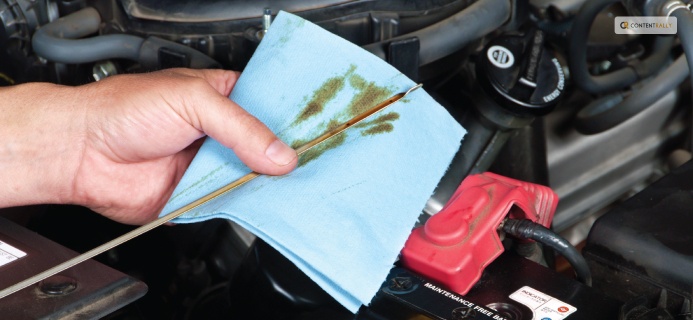
  • Change In Color: The color of the engine oil is mostly clear and amber. If you have not gone for an oil change in a long time, you will notice that the oil has turned black while collecting all the debris from the engine.
  • The Engine Makes Noise: This is the most important indicator. However, you should not wait so long. If there is not enough oil in the car, the engine will start making a noise because of friction.

Wrapping It Up!

A lot of people often ask about how long can you go without an oil change. If that was something that you were searching for, I hope that this article has been of help to you. If there are any other questions that you might have related to the same, please do not hesitate to ask me. Scroll down at the bottom of the page to leave your queries in the comment box. And I will be there with all the answers that you need!

Read Also:
Ankita Tripathy loves to write about food and the Hallyu Wave in particular. During her free time, she enjoys looking at the sky or reading books while sipping a cup of hot coffee. Her favourite niches are food, music, lifestyle, travel, and Korean Pop music and drama.

View all posts

Leave a Reply

Your email address will not be published. Required fields are marked *

Related

Safest Motorcycle Equipment

The Safest Motorcycle Equipment: Gear For Every Rider

Riding a motorcycle offers a sense of freedom and adventure, but it also comes with inherent risks. As a motorcyclist, your safety should be a top priority every time you hit the road. While honing your riding skills and practicing defensive driving techniques are crucial, investing in the right motorcycle equipment can provide an additional layer of protection in the event of an accident. In this blog post, we'll explore the safest motorcycle equipment that every rider should consider wearing to stay safe on the road. Helmet A high-quality helmet is the single most important piece of safety equipment for any motorcyclist. In the event of a crash, a helmet can significantly reduce the risk of head injuries and traumatic brain injuries. When choosing a helmet, opt for one that meets or exceeds safety standards, such as the Department of Transportation (DOT) or Snell certification. Look for features such as a sturdy outer shell, impact-absorbing liner, comfortable padding, and a secure chin strap. Additionally, make sure the helmet fits snugly and securely on your head to provide maximum protection. Protective Riding Gear In addition to a helmet, wearing protective riding gear can help safeguard your body from injuries in the event of a crash or slide. Invest in a durable motorcycle jacket made from abrasion-resistant materials such as leather or textile, with built-in armor in critical areas like the shoulders, elbows, and spine. Pair the jacket with armored riding pants or jeans, which offer added protection for your legs and hips. Don't forget to wear sturdy motorcycle gloves to protect your hands and wrists from abrasion and impact injuries. Riding Boots Proper footwear is essential for maintaining control of your motorcycle and protecting your feet and ankles in the event of a crash. Choose motorcycle-specific riding boots with reinforced soles, ankle support, and impact protection. Look for boots made from durable materials such as leather or synthetic textiles, with non-slip soles for optimal grip on foot pegs and pavement. Avoid wearing sneakers or other casual shoes, which offer little to no protection in the event of an accident. Eye Protection Protecting your eyes from wind, debris, and insects is essential for maintaining visibility and safety while riding. Invest in a good pair of motorcycle goggles or a full-face helmet with a built-in visor or face shield. Look for eye protection with anti-fog and UV-resistant coatings for optimal clarity and comfort in various riding conditions. Additionally, consider carrying a spare visor or anti-fog treatment for long rides or inclement weather to ensure clear vision at all times. Reflective Gear The Cherry Hill motorcycle accident attorneys make it clear that visibility is crucial for staying safe on the road, especially when riding at night or in low-light conditions. Incorporating reflective gear into your riding ensemble can help increase your visibility to other motorists and reduce the risk of accidents. Wear a reflective vest or jacket with reflective strips, or add reflective tape to your helmet, jacket, and motorcycle to enhance visibility from all angles. Consider investing in reflective decals or accessories for your motorcycle, such as wheel stripes or side reflectors, to improve visibility even further. Motorcycle Armor For riders who engage in off-road or high-speed riding, motorcycle armor provides an extra layer of protection against impacts and abrasions. Motorcycle armor typically consists of hard plastic or composite panels strategically placed on key areas of the body, such as the chest, back, shoulders, elbows, and knees. Integrated into a compatible motorcycle jacket or pants, armor enhances protection without sacrificing comfort or mobility. Look for CE-certified armor for optimal impact resistance and shock absorption. Riding a motorcycle can be an exhilarating experience, but it's essential to prioritize safety every time you hit the road. Investing in the safest motorcycle equipment is crucial for protecting yourself from potential injuries in the event of an accident. By wearing the right gear and practicing safe riding habits, you can enjoy the thrill of motorcycling while minimizing the risks associated with this exhilarating mode of transportation. High Visibility Vest Reflective motorcycle vests with high visibility are extremely important in case you are riding during the night or in darker areas. They are cost-effective and provide the necessary safety for your adventure rides. Road crews and highway workers wear them for safety reasons. Similarly, you, too, must utilize this safety tool to maximize visibility. These vests are available in many different materials. They offer reflective and high-visibility colors to help alleviate safety concerns. So if you do not have one, you must get one. A high-visibility vest is a great option for riding in high-traffic as well as high-density population areas. These vests will save you from dangerous situations. You may want to stay comfortable, but safety is key. Protective and preventive motorcycle safety gears keep you safe while you take on the challenges on the road. They do not let safety become an obstacle in the path to your limitless thrill. Earplugs One of the most important items of safety gear for motorcycle riders is earplugs. You may not be riding a throaty cruiser with its V-twin engine. Bikes, however, are noisy. If you add traffic and wind noise to the already loud party, ear fatigue is not too far away. The excessive exposure to this high-decibel noise will start to set in for sure. In order to protect your hearing, use industrial use foam plugs to keep your ears safe. Some of them are inexpensive, but a higher-quality plug will offer a better fit as well as better attenuation. It will be a far better choice to invest in a set of custom-made plugs. Our ears are unique, similar to fingerprints. There are many motorcycle companies that offer earplugs that are designed especially for motorcycle riding. Even audiologists can make you a custom-fitted pair within a week or two. Wrapping Up It is crucial to wear safety gear amid the right clothing when riding a bike. You could be riding a moped or even a high-performance bike. As serious as crashing on a bike sounds, the right equipment will help keep you ready for all situations. There are safety helmets and eye protection to consider. Visors and goggles will keep your eyes from getting injured and increase on-road visibility. Safe riding is not just a personal choice, it is also a legal requirement to make sure that you get the right protection while on the road. If you have thoughts to share or questions to ask, please leave a comment below. We would love to hear from you! Read Also: Things to Consider Before Buying Your First Motorcycle Dos and Don’ts When You’re Involved in a Motorcycle Accident 8 Useful Tips to Help You Prepare For Your First Motorcycle Track Day

READ MOREDetails
Best Auto Repair Shop

7 Ways to Find the Best Auto Repair Shop for Your Vehicle

Regardless of how careful a driver you are, it’s likely that your vehicle could either deteriorate over time or experience a road accident that has left the body in bad shape, and you’ll have to take your car to an auto repair shop and restore it to its former glory. With hundreds of shops to choose from, it may be difficult to pick one that specializes in the type and brand of your vehicle. Here are a few steps to find the best shop to take care of your car: 1. Know What Needs To Be Done: Before you search for an auto repair shop for your car, you need to set specific goals and expectations. For instance, if you are the owner of a vintage sedan that has seen better days, you might want to consider a full restoration. This will include removing the outdated body or sandblasting it to get rid of any rust or leftover paint. In case your car’s exterior was totaled following a serious collision during a business road trip, then you will need professional help to deal with the problem. You can’t do it alone even if there are DIY solutions for it. Taking the time to determine the type of work your vehicle needs can help you find a repair shop offering services that suit your situation and will help you avoid spending money on things you don’t need. 2. Calculate Your Total Costs: After determining the type and amount of work you require for your vehicle, you will need to calculate the amount of money you will need to spend to cover everything. From the outset, it may be difficult to come up with an accurate estimate. You can always have an auto shop evaluate your car and give you an estimate, but it’s still best to know the average cost yourself. Take the time to do a bit of research on auto repair rates in your state or community. How much do vehicle owners have to pay for repainting, collision repair, frame alignment, or a body filler? Once you know how much you could be spending on a repair or restoration, you can begin asking auto repair shops about their rates for the same service. Make comparisons and never settle for anything that’s suspiciously cheap. Knowing these figures before you even talk to a potential outlet can help you avoid an attempt to give you an unfair price. 3. Consider The Brand And Model Of Your Car: Not all body shops specialize in repairing certain vehicles. If you own a Honda or a Subaru, you might want to seek out body shops approved by these brands, since they may have the right parts in store. You still need to make sure that an auto shop has any experience dealing with vintage models. Some parts may not be available for purchase anymore, so you’d do well to find an auto shop that still sells and knows how to install them. Also if your TCM is having problems, aside from seeing the Check Engine light you might also notice that your transmission isn’t acting the way it ought to. Perhaps it’s not shifting at the right times, then an immediate replacement will be necessary. You can get the replacement from a popular organization like npcautomotive.com. Also if your TCM is having problems, aside from seeing the Check Engine light you might also notice that your transmission isn’t acting the way it ought to. Perhaps it’s not shifting at the right times, then an immediate replacement will be necessary. You can get the replacement from a popular organization like npcautomotive.com. With this in mind, you can check with your auto dealer and get a list of recognized service centers in your area. You can also run an online search to see if there are any repair shops that service specific types of vehicles.  4. Get Recommendations From People You Know: Start by asking friends who have hired mechanics and body shops before, and specify the type of work you require. You can also reach out to family members who may have been in the same situation as you. If they have dealt with vehicle damage before, you can ask them for a list of shops you can visit. Another group you can reach out to is motoring enthusiasts. If you are a member of a racing community, you can gather contact numbers of auto shops that people in the group visit. With this information, you can avoid auto shops with bad reputations and look for ones that might give you the results you need. After all, you wouldn’t want to make the same mistake when seeking out an auto dealership. 5. Consider Your Location: When finding an auto shop that specializes in body repair and restoration, you will need to find one that’s readily accessible and convenient. If you reside in Toronto, consider reaching out to shops like J&E Tokyo Auto Collision Inc who specialize in collision repair and auto detailing. You may be tempted to take your vehicle to the nearest available shop, but convenience shouldn't be the only factor. You should also consider other details such as pricing, the availability of spare parts, as well as the OEM manufacturers or origins of these parts. 6. Check For Online Reviews: If you are more of a traditional type, scanning the yellow pages or local directory could be the best way to find an auto repair shop. Technology has made it easier for people to connect with businesses. You just need to enter a keyword like "auto body shop near me" and check out each listing. However, the ease you get from doing an online search shouldn't be a reason to let your guard down. Not all auto shops in the search results are capable of delivering your needs. There's a good chance that you end up with an auto shop that overcharges, uses low-quality parts and materials, and does a sloppy job. The least you could do is to believe whatever a certain auto repair shop says about their services on their ads. To be on the safe side, consider looking for reviews and testimonials from their previous clients. A good trick here is to focus on negative reviews (if there are any) since these will give you a heads up on what to expect. Finding an auto body repair shop shouldn’t take you long, and knowing where to start is the first step towards finding the best shop for you. Read Also: How Professional Mechanics Can Score Deals on Auto Parts 5 Critical Branding Tips to Attract New Clients to Your Auto Parts Shop Michigan Auto Insurance

READ MOREDetails
car shakes at idle but smooths out while driving

Car Shakes At Idle But Smooths Out While Driving – How To Fix This Problem?

You might have noticed some irregularities with your car, like how it’s vibrating more than usual, even while idle. This can happen due to many reasons. Therefore, people should know the reasons behind why their car shakes at idle but smooths out while driving. If you are looking for the answer to this question, then you have clicked on the correct link. In this post, you will learn why the above effect happens and what needs to be done to solve it. Why Does Car Shakes At Idle But Smooths Out While Driving And How To Fix This Issue? If you wish to know why your car shaking while idle, then there can be various reasons for this issue. Therefore, here are some of the most common reasons why your car shakes when idle: 1. The Motor Mounts Are Weak Image Source: foxrunauto.com As you already know, your engine is stored in the car's engine compartment. This is done with the help of motor mounts that are attached to the engine to keep it in place. When these mounts become weak, they might fall off one by one. This can create a situation where your car vibrates when idle. You can notice this the most when your car is in neutral. If it does so, then you better go to a mechanic to get it checked and fixed immediately. 2. Damaged Spark Plugs Image Source: cfx-wp-images.imgix.net Spark plugs are connected to your engine and are responsible for igniting the fuel that goes in it. However, after lots of use, these spark plugs can become greasy due to the accumulation of residue from burnt oil. This can cause the engine to misfire. Therefore, it's best to keep in mind that your spark plugs are best replaced after every 20,000 to 30,000 miles. However, if you have a car that has a diesel engine, then there’s no need to worry about this since diesel engines don't have spark plugs. 3. The Camshaft Timing Chain Is Loose Image Source: carparts.com Many cars have a camshaft timing chain, which helps all the camshafts stay attached to your engine valves and pistons. This can create a problem for you if the timing chain for your camshaft has a loose chain tensioner. If you don't get all the hoses of your engine inspected by a mechanic, then your complaint about your car shaking when idle will never cease. This is because it can cause an engine vacuum leak, increasing the pressure inside its cylinders and vibrating your car.  4. Battery Cables Are Loose Image Source: autochimps.com Another common reason why your car shakes at idle but smooths out while driving is because of loose battery cables. If you see your car wont start after getting gas, then this might be one of the reasons why. This can happen if you recently changed your car battery. It can happen if the battery is not correctly connected to the battery cables. After driving around town, there is a chance that your battery cables might become loose, which leads to vibrating cars. 5. The Sensors Are Dirty Or Worn Out Image Source: protectmycar.com Two primary sensors in your car that are essential for starting it up are - the throttle position and oxygen sensors. Since they are located so close to the engine, they get greased up over time, making them malfunction. Adjusting the throttle cable a bit too tightly might cause the car to turn even while idle. Also, it makes things rough while driving as your car might speed up irrationally at times. In the same vein, a dysfunctional oxygen sensor can lead to exhaust malfunctions. This can also be another reason why your car shakes while idle. 6. Faulty Ignition Control Module Image Source: pixfeeds.com Your car’s idleness can be disturbed if there are faults in the ignition control module. Here, your engine might not start since the control module wrongly sends a signal that makes your engine misfire the compression from your cylinders. You can quickly diagnose this problem if you see your car vibrating on idle, even when you are not pressing the accelerator while in gear. Read Also: Self-Driving Cars And Pedestrian Safety: Who’s Responsible When Tech Fails? 7. The Gas Cap Is Loose Image Source: carparts.com One of the most common causes of your car shaking on idle is a loose gas cap. If the gas cap is loose, then air can leak inside, pressuring and vacuuming the engine even more. This increase in pressure can cause your engine to shake, even while the car is idle. Therefore, try checking your fuel cap. Open it yourself and then put it back. If you see the cap is loose, then you have found the main culprit. 8. Malfunctions In The Fuel Intake System Image Source: themotorguy.com If you see your car shaking when idle, then there is a high chance that the problem probably lies in your fuel intake system. The more you drive your vehicle, the more wear and tear your fuel intake system suffers, leading to blockages and malfunctions. Obstructions in your fuel intake valves can lead to less fuel going to your engine, which fails to start the engine properly. This leads to vibrations in your engine, which makes your car shake even while idle. Therefore, ask your mechanic and allow them to implement the use of an OBD2 scanner to find car engine malfunctions. This scanner will quickly pick up any obstructions in the fuel intake system. Frequently Asked Questions (FAQs): Here are the answers to some questions that people ask alongside why is my car shaking when idle: Q1. How Do You Diagnose Engine Vibration? Ans: To diagnose the reason why your engine is vibrating, you can do the following:First, place your car in a neutral state.Slowly start increasing the engine speed to an RPM which makes it vibrate. Q2. What Reduces Engine Vibration? Ans: To reduce the vibration of your engine, you can try making the coupling more flexible than before. Here, changing the spring and the damper will work wonders. Q3. Does Changing Engine Oil Reduce Vibration? Ans: Yes, changing the engine oil can indeed reduce your engine and car vibration. This will be most noticeable if the engine has not been changed for some time. In addition, this is more prominent in two-wheelers than in four-wheelers. Conclusion There are various reasons why your car shakes at idle but smooths out while driving. It can be due to iffy motor mounts, gas caps, damaged spark plugs, and battery cables. In addition, your ignition control system might be faulty as well, alongside worn-out sensors. In case you faced a similar situation, let me know in the comments below what you did! Read Also: 7 Ways to Find the Best Auto Repair Shop for Your Vehicle How To Choose The Best Wheels And Tires For Your Vehicle

READ MOREDetails